The Great Migration and Grumeti River Adventure (2026,2027-2028: offers an unforgettable opportunity to experience one of Africa’s most remarkable wildlife journeys in the heart of Tanzania. This adventure takes you into the Western Serengeti, a beautiful and wildlife-rich region where vast grasslands, riverine forests, open plains, and seasonal water sources create a natural environment for some of the continent’s most fascinating animals. For travellers who want to experience the Great Wildebeest Migration beyond the usual safari routes, the Grumeti River region provides a distinctive combination of wildlife viewing, dramatic landscapes, and the excitement of searching for migrating herds.
Organised by EKO Tanzania Adventures, this safari experience can be planned around your travel dates, preferred accommodation, budget, and the type of wildlife encounters you hope to enjoy. Whether you are visiting Tanzania for the first time, returning to explore more of the Serengeti, or planning a special holiday with family or friends, the Western Corridor offers plenty of reasons to spend time in this remarkable wilderness.
The Great Migration is not a single event that happens on one particular day. It is a continuous natural cycle in which wildebeest and zebras move across the Serengeti ecosystem in search of fresh grass and water. Their movements are influenced by rainfall, pasture conditions, and the changing seasons. As the herds travel, they attract predators and create opportunities to observe the complex relationships between different species in their natural habitat.
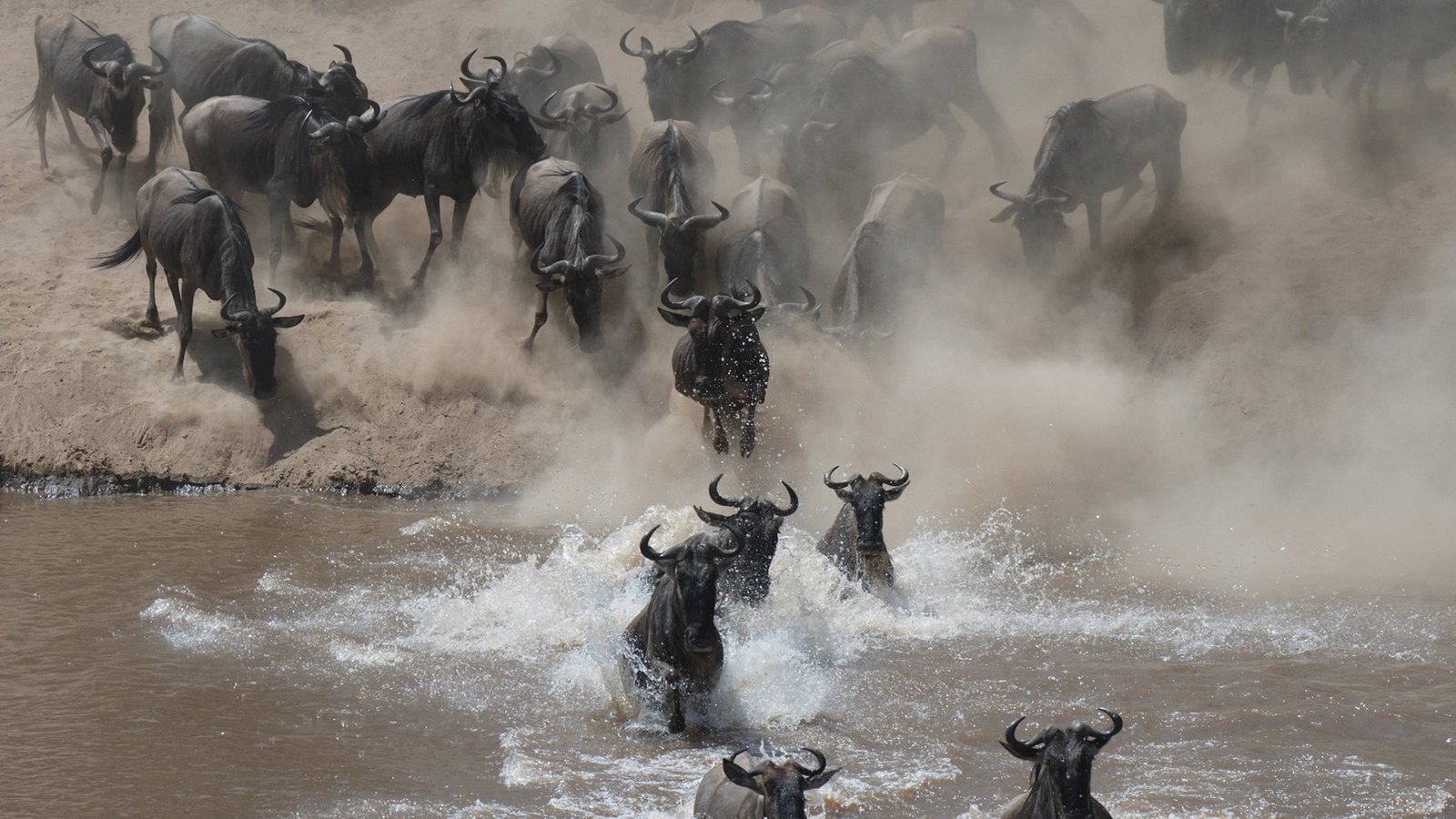
One of the most fascinating parts of this journey is the Grumeti River. During the migration season, large groups of wildebeest may gather near its banks before attempting to cross. Watching these animals respond to the river, the surrounding terrain, and the movements of the herd can be a powerful wildlife experience. However, river crossings are unpredictable, and no safari operator can guarantee that a crossing will happen during a particular visit.

The Great Migration and Grumeti River Adventure (2026,2027-2028
What Makes the Grumeti River Adventure Special?
The Grumeti River runs through the Western Corridor of Serengeti National Park, an area known for its mixture of grasslands, wooded landscapes, and riverine vegetation. This part of the Serengeti has a character of its own. While some areas are dominated by wide, open plains, the Western Corridor offers a changing landscape in which rivers, trees, and grazing areas support a diverse range of wildlife.
The river is especially important during the Great Migration because migrating wildebeest and zebras may encounter it as they move west and north through the Serengeti. When conditions bring large herds into the region, the riverbanks can become places of intense animal activity. Some animals approach the water cautiously, while others move along the bank before finding a suitable place to cross. At other times, the herds may continue grazing or move away without crossing.
The presence of Nile crocodiles adds another dimension to the ecosystem. These powerful reptiles live in the river and may be observed resting near the water or along suitable riverbanks. Hippos also inhabit parts of the river, often spending much of the day in the water. Their presence demonstrates how the Grumeti supports resident wildlife even when migrating herds are elsewhere.
A Grumeti River safari is not only about waiting for a dramatic crossing. It is also about exploring the surrounding environment, observing animals at a natural water source, and appreciating the relationship between wildlife and the landscape. This broader experience makes the Western Serengeti appealing to travellers who want more than a quick stop at a famous wildlife location.

The Great Migration and Grumeti River Adventure (2026,2027-2028
The Great Wildebeest Migration: A Journey Driven by Nature
The Great Wildebeest Migration is one of the largest movements of land mammals in the world. Around 1.5 million wildebeest, together with large numbers of zebras and other grazing animals, participate in this seasonal journey across the Serengeti ecosystem and into neighbouring Kenya. The movement is shaped by the availability of fresh grass and water rather than a fixed timetable.
The migration begins its annual cycle in the southern Serengeti and Ndutu plains, where fresh grass supports the calving season, commonly around January to March. As the seasons change and grazing conditions develop elsewhere, herds gradually move towards the central and western areas of the Serengeti. During the middle of the year, some herds pass through the Western Corridor and may encounter the Grumeti River.
The movement is not always straightforward. Herds can spread across large areas, pause for grazing, change direction, or move at different speeds. Rainfall in one part of the ecosystem may influence where animals gather, while local grass conditions may encourage them to remain in a particular area for longer than expected.
For safari visitors, this natural unpredictability is part of what makes the migration fascinating. Every day presents a different set of possibilities. You may find a large herd crossing an open plain, observe zebras grazing alongside wildebeest, or encounter predators waiting near a group of herbivores. Sometimes the most memorable moment is simply watching thousands of animals moving together across the landscape.
A safari focused on the Grumeti River gives you an opportunity to explore one important stage of this wider migration cycle while also discovering the Western Serengeti’s resident wildlife.
Best Time to Experience the Great Migration and Grumeti River Adventure
Timing is important when planning a safari around the Great Migration. The Western Corridor is generally associated with the movement of migrating herds from May to July, with June often considered a useful month for travellers hoping to explore the Grumeti River area. The precise timing varies from year to year, depending on rainfall, grazing conditions, and the movements of the animals.
May: During May, some migrating herds may begin moving towards the Western Corridor. The landscapes can be green, and the changing weather creates beautiful conditions for photography. However, the herds may still be spread across the central and western parts of the ecosystem, so planning should remain flexible.
June: June is often a particularly attractive time to focus on the Western Serengeti and Grumeti River. Herds may gather in the corridor, and there may be opportunities to observe their movements near the river. The area also offers wildlife viewing beyond the migration itself, including resident predators, elephants, giraffes, and other animals.
July: Some herds may remain in the Western Corridor during July, while others continue moving northwards. The best location depends on current conditions. If your travel dates fall towards the end of the month, it is particularly useful to discuss the itinerary with your safari planner before deciding how much time to spend in the western region.
Outside these months, the Western Serengeti can still provide rewarding wildlife experiences. The river and surrounding habitats support resident animals throughout the year, although the chances of seeing large migrating herds near the Grumeti River may be different.
Travellers should remember that the Great Migration follows nature, not a calendar. Visiting during the expected season can improve the opportunity to see migrating herds, but it cannot guarantee a river crossing. A well-planned safari therefore combines migration viewing with time to explore the wider Serengeti.
Wildlife Encounters in the Western Serengeti
One of the greatest advantages of a Grumeti River adventure is the opportunity to search for a wide variety of wildlife. Although migrating wildebeest and zebras may be the main attraction, the Western Corridor is home to many other species that make game drives rewarding throughout the year.

The Great Migration and Grumeti River Adventure (2026,2027-2028
Lions are among the animals visitors most often hope to see in the Serengeti. They may be found resting beneath trees, watching grazing animals, or moving through the grasslands. Their behaviour changes throughout the day, and a patient guide may help you understand what you are observing without disturbing the animals.
The Great Migration and Grumeti River Adventure (2026,2027-2028
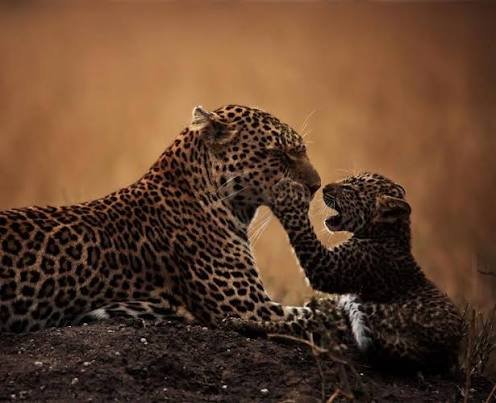
Leopards are more elusive and may be difficult to spot. They sometimes rest in trees or remain concealed in riverine vegetation. A sighting depends on their location and behaviour, but the possibility of finding one adds excitement to a game drive.

The Great Migration and Grumeti River Adventure (2026,2027-2028
Cheetahs are adapted to open landscapes, where they can use their eyesight to locate prey. They may be encountered in suitable grassland habitats, although sightings are never guaranteed.
The Great Migration and Grumeti River Adventure (2026,2027-2028
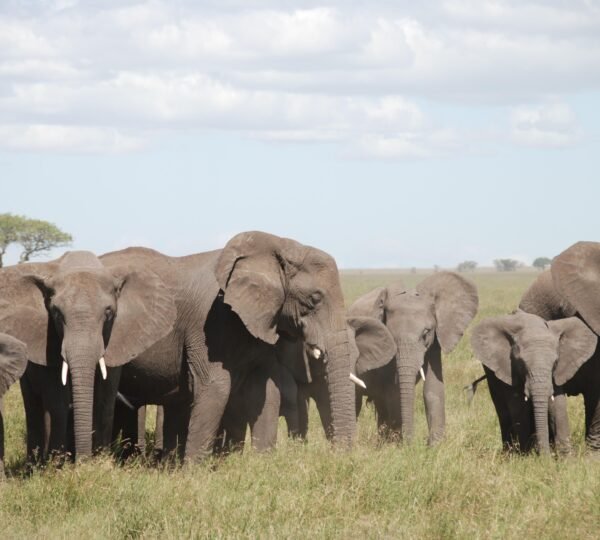
Elephants are another important part of the Serengeti ecosystem. You may see them feeding, travelling between habitats, or gathering around areas where food and water are available. Their movements often provide excellent opportunities for photography from a suitable distance.

The Great Migration and Grumeti River Adventure (2026,2027-2028
Giraffes, buffaloes, zebras, wildebeest, gazelles, and other antelopes contribute to the variety of wildlife across the Western Corridor. Their presence makes the landscape feel alive, even when the migration herds are not concentrated nearby.
The Grumeti River itself provides opportunities to look for hippos and Nile crocodiles. Birdlife is also worth observing, with species found around water, woodland, and open grasslands. Your guide can help identify animals and birds while explaining their roles in the local ecosystem.
No two game drives are identical. Wildlife may be active in one area during the morning and move elsewhere later in the day. The most rewarding approach is to remain patient, appreciate each encounter, and allow your guide to adapt the route to the conditions.
What to Expect During a Grumeti River Game Drive
A typical day begins early, when temperatures are generally cooler and many animals are active. After breakfast, you travel into the surrounding wilderness with your safari guide, looking for fresh tracks, animal movements, and signs of activity around the plains and river.
If migrating herds are present, your guide may focus on areas where wildebeest and zebras have recently been observed. You might see animals grazing in large groups, moving between feeding areas, or approaching the riverbank. If the herds are not nearby, the game drive can focus on resident wildlife and different habitats throughout the Western Corridor.
When approaching the river, patience is important. Animals may gather near the water without crossing immediately. They can remain on the bank, move along the river, or turn away and return later. A crossing might occur after a long wait, but it may also happen outside the time you are there. Visitors should never expect wildlife to perform on demand.
A picnic lunch at an authorised site can allow you to spend more time exploring the area without returning to your accommodation in the middle of the day. The afternoon game drive may follow a different route or revisit an area where wildlife activity has increased.
Throughout the experience, your guide will help you observe animals responsibly. Maintaining a suitable distance, following park regulations, and avoiding unnecessary disturbance are essential to protecting the natural behaviour of wildlife.
Exploring the Western Corridor Beyond the River
The Western Corridor deserves attention in its own right. Its landscapes are different from the open plains found in other parts of the Serengeti, and the changing vegetation creates a varied safari experience.
Open grasslands offer broad views and opportunities to observe herds from a distance. Wooded areas provide shade and shelter for animals, while riverine vegetation creates habitats for species that depend on water. The combination of these environments supports both resident wildlife and migrating animals when seasonal conditions bring them into the area.
The corridor can also offer a different atmosphere from busier wildlife-viewing locations. Visitor numbers vary by season and specific location, but the western region may feel quieter than some of the most popular migration areas. This can make it appealing to travellers who value time to observe wildlife without rushing between sightings.
Photography enthusiasts may appreciate the changing light across the grasslands, the silhouettes of animals against the horizon, and the contrast between open plains and riverine woodland. Even without a dramatic river crossing, the landscape offers plenty of opportunities to capture the character of the Serengeti.
Spending enough time in the Western Corridor allows visitors to appreciate these details rather than treating the region as a place to pass through on the way to another destination.
The Great Migration and Grumeti River Adventure (2026,2027-2028
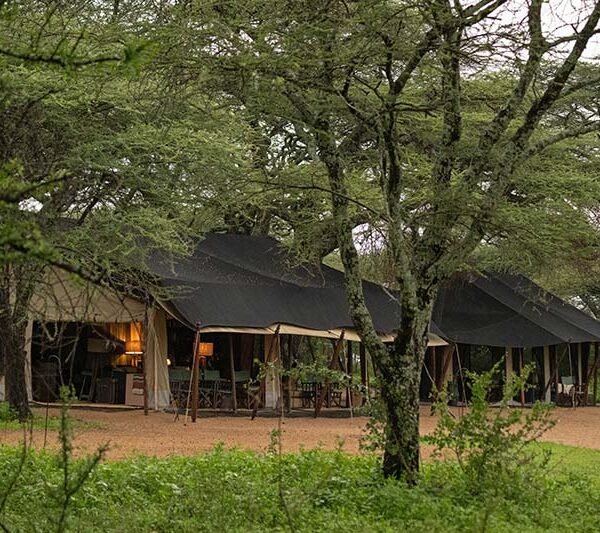


Accommodation for Your Great Migration Adventure
Choosing suitable accommodation is an important part of planning a successful migration safari. Depending on your preferences and availability, EKO Tanzania Adventures can help arrange a suitable tented camp or safari lodge for your journey.
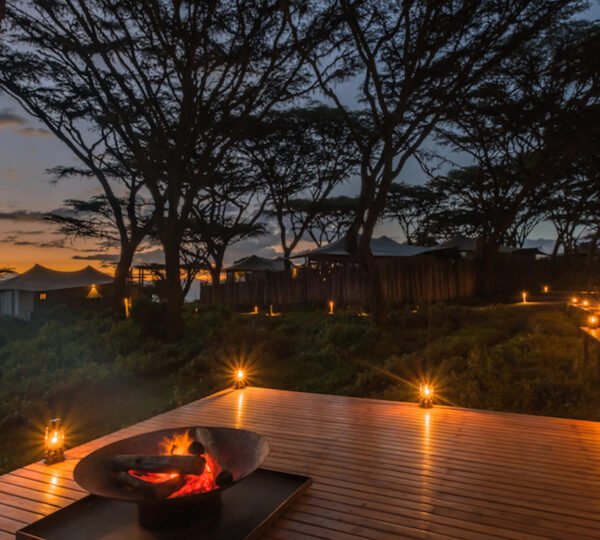
Tented camps offer a close connection to the wilderness while providing the facilities available at the selected property. They can be particularly appealing to travellers who want to experience the atmosphere of the Serengeti after a day of game drives. Safari lodges may offer additional comforts, spacious rooms, dining facilities, and places to relax between activities.
For a safari focused on the Grumeti River, accommodation location matters. Staying near the Western Corridor during the relevant season can reduce unnecessary travel and give you more time for game drives. However, availability varies, particularly during popular migration periods, so early planning is recommended.
Your preferred comfort level and budget will influence the available options. When requesting a quotation, explain whether you prefer budget, mid-range, or luxury accommodation, and ask for a clear breakdown of what is included in the safari package.
How to Prepare for Your Safari
Practical preparation helps make your safari more comfortable. Pack lightweight clothing in neutral colours, a warm layer for early mornings, and a light rain jacket when travelling during periods of changing weather. Comfortable shoes are useful around camp, while a sun hat, sunglasses, and sunscreen help protect you during game drives.
Binoculars are useful for observing animals at a distance, and a camera with a zoom lens can help you photograph wildlife without getting too close. Bring spare batteries, memory cards, and protective storage for your equipment because dust and changing weather conditions can affect electronic devices.
Insect repellent, personal toiletries, any required medication, and a reusable water bottle are also practical items to consider. Your safari team can provide additional guidance based on your travel dates and accommodation arrangements.
Before departure, confirm your itinerary, accommodation, transport arrangements, meals, park fees, and any optional activities. Clear communication helps you understand the experience you have booked and prepare appropriately.
Responsible Tourism and Wildlife Conservation
The Serengeti is a valuable natural ecosystem, and responsible tourism plays an important role in protecting its wildlife. During game drives, visitors should follow the guide’s instructions, remain inside the vehicle except in designated safe areas, and avoid disturbing animals.
If you encounter a herd near the Grumeti River, allow the animals to move naturally. Vehicles should not block their route or pressure them towards the water. The opportunity to witness wildlife behaviour is meaningful precisely because the animals are free to make their own decisions.
Visitors should also avoid littering, respect park rules, and choose tourism services that take wildlife protection seriously. Responsible travel helps preserve the natural environment and supports the long-term future of Tanzania’s protected areas.
A good safari is not measured only by the number of animals seen. It is also about learning to appreciate nature, understanding the challenges wildlife faces, and leaving the environment as undisturbed as possible.
Plan Your The Great Migration and Grumeti River Adventure (2026,2027-2028 with EKO Tanzania Adventures
The Great Migration and Grumeti River Adventure is an excellent choice for travellers who want to explore the Western Serengeti and discover one of the most fascinating stages of the annual wildebeest migration. From the sight of herds moving across open grasslands to the possibility of observing wildlife near the Grumeti River, this experience offers a memorable introduction to the natural rhythms of the Serengeti.
EKO Tanzania Adventures can help you plan your safari around your travel dates, group size, accommodation preferences, budget, and interest in migration viewing. The itinerary can be discussed in advance so that you have a clear understanding of the route, overnight locations, included services, and practical arrangements.
If seeing the Grumeti River and migrating herds is your main priority, consider travelling during the May-to-July period, with June often being a useful month to explore the Western Corridor. Because the migration is unpredictable, flexibility and sufficient time in the region are important. The team can help you consider the best arrangements for your dates while keeping the wider wildlife experience in focus.
Book Your Great Migration and Grumeti River Adventure with EKO Tanzania Adventures and begin planning your Tanzania safari.
Website: www.ekotanzaniaadventures.com
Email: info@ekotanzaniaadventures.com
Call or WhatsApp: +255 761 353 184
Contact EKO Tanzania Adventures to discuss your preferred travel dates and create a safari experience that reflects your interests, budget, and expectations for exploring Tanzania’s extraordinary wilderness.