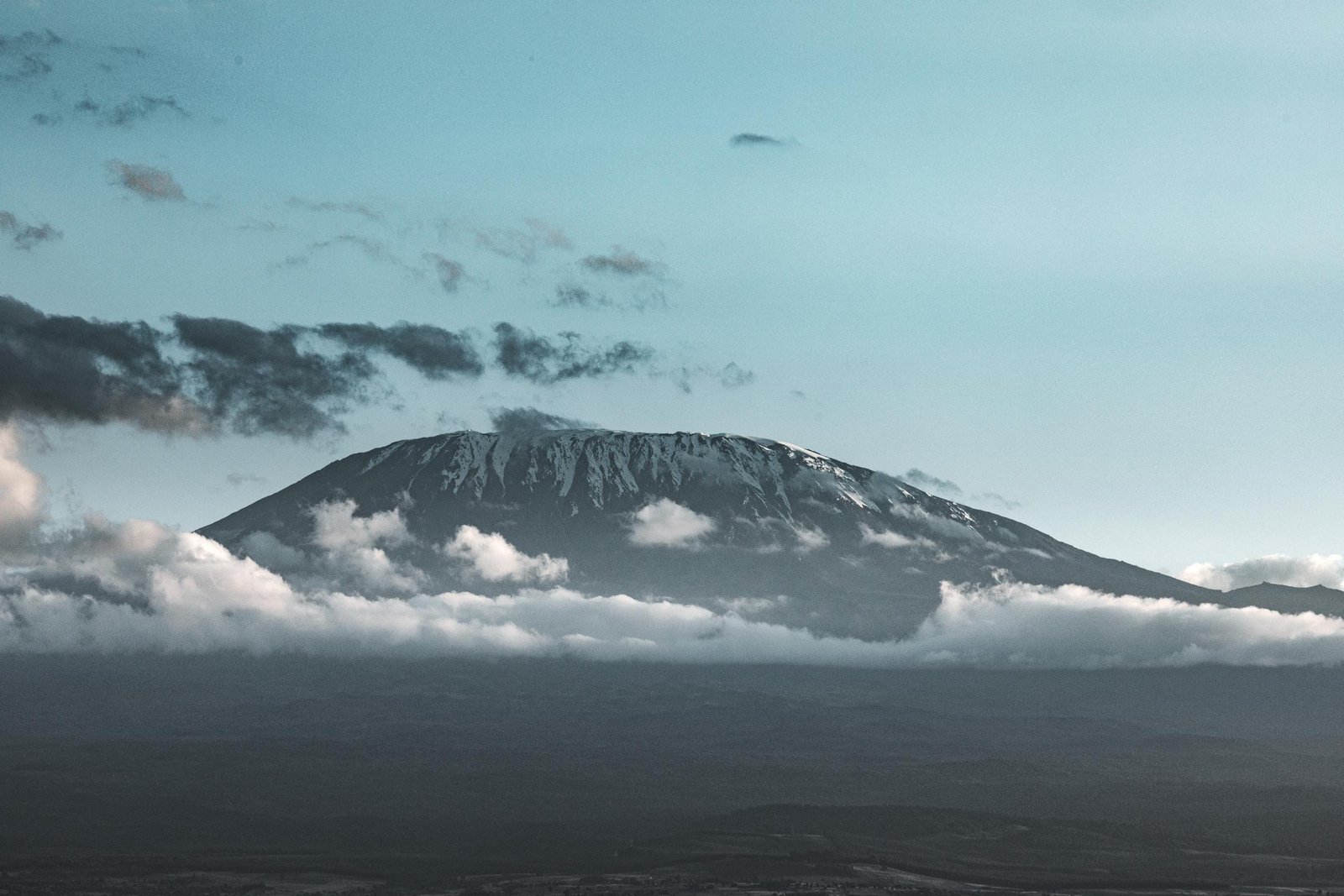
The Top Best Kilimanjaro Tour Company in Africa 2026–2028 ;Climbing Mount Kilimanjaro is more than an ordinary holiday. It is a personal challenge, an opportunity to discover Tanzania’s natural beauty, and a chance to stand on the highest mountain in Africa. For many travellers, reaching Uhuru Peak is a dream they have carried for years. Turning that dream into reality requires careful planning, experienced mountain guides, suitable equipment, and a team that understands what climbers need throughout the journey.
EKO Tanzania Adventures offers travellers the opportunity to explore Mount Kilimanjaro through professionally organised climbing packages designed around different travel dates, fitness levels, budgets, and personal preferences. Based in Tanzania, EKO helps international visitors plan mountain adventures while discovering the landscapes, culture, and hospitality that make this part of Africa special.
If you are searching for a Kilimanjaro tour company in Africa for 2026, 2027, or 2028, choosing the right operator is one of the most important decisions you will make. The company you select influences your route, accommodation arrangements, mountain support, acclimatisation schedule, and overall experience. EKO Tanzania Adventures aims to make the planning process straightforward, helping you understand your options before beginning your climb.
Whether you are a first-time trekker, an experienced hiker, a couple looking for an extraordinary adventure, or a group of friends preparing to reach the summit together, your Kilimanjaro journey should reflect your needs. With the right preparation and a well-organised itinerary, you can concentrate on the experience itself: taking each step, enjoying the changing scenery, and working towards one of Africa’s most memorable mountain achievements.
Why Choose EKO Tanzania Adventures for Your Kilimanjaro Climb?
Choosing a climbing company involves more than comparing package prices. You need to understand what is included, how the mountain days are organised, what safety arrangements are available, and whether the itinerary gives your body enough time to adjust to the altitude.
EKO Tanzania Adventures helps travellers plan their Kilimanjaro experience by discussing the available routes, trip duration, accommodation preferences, and practical arrangements before departure. The aim is to help each guest choose a climb that fits their expectations rather than simply selecting the shortest or cheapest package.
Personalised Kilimanjaro Climbing Packages
Every climber approaches Mount Kilimanjaro differently. Some travellers prefer joining a small group, meeting people from different countries, and sharing the excitement of the climb. Others want a private expedition with greater flexibility over their schedule and travel arrangements.
EKO Tanzania Adventures can help you explore package options according to your travel dates, group size, preferred route, budget, and accommodation requirements. If you are travelling as a couple, with family members, or with a group of friends, these details can be considered when planning your adventure.
Before booking, discuss your hiking experience, any concerns about altitude, and the amount of time you can spend on the mountain. This information helps you compare itineraries more meaningfully and understand which options may suit you best.
Experienced Mountain Guides and Organised Support
A successful Kilimanjaro expedition depends on a team that understands mountain conditions and takes climber welfare seriously. Professional guiding, clear communication, appropriate equipment, and regular monitoring are important throughout the trek.
Your booking arrangements should clearly explain the guiding team, mountain crew, emergency procedures, and support provided during the climb. EKO Tanzania Adventures can discuss these arrangements with you during the planning process so that you understand what to expect before your journey begins.
At high altitude, even experienced hikers may experience fatigue, headaches, nausea, or other symptoms associated with altitude sickness. Reaching the summit should never take priority over a climber’s health. Follow your guide’s instructions, report symptoms immediately, and respect any decision to descend when safety requires it.
A Genuine Tanzanian Travel Experience
Mount Kilimanjaro is an important part of Tanzania’s natural and cultural heritage. Beginning your adventure in the country allows you to experience more than the mountain itself. You can enjoy the welcoming atmosphere of Moshi or Arusha, learn about local traditions, and, if your schedule permits, continue your holiday with a wildlife safari or a relaxing stay in Zanzibar.
EKO Tanzania Adventures provides a starting point for travellers who want to combine mountain trekking with other Tanzanian experiences. Depending on your available time, you can plan a Kilimanjaro climb followed by a safari in Serengeti National Park, a visit to the Ngorongoro Crater, or a beach holiday on Zanzibar Island.
Combining these experiences creates a varied itinerary, bringing together mountain landscapes, African wildlife, local culture, and coastal scenery in one memorable trip.
Climb Mount Kilimanjaro, the Highest Mountain in Africa
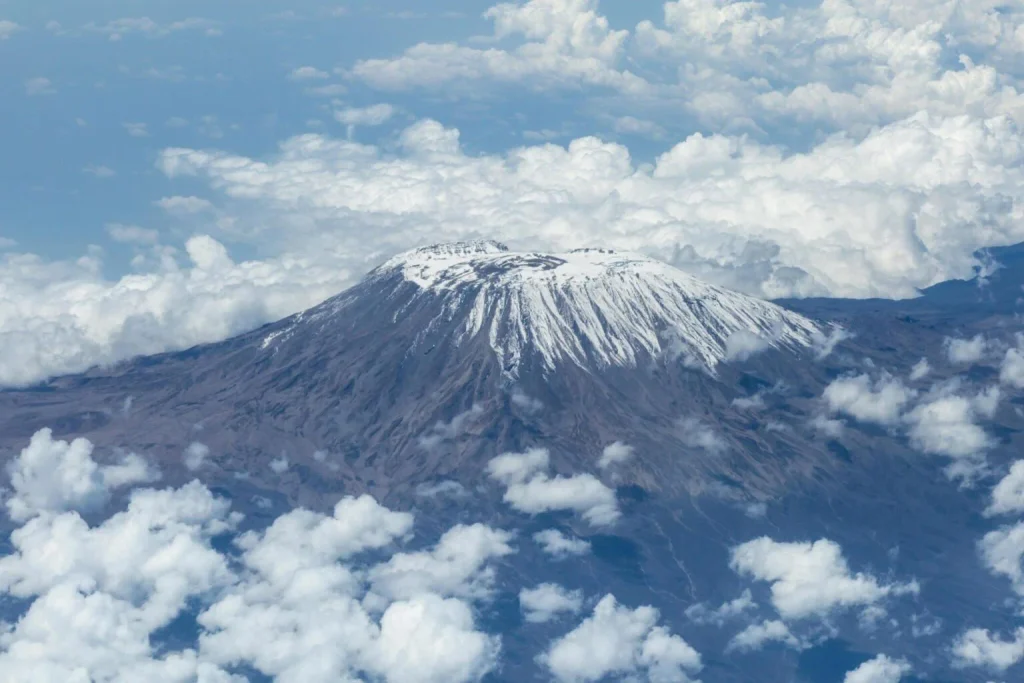
Mount Kilimanjaro stands at approximately 5,895 metres (19,341 feet) above sea level, making it the highest mountain in Africa. Located in northern Tanzania, it is famous for its impressive volcanic peaks, expansive views, and remarkable changes in vegetation and climate as climbers ascend.
Unlike many other high mountains, Kilimanjaro does not require technical mountaineering skills on its standard trekking routes under normal conditions. However, that does not make the climb easy. The high altitude, long walking days, cold summit conditions, and physical demands make preparation essential.
The journey begins in forested areas where the air is generally warmer and vegetation is dense. As the trail climbs higher, the landscape gradually changes into moorland, open alpine desert, and the cold, exposed terrain near the summit. Each stage presents a different view of the mountain and a new challenge for the people walking towards Uhuru Peak.
The summit experience is often emotional. After days of steady walking, early starts, and adapting to the altitude, climbers reach the highest point in Africa. For many, the achievement represents determination, patience, and the support of everyone who helped make the journey possible.
With EKO Tanzania Adventures, you can begin planning the climb around your preferred dates in 2026, 2027, or 2028 and discuss which route and duration best match your goals.

Best Kilimanjaro Climbing Routes for 2026–2028: The Top Best Kilimanjaro Tour Company in Africa 2026–2028
One of the most important decisions when booking a Kilimanjaro climbing package is selecting the right route. Each route has its own scenery, duration, camping or accommodation arrangements, and acclimatisation profile. The best option depends on your available time, hiking experience, budget, and how comfortably you want to approach the summit.
1. Machame Route: A Scenic and Popular Climb: The Top Best Kilimanjaro Tour Company in Africa 2026–2028
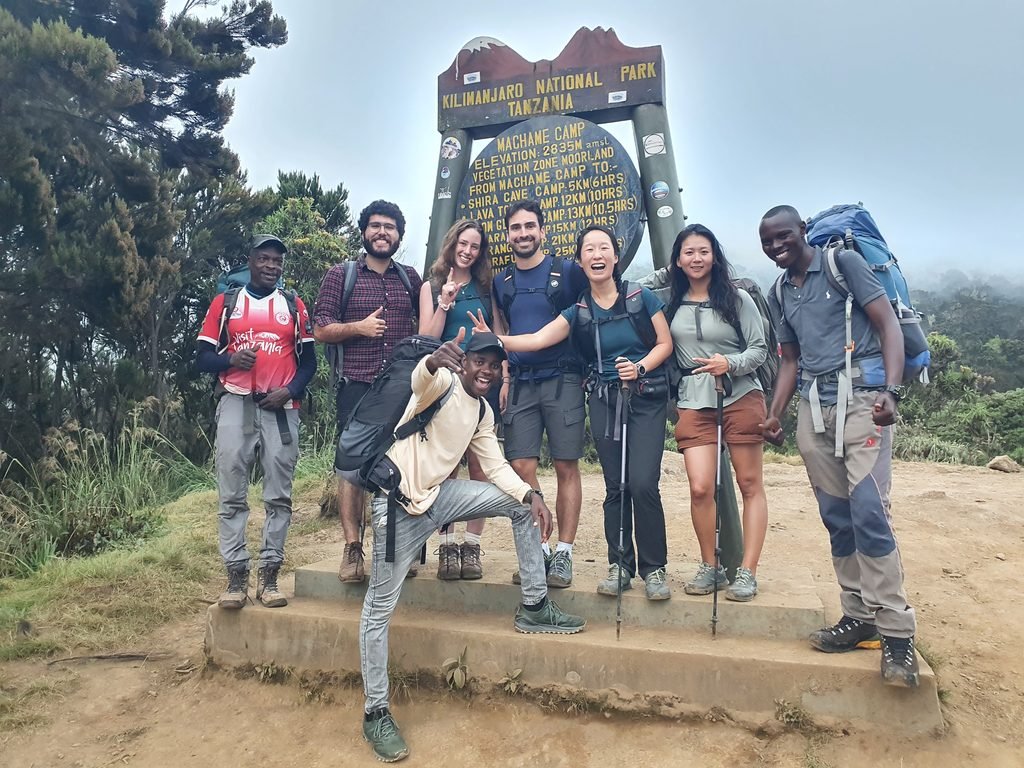
The Machame Route is a popular choice for travellers seeking varied landscapes and a rewarding trekking experience. Often called the Whiskey Route, it passes through rainforest, moorland, rocky terrain, and high-altitude desert.
Many itineraries take six or seven days on the mountain, although the precise schedule depends on the package. The seven-day option generally allows more time for acclimatisation than the shorter version, which can be an important consideration when choosing your climb.
The route is particularly appealing to hikers who enjoy changing scenery and are comfortable with several consecutive days of walking. Some sections involve steep ascents and descents, so reasonable physical preparation is necessary.
If you are considering the Machame Route for 2026, 2027, or 2028, ask EKO Tanzania Adventures to explain the daily distances, altitude changes, camping arrangements, and acclimatisation schedule before confirming your booking.
2. Lemosho Route: Beautiful Landscapes and a Longer Approach: The Top Best Kilimanjaro Tour Company in Africa 2026–2028
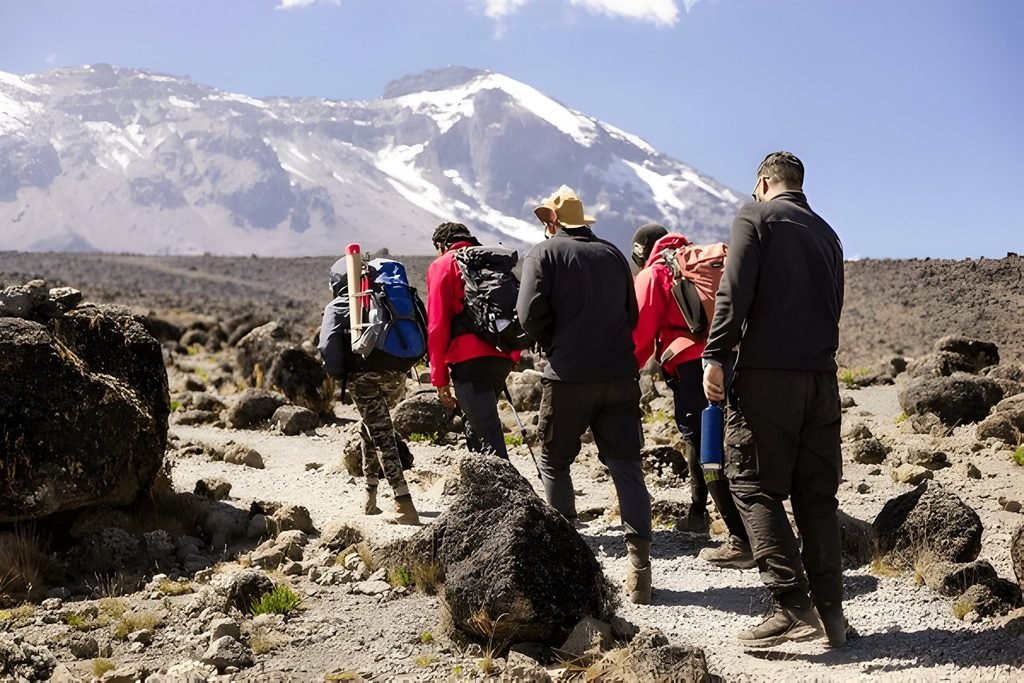
The Lemosho Route is known for its scenic western approach and the opportunity to experience the mountain gradually. The early stages pass through forest before opening into expansive views across the Shira Plateau.
An eight-day itinerary is a popular option for travellers who want a longer climb with additional time for acclimatisation. Other itinerary lengths may be available, depending on the package and the operator’s arrangements.
Lemosho can suit first-time climbers who have enough time for a carefully paced trek, as well as experienced hikers who appreciate quieter early trail sections and varied landscapes.
Although the route offers a rewarding approach to the summit, additional days do not guarantee success. Preparation, individual responses to altitude, weather, and adherence to safety advice remain important.

3. Marangu Route: Mountain Huts and a Familiar Trail: The Top Best Kilimanjaro Tour Company in Africa 2026–2028
The Marangu Route offers a different experience because accommodation is provided in designated mountain huts rather than tents at the usual overnight stops. This arrangement appeals to travellers who prefer sleeping indoors on the mountain.
The route is often available as a five- or six-day climb. The six-day itinerary provides an additional acclimatisation day and is worth considering when your schedule and budget allow.
Marangu follows a well-established trail through forest, moorland, and higher alpine terrain. Its hut accommodation does not make the climb easy, however. The ascent remains physically demanding, and the rapid altitude gain associated with shorter itineraries can make acclimatisation challenging.
When comparing Marangu packages, ask about hut facilities, meals, daily walking times, and the differences between the five- and six-day itineraries.
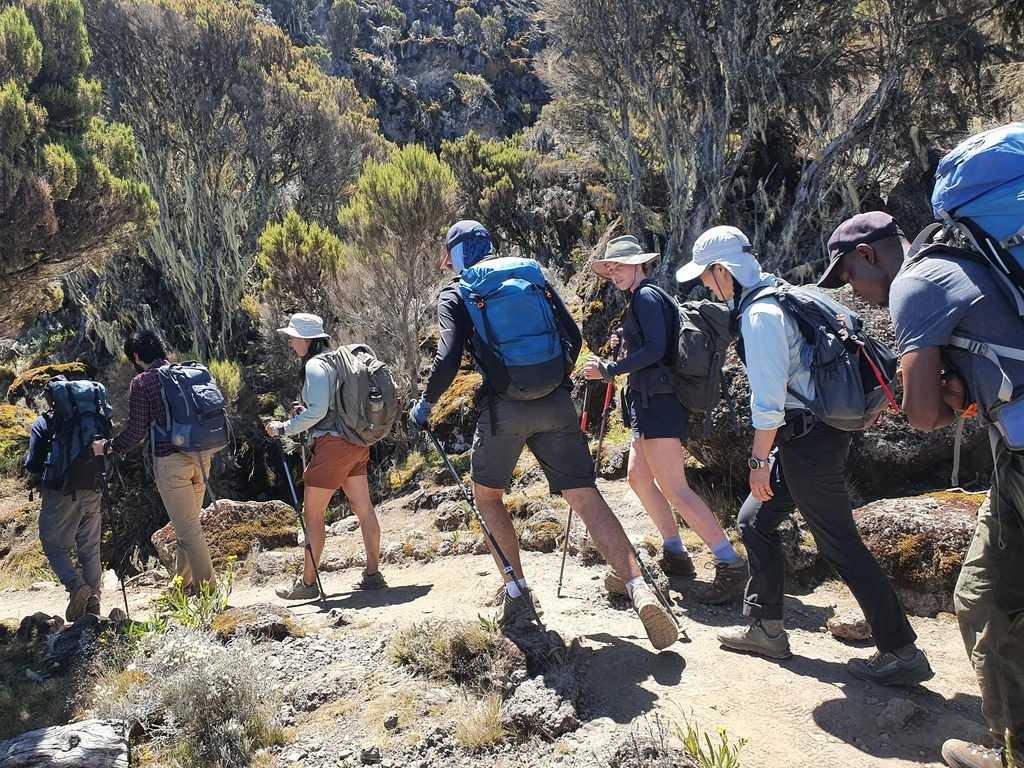
4. Rongai Route: The Northern Side of Kilimanjaro: The Top Best Kilimanjaro Tour Company in Africa 2026–2028
The Rongai Route approaches Kilimanjaro from the northern side, close to the Kenyan border. It offers a different perspective from routes that begin on the southern or western sides of the mountain.
The route passes through remote landscapes and can be appealing to travellers seeking a less crowded early trekking experience. It is often completed over six or seven days, with longer itineraries offering more opportunity for acclimatisation.
Rongai is worth considering if you value the feeling of exploring a different side of the mountain. The route still requires proper preparation, suitable clothing, and a realistic understanding of the physical demands of high-altitude trekking.

5. Northern Circuit Route: More Time on the Mountain: The Top Best Kilimanjaro Tour Company in Africa 2026–2028
The Northern Circuit is a longer option for travellers who want to spend more time exploring Kilimanjaro. The route travels around the northern slopes and offers broad mountain views and a varied trekking experience.
A nine-day itinerary is commonly offered, although the total number of travel days can differ depending on hotel arrangements and transfers. Its longer schedule provides more opportunity for gradual acclimatisation compared with many shorter climbs.
This route may suit travellers who have enough time available and prefer a more gradual approach. It generally costs more than shorter itineraries because it involves additional mountain days, food, crew support, and camping arrangements.
If your priority is to give yourself more time on Kilimanjaro rather than rushing towards the summit, discuss the Northern Circuit with EKO Tanzania Adventures.
How Much Does It Cost to Climb Mount Kilimanjaro in 2026, 2027, and 2028?
The cost of climbing Kilimanjaro varies according to the route, number of days, group size, accommodation, season, and services included in the package. A shorter camping climb may cost less than a longer private expedition with hotel accommodation before and after the trek.
There is no single price that applies to every climber. The most useful approach is to compare quotations for the same route and duration while checking exactly what each package includes.
Your Kilimanjaro climbing budget may cover the following:
- National park and conservation fees.
- Camping or mountain hut accommodation.
- Meals and drinking-water arrangements during the climb.
- Professional mountain guides and supporting crew.
- Transfers between your hotel and the mountain gates.
- Accommodation before or after the trek, when included.
- Rescue-related arrangements and safety equipment specified in the package.
- Applicable taxes and other clearly stated charges.
International flights, travel insurance, personal trekking equipment, visa expenses, personal purchases, and crew tips may be additional costs. Confirm the exact inclusions and exclusions in writing before making a payment.
For the 2026–2028 climbing seasons, EKO Tanzania Adventures can provide a quotation based on your preferred route, travel dates, number of climbers, accommodation preferences, and budget. Ask for an itemised breakdown so you can understand the full cost of your adventure rather than relying on a headline price alone.
A lower price is not always the best value. When comparing packages, consider the length of the climb, safety arrangements, guide support, food, equipment, and the treatment of mountain crew. A well-planned itinerary with appropriate acclimatisation time may be a better investment than choosing a shorter climb simply to reduce the initial cost.
Kilimanjaro Safety: What Every Climber Should Know
Safety should be central to every Kilimanjaro climbing decision. The mountain’s altitude presents a challenge even for travellers who exercise regularly or have completed demanding hikes elsewhere.
A responsible climbing plan includes a realistic itinerary, qualified guides, appropriate equipment, regular assessment of climbers’ wellbeing, and a clear response plan for emergencies.
Acclimatisation and Altitude Awareness
As you ascend, the amount of available oxygen decreases. Your body needs time to adapt, and the process differs from one person to another. Walking slowly, following the planned ascent, staying hydrated, eating regularly, and communicating openly with your guide can help support a safer climb.
Headaches, nausea, unusual fatigue, dizziness, and loss of appetite may be signs of altitude-related illness. Symptoms should never be hidden to avoid disappointing the group or missing the summit.
Severe symptoms require urgent medical attention and may require descent. Your guide should explain how health concerns are assessed and what emergency procedures apply to your itinerary.
Physical Preparation
You do not need to be an elite athlete to prepare for Kilimanjaro, but you should be comfortable with sustained physical activity. Regular walking, hill training, hiking with a daypack, and cardiovascular exercise can help you develop the endurance needed for consecutive mountain days.
If possible, practise walking for several hours on varied terrain and use the footwear you intend to take on the trek. This helps you identify discomfort before arriving in Tanzania.
Anyone with concerns about their ability to undertake strenuous activity or travel to high altitude should seek appropriate medical advice before booking.
Equipment and Clothing
Conditions on Kilimanjaro vary significantly with altitude. Warm weather at the beginning of the trek can give way to freezing temperatures near the summit, particularly during the night and early morning.
Your equipment list should include suitable hiking boots, layered clothing, a warm insulated jacket, waterproof outerwear, gloves, a hat, a headlamp, a sleeping bag appropriate for expected temperatures if camping, sun protection, and a daypack.
Check the equipment list provided for your specific package. If equipment rental is available, confirm its condition, sizes, and cost in advance.
Choosing a Responsible Operator
Before confirming your climb, ask about guide qualifications, emergency oxygen where appropriate, pulse oximetry and health-monitoring procedures, evacuation arrangements, and the guide-to-climber ratio. Ask how porters are equipped, paid, and supported during the expedition.
Kilimanjaro National Park requires climbs to be organised through authorised guiding arrangements; independent solo trekking is not permitted. You should verify the operator’s current licensing and confirm the arrangements that apply to your specific trip.
EKO Tanzania Adventures can discuss the practical details of your proposed climb so you know what to expect before travelling.
Best Time to Climb Kilimanjaro
Kilimanjaro can be climbed throughout the year, but weather conditions vary by season. Many visitors favour the generally drier periods around January to early March and June to October. These periods can offer favourable trekking conditions, although mountain weather is never guaranteed.
January and February are often attractive to travellers looking for relatively dry conditions and the possibility of clear mountain views. June to October is another popular period, particularly for visitors combining their climb with a northern Tanzania wildlife safari.
March, April, and May tend to bring wetter conditions in many parts of the mountain. November can also experience rain. Some travellers still choose these months because of their schedules or preferences, but wet trails, clouds, and colder conditions may affect the experience.
Your ideal dates will depend on more than the season. Consider your available holiday time, preferred route, group departure options, and whether you intend to visit other destinations in Tanzania.
For 2026, 2027, and 2028, contact EKO Tanzania Adventures with your intended travel period to discuss available itineraries and arrangements. Book early if your dates are fixed, particularly if you want a private climb or need to coordinate flights and accommodation.
What to Expect During Your Kilimanjaro Climbing Adventure
Your experience begins before you reach the mountain. Depending on your package, you may arrive through Kilimanjaro International Airport and transfer to accommodation in Moshi or Arusha. The exact transfer and hotel arrangements should be confirmed with your operator.
Before the climb, use your preparation time to check your equipment, review the itinerary, and ask your guide any remaining questions. Understanding the route and the plan for each day can make the experience feel more manageable.
Once the trek begins, most days follow a steady rhythm of walking, breaks, meals, and arrival at the next camp or hut. The landscape changes as you gain altitude, and you may notice that walking becomes slower and more demanding. This is normal at high elevation, and following your guide’s pace is more important than trying to keep up with faster hikers.
Summit night is usually the most physically demanding part of the climb. Climbers commonly begin the final ascent during the night so they can approach the summit around sunrise, depending on the route, weather, and individual progress.
Reaching Uhuru Peak is an extraordinary achievement, but the descent is also an important part of the journey. After celebrating and taking photographs, you will continue down the mountain according to your guide’s instructions. The descent can be tiring, so maintain your concentration and follow the planned pace.
At the end of the trek, many climbers feel a mixture of relief, pride, and gratitude. The memories often extend beyond the summit itself: the conversations along the trail, the encouragement from the crew, the changing landscapes, and the determination required to keep going.
Combine Kilimanjaro Climbing with a Tanzania Safari
One of the advantages of visiting northern Tanzania is the opportunity to combine a mountain adventure with a wildlife safari. If your holiday allows enough time, you can experience two very different sides of the country within one trip.

Serengeti National Park
The Serengeti is famous for its wide-open plains, large populations of wildlife, and the annual movements of wildebeest and other grazing animals. A safari here offers opportunities to look for lions, elephants, giraffes, zebras, and many other species in their natural habitat.
The location of the migrating herds changes throughout the year, so safari routes should be planned around seasonal conditions and recent wildlife movements rather than a guaranteed sighting.
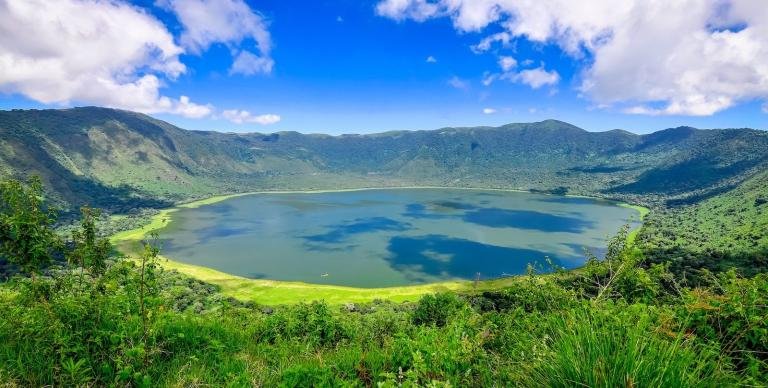
Ngorongoro Crater
The Ngorongoro Crater is renowned for its dramatic scenery and concentrated wildlife viewing opportunities. A visit can complement a Kilimanjaro climb with a different kind of outdoor adventure, allowing you to explore the landscape from a safari vehicle rather than on foot.

Tarangire National Park
Tarangire is known for its baobab trees, elephant herds, and seasonal concentrations of wildlife around water sources. It is another option for travellers who want to extend their stay in Tanzania after climbing the mountain.
EKO Tanzania Adventures can help you explore the possibility of combining a Kilimanjaro package with a private or group safari, depending on your dates, budget, and preferred accommodation.

Extend Your Holiday to Zanzibar
After several days of walking at high altitude, some travellers prefer to spend a few days relaxing by the Indian Ocean. Zanzibar offers white-sand beaches, warm coastal waters, historic Stone Town, spice experiences, and opportunities to learn about the island’s distinctive cultural heritage.
A beach extension can be arranged before or after a mountain climb, depending on your international flights and preferred schedule. You may choose a quiet beach stay, a visit to Stone Town, a boat excursion, or a combination of cultural and marine activities.
When requesting your package, tell EKO Tanzania Adventures whether you want a mountain climb only, a Kilimanjaro and safari combination, or a longer holiday that includes Zanzibar. Planning these elements together can help you coordinate transfers, accommodation, and travel dates more efficiently.
How to Prepare for Your Kilimanjaro Climb
Preparation should begin well before your arrival in Tanzania. A few simple steps can make a substantial difference to how comfortable and organised your trip feels.
Start with regular training. Build your walking endurance gradually and include hills or stairs when possible. Practise on longer walks so you understand how your body responds to sustained activity.
Choose the right itinerary. Consider the time available, route conditions, and acclimatisation opportunities. Do not select an itinerary based on the number of days alone.
Arrange suitable travel insurance. Check that your policy explicitly covers high-altitude trekking to the intended elevation, medical treatment, and emergency evacuation where required.
Prepare your equipment. Test your boots, organise your clothing layers, and make sure essential items are easy to reach. Avoid waiting until the last minute to buy or rent critical equipment.
Allow time for travel arrangements. Consider airport transfers, pre-climb accommodation, and a buffer for flight delays. If you are combining Kilimanjaro with a safari or Zanzibar holiday, allow enough time between activities.
Ask questions before booking. Request the complete itinerary, a written price breakdown, the cancellation policy, payment terms, and details of the safety arrangements. Clear answers help you make an informed decision.
Book Your Kilimanjaro Climbing Adventure with EKO Tanzania Adventures
Your journey to the roof of Africa begins with a plan that fits your goals, your schedule, and your comfort level. Whether you are considering the scenic Machame Route, the beautiful Lemosho Route, the hut-based Marangu Route, the northern approach of Rongai, or the longer Northern Circuit, choosing an appropriate itinerary is an important first step.
EKO Tanzania Adventures welcomes enquiries from travellers planning to climb Mount Kilimanjaro in 2026, 2027, and 2028. Share your intended travel dates, the number of people in your group, your preferred route, accommodation expectations, and approximate budget so that the available options can be discussed with you.
If you are planning a wider Tanzanian holiday, mention whether you would like to add a Serengeti safari, Ngorongoro Crater, Tarangire National Park, or a relaxing Zanzibar beach stay. Your itinerary can then be considered as a complete travel experience rather than an isolated mountain climb.
Ready to begin your Kilimanjaro adventure? Contact EKO Tanzania Adventures to discuss your preferred dates and request a personalised quotation. With thoughtful preparation, a suitable route, and a well-organised climbing team, you can take the first step towards an experience you will remember for years to come.
Website: www.ekotanzaniaadventures.com
Email: info@ekotanzaniaadventures.com
WhatsApp or call: +255 761 353 184
Frequently Asked Questions About Climbing Kilimanjaro
Is EKO Tanzania Adventures a good choice for climbing Kilimanjaro?
When choosing EKO Tanzania Adventures or any other operator, review the proposed itinerary, current licensing, recent independent customer feedback, safety arrangements, and written package inclusions. Contact EKO directly to discuss your needs and obtain the details you require before booking.
How many days does it take to climb Mount Kilimanjaro?
Most standard trekking packages take approximately five to nine days on the mountain, depending on the route and itinerary. Longer itineraries can provide more opportunities for acclimatisation. The total holiday duration will also include transfers and any pre- or post-climb accommodation.
What is the best Kilimanjaro route for beginners?
The best route depends on your fitness, available time, budget, and ability to adapt to altitude. Many first-time climbers consider the seven-day Machame Route, an eight-day Lemosho itinerary, or a longer Northern Circuit climb because they provide more time than the shortest itineraries. No route guarantees a successful summit.
How much should I budget for a Kilimanjaro climb?
The price depends on the number of days, route, group size, accommodation, and services included. Request a personalised quotation and check park fees, crew support, meals, transfers, equipment, insurance, and tips before comparing packages.
Can I climb Kilimanjaro in 2026, 2027, or 2028?
Yes, climbing trips can be planned for these years, subject to departure availability, park regulations, and weather conditions. Contact your chosen operator early to discuss dates, route options, and accommodation.
Do I need previous mountain-climbing experience?
Previous technical mountaineering experience is generally not required for standard trekking routes, but you should prepare physically and understand the challenges of high altitude. Regular walking, endurance training, suitable equipment, and a realistic itinerary are important.
Can I combine a Kilimanjaro climb with a safari?
Yes. Many travellers combine their climb with a wildlife safari in Serengeti, Ngorongoro, or Tarangire. You can also add a Zanzibar beach holiday if you have sufficient time. The itinerary should account for transfers, rest, and your international flight schedule.
What should I look for when comparing Kilimanjaro companies in Africa?
Look for transparent prices, suitable itineraries, qualified guides, clear safety procedures, responsible porter treatment, recent independent reviews, and reliable communication. Compare packages on a like-for-like basis instead of choosing solely by price or an unsupported claim of being number one.
How do I book a Kilimanjaro climb with EKO Tanzania Adventures?
Visit www.ekotanzaniaadventures.com or contact info@ekotanzaniaadventures.com or +255 761 353 184. Provide your travel dates, preferred route, group size, and budget to request information and a personalised quotation.