7 Days Safari – A Chance to See the Wildebeest Migration: Experience the magic of Tanzania wildlife on this unforgettable 7-day safari, created for travellers who want to explore the Great Wildebeest Migration and discover the famous Mara River region in Northern Serengeti. This journey combines some of the country’s most remarkable wildlife destinations, taking you from the elephant-rich landscapes of Tarangire National Park to the endless plains of Serengeti and the spectacular Ngorongoro Crater.
The main highlight of this safari is the opportunity to follow the wildebeest migration in Northern Serengeti. Every year, millions of wildebeest, together with thousands of zebras and gazelles, move across the Serengeti ecosystem in search of fresh grass and water. During the northern migration season, some herds gather along the Mara River, where they may attempt to cross into new grazing areas. Witnessing this natural movement is an extraordinary experience, offering a close look at one of Africa’s most fascinating wildlife events.
This seven-day adventure gives you time to explore different parts of the northern safari circuit while keeping the migration as the main focus. You will enjoy game drives in Tarangire and Central Serengeti before travelling north, where you will spend time searching for the migrating herds and exploring the areas around the Mara River. Your journey then continues towards the Ngorongoro Conservation Area for a final wildlife experience in the famous crater.
Whether you are planning your first African safari, a holiday with family or a special adventure with friends, this itinerary offers a rewarding way to discover Tanzania. With EKO Tanzania Adventures, you can arrange a private safari with a dedicated 4×4 vehicle, a professional driver-guide and accommodation selected according to your preferred comfort level and budget.

7 Days Safari – A Chance to See the Wildebeest Migration
7-Day Tanzania Wildebeest Migration Safari Highlights
- Duration: 7 Days / 6 Nights
- Destinations: Tarangire National Park, Central Serengeti, Northern Serengeti and Ngorongoro Crater
- Main Experience: Great Wildebeest Migration and a chance to see the Mara River crossing
- Safari Style: Private safari
- Accommodation: Lodges or tented camps, depending on your selected package
- Transport: 4×4 safari vehicle with a professional driver-guide
- Best Season for Northern Migration: Generally July to October, depending on rainfall and wildlife movements
- Travel Years: 2026, 2027 and 2028
Why Choose This 7-Day Wildebeest Migration Safari in Tanzania?
The Great Wildebeest Migration is one of the most remarkable natural events in Africa. Each year, huge herds of wildebeest travel across the Serengeti ecosystem, following seasonal rainfall and searching for fresh grazing. Zebras and gazelles often move alongside them, creating an impressive sight across the open plains.
One of the most exciting stages of this journey takes place in Northern Serengeti, where the Mara River forms an important part of the migration route. When the herds reach the river, they may gather along the banks before attempting to cross. The strong currents and crocodiles make the crossing a challenging natural event, and the animals must rely on their instincts as they move towards the opposite bank.
This safari is designed to give you meaningful time in the northern region instead of rushing through it. With two nights in Northern Serengeti, you have opportunities to explore different wildlife areas and search for the herds based on recent sightings. Your guide will use local knowledge to help you find promising locations while respecting park regulations and the natural behaviour of the animals.
The experience is not limited to the migration. Tarangire offers beautiful baobab landscapes and impressive elephant herds, while Central Serengeti is known for its year-round wildlife and excellent game-viewing opportunities. Ngorongoro Crater completes the journey with a different landscape and a rich concentration of wildlife.
Although a Mara River crossing cannot be guaranteed, travelling during the appropriate season and spending time in Northern Serengeti gives you a good opportunity to explore the migration areas and appreciate this remarkable natural event.
Detailed 7-Day Tanzania Safari Itinerary
7 Days Safari – A Chance to See the Wildebeest Migration
Day 1: Arrival in Tanzania – Welcome to Arusha
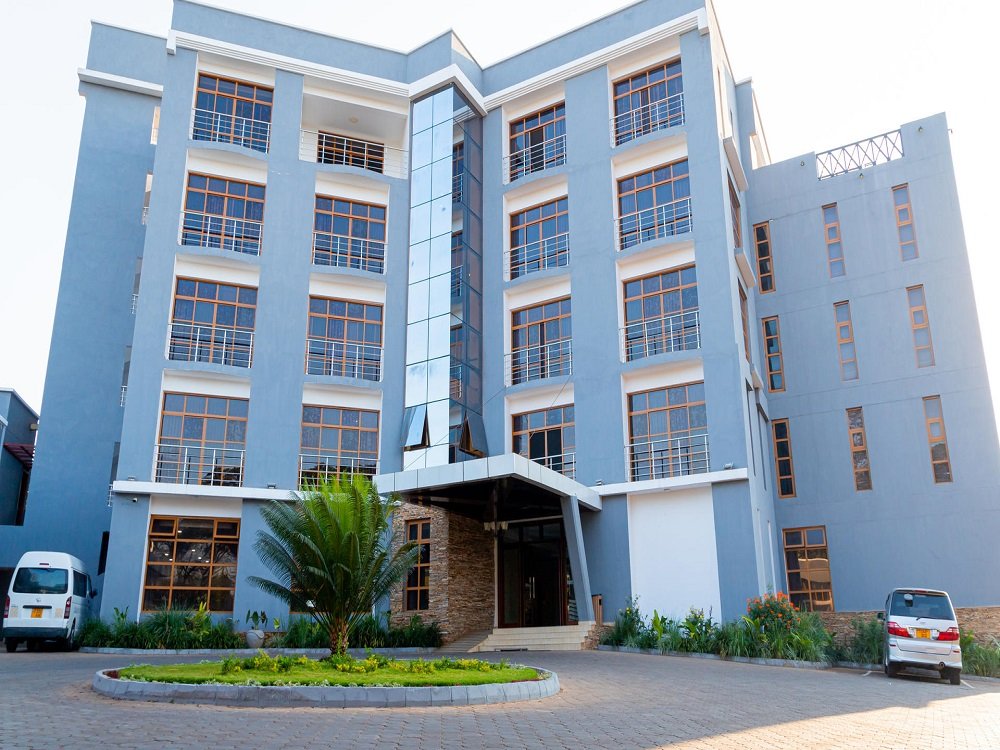
Your safari begins when you arrive at Kilimanjaro International Airport or Arusha Airport, where a representative from EKO Tanzania Adventures will welcome you. After meeting your driver, you will be transferred to your accommodation in Arusha, a lively town that serves as one of the main gateways to Tanzania’s northern safari circuit.
Arusha is surrounded by beautiful countryside and offers views of Mount Meru on clear days. It is a convenient place to rest after your international journey and prepare for the adventure ahead. Depending on your arrival time, you can relax at the lodge, enjoy the peaceful surroundings or explore the nearby area if your schedule allows.
Later, your safari guide can meet you for a short briefing about the journey. You will have an opportunity to review the itinerary, discuss your wildlife interests and ask any questions before travelling to the national parks. Your guide can also explain what to expect during game drives and share useful advice about photography, clothing and safari safety.
Enjoy dinner and an overnight stay in Arusha. This first evening gives you time to settle in and prepare for the exciting days ahead.
Accommodation: Lodge in Arusha
Meals: Dinner, depending on arrival time
7 Days Safari – A Chance to See the Wildebeest Migration
Day 2: Arusha to Tarangire National Park – Discover the Land of Giants
After breakfast, meet your professional safari guide and depart for Tarangire National Park. The drive takes you through the beautiful countryside of northern Tanzania, where you will see local villages, farmland and changing landscapes along the way.
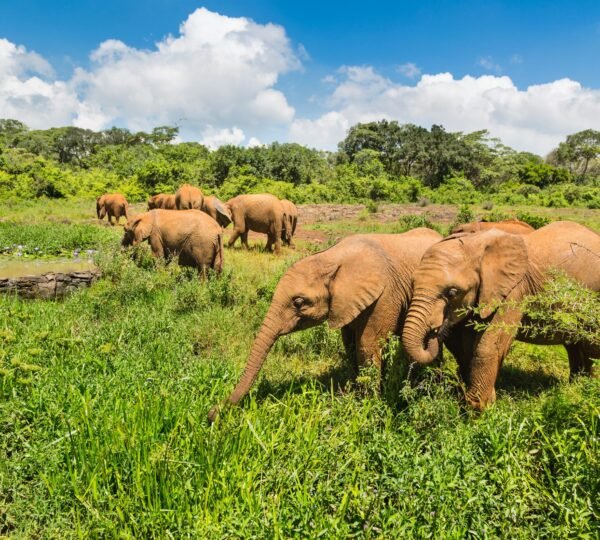
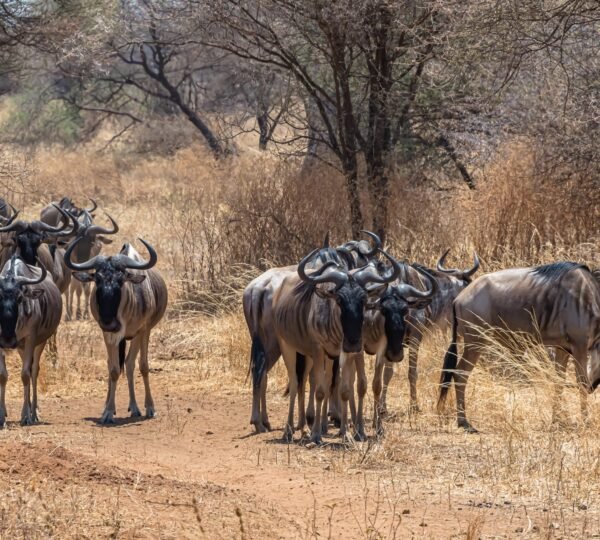
Tarangire is one of Tanzania’s most distinctive wildlife destinations. It is famous for its large elephant population, ancient baobab trees and the Tarangire River, which becomes an important source of water for wildlife during the dry season. These natural features create an impressive setting for your first full day of safari.
Once inside the park, begin exploring its different habitats, including open grasslands, acacia woodland and river areas. You may encounter elephants moving in family groups, zebras grazing in the plains, giraffes feeding from trees and buffaloes gathering near water. Tarangire is also home to lions, leopards, cheetahs, wildebeest, impalas and many other species.
Your guide will help you look for wildlife while explaining the behaviour of the animals and the importance of the park’s ecosystem. If you enjoy birdwatching, Tarangire is also a rewarding destination, with many bird species found around its rivers, trees and wetlands.
Enjoy a picnic lunch at a designated site before continuing your afternoon game drive. As the day comes to an end, leave the park and travel to your selected lodge or tented camp in the Tarangire area.
Relax, enjoy dinner and spend the night surrounded by the peaceful atmosphere of the African countryside.
Accommodation: Lodge or tented camp in the Tarangire area
Meals: Breakfast, lunch and dinner
7 Days Safari – A Chance to See the Wildebeest Migration
Day 3: Tarangire to Central Serengeti – Journey into the Endless Plains
After breakfast, depart for Serengeti National Park, travelling through the beautiful landscapes of northern Tanzania. The route takes you towards the Ngorongoro highlands before opening into the vast plains of the Serengeti.
Serengeti National Park is one of Africa’s most celebrated wildlife destinations. Its name is commonly associated with the idea of endless plains, and the landscape is exactly what many travellers imagine when they think of an African safari. Wide grasslands stretch towards the horizon, interrupted by rocky kopjes, scattered trees and seasonal rivers.
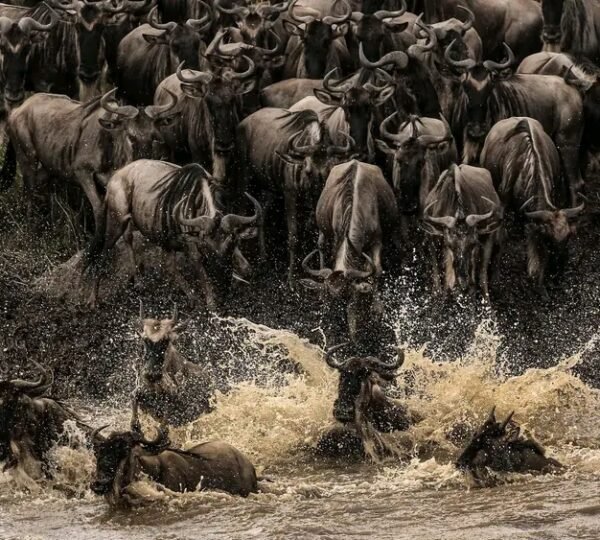
Upon entering the park, enjoy game viewing as you travel towards Central Serengeti. The Seronera region is particularly well known for its wildlife because permanent water sources attract animals throughout the year. This makes it a rewarding place to explore, even when the migration herds are in other parts of the ecosystem.
During your game drive, you may see elephants, giraffes, zebras, wildebeest, buffaloes and different antelope species. Central Serengeti is also home to several predators. Lions are often found resting in the shade or moving across the grasslands, while leopards may sometimes be spotted in trees near river areas. Cheetahs can also be seen scanning the open plains for potential prey.
Your guide will choose suitable routes based on wildlife sightings and the day’s travel schedule, making the journey an opportunity to experience the Serengeti rather than simply passing through it.
In the evening, arrive at your lodge or tented camp in Central Serengeti. Enjoy dinner and an overnight stay in the heart of Tanzania’s famous wilderness.
Accommodation: Lodge or tented camp in Central Serengeti
Meals: Breakfast, lunch and dinner
7 Days Safari – A Chance to See the Wildebeest Migration
Day 4: Central Serengeti to Northern Serengeti – Following the Great Wildebeest Migration
Today, continue your journey towards Northern Serengeti, the main focus of this migration safari. After breakfast, depart with your guide and travel through the beautiful landscapes of the Serengeti as you move closer to the Mara River region.
Northern Serengeti plays an important role in the Great Wildebeest Migration. During the northern migration season, large herds of wildebeest and zebras may move through the area in search of fresh grazing. Their movement depends on rainfall and the availability of food, so the location of the herds can change throughout the season.
As you travel north, you will notice different landscapes, including open grasslands, rolling hills, river valleys and woodland. These habitats support many wildlife species, and you may see elephants, giraffes, buffaloes, antelopes and predators along the way.
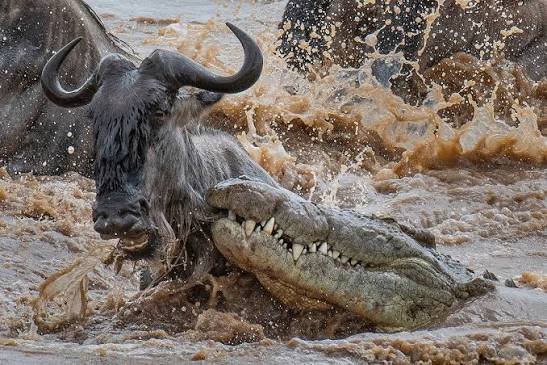
The Mara River is one of the most recognised features of Northern Serengeti. During certain periods, migrating herds gather near its banks before attempting to cross. The river’s strong currents and crocodiles make these crossings challenging, which is why they are among the most dramatic moments of the migration.
Your guide will use local knowledge and recent wildlife information to identify suitable areas for game viewing. If the herds are nearby, you may have an opportunity to observe them moving across the plains or gathering close to the river.
Later, arrive at your accommodation in Northern Serengeti. Staying in this region brings you closer to the migration areas and allows you to spend more time exploring them on the following day.
Accommodation: Lodge or tented camp in Northern Serengeti
Meals: Breakfast, lunch and dinner
7 Days Safari – A Chance to See the Wildebeest Migration
Day 5: Northern Serengeti – Full-Day Wildebeest Migration and Mara River Safari
Wake up to the peaceful surroundings of Northern Serengeti and enjoy breakfast before setting out for a full day of wildlife viewing. Today is dedicated to exploring the migration areas, searching for the wildebeest herds and discovering the wildlife-rich surroundings of the Mara River.
During the northern migration season, large groups of wildebeest may gather across the plains, often moving together with zebras and gazelles. Watching these animals travel across the open landscape gives you a real appreciation of the scale of the migration. Their movement is continuous, and the herds may spread across different areas as they search for food and water.
Your guide will take you to suitable locations based on recent sightings and the conditions in the park. If the herds are close to the Mara River, you may spend time observing their behaviour along the riverbanks. Sometimes the animals approach the water, gather in large numbers and hesitate before attempting to cross. At other times, they may move away and continue grazing.
If a river crossing happens during your visit, you may witness one of the most dramatic scenes in the African wilderness. Large numbers of wildebeest can enter the water together as they attempt to reach the opposite bank. The crocodiles and strong currents make the crossing dangerous, adding to the intensity of this natural event.
However, it is important to understand that river crossings are not scheduled activities. The herds decide when and where to cross according to their natural movement and environmental conditions. Even without a crossing, observing thousands of wildebeest and zebras in their natural habitat is a rewarding experience.
Enjoy a picnic lunch during the day before continuing your game drive. You may also encounter lions, leopards, elephants, giraffes, hyenas and other animals that live in this part of the Serengeti.
Later, return to your lodge or tented camp for dinner and an overnight stay.
Accommodation: Lodge or tented camp in Northern Serengeti
Meals: Breakfast, lunch and dinner

7 Days Safari – A Chance to See the Wildebeest Migration
Day 6: Northern Serengeti to Ngorongoro Conservation Area – Scenic Journey Through the Serengeti
After breakfast, begin your journey from Northern Serengeti towards the Ngorongoro Conservation Area. This is a longer travel day, but it gives you another opportunity to appreciate the different landscapes of the Serengeti before reaching the cooler highlands.
As you leave Northern Serengeti, your guide will continue looking for wildlife along the route where time and park regulations allow. Depending on the season, you may see wildebeest, zebras and other grazing animals across the plains. Elephants, giraffes and predators may also be encountered in suitable areas.
The journey takes you through changing scenery, from open grasslands and rocky hills to areas of woodland and the landscapes around the Ngorongoro highlands. These views offer a different perspective of Tanzania’s northern circuit and provide opportunities for photography along the way.
Your guide will balance wildlife viewing with the distance required to reach your accommodation. Depending on the route and travel conditions, there may be opportunities for game-viewing stops as you make your way south.
Later, arrive at your selected lodge in Karatu or the Ngorongoro area. This region is known for its green highlands, agricultural landscapes and cooler climate. After checking in, enjoy dinner and relax ahead of your final safari day.
Accommodation: Lodge in Karatu or the Ngorongoro area
Meals: Breakfast, lunch and dinner
7 Days Safari – A Chance to See the Wildebeest Migration
Day 7: Ngorongoro Crater Game Drive – Return to Arusha
After an early breakfast, depart for the Ngorongoro Conservation Area and descend into the famous Ngorongoro Crater for your final game drive.
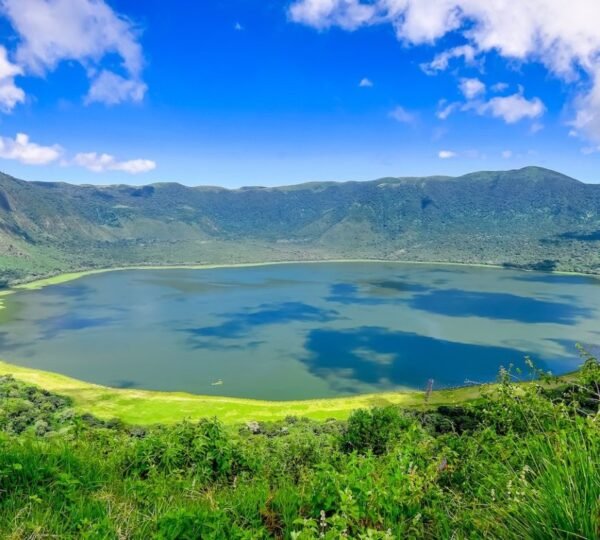
Ngorongoro Crater is one of Tanzania’s most extraordinary natural wildlife destinations. It was formed when a large volcanic structure collapsed, creating a vast crater with a rich ecosystem inside its natural walls. The crater floor contains open grasslands, woodland, swamps and a lake, supporting a wide variety of wildlife.
During your game drive, your guide will help you search for some of Africa’s most well-known animals. You may see lions resting in the grass, elephants moving through woodland, buffaloes grazing in open areas, zebras and wildebeest feeding on the plains, and hippos in suitable water habitats.
Ngorongoro is also one of the important places in Tanzania where visitors have an opportunity to see the endangered black rhinoceros. Although sightings are never guaranteed, the crater offers a chance to look for this rare animal in its natural environment.
The combination of wildlife and scenery makes the crater a memorable destination. As you explore, you will enjoy views of the crater walls rising around the floor and see how different animals use the available habitats.
Enjoy a picnic lunch at a designated site before continuing your exploration, depending on the time available and park regulations. In the afternoon, ascend from the crater and begin your return journey to Arusha.
Upon arrival, you will be dropped off at your hotel or transferred to Kilimanjaro International Airport, depending on your onward travel arrangements and flight schedule. This brings your seven-day Tanzania safari with EKO Tanzania Adventures to an end.
Accommodation: Not included after the safari unless requested
Meals: Breakfast and lunch
Best Time to See the Wildebeest Migration and Mara River Crossing
The best time to plan this safari depends on the seasonal movement of the Great Wildebeest Migration. The herds travel throughout the Serengeti ecosystem in search of fresh grazing and water, following rainfall and changing environmental conditions.
For travellers hoping to explore Northern Serengeti and the Mara River, the period from approximately July to October is generally considered a promising time. During these months, migrating herds may gather in the northern region as they move towards and around the river.
July and August can offer opportunities to see herds moving through Northern Serengeti, while September and October may also provide rewarding wildlife experiences depending on rainfall and grazing conditions. The exact timing of river crossings varies each year, and no particular date can guarantee that a crossing will happen.
If your main reason for visiting Tanzania is to see the migration, it is important to share your travel dates with EKO Tanzania Adventures before confirming your safari. This allows the team to advise you on the most suitable travel period, accommodation locations and itinerary arrangements.
7 Days Safari – A Chance to See the Wildebeest Migration
Wildlife You May See During This 7-Day Tanzania Safari
Tanzania’s northern safari circuit is home to an impressive variety of animals. Each destination has its own habitats and wildlife characteristics, making the journey rewarding for nature lovers and photographers.
- Wildebeest: The main attraction of this safari is the Great Wildebeest Migration. Large herds may be seen travelling across the Serengeti and gathering near the Mara River during the northern migration season.
- Zebras: Zebras often move alongside wildebeest, sharing grazing areas and travelling across the plains in large groups.
- Lions: Lions are found in Tarangire, Serengeti and Ngorongoro. Your guide will search for them in suitable habitats, including grasslands and rocky areas.
- Leopards: These elusive cats are sometimes spotted resting in trees or moving through riverine woodland, especially in suitable areas of the Serengeti.
- Cheetahs: The open plains of the Serengeti provide suitable hunting areas for cheetahs, although sightings depend on their location and activity.
- African Elephants: Tarangire is particularly famous for its elephants, while elephants can also be seen in Serengeti and Ngorongoro.
- African Buffaloes: Buffaloes are found in different parts of the northern circuit and are often seen feeding in groups.
- Black Rhinoceros: Ngorongoro Crater offers an opportunity to look for this endangered species, although sightings cannot be guaranteed.
- Giraffes and Antelopes: Giraffes, gazelles, topis, impalas and other antelope species contribute to the rich wildlife of the region.
- Hippos and Crocodiles: Hippos can be seen in suitable water habitats, while crocodiles live in parts of the Mara River and other waterways.
Wildlife sightings depend on the natural movement of animals, weather and seasonal conditions. Your guide will use local knowledge and experience to make the most of every game drive.
What Is Included in the 7-Day Safari Package?
The final inclusions depend on your selected accommodation level and confirmed quotation. A typical private safari package may include:
- Airport pickup and drop-off according to your travel arrangements.
- Private 4×4 safari vehicle with a pop-up roof for wildlife viewing and photography.
- Professional English-speaking driver-guide.
- Six nights of accommodation during the safari.
- Meals as specified in the confirmed itinerary.
- Park entrance and conservation fees for the included destinations, as stated in your quotation.
- Applicable Ngorongoro Crater service and access fees, where included in the confirmed package.
- Game drives in Tarangire, Central Serengeti, Northern Serengeti and Ngorongoro Crater.
- Drinking water during game drives, according to the package arrangements.
- Government taxes and applicable levies included in the final quotation.
What Is Not Included in the Safari Package?
Unless specifically stated in your quotation, the following expenses are generally excluded:
- International flights to and from Tanzania.
- Tanzania visa fees.
- Travel and medical insurance.
- Personal expenses such as souvenirs and laundry.
- Tips for your safari guide and lodge staff.
- Alcoholic beverages and additional drinks not included in the accommodation package.
- Optional activities not mentioned in the itinerary.
- Accommodation before or after the safari.
- Any service not specifically listed under the confirmed inclusions.
Before confirming your booking, review the quotation carefully so you understand the full cost and the services included in your safari.
Accommodation Options for Your 7-Day Tanzania Safari
Your accommodation is an important part of the overall safari experience. After spending the day exploring national parks and searching for wildlife, you need a comfortable place to relax, enjoy your meals and prepare for the next adventure.
Mid-Range Accommodation
Mid-range lodges and tented camps are ideal for travellers who want a comfortable stay, welcoming service and convenient locations without choosing the most expensive properties. These accommodations offer a good balance between comfort and value, making them suitable for couples, families and small private groups.
Luxury Accommodation
Luxury lodges and tented camps provide a higher level of comfort, quality dining and personalised service. Depending on availability, selected properties may be located close to important wildlife areas, allowing you to enjoy the atmosphere of the Serengeti while relaxing in comfortable surroundings.
Tented Camp Accommodation
Tented camps offer an authentic safari atmosphere, allowing you to feel closer to the natural environment while enjoying comfortable facilities. Staying in Northern Serengeti during migration season can be particularly convenient because it places you closer to the areas where the herds may be found.
The specific accommodation properties will be confirmed according to your travel dates, availability and selected package.
Why Book Your 7-Day Wildebeest Migration Safari with EKO Tanzania Adventures?
A well-planned migration safari requires more than simply visiting the Serengeti. The travel season, accommodation location and time spent in the northern region all influence the experience. If your main interest is the Mara River, it is important to plan your journey around the expected seasonal movement of the herds.
EKO Tanzania Adventures helps travellers organise Tanzania safaris according to their interests, travel schedules and budgets. With a private safari, you have your own 4×4 vehicle and professional driver-guide, allowing you to enjoy the journey with greater flexibility and discuss your wildlife interests throughout the trip.
Your guide will share useful knowledge about the animals, their habitats and the Great Wildebeest Migration. You will have opportunities to ask questions, take photographs and appreciate the different landscapes rather than simply travelling between destinations.
The team can also assist with accommodation arrangements, airport transfers and advice about the most suitable travel period. If you would like to extend your holiday with a Kilimanjaro climb or a Zanzibar beach experience, these arrangements can be discussed when preparing your travel plan.
Frequently Asked Questions About the 7-Day Wildebeest Migration Safari
1. Can I see the Mara River crossing on this 7-day safari?
You may have an opportunity to witness a Mara River crossing, particularly if you travel during the Northern Serengeti migration season, generally around July to October. However, crossings are natural events and cannot be guaranteed. The herds may gather near the river without crossing during your visit.
2. How many nights will I spend in Northern Serengeti?
This itinerary includes two nights in Northern Serengeti, giving you time to explore the migration areas and search for the herds near the Mara River. Your guide will use recent wildlife information to plan suitable game drives.
3. What is the best month to visit Northern Serengeti?
July, August, September and October are generally promising months for migration activity in Northern Serengeti. However, rainfall and grazing conditions influence the movement of the herds, so the timing can change from year to year.
4. Is this a private or group safari?
This itinerary is designed as a private safari, with your own 4×4 safari vehicle and professional guide. You will not need to share the vehicle with unrelated travellers, giving you greater flexibility during your game drives.
5. Can I customise the itinerary?
Yes. EKO Tanzania Adventures can discuss adjustments according to your travel dates, number of travellers, accommodation preferences, budget and wildlife interests. If seeing the migration is your main priority, the time spent in Northern Serengeti should be considered carefully.
6. Which animals can I expect to see?
You may see wildebeest, zebras, elephants, giraffes, lions, leopards, cheetahs, buffaloes, hippos, hyenas and several antelope species. Ngorongoro also offers an opportunity to look for the endangered black rhinoceros. Actual sightings depend on natural conditions.
7. Is seven days enough for a Tanzania migration safari?
Seven days gives you a good opportunity to explore Tarangire, Central Serengeti, Northern Serengeti and Ngorongoro Crater. The itinerary includes two nights in Northern Serengeti, allowing time to search for the migrating herds while experiencing other important wildlife destinations.
8. What should I pack for the safari?
Bring comfortable neutral-coloured clothing, a warm jacket for early mornings, a hat, sunglasses, sunscreen, comfortable shoes, personal medication and a camera. Binoculars are also useful for observing wildlife at a distance.
Book Your 7-Day Tanzania Wildebeest Migration Safari – 2026, 2027–2028
Make your next African holiday an opportunity to discover Tanzania’s extraordinary wildlife and experience the beauty of the Serengeti. This seven-day safari combines Tarangire National Park, Central Serengeti, Northern Serengeti and Ngorongoro Crater, with a special focus on the Great Wildebeest Migration and the famous Mara River region.
Whether you are travelling as a couple, with family or with friends, EKO Tanzania Adventures can help arrange a safari that suits your expectations. Your journey can be customised according to your preferred travel dates, number of travellers, accommodation choices, budget and wildlife interests.
Contact EKO Tanzania Adventures to discuss your plans and receive a safari quotation for 2026, 2027 or 2028.
EKO Tanzania Adventures
- Website: www.ekotanzaniaadventures.com
- Email: info@ekotanzaniaadventures.com
- WhatsApp / Phone: +255 761 353 184
- Location: Arusha, Tanzania
Your Tanzania Safari, Crafted the EKO Way.