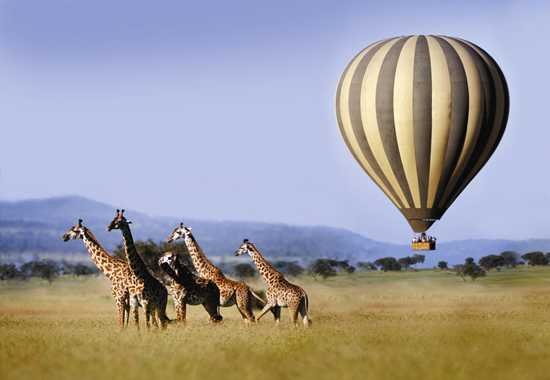
Discover the Breathtaking Beauty of Tanzania from Above with Balloon Flights
A hot-air balloon flight is one of the most special ways to experience Tanzania’s wilderness. From the air, the scale of the landscape becomes clear: long rivers winding through the bush, herds moving across open plains, acacia trees casting shadows at sunrise, and distant mountains rising beyond the horizon.
A Tanzania balloon safari is not a replacement for a game drive. It is a different experience. A game drive brings you close to wildlife at ground level, while a balloon flight gives you a quiet, wide-angle view of the landscape and the life moving through it.
For many travellers, a balloon safari becomes the highlight of a Serengeti or Tarangire trip. It is especially popular with honeymooners, photographers, families celebrating a special occasion, and travellers who want to add something memorable to a Tanzania safari.
EKO Tanzania Adventures can arrange balloon flights as part of a private safari, luxury lodge holiday, Great Migration safari, family trip, or Tanzania honeymoon.
Tanzania National Parks recognises balloon safaris as a special activity that requires advance planning and booking, particularly for Serengeti travel.
What is a Tanzania balloon safari?
A balloon safari is an early-morning flight in a hot-air balloon over a protected wildlife landscape. The experience usually begins before sunrise, when guests are collected from their lodge or camp and driven to the launch site.
As the balloon is prepared, you may watch the envelope fill with warm air and rise slowly from the ground. Once the pilot is ready, guests enter the basket and the flight begins.
The balloon does not follow a fixed road or game-drive route. It moves with the wind, which means every flight is different. At times, it may float low above the grassland or river areas. At other times, it may rise higher to reveal broad views of the park.
You may see wildlife such as:
- Wildebeest
- Zebra
- Giraffes
- Elephants
- Buffaloes
- Gazelles
- Hippos
- Crocodiles
- Hyenas
- Lions, when conditions and location allow
- Birds of prey
- Ostriches
- Herds moving through the landscape
Wildlife sightings are never guaranteed. Animals move freely, weather changes, and each balloon flight follows a different path. The real value of a balloon safari is the combination of sunrise, silence, scenery, and the chance to see the wilderness from a perspective that a safari vehicle cannot provide.
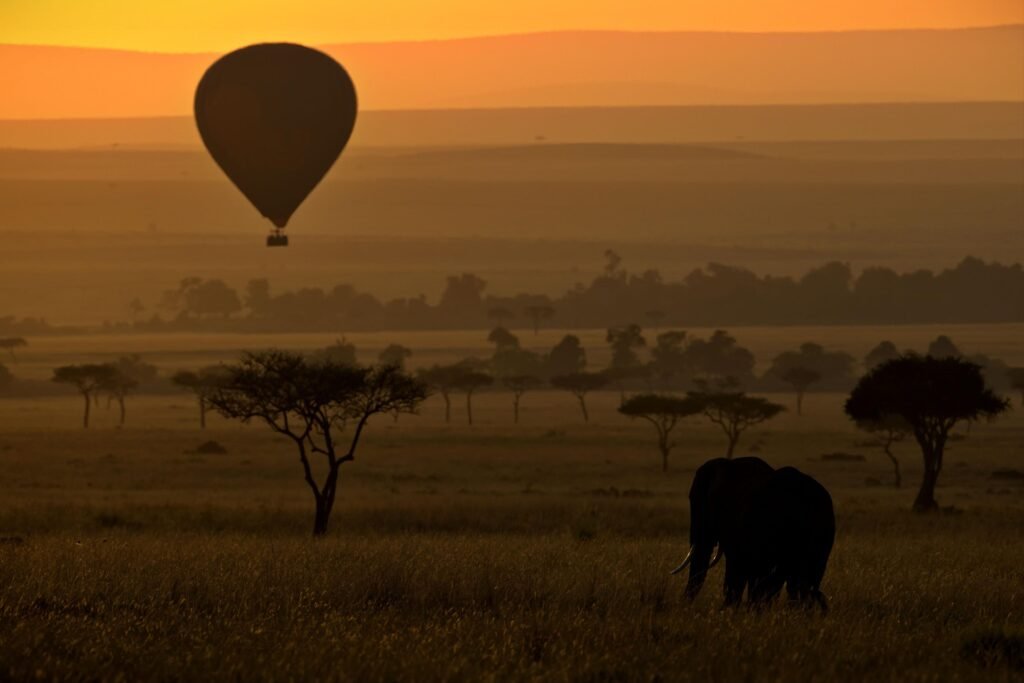
Where can you enjoy balloon flights in Tanzania?
Balloon safaris are available in selected Tanzania safari areas, subject to operator availability, park regulations, weather, and your accommodation location.
Serengeti National Park balloon flights
The Serengeti is the most famous place for a balloon safari in Tanzania. The park’s wide grasslands, river systems, kopjes, and moving wildlife herds make it ideal for an early-morning balloon experience.
TANAPA lists hot-air balloon rides among Serengeti’s tourism activities, alongside game drives, walking safaris, birdwatching, and cultural tours.
A Serengeti balloon flight may operate in areas such as:
- Central Serengeti
- Seronera
- Western Corridor
- Northern Serengeti
- Southern Serengeti or Ndutu area, depending on the season
- Selected migration-focused locations
The best launch area depends on where you are staying. It is important to book accommodation close enough to the balloon departure point because collection is very early in the morning.
A Serengeti balloon safari is especially popular during the Great Migration, but it is rewarding throughout the year. Central Serengeti has strong resident wildlife, while the location of the migration changes according to rainfall and grazing conditions.
Tarangire balloon flights
Tarangire National Park is another beautiful place for balloon safaris. From the air, you may see baobab trees, elephant paths, river systems, open savannah, woodland, and seasonal wildlife movement.
Tarangire is particularly appealing during the dry season, when elephants, buffaloes, zebra, wildebeest, and other animals may gather around water sources.
A balloon safari in Tarangire offers a different visual experience from the Serengeti. The landscape is more wooded, with iconic baobabs and the Tarangire River forming part of the view.
Other balloon safari areas
Balloon activities may also be available in other Tanzania wilderness areas depending on licensing, operating conditions, and seasonal programmes. EKO Tanzania Adventures will confirm the suitable location for your safari dates and chosen route.
It is important not to assume that every national park offers balloon flights every day. Balloon operations depend on approved areas, weather conditions, aircraft availability, and permits.
What happens on a balloon safari morning?
A balloon safari starts early. This is necessary because the best flying conditions are often around sunrise, before the day becomes warmer and wind conditions change.
A typical morning follows this pattern:
Early collection from your lodge or camp
You will be collected before dawn, often between 4:30 a.m. and 5:30 a.m., depending on the season and location. The early wake-up can feel demanding, but it is part of the experience.
Warm layers are important because mornings can be cold in the Serengeti, especially during the dry season.
Transfer to the launch site
You travel by safari vehicle to the balloon launch area. This short transfer can feel like an early-morning game drive, as wildlife may already be active before sunrise.
Balloon preparation
At the launch site, you watch the balloon crew prepare the equipment. The balloon envelope gradually fills and rises as the burners heat the air inside.
The pilot and crew will give a safety briefing before boarding. Listen carefully. You will be shown how to enter the basket, where to stand, and how to position yourself for landing.
Sunrise flight
The balloon lifts gently from the ground as daylight begins to appear. The flight often lasts around one hour, but this can vary depending on wind conditions and the day’s flight plan.
The silence is one of the most striking parts of the experience. You may hear the burners at intervals, birds below, or the sound of animals moving through grassland.
Landing and celebration breakfast
After landing, the crew will assist you out of the basket. Many balloon safari experiences include a bush breakfast or celebratory meal in a scenic location, depending on the operator and location.
This is a relaxed time to share stories, look at photographs, and enjoy the feeling of having started the day above the African wilderness.
Is a balloon safari safe?
Balloon safaris are operated by licensed, experienced pilots and trained ground crews. Safety is always the first priority.
However, balloon flights are weather dependent. If wind, rain, visibility, or other conditions are not suitable, the flight may be delayed, moved, or cancelled.
This is normal. A responsible balloon operator will never fly simply because guests have booked. The pilot must decide that conditions are safe.
Before your flight:
- Listen carefully to the safety briefing
- Follow the pilot’s instructions
- Wear practical clothing and closed shoes
- Do not carry loose items that can fall from the basket
- Keep cameras and phones secure
- Tell the operator in advance about mobility concerns
- Follow the correct landing position when instructed
Tanzania National Parks has formal guidelines for balloon safaris and identifies activity requirements and approved operating considerations.
Who should book a Tanzania balloon flight?
A balloon safari is suitable for many travellers, but it is especially popular for people looking for a premium experience.
It is ideal for:
- Honeymooners
- Couples celebrating an anniversary
- Families with older children
- Wildlife photographers
- Birdwatchers
- Luxury safari travellers
- Great Migration safari guests
- Guests celebrating a birthday or special occasion
- Travellers who have already enjoyed several game drives
- People who want a quieter, more scenic safari activity
It may not be suitable for everyone. Guests with serious mobility limitations, severe fear of heights, certain medical concerns, or difficulty standing for the duration of the flight should speak to us before booking.
Landing can occasionally be firm or bumpy, depending on wind conditions. The pilot will explain the landing position and safety procedures.
Best time for balloon flights in Tanzania
Balloon flights can operate in different seasons, but conditions and wildlife scenes vary.
June to October: dry-season balloon safaris
The dry season is popular for balloon flights because skies are often clearer, morning weather can be stable, and wildlife may be easier to spot near permanent water sources.
This is a strong period for:
- Serengeti balloon flights
- Tarangire elephant viewing from above
- Northern Serengeti travel
- Luxury safari combinations
- Clear sunrise photography
July to October is also popular for Northern Serengeti migration safaris. If you want a balloon flight during this period, book early because camp space and balloon seats can be in high demand.
January to March: southern Serengeti and calving season
This period can be excellent for guests visiting Southern Serengeti and Ndutu. Depending on rainfall and wildlife movements, you may see large herds spread across the plains and dramatic green-season scenery.
This is a particularly attractive time for photographers and travellers interested in the wildebeest calving period.
Green season: November to May
The greener months can be beautiful from the air. Fresh grass, dramatic clouds, changing light, and fewer visitors can create excellent photography conditions.
Flights remain weather dependent. Rain or wind can affect operations, so flexibility is important.
Balloon flights and the Great Migration
A balloon safari can add a remarkable perspective to a Great Migration safari, but it is important to manage expectations honestly.
The migration moves according to rainfall, water, and fresh grazing. Herds do not follow an exact timetable or remain in one predictable place. River crossings, calving activity, and herd concentrations cannot be guaranteed on a specific day.
From a balloon, you may see:
- Long lines of wildebeest
- Zebra herds
- Calves on the southern plains during the right season
- Animals moving across open grassland
- Predators following wildlife movements
- Rivers, woodland, and kopjes
- Safari vehicles appearing tiny beneath the wide sky
The most important thing is to stay in the correct Serengeti area for your travel dates. EKO Tanzania Adventures can help you choose your camps and route based on likely wildlife movements at that time of year.
What should you wear for a balloon safari?
Balloon flights take place early in the morning, so dress in layers.
A useful balloon safari packing list includes:
- Warm jacket or fleece
- Long trousers
- Closed, comfortable shoes
- Light scarf or neck warmer
- Hat or cap
- Sunglasses
- Camera or phone
- Small secure bag for valuables
- Sunscreen for later in the morning
- A light rain jacket during wetter months
Avoid loose scarves, very wide hats, or anything that could be difficult to manage in the basket.
You do not need heavy mountain clothing, but mornings can feel cold before sunrise, particularly in Serengeti and Ngorongoro areas.
Balloon safari photography tips
A balloon safari provides beautiful photographic opportunities, but conditions change quickly.
For better photographs:
- Keep your camera or phone fully charged
- Use a secure strap
- Avoid carrying too much equipment
- Take some wide landscape shots
- Photograph the sunrise and balloon shadows on the ground
- Look for patterns: animal trails, rivers, trees, and herd lines
- Respect other guests’ space in the basket
- Listen to the pilot before moving or leaning for a shot
Do not spend the entire flight looking only through a camera. Take a few moments to put the device down and experience the view properly.
Can children join a balloon safari?
Children may be able to join a balloon safari, but age, height, and operator rules apply. Exact requirements differ between balloon companies and locations.
For safety reasons, young children may not be accepted, particularly if they are not tall enough to see over the basket edge or follow landing instructions.
If you are travelling as a family, tell EKO Tanzania Adventures the ages and heights of children before booking. We will check the current operator requirements and suggest the best option for your family.
Balloon safari price and booking advice
A balloon safari is a premium Tanzania safari activity. Prices vary depending on:
- Park location
- Season
- Flight operator
- Number of travellers
- Included breakfast or celebration meal
- Transfers from your camp
- Park fees and concession charges
- Availability at the time of booking
The price normally includes much more than the flight itself. It also covers trained crew, ground transport, balloon equipment, fuel, park permissions, safety procedures, and often a post-flight breakfast.
Because spaces are limited, balloon flights should be booked early, especially for:
- July to October Serengeti safaris
- Christmas and New Year travel
- Honeymoon itineraries
- Great Migration safari dates
- Luxury lodge holidays
- Family trips during school holidays
TANAPA advises that balloon safaris in Serengeti require advance booking as part of travel planning.
How to include a balloon flight in your Tanzania safari
The best way to include a balloon flight is to place it during your Serengeti or Tarangire stay.
For example:
5-Day Tanzania safari with balloon flight
- Day 1: Arusha to Tarangire National Park
- Day 2: Ngorongoro Crater safari
- Day 3: Transfer to Central Serengeti
- Day 4: Sunrise balloon flight and bush breakfast, then afternoon game drive
- Day 5: Morning game drive and return to Arusha or domestic flight
7-Day Great Migration safari with balloon flight
- Day 1: Arrival in Arusha
- Day 2: Tarangire National Park
- Day 3: Ngorongoro Crater
- Day 4: Fly or drive to the correct Serengeti migration area
- Day 5: Full-day game drive
- Day 6: Sunrise balloon flight and bush breakfast
- Day 7: Departure or flight to Zanzibar
The balloon flight is usually scheduled early in your stay rather than on the final morning, where possible. This gives flexibility if weather causes a delay or cancellation.
Responsible balloon safari travel
A balloon safari should be a low-impact way to enjoy wildlife from above.
Responsible travel means:
- Booking with approved, licensed operators
- Respecting pilot and crew instructions
- Not expecting wildlife to be chased or disturbed
- Avoiding litter
- Supporting operators that follow park rules
- Staying flexible if weather changes plans
- Respecting protected areas and local communities
The balloon is not there to interrupt wildlife. It is there to help visitors understand the size and beauty of the landscape.
Book your Tanzania balloon flight with EKO Tanzania Adventures
A sunrise balloon safari is one of the most beautiful ways to see Tanzania’s wild places. Whether you are floating above Serengeti plains, watching elephants move through Tarangire, or adding a special moment to a honeymoon, EKO Tanzania Adventures can include the right balloon experience in your itinerary.
EKO Tanzania Adventures arranges Serengeti balloon safaris, Great Migration safaris, luxury lodge holidays, family tours, Tanzania wildlife safaris, Kilimanjaro climbs, and Zanzibar beach extensions.
For official national park travel planning and current activity guidance, visit the TANAPA Plan a Trip page.
Call or WhatsApp: +255 761 353 184
Email: info@ekotanzaniaadventures.com
Alternative email: ekotanzaniaadventure@gmail.com
Rise before sunrise, float above Tanzania’s wilderness, and see the safari landscape in an entirely new way.