Choosing the best time to climb Mount Kilimanjaro can make a major difference to your experience. Weather affects trail conditions, summit views, comfort, photographs, and how busy the route feels. While Kilimanjaro can be climbed throughout the year, some months offer drier conditions and a better chance of clear skies than others.
For most travellers, the best time to climb Kilimanjaro is during the two main dry seasons:
- January to early March
- June to October
These months usually bring more stable weather, firmer trails, and better chances of seeing the summit and surrounding landscapes. However, the “best” month depends on what matters most to you. Some climbers want the clearest views, some want fewer people, some want a warmer climb, and others need to travel during school holidays.
This guide by EKO Tanzania Adventures explains the best months for climbing Kilimanjaro, when to avoid heavy rain, which routes work best in each season, and how to choose the right dates for your trek.
Quick answer: when is the best time to climb Kilimanjaro?
The most popular and generally reliable periods are:
- January and February: Usually warm, relatively dry, and often less crowded than the middle of the year.
- June to October: Drier, cooler, and very popular, especially from July to September.
- September and October: Excellent for dry conditions, although routes may be busy.
- Early March: Can still be a good choice before the longer rainy season begins.
There is no month that guarantees perfect weather on Kilimanjaro. The mountain creates its own conditions, and rain, wind, cloud, and cold can appear at any time. Good preparation, a well-planned route, and an experienced mountain crew matter in every season.
Kilimanjaro weather explained
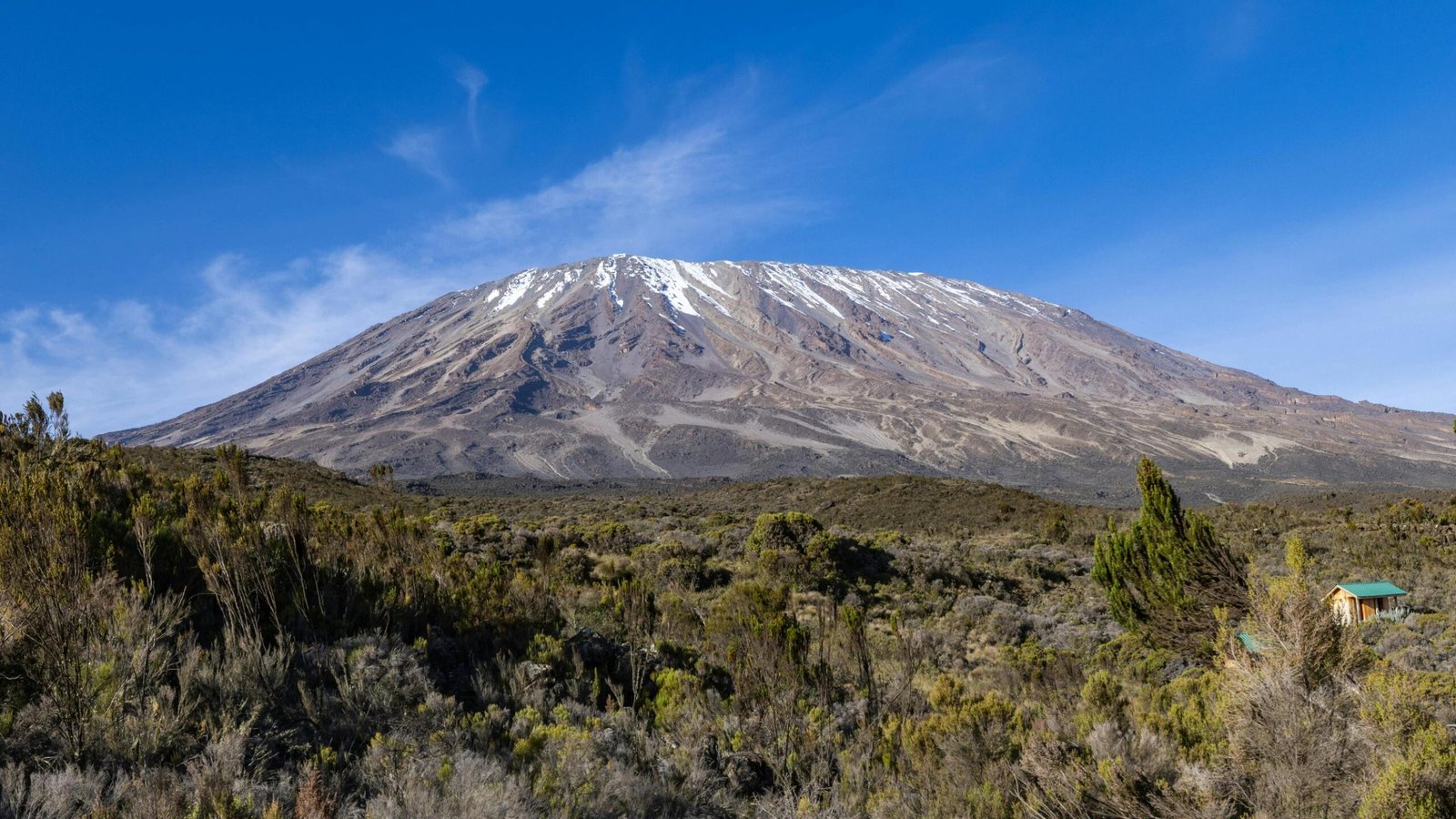
Mount Kilimanjaro rises to 5,895 metres above sea level, so it passes through several climate zones. You may start your trek in warm rainforest, walk through moorland and alpine desert, and reach freezing conditions near the summit.
Even in the dry season, you should expect changing weather. It may be warm and sunny during the day, cold at night, wet in the rainforest zone, and windy on higher slopes. Summit night is usually below freezing, regardless of the month.
Kilimanjaro has two main rainy seasons:
- Long rains: Usually from March to May
- Short rains: Usually from November to mid-December
The drier periods generally fall between January and early March, then June to October. These are the months when most climbers choose to travel.
Best time to climb Kilimanjaro: January to early March
January, February, and early March are among the best months for climbing Kilimanjaro. This period often offers relatively warm daytime conditions and a good chance of clear weather, especially in the mornings and around the higher slopes.
January and February are popular because they fall between the short rains and the longer rainy season. The landscapes can still be green after the rains, while the weather is often more settled than in April or May.
Why climb Kilimanjaro in January or February?
- Good chance of dry and clear conditions
- Warmer daytime temperatures than June to August
- Green scenery on the lower slopes
- Good visibility for mountain views and photography
- Often less crowded than peak summer months
- Ideal for travellers escaping winter in Europe or North America
February is often one of the strongest months for Kilimanjaro climbing. It is usually dry enough for comfortable trekking, while the mountain can look especially beautiful after seasonal rain.
January can also be excellent, although early January may be busy due to Christmas and New Year travel. If you want a slightly quieter experience, later January or February can be a good choice.
Early March may still be suitable, but the likelihood of rain gradually increases as the long rainy season approaches.
Best routes for January to early March
Most Kilimanjaro routes work well during this period. The following are especially popular:
- Machame Route: Scenic, varied, and well suited to climbers who want a gradual acclimatisation profile.
- Lemosho Route: Longer, quieter at the start, and excellent for scenery and acclimatisation.
- Marangu Route: Uses mountain huts instead of tents and is convenient for travellers who prefer this style.
- Rongai Route: A good option if you want a drier and quieter side of the mountain.
Best time to climb Kilimanjaro: June to October
The second main climbing season runs from June to October. This is the most popular time to climb Kilimanjaro because it is generally dry, cool, and reliable for trekking.
June marks the transition out of the long rains. The mountain begins to dry out, though some rain can remain on the lower slopes early in the month. July, August, September, and October are widely considered strong months for climbing.
The main difference from January and February is temperature. Days can still be pleasant, especially lower on the mountain, but nights are colder and summit conditions can feel more severe. Good quality warm clothing is particularly important during this period.
Why climb Kilimanjaro from June to October?
- Usually drier trail conditions
- Better chance of clear summit views
- Strong period for combining Kilimanjaro with a Tanzania safari
- Easier travel planning for school holidays
- Less humidity on the lower slopes
- Good conditions for camping and trekking
July and August are often very busy because they coincide with European and North American summer holidays. September and October can be equally dry but may feel slightly less crowded, depending on the route.
Best routes for June to October
All routes are possible, but your choice should depend on crowds, length, and comfort.
Lemosho Route is an excellent option for the dry season because it offers strong acclimatisation and a quieter beginning before joining the busier Machame trail.
Machame Route is very scenic and popular, but it can be busy in July, August, and September. It is a great route if you enjoy meeting other climbers and want a social mountain experience.
Northern Circuit Route is the longest common route and provides more acclimatisation time. It is one of the best choices for climbers who want a quieter, longer, and more gradual journey.
Rongai Route approaches Kilimanjaro from the northern side. It is generally quieter than Machame and Marangu, making it a good option during peak months.
Kilimanjaro in January
January is a good month for climbers who want to begin the year with a major challenge. Conditions are often warm and reasonably dry, though the mountain can still receive rain, particularly in the forest zone.
The first part of January can be busy because of holiday travel. Later in the month is often a better choice for travellers looking for a balance between good weather and fewer climbers.
January is particularly good for Machame, Lemosho, Rongai, and Marangu routes.
Kilimanjaro in February
February is often considered one of the best months for climbing Kilimanjaro. It is generally warm, dry, and clear, with attractive green scenery on the lower slopes.
This month is a strong choice for couples, honeymoon travellers, safari-and-climb combinations, and anyone looking for good conditions before the rainy season begins.
February is also excellent for photography because the lower mountain can be green while higher sections remain dry and clear.
Kilimanjaro in March
Early March can still be a good time to climb, especially during the first half of the month. However, conditions become less predictable as the long rains approach.
If you must travel in March, consider choosing the Rongai Route. It is located on the northern side of Kilimanjaro, which is generally drier than the southern routes. You should still bring proper rain gear and be prepared for changing conditions.
Late March is less reliable than January, February, or the dry months later in the year.
Kilimanjaro in April and May
April and May are the wettest months on Kilimanjaro. The long rains can make forest trails muddy, slippery, and uncomfortable. Cloud cover may also reduce visibility, and wet gear can make trekking more difficult.
These months are not impossible for climbing, but they are not the first recommendation for most travellers. They may suit experienced hikers who do not mind wet conditions and who prefer quieter trails.
The Rongai Route is normally the best option during wetter months because the north side of Kilimanjaro receives less rainfall than the southern slopes. However, no route is completely dry during the rainy season.
The advantage of April and May is that the mountain is much quieter. Some climbers enjoy the solitude, lush scenery, and possible lower availability pressure on hotels. But this should be balanced against the higher likelihood of rain and challenging trail conditions.
Kilimanjaro in June
June is a transition month after the long rains. The mountain starts becoming drier, and conditions often improve as the month continues.
Early June can still have wet trails, especially in the rainforest zone, but later June is often a good time to climb. It is a good option for travellers who want to climb before the busiest months of July and August.
Lemosho, Machame, Rongai, and Northern Circuit routes can all work well in June.
Kilimanjaro in July and August
July and August are peak Kilimanjaro climbing months. Conditions are usually dry, cool, and favourable for trekking. These months are especially popular with travellers from Europe and North America because they coincide with summer holidays.
The main advantage is the reliable dry-season weather. The main disadvantage is crowds. Popular routes such as Machame and Marangu can be busy, particularly around major camps and on summit night.
If you are travelling in July or August but want fewer people, consider:
- Rongai Route
- Northern Circuit Route
- Lemosho Route with a longer itinerary
- A private climb with flexible daily pacing
Book early during these months because good hotels in Arusha, experienced guides, and preferred route dates can fill up quickly.
Kilimanjaro in September and October
September and October are excellent months for climbing Kilimanjaro. The dry season is normally well established, trails are often in good condition, and summit visibility can be very good.
September may still be busy, though it is sometimes less crowded than August. October can be a strong choice for travellers who want dry conditions without travelling in the busiest holiday weeks.
This period works especially well for combining Kilimanjaro with a northern Tanzania safari. September and October are popular months for Serengeti wildlife viewing, Ngorongoro Crater safaris, and beach extensions in Zanzibar.
Kilimanjaro in November and December
November and early December often bring the short rains. These rains are usually lighter and less continuous than the long rains of April and May, but conditions can still be wet and unpredictable.
November is a quieter month on the mountain, and some travellers enjoy it because there are fewer climbers. The mountain can also look green and fresh after rainfall. However, you must be prepared for muddy trails, cloud, and rain.
Again, the Rongai Route is often the preferred route in November because of its drier northern approach.
Late December can become busy due to Christmas and New Year holidays. Travellers who want to climb over the festive period should book well in advance and prepare for higher demand.
Best Kilimanjaro route by season
Choosing the right route is just as important as choosing the right month.
| Season | Recommended routes | Why |
|---|---|---|
| January–February | Lemosho, Machame, Marangu, Rongai | Good weather across most routes |
| March | Rongai, Lemosho | Better chance of avoiding heavier rain |
| April–May | Rongai | Northern approach is generally drier |
| June–October | Lemosho, Machame, Northern Circuit, Rongai | Dry conditions and wide route choice |
| November–December | Rongai, Marangu | Rongai is often drier; Marangu has huts |
Best time to climb Kilimanjaro for fewer crowds
If avoiding crowds matters more than perfect weather, consider:
- Late January
- February
- Early June
- October
- November
- Early December
- April or May, only if you are prepared for rain
The busiest times are usually late December to early January, July, August, and early September. The Machame and Marangu routes are often the most crowded, while Rongai and Northern Circuit generally offer a quieter experience.
Remember that fewer people should not be the only factor. Your route, fitness, altitude preparation, and weather readiness are much more important to a safe and enjoyable climb.
Best time for Kilimanjaro summit views
Clear summit views depend on day-to-day weather, but dry-season months offer the best chance. January, February, July, August, September, and October are particularly good for photographers.
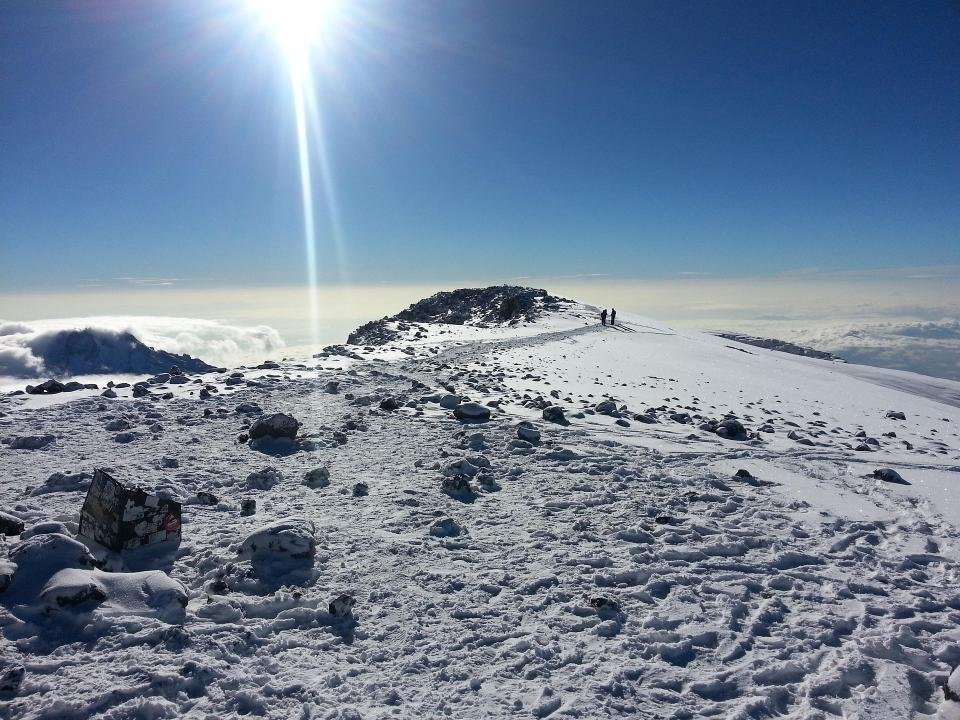
The clearest views often happen early in the morning before clouds build later in the day. Summit night and sunrise are usually cold, but they can provide some of the most striking views of the climb.
A clear view of Mount Meru, the plains of Tanzania and Kenya, and the volcanic landscape around Kilimanjaro’s summit is a major reward for climbers who prepare well.
Best time to combine Kilimanjaro with a Tanzania safari
For travellers planning both Kilimanjaro and safari, June to October is one of the easiest periods. The mountain is generally dry, and the northern safari circuit is also in a strong wildlife-viewing season.
January and February are also very good for a climb-and-safari combination. This period can be especially attractive for travellers interested in the southern Serengeti and Ndutu area, where wildebeest calving activity often takes place between roughly January and March. Wildlife movement always depends on rainfall and conditions, so exact locations cannot be guaranteed.
A Zanzibar extension can be added throughout the year, although sea conditions and rainfall patterns vary by month.
What matters more than the month?
The weather matters, but your Kilimanjaro success depends on several other important choices.
Choose enough days
The biggest mistake many climbers make is choosing the shortest possible route. More days give your body more time to adjust to altitude. A six-day, seven-day, eight-day, or nine-day itinerary generally offers a better acclimatisation profile than a rushed five-day climb.
Prepare physically
You do not need to be an elite athlete, but you should prepare. Walking, hiking, stair climbing, cycling, running, and strength training can all help build the endurance needed for Kilimanjaro.
Bring proper gear
A dry-season climb can still involve rain in the rainforest, freezing wind on summit night, and strong sun during the day. Good boots, warm layers, waterproof clothing, gloves, a sleeping bag, and a reliable headlamp are essential.
Climb slowly
The most useful phrase on Kilimanjaro is “pole pole,” meaning “slowly, slowly” in Swahili. The mountain is not a race. Slow pacing, regular water, food, and honest communication with your guide improve your chances of reaching Uhuru Peak safely.
Book your Kilimanjaro climb with EKO Tanzania Adventures
The best time to climb Kilimanjaro is when you have enough days, the right route, proper preparation, and a professional local team supporting you. Whether you choose the dry warmth of February, the clear skies of September, or a quieter Rongai climb in the shoulder season, EKO Tanzania Adventures can help you plan the right trek.
We arrange private Kilimanjaro climbs, group departures, safari combinations, Mount Meru treks, and Zanzibar beach extensions.
Contact us on WhatsApp: Chat with EKO Tanzania Adventures
Email: info@ekotanzaniaadventures.com
Alternative email: ekotanzaniaadventure@gmail.com
Choose your dates carefully, give yourself enough time to acclimatise, and let Mount Kilimanjaro be the challenge you prepare for properly.