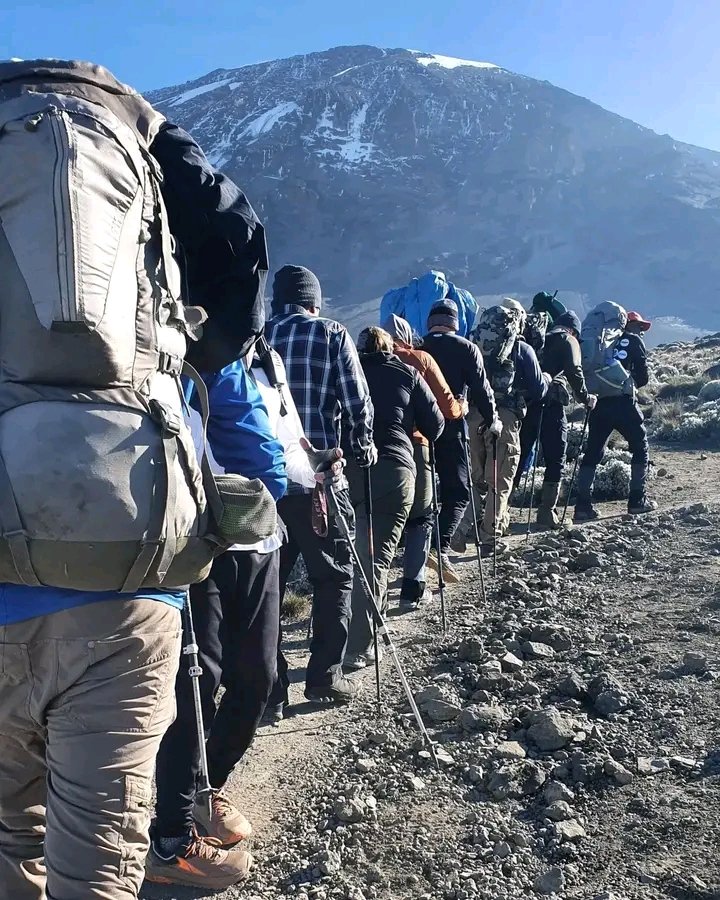
Best Time to Climb Mount Kilimanjaro; Mount Kilimanjaro is one of the most extraordinary destinations in Africa, attracting adventure lovers, mountain hikers and travellers from all over the world. Rising to 5,895 metres (19,341 feet) above sea level, Mount Kilimanjaro is the highest mountain in Africa and one of the world’s most famous trekking destinations. Located in northern Tanzania, near the town of Moshi, this magnificent mountain offers an unforgettable experience for anyone dreaming of reaching the highest point on the African continent.
Reaching Uhuru Peak is not simply about walking to the top of a mountain. It is a journey through several fascinating natural environments, from tropical rainforest and beautiful moorland to rocky alpine landscapes and the spectacular snow-covered summit. Every stage introduces climbers to a different side of Kilimanjaro, making the experience both physically challenging and incredibly rewarding.
If you are planning to climb Mount Kilimanjaro in 2026, 2027 or 2028, one of the most important decisions is choosing the right time of year. Although the mountain is accessible throughout the year, weather conditions change considerably between seasons. Some months offer relatively dry trails, clearer skies and better opportunities to enjoy the mountain scenery, while other months experience heavier rainfall, clouds and slippery trekking paths.
Choosing the best month can make your climbing adventure more comfortable and enjoyable. It also helps you select a suitable route, prepare the correct equipment, organise your travel arrangements and understand the expected climbing costs before arriving in Tanzania.
Generally, January, February, July, August and September are among the most favourable months for climbing Mount Kilimanjaro. June and October can also provide rewarding trekking conditions, depending on the weather. March, April, May and November are associated with wetter conditions, although climbing remains possible with appropriate preparation and professional support.
At EKO Tanzania Adventures, we understand that every traveller has different expectations when planning a Kilimanjaro expedition. Some visitors prefer joining a budget-friendly group climb, while others want a private mountain adventure with a personalised itinerary and additional comfort. Our aim is to help travellers choose suitable climbing dates, routes and packages according to their preferences, available time and budget.
This complete guide explores the best time to climb Mount Kilimanjaro in 2026, 2027 and 2028, including monthly weather conditions, climbing prices, popular routes, complete trekking itineraries, preparation advice and important information to help you plan your adventure.
1. When Is the Best Time to Climb Mount Kilimanjaro?: Best Time to Climb Mount Kilimanjaro
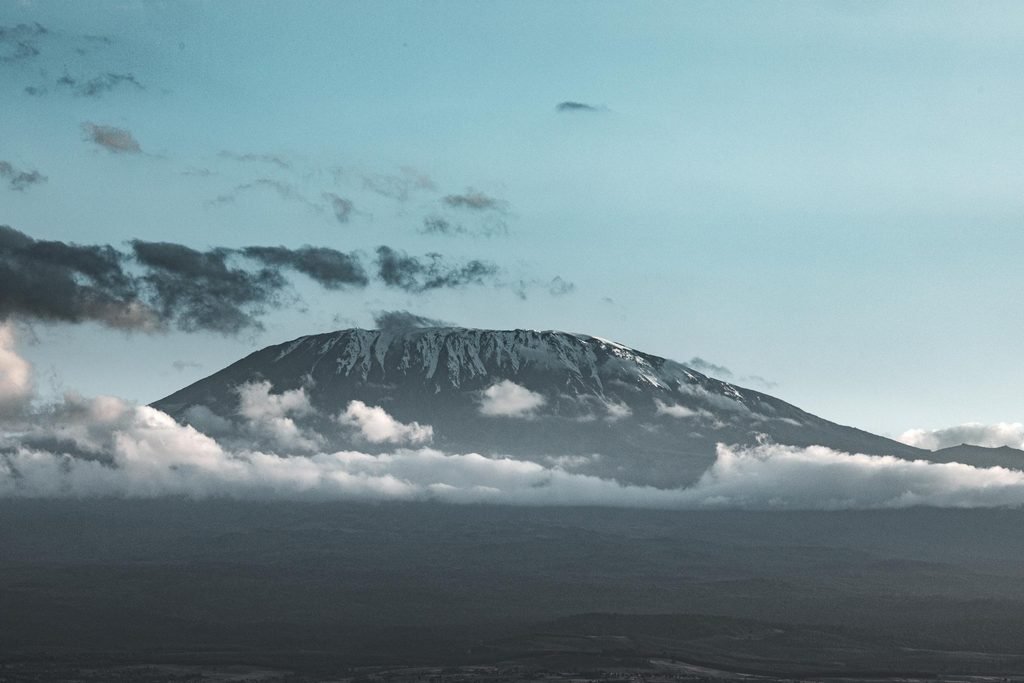
The best time to climb Mount Kilimanjaro is generally during the dry seasons, when rainfall is lower and trekking conditions are more favourable. Tanzania experiences two main dry periods that are particularly suitable for mountain climbing.
The first favourable period usually occurs between January and early March. The second and longer dry season generally runs from June through October, with July, August and September being particularly popular.
During these periods, climbers often enjoy better visibility, relatively dry walking trails and beautiful views of the surrounding landscapes. However, mountain weather is never completely predictable. Rain, strong winds and freezing temperatures can occur even during the dry season, especially at higher elevations.
January to March: The First Favourable Climbing Season is Best Time to Climb Mount Kilimanjaro
January and February are excellent months for climbing Kilimanjaro. These months generally offer relatively warm conditions, good trekking opportunities and impressive mountain scenery.
The lower mountain areas are often comfortable during the day, while the higher camps become progressively colder. Climbers may also encounter beautiful snow and ice formations near the summit.
March is a transitional month. Conditions can remain favourable during the early part of the month, but rainfall generally becomes more frequent as the long rainy season approaches.
June to October: The Main Dry Climbing Season is the Best Time to Climb Mount Kilimanjaro
The period from June to October is another excellent time to plan a Kilimanjaro expedition.
During these months, the weather is generally drier, making many sections of the mountain more comfortable to navigate. July, August and September attract particularly high numbers of international climbers.
This season is suitable for travellers who want to experience Kilimanjaro under relatively favourable trekking conditions. However, popular departure dates can become busy, so arranging your climb in advance is recommended.
Which Season Should You Choose?
If your main priority is relatively warm weather, January and February are excellent choices. If you prefer the traditional dry-season climbing experience, July, August and September are among the strongest options.
For travellers who want to avoid some of the busiest climbing periods, early June or October may be worth considering, depending on the weather forecast and route availability.
The most important thing is not simply choosing a popular month but selecting an itinerary that gives your body sufficient time to adjust to the altitude.
2. Best Months to Climb Mount Kilimanjaro in 2026, 2027 and 2028
Understanding the weather month by month will help you decide when to organise your climbing adventure. Every month has its own advantages and challenges, and the right choice depends on your travel dates, weather preferences and expectations.
January – An Excellent Month for Kilimanjaro Climbing
January is one of the most attractive months for climbing Mount Kilimanjaro. It generally falls within the first dry-season period and offers good opportunities for enjoying the mountain’s beautiful landscapes.
The lower slopes are often relatively warm, particularly during the daytime, while the higher elevations remain cold. The forest section is particularly beautiful, with green vegetation and impressive natural scenery.
January is suitable for travellers who want to climb before the main mid-year tourist season. It is also an excellent month for combining a mountain expedition with a wildlife safari in northern Tanzania.
Main advantages of climbing in January:
- Generally favourable trekking conditions.
- Relatively warm temperatures at lower elevations.
- Good opportunities for mountain photography.
- Beautiful rainforest and moorland scenery.
- Suitable for private and group climbing expeditions.
February – One of the Best Months for Clear Mountain Views
February is another excellent month to climb Kilimanjaro. It generally provides favourable conditions, with relatively warm daytime temperatures and good opportunities for enjoying the surrounding mountain scenery.
Many climbers choose February because it offers a balance between comfortable conditions at lower elevations and the excitement of experiencing the colder summit environment.
Snow and ice can create particularly beautiful scenery around the upper mountain. However, climbers should understand that summit temperatures can fall well below freezing, especially during the night.
February is particularly suitable for Machame, Lemosho, Marangu, Rongai and Northern Circuit expeditions.
March – A Changing Weather Period
March marks the transition towards Tanzania’s long rainy season. The first part of the month may still offer reasonable climbing conditions, but rainfall generally becomes more frequent as the month progresses.
The rainforest can become wet, and some trails may be muddy or slippery. Clouds can also affect visibility, making it more difficult to enjoy uninterrupted mountain views.
Travellers who prefer drier conditions should consider January or February instead. However, climbers who choose March should prepare for changing weather and ensure they have suitable waterproof clothing.
April – The Long Rainy Season
April is generally one of the wettest months on Mount Kilimanjaro. Heavy rainfall can affect the lower forest sections and make some trekking paths muddy and difficult to navigate.
Cloud cover may also reduce visibility, while wet clothing and cold temperatures can make the climbing experience more demanding.
Although experienced mountain teams can organise climbs during April, it is usually not the first choice for travellers who have flexible schedules.
For a more comfortable experience, June, July, August or September are generally preferable.
May – Gradual Changes Towards the Drier Season
May is still associated with the long rainy season, although weather conditions can gradually begin changing towards the end of the month.
The mountain is generally quieter during this period because fewer international visitors choose to climb in wetter conditions.
However, fewer climbers do not necessarily mean an easier expedition. Wet trails, rain, cold temperatures and reduced visibility can create additional challenges.
If you are considering May, speak with your local tour operator about the expected conditions and the most appropriate route.
June – The Beginning of the Main Dry Season
June is an increasingly popular month for climbing Mount Kilimanjaro because the long rainy season is generally coming to an end.
As the month progresses, trekking conditions often become drier, and opportunities for enjoying the mountain scenery improve.
June can be particularly attractive for travellers who want to climb before the busiest weeks of July and August.
The Machame and Lemosho routes are excellent options for those who want to experience the mountain’s diverse landscapes.
July – One of the Best Months to Climb Kilimanjaro
July is among the most popular months for climbing Mount Kilimanjaro. It generally offers dry weather, favourable trekking conditions and good opportunities for clear mountain views.
Many travellers from the United States, Europe and other international markets choose July because it coincides with their summer holiday period.
The mountain can become busy, particularly on popular routes. Booking your expedition early is therefore recommended.
July is suitable for first-time climbers and experienced hikers, provided they choose an appropriate itinerary and prepare properly for the altitude.
August – Excellent Conditions for a Mountain Adventure
August is another outstanding month for climbing Kilimanjaro. It falls within the main dry season, when rainfall is generally limited compared with the wetter months.
The mountain offers spectacular landscapes, and climbers can enjoy impressive views across the surrounding northern Tanzanian plains.
Although daytime conditions may be pleasant at lower elevations, temperatures become very cold near the summit. Warm clothing, proper sleeping equipment and suitable footwear are essential.
August is especially suitable for seven-day Machame and eight-day Lemosho expeditions.
September – An Excellent Month for Reaching Uhuru Peak
September is widely regarded as one of the best months for climbing Mount Kilimanjaro.
The weather is generally favourable, and the trails are often relatively dry. Climbers can enjoy beautiful mountain scenery while progressing through the different ecological zones.
September is a strong choice for travellers who want to experience Kilimanjaro during the main dry season.
It is also an excellent month for combining mountain climbing with a Serengeti safari, Ngorongoro Crater visit or Zanzibar beach holiday.
October – Good Conditions Before the Short Rains
October is generally another favourable month for climbing Mount Kilimanjaro, especially during its earlier weeks.
The weather can be relatively warm compared with some of the colder mid-year months. The mountain scenery remains impressive, and many climbers enjoy the opportunity to explore Kilimanjaro before the short rainy season becomes more established.
Rainfall can become more likely towards the end of October, so travellers should remain flexible when selecting departure dates.
November – The Short Rainy Season
November is generally associated with Tanzania’s short rainy season. Rainfall is often less intense than during April and May, but showers can still affect the lower mountain areas.
The trails may become wet, particularly in the rainforest zone. Climbers should bring waterproof clothing, backpack protection and appropriate hiking boots.
One advantage of November is that the mountain can be quieter than during the main dry-season months.
The Rongai Route is sometimes considered by climbers looking for a northern approach, although weather conditions cannot be guaranteed on any route.
December – A Wonderful Christmas and New Year Adventure
December offers another opportunity to climb Mount Kilimanjaro, particularly for travellers who want to spend Christmas or New Year in Tanzania.
Weather conditions can vary because the short rains may continue into the month. However, conditions can become more favourable as December progresses.
The festive season attracts families, couples and groups of friends who want to celebrate the holidays with a memorable African adventure.
If you plan to climb in December 2026, 2027 or 2028, arranging your expedition early is advisable because popular holiday dates can fill quickly.
3. Best Dry Season vs Rainy Season: Which Is Better for Climbing Kilimanjaro?
When planning your Mount Kilimanjaro climb, it is important to understand the difference between the dry and rainy seasons. Both periods have their own characteristics, but they offer different trekking experiences.
Climbing During the Dry Season: Best Time to Climb Mount Kilimanjaro
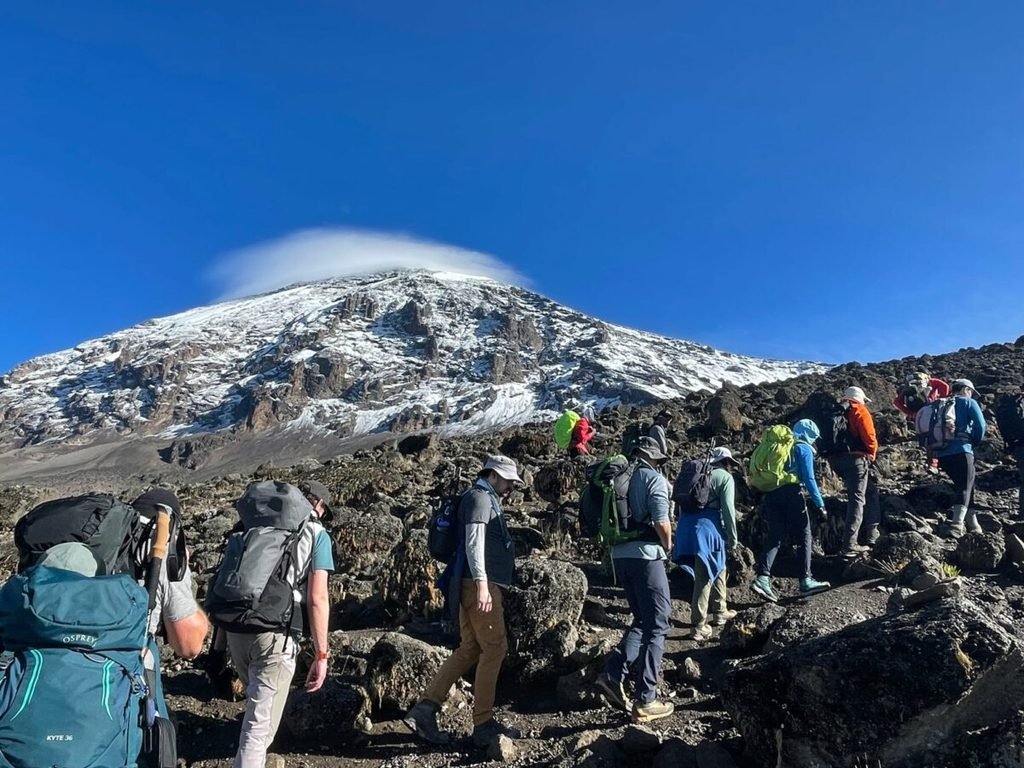
The dry season is generally the preferred time for most Kilimanjaro climbers. During this period, rainfall is usually lower, and trails are often more comfortable for walking.
The main advantages include better opportunities for clear views, less muddy terrain and more favourable conditions for enjoying the different mountain environments.
Another advantage is that climbers can spend more time appreciating the scenery without constantly worrying about rain affecting their trekking experience.
However, the dry season is also the busiest period. Popular routes such as Machame and Lemosho can attract many visitors, especially during July, August and September.
Climbing During the Rainy Season
Climbing during the rainy season can be more challenging because rainfall affects the lower forest areas and sometimes the higher mountain zones.
Wet trails may become slippery, and clouds can reduce visibility. Climbers also need suitable waterproof clothing and additional preparation to remain comfortable.
Nevertheless, the mountain can be quieter during wetter months, offering a different atmosphere for those who prefer fewer people on the trails.
The most important consideration is working with a professional mountain team that understands changing weather conditions and can help you prepare appropriately.
4. How Much Does It Cost to Climb Mount Kilimanjaro in 2026, 2027 and 2028?
The cost of climbing Mount Kilimanjaro depends on several factors, including the selected route, number of days, group size, accommodation arrangements, park fees and the standard of services provided by your tour operator.
A seven-day Machame expedition, for example, will generally have a different price from an eight-day Lemosho or nine-day Northern Circuit expedition.
For planning purposes, a guided Kilimanjaro expedition with a reputable local operator can generally fall within the following estimated ranges.
| Type of climbing package | Estimated price per person |
|---|---|
| Budget group climbing | $1,800–$2,300 |
| Standard group climbing | $2,200–$2,900 |
| Private mid-range climbing | $2,500–$3,500 |
| Private premium climbing | $3,500–$5,500+ |
These are indicative planning estimates, not fixed EKO Tanzania Adventures prices. Actual quotations depend on departure dates, group size, route, service standards and applicable park tariffs.
What Is Included in a Kilimanjaro Climbing Package?
Before booking your expedition, it is important to understand exactly what you are paying for.
A properly organised climbing package commonly includes the following services:
National park fees: These cover the applicable conservation and mountain access charges required for your expedition.
Professional mountain guides: Experienced guides lead the expedition, monitor climbers and help manage the daily trekking arrangements.
Mountain porters: Porters transport camping equipment, food and other authorised supplies needed throughout the climb.
Mountain cook: A dedicated cook prepares meals to support climbers during their daily trekking activities.
Accommodation on the mountain: Depending on your selected route, accommodation is provided in mountain tents or designated mountain huts.
Meals and drinking water: Meals are arranged throughout the expedition, together with drinking water according to the package provisions.
Transfers: Most packages include transport between your hotel and the relevant mountain gates.
Safety arrangements: Properly organised expeditions should include appropriate safety equipment, altitude monitoring and emergency procedures.
What Is Not Usually Included?
Some personal and international travel expenses are normally paid separately.
These may include:
- International flights to Tanzania.
- Tanzania visa fees, where applicable.
- Travel and high-altitude rescue insurance.
- Personal trekking clothing and equipment.
- Tips for mountain guides, cooks and porters.
- Hotel accommodation outside the package.
- Personal snacks and additional drinks.
- Optional safari or Zanzibar holiday extensions.
Always request a detailed quotation before confirming your booking so that you understand the full cost of your adventure.
Will Kilimanjaro Climbing Prices Increase in 2027 and 2028?
Prices may change between years because of park tariff adjustments, operating costs, transport, accommodation and other expenses.
For 2026/2027, travellers should check the applicable TANAPA tariff for the relevant financial year. The same applies to 2027/2028 and 2028/2029. Future park fees should not be assumed to remain unchanged.
When comparing climbing packages, do not choose an operator based on price alone. Consider the experience of the guides, safety arrangements, food quality, equipment and the number of days included.
A well-organised climb is worth prioritising because reaching Uhuru Peak requires proper planning and support.

5. Best Mount Kilimanjaro Climbing Routes in 2026, 2027 and 2028
Mount Kilimanjaro has several established trekking routes, each offering a different experience. Some are known for beautiful scenery, others for their gradual approaches, and some provide more time for acclimatisation.
Choosing the right route is an important part of planning your adventure.
Machame Route – The Beautiful Whiskey Route
The Machame Route is one of the most popular routes on Mount Kilimanjaro. It is famous for its diverse landscapes, spectacular mountain views and exciting trekking experience.
The route approaches the mountain from the southern side and takes climbers through tropical rainforest, moorland, alpine desert and the high-altitude summit environment.
One of the most attractive features is the opportunity to experience different landscapes as you gradually gain altitude.
The seven-day Machame itinerary is particularly popular because it provides more time for acclimatisation than the six-day option.
Recommended duration: 6 or 7 days.
Best for: Adventure travellers, active hikers and climbers who enjoy scenic mountain trekking.
Lemosho Route – A Scenic Route with Excellent Acclimatisation Opportunities
The Lemosho Route is an excellent choice for travellers who want a longer and more scenic Kilimanjaro experience.
Beginning on the western side of the mountain, the route passes through beautiful forest environments before opening into the impressive Shira Plateau.
As the expedition progresses, climbers enjoy spectacular mountain landscapes before joining the southern circuit towards Barranco, Karanga and Barafu camps.
The eight-day Lemosho itinerary is particularly attractive because it allows additional time for altitude adaptation.
Recommended duration: 7 or 8 days.
Best for: First-time climbers, nature lovers and travellers who prefer longer itineraries.
Marangu Route – The Classic Coca-Cola Route
The Marangu Route is one of the oldest established climbing routes on Kilimanjaro.
It is commonly called the Coca-Cola Route and is particularly known for offering mountain hut accommodation instead of camping in tents.
The route approaches the mountain from the southeastern side and passes through rainforest, moorland and alpine desert.
The six-day itinerary includes an additional acclimatisation day at Horombo Hut, making it a more suitable option than the shorter five-day itinerary for many travellers.
Recommended duration: 5 or 6 days.
Best for: Climbers who prefer mountain huts and a traditional trekking experience.
Rongai Route – The Northern Approach
The Rongai Route approaches Mount Kilimanjaro from the northern side, near the Kenyan border.
It is an attractive option for travellers looking for a different perspective of the mountain. The northern slopes often provide a quieter trekking atmosphere compared with some of the popular southern approaches.
The route passes through beautiful natural landscapes before joining the upper mountain trails towards the summit.
Recommended duration: 6 or 7 days.
Best for: Travellers seeking a northern approach and a potentially quieter climbing experience.
Northern Circuit Route – A Longer and More Gradual Adventure
The Northern Circuit is one of the longest routes on Mount Kilimanjaro.
It offers an extended journey around the northern slopes, allowing climbers to explore different sides of the mountain.
The longer duration provides valuable opportunities for acclimatisation, although individual responses to altitude still vary.
It is an excellent choice for travellers who have sufficient time and want a more extended mountain experience.
Recommended duration: 9 or 10 days.
Best for: Climbers seeking a longer expedition and additional acclimatisation time.
6. Complete Mount Kilimanjaro Climbing Itineraries
A good climbing itinerary should balance daily walking distances, rest periods and altitude adaptation. It should also provide enough time for climbers to enjoy the mountain rather than feeling rushed.
Below are three popular itineraries for 2026, 2027 and 2028.
7-Day Machame Route Complete Itinerary
Day 1: Machame Gate to Machame Camp
Your adventure begins with breakfast at your hotel in Moshi. After meeting your mountain guides and crew, you travel to Machame Gate for registration and park formalities.
Begin trekking through the beautiful rainforest, where you can enjoy impressive vegetation, mountain birds and the natural atmosphere of Kilimanjaro. Continue towards Machame Camp for dinner and overnight accommodation.
Day 2: Machame Camp to Shira Camp
After breakfast, continue climbing through the changing vegetation zones. The dense forest gradually gives way to open moorland, providing beautiful views of the surrounding landscapes.
Arrive at Shira Camp, where you enjoy dinner and prepare for the following day’s trek.
Day 3: Shira Camp to Lava Tower to Barranco Camp
This is an important acclimatisation day. Trek towards Lava Tower at approximately 4,630 metres before descending towards Barranco Camp.
The climb-high, sleep-low approach gives your body an opportunity to experience a higher altitude before sleeping at a lower elevation.
Day 4: Barranco Camp to Karanga Camp
After breakfast, begin climbing the famous Barranco Wall. This section is one of the most exciting parts of the Machame Route, offering impressive views across the mountain.
Continue towards Karanga Camp, where you rest and prepare for the next stage.
Day 5: Karanga Camp to Barafu Camp
Continue towards Barafu Camp through the alpine desert. Upon arrival, rest, hydrate and prepare your summit clothing and equipment.
Your mountain guides will explain the summit schedule and what to expect during the final ascent.
Day 6: Barafu Camp to Uhuru Peak to Mweka Camp
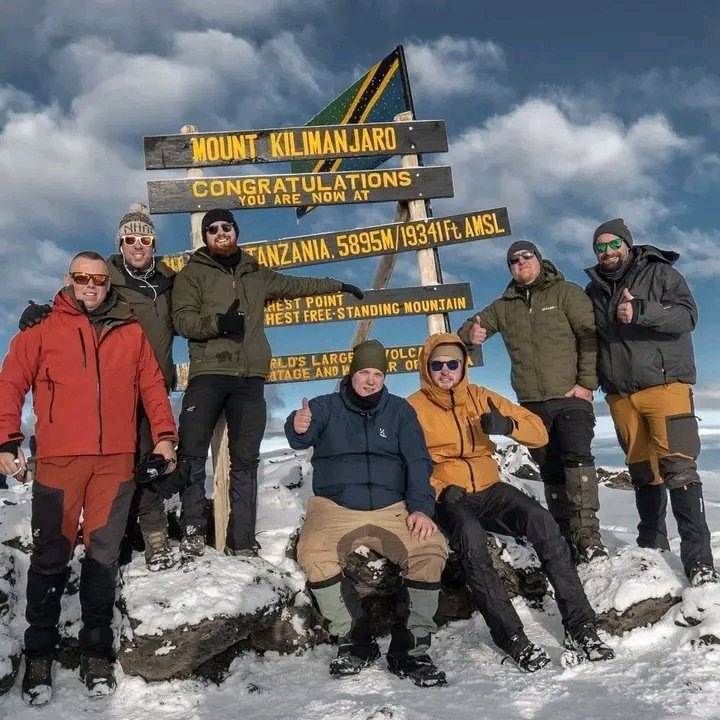
The summit attempt normally begins around midnight. Trek slowly through the cold night towards Stella Point before continuing to Uhuru Peak at 5,895 metres.
Celebrate your achievement at the highest point in Africa before beginning the descent towards Mweka Camp.
Day 7: Mweka Camp to Mweka Gate
After breakfast, descend through the rainforest towards Mweka Gate. Complete the necessary park formalities and receive your summit certificate if you successfully reach Uhuru Peak.
Your driver then transfers you to your hotel in Moshi.
8-Day Lemosho Route Complete Itinerary
Day 1: Londorossi Gate to Mti Mkubwa Camp
Travel to Londorossi Gate for registration and begin your adventure through the beautiful western rainforest. Continue along the forest trail towards Mti Mkubwa Camp.
Day 2: Mti Mkubwa Camp to Shira 1 Camp
Leave the forest behind as the landscape gradually changes into open moorland. Continue towards Shira 1 Camp, enjoying the changing scenery.
Day 3: Shira 1 Camp to Shira 2 Camp
Continue across the Shira Plateau, one of the most impressive landscapes on Kilimanjaro. The day allows you to explore the mountain environment while gradually gaining altitude.
Day 4: Shira 2 Camp to Lava Tower to Barranco Camp
Climb towards Lava Tower before descending to Barranco Camp. This is an important acclimatisation stage because it introduces your body to a higher elevation before sleeping lower.
Day 5: Barranco Camp to Karanga Camp
Climb the Barranco Wall and continue through the beautiful mountain landscape towards Karanga Camp.
Day 6: Karanga Camp to Barafu Camp
Continue towards Barafu Camp, your main base before the summit attempt. Spend the afternoon resting and preparing for the final ascent.
Day 7: Barafu Camp to Uhuru Peak to Mweka Camp
Begin your summit attempt during the night. Trek towards Stella Point before continuing to Uhuru Peak. After celebrating your achievement, descend towards Mweka Camp.
Day 8: Mweka Camp to Mweka Gate
Complete your descent through the rainforest and return to Mweka Gate. After completing the park formalities, transfer to your hotel.
6-Day Marangu Route Complete Itinerary
Day 1: Marangu Gate to Mandara Hut
After registration at Marangu Gate, begin trekking through the beautiful rainforest towards Mandara Hut.
Day 2: Mandara Hut to Horombo Hut
Continue through the forest and enter the moorland zone. Enjoy views of Mawenzi and Kibo peaks before arriving at Horombo Hut.
Day 3: Horombo Hut – Acclimatisation Day
Spend an additional day at Horombo Hut to support altitude adaptation. Your guides may organise an acclimatisation walk to a higher elevation before returning to the hut.
Day 4: Horombo Hut to Kibo Hut
Continue across the alpine desert towards Kibo Hut. Rest and prepare for the summit attempt.
Day 5: Kibo Hut to Uhuru Peak to Horombo Hut
Start climbing during the night towards Gilman’s Point and continue along the crater rim towards Uhuru Peak.
After reaching the summit, begin descending towards Horombo Hut.
Day 6: Horombo Hut to Marangu Gate
Complete the final descent through the moorland and rainforest before returning to Marangu Gate.
Note: These are representative itineraries. Actual trekking times, camp arrangements and daily schedules should be confirmed with your operator. Longer routes are often preferable for acclimatisation, and the shortest itinerary is not necessarily the best choice.
7. How to Prepare Physically for Climbing Mount Kilimanjaro
Although Kilimanjaro does not require technical mountaineering skills on its standard trekking routes, physical preparation is extremely important.
You will spend several consecutive days walking for hours across different types of terrain. Some days involve gradual uphill trekking, while others include steep sections and long descents.
Start preparing approximately two to three months before your departure, or earlier if you are not accustomed to regular exercise.
Build Your Walking Endurance
Regular walking is one of the most effective ways to prepare for Kilimanjaro. Start with shorter walks and gradually increase the distance and duration.
Whenever possible, practise on hills, uneven trails and natural terrain. This helps your legs become familiar with the demands of mountain trekking.
Improve Your Cardiovascular Fitness
Activities such as cycling, swimming, jogging and brisk walking can help improve cardiovascular endurance.
The objective is to develop the ability to remain active for extended periods without becoming excessively exhausted.
Practise Hiking with a Backpack
During the expedition, you will normally carry a small daypack containing personal essentials, water, snacks and extra clothing.
Practising with a backpack before travelling helps you become comfortable carrying additional weight over longer distances.
Prepare Mentally
Mental preparation is just as important as physical fitness. Kilimanjaro requires patience, determination and the ability to maintain a steady pace.
Some days may be physically demanding, particularly summit night. Learning to remain calm, follow your guides’ instructions and take the climb one step at a time can make a meaningful difference.
8. Important Safety Tips for Climbing Mount Kilimanjaro
Safety should always be a priority when planning your mountain adventure.
The biggest challenge on Kilimanjaro is altitude rather than technical climbing. As you ascend, atmospheric pressure decreases, making less oxygen available to your body.
Some climbers experience altitude-related symptoms such as headaches, dizziness, nausea, tiredness and difficulty sleeping.
To reduce risks, consider the following important precautions.
Choose a longer itinerary: Additional days can provide more time for your body to adapt to increasing altitude.
Walk slowly: Mountain guides commonly encourage climbers to follow a gradual pace rather than rushing.
Drink sufficient water: Maintain appropriate hydration throughout the expedition.
Report symptoms immediately: Never hide headaches, nausea, dizziness or other unusual symptoms from your guides.
Follow your guides’ instructions: Your guides are responsible for monitoring the expedition and responding to changing mountain conditions.
Understand emergency procedures: Confirm that your operator has appropriate altitude monitoring, communication and evacuation arrangements.
Remember that reaching the summit is never more important than your health. If serious altitude sickness develops, descending is essential. No operator can guarantee that every climber will reach Uhuru Peak.
9. What Should You Pack for a Kilimanjaro Climb?
Temperatures change considerably as you move through Kilimanjaro’s different climatic zones. You may begin your expedition in relatively warm rainforest conditions and finish at a freezing summit.
For this reason, packing suitable clothing and equipment is essential.
Essential Clothing
- Thermal base layers.
- Waterproof jacket and trousers.
- Warm fleece jacket.
- Insulated down jacket.
- Trekking trousers.
- Warm gloves and inner gloves.
- Thermal socks.
- Warm hat and sun hat.
- Comfortable trekking underwear.
Essential Footwear
Your hiking boots should be comfortable, waterproof and properly broken in before the expedition.
Additional items include:
- Trekking socks.
- Camp shoes.
- Gaiters.
- Sandals for relaxing at camp or mountain huts.
Personal Mountain Equipment
- Sleeping bag suitable for freezing temperatures.
- Trekking poles.
- Headlamp with spare batteries.
- Daypack.
- Duffel bag for porter transportation.
- Reusable water bottles.
- Sunglasses.
- Sunscreen.
- Personal toiletries.
Personal Health and Safety Items
Bring your prescribed medication, basic personal first-aid supplies, blister protection and any other medical essentials recommended by your healthcare professional.
You should also arrange travel insurance that specifically covers high-altitude trekking up to 6,000 metres and emergency evacuation.
10. Combine Mount Kilimanjaro Climbing with a Tanzania Safari
One of the best ways to extend your Kilimanjaro holiday is by combining your mountain adventure with a wildlife safari.
Northern Tanzania is home to some of Africa’s most famous wildlife destinations, making it possible to enjoy mountain trekking and an unforgettable safari during the same holiday.
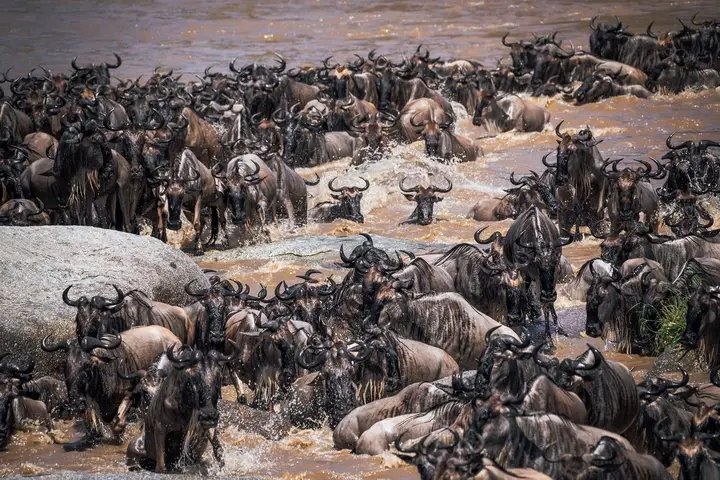
Serengeti National Park
Serengeti National Park is famous for its extraordinary wildlife, endless grasslands and the Great Wildebeest Migration.
A safari here offers opportunities to see lions, elephants, giraffes, cheetahs, zebras and many other animals in their natural environment.

Ngorongoro Crater
Ngorongoro Crater is one of Tanzania’s most remarkable natural attractions.
Its impressive volcanic landscape supports a wide variety of wildlife, including elephants, lions, buffaloes and endangered black rhinos.

Tarangire National Park
Tarangire is particularly famous for its large elephant herds and beautiful baobab trees.
It is an excellent addition to a northern Tanzania safari, especially for visitors interested in wildlife photography.
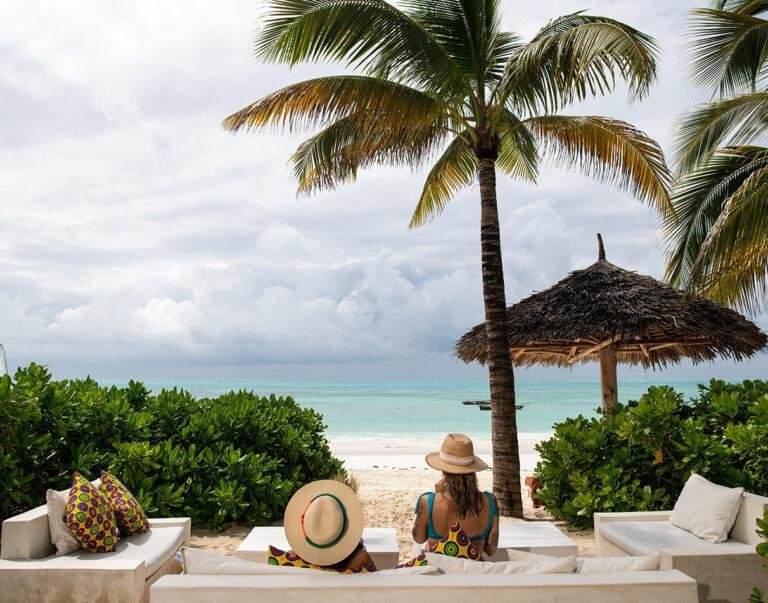
Zanzibar Beach Holiday
After completing your mountain climb and safari, Zanzibar provides an excellent opportunity to relax.
You can enjoy beautiful beaches, explore Stone Town, experience local culture, visit spice farms and participate in activities such as snorkelling and Blue Safari excursions.
A combination of Kilimanjaro, Serengeti, Ngorongoro and Zanzibar creates an unforgettable Tanzania holiday.
11. Why Choose EKO Tanzania Adventures for Your Kilimanjaro Climb?
Choosing the right local tour operator is an important decision when planning your Mount Kilimanjaro expedition.
A reliable operator should understand the mountain, provide experienced guides, organise suitable equipment and ensure that the expedition is properly planned.
EKO Tanzania Adventures is a Tanzania-based tour company in Arusha, specialising in Kilimanjaro climbing, Tanzania wildlife safaris and personalised African travel experiences.
We understand that every traveller has different expectations, which is why we offer different climbing arrangements according to individual preferences and travel plans.
Whether you want a budget-friendly group climb, a private mountain expedition or a personalised climbing package, our team can help you organise your journey.
Our climbing services focus on:
Professional mountain guides: Experienced guides provide leadership, route guidance and support throughout the expedition.
Personalised climbing itineraries: We help travellers select suitable routes and durations according to their schedules and acclimatisation requirements.
Mountain accommodation: We organise camping or hut accommodation depending on the selected route.
Meals and mountain support: We arrange meals, mountain crew services and essential logistical support throughout the climb.
Safety and preparation: We prioritise proper preparation, gradual trekking, altitude awareness and suitable emergency arrangements.
Flexible climbing packages: Travellers can choose private or group departures, different routes and suitable accommodation before and after climbing.
Our goal is to provide a well-organised experience that allows you to concentrate on enjoying the mountain while our team manages the important arrangements.
12. Frequently Asked Questions About the Best Time to Climb Mount Kilimanjaro
What is the best month to climb Mount Kilimanjaro in 2026, 2027 and 2028?
January, February, July, August and September are among the best months. These periods generally offer favourable trekking conditions and better opportunities for clear mountain views.
Is July or August better for climbing Kilimanjaro?
Both are excellent months. July and August fall within the main dry season and generally provide good trekking conditions. Both months can also be busy, particularly on popular routes.
Can I climb Mount Kilimanjaro in January?
Yes. January is one of the most favourable months for climbing. It generally offers relatively warm conditions at lower elevations and good opportunities for enjoying the mountain scenery.
Is February a good month for Kilimanjaro climbing?
Yes. February is an excellent month, with generally favourable weather and beautiful mountain landscapes. However, summit temperatures remain extremely cold.
Can beginners climb Mount Kilimanjaro?
Yes. Beginners can climb Kilimanjaro without previous mountaineering experience. However, physical preparation, an appropriate itinerary and professional mountain support are important.
How many days does it take to climb Mount Kilimanjaro?
Most expeditions take between five and ten days, depending on the route. Seven or eight days is a popular choice for many travellers because it provides additional time for acclimatisation compared with shorter itineraries.
What is the cheapest route to climb Kilimanjaro?
The Marangu Route is sometimes among the more affordable options because it has a shorter itinerary and uses mountain huts. However, the total price depends on the operator, accommodation and services included.
Which route has the best chance of reaching Uhuru Peak?
Longer itineraries such as the eight-day Lemosho and nine-day Northern Circuit offer more time for acclimatisation. However, no route guarantees summit success.
How cold is Mount Kilimanjaro at the summit?
Temperatures at Uhuru Peak can fall to approximately -10°C to -20°C or even lower under certain conditions, particularly when strong winds are present.
Can I climb Kilimanjaro and visit the Serengeti in one trip?
Yes. Many travellers combine a seven- or eight-day Kilimanjaro climb with a three- to five-day Tanzania safari. Allow sufficient time for recovery and travel between activities.
Do I need a guide to climb Mount Kilimanjaro?
Yes. Kilimanjaro National Park requires climbers to undertake their expedition through an authorised mountain guiding arrangement. Travellers should organise their climb with a properly registered and licensed operator.
13. Book Your Mount Kilimanjaro Climbing Adventure with EKO Tanzania Adventures
Mount Kilimanjaro offers an experience that goes far beyond an ordinary holiday. It is an opportunity to discover Tanzania’s natural beauty, challenge yourself physically and mentally, and achieve the incredible goal of reaching the highest point in Africa.
Whether you are planning to climb in 2026, 2027 or 2028, choosing the right month, route and climbing duration is an important part of making your adventure successful.
From the beautiful rainforest trails to the dramatic alpine desert and the breathtaking sunrise at Uhuru Peak, every stage of the journey creates memories that remain with you long after returning home.
At EKO Tanzania Adventures, we are ready to help you organise your expedition according to your preferred travel dates, number of travellers, budget, accommodation preferences, fitness level and preferred climbing route.
You can choose a seven-day Machame climb, an eight-day Lemosho expedition, a classic Marangu adventure, a Rongai climbing experience or a longer Northern Circuit journey.
You can also extend your holiday with a Tanzania wildlife safari or a relaxing Zanzibar beach experience.
Ready to climb Mount Kilimanjaro in 2026, 2027 or 2028?
Contact EKO Tanzania Adventures today to request your personalised climbing quotation and start planning your journey to the Roof of Africa.
EKO Tanzania Adventures – Your Tanzania Mountain Climbing and Safari Partner
Website: www.ekotanzaniaadventures.com
Email: info@ekotanzaniaadventures.com
WhatsApp / Phone: +255 761 353 184
Location: Arusha, Tanzania
Your Kilimanjaro adventure begins with the right preparation. Let EKO Tanzania Adventures help you turn your dream of reaching Uhuru Peak into an unforgettable African experience.