8-Day Great Migration Safari: Serengeti, Ngorongoro & Tarangire
Explore Tours
8-Day Great Migration Safari : Follow one of nature’s greatest wildlife movements on this carefully planned 8-Day Great Migration Safari in Tanzania. This journey takes you through Tarangire National Park, the Ngorongoro Conservation Area and Serengeti National Park, with extra time in Serengeti to search for the wildebeest herds, predators and dramatic wildlife action that make this ecosystem famous.
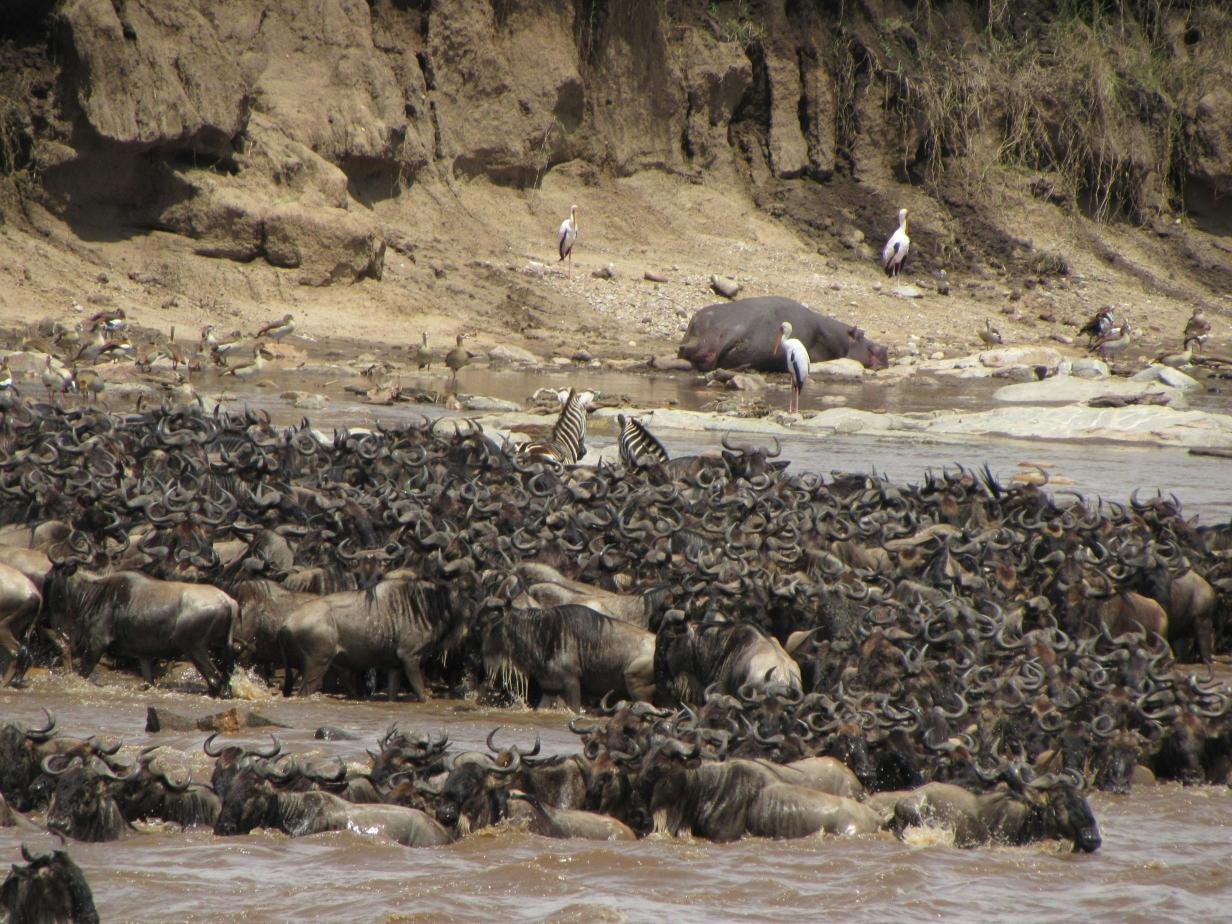
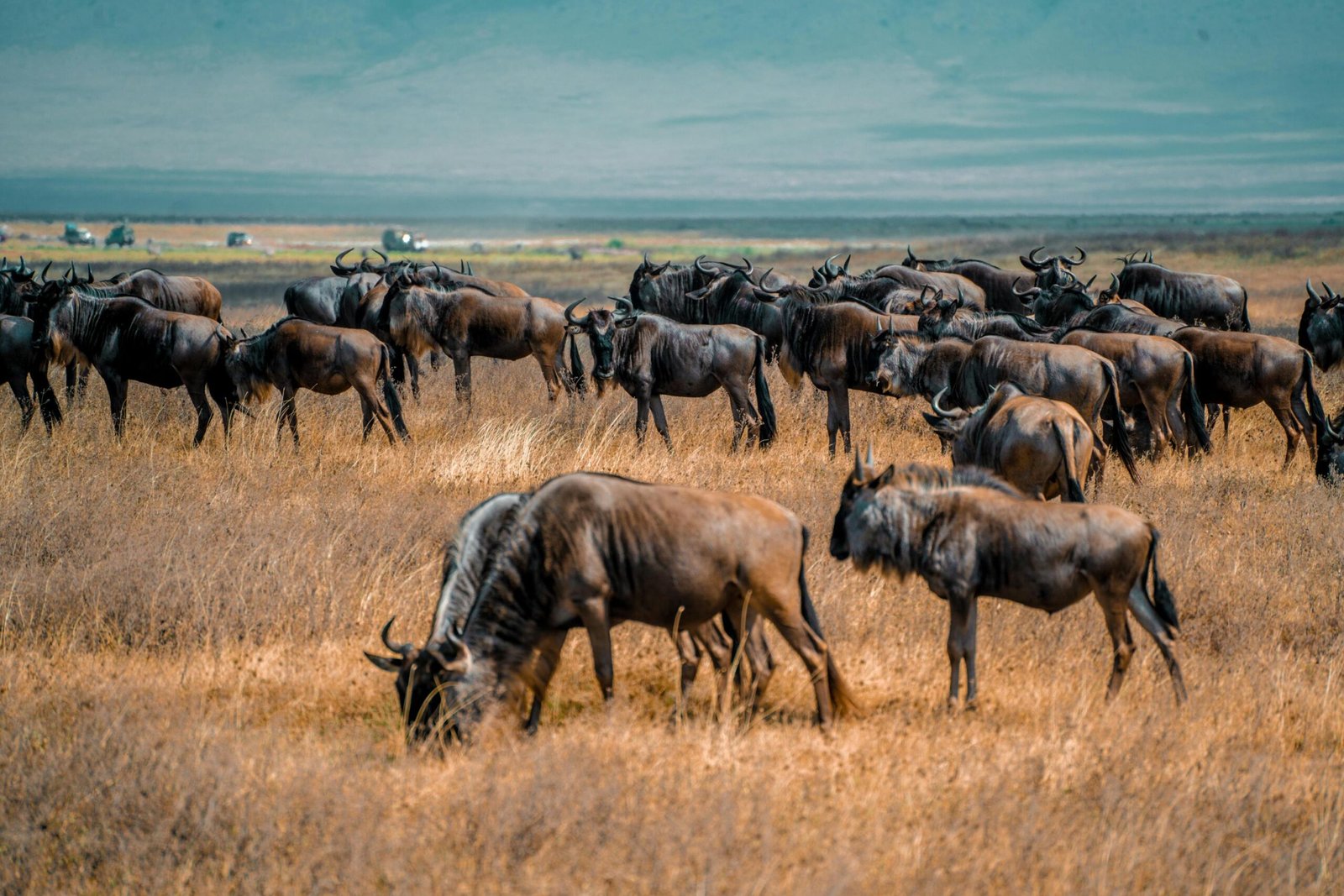
The Great Migration is not a single event that happens in one place at the same time every year. It is a continuous movement of wildebeest, zebras and gazelles across the wider Serengeti ecosystem, driven by rainfall, fresh grass and water availability. That is why the best safari route should be planned around your exact travel month.
At EKO Tanzania Adventures, we tailor the itinerary and camp location to the expected position of the migration. If you travel during calving season, we can focus on southern Serengeti and Ndutu. If you travel during the dry season, we can plan toward central, western or northern Serengeti, depending on the movement of the herds and the conditions at the time.
UNESCO describes the annual movement of wildebeest, zebras and gazelles across Serengeti’s vast savannah as one of the world’s most impressive natural spectacles.
This safari is ideal for wildlife lovers, photographers, couples, families and travellers who want to spend enough time in Tanzania’s wilderness to appreciate the migration properly.
Great Migration Safari at a Glance
- Duration: 8 Days / 7 Nights
- Destinations: Tarangire National Park, Ngorongoro Crater and Serengeti National Park
- Safari type: Private Great Migration safari
- Start and end point: Arusha or Kilimanjaro International Airport
- Transport: Private 4×4 Land Cruiser with pop-up roof
- Accommodation: Budget, mid-range, luxury or premium tented-camp options
- Best for: Wildlife enthusiasts, photographers, couples, families and migration travellers
- Main focus: Wildebeest migration, big cats, elephants, crater wildlife and classic Tanzania landscapes
Great Migration Safari Highlights
- Search for wildebeest, zebra and gazelle herds in Serengeti
- Spend four nights in or near the Serengeti ecosystem
- Enjoy private game drives with an experienced local guide
- Photograph lions, leopards, cheetahs, hyenas and other predators
- Visit elephant-rich Tarangire National Park
- Descend into the wildlife-rich Ngorongoro Crater
- Choose mobile-style tented camps close to migration areas, where available
- Add an optional Serengeti balloon safari
- Enjoy flexible routing based on real wildlife movements
Understanding the Great Migration
The Great Migration is often misunderstood. Many travellers imagine that millions of animals move in one straight line from one point to another. In reality, it is a year-round cycle across the Serengeti-Mara ecosystem.
The herds move because they need fresh grazing and water. Rainfall patterns influence where the animals go, so the timing is never exactly the same each year.
A general guide is:
- December to March: Southern Serengeti and Ndutu; calving season may occur during this period
- April to May: Central and western movement, depending on rainfall
- June to July: Western Corridor and possible Grumeti River crossings
- July to October: Northern Serengeti and possible Mara River crossings
- November: Movement back toward central and southern Serengeti after seasonal rains
These are seasonal patterns, not promises. River crossings, births, predator hunts and exact herd positions cannot be guaranteed. EKO Tanzania Adventures will give you realistic advice before you book and adjust your itinerary around the best available information.
Detailed 8-Day Great Migration Safari Itinerary
Day 1: Arrival at Kilimanjaro International Airport – Arusha
Arrive at Kilimanjaro International Airport, where an EKO Tanzania Adventures representative will welcome you and transfer you to your hotel or lodge in Arusha.
After your journey, enjoy time to relax and prepare for the safari. Depending on your arrival time, you may rest at the lodge, enjoy the garden or take a short local excursion.
In the evening, your driver-guide will provide a full safari briefing. You will discuss your itinerary, expected migration location, accommodation, weather, packing requirements and wildlife priorities.
Meals: Dinner, depending on arrival time
Overnight: Arusha hotel or lodge
Day 2: Arusha to Tarangire National Park
After breakfast, depart Arusha for Tarangire National Park. The road takes you through local communities, farms and Maasai landscapes before reaching the park.
Tarangire is an excellent introduction to Tanzania’s wildlife. It is famous for elephant families, giant baobab trees, riverine woodland and open savannah.
TANAPA identifies Tarangire’s elephant herds, baobab galleries, river loops, birdlife and seasonal wildlife movement as key park attractions.
Enjoy a full game drive with picnic lunch. You may see elephants, giraffes, zebras, buffalo, wildebeest, impalas, warthogs, ostriches and many bird species. Lions, leopards and hyenas are also present, but sightings are always based on natural conditions.
In the late afternoon, transfer to your lodge or tented camp for dinner and overnight.
Meals: Breakfast, lunch and dinner
Overnight: Tarangire lodge or tented camp
Day 3: Tarangire to Ngorongoro Highlands
Wake early for a morning game drive in Tarangire. The early hours are often ideal for wildlife viewing and photography, especially around the park’s woodland and water areas.
After breakfast, leave Tarangire and drive toward the Ngorongoro Highlands. The scenery changes as you move from warmer, lower grasslands toward cooler highland areas around Karatu and Ngorongoro.
Arrive at your lodge in the afternoon. Spend the rest of the day relaxing and preparing for the crater game drive the following morning.
Meals: Breakfast, lunch and dinner
Overnight: Karatu or Ngorongoro lodge
Day 4: Ngorongoro Crater Safari – Transfer to Serengeti
After an early breakfast, travel to the Ngorongoro Crater gate and descend to the crater floor for a half-day safari.
Ngorongoro Crater is one of Tanzania’s most concentrated wildlife areas. Its grassland, wetlands, forest and lake habitat support lions, buffalo, zebras, wildebeest, hippos, hyenas, jackals, elephants and many birds.
Black rhinos are present in the conservation area, though they are rare and cannot be guaranteed. Your guide will use knowledge of wildlife movement and park updates to give you the best possible experience.
All visitors within the crater must be accompanied by a licensed guide.
After a picnic lunch, ascend from the crater and continue toward Serengeti National Park. Depending on your travel month, your camp may be located in central, southern, western or northern Serengeti to improve access to migration areas.
Enjoy an en-route game drive before arriving at camp for dinner and overnight.
Meals: Breakfast, lunch and dinner
Overnight: Serengeti lodge or tented camp
Day 5: Full-Day Great Migration Safari in Serengeti
Today is dedicated to following wildlife in Serengeti. Your guide will use recent sightings, weather conditions, ranger updates and local knowledge to select the best route.
If the migration herds are nearby, you may see large groups of wildebeest, zebras and gazelles moving across the plains. The sound, dust and constant movement of the herds can be extraordinary.
Predators often follow or live close to areas with large numbers of prey. You may search for lions, cheetahs, leopards, hyenas and jackals, while also watching elephants, giraffes and many species of antelope.
A full-day game drive gives you time to wait for natural behaviour. You may see animals crossing a track, calves following their mothers, zebras moving in lines, predators watching herds or vultures circling overhead.
Return to camp in the evening for dinner and overnight.
Meals: Breakfast, lunch and dinner
Overnight: Serengeti lodge or tented camp
Day 6: Full-Day Serengeti Migration Safari
Today gives you another full day in Serengeti. This extra time is important because migration safaris should not be rushed. Wildlife movements can change overnight, and conditions in one area may be very different from the previous day.
Depending on the season, your guide may focus on:
- Southern Serengeti or Ndutu plains during calving season
- Central Serengeti during transition periods
- Western Corridor when herds move toward the Grumeti area
- Northern Serengeti during the Mara River season
- Resident wildlife areas if migration herds are farther away
Even when the main migration herds are not close to your camp, Serengeti remains one of Africa’s strongest wildlife destinations. You may still see lions, leopards, cheetahs, elephants, giraffes, buffalo, hippos, hyenas, zebras and numerous birds.
An optional hot-air balloon safari may be added in areas where the activity is available and conditions permit. Balloon flights are weather-dependent and should be booked well in advance.
Meals: Breakfast, lunch and dinner
Overnight: Serengeti lodge or tented camp
Day 7: Serengeti Wildlife Safari
Enjoy another day in Serengeti, focusing on the wildlife experience rather than trying to follow a fixed checklist.
Your guide can adapt this day around what you have already seen and what you still hope to photograph or experience. You may choose to focus on big cats, elephant herds, birdlife, wide landscapes or migration behaviour.
This is also a good day for photographers. Early morning and late afternoon provide softer light, while the middle of the day can be used for rest at camp or a picnic in the field.
A well-planned migration safari gives you time to observe. Instead of rushing from sighting to sighting, you can wait for the moment: a lion standing, a cheetah looking across the grass, a herd moving through dust or a giraffe crossing in front of a sunset sky.
Return to camp for your final Serengeti dinner and overnight.
Meals: Breakfast, lunch and dinner
Overnight: Serengeti lodge or tented camp
Day 8: Serengeti to Arusha or Flight Departure
After breakfast, enjoy a final early morning game drive or transfer to the relevant airstrip for a domestic flight, depending on your selected travel plan.
Many guests choose to fly from Serengeti to Arusha or Kilimanjaro to save driving time. Others prefer to drive back through the Ngorongoro area, depending on budget and flight schedule.
Your EKO Tanzania Adventures consultant will design the final day around your international departure arrangements.
Meals: Breakfast and lunch, depending on travel schedule
Where Will You Stay During a Great Migration Safari?
Accommodation location matters greatly on a migration safari. The best camp is not always the most famous camp—it is the camp that works best for the herd location during your travel dates.
Options may include:
- Seasonal mobile tented camps
- Mid-range tented camps
- Luxury tented camps
- Permanent safari lodges
- Premium-luxury camps with private suites
- Camps in southern, central, western or northern Serengeti
Mobile camps can move with the migration pattern, while permanent camps offer more established facilities. We will explain the difference and recommend the best option for your dates and budget.
What Is Included in the Great Migration Safari?
Your quotation can include:
- Private 4×4 Land Cruiser with pop-up roof
- Professional English-speaking driver-guide
- Airport transfers
- Accommodation during the safari
- Meals as listed in the itinerary
- National park entry fees and conservation fees
- Ngorongoro Crater service fees
- Drinking water during game drives
- Private wildlife game drives
- Government taxes and VAT where applicable
What Is Not Included?
Unless listed in your final quotation, the package normally excludes:
- International flights
- Tanzania visa
- Travel insurance
- Domestic flights, unless included
- Optional hot-air balloon safari
- Alcoholic beverages
- Tips for guide and lodge staff
- Personal expenses
- Extra nights before or after the safari
Best Time to Book This Safari
The best time depends on which phase of the migration you want to experience.
Calving Season: December to March
This period is popular for guests hoping to see large herds in the southern Serengeti and Ndutu area. It can also be a rewarding time for predator activity, as vulnerable young animals may attract predators.
Western Corridor: May to July
Herds may move through central and western Serengeti. Depending on conditions, travellers may look for movement near the Grumeti area.
Northern Serengeti: July to October
This period is often chosen by guests hoping to see the herds in northern Serengeti. Mara River crossings are possible but never guaranteed, as animals may wait, cross quickly or choose another location.
Green Season: November
The rains can bring fresh grass and trigger movement back toward central and southern Serengeti. The landscapes are often green and beautiful, with fewer safari vehicles in some areas.
Why Book Your Great Migration Safari with EKO Tanzania Adventures?
A migration safari needs accurate route planning and honest guidance. The herds do not follow a fixed calendar, so the itinerary must remain flexible and realistic.
With EKO Tanzania Adventures, you receive:
- Tailor-made routing based on your travel month
- Private safari vehicle and experienced guide
- Advice on the likely migration area
- Accommodation chosen around wildlife access
- Flexible game drives and photography stops
- Budget, mid-range and luxury options
- Honest guidance with no unrealistic promises
- Tanzania-based support from arrival to departure
Book Your 8-Day Great Migration Safari
Follow the rhythm of the Serengeti and experience Tanzania’s wildlife at its most dramatic. Combine elephants in Tarangire, the concentrated wildlife of Ngorongoro Crater and several days in Serengeti searching for the Great Migration.
Contact EKO Tanzania Adventures today for a personalised Great Migration Safari quotation.
- WhatsApp: +255 761 353 184
- Call: +255 761 353 184
- Email: info@ekotanzaniaadventures.com
- Alternative email: ekotanzaniaadventure@gmail.com
- Website: www.ekotanzaniaadventures.com
Plan your Tanzania Great Migration Safari with EKO Tanzania Adventures and travel where the wildlife is moving.
Related Tours
Your Tanzania journey starts here
Ready to Plan Your Perfect Adventure?
Whether you want a Tanzania safari, Mount Kilimanjaro climb, Zanzibar beach holiday or a combination of all three, EKO Tanzania Adventures will help you plan it around your travel dates, group and budget.
Helpful Tanzania travel information