9 Days Safari – A Chance to See the Wildebeest Migration: Experience one of Africa’s most extraordinary wildlife spectacles on this unforgettable 9-day Tanzania Wildebeest Migratioarn Safari. Designed for travellers who dream of witnessing the Great Wildebeest Migration and the famous Mara River crossing, this journey takes you through some of the most wildlife-rich areas of northern Tanzania, with a special focus on the Northern Serengeti during the migration season.
Every year, millions of wildebeest, accompanied by large numbers of zebras and gazelles, move across the Serengeti–Mara ecosystem in search of fresh grass and water. Their journey is one of the greatest natural wildlife events on Earth. It brings dramatic changes to the landscape and creates remarkable opportunities to observe animals moving across the open plains. During the northern migration season, some herds reach the Mara River, where they may gather along the banks before attempting to cross.
A Mara River crossing is an extraordinary sight. Large groups of wildebeest sometimes enter the water together, while crocodiles wait in the river and other animals gather along the banks. However, these crossings are completely natural events. The herds may wait for hours or days before crossing, and there is no fixed timetable. This safari is therefore carefully planned to give you a meaningful opportunity to search for the migrating herds and, if conditions allow, witness a river crossing.
Over nine days, you will explore Tarangire National Park, the Ngorongoro Conservation Area and the famous Serengeti ecosystem, including the Northern Serengeti. You will enjoy extended game drives, beautiful landscapes, comfortable mid-range accommodation and the guidance of an experienced safari professional.
Whether you are a wildlife enthusiast, photographer, couple or first-time safari visitor, this journey offers an exciting opportunity to discover Tanzania while following one of nature’s most impressive wildlife movements.

9 Days Safari – A Chance to See the Wildebeest Migration
1. 9-Day Wildebeest Migration Safari Overview
This nine-day safari is designed to provide enough time to explore several important wildlife areas while allowing a special focus on the Northern Serengeti, where the Mara River crossing may take place during the relevant season.
The journey begins in Arusha and continues towards Tarangire National Park before taking you through the Ngorongoro Conservation Area into the Serengeti. You will explore the central and northern sections of the park, with the exact route adjusted according to your travel dates and the latest information about the migration.
Spending more than one day in the Northern Serengeti is particularly valuable because the herds do not remain in one location. Your guide can use local knowledge and current wildlife information to help identify areas where migrating animals are more likely to be found.
Safari Details
- Duration: 9 Days / 8 Nights
- Safari Type: Tanzania Wildebeest Migration Safari
- Main Highlight: A chance to witness the famous Mara River crossing
- Destinations: Tarangire, Ngorongoro Conservation Area, Central Serengeti and Northern Serengeti
- Starting Point: Arusha, Tanzania
- Ending Point: Arusha, Tanzania
- Accommodation: Selected mid-range lodges and tented camps
- Transport: 4×4 safari vehicle with a pop-up roof for wildlife viewing
- Guide: Professional English-speaking safari driver-guide
- Travel Period: 2026, 2027 and 2028
- Experience: Wildlife game drives, migration viewing, scenic landscapes and photography
2. Why Choose This 9-Day Wildebeest Migration Safari?
The Great Wildebeest Migration is not an experience that can be fully appreciated in a single game drive. The herds move across a large ecosystem, and their location changes with rainfall, grazing conditions and the availability of water. A safari with several days in different parts of the Serengeti gives you more opportunities to understand this movement and search for the wildlife action.
More Time to Follow the Migration
One of the main advantages of this nine-day itinerary is the opportunity to spend extended time in the Serengeti, particularly the northern region during the expected river-crossing season. Rather than rushing through the park, you can enjoy several game drives and explore different wildlife areas.
A Chance to Witness the Mara River Crossing
The Mara River crossing is one of the most exciting events associated with the Great Wildebeest Migration. When the herds reach the river, they may gather along the banks before making their way into the water. Watching this natural behaviour can be an unforgettable experience. However, the timing is unpredictable, and a crossing cannot be guaranteed on any particular day.
Explore More Than One Wildlife Destination
In addition to the migration experience, the safari includes Tarangire and the Ngorongoro Conservation Area. These destinations offer different scenery and wildlife habitats, giving you a broader experience of northern Tanzania.
Comfortable Mid-Range Accommodation
You will stay in selected mid-range lodges and tented camps throughout the journey. These properties provide a comfortable place to relax after game drives while keeping the safari within a practical travel budget. The exact accommodation will depend on availability, your travel dates and the confirmed quotation.
Professional Guidance Throughout the Journey
An experienced safari guide helps make the experience more rewarding by explaining wildlife behaviour, identifying animal species and sharing knowledge about the Serengeti ecosystem. The guide also helps plan game drives according to the conditions and the best available information about wildlife movements.
3. Detailed 9-Day Tanzania Wildebeest Migration Safari Itinerary

9 Days Safari – A Chance to See the Wildebeest Migration
Day 1: Arrival in Arusha – Welcome to Tanzania
Upon arrival at Kilimanjaro International Airport or Arusha Airport, you will be welcomed by a representative from EKO Tanzania Adventures and transferred to your hotel in Arusha.
Depending on your arrival time, you may have an opportunity to relax at the hotel or enjoy a little time exploring the town. Arusha is an important starting point for safaris in northern Tanzania and offers a pleasant introduction to the country.
Later, you will meet your safari guide for a briefing about the journey. You can discuss the route, expected driving times, wildlife interests and any special arrangements for your trip. This is also a good opportunity to ask questions about the migration and the conditions expected during your travel dates.
Enjoy your evening at the hotel and prepare for the adventure ahead.
Accommodation: Selected mid-range hotel in Arusha
Meals: Dinner, depending on arrival time and confirmed package

9 Days Safari – A Chance to See the Wildebeest Migration
Day 2: Arusha to Tarangire National Park – Discover the Land of Elephants
After breakfast, your safari guide will collect you from your hotel and begin the journey to Tarangire National Park. The drive takes you through the beautiful countryside of northern Tanzania, with views of local villages, farmland and open landscapes along the way.
Tarangire is famous for its large elephant populations, impressive baobab trees and the Tarangire River, which becomes an important water source for wildlife, particularly during the dry season.
Once inside the park, you will enjoy a game drive through different habitats. You may encounter elephants moving in family groups, giraffes feeding on trees, zebras grazing on the plains and buffaloes gathering near water. Depending on the season, other animals such as wildebeest, impalas, warthogs and various predators may also be seen.
The park is also an excellent destination for birdwatching, with many species living in its woodlands, grasslands and riverine habitats. Your guide will help identify the wildlife and explain how the animals adapt to the changing seasons.
After your game drive, you will proceed to your selected mid-range lodge or tented camp for dinner and an overnight stay.
Accommodation: Selected mid-range lodge or tented camp
Meals: Breakfast, lunch and dinner, according to the confirmed package

9 Days Safari – A Chance to See the Wildebeest Migration
Day 3: Tarangire to Ngorongoro Conservation Area – Journey Through Tanzania’s Scenic Highlands
After breakfast, you will leave Tarangire and travel towards the Ngorongoro Conservation Area. The journey offers a change of scenery as you move from Tarangire’s baobab-dotted landscape towards the cooler highlands surrounding Ngorongoro.
The Ngorongoro Conservation Area is a remarkable place where wildlife conservation and traditional pastoral life exist within the same wider landscape. Along the way, you may see Maasai communities, traditional homesteads and cattle grazing in open areas.
Depending on the route and timing, you may enjoy scenic viewpoints overlooking the Ngorongoro landscape. The area is known for its green highlands, volcanic features and impressive views.
You will continue to your selected accommodation in the Karatu or Ngorongoro area. The afternoon will be available for relaxation, giving you time to prepare for the journey into the Serengeti the following day.
Accommodation: Selected mid-range lodge in the Karatu or Ngorongoro area
Meals: Breakfast, lunch and dinner, according to the confirmed package
9 Days Safari – A Chance to See the Wildebeest Migration
Day 4: Ngorongoro to Central Serengeti – Enter the Famous Serengeti Plains
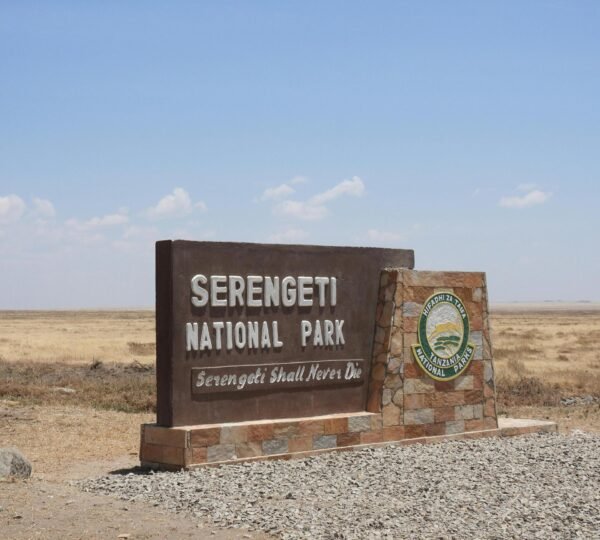
After breakfast, you will depart for Serengeti National Park, travelling through the Ngorongoro Conservation Area towards the famous open plains. As the journey continues, the scenery gradually changes from highland landscapes to the wide grasslands that have made the Serengeti world-famous.
The Serengeti is home to an extraordinary variety of wildlife, including wildebeest, zebras, gazelles, elephants, giraffes, buffaloes and several predator species. It is also the starting point for understanding the Great Wildebeest Migration, which moves across the wider Serengeti–Mara ecosystem throughout the year.
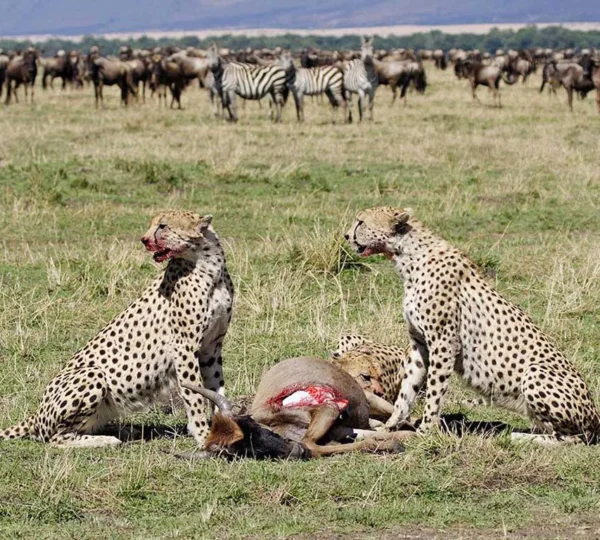
After entering the park, you will enjoy a game drive as you make your way towards the central Serengeti. This area is known for its resident wildlife and offers opportunities to look for lions, leopards, cheetahs, hyenas and many grazing animals.
The central Serengeti is an important wildlife area throughout the year, making it a rewarding place to explore even when the migration herds are in another part of the ecosystem.
In the afternoon, you will continue to your selected accommodation for dinner and an overnight stay.
Accommodation: Selected mid-range lodge or tented camp in Central Serengeti
Meals: Breakfast, lunch and dinner, according to the confirmed package
9 Days Safari – A Chance to See the Wildebeest Migration
Day 5: Central Serengeti to Northern Serengeti – Follow the Migration Towards the Mara River
Today, you will travel towards the Northern Serengeti, one of the most important regions for travellers hoping to witness the famous Mara River crossing during the relevant migration season.
After breakfast, you will begin the journey north through the Serengeti’s beautiful landscapes. Along the way, you may encounter herds of wildebeest and zebras, as well as predators that follow the movement of grazing animals. Your guide will make suitable stops for wildlife viewing and photography.
The Northern Serengeti is known for its rolling hills, open grasslands, rocky outcrops and the Mara River. During the migration season, large herds may move through this region as they search for fresh grazing.
When the migrating animals approach the river, they may gather along the banks. Sometimes they move towards the water and then retreat, while at other times a crossing may begin suddenly. This unpredictable behaviour is part of what makes the event so remarkable.
Your guide will help identify suitable viewing areas based on current information, park regulations and wildlife movements. Although there is no guarantee of seeing a crossing, spending time in the region during the right season gives you an opportunity to search for this extraordinary natural event.
After the game drive, you will arrive at your selected Northern Serengeti accommodation for dinner and an overnight stay.
Accommodation: Selected mid-range lodge or tented camp in Northern Serengeti
Meals: Breakfast, lunch and dinner, according to the confirmed package

9 Days Safari – A Chance to See the Wildebeest Migration
Day 6: Northern Serengeti – Search for the Famous Mara River Crossing
Today is dedicated to exploring the Northern Serengeti and searching for the migrating wildebeest herds near the Mara River.
After breakfast, you will head out with your guide for a game drive in areas where the herds have recently been reported or are expected to move. The Northern Serengeti offers a dramatic setting for wildlife photography, with wide plains, rocky landscapes and riverine vegetation.
If the herds are gathered near the river, you may have the opportunity to observe them as they move along the banks. The animals sometimes hesitate before entering the water, creating moments of anticipation as thousands of wildebeest gather in one area.
When a crossing takes place, it can be a powerful wildlife spectacle. Wildebeest may enter the river in groups, navigating the current and uneven riverbanks as they make their way to the other side. Crocodiles are also part of this natural environment, making the river an important and challenging part of the migration route.
However, river crossings are not scheduled events. The animals may remain near the river without crossing, move to another section or cross at a time when visitors are not present. Your guide will therefore use the day to explore suitable areas and make the most of available wildlife-viewing opportunities.
You will also have opportunities to observe other animals in the region, including elephants, giraffes, zebras, gazelles, lions and hyenas.
At the end of the day, you will return to your accommodation for dinner and an overnight stay.
Accommodation: Selected mid-range lodge or tented camp in Northern Serengeti
Meals: Breakfast, lunch and dinner, according to the confirmed package

Day 7: Northern Serengeti – Full-Day Wildlife and Migration Experience
Enjoy another day exploring the Northern Serengeti. Having additional time in this region is valuable because the migration is constantly changing, and the location of the herds may be different from the previous day.
After breakfast, your guide will plan the day’s game drive according to the latest available information and the conditions in the park. If the herds remain near the Mara River, you may continue searching for a suitable viewing opportunity. If they have moved into another area, your guide can adjust the route to follow the wildlife.
The day is not only about the river crossing. The Northern Serengeti is also an excellent place to observe the wider ecosystem. You may see predators resting near rocky outcrops, giraffes moving across the plains and groups of zebras grazing alongside wildebeest.
Photography enthusiasts will appreciate the opportunities to capture the landscape and wildlife in different light conditions. Early mornings and late afternoons can be especially beautiful, although sightings depend on the animals’ natural behaviour.
Throughout the day, your guide will help you understand the relationship between migrating herds, predators and the environment. You will gain a deeper appreciation of how the seasonal movement supports the Serengeti ecosystem.
After your game drive, return to your accommodation for dinner and a relaxing evening.
Accommodation: Selected mid-range lodge or tented camp in Northern Serengeti
Meals: Breakfast, lunch and dinner, according to the confirmed package
Day 8: Northern Serengeti to Ngorongoro Area – A Scenic Journey South
After breakfast, you will begin your journey south from the Northern Serengeti towards the Ngorongoro area. The drive provides another opportunity to appreciate the vast Serengeti landscape and observe wildlife along the way.
Depending on the route, season and wildlife conditions, you may enjoy game viewing as you travel through different sections of the park. You may encounter grazing herds, elephants, giraffes and predators in suitable habitats.
The Serengeti is a large ecosystem, and the journey between its northern and southern areas offers a different perspective of the park. Your guide will plan suitable stops while keeping the day’s travel schedule in mind.
Later, you will leave the Serengeti and continue towards your selected accommodation in the Karatu or Ngorongoro area. Enjoy dinner and a peaceful evening before the final day’s crater experience.
Accommodation: Selected mid-range lodge in Karatu or the Ngorongoro area
Meals: Breakfast, lunch and dinner, according to the confirmed package

9 Days Safari – A Chance to See the Wildebeest Migration
Day 9: Ngorongoro Crater Game Drive – Return to Arusha
After an early breakfast, you will travel towards the Ngorongoro Crater for your final major wildlife experience.
The Ngorongoro Crater is one of Tanzania’s most remarkable natural attractions. Its floor contains a mixture of open grassland, woodland, wetlands and water sources that support a wide range of wildlife.
After descending into the crater, you will enjoy a game drive with your guide. You may encounter zebras, wildebeest, buffaloes, hippos, elephants and different species of antelope. The crater is also known for its lion population and offers one of the important habitats where visitors may have an opportunity to see the endangered black rhinoceros.
Your guide will help you explore suitable areas while explaining the crater’s wildlife and natural history. A picnic lunch may be arranged at a designated location, depending on the park regulations and final itinerary.
In the afternoon, you will ascend from the crater and begin your journey back to Arusha. Upon arrival, you will be dropped off at your hotel or another agreed location, bringing your nine-day Tanzania Wildebeest Migration Safari to an end.
If you are departing Tanzania on the same day, discuss your flight schedule with your safari planner before booking. The crater game drive and road transfer can take several hours, so sufficient time should be allowed before an international flight.
Accommodation: No overnight stay included on the final day
Meals: Breakfast and lunch, according to the confirmed package
9 Days Safari – A Chance to See the Wildebeest Migration
4. Understanding the Great Wildebeest Migration
The Great Wildebeest Migration is one of the most impressive wildlife movements in the world. Every year, huge numbers of wildebeest move through the Serengeti–Mara ecosystem, accompanied by zebras and gazelles. Their movement is influenced by rainfall, fresh grazing and the availability of water.
The migration is not a single event that happens in one place. It is a continuous seasonal movement across Tanzania’s Serengeti and Kenya’s Maasai Mara. The herds may spread across large areas, gather in particular regions or move towards rivers as they search for better grazing.
This natural cycle also attracts predators. Lions, cheetahs, leopards, hyenas and other carnivores follow the herds because migrating animals provide an important source of food. As a result, the migration creates opportunities to observe many different wildlife interactions.
For travellers, the experience is about more than seeing large numbers of animals. It is an opportunity to understand the relationship between wildlife, weather and the natural environment.
5. The Famous Mara River Crossing – What Makes It Special?
The Mara River crossing is one of the most widely recognised moments of the Great Wildebeest Migration. During the northern migration season, some herds reach the river and attempt to cross into grazing areas on the opposite side.
The river presents a natural challenge. Its currents, steep banks and resident crocodiles make crossing difficult, and the animals often hesitate before entering the water. Sometimes a large herd gathers for a long time before one animal takes the first step. Once movement begins, others may follow.
Watching this behaviour can be an unforgettable experience because it reveals the strength, instinct and determination of the migrating animals. It also shows how wildlife responds to the challenges of the natural environment.
It is important to understand that river crossings cannot be arranged or predicted. The herds may cross several times in a season, but there may also be long periods without a crossing. A responsible safari focuses on observing natural behaviour without disturbing the animals.
6. Best Time to See the Wildebeest Migration and Mara River Crossing
The Northern Serengeti is generally an important migration destination from around July to October, although the timing varies from year to year. The movement of the herds depends heavily on rainfall patterns and the availability of fresh grazing.
- July: Some herds begin moving into the Northern Serengeti, and migration activity may increase around the river areas.
- August: This is often a popular period for visitors hoping to see large herds in the north and possible Mara River crossings.
- September: Herds may continue moving through the Northern Serengeti, creating further opportunities for migration viewing.
- October: Some herds may remain in the northern region, while others begin moving towards different grazing areas as conditions change.
These are general seasonal patterns, not guaranteed dates. Some years the herds arrive earlier or later, and their movements may change quickly. If your main objective is to see the Mara River crossing, contact EKO Tanzania Adventures with your preferred dates so the route can be planned around the most suitable expected migration area.

9 Days Safari – A Chance to See the Wildebeest Migration
7. Wildlife You May See During the Safari
In addition to the migrating wildebeest, this safari offers opportunities to observe many other animals across the Northern Tanzania circuit.
- Wildebeest: The main highlight of the migration, often seen in large herds moving across the Serengeti.
- Zebras: Frequently travel alongside wildebeest and share grazing areas during the migration.
- Lions: Powerful predators found in different parts of the Serengeti and Ngorongoro ecosystem.
- Leopards: Secretive cats that may be seen resting in trees or moving through suitable habitats.
- Cheetahs: Often found in open grassland where they can use their speed to hunt.
- Elephants: Particularly well known in Tarangire, where family groups may be seen moving through the woodland.
- Buffaloes: Often seen in herds in grassland and woodland habitats.
- Giraffes: Commonly observed feeding on trees or moving across open landscapes.
- Hyenas: Important predators and scavengers that play a major role in the ecosystem.
- Black Rhinoceros: Ngorongoro offers an opportunity to look for this endangered species, although sightings are never guaranteed.
- Birds: Eagles, vultures, storks, hornbills and many other species may be observed throughout the journey.
No particular wildlife sighting can be guaranteed because animals move freely in their natural environment. Your guide will help you make the most of each game drive.
8. Mid-Range Accommodation
Throughout the safari, you will stay in selected mid-range lodges and tented camps chosen to provide comfort and convenient access to the wildlife areas included in the itinerary.
Accommodation in the Serengeti is especially important for a migration safari. Staying in the Northern Serengeti for several nights helps reduce unnecessary daily transfers and gives you more time to explore the region where the herds may be present during the relevant season.
Your accommodation will generally offer comfortable sleeping arrangements, private bathroom facilities where provided by the selected property, dining areas and a relaxing environment after a day of wildlife viewing.
The exact lodges and camps will be confirmed according to your travel dates, availability, group size and budget. If you prefer a particular accommodation style or want to upgrade to a higher category, this can be discussed when preparing your quotation.
9. What Is Included in the Safari?
The following services may be included, depending on the final quotation and confirmed arrangements:
- Airport pick-up and drop-off as agreed.
- Private or agreed 4×4 safari vehicle with a pop-up roof.
- Professional English-speaking safari driver-guide.
- Park and conservation fees for the destinations included in the itinerary.
- Eight nights of accommodation in selected mid-range properties.
- Meals as specified in the final itinerary.
- Game drives in Tarangire, Serengeti and Ngorongoro.
- Time in the Northern Serengeti to search for migrating herds.
- Drinking water during scheduled safari activities.
- Government taxes and applicable charges included in the written quotation.
10. What Is Not Included?
Unless specifically listed in your quotation, the following expenses are generally not included:
- International flights to and from Tanzania.
- Tanzania visa fees.
- Travel insurance and personal medical expenses.
- Tips and gratuities for the safari guide and lodge staff.
- Alcoholic drinks and personal beverages not included in the package.
- Laundry, souvenirs and other personal expenses.
- Optional activities not mentioned in the itinerary.
- Additional accommodation before or after the safari.
- Any service not specifically stated under the confirmed inclusions.
Always review your written quotation carefully so that you understand exactly what is covered before confirming your booking.
11. What to Pack for Your Wildebeest Migration Safari
Preparing well helps make your safari more comfortable, especially when spending several days in the Serengeti.
- Neutral-coloured clothing: Comfortable clothing in natural colours is practical for game drives.
- Warm layers: Early mornings and evenings can be cool, particularly in the Ngorongoro highlands.
- Comfortable shoes: Bring suitable footwear for walking around your accommodation and other permitted areas.
- Sun protection: A hat, sunglasses and sunscreen are useful during long days outdoors.
- Camera and binoculars: These help you observe wildlife and capture memorable moments from a suitable distance.
- Personal medication: Bring any medication you normally need and keep it accessible.
- Small day bag: A practical bag is useful for carrying your camera, water and personal essentials during game drives.
12. Book Your 9-Day Wildebeest Migration Safari with EKO Tanzania Adventures
A migration safari requires thoughtful planning because the wildlife does not follow a fixed schedule. Choosing the right travel dates, allowing enough time in the Northern Serengeti and staying in suitable locations can make a meaningful difference to your experience.
At EKO Tanzania Adventures, we help travellers plan wildlife journeys around their interests, travel schedules and budgets. Our aim is to make your safari enjoyable, well organised and comfortable from the moment you arrive in Tanzania until the end of your journey.
We can discuss your preferred travel dates, number of travellers, accommodation preferences and whether you would like a private safari. If your main interest is the Mara River crossing, we can help you consider the most suitable period and plan the itinerary around the expected northern migration season.
The final route and accommodation will depend on the season, availability and current migration information. We believe in providing clear information so that you know what to expect before travelling.
Ready to experience the Great Wildebeest Migration in Tanzania?
Contact EKO Tanzania Adventures today to request your personalised quotation for the 9-Day Wildebeest Migration Safari. Share your travel dates and group size, and our team will help you plan a journey with a chance to witness the famous Mara River crossing.
EKO Tanzania Adventures
Website: www.ekotanzaniaadventures.com
Email: info@ekotanzaniaadventures.com
WhatsApp: +255 761 353 184
13. Frequently Asked Questions
1. How many days do I need to see the Wildebeest Migration?
A nine-day safari gives you time to explore several wildlife destinations and spend multiple days in the Northern Serengeti during the expected migration season. More time in the region can improve your opportunities to search for the herds, although no specific sighting is guaranteed.
2. When is the best time to see the Mara River crossing?
The Northern Serengeti is generally an important migration area from around July to October. August and September are popular months for migration safaris, but the exact timing changes with rainfall and herd movements.
3. Is the Mara River crossing guaranteed?
No. The crossing is a natural event, and the animals decide when and where to enter the river. Even when large herds are nearby, they may wait for a long time or cross outside the hours when visitors are present.
4. How many days will we spend in Northern Serengeti?
This itinerary allows three nights in the Northern Serengeti, giving you time to explore the area and search for migrating herds. The exact game-drive schedule depends on your travel dates and final accommodation arrangements.
5. Can I see the Big Five during this safari?
The itinerary includes habitats where you may encounter lions, leopards, elephants, buffaloes and rhinoceros. However, seeing all five animals is never guaranteed because wildlife moves freely.
6. Is this safari suitable for photographers?
Yes. The Serengeti offers excellent opportunities for wildlife and landscape photography. The migration season can be particularly interesting, although photographers should be prepared for changing conditions and unpredictable animal behaviour.
7. What accommodation is used during the safari?
The package is designed around selected mid-range lodges and tented camps. Exact properties depend on availability, travel dates and the confirmed quotation. You can request accommodation details before booking.
8. Can I book this safari as a private trip?
Yes, a private arrangement can be requested. A private safari normally provides your group with its own vehicle and dedicated guide. Confirm the arrangement in your quotation before booking.
9. Where does the safari start and finish?
The safari normally starts and finishes in Arusha. Airport transfers can be arranged according to your arrival and departure plans.
10. Can the itinerary be customised?
Yes. EKO Tanzania Adventures can discuss adjustments based on your travel dates, interests, group size, accommodation preferences and budget. Changes to the route or number of nights may affect the final cost.
14. Experience the Great Wildebeest Migration – A Journey Worth Taking
The Great Wildebeest Migration is a powerful reminder of how wildlife depends on the natural environment. From the movement of thousands of animals across the Serengeti plains to the possibility of witnessing a dramatic Mara River crossing, every part of the journey offers something worth remembering.
This nine-day safari combines the migration experience with visits to Tarangire and Ngorongoro, giving you a wider view of Tanzania’s natural beauty. You will have time to explore different habitats, observe wildlife and enjoy the landscapes that make this country one of Africa’s most rewarding safari destinations.
If you are planning to travel in 2026, 2027 or 2028, start by choosing your preferred dates and discussing the expected migration pattern with your safari planner. With a carefully considered route, comfortable accommodation and experienced guidance, you can make the most of your time in Tanzania.
EKO Tanzania Adventures – Your Tanzania Safari, Crafted the EKO Way.