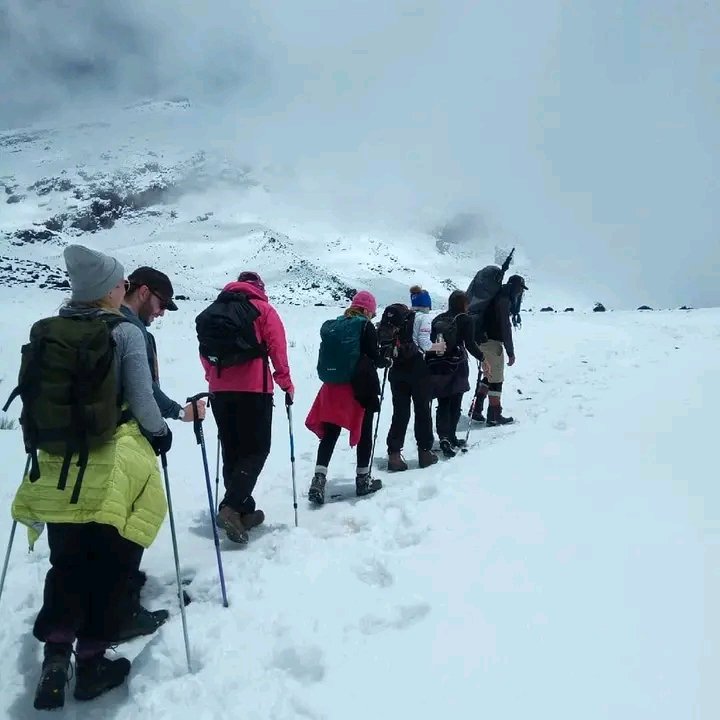
7-Day Machame Route Kilimanjaro Trek 2026–2027;Climbing Mount Kilimanjaro is a remarkable adventure that brings together beautiful landscapes, physical challenge, and the excitement of reaching the highest point in Africa. The seven-day Machame Route is one of the most popular ways to experience this mountain because it offers a scenic journey through changing environments, from lush rainforest to open moorland, alpine desert, and the icy landscape near the summit. Each day brings a new view and a different experience, making the climb rewarding for travellers who want more than simply reaching the top.
The Machame Route is often called the “Whiskey Route” and is known for its impressive scenery and varied terrain. Unlike routes that follow a more direct path, Machame takes climbers through several landscapes while allowing time for the body to adjust to the increasing altitude. The seven-day itinerary includes an additional acclimatization day compared with the shorter six-day version, which can be helpful when adapting to the mountain. However, no itinerary can guarantee summit success, and the climb still requires preparation, patience, and attention to the guidance of your mountain team.
For the 2026–2027 climbing seasons, this guide explains the seven-day Machame Route itinerary, estimated costs, what is usually included in a climbing package, the best time to go, and how to prepare for the journey. Whether you are planning your first high-altitude trek or returning to the mountains for another challenge, understanding what to expect will help you make informed decisions before booking your Kilimanjaro adventure.
Why Choose 7-Day Machame Route Kilimanjaro Trek 2026–2027?
The seven-day Machame Route is a strong option for climbers who want a scenic trek with more time for altitude acclimatization than the six-day itinerary generally allows. It approaches the mountain from the southern side and gradually leads climbers through different ecological zones before reaching the summit at Uhuru Peak, which stands at approximately 5,895 metres above sea level.
One of the main reasons travellers choose this route is the scenery. The lower slopes are covered in dense rainforest, where the trail winds beneath tall trees and through a cool, sometimes misty environment. As the climb continues, the forest gives way to heathland and moorland, with unusual giant groundsels and lobelias appearing across the landscape. Higher up, the surroundings become more rugged and dry, with rocky paths, wide views, and the dramatic peaks of the mountain dominating the horizon.
Another advantage is the opportunity to follow the mountaineering principle of climbing high and sleeping lower on parts of the route. This approach can support acclimatization by exposing the body to higher elevations during the day while allowing it to rest at a lower camp. The seven-day schedule provides more time for this process than a compressed itinerary, although individual responses to altitude vary considerably.
The Machame Route is not an easy walk, and it should not be treated as a casual holiday activity. You will spend several consecutive days hiking, sometimes for many hours, while carrying a daypack and coping with changing weather. The summit attempt is especially demanding because it normally begins around midnight and involves climbing in darkness and cold conditions. Good preparation and a steady pace are essential.
7-Day Machame Route Kilimanjaro Trek 2026–2027 Itinerary
The itinerary below follows the commonly used seven-day Machame route plan. Camp arrangements and exact timings may vary according to the operator, weather, park regulations, and the condition of the group. The schedule should always be confirmed before departure.

7-Day Machame Route Kilimanjaro Trek 2026–2027
Day 1: Machame Gate to Machame Camp;7-Day Machame Route Kilimanjaro Trek 2026–2027
Approximate hiking time: 5–7 hours
Your Kilimanjaro adventure begins with a transfer to Machame Gate, where the necessary park registration and entry procedures take place. After meeting your mountain crew and completing the required formalities, you begin hiking through the rainforest on the lower slopes of the mountain.
The first day introduces you to the rhythm of trekking on Kilimanjaro. The trail passes through thick vegetation, tall trees, and damp forest surroundings, with birdsong and the sounds of the forest accompanying you along the way. Depending on the weather, some sections may be muddy or slippery, so comfortable hiking boots and careful footing are important.
Your guide will encourage you to walk slowly and conserve your energy. On Kilimanjaro, moving too quickly at the beginning can make the later stages more difficult, especially as the altitude increases. Regular water breaks and a relaxed pace help you settle into the climb.
After several hours on the trail, you reach Machame Camp, situated near the upper edge of the forest zone. The crew will help prepare the campsite, and you will have time to rest, eat dinner, and prepare for the next day. Your first night on the mountain is an opportunity to recover from the journey and become familiar with the camping routine.
Day 2: Machame Camp to Shira Camp
After breakfast, you leave the rainforest behind and continue climbing towards the open heath and moorland zone. The vegetation becomes shorter, the trail grows more exposed, and the landscape begins to reveal wider views of the mountain and the surrounding countryside.
The route includes steeper sections and rocky paths, so it is important to maintain a comfortable pace rather than trying to keep up with faster hikers. Your guide will help the group manage the ascent and take breaks when necessary. As you gain elevation, you may notice that even a moderate climb requires more effort than it would at a lower altitude.
During the hike, the views gradually open across the Shira Plateau. On a clear day, the changing landscape makes this one of the memorable parts of the trek. The transition from forest to open mountain terrain also means that temperatures and wind conditions may change quickly, so keep an extra layer accessible in your daypack.
Later in the day, you arrive at Shira Camp, where you can relax, enjoy a warm meal, and take in the expansive surroundings. Although the hiking distance may not seem especially long, the increase in altitude makes rest and hydration important. Follow your guide’s advice and avoid unnecessary exertion around camp.

7-Day Machame Route Kilimanjaro Trek 2026–2027
Day 3: Shira Camp to Lava Tower, Then Barranco Camp
Day three is an important part of the acclimatization process. From Shira Camp, the trail climbs across the high-altitude landscape towards Lava Tower, a prominent rocky formation at approximately 4,600 metres. The route passes through increasingly dry terrain, where the vegetation becomes sparse and the mountain environment feels more exposed.
The ascent to Lava Tower can be physically demanding because of the elevation. You may find yourself walking more slowly, breathing harder, or needing more frequent breaks than on the previous days. These responses can occur at altitude, so listen to your body and tell your guide if you feel unwell.
After reaching the Lava Tower area, the route descends towards Barranco Camp, commonly situated at around 3,900 metres. This climb-high-and-sleep-lower pattern gives your body an opportunity to experience a higher elevation before spending the night lower down. It is a useful acclimatization strategy, but it does not eliminate the risk of altitude sickness.
The descent leads through a striking landscape with rocky slopes and distinctive giant groundsels. As you approach Barranco Camp, the imposing Barranco Wall comes into view. The camp is known for its dramatic setting beneath steep mountain faces, and the evening light can make the surrounding scenery especially impressive.
At camp, take time to rest, eat well, and prepare for the next morning. Your guide will explain the following day’s route and what to expect when climbing the Barranco Wall.
Day 4: Barranco Camp to Karanga Camp
Approximate hiking time: 4–5 hours
The day begins with the climb up the Barranco Wall, one of the most memorable sections of the Machame Route. From the campsite, the trail rises along a steep rocky slope. Although some parts require careful use of your hands for balance, the route is generally a guided scramble rather than technical rock climbing. Your guide will show you where to place your feet and how to move safely.
Take your time and avoid rushing. The wall can look intimidating from below, but a patient approach allows most prepared trekkers to work through it one section at a time. Follow the instructions of your guide, keep a safe distance from other climbers where necessary, and use the designated trail.
Once above the wall, you continue across a series of ridges and valleys towards Karanga Camp. The landscape is increasingly alpine, with fewer plants and broad views of the mountain. The route includes several ups and downs, so the day can feel more tiring than its distance suggests.
Karanga Camp provides another opportunity to rest and acclimatize before the climb towards Barafu Camp. Drink water regularly, eat your meals, and let the mountain crew know if you develop a headache, nausea, dizziness, or unusual weakness. Symptoms should never be ignored simply because the group is following a planned itinerary.
The afternoon is usually spent resting, checking equipment, and preparing for the next stage. Your guide will discuss the summit schedule and help you understand what to expect during the final ascent.
Day 5: Karanga Camp to Barafu Camp
Approximate hiking time: 3–4 hours
After breakfast, you leave Karanga Camp and continue towards Barafu Camp, the main base camp for the summit attempt on this itinerary. The trail crosses an exposed high-altitude landscape with rocky ground and little natural shelter. Weather conditions can change quickly, so your clothing should protect you from cold temperatures and wind.
Although this is often a shorter hiking day, it is an important stage of the climb. You are moving higher and preparing for the most physically demanding part of the journey. Walk slowly, take regular breaks, and avoid spending unnecessary energy.
When you reach Barafu Camp, your mountain crew will arrange the campsite and provide your meal. Your guide will check that you have the clothing, headlamp, gloves, water, and other equipment needed for the summit attempt. Keep essential items within easy reach, as you may begin climbing during the night.
You should try to rest during the afternoon and go to bed early, even if sleeping at altitude is difficult. Dinner is usually served earlier than on previous evenings, allowing time to prepare for the midnight departure. Your guide will explain the expected pace and remind you that the summit attempt is managed according to safety, weather, and each climber’s condition.
Day 6: Barafu Camp to Uhuru Peak, Then Descent to Mweka Camp
Summit day is the biggest challenge of the seven-day Machame Route. Most climbers leave Barafu Camp around midnight, although the precise departure time depends on the group and mountain conditions. The trail climbs steadily in darkness, often over loose volcanic ground, while cold temperatures and the high altitude make every step demanding.
Your guide will set a slow, consistent pace and encourage you to focus on one section at a time. It is normal for the ascent to feel difficult, even for people who exercise regularly at home. The mountain’s elevation affects everyone differently, and physical fitness alone cannot prevent altitude-related problems.
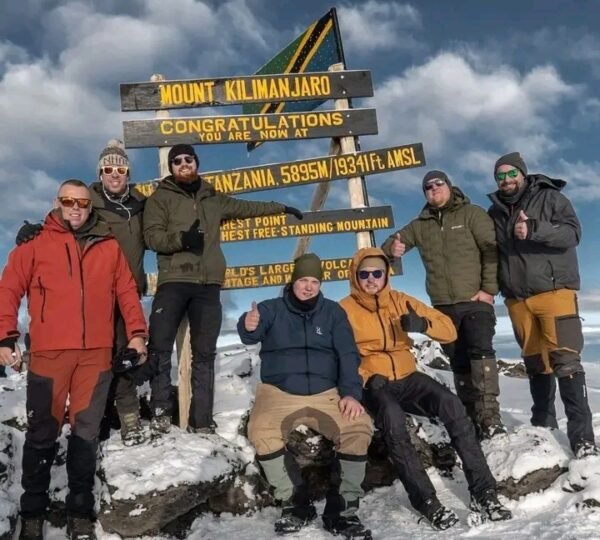
As the hours pass, you climb towards Stella Point on the crater rim. Reaching this area is a significant achievement, but the journey may not yet be finished. If conditions and your physical state allow, you continue along the crater rim towards Uhuru Peak, the highest point on Mount Kilimanjaro and in Africa.
Standing at Uhuru Peak is a moment many climbers remember for the rest of their lives. The achievement represents days of preparation, steady effort, and determination. If the weather permits, you may have time for photographs and a short celebration, but your guide will manage the timing carefully because the descent is still ahead.
After the summit, you descend towards Barafu Camp, where you can take a short rest and have refreshments. You then continue down to Mweka Camp, following the route through the high mountain terrain. Descending after the summit can be tiring, particularly when your legs are already fatigued, so careful footing and appropriate footwear are essential.
The day is long, and plans may need to change if weather, altitude symptoms, or the condition of the group make it necessary. Reaching the summit is never more important than returning safely. Your guide has the responsibility to make decisions based on safety, including turning back when required.
Day 7: Mweka Camp to Mweka Gate
Approximate hiking time: 3–5 hours
After breakfast, you begin the final descent through the rainforest towards Mweka Gate. Compared with the upper mountain, the forest is warmer, greener, and filled with vegetation. The trail may be wet or muddy, particularly after rainfall, so continue walking carefully even though you are heading towards the end of the climb.
As you descend, you will gradually return to lower elevations, where breathing usually becomes easier. The day offers time to reflect on the experience, the changing scenery, and the effort required to reach the summit area. Although the hardest part of the trek is over, tired legs can make the downhill trail challenging, so do not rush.
At Mweka Gate, you complete the park exit procedures and meet your transfer vehicle. Depending on the operator’s arrangements, you may receive a climbing certificate if you have reached the relevant summit point. You will then be transferred to your hotel in Moshi or Arusha, where a shower, a proper meal, and a comfortable bed will be welcome rewards after seven days on the mountain.
The journey ends, but the memories of Kilimanjaro’s forests, rocky ridges, star-filled summit night, and high-altitude landscapes often stay with climbers long after they return home.
Cost of the 7-Day Machame Route Kilimanjaro Trek 2026–2027
The cost of climbing Mount Kilimanjaro via the Machame Route depends on the type of package you choose, the number of people in your group, the quality of accommodation before and after the climb, and the services included in the booking. Group-joining treks may cost less per person because expenses are shared, while private climbs offer a more personal experience and greater flexibility.
For planning purposes, a seven-day Machame Route climb commonly falls within an estimated range of US$1,700–US$2,500 per person for a standard group or mid-range package. Private and higher-comfort packages can cost more. This is a general planning estimate rather than a confirmed EKO Tanzania Adventures quotation, so request a current price before making travel arrangements. Published 2026–2027 package prices vary, and the details of what is included can make a significant difference.
| Package type | Estimated cost per person |
|---|---|
| Budget group climb | US$1,500–US$1,800 |
| Standard group or mid-range climb | US$1,700–US$2,500 |
| Private climb | US$2,000–US$3,000+ |
| Premium or luxury-style climb | US$3,000–US$4,000+ |
These figures are indicative, not fixed prices or confirmed departure rates. The final amount may change according to group size, travel dates, accommodation standards, park tariffs, and the services included. Ask for a written quotation that clearly explains all charges before booking.
What Is Usually Included in the Package?
A well-organized Machame Route package normally covers the main services needed to complete the trek. Before paying a deposit, check that the quotation explains the following items:
-
Kilimanjaro National Park entry and applicable camping fees.
-
Professional mountain guides and supporting mountain crew.
-
Porters to transport camping equipment and the main luggage allowance agreed for the trek.
-
Cook and meals during the climb.
-
Drinking water arrangements, with clear information about how water is treated and supplied.
-
Tents and shared camping equipment.
-
Transfers between your hotel and the designated mountain gates.
-
Rescue-related park charges and other mandatory fees, where specified in the quotation.
-
Pre-climb briefing and basic equipment checks.
-
Hotel accommodation before or after the trek, if included in the selected package.
Do not assume that every company includes the same services. Some quotations include one or two hotel nights, while others cover mountain services only. Ask whether the price includes taxes, park charges, airport transfers, and accommodation so that you can compare packages fairly.
What Is Usually Excluded?
The following expenses are commonly paid separately unless your booking specifically states otherwise:
-
International flights to and from Tanzania.
-
Tanzanian visa fees, where applicable.
-
Travel insurance that specifically covers high-altitude trekking and emergency evacuation.
-
Personal hiking equipment, such as suitable boots, a warm sleeping bag, trekking poles, and waterproof clothing.
-
Hotel accommodation before or after the climb if it is not included.
-
Tips for guides, cooks, and porters.
-
Personal snacks, drinks, laundry, and other individual expenses.
-
Optional activities or additional accommodation beyond the agreed itinerary.
Tips are an important part of many mountain crew members’ earnings, so it is sensible to budget for them separately. Ask your operator for guidance on customary tipping arrangements and how tips are distributed among the crew.
Park fees can make up a substantial portion of the total package price. Tanzania National Parks publishes official park tariffs, and these charges can change between tariff periods. Check the current Kilimanjaro National Park fees when confirming your 2026–2027 booking rather than relying on an old quotation.
Best Time to Climb Kilimanjaro via the Machame Route
Mount Kilimanjaro can be climbed throughout the year, but weather conditions affect trail comfort, visibility, and the overall experience. The most popular periods are generally the drier months, when trekkers have a better chance of experiencing clearer skies and more manageable trail conditions.
January to early March is often a good period for climbers who prefer warmer conditions and the possibility of clear views. Weather can still change quickly, especially at higher elevations, so warm layers and waterproof clothing remain essential.
June to October is another popular period. These months generally offer favourable trekking conditions, although nights at higher camps can be very cold. July, August, and September can be busy, so travellers planning to climb during these months should arrange their trip well in advance.
March to May usually brings a greater chance of rain, particularly on the lower slopes. Wet trails can make the rainforest section slippery, and clouds may limit views. Some travellers still choose this season because the mountain may be quieter, but they should be comfortable with changeable weather.
November and December can bring shorter periods of rain, although conditions vary from year to year. A climb during these months can still be rewarding, provided you prepare for wet weather and remain flexible.
There is no month when the mountain is guaranteed to have perfect weather. For the 2026–2027 season, choose dates that suit your schedule and physical preparation, then discuss the likely conditions with your mountain operator before confirming the climb.
How Difficult Is the 7-Day Machame Route?
The seven-day Machame Route is generally considered a challenging trek because of the distance, steep sections, consecutive hiking days, and high altitude. You do not need to be an experienced technical mountaineer, but you should be reasonably fit and ready to walk for several hours on uneven ground.
The most demanding part for many climbers is summit night. You will usually begin the ascent during the night and climb for many hours in cold conditions before reaching the summit area. The thin air makes movement harder, and even people who exercise regularly can find the final ascent difficult.
The Barranco Wall is another section that can cause concern. It is steep and sometimes requires using your hands for balance, but it is normally completed as a guided scramble rather than a technical rock-climbing expedition. Follow your guide’s instructions and move carefully.
The seven-day itinerary gives you an additional night at Karanga Camp compared with the common six-day version. This allows a more gradual progression towards Barafu Camp and provides additional time for acclimatization. However, altitude sickness can affect anyone, regardless of fitness, and an extra day does not guarantee that you will reach Uhuru Peak.
How to Prepare for the Climb
Preparing for Kilimanjaro should begin several weeks or months before you arrive in Tanzania. You do not need to train like a professional athlete, but building endurance and becoming comfortable with long walks can make the experience more manageable.
Start with regular walking and gradually increase the distance. If possible, include hills or uneven trails so your body becomes familiar with climbing and descending. Longer weekend walks can help you understand how your feet and legs respond to several hours of activity. Include rest days in your training schedule to allow your body to recover.
Strength exercises for your legs and core can also be helpful. Simple movements such as step-ups, squats, and controlled downhill walking can improve stability on uneven terrain. Choose a training plan that matches your current ability and increase the workload gradually.
Your equipment matters just as much as your fitness. Bring well-fitted hiking boots that you have already worn on several walks. New boots can cause blisters, especially during long days on the mountain. Pack moisture-wicking base layers, warm insulating clothing, waterproof trousers and a jacket, warm gloves, a hat, and suitable hiking socks.
A comfortable daypack should hold water, snacks, sunscreen, personal medication, and extra clothing. A headlamp with spare batteries is essential for summit night. Trekking poles can help reduce strain on your knees, particularly during the long descent after reaching the summit.
Before travelling, speak to a qualified healthcare professional about your fitness for high-altitude trekking, any existing medical concerns, and whether altitude-related medication is appropriate for you. Arrange travel insurance that explicitly covers trekking to Kilimanjaro’s elevation and emergency evacuation.
Altitude Safety on Mount Kilimanjaro
Altitude is one of the most important challenges on Kilimanjaro. As you climb higher, the available oxygen pressure decreases, and your body needs time to adapt. Some people experience headaches, reduced appetite, nausea, tiredness, or disturbed sleep. These symptoms should be taken seriously rather than treated as a normal part of the adventure.
Walk slowly, drink fluids regularly, eat your meals, and tell your guide if you feel unwell. Do not hide symptoms because you want to reach the summit. Severe or worsening headache, repeated vomiting, confusion, difficulty walking straight, or breathlessness at rest can indicate a serious altitude-related problem and require urgent medical assessment and descent.
Your guide should monitor the group and make decisions based on the conditions and each climber’s health. If you need to turn back, remember that descending safely is more important than reaching the summit. A successful mountain expedition is one in which the team puts safety first.
Why Book Your Machame Route Trek with EKO Tanzania Adventures?
Planning a Kilimanjaro climb involves more than selecting a route and paying for a package. You need a clear itinerary, reliable arrangements, appropriate equipment, and a mountain team that communicates with you throughout the journey.
EKO Tanzania Adventures can help you plan a seven-day Machame Route climb around your travel dates, group size, accommodation preferences, and budget. Before confirming your trip, you can discuss the daily itinerary, inclusions and exclusions, equipment requirements, transfers, and the preparation needed for summit day.
When comparing packages, ask practical questions about guide support, meals, camping equipment, crew arrangements, emergency procedures, and the costs that may be payable separately. A clear quotation helps you understand what you are paying for and reduces the risk of unexpected expenses during your trip.
The seven-day Machame Route offers a rewarding combination of forest trails, dramatic mountain scenery, high-altitude camping, and the challenge of approaching Uhuru Peak. With realistic preparation, a suitable itinerary, and a responsible approach to altitude, you can give yourself a stronger foundation for the experience.
Frequently Asked Questions
1. How much does the 7-Day Machame Route cost in 2026–2027?
A general planning estimate is around US$1,700–US$2,500 per person for a standard group or mid-range package. Private and premium packages may cost more. The exact price depends on group size, accommodation, park charges, and included services. Always request a current written quotation.
2. Is seven days enough to climb Mount Kilimanjaro?
Seven days is a commonly used itinerary for the Machame Route. It provides more time for acclimatization than the standard six-day itinerary, but altitude affects each person differently and summit success cannot be guaranteed.
3. What is the highest point on the Machame Route?
The highest point is Uhuru Peak, at approximately 5,895 metres above sea level. It is the summit of Mount Kilimanjaro and the highest point in Africa.
4. Do I need previous mountain-climbing experience?
Previous technical climbing experience is not usually required, but you should be physically prepared for consecutive days of hiking and be comfortable walking on steep, uneven terrain. Training and proper equipment are important.
5. What type of accommodation is used on the Machame Route?
The Machame Route is a camping route. Climbers generally sleep in tents at designated mountain camps, with the support crew helping to prepare the campsite and meals. Hotel accommodation before or after the trek depends on your package.
6. Can beginners climb the Machame Route?
Yes, beginners who are reasonably fit and properly prepared may attempt it. However, the route is challenging because of the altitude, long hiking days, and cold summit conditions. Choosing a suitable itinerary and following your guide’s advice are essential.
7. What should I pack for the seven-day climb?
Important items include broken-in hiking boots, layered clothing, waterproof outerwear, warm gloves, a hat, a headlamp, a daypack, a water system, sunscreen, and personal medication. Your operator should provide a detailed packing list before departure.
8. When should I book my 2026–2027 climb?
Booking early is sensible if you plan to travel during popular climbing periods or have fixed international flight dates. Confirm your departure dates, package price, accommodation arrangements, and cancellation terms before paying.
Book Your 7-Day Machame Route Kilimanjaro Trek
Your journey to the summit of Mount Kilimanjaro begins with a well-planned decision. The seven-day Machame Route gives you time to explore the mountain’s changing landscapes, experience the atmosphere of high-altitude camping, and work towards the unforgettable moment of standing near the Roof of Africa.
EKO Tanzania Adventures can help you plan your climb according to your preferred dates, budget, group size, and travel arrangements. Contact the team for an updated quotation for the 2026–2027 season and confirm exactly what your package includes.
EKO Tanzania Adventures
-
Website: www.ekotanzaniaadventures.com
-
WhatsApp / Call: +255 761 353 184
-
Email: info@ekotanzaniaadventures.com
-
Alternative Email: ekotanzaniaadventure@gmail.com
Plan carefully, train consistently, and approach the mountain with patience. Kilimanjaro is a demanding adventure, but with the right preparation and a strong focus on safety, the seven-day Machame Route can become one of the most memorable journeys of your life.