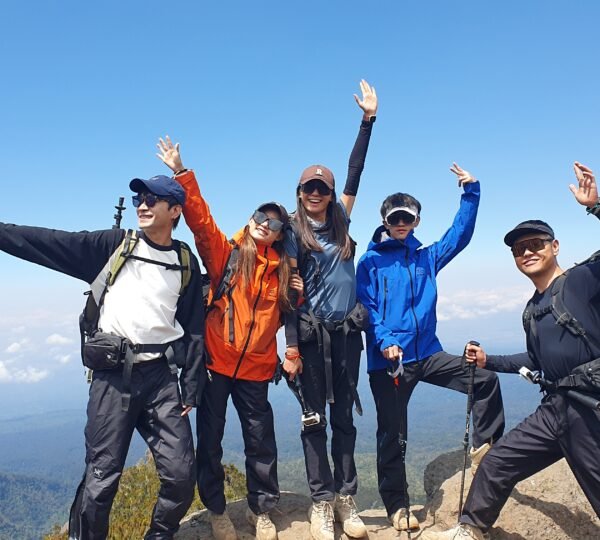
The Greatest 9-Day Lemosho Route for Kilimanjaro Climbing in 2026, 2027, and 2028: A Complete Guide to 12 Famous Locations
Explore Tours
The Ultimate 9-Day Lemosho Route Kilimanjaro Climbing Experience with Eko Tanzania Adventure
The Greatest 9-Day Lemosho Route for Kilimanjaro Climbing in 2026, 2027, and 202;At 5,895 meters (19,341 feet) above sea level, Mount Kilimanjaro is Africa’s highest mountain and one of the world’s most recognizable trekking destinations. Reaching Uhuru Peak is a dream for thousands of travelers every year, but the journey to the summit is about much more than standing at the highest point in Africa.
There are mountain adventures, and then there are experiences that completely change the way you see yourself.
Climbing Mount Kilimanjaro belongs in the second category.
It is about waking before sunrise, walking through changing landscapes, sharing stories around a mountain camp, listening to the sounds of the wilderness, pushing through difficult moments, and eventually looking across Tanzania from one of the highest places on the continent.
Among Kilimanjaro’s established routes, the Lemosho Route is particularly attractive to travelers looking for a scenic, gradual, and immersive approach to the mountain.
A 9-day Lemosho Route climb provides valuable time for acclimatization while allowing trekkers to experience a remarkable variety of landscapes before making the final ascent.
For travelers planning their adventure in 2026, 2027, or 2028, Eko Tanzania Adventure offers a carefully planned approach to this extraordinary mountain journey.
This guide takes you through the 9-day Lemosho Route, while highlighting 12 famous locations and landmarks that help make the trek so memorable.
Why Choose the 9-Day Lemosho Route?:The Greatest 9-Day Lemosho Route for Kilimanjaro Climbing in 2026, 2027, and 2028:
Before looking at the daily itinerary, it is worth understanding why nine days can be such an attractive choice.
Kilimanjaro is not technically a mountaineering expedition requiring ropes and advanced climbing skills on the standard trekking routes. However, altitude is the major challenge.
Your body needs time to adjust as you climb higher.
That is why a longer itinerary can be valuable.
A 9-day Lemosho climb gives you more time to:
- Walk at a manageable pace
- Adapt to increasing altitude
- Enjoy the scenery
- Rest when necessary
- Experience different mountain environments
- Prepare physically and mentally for summit night
The additional days also mean you are not simply racing toward the summit.
Instead, you have an opportunity to experience Kilimanjaro as a journey.
The 12 Famous Locations on the 9-Day Lemosho Route
The Lemosho Route passes through several remarkable landscapes and camps. Names and exact camp arrangements can vary depending on the operator and park logistics, but the journey commonly includes famous locations such as:
- Londorossi Gate
- Lemosho Starting Area
- Lemosho Forest
- Shira 1 Camp
- Shira Plateau
- Shira 2 Camp
- Lava Tower
- Barranco Camp
- Karanga Camp
- Barafu Camp
- Stella Point
- Uhuru Peak
Each location tells part of the story of your ascent.
Day 1: Londorossi Gate to Lemosho Forest
Your adventure begins with a drive toward the western side of Kilimanjaro.
After completing the necessary park formalities at Londorossi Gate, you continue toward the trailhead.
Location 1: Londorossi Gate
Londorossi Gate marks the western entrance used for the Lemosho approach.
For many travelers, this is where the anticipation becomes real.
Your bags are organized. Your mountain crew prepares. You check your equipment one more time.
Then you begin walking.
The first day is generally relatively gentle compared with what comes later.
The trail takes you through forest, where tall trees and vegetation create a completely different atmosphere from the open landscapes you will encounter at higher elevations.
Location 2: Lemosho Starting Area
The Lemosho starting area is the gateway to one of Kilimanjaro’s most scenic approaches.
The route begins in a quieter environment compared with some of the mountain’s busier approaches.
Your first walking day is not about speed.
It is about getting into a rhythm.
You will often hear your guides reminding you of the famous Kilimanjaro principle:
Pole pole — slowly, slowly.
This approach is central to successful high-altitude trekking.
Day 2: Lemosho Forest to Shira 1 Camp
The second day takes you deeper into the mountain environment.
Location 3: Lemosho Forest
The forest is one of the most beautiful sections of the early trek.
The vegetation gradually changes as you gain altitude.
You may encounter birds, unique plants, moss-covered trees, and occasional signs of wildlife.
The forest also gives you your first real feeling that you are leaving ordinary life behind.
Phones may have less importance.
Daily schedules disappear.
Your world becomes the trail, your companions, your guides, and the landscape around you.
As you climb higher, the forest begins to thin.
Eventually, you emerge toward the spectacular Shira ecosystem.
Location 4: Shira 1 Camp
Shira 1 Camp marks an important transition.
You are now significantly higher than where you started, and the environment feels more open.
The evening may offer impressive mountain views depending on weather conditions.
This is an excellent time to rest, eat well, hydrate, and allow your body to adapt.
Day 3: Shira 1 to Shira 2
The third day explores the remarkable Shira Plateau.
Location 5: Shira Plateau
The Shira Plateau is one of the most distinctive areas of Kilimanjaro.
It is a broad high-altitude landscape shaped by the mountain’s volcanic history.
The views can be spectacular.
Depending on weather conditions, you may see the mountain rising dramatically ahead of you.
Walking across the plateau gives you a sense of the enormous scale of Kilimanjaro.
The vegetation is changing again.
The environment becomes increasingly alpine, with fewer trees and more open terrain.
Location 6: Shira 2 Camp:The Greatest 9-Day Lemosho Route for Kilimanjaro Climbing in 2026, 2027, and 2028:
Shira 2 provides another opportunity to rest and acclimatize.
One of the advantages of the 9-day itinerary is that the journey can be approached without unnecessary rushing.
Your guide can monitor how you are adapting to altitude and encourage appropriate pacing.
Even if you feel strong, remember that altitude can affect people differently.
Day 4: Shira 2 to Lava Tower, Then Barranco
Day four is one of the most important acclimatization days.
You ascend toward a much higher elevation before descending toward Barranco.
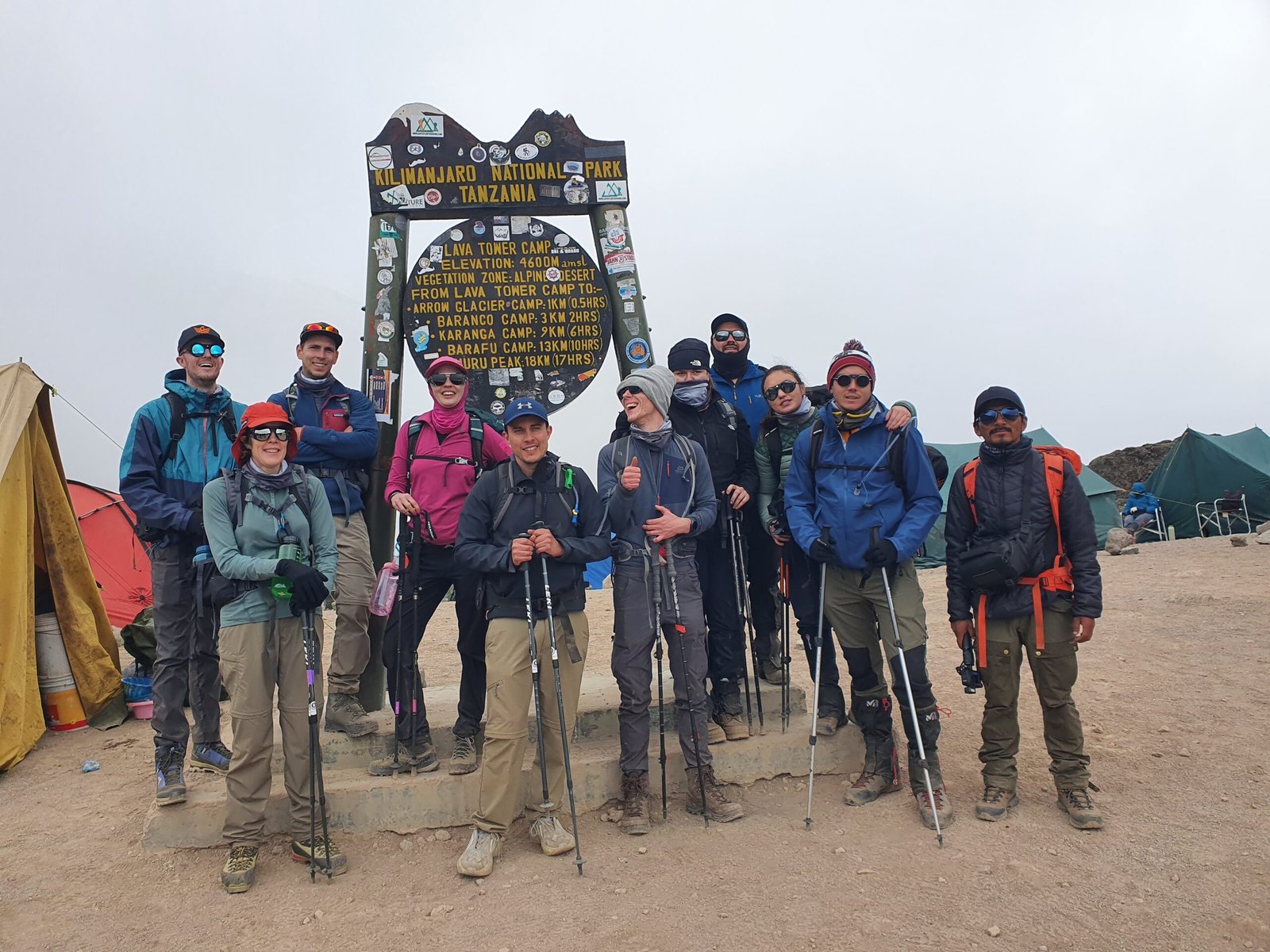
Location 7: Lava Tower
Lava Tower is a dramatic volcanic landmark on Kilimanjaro.
At roughly 4,600 meters, this area provides an important acclimatization opportunity.
The principle is simple:
Climb high, sleep lower.
You may feel the altitude more strongly here.
Some trekkers experience headache, reduced appetite, tiredness, or mild nausea. These symptoms should always be taken seriously and communicated to your mountain crew.
After spending time at higher elevation, the route descends toward Barranco.
This is one of the reasons the Lemosho itinerary can be effective for acclimatization.
Location 8: Barranco Camp
Barranco Camp is famous for its spectacular surroundings.
The enormous Barranco Wall rises nearby, creating one of the most recognizable scenes on the route.
The camp itself sits in a dramatic alpine environment.
As evening arrives, you can look around and realize just how far you have climbed.
Day 5: Barranco Camp to Karanga Camp
For many trekkers, day five is both challenging and exciting.
You begin with the famous Barranco Wall.
Although it can look intimidating from below, the route is a trekking scramble rather than a technical rock-climbing pitch on the standard trail.
Your guides will help you move carefully.
Barranco Wall
The wall is one of the psychological highlights of the Lemosho Route.
You climb gradually, using your hands for balance in some sections.
At the top, you can look back across the landscape and see how much elevation you have gained.
The trail continues toward Karanga.
Location 9: Karanga Camp
Karanga Camp sits in a high alpine environment and provides another important rest point.
By this stage, your body has already experienced several days at altitude.
The rhythm becomes familiar:
Walk.
Eat.
Drink.
Rest.
Sleep.
Wake.
Walk again.
The simplicity of mountain life can become strangely addictive.
Day 6: Karanga Camp to Barafu Camp:The Greatest 9-Day Lemosho Route for Kilimanjaro Climbing in 2026, 2027, and 2028:
Today you continue toward the high camp.
Location 10: Barafu Camp:The Greatest 9-Day Lemosho Route for Kilimanjaro Climbing in 2026, 2027, and 202
Barafu means ice in Swahili, and the camp is positioned in the high alpine desert zone.
The landscape here is stark and dramatically different from the forest where your adventure began.
There are fewer plants.
The air is colder.
The summit feels close.
But this is not the end.
Barafu Camp is the launching point for the final summit attempt.
You will normally have an early meal and rest as much as possible before summit night.
This is when the excitement and nervousness often become real.
Day 7: Summit Attempt – Stella Point and Uhuru Peak
The summit day is the emotional center of the entire expedition.
You normally begin during the night, often around midnight or in the early hours, depending on the planned schedule and conditions.
Your headlamp illuminates the trail.
The sky above may be filled with stars.
The temperature is cold.
The air is thin.
Every step matters.
Location 11: Stella Point
After hours of climbing, you reach Stella Point, located on the crater rim.
For many climbers, arriving here is a major achievement.
You are now at approximately 5,739 meters.
Some trekkers continue toward Uhuru Peak.
Others may decide that they have reached their physical limit.
There is no shame in descending when your guide determines it is necessary.
Safety comes first.
Location 12: Uhuru Peak
For those who are able to continue, the trail follows the crater rim toward Uhuru Peak.
And then comes the moment.
Uhuru Peak — 5,895 meters.
You have reached the highest point in Africa.
The emotions can be overwhelming.
Some people cry.
Some laugh.
Some become completely silent.
Others immediately begin taking photographs.
But almost everyone remembers the moment.
Take a breath.
Look around.
You did it.
The Descent of The Greatest 9-Day Lemosho Route for Kilimanjaro Climbing in 2026, 2027, and 202
After reaching the summit, the journey is not finished.
You still need to descend.
Descending can be physically demanding because your legs have already worked hard.
Your guides will help you maintain an appropriate pace.
The descent also gives you a completely different perspective on landscapes you previously crossed in darkness.
Depending on the itinerary and park arrangements, your descent continues through lower camps before eventually leaving the mountain.
What Makes the Lemosho Route So Special?
There are many reasons travelers choose Lemosho.
Spectacular scenery
The route offers remarkable landscape diversity.
You can experience:
- Rainforest
- Moorland
- Shira Plateau
- Alpine desert
- Volcanic formations
- High-altitude summit landscapes
Gradual acclimatization
The longer itinerary provides valuable time for adaptation.
A quieter beginning
The western approach can feel more remote during the early stages.
Strong sense of adventure
The Lemosho journey feels like a complete expedition rather than simply a walk to the summit.
What Is Included in a 9-Day Lemosho Package?
A complete Eko Tanzania Adventure package can be designed to include major operational elements such as:
- Professional mountain guides
- Porters
- Mountain cook
- Park fees
- Camping fees
- Meals during the climb
- Camping equipment
- Transportation to and from the mountain
- Pre-climb briefing
- Accommodation arrangements according to the selected package
Exact inclusions should always be confirmed in your individual quotation.
Some personal expenses normally remain separate.
These can include:
- International flights
- Visa
- Travel insurance
- Personal equipment
- Tips
- Personal spending
- Extra hotel nights
- Optional equipment rental
What Should You Pack?
A successful Kilimanjaro climb requires appropriate clothing and equipment.
Important items include:
Clothing
- Moisture-wicking base layers
- Fleece or insulating layers
- Waterproof jacket
- Waterproof trousers
- Trekking trousers
- Warm jacket
- Gloves
- Warm hat
- Sun hat
Footwear
Good hiking boots should be comfortable and broken in before your trip.
Never bring brand-new boots directly onto Kilimanjaro without testing them.
Other essentials
- Headlamp
- Sunglasses
- Sunscreen
- Water bottles or hydration system
- Backpack
- Trekking poles
- Personal medications
- Toiletries
- Sleeping bag appropriate for the mountain conditions
Your operator can provide a detailed packing list before departure.
Preparing for Your 2026, 2027, or 2028 Kilimanjaro Climb
Physical preparation is important.
You do not need to become a professional athlete, but you should build endurance before arriving in Tanzania.
Useful preparation can include:
- Long-distance walking
- Hiking
- Stair climbing
- Cardiovascular training
- Strength exercises
- Regular weekend hikes
More importantly, train yourself to walk for several hours at a comfortable pace.
Kilimanjaro is not a race.
The strongest-looking person in the group is not necessarily the person who reaches the summit.
Consistent pacing is more important.
Altitude: The Challenge You Must Respect
The biggest challenge on Kilimanjaro is usually altitude rather than technical climbing.
As you ascend, atmospheric pressure decreases and less oxygen is available with each breath.
Common altitude symptoms can include:
- Headache
- Fatigue
- Reduced appetite
- Nausea
- Dizziness
- Difficulty sleeping
Tell your guide immediately if you feel unwell.
Do not attempt to hide symptoms because you want to reach the summit.
Your safety matters more than the summit photograph.
Experienced mountain crews are trained to monitor climbers and make decisions about continuing or descending when necessary.
The Best Time to Climb Kilimanjaro in 2026–2028
Kilimanjaro can be climbed throughout much of the year, but many travelers prefer periods that generally offer better trekking conditions.
Commonly favored periods include:
- January to March
- June to October
There are also quieter periods that may appeal to travelers who are comfortable with a greater possibility of rain or changing weather.
The best date depends on your priorities.
If you have flexibility, Eko Tanzania Adventure can help you select a period based on your preferred travel experience.
How Much Does a 9-Day Lemosho Climb Cost?
The final price depends on several variables.
These can include:
- Number of climbers
- Private or group climb
- Travel season
- Accommodation
- Park and conservation fees
- Crew requirements
- Transfers
- Hotel nights
- Equipment rental
- Additional services
A 9-day climb will generally cost more than a shorter Kilimanjaro itinerary because it requires more days of guiding, meals, crew support, accommodation, and mountain logistics.
Rather than focusing exclusively on the cheapest price, compare exactly what each package includes.
At Eko Tanzania Adventure, we aim to provide clear package information so travelers can understand what they are paying for.
Why Travel with Eko Tanzania Adventure?
Choosing a mountain operator is an important decision.
You are not simply booking transportation.
You are entrusting a team with your mountain experience.
Eko Tanzania Adventure focuses on providing organized, practical, and responsible trekking experiences.
From the first planning conversation to the final descent, the objective is to ensure that you understand the itinerary and feel supported throughout your adventure.
We believe good guiding means more than pointing toward the summit.
It means encouraging you when the trail becomes difficult, helping you maintain a sensible pace, listening when you feel unwell, and making responsible decisions throughout the journey.
Your 9-Day Lemosho Journey at a Glance
| Day | Route | Main Experience |
|---|---|---|
| Day 1 | Londorossi – Lemosho Forest | Enter the mountain forest |
| Day 2 | Forest – Shira 1 | Reach the Shira ecosystem |
| Day 3 | Shira 1 – Shira 2 | Explore Shira Plateau |
| Day 4 | Shira 2 – Lava Tower – Barranco | High-altitude acclimatization |
| Day 5 | Barranco – Karanga | Barranco Wall |
| Day 6 | Karanga – Barafu | Prepare for summit |
| Day 7 | Barafu – Stella Point – Uhuru Peak | Summit attempt |
| Day 8 | Descent | Continue toward lower elevations |
| Day 9 | Final descent / departure arrangements | Complete mountain adventure |
Exact camps and daily distances may vary according to the final itinerary, mountain conditions, and park regulations.
Final Thoughts: Make Kilimanjaro More Than a Summit
The greatest thing about a 9-day Lemosho Route climb is that the summit is only one part of the story.
The story begins at Londorossi.
It continues through the forest.
You cross the Shira Plateau.
You stand beneath Lava Tower.
You climb Barranco Wall.
You rest at Karanga.
You prepare at Barafu.
You walk through the darkness toward Stella Point.
And finally, you stand at Uhuru Peak.
But when you return home, you may discover that the summit photograph is not the only thing you remember.
You may remember the guide who encouraged you when your legs felt heavy.
You may remember the first sunrise above the clouds.
You may remember laughing with fellow trekkers at camp.
You may remember the stars.
You may remember the quiet.
And you may remember the moment you realized that you had accomplished something that once seemed impossible.
Start Your 2026, 2027, or 2028 Kilimanjaro Adventure with Eko Tanzania Adventure
If Mount Kilimanjaro has been sitting on your bucket list, the 9-day Lemosho Route is an excellent way to experience the mountain at a deliberate pace.
With beautiful scenery, multiple acclimatization opportunities, experienced mountain support, and a gradual approach toward the summit, it offers the ingredients for a memorable African adventure.
At Eko Tanzania Adventure, we can help you plan your climb according to your preferred dates, group size, budget, and travel style.
Your journey to Africa’s highest point begins long before you reach the summit.
It begins with preparation.
It begins with choosing the right route.
It begins with understanding the mountain.
And eventually, it begins with that first step into the forest.
Eko Tanzania Adventure Climb Kilimanjaro. Experience Tanzania. Create a story you will carry for life.
Related Tours
Your Tanzania journey starts here
Ready to Plan Your Perfect Adventure?
Whether you want a Tanzania safari, Mount Kilimanjaro climb, Zanzibar beach holiday or a combination of all three, EKO Tanzania Adventures will help you plan it around your travel dates, group and budget.
Helpful Tanzania travel information