The Ultimate 5-Day Tanzania Camping Safari 2026–2027:Experience the beauty of Tanzania on an unforgettable five-day camping safari through three of the country’s most remarkable wildlife destinations: Tarangire National Park, Serengeti National Park and the Ngorongoro Crater. This adventure is designed for travellers who want to explore Africa’s wilderness, discover extraordinary wildlife and spend their nights surrounded by the atmosphere of the African bush without the expense of luxury lodges.
The Ultimate 5-Day Tanzania Camping Safari 2026–2027 combines exciting game drives, changing landscapes, comfortable camping arrangements and opportunities to observe animals in their natural habitats. From watching elephants move beneath ancient baobab trees in Tarangire to searching for lions across the Serengeti plains and exploring the wildlife-rich floor of the Ngorongoro Crater, each day brings a different experience.
Starting from Arusha, this safari is suitable for couples, friends, families with appropriate arrangements and travellers looking for an authentic African adventure. Camping adds a special character to the journey. After a day of wildlife viewing, you can return to camp, enjoy dinner and relax beneath the evening sky while listening to the natural sounds of the surrounding environment. Depending on the campsite and season, the experience may be simple and close to nature, offering a refreshing contrast to everyday life.
EKO Tanzania Adventures can organise this journey around your travel dates, group size, accommodation preferences and budget. Whether you are planning your first safari in Tanzania or returning to explore more of its wilderness, this five-day itinerary offers a practical way to experience some of the country’s best-known national parks in one memorable trip.
The Ultimate 5-Day Tanzania Camping Safari 2026–2027
Why Choose The Ultimate 5-Day Tanzania Camping Safari 2026–2027?
Five days provides a rewarding amount of time to explore northern Tanzania’s wildlife destinations without trying to fit too many parks into a short holiday. A carefully planned itinerary allows you to experience the distinctive character of Tarangire, spend valuable time in the Serengeti and finish with a game drive in the Ngorongoro Crater.
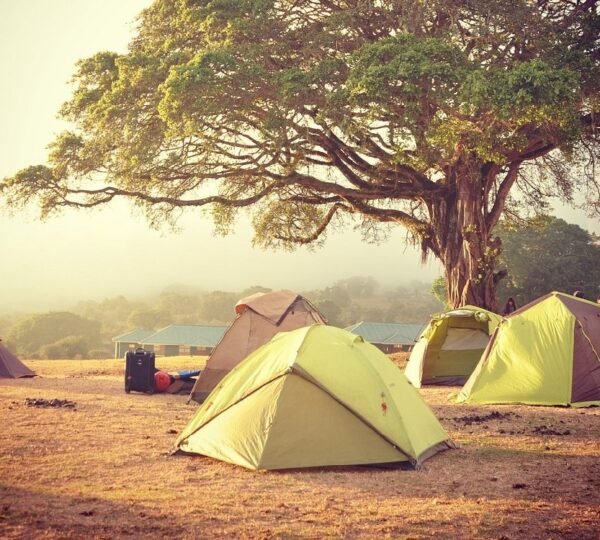
Camping is also an appealing option for travellers who want to manage their safari costs while spending more of their budget on wildlife experiences. Public campsites and other camping facilities vary in their amenities, but typical arrangements may include a designated camping area, shared bathroom facilities and access to basic services. The exact facilities depend on the campsite selected and should be confirmed before booking.
Unlike a lodge-based safari, where visitors return to a permanent room each evening, a camping safari brings you closer to the outdoor side of the adventure. You can enjoy dinner at camp, share stories about the day’s sightings and prepare for the next morning’s game drive. Camping does not mean that every part of the trip must be uncomfortable; suitable sleeping equipment, good organisation and an experienced safari team help make the experience more enjoyable.
This itinerary is also suitable for travellers who value variety. Tarangire is known for elephants and baobab trees, Serengeti is famous for its extensive plains and large wildlife populations, and Ngorongoro offers a remarkable volcanic landscape with diverse habitats. Together, these destinations create a safari experience that combines scenery, wildlife and the simple pleasure of travelling through Tanzania
The Ultimate 5-Day Tanzania Camping Safari 2026–2027:Itinerary
The Ultimate 5-Day Tanzania Camping Safari 2026–2027
The Ultimate 5-Day Tanzania Camping Safari 2026–2027
Day 1: Arusha to Tarangire National Park – Elephants and Baobab Landscapes
Your adventure begins in Arusha, one of the main gateways to northern Tanzania’s safari circuit. After meeting your professional safari guide, you will receive a briefing about the journey, discuss the day’s arrangements and depart for Tarangire National Park. An early start is recommended so that you have enough time to enjoy wildlife viewing after entering the park.
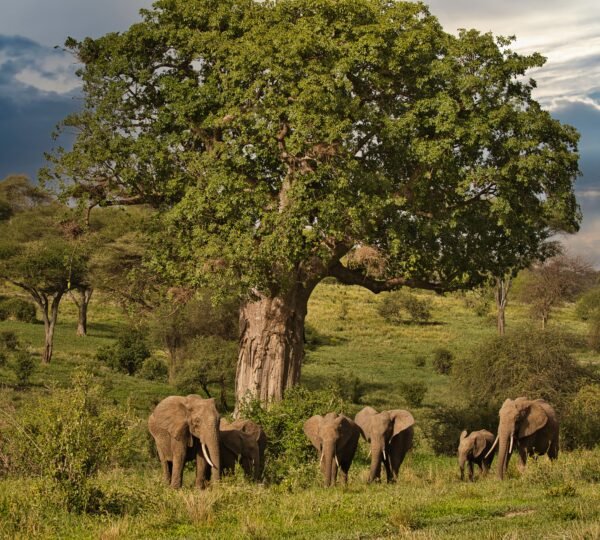
As you travel towards Tarangire, the surroundings gradually change from busy town areas and cultivated land to more open landscapes. Once inside the national park, you will discover a mixture of grasslands, woodland, seasonal swamps and the distinctive baobab trees that give parts of the park their memorable appearance.
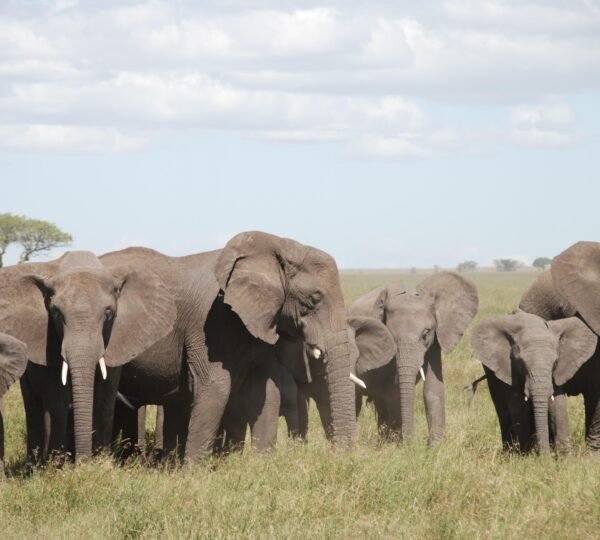
Tarangire is particularly well known for its elephants. Depending on the season and the location of the herds, you may see elephants feeding, walking through the woodland or gathering near water sources. Observing these animals at a respectful distance can be one of the most rewarding experiences of the day, especially when young elephants remain close to their family groups.
The Tarangire River is an important water source for wildlife, particularly during drier periods. Animals from the surrounding landscape may move towards the river and nearby vegetation, creating opportunities to see different species during a game drive. Other wildlife that may be encountered includes giraffes, zebras, wildebeest, impalas, buffaloes, warthogs and various antelope species. Lions and other predators also inhabit the park, although sightings depend on animal movements and natural conditions.
Birdwatching is another enjoyable part of a Tarangire safari. The park supports many bird species, and your guide can help identify birds in the trees, along the river and across the open grassland. Even if you are not an experienced birdwatcher, the colours, calls and movements of the birds add interest to the landscape.
You will stop for lunch at a designated picnic area before continuing with the afternoon game drive. Your guide will select suitable routes according to the time available, current conditions and opportunities for wildlife viewing.
Later in the day, you will travel to your designated campsite in the Tarangire or nearby area, depending on the confirmed itinerary. The camping team will help arrange your sleeping area, and dinner will be served according to your package. As evening settles over the campsite, you can relax, enjoy the outdoor atmosphere and prepare for the journey towards the Serengeti.
Accommodation: Camping at a designated campsite, according to the confirmed itinerary.
Meals: Lunch and dinner, as specified in the package.
Day 2: Tarangire to Serengeti National Park – Journey into Tanzania
The Ultimate 5-Day Tanzania Camping Safari 2026–2027
Day 2: Tarangire to Serengeti National Park – Journey into Tanzania Famous Plains
After breakfast, you will leave the Tarangire area and travel towards Serengeti National Park. This is an important travel day, so an early departure helps make the most of your time. The route may pass through sections of the Ngorongoro Conservation Area, depending on the itinerary and road conditions.
The journey offers more than a transfer between parks. You will see how northern Tanzania’s landscapes change as you move away from the baobab woodlands and enter areas of open grassland and highland scenery. Your guide can explain the region’s different habitats and how seasonal rainfall influences the movement of wildlife.
Serengeti National Park is one of Africa’s most celebrated safari destinations. Its name is closely associated with vast plains, large herds of grazing animals and the predators that depend on them. The park forms part of a much larger ecosystem in which wildlife moves across different areas according to rainfall, food availability and other environmental conditions.
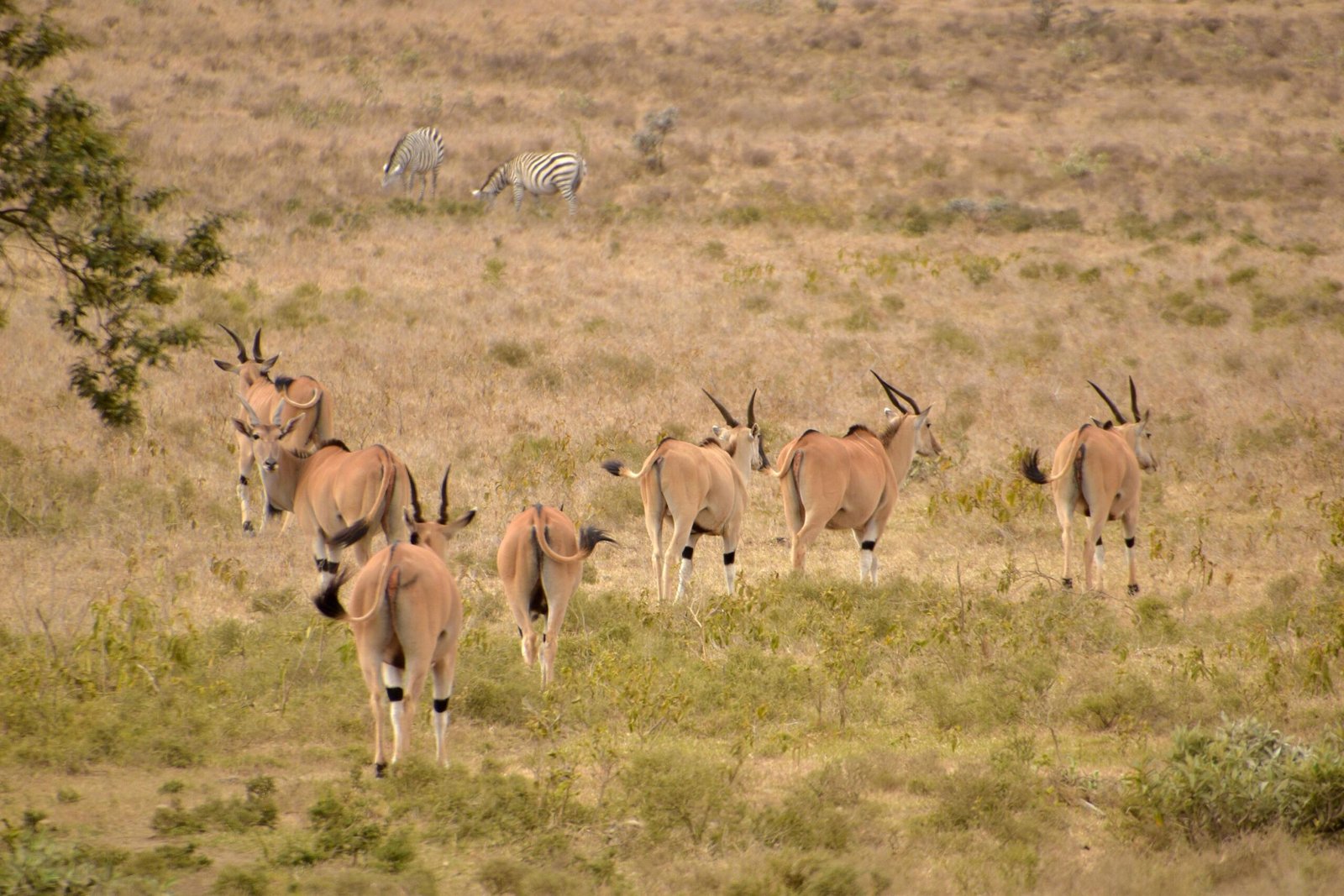
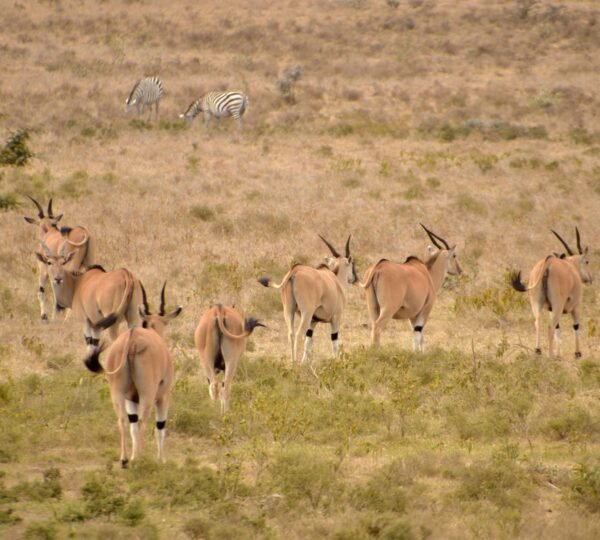
As you enter the Serengeti, you may begin seeing zebras, wildebeest, gazelles and other animals grazing across the plains. Giraffes may appear near patches of woodland, while elephants and buffaloes can sometimes be encountered in suitable habitats. The park is also home to lions, cheetahs, leopards and spotted hyenas. Your guide will look for wildlife and interpret animal behaviour while respecting park rules and maintaining appropriate distances.
The Serengeti’s scenery is one of its greatest attractions. In some areas, the horizon seems to stretch endlessly across the grassland. In others, rocky kopjes rise above the plains, providing resting places for lions and lookout points for smaller animals. The contrast between open savannah, rocky formations and scattered trees creates excellent opportunities for photography.
After a lunch stop, you will continue towards your selected camping area and enjoy additional game viewing where time and conditions permit. The exact amount of time spent on game drives depends on the distance travelled, your campsite location and the day’s schedule.
At camp, dinner provides an opportunity to relax after the journey and talk about the wildlife you have seen. Your guide or safari team will explain the following day’s plans and the expected departure time.
Accommodation: Camping in or near Serengeti National Park, depending on the confirmed itinerary and availability.
Meals: Breakfast, lunch and dinner, as specified in the package.
Day 2: Tarangire to Serengeti National Park – Journey into Tanzania
Day 3: Full-Day Serengeti Safari – Lions, Wildebeest and Wildlife Encounters
Today is dedicated to exploring more of Serengeti National Park. Having a full day in the Serengeti allows you to spend more time looking for wildlife instead of leaving early for another long transfer. The precise route will depend on the season, the location of animals, road conditions and your campsite.
You may begin with an early-morning game drive, when temperatures are often cooler and some animals are active after the night. The morning light can be particularly attractive for photography, revealing the colours of the grassland and the silhouettes of animals moving across the plains.
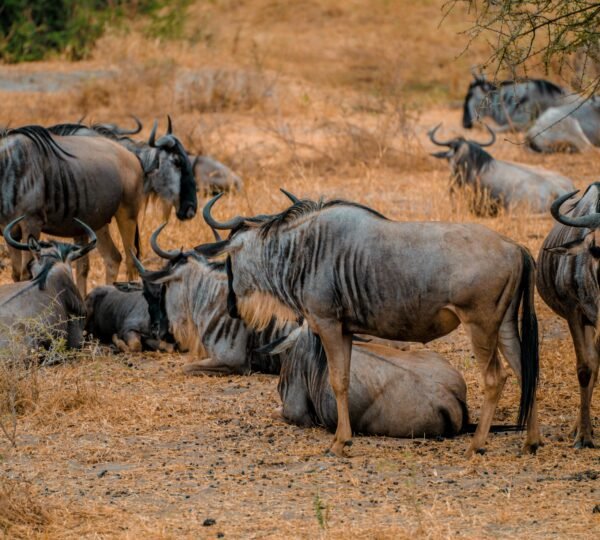
The Serengeti supports an impressive range of wildlife. Wildebeest and zebras are among the best-known species, and their movements are an important part of the ecosystem. Gazelles and other grazing animals may be seen feeding in open areas, while giraffes browse on trees and elephants move through suitable habitats.
Predators are another major attraction. Lions may be observed resting in the shade, moving between areas of grassland or interacting with members of their pride. Cheetahs can sometimes be found in more open country where they can scan the surroundings, while leopards are more elusive and may be associated with trees or rocky habitats. Spotted hyenas are also an important part of the ecosystem. Every sighting depends on natural conditions, so patience and a flexible approach are essential.
Your guide will use local knowledge to select promising areas for game viewing. If animals are resting, feeding or moving through the landscape, you may spend time observing their behaviour rather than rushing to the next location. These quieter moments can be just as memorable as seeing a predator.
The Great Migration is one of the Serengeti’s most famous natural events. Large numbers of wildebeest and zebras move across the wider ecosystem throughout the year, following seasonal grazing and rainfall. The location of the herds changes, so migration viewing depends on your travel dates and the region being visited. River crossings are unpredictable and cannot be guaranteed, even during periods when migrating herds are in the general area.
You will enjoy a picnic lunch at a designated location before continuing the afternoon game drive. During the day, there may also be opportunities to spot birds of prey, ground-dwelling birds and colourful species around trees and water sources.
In the late afternoon, return to camp for dinner and an evening of relaxation. Camping in the Serengeti offers a distinctive connection to the outdoors, although the exact experience depends on the campsite, its facilities and the season. Always follow the camp team’s safety instructions, keep food and belongings stored as directed, and never walk away from designated areas without guidance.
Accommodation: Camping in or near Serengeti National Park, according to the confirmed itinerary.
Meals: Breakfast, lunch and dinner.
Day 2: Tarangire to Serengeti National Park – Journey into Tanzania
Day 4: Serengeti to Ngorongoro Conservation Area – Scenic Landscapes and a New Safari Environment
After breakfast, you will pack your belongings and depart from the Serengeti towards the Ngorongoro Conservation Area. Depending on the campsite location and the day’s schedule, the journey may include game viewing along the way. Your guide will explain the planned route and any stops before departure.
Leaving the Serengeti offers a chance to appreciate the scale of the park and the changing scenery of northern Tanzania. The broad plains gradually give way to different landscapes, and the route may include areas of woodland, grassland and elevated terrain. Wildlife may be encountered along suitable sections, but the number of sightings depends on the route and the time available.
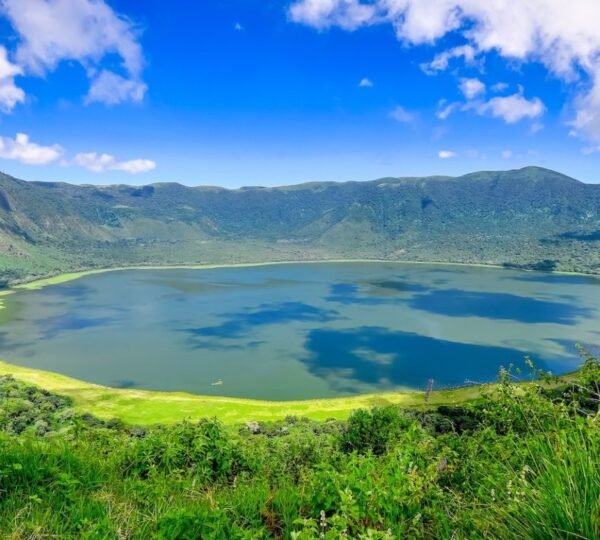
The Ngorongoro Conservation Area is known for its volcanic highlands, wildlife habitats and cultural significance. It is a conservation landscape where wildlife and human communities coexist under specific management arrangements. The area is especially famous for the Ngorongoro Crater, a vast volcanic caldera that supports a variety of animals within its distinctive natural setting.
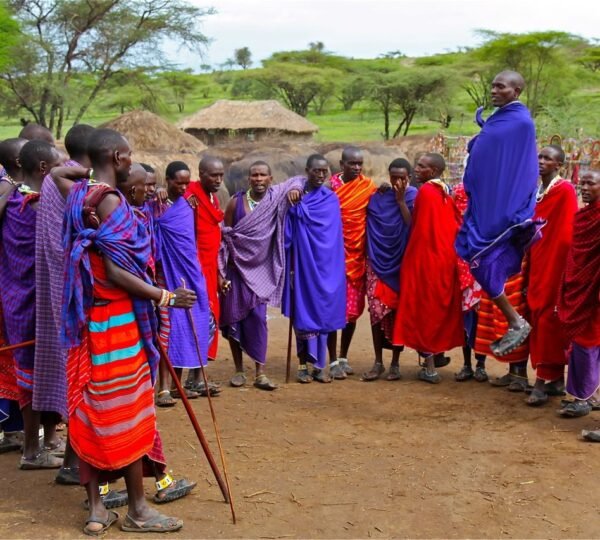
During the journey, your guide can explain the geography of the highlands and the importance of conserving the region’s ecosystems. If your itinerary includes an appropriate cultural visit, it should be arranged respectfully and with suitable local guidance. Any such activity depends on your interests, timing and the arrangements confirmed before travel.
Later, you will continue to a designated campsite in the Ngorongoro or Karatu area, depending on the route. Staying in this region provides convenient access for the following day’s crater visit, although the actual driving time depends on the campsite’s location and road conditions.
After setting up camp, enjoy dinner and prepare for an early start. The crater descent is often one of the most anticipated parts of a northern Tanzania safari, so getting adequate rest helps you make the most of the final day.
Accommodation: Camping at a designated campsite in the Ngorongoro or Karatu area, as confirmed.
Meals: Breakfast, lunch and dinner, according to the package.
Day 2: Tarangire to Serengeti National Park – Journey into Tanzania
Day 5: Ngorongoro Crater Safari – Wildlife and Return to Arusha
Your final safari day begins with an early breakfast before travelling to the Ngorongoro Crater for a game drive, subject to the itinerary and applicable park regulations. As you descend towards the crater floor, you will see a striking landscape of grasslands, patches of woodland, wetlands and water sources. These habitats support a diverse range of wildlife and provide a different experience from the open plains of the Serengeti.
During the game drive, you may see zebras, wildebeest, buffaloes, warthogs and different antelope species. Hippos may be found in suitable water habitats, while lions and spotted hyenas are among the predators that live in the area. The crater is also an important place to look for the endangered black rhinoceros, although sightings are never guaranteed.
The range of habitats means that wildlife viewing can be rewarding even for travellers who have already visited other national parks. You might observe animals grazing across the open grassland, birds gathering around wetlands or buffaloes moving through the landscape. Your guide will help you identify species and explain how they fit into the wider ecosystem.
Ngorongoro is also a beautiful place for photography. The crater walls create a dramatic backdrop, and changing light can give the landscape a different appearance throughout the morning. Please follow your guide’s instructions and park regulations at all times, especially around wildlife and designated picnic areas.
You will stop for lunch at a designated site during the day’s activities. After lunch and further game viewing, you will ascend from the crater and begin the return journey to Arusha.
Your arrival time depends on the length of the crater visit, road conditions and any planned stops. If you have a flight or another activity scheduled for the same evening, discuss it with EKO Tanzania Adventures before confirming your safari. An additional night in Arusha may be a sensible choice if your flight departs early or if the connection leaves little room for delays.
The journey concludes with five days of varied landscapes, wildlife viewing and camping experiences across some of Tanzania’s best-known safari destinations.
Accommodation: No overnight stay is included on the final day unless arranged separately.
Meals: Breakfast and lunch, according to the confirmed package.
Best Time to Take a Tanzania Camping Safari in 2026–2027
Tanzania is a year-round safari destination, but each season brings different conditions. Your ideal travel period depends on the wildlife you hope to see, your preferred scenery and how flexible you can be with dates.
June to October: These months are generally popular for northern Tanzania safaris because they fall within the drier season. In some areas, thinner vegetation and the availability of water can make wildlife easier to spot. Accommodation and safari services may be in higher demand, so booking early is advisable for fixed dates.
November to December: The short rains may bring greener landscapes and changing wildlife patterns. Showers can occur, and road conditions vary, but the scenery can be beautiful. This period can appeal to travellers who prefer fresh vegetation and are comfortable with some flexibility.
January to March: Parts of the Serengeti ecosystem, particularly the southern plains, are often associated with the wildebeest calving season. Herd locations depend on rainfall and grazing conditions, so the exact route should be planned according to your travel dates and current seasonal information.
April to May: The long rains can bring lush landscapes, but muddy roads and wet conditions may affect some journeys. Travellers considering this period should discuss suitable routes, campsite access and any seasonal changes with their safari operator.
For the 2026–2027 season, EKO Tanzania Adventures can help you select travel dates based on your interests and the likely conditions. Wildlife sightings are never guaranteed, and migration locations should be treated as seasonal possibilities rather than fixed appointments.
The Ultimate 5-Day Tanzania Camping Safari 2026–2027

The Ultimate 5-Day Tanzania Camping Safari 2026–2027
Camping Accommodation and Safari Facilities
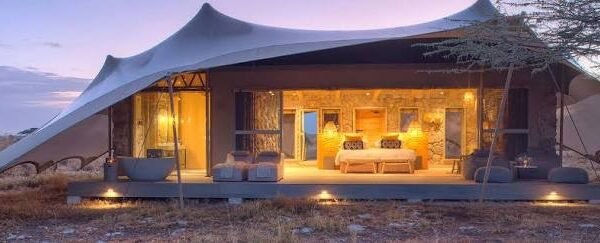
Camping is an important part of this safari, but the facilities can vary according to the location and type of campsite. Public campsites typically provide designated areas for pitching tents and shared facilities, while other campsites may offer additional services. It is important to confirm the exact arrangements before booking so you know what to expect.
Depending on your package, camping equipment may include a sleeping tent, sleeping mattress and other essential items. A cook or safari support team may prepare meals at camp, while the safari vehicle provides transport between destinations. The services included should be clearly stated in your quotation.
Travellers should understand that camping in wildlife areas is different from staying in a conventional hotel. Facilities may be simpler, hot water may not always be available and mobile connectivity can be limited. Wildlife can move through or near some campsites, so it is essential to follow the camp team’s instructions and use the designated facilities safely.
If you prefer more privacy or additional comfort, ask about alternative accommodation options. Some itineraries can be adjusted to include budget lodges or tented camps, although changes may affect the total price and travel time.
What Is Included in the Safari Package?
The exact inclusions depend on the final quotation, but a five-day Tanzania camping safari may include:
- Transport in a 4×4 safari vehicle with a pop-up roof for wildlife viewing.
- Services of a professional English-speaking safari guide.
- Park and conservation fees applicable to the confirmed itinerary.
- Camping accommodation for the specified nights.
- Camping equipment, where stated in the package.
- Meals listed in the itinerary.
- Game drives in Tarangire, Serengeti and the Ngorongoro Crater.
- Drinking water during the safari, if included in the quotation.
- Pick-up and drop-off arrangements agreed before the trip.
Always check the written quotation for details. Camping equipment, airport transfers, accommodation before or after the safari and other services may differ between packages.
What Is Not Included?
Items that may be excluded unless specifically agreed include international flights, visa fees, travel insurance, personal expenses, tips, alcoholic and soft drinks, optional activities, additional hotel nights and other services not listed in the confirmed itinerary.
If you are travelling with children, have dietary requirements or need special arrangements, communicate these details before booking. Clear information helps the safari team plan suitable meals, sleeping arrangements and daily activities.
What to Pack for a Five-Day Camping Safari
Practical packing makes a camping safari more comfortable. Bring lightweight clothing in neutral colours, comfortable closed shoes, a warm layer for early mornings and cooler highland evenings, and a light rain jacket if you are travelling during a period when showers are possible.
A wide-brimmed hat, sunglasses, sunscreen and insect repellent are useful for spending long periods outdoors. Binoculars can improve wildlife viewing, while a camera or smartphone allows you to capture the scenery. Bring personal medication, basic toiletries, a small day bag and suitable chargers for your electronic devices.
A torch or headlamp is useful around camp after dark. A reusable water bottle can also be practical, depending on the water arrangements provided by your safari operator. Check whether sleeping bags and other camping equipment are supplied before packing, as this varies by package.
Pack your belongings in a practical bag that is easy to manage in the safari vehicle. Large or rigid suitcases can be difficult to accommodate when space is limited, particularly on shared or group safaris.
Responsible and Safe Wildlife Viewing
A responsible safari respects wildlife, the environment and the communities connected to the destinations. Animals should be observed without being chased, fed or disturbed. Always follow your guide’s instructions, remain in the vehicle unless you are in a designated area where getting out is permitted, and maintain a respectful distance from wildlife.
Never leave litter behind, and avoid loud behaviour that could disturb animals or other visitors. At campsites, follow safety guidance about food storage, walking around camp and responding to wildlife nearby. Do not leave your tent or designated area at night without following the campsite’s instructions.
If your safari includes a cultural experience, ask permission before taking photographs of people and follow local guidance. Responsible travel helps preserve the natural and cultural heritage that makes Tanzania such a special destination.
Book Your Ultimate 5-Day Tanzania Camping Safari with EKO Tanzania Adventures
The Ultimate 5-Day Tanzania Camping Safari 2026–2027 is an excellent choice for travellers who want to experience the natural beauty of northern Tanzania through an authentic outdoor adventure. With Tarangire’s elephants and baobab trees, the Serengeti’s vast plains and predator-viewing opportunities, and the remarkable scenery of the Ngorongoro Crater, this journey brings together three distinctive safari destinations in five days.
Camping gives the experience a more adventurous atmosphere while offering a practical alternative to luxury accommodation. With a carefully planned route, suitable campsites and an experienced safari guide, you can focus on wildlife viewing, photography and enjoying the landscapes that make Tanzania famous.
EKO Tanzania Adventures can customise your safari according to your preferred travel dates, number of travellers, budget, camping requirements and wildlife interests. Share your plans with the team to receive a quotation that explains the itinerary, accommodation arrangements, meals and included services.
Book Your Ultimate 5-Day Tanzania Camping Safari 2026–2027 with EKO Tanzania Adventures and discover the beauty of Serengeti, Tarangire and the Ngorongoro Crater on an unforgettable African wildlife adventure.
Website: www.ekotanzaniaadventures.com
Email: info@ekotanzaniaadventures.com
Call or WhatsApp: +255 761 353 184