Top-Best Machame Route Tours on Kilimanjaro Summit :Climbing Mount Kilimanjaro is an extraordinary adventure that takes you from the green tropical forests of Tanzania to the breathtaking heights of Africa’s highest mountain. Standing at 5,895 metres above sea level, Uhuru Peak is the highest point on the African continent and a dream destination for hikers, nature lovers and adventure travellers from around the world. Among the different routes leading to the summit, the Machame Route is one of the most popular choices because of its beautiful scenery, varied landscapes and rewarding trekking experience.
The Machame Route, sometimes called the Whiskey Route, approaches Kilimanjaro from the southern side of the mountain. The trail passes through dense rainforest, open heathland, the spectacular Shira Plateau, the rocky landscape around Lava Tower and the impressive Barranco Wall before reaching the high-altitude camps used for the summit attempt. After reaching Uhuru Peak, climbers descend through the Mweka Route, giving them the opportunity to experience different landscapes on the way down.
For travellers planning their climb in 2026 or 2027, the seven-day Machame itinerary is an excellent option to consider. It provides more time on the mountain than the shorter six-day version and includes an additional night at Karanga Camp before moving to Barafu Camp for the summit attempt. This extra time can support acclimatisation and give climbers a better opportunity to rest before the demanding final ascent. However, reaching the summit is never guaranteed, and each climber’s experience depends on fitness, health, altitude response, weather and other conditions.
With EKO Tanzania Adventures, your Kilimanjaro experience can be planned around your travel dates, group size, accommodation preferences and budget. Whether you are travelling alone, with friends, as a couple or with a private group, proper preparation and a well-organised itinerary can help you enjoy the journey with greater confidence.
Why Choose The Top-Best Machame Route Tours on 7 Days Kilimanjaro Summit?
The Machame Route is particularly appealing to travellers who want more than a direct climb to the summit. Its changing scenery, challenging trails and gradual journey across the southern slopes make every day feel different. The route also includes a useful acclimatisation profile, especially when completed over seven days.
One of its greatest attractions is the variety of landscapes. The first day takes you through a lush montane rainforest, where tall trees, moss-covered branches and thick vegetation create a refreshing atmosphere. As you climb higher, the forest gradually gives way to heathland and moorland, where giant groundsels, heather and unusual high-altitude plants become part of the scenery. Farther along the trail, the landscape becomes increasingly rocky and open, with expansive views of the mountain and its surrounding valleys.
The Machame Route also provides memorable viewpoints. The Shira Plateau offers wide-open scenery, while the Lava Tower area introduces climbers to the mountain’s dramatic volcanic terrain. Barranco Camp sits beneath the imposing Barranco Wall, one of the route’s most recognisable features. The final approach to Uhuru Peak is demanding, but reaching the summit after days of walking is a powerful achievement.
Another reason to consider Machame is the opportunity to experience the mountain at a measured pace. The seven-day itinerary usually includes a day of climbing to a higher elevation near Lava Tower before descending to sleep at Barranco Camp. This approach, commonly described as “climb high, sleep low,” is intended to help the body adjust to altitude. It does not eliminate the risk of altitude sickness, but it is an important part of a carefully planned climb.

Top-Best Machame Route Tours on 7 Days Kilimanjaro Summit
Top Highlights of the Machame Route Of Top-Best Machame Route Tours on 7 Days Kilimanjaro Summit
1. Walking Through Kilimanjaro’s Rainforest
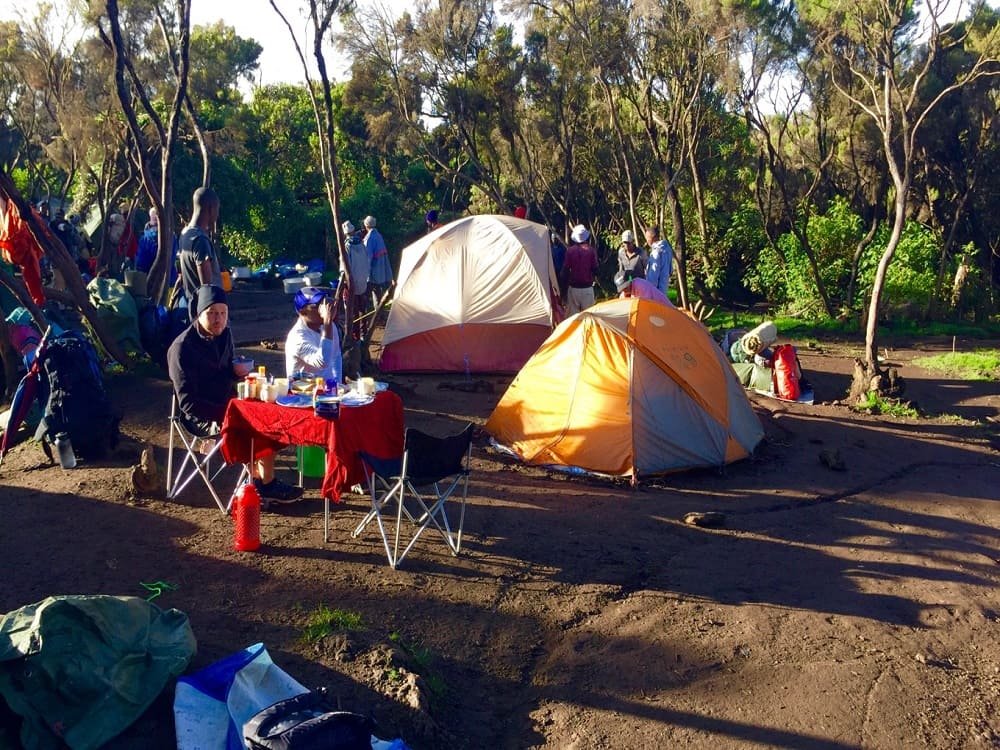
The adventure begins at Machame Gate, where registration and park entry procedures take place before the trek starts. From here, the trail enters the rainforest zone, offering a completely different atmosphere from the towns and roads below the mountain. The air is often cool and humid, and the path may be muddy after rainfall.
The forest is home to a variety of plant life and bird species, and fortunate hikers may hear or see monkeys moving through the trees. Walking beneath the forest canopy is a memorable introduction to Kilimanjaro, although the first day still requires steady effort as the trail gains elevation.
2. Exploring the Shira Plateau
After leaving the rainforest, the trail climbs through heathland and open moorland before reaching the Shira Plateau. The landscape becomes wider and more exposed, with fewer trees and impressive views across the mountain. The change in vegetation shows how dramatically conditions shift with altitude.
The plateau is a good place to appreciate Kilimanjaro’s scale and geological history. Weather can change quickly, so climbers should keep waterproof clothing and warm layers accessible even when the day begins in sunshine.
3. Acclimatisation Around Lava Tower
Lava Tower is one of the major landmarks along the Machame Route. The trail rises to approximately 4,600 metres in this area before descending towards Barranco Camp. This higher point can be physically demanding, particularly for travellers who are beginning to feel the effects of altitude.
The purpose of this part of the itinerary is not simply to reach a landmark. The higher climb followed by a lower overnight stop supports the route’s acclimatisation strategy. Climbers should maintain a slow pace, drink regularly and communicate any symptoms to their guides rather than pushing through serious discomfort.
4. Crossing the Barranco Wall
The Barranco Wall is one of the most memorable sections of the trek. Viewed from below, it looks steep and intimidating, but the usual trail follows a route that involves careful scrambling rather than technical rock climbing. Guides provide direction through the more demanding sections, and climbers should take their time, use secure handholds where appropriate and avoid rushing.
Once above the wall, the views across the surrounding valleys and towards Kilimanjaro’s higher slopes can be spectacular. This section requires concentration and confidence, but many trekkers find it one of the most rewarding experiences of the journey.
Top-Best Machame Route Tours on 7 Days Kilimanjaro Summit
5. Reaching Uhuru Peak:Top-Best Machame Route Tours on 7 Days Kilimanjaro Summit
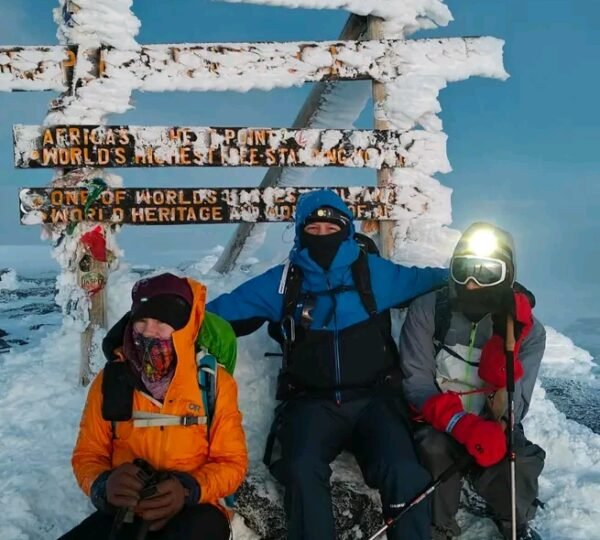
The summit attempt is the main goal of the expedition and usually begins shortly after midnight from Barafu Camp. The cold, darkness, steep terrain and thin air make this the most physically demanding stage for many climbers. Progress is deliberately slow, with breaks managed by the guide according to the group’s condition.
The route generally passes towards Stella Point on the crater rim before continuing to Uhuru Peak at 5,895 metres. Reaching the summit is a major personal achievement, whether you have climbed mountains before or are attempting your first high-altitude trek.
After spending a short time at the summit, climbers begin the descent. The descent is long and tiring, so it is important to conserve energy, follow the guide’s instructions and keep drinking water. Safety remains more important than photographs or the desire to remain at the summit for too long.
Detailed 7-Day Machame Route Itinerary 2026–2027
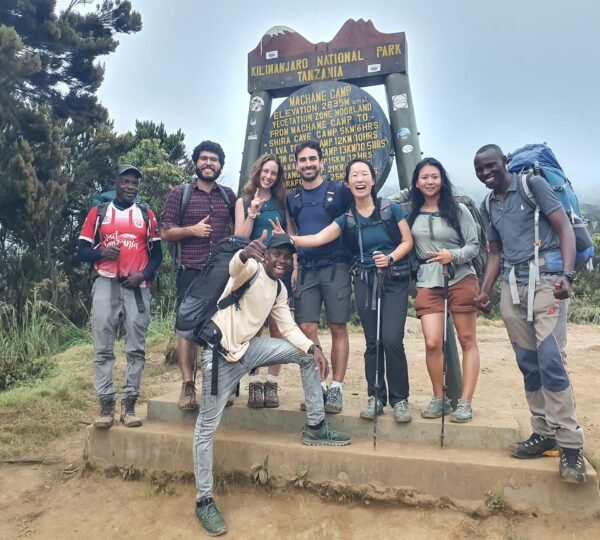
The following itinerary describes a commonly used seven-day Machame climb. Walking times and distances are approximate and can vary with weather, trail conditions, group pace and the specific camp arrangements confirmed for your departure.
Top-Best Machame Route Tours on 7 Days Kilimanjaro Summit
Day 1: Moshi to Machame Gate and Machame Camp:Top-Best Machame Route Tours on 7 Days Kilimanjaro Summit
Your adventure begins in Moshi, where you meet your mountain guide and support team for a briefing and final equipment check. After breakfast, you travel to Machame Gate, where the necessary park registration and entry procedures are completed.
Once the formalities are finished, the trek begins through the rainforest. The trail follows a gradual but sustained ascent, and conditions can be humid or wet under the trees. Your guide sets a comfortable pace, allowing you to adjust to the walking rhythm and enjoy the surroundings.
The first day is an opportunity to settle into mountain life. Take regular breaks when advised, eat your packed lunch and keep essential items such as drinking water and rain protection within easy reach. After approximately five to seven hours of walking in typical conditions, you reach Machame Camp.
Your mountain crew prepares the campsite, and you have time to rest, enjoy dinner and receive information about the following day. Overnight at Machame Camp.

Top-Best Machame Route Tours on 7 Days Kilimanjaro Summit
Day 2: Machame Camp to Shira Camp:Top-Best Machame Route Tours on 7 Days Kilimanjaro Summit
After breakfast, you leave the forest behind and continue towards the heath and moorland zones. The trail becomes more exposed as you climb along rocky paths and ridges. The vegetation changes, and views of the mountain and surrounding landscape gradually open up.
Although this day is generally shorter than the first, the increased elevation can make walking feel more demanding. Maintaining a slow, consistent pace is important, even if you feel energetic at the beginning of the day.
As you approach the Shira Plateau, the landscape becomes broad and open. Depending on the confirmed itinerary, the overnight stop may be at Shira Camp or Shira 2 Camp. On arrival, you can rest, have a warm meal and prepare for the higher elevations ahead.
Your guide will check how you are feeling and explain the next day’s route. Overnight at the designated Shira camp.
Top-Best Machame Route Tours on 7 Days Kilimanjaro Summit
Day 3: Shira Camp to Lava Tower and Barranco Camp:Top-Best Machame Route Tours on 7 Days Kilimanjaro Summit
This is an important day for acclimatisation. After breakfast, you leave the Shira area and walk towards Lava Tower, gaining considerable elevation along the way. The landscape is increasingly rocky and exposed, and the weather may be colder than it was in the forest.
The climb to the Lava Tower area can be challenging, particularly because the air contains less available oxygen at higher elevations. The aim is to walk slowly, follow your guide’s instructions and take the opportunity to assess how your body is responding to the altitude.
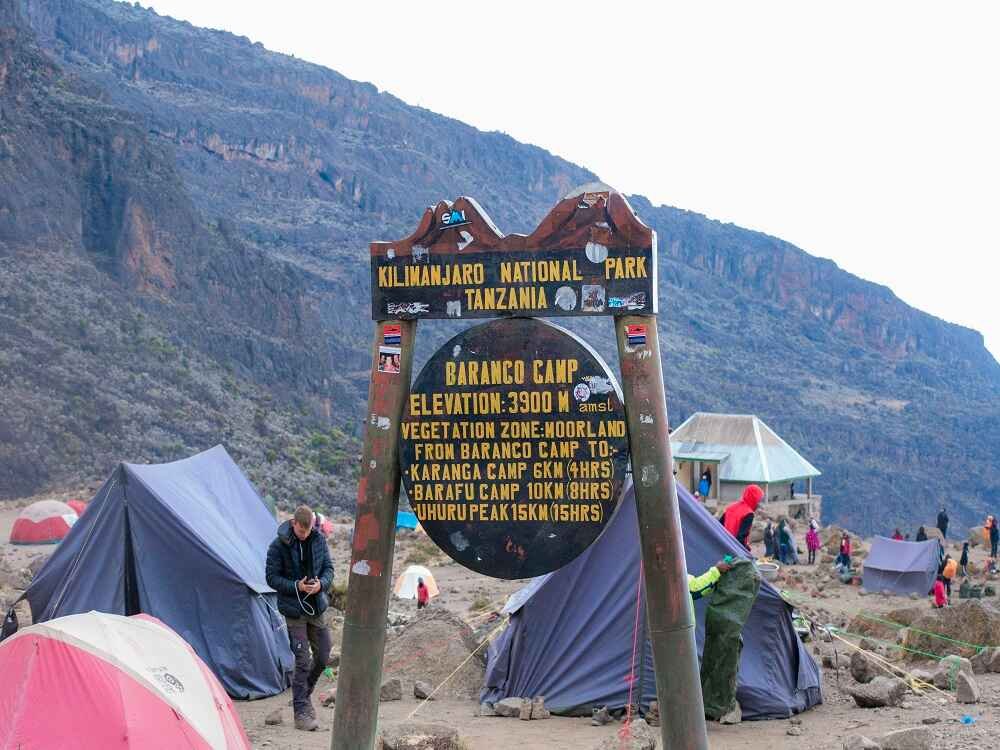
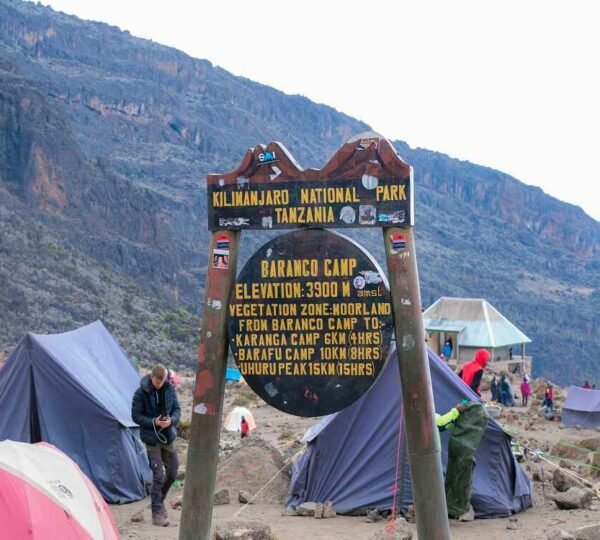
After a break and lunch, the trail descends towards Barranco Camp. This descent is an important part of the “climb high, sleep low” approach used on the route. Barranco Camp lies beneath the impressive Barranco Wall and offers dramatic views when the weather is clear.
The day can take approximately six to eight hours or longer, depending on conditions and the group’s pace. After reaching camp, have dinner, drink fluids and rest. Inform your guide promptly if you develop a headache, nausea, dizziness, unusual fatigue or other symptoms that concern you. Overnight at Barranco Camp.

Top-Best Machame Route Tours on 7 Days Kilimanjaro Summit
Day 4: Barranco Camp to Karanga Camp:Top-Best Machame Route Tours on 7 Days Kilimanjaro Summit
The day begins with the ascent of the Barranco Wall. Although it appears steep from the campsite, the usual trail follows a non-technical scrambling route. Your guide will help the group move safely through narrower or more exposed sections. Follow instructions, avoid overtaking in difficult places and take your time.
After crossing the wall, the trail continues across ridges and valleys on the southern side of Kilimanjaro. The scenery changes as you move through rocky terrain with views of the higher mountain slopes. There are ups and downs along the way, so the day may feel more demanding than the distance alone suggests.
Eventually, you reach Karanga Camp, which provides an important overnight stop before the move to Barafu. Spending the night here breaks up the journey towards the high camp and provides more time to rest before summit night.
Use the afternoon to recover, organise your summit equipment and follow your guide’s advice about eating, drinking and sleeping. Overnight at Karanga Camp.
Day 5: Karanga Camp to Barafu Camp
After breakfast, you continue towards Barafu Camp, the base camp for the summit attempt. The trail crosses an increasingly barren landscape, with limited vegetation and views across the mountain’s rocky slopes. The ascent may be relatively short compared with previous days, but the altitude makes it important to walk slowly.
Barafu Camp is exposed, and temperatures can fall considerably, especially in the evening and overnight. Once you arrive, the crew helps prepare the camp while you rest and eat. Your guide will provide a summit briefing, including the expected departure time, clothing requirements, pace and safety procedures.
Prepare your warm layers, gloves, headlamp, spare batteries, water and snacks before going to sleep. You may find it difficult to rest properly because of the altitude and anticipation, so keep the evening calm and avoid unnecessary exertion.
An early dinner and a period of rest are important before the summit attempt. Overnight at Barafu Camp.
Day 6: Barafu Camp to Uhuru Peak and Mweka Camp
Summit day is the most demanding part of the Machame Route. The group normally leaves Barafu Camp around midnight or in the early hours, depending on the guide’s plan and prevailing conditions. The trail climbs steadily through the darkness, and the low temperature, steep slopes and high altitude make every step require concentration.
The pace is slow and deliberate. Your guide monitors the group and schedules breaks according to the conditions. It is normal for the ascent to feel difficult, but you should report symptoms honestly rather than hiding them to keep going. If the guide determines that continuing is unsafe, descending may be necessary.
Many climbers pass through Stella Point on the crater rim before continuing to Uhuru Peak, the highest point on Kilimanjaro at 5,895 metres. If conditions allow you to reach the summit, you will have time for a short celebration and photographs before beginning the descent.
The descent returns to Barafu Camp or follows the planned route towards lower ground, depending on the itinerary and operational arrangements. After a rest and refreshments where scheduled, the group continues to Mweka Camp. This is a long day, and reaching a lower elevation is an important part of the recovery process.
Dinner and rest await at Mweka Camp. Even if you reach Uhuru Peak, you should expect to feel tired after the long ascent and descent. Overnight at Mweka Camp.
Day 7: Mweka Camp to Mweka Gate and Return to Moshi
After breakfast, you begin the final descent through the forest towards Mweka Gate. The trail may be muddy or slippery, particularly after rain, so suitable footwear and careful steps remain important.
At the gate, the group completes the required park procedures. Depending on the arrangements and the successful completion of the climb, summit certificates may be issued to eligible climbers. You then meet your transfer vehicle for the return journey to Moshi.
After several days on the mountain, a hot shower, a comfortable bed and a proper meal can feel especially rewarding. You may choose to spend another night in Moshi before continuing to your next destination, whether that is Arusha, a Tanzania wildlife safari or a beach holiday in Zanzibar.
The seven-day Machame adventure ends with memories of the rainforest, high-altitude camps, challenging trails and, for those who reach the top, the experience of standing on the Roof of Africa.
How Difficult Is the Machame Route?
The Machame Route is generally considered a moderately difficult to challenging trek. It does not normally require technical mountaineering skills, ropes or specialist rock-climbing equipment, but it demands good physical preparation, endurance and the ability to walk for several hours on consecutive days.
The greatest challenge is often altitude rather than the trail alone. At higher elevations, the body receives less oxygen, and even a fit person may experience headaches, nausea, reduced appetite, fatigue or disturbed sleep. Physical fitness helps with the walking, but it cannot guarantee that your body will adapt well to altitude.
The Barranco Wall requires careful footing and confidence, while summit day involves a long ascent and descent in cold conditions. Training beforehand, choosing the seven-day itinerary, walking slowly and communicating openly with your guide can all help you prepare for these demands.
If you have a medical condition or concerns about high-altitude activity, seek advice from a qualified healthcare professional before booking. Your guide’s safety decisions must always take priority over the desire to reach the summit.
Best Time to Climb Kilimanjaro via the Machame Route
Kilimanjaro can be climbed throughout much of the year, but weather conditions influence trail quality, visibility and comfort. Many travellers prefer the relatively drier periods, especially January to early March and June to October. These periods can offer favourable trekking conditions, although weather on the mountain remains unpredictable.
June to October is a popular time to climb, so advance planning is useful if you want specific departure dates or accommodation before and after the trek. January to early March can also be attractive for climbers seeking a different seasonal experience.
April and May are usually associated with the long rains, while November can bring shorter periods of rain. It may still be possible to climb during these months, but trails can be wetter and cloud cover may affect views. No season guarantees clear skies or a successful summit.
For 2026–2027 departures, contact EKO Tanzania Adventures with your preferred dates. The team can help you assess the available itinerary and explain the arrangements for the time of year you plan to travel.
Fitness Training and Preparation
Preparing for Kilimanjaro should begin well before your arrival in Tanzania. A practical training routine can help you build stamina, strengthen your legs and become comfortable walking for several hours with a daypack.
Regular walking, hiking on hills and stair training are useful starting points. Gradually increase the length of your walks rather than suddenly attempting a demanding distance. If possible, practise on uneven trails and wear the boots or hiking shoes you intend to use on the mountain. This helps you identify discomfort or rubbing before the climb.
Cardiovascular activities such as cycling, swimming, jogging or brisk walking can improve endurance. Strength exercises for the legs and core may also help with balance and stability. Include rest days so your body has time to recover, and seek professional guidance if you are unsure how to train safely.
Mental preparation is equally valuable. Some days may be tiring, the weather may change without warning and summit night can be much harder than expected. Focus on taking one step at a time, following your guide’s instructions and communicating how you feel.
What to Pack for the Machame Route
Kilimanjaro’s changing climate means that suitable clothing is essential. The rainforest can be warm and wet, while the upper mountain can be extremely cold and windy. Layering allows you to adjust your clothing as conditions change.
Important equipment commonly includes waterproof hiking boots, moisture-wicking base layers, warm mid-layers, an insulated jacket, a waterproof outer shell, thermal trousers, warm gloves, a hat, a sun hat and good hiking socks. A headlamp with spare batteries is essential for the early-morning summit attempt.
You should also bring a comfortable daypack, a water system or reusable bottles, sunglasses, sunscreen, personal toiletries and any prescribed medication. Trekking poles may help reduce strain on your knees during long descents. A suitable sleeping bag, duffel bag and other camping equipment should be confirmed with your operator before departure.
Avoid packing unnecessary items, but do not compromise on essential protection against cold, rain and sun. EKO Tanzania Adventures can provide a detailed equipment checklist based on the confirmed package and explain which items are supplied and which you must bring yourself.
Accommodation, Meals and Support on the Mountain
The Machame Route uses designated campsites rather than the mountain huts found on the Marangu Route. Climbers generally sleep in tents, and the support crew helps establish camp and prepare meals according to the package arrangements.
Meals on the mountain are planned to provide energy during consecutive days of walking. Breakfast, lunch and dinner arrangements should be confirmed before booking, especially if you have dietary requirements or food allergies. Tell the team about these needs in advance so they can discuss suitable options.
A licensed guiding team is essential for a Kilimanjaro climb. Guides manage the pace, explain the route, monitor climbers and respond to changing conditions. Porters and other crew members support the movement of camping equipment and supplies within the applicable park regulations.
The exact services included in a package vary, so make sure you understand the arrangements for park fees, camping, meals, crew, transfers, hotel nights and equipment before making payment.
Cost of the Machame Route Climb in 2026–2027
The cost of climbing Kilimanjaro via the Machame Route depends on the number of days, group size, travel dates, accommodation before and after the climb, and the services included in your package. A private climb may cost more per person than joining a group because the costs of guides, transport and logistics are shared differently.
The seven-day itinerary also involves an additional day of mountain arrangements compared with the six-day version. When comparing quotations, look beyond the headline price and check whether the package includes park entry and camping fees, professional guides, porters, meals, drinking water arrangements, transfers, camping equipment and hotel accommodation.
You should also ask what is excluded. International flights, travel insurance that covers high-altitude trekking, personal equipment, tips, visa costs and personal expenses may be separate, depending on the package. Confirm the current park fees and all inclusions directly before booking, as charges and package prices can change.
EKO Tanzania Adventures can prepare a quotation based on your planned departure date, number of travellers and preferred service level. If you are travelling with friends or family, share your group size so the team can advise you about the available private or group arrangements.
Safety and Responsible Climbing
A successful Kilimanjaro expedition begins with a strong commitment to safety. All climbers must follow the park’s rules and climb with an authorised guiding operator. Stay on designated trails, listen to your guide and avoid walking alone or leaving the group without permission.
Altitude sickness is a serious concern and can affect people regardless of their age or fitness. Common symptoms may include headache, nausea, dizziness, unusual tiredness and loss of appetite. More serious symptoms, such as confusion, difficulty walking straight or breathlessness at rest, require urgent attention. Tell your guide about symptoms as soon as they develop. Do not attempt to conceal them or continue upwards simply because you have paid for the climb.
The guide may recommend stopping the ascent or descending if a climber’s condition raises concern. This is an important safety measure, not a failure. The mountain will remain there for another attempt, while health and life must come first.
Responsible climbing also means respecting the environment and the people who make the journey possible. Carry waste according to your crew’s instructions, avoid damaging vegetation, respect other climbers and follow park guidance on wildlife and campsite conduct. Treat guides, porters and fellow trekkers with respect throughout the expedition.
Why Book Your Machame Route Climb with EKO Tanzania Adventures?
Planning a Kilimanjaro climb involves more than choosing a route. You need a realistic itinerary, reliable transport arrangements, clear information about costs and inclusions, suitable equipment and a guiding team that takes safety seriously.
EKO Tanzania Adventures can help you organise your Machame Route climb for 2026 or 2027 according to your travel plans. Before confirming your booking, discuss the number of days, accommodation preferences, dietary requirements, fitness concerns and any additional destinations you would like to visit in Tanzania.
Your trip can be tailored to your preferred travel dates, group size and budget, subject to availability and the practical requirements of the mountain. If you would like to continue your holiday after the climb, you can also ask about adding a wildlife safari or travelling to Zanzibar for time on the beach.
A clear quotation and pre-climb briefing help you understand what to expect before arriving in Tanzania. Ask for the full itinerary, a list of included services, excluded costs, equipment requirements and the operator’s arrangements for handling altitude-related concerns.
Book Your Top-Best Machame Route Kilimanjaro Climb 2026–2027
Standing on Uhuru Peak is an ambition that takes preparation, patience and determination. The Machame Route offers a memorable journey through Kilimanjaro’s rainforest, open moorland, dramatic volcanic scenery and high-altitude terrain. Its seven-day itinerary gives you more time on the mountain than the shorter version and includes an additional night before the summit attempt, although reaching the top can never be guaranteed.
If you are planning to climb Kilimanjaro in 2026 or 2027, contact EKO Tanzania Adventures to discuss your preferred dates and receive a quotation tailored to your needs. Whether you are travelling alone, with a partner, with friends or as part of a group, planning early will help you prepare your equipment, fitness and travel arrangements.
EKO Tanzania Adventures
Website: www.ekotanzaniaadventures.com
WhatsApp / Call: +255 761 353 184
Email: info@ekotanzaniaadventures.com
Email: info@ekotanzaniaadventure@gmail.com
Start planning your Machame Route adventure today and prepare for an unforgettable journey towards the Roof of Africa.