Top-Rated 6-Day Mid-Range Serengeti Migration Safari 2026–2027;The Serengeti is famous for its endless plains, remarkable wildlife and natural events that have fascinated travellers for generations. Here, enormous herds of wildebeest and zebras move across the grasslands in search of fresh grazing and water, while lions, cheetahs, leopards, hyenas and other predators follow the herds. During the migration season, the Western Corridor becomes particularly interesting as wildebeest approach the Grumeti River, where some herds may gather before attempting to cross.
With EKO Tanzania Adventures, this safari combines the excitement of wildlife exploration with the comfort of mid-range accommodation. You will travel in a safari vehicle with a professional guide, explore different parts of the Serengeti and have time to appreciate the animals and landscapes rather than simply rushing between destinations. The itinerary can also be adjusted according to your travel dates, wildlife movement, accommodation preferences and budget.
Discover the Great Wildebeest Migration in the Serengeti
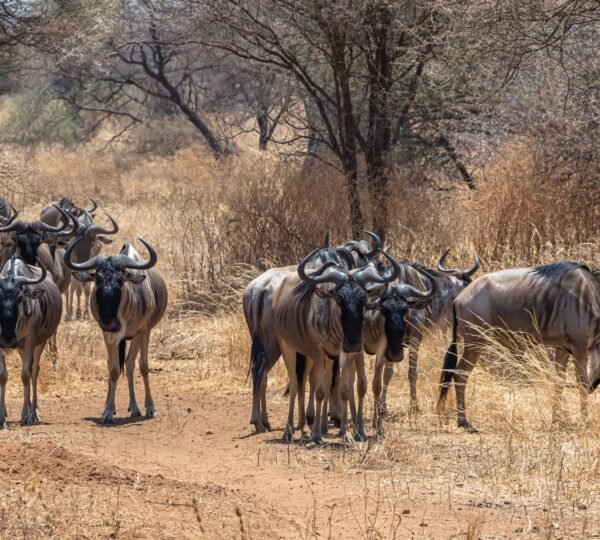
The Great Wildebeest Migration is one of Africa’s most remarkable wildlife spectacles. Every year, large herds of wildebeest, accompanied by zebras and other grazing animals, move through the Serengeti ecosystem following seasonal rainfall and the growth of fresh grass. Their journey is not a single event that happens in one location on a fixed date. Instead, it is a continuous natural cycle shaped by changing weather, available water and the search for nutritious pasture.
For many travellers, the most exciting part of the migration is the possibility of witnessing a river crossing. When wildebeest reach a river, they may gather along the banks for hours or even longer before moving into the water. Sometimes the herds cross quickly, while on other occasions they hesitate, change direction or move to another crossing point. This uncertainty is part of what makes migration safaris so fascinating.
The Grumeti River is an important location during the herds’ movement through the western Serengeti. Around the usual migration period, wildebeest and zebras may gather near the river before attempting to cross. Crocodiles inhabit sections of the river, creating a natural challenge for animals entering the water. If the herds cross during your visit, the experience can be extraordinary. Even when no crossing takes place, the riverine scenery, resident wildlife and open grasslands offer rewarding opportunities for photography and wildlife observation.
A successful migration safari depends on choosing the right region at the right time. For this reason, EKO Tanzania Adventures plans the route around your travel dates and the expected seasonal movement of the herds.
Why Choose The Top-Rated 6-Day Mid-Range Serengeti Migration Safari 2026–2027 ?
Six days provide a valuable balance between travel, wildlife viewing and relaxation. Rather than spending the entire trip driving between distant destinations, this itinerary allows time to explore the central Serengeti before concentrating on the Western Corridor. This approach gives you opportunities to encounter resident wildlife while searching for the migrating herds.
The mid-range accommodation option is suitable for travellers who want more comfort than a basic camping safari without necessarily choosing the most expensive luxury lodges. Depending on availability and your preferred standard, accommodation may include comfortable tented camps or lodges with private bathrooms, proper beds, dining facilities and welcoming service. Some properties also provide outdoor seating areas where guests can relax after a day in the bush.
Another advantage of a six-day safari is the opportunity to enjoy game drives at different times of day. Early mornings are often productive for spotting predators and observing animals when temperatures are cooler. Afternoon drives offer changing light across the plains, while longer excursions allow your guide to follow wildlife activity and explore different habitats.
The safari is suitable for couples, families with age-appropriate arrangements, friends and solo travellers. Private arrangements can provide additional flexibility, while group options may be available depending on the departure schedule. EKO Tanzania Adventures can discuss the most suitable option for your party.
The Western Serengeti and the Grumeti River
The Western Corridor is a distinctive part of Serengeti National Park. Compared with the central plains, it includes a mixture of open grassland, wooded areas, rolling terrain and riverine vegetation. The Grumeti River supports wildlife throughout the year, making the region worthwhile even outside the main migration period.
During the migration season, the Western Corridor becomes an important passage for the wildebeest herds as they continue their movement north and west. Their arrival depends on rainfall and the condition of the grazing lands, so the timing varies from year to year. In a typical season, late May through early July can offer opportunities to see the migration in this region, with June often a particularly useful month to consider.
The Grumeti River crossing is different from the better-known crossings associated with the Mara River farther north. Crossings at Grumeti are not guaranteed to happen on a particular day, and not every herd crosses while visitors are watching. The animals may gather on one bank, move along the river or continue their journey without crossing at the location being observed.
This safari therefore combines a migration-focused search with broader wildlife viewing. Your guide will look for fresh signs of herd movement while also exploring areas known for resident animals. The aim is to make the most of your time in the Serengeti, whether the migration is concentrated near the river or moving through the surrounding plains.
Detailed Top-Rated 6-Day Mid-Range Serengeti Migration Safari 2026–2027 Itinerary

Top-Rated 6-Day Mid-Range Serengeti Migration Safari 2026–2027
Day 1: Arusha to Central Serengeti National Park
Your adventure begins in Arusha, where your EKO Tanzania Adventures guide will meet you for a safari briefing. After introductions and a review of the journey ahead, you will depart for the Serengeti. The drive takes you through changing landscapes, with rural settlements, open countryside and the dramatic scenery of northern Tanzania along the way.
Depending on the chosen route, road conditions and arrangements, the journey may include a stop for refreshments or a scenic break. As you approach the Serengeti, the landscape opens into expansive plains dotted with rocky outcrops known as kopjes. These formations provide shelter and resting places for wildlife, and they can be useful locations for spotting animals.
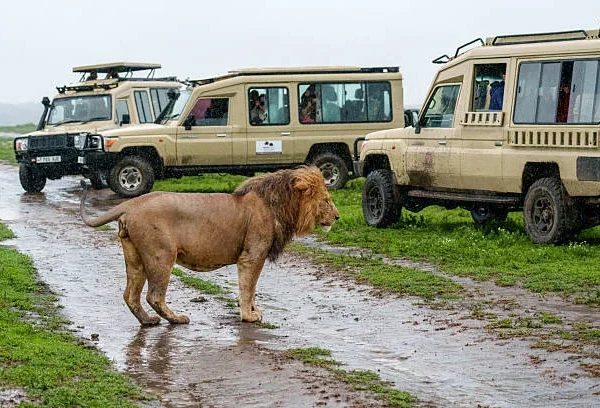
After entering the park, you will begin your first game drive. Your guide will help you look for zebras, wildebeest, giraffes, elephants, gazelles and other animals that inhabit the area. With luck, you may also encounter lions resting near a kopje or a cheetah scanning the plains for prey. Wildlife sightings depend on natural conditions, but the first day offers an exciting introduction to the Serengeti.
Later, you will continue to your mid-range lodge or tented camp for dinner and an overnight stay. Take time to relax, enjoy the surroundings and prepare for the wildlife exploration ahead.
Accommodation: Mid-range lodge or tented camp in or near the central Serengeti, according to the confirmed itinerary.
Meals: Lunch and dinner, depending on departure arrangements.
Amazing 6-Day West Serengeti Safari 2026–2027
Day 2: Full-Day Game Drive in Central Serengeti
Wake up to the sounds and atmosphere of the African bush before setting out for an early morning game drive. The central Serengeti is known for its resident wildlife and offers useful opportunities to observe predators, herbivores and birdlife. Its varied habitats support animals throughout the year, making it a valuable part of a migration-focused safari.
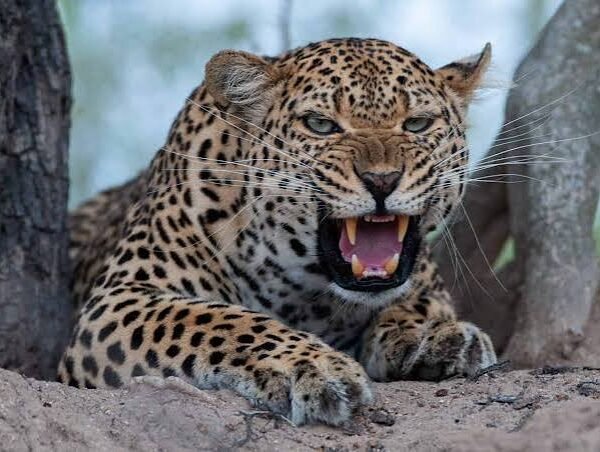
During the morning, your guide will search for lions, leopards, cheetahs and hyenas while keeping an eye on herds of wildebeest and zebras. Lions may be found resting in the shade after a night of hunting, while cheetahs often use open ground to scan for prey. Leopards can be more difficult to spot because they frequently rest in trees or dense vegetation, but patient observation can be rewarding.
Depending on the season and current wildlife movement, you may also encounter groups of elephants, buffaloes, giraffes and different antelope species. Birdlife adds another dimension to the experience, from large birds of prey soaring above the grasslands to colourful smaller species around wooded areas and water sources.
You will stop for a picnic lunch at an appropriate designated location before continuing your afternoon game drive. Your guide can adapt the route according to recent sightings, road conditions and the information available about the migration.
This day is important because it gives you time to appreciate the Serengeti beyond the river-crossing experience. Even if the migrating herds are moving through another section of the ecosystem, the central Serengeti offers rewarding wildlife encounters.
Return to your camp or lodge in the late afternoon, followed by dinner and an overnight stay.
Accommodation: Mid-range lodge or tented camp.
Meals: Breakfast, picnic lunch and dinner.

The Great Migration and Grumeti River Adventure (2026,2027-2028
Day 3: Central Serengeti to the Western Corridor
After breakfast, you will begin travelling towards the Western Corridor, following a route that allows for wildlife viewing along the way. The day combines a transfer between safari regions with game drives, giving you opportunities to observe the changing landscape as you approach the Grumeti River area.
Your guide will pay attention to signs of migration activity, including large concentrations of wildebeest and zebras, fresh tracks and the direction in which herds are moving. The animals may be spread over a wide area, so finding them requires patience and an understanding of the terrain.
As you enter the Western Corridor, you will notice differences in the scenery. The open plains give way in places to rolling grasslands, wooded areas and riverine vegetation. The Grumeti River and its surrounding habitats support wildlife beyond the migration season, including hippos, crocodiles and various bird species.
If the migrating herds are present, you may spend part of the afternoon observing them from an appropriate distance. You might see animals grazing, moving in long lines across the plains or gathering near the river. Your guide will explain their behaviour and help you understand why they may approach the water and then retreat before crossing.
Later, continue to your mid-range accommodation in the Western Corridor or the wider Grumeti area, depending on the confirmed booking and seasonal availability. Staying close to your main wildlife-viewing area can reduce unnecessary driving and give you more time for exploration.
Accommodation: Mid-range lodge or tented camp in the Western Serengeti area.
Meals: Breakfast, lunch and dinner.

The Great Migration and Grumeti River Adventure (2026,2027-2028
Day 4: Full-Day Great Migration and Grumeti River Exploration
Today is the main focus of your migration safari. After an early breakfast, set out with your guide to explore the Western Corridor and search for wildebeest herds near the Grumeti River. The timing and route will depend on recent wildlife movements, since the herds do not follow a precise timetable.
If large numbers of wildebeest have gathered near the river, your guide may spend time observing their behaviour. The animals can form dense groups along the bank, moving forward and then pulling back as individuals respond to the changing conditions. Zebras may be mixed among the herds, adding to the scale and variety of the scene.
A river crossing, when it happens, can be dramatic. Wildebeest must negotiate the riverbank and water while responding to the movement of the herd around them. Crocodiles may be present in the river, but their behaviour and the outcome of any crossing are entirely natural and unpredictable. Visitors should never expect a crossing simply because they are at the river during the migration season.
If the herds are not crossing, there is still plenty to explore. Your guide may search for wildlife along the river, investigate nearby plains or follow reports of migrating animals in another part of the corridor. Hippos may be visible in deeper pools, while crocodiles sometimes rest near the water’s edge. Giraffes, elephants, antelope and numerous bird species may also be encountered.
A picnic lunch allows you to remain in the field for much of the day. Throughout the excursion, your guide will balance the search for migration activity with responsible wildlife viewing, respecting park regulations and keeping a safe distance from animals.
Return to your accommodation later in the day for dinner and time to reflect on the experience.
Accommodation: Mid-range lodge or tented camp.
Meals: Breakfast, picnic lunch and dinner.
Top-Rated 6-Day Mid-Range Serengeti Migration Safari 2026–2027
Day 5: Western Serengeti Wildlife Exploration
Spend another day exploring the Western Serengeti, allowing additional time to follow wildlife activity and enjoy the landscapes around the Grumeti region. Having more than one day in the area is useful because the migration can move quickly, and wildlife sightings may differ considerably from one day to the next.
If the herds remain nearby, your guide can return to suitable viewing areas and assess whether the animals are gathering near the river. If the migration has moved on, the day can focus on the resident wildlife and other parts of the Western Corridor. This flexibility is especially valuable on a safari built around a natural event that cannot be scheduled.
Look out for elephants moving through woodland, giraffes feeding on trees and antelope grazing across open ground. Lions and hyenas may be encountered in areas where prey animals are concentrated, while birds of prey can often be seen searching the plains from above. The riverine environment also offers opportunities to observe hippos, crocodiles and bird species associated with water.
Photography enthusiasts will appreciate the changing light, broad landscapes and variety of animal behaviour. Early mornings often provide softer light and cooler temperatures, while late afternoons can create beautiful conditions for photographing wildlife against the plains. Your guide can help position the vehicle appropriately without disturbing the animals.
The day is also an opportunity to enjoy the pace of a proper safari. Instead of focusing only on ticking animals off a list, take time to observe how wildlife interacts with its environment. Watching a herd move across the grasslands or seeing giraffes feeding quietly among trees can be just as memorable as a dramatic predator sighting.
After your final full day of exploration, return to camp or lodge for dinner and an overnight stay.
Accommodation: Mid-range lodge or tented camp.
Meals: Breakfast, picnic lunch and dinner.
Top-Rated 6-Day Mid-Range Serengeti Migration Safari 2026–2027
Day 6: Final Game Drive and Return to Arusha
Enjoy breakfast before beginning your final game drive or departing for Arusha, depending on your accommodation location, departure time and the confirmed travel arrangements. If time and park regulations permit, your guide may arrange a short morning wildlife drive before you leave the Serengeti.
This final opportunity can bring unexpected sightings, as animals continue their daily routines regardless of the safari schedule. You may see zebras grazing in the morning light, elephants moving between feeding areas or predators returning to resting places after the night. Every drive is different, and the wildlife encountered on the last day can provide a fitting end to the journey.
After leaving the park, begin the return journey to Arusha. The drive offers time to reflect on the experience, review photographs and remember the remarkable landscapes you have explored. Depending on your onward plans, EKO Tanzania Adventures can discuss suitable arrangements for your hotel, airport transfer or continuation to another destination.
If you have a flight to catch, please share the details in advance so that the itinerary and departure arrangements can be planned appropriately. Road travel from the Serengeti can take several hours, and the exact timing depends on the location of your camp, road conditions and the route used.
Your six-day safari concludes in Arusha, leaving you with memories of the Serengeti’s wildlife, landscapes and the extraordinary movement of the Great Migration.
Meals: Breakfast and lunch, depending on the departure arrangements.
Best Time for the Grumeti River Crossing Safari in 2026–2027
The best time to plan this safari is generally around the Western Corridor migration period, which commonly falls between late May and early July. June is often a particularly suitable month to consider for a Grumeti-focused safari. However, rainfall patterns and the movement of the herds vary each year, so these dates should be treated as a seasonal guide rather than a guarantee.
For travellers planning in 2026 or 2027, it is advisable to share your preferred dates with EKO Tanzania Adventures as early as possible. The team can assess the likely migration window, review available accommodation and recommend the most suitable itinerary for your travel period.
If your dates fall outside the main Grumeti period, the Serengeti can still offer excellent wildlife viewing, but a different region may be more appropriate for a migration-focused trip. For example, the northern Serengeti is generally a stronger option later in the year when herds may be near the Mara River, while the southern plains and Ndutu area are particularly important during the calving season.
The migration is a natural process, not a scheduled performance. Even during the best seasonal window, a river crossing cannot be guaranteed. A well-planned safari maximises the opportunity to find the herds while ensuring that the wider wildlife experience remains worthwhile.
Wildlife You May See on This Safari
The Serengeti is home to an extraordinary range of animals, and each day brings different opportunities for observation. Depending on the season, location and natural conditions, you may see:
- Wildebeest and zebras: The principal species associated with the Great Migration, often travelling in large groups across the plains.
- Lions: Frequently found resting in shaded areas or watching herds of grazing animals.
- Cheetahs: Adapted to open landscapes, where they can scan for prey.
- Leopards: More elusive cats that may rest in trees or dense vegetation.
- Hyenas: Highly adaptable predators and scavengers often associated with areas where prey animals gather.
- Elephants: Impressive animals that may be seen feeding, moving through woodland or visiting water sources.
- Giraffes: Commonly observed browsing on trees and moving gracefully across the plains.
- Buffaloes and antelopes: Important members of the Serengeti ecosystem, often seen grazing in groups.
- Hippos and crocodiles: Associated with the Grumeti River and other suitable water habitats.
- Birdlife: Eagles, vultures, storks, ostriches and many other species may be encountered during game drives.
These are possible sightings rather than guaranteed encounters. Your guide will use local knowledge and current wildlife observations to make the most of each day.

Top-Rated 6-Day Mid-Range Serengeti Migration Safari 2026–2027
Top-Rated 6-Day Mid-Range Serengeti Migration Safari 2026–2027
Mid-Range Accommodation: Comfort in the African Wilderness
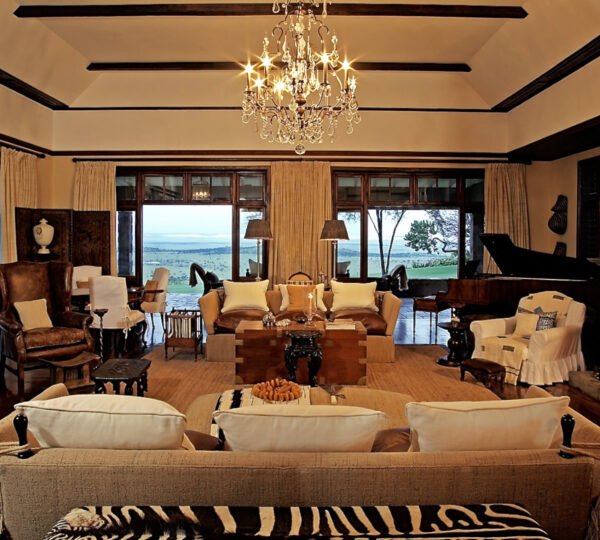
Mid-range accommodation offers a comfortable base for exploring the Serengeti without requiring a luxury-level budget. Depending on your chosen travel dates and availability, you may stay in a lodge or a well-appointed tented camp located in or near the areas visited during the safari.
Typical features may include comfortable beds, private bathrooms, dining facilities and welcoming staff. Many tented camps combine the atmosphere of being close to nature with practical comforts that help you relax after long days of wildlife viewing. Some properties may offer outdoor seating, campfire areas or views of the surrounding landscape.
The location of your accommodation matters as much as its facilities. For a migration safari, staying within a reasonable distance of the Western Corridor and Grumeti River can help reduce driving time and increase opportunities to explore the relevant wildlife areas. Availability can be limited during popular migration periods, so the final camp or lodge should be confirmed before travel.
EKO Tanzania Adventures can discuss different accommodation options based on your budget, preferred comfort level, group size and travel dates. The specific property, room type and meal arrangements will be included in your confirmed quotation.
What Is Included in the Safari Package?
The exact inclusions depend on the final itinerary and quotation, but a typical six-day mid-range safari may include:
- Safari transport in a suitable 4×4 vehicle with a pop-up roof for wildlife viewing.
- Services of a professional English-speaking safari guide.
- Park entry fees and applicable conservation charges for the agreed itinerary.
- Five nights of mid-range accommodation, subject to the confirmed travel plan.
- Meals specified in the itinerary.
- Game drives in the Serengeti and the Western Corridor.
- Drinking water during scheduled safari activities.
- Pick-up and drop-off arrangements in Arusha, as agreed.
Items that may not be included unless specifically stated are international flights, travel insurance, visas, personal expenses, alcoholic and selected premium beverages, tips, optional activities and accommodation before or after the safari. Any additional fees or changes to the itinerary should be clearly discussed before confirmation.
What to Pack for Your Serengeti Migration Safari
Pack practical clothing that is comfortable for long game drives and suitable for changing temperatures. Early mornings can be chilly, while afternoons may be warm, so lightweight layers are useful. Neutral-coloured clothing such as khaki, brown, olive and beige is generally a practical choice.
Bring a warm jacket, comfortable trousers, closed walking shoes, a hat, sunglasses and sunscreen. Binoculars can help you observe distant animals without disturbing them, while a camera with a suitable zoom lens is useful for wildlife photography. Carry personal medication, insect repellent and any essential travel documents.
A small day bag is helpful for keeping your camera, water, sunscreen and other essentials close at hand. If you are travelling during a rainy period, consider a lightweight waterproof jacket and protection for electronic equipment. Your guide can advise you about any additional items that may be useful for your travel dates.
Responsible and Safe Wildlife Viewing
Responsible wildlife viewing protects both visitors and the animals that make the Serengeti so special. Always follow your guide’s instructions and the rules of the national park. Remain inside the safari vehicle unless your guide has identified a permitted and safe place to get out.
Keep a respectful distance from wildlife, avoid shouting or making sudden movements, and never encourage animals to approach the vehicle. Your guide will choose suitable viewing positions and move away if an animal appears disturbed. At river crossings, it is important to remain patient and avoid pressuring wildlife. The animals must be free to move naturally, even when their behaviour does not produce the photograph or spectacle visitors hoped to see.
Responsible travel also means respecting other visitors and protecting the landscape. Follow designated routes, avoid littering and take all rubbish with you. By travelling thoughtfully, you help preserve the Serengeti for wildlife and for future generations of visitors.
Why Book with EKO Tanzania Adventures?
EKO Tanzania Adventures understands that a memorable safari requires more than visiting a famous national park. It depends on thoughtful planning, clear communication, knowledgeable guiding and an itinerary that reflects the traveller’s interests.
For this six-day migration safari, the team can help you select travel dates, consider suitable mid-range accommodation and plan time in the regions most relevant to the Great Migration. The itinerary can be tailored to your number of travellers, preferred accommodation standard, budget and onward travel plans. If you have particular interests, such as wildlife photography, big cats, birdwatching or spending additional time near the Grumeti River, share them when requesting your quotation.
The team can also discuss whether a private safari or a group arrangement is more suitable for your needs. Your final itinerary will depend on seasonal conditions, accommodation availability, park regulations and the practical travel arrangements confirmed before departure.
Most importantly, EKO Tanzania Adventures will help you plan with realistic expectations. The Great Migration is an extraordinary natural event, but no responsible safari company can guarantee that a river crossing will occur during a particular visit. The aim is to give you the best practical opportunity to explore the right areas while enjoying the Serengeti’s remarkable wildlife and landscapes.
Book Your Top-Rated 6-Day Mid-Range Serengeti Migration Safari 2026–2027
If you dream of watching wildebeest and zebras moving across the vast Serengeti plains, exploring the Western Corridor and searching for the unforgettable Grumeti River crossing, this six-day safari offers an exciting way to experience Tanzania’s wilderness. With comfortable mid-range accommodation, guided game drives and time to explore more than one wildlife area, the journey combines adventure with comfort.
Contact EKO Tanzania Adventures to start planning your safari. Share your preferred travel dates, number of travellers, accommodation preferences and estimated budget so the team can prepare an itinerary suited to your plans. If your schedule is flexible, you can also request advice on the most appropriate period for visiting the Western Serengeti during the migration season.
Website: www.ekotanzaniaadventures.com
Email: info@ekotanzaniaadventures.com
WhatsApp or Call: +255 761 353 184
Let EKO Tanzania Adventures help you plan a rewarding Serengeti journey in 2026 or 2027, with the freedom to explore, the comfort of mid-range accommodation and the possibility of witnessing one of Africa’s most remarkable wildlife events.