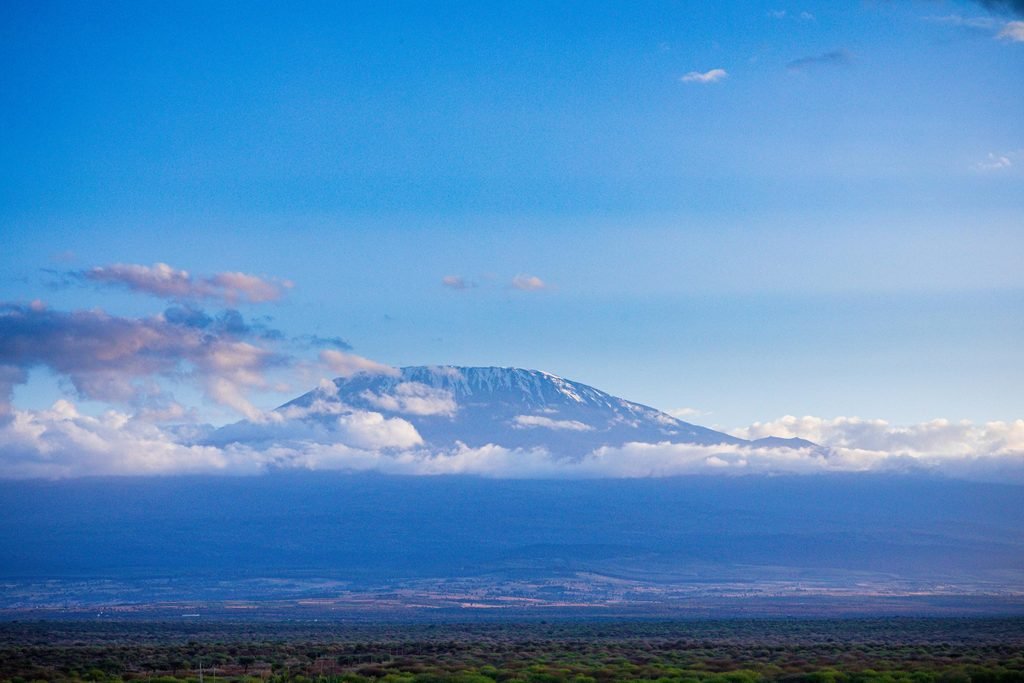
Is Climbing Mount Kilimanjaro Dangerous? The Ultimate Safety Guide, Risks & What to Expect in 2027–2028;Mount Kilimanjaro is one of the most famous trekking destinations in Africa and a dream adventure for travelers from around the world. Standing at 5,895 meters (19,341 feet) above sea level, Africa’s highest mountain offers an incredible sense of achievement but it is also a serious high-altitude trek.
So, is climbing Mount Kilimanjaro dangerous?
The honest answer is that Kilimanjaro is not a technical mountain for most standard routes, but it is not risk-free. The biggest challenge is usually not rock climbing or complicated mountaineering skills. Instead, altitude, cold weather, exhaustion, dehydration, changing weather conditions, and poor preparation can make the climb dangerous.
The good news is that many of these risks can be reduced significantly with proper preparation, a sensible itinerary, an experienced mountain crew, gradual acclimatization, and the willingness to turn around when your body is telling you something is wrong.
If you are planning a Kilimanjaro climb in 2027 or 2028, understanding the risks before you arrive can make your experience safer, more comfortable, and much more enjoyable.
Is Mount Kilimanjaro Safe to Climb?:Is Climbing Mount Kilimanjaro Dangerous? The Ultimate Safety Guide, Risks & What to Expect in 2027–2028
For many healthy and properly prepared travelers, climbing Kilimanjaro can be a safe and rewarding experience when the expedition is organized responsibly.
However, the mountain should never be treated like an ordinary hiking trail.
One of the biggest misconceptions about Kilimanjaro is that because you do not need ropes, technical climbing equipment, or previous mountaineering experience on the popular routes, the climb must therefore be easy.
That is not the case.
The summit reaches almost 6,000 meters, meaning there is significantly less oxygen available than at sea level. Your body needs time to adjust to the altitude. This is why a carefully designed itinerary is one of the most important safety decisions you can make.
A successful Kilimanjaro climb is not simply about being physically strong.
It is about pacing yourself, acclimatizing properly, listening to your guides, staying hydrated, eating enough, sleeping when possible, and recognizing warning signs early.
The Biggest Risks of Climbing Kilimanjaro:Is Climbing Mount Kilimanjaro Dangerous? The Ultimate Safety Guide, Risks & What to Expect in 2027–2028
There are several risks associated with climbing Kilimanjaro, but some are much more important than others.
1. Altitude Sickness
Altitude is the most important safety issue on Kilimanjaro.
As you climb higher, atmospheric pressure decreases and your body receives less oxygen with each breath. Your body needs time to adapt to these conditions.
Altitude sickness can affect people who are young, fit, experienced, or completely new to mountain trekking. Being physically fit does not guarantee that you will avoid altitude-related problems.
Common symptoms can include:
- Headache
- Nausea
- Dizziness
- Loss of appetite
- Tiredness
- Difficulty sleeping
- Shortness of breath
- General weakness
Mild symptoms can sometimes improve as your body acclimatizes. However, serious altitude illness can become a medical emergency.
More severe warning signs may include:
- Confusion
- Difficulty walking normally
- Severe shortness of breath
- Persistent vomiting
- Extreme weakness
- Breathlessness while resting
- Loss of consciousness
These symptoms should never be ignored.
If a climber develops serious altitude-related symptoms, descending is usually the most important response. No summit is worth risking your life.
2. Rapid Ascent
One of the biggest factors affecting altitude safety is how quickly you gain elevation.
A short itinerary may look attractive because it costs less and takes fewer days, but ascending too quickly gives your body less time to adapt.
This is why longer routes are often attractive for climbers who want a more gradual acclimatization process.
Routes such as Lemosho and Northern Circuit offer longer itineraries, while Machame and Rongai also provide several-day options that can allow meaningful acclimatization when properly planned.
The key principle is simple:
Do not rush the mountain.
Your guide may repeatedly encourage you to walk slowly. This is intentional.
On Kilimanjaro, a slow pace is not a sign of weakness. It is part of the strategy for reaching higher elevations safely.
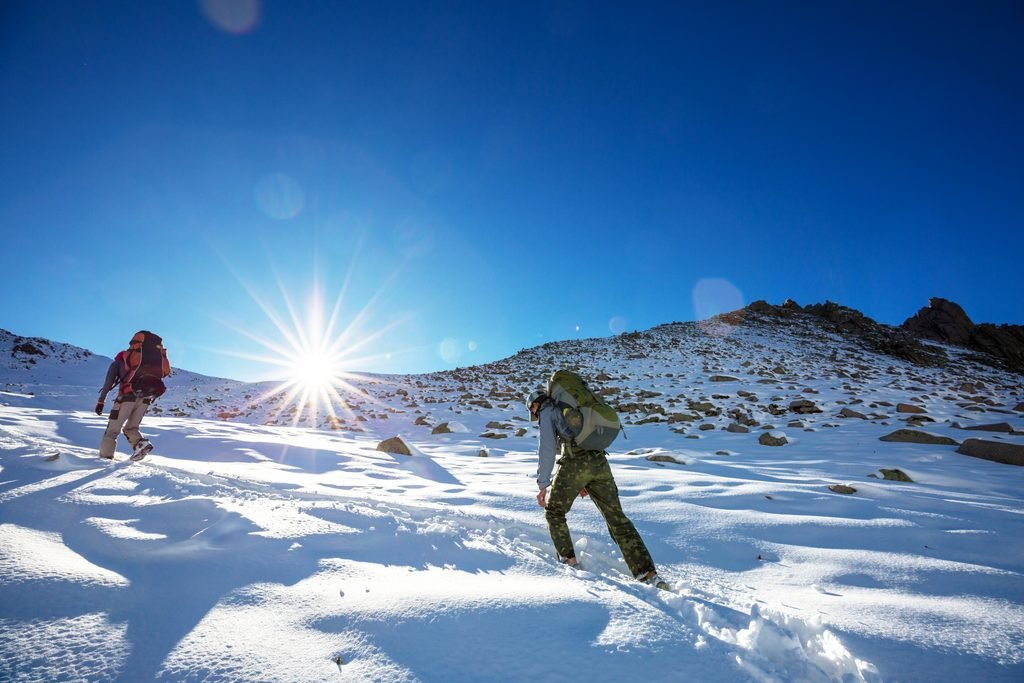
3. Extreme Cold
Many people imagine Africa as hot and tropical, so they are surprised to discover just how cold Kilimanjaro can become.
The mountain passes through several climatic zones. At higher elevations, temperatures can fall dramatically, especially at night and around the summit.
During summit night, temperatures can be below freezing, and strong winds can make conditions feel even colder.
This creates risks such as:
- Hypothermia
- Frostbite
- Severe discomfort
- Reduced energy
- Poor decision-making
Good clothing is therefore a safety requirement, not simply a matter of comfort.
You should have a reliable layering system, warm gloves, a suitable hat, warm socks, and a properly insulated sleeping system.
4. Exhaustion and Physical Fatigue
Kilimanjaro is a demanding physical challenge.
You may spend several hours walking every day, often on uneven terrain. Summit day is particularly demanding because climbers typically begin walking during the night and continue for many hours.
Fatigue can affect your concentration and balance.
When you are extremely tired, even simple terrain can become difficult.
That is why your preparation should not focus only on running or gym workouts. You should also prepare your body for long, steady walking.
Training before your trip can include:
- Long-distance walking
- Hiking
- Stair climbing
- Hill walking
- Cardiovascular exercise
- Strength training
- Regular outdoor walks with a backpack
The objective is to arrive on the mountain prepared—not exhausted before the adventure even begins.
5. Dehydration:Is Climbing Mount Kilimanjaro Dangerous? The Ultimate Safety Guide, Risks & What to Expect in 2027–2028
Dehydration is another common concern.
You may not always feel as thirsty at high altitude, particularly in cold conditions. At the same time, your body is working hard and losing fluids through breathing and physical activity.
Drinking regularly is therefore important.
Your trekking team should help you maintain access to drinking water throughout the day.
It is also important to eat even when your appetite decreases.
Your body needs energy for the long walking days, and carbohydrates, proteins, fats, and snacks can all contribute to maintaining your energy levels.
6. Changing Mountain Weather
Kilimanjaro’s weather can change quickly.
A morning that begins with pleasant conditions may become cold, windy, rainy, or snowy later in the day.
At lower elevations, rain can make trails muddy and slippery. Higher up, cold temperatures and strong winds become increasingly important.
You should therefore be prepared for several weather conditions rather than packing only according to the weather forecast you saw before leaving home.
Good preparation includes:
- Waterproof clothing
- Waterproof backpack protection
- Warm layers
- Gloves
- Hat
- Good hiking boots
- Headlamp
- Extra socks
- Appropriate sleeping equipment
Being prepared for bad weather is one of the simplest ways to make the trek safer.
7. Slippery and Uneven Terrain
Kilimanjaro is a natural mountain environment.
The trail includes forest paths, rocky sections, steep slopes, loose volcanic terrain, and areas where rain or ice can make walking more difficult.
Near the summit, some sections can involve loose volcanic scree.
Good footwear is extremely important.
Choose hiking boots that are comfortable, well broken-in, supportive, and suitable for cold and wet conditions.
Avoid arriving on the mountain with completely new boots.
A painful blister may sound like a small problem, but after several days of walking it can become a major source of discomfort.
8. Summit Night Is the Hardest Part:Is Climbing Mount Kilimanjaro Dangerous? The Ultimate Safety Guide, Risks & What to Expect in 2027–2028
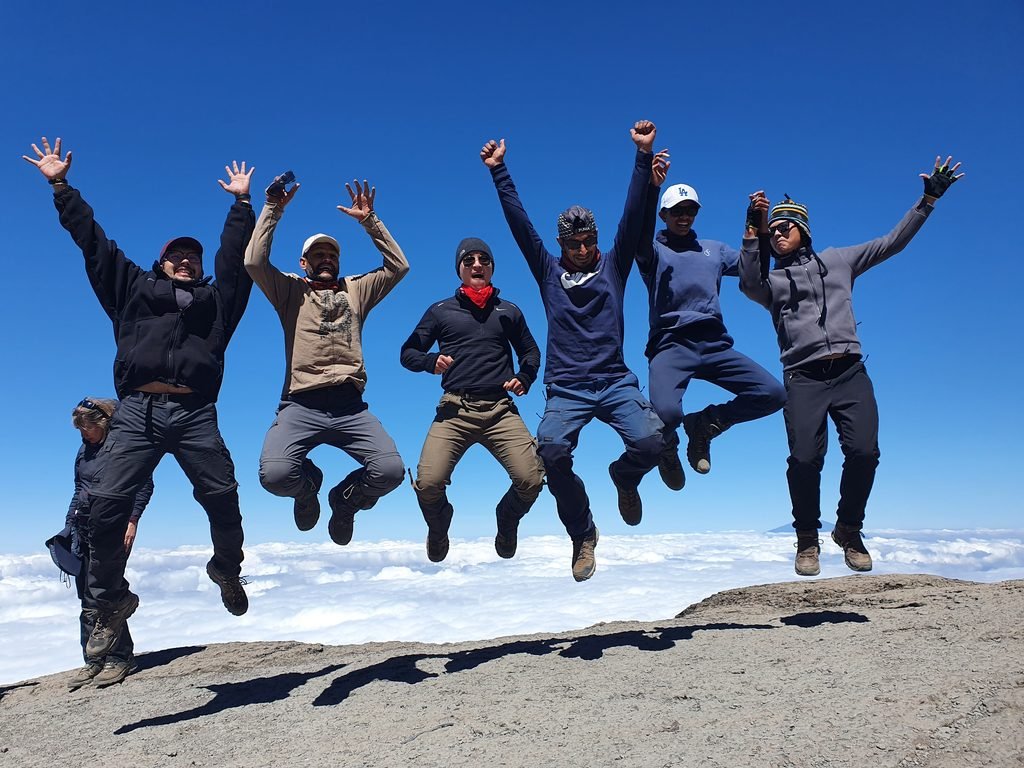
For many climbers, summit night is the toughest physical and mental part of the entire expedition.
Depending on your route and itinerary, you may start walking around midnight.
Imagine leaving your tent or hut while it is still completely dark, wearing several layers of clothing, carrying your headlamp, and slowly climbing toward Uhuru Peak.
The air becomes thinner.
The temperature drops.
Your legs become tired.
The trail becomes steeper.
And the summit may still feel very far away.
This is where mental preparation becomes extremely important.
You do not need to think about the entire mountain at once.
Focus on one step at a time.
Take breaks when appropriate.
Follow your guide’s pace.
Keep eating and drinking.
And communicate honestly with your trekking team.
What Makes Kilimanjaro Different From Technical Mountains?
One reason Kilimanjaro attracts so many first-time high-altitude trekkers is that most popular routes do not require advanced technical climbing skills.
You generally do not need to be an experienced rock climber.
You do not normally need to use ropes to reach Uhuru Peak on the standard trekking routes.
However, this does not mean the mountain is easy.
The main challenge is altitude combined with endurance.
A person who has never climbed a mountain before may successfully reach the summit, while a very athletic person may struggle with altitude.
This is why preparation for Kilimanjaro needs to include both physical fitness and altitude awareness.
Which Kilimanjaro Route Is Safer?
There is no single route that can be called completely safe.
Safety depends on many factors, including:
- Number of days
- Acclimatization profile
- Weather
- Guide experience
- Trekking pace
- Your individual response to altitude
- Medical preparedness
- Quality of equipment
- Emergency procedures
For many travelers, the most useful question is not simply:
Which route is safest?
Instead, ask:
“Which route gives me a sensible acclimatization schedule and matches my fitness, experience, and available time?”
Machame Route
Machame is one of the most popular routes and offers beautiful scenery and several itinerary options.
It can be physically demanding, particularly on steeper sections.
Lemosho Route
Lemosho is known for its scenic approach and longer itinerary options.
Its longer schedules can provide more time for acclimatization, making it an attractive choice for travelers who prefer a more gradual experience.
Rongai Route
Rongai approaches Kilimanjaro from the northern side.
It provides a different landscape and trekking experience compared with routes approaching from the south or west.
Marangu Route
Marangu is famous for its hut accommodation.
It is sometimes described as an easier route because of the accommodation and relatively straightforward trail sections, but altitude remains a serious consideration.
Northern Circuit
The Northern Circuit is the longest major route and is designed around a gradual ascent.
Because of its length, it provides substantial time for acclimatization, although it also requires more days and endurance.
How Can You Reduce the Risks?
The good news is that there are many practical steps you can take before and during your climb.
Choose a Longer Itinerary
If your schedule and budget allow, consider a route with more days rather than trying to reach the summit as quickly as possible.
More time on the mountain can provide a better opportunity for acclimatization.
Walk Slowly
Your guide may use the famous phrase:
Pole pole.
It means slowly.
Do not race other climbers.
Kilimanjaro is not a competition.
A slow and consistent pace helps conserve energy and allows your body to adjust.
Listen to Your Guide
Your mountain crew has experience observing climbers at altitude.
If your guide recommends slowing down, taking a break, or descending, take the advice seriously.
Your safety should always come before reaching the summit.
Stay Hydrated
Drink regularly throughout the day and follow your guide’s advice regarding hydration.
Eat Properly
Do not underestimate the importance of food.
Even if you are not particularly hungry, eating regular meals and snacks can help maintain energy.
Dress in Layers
Temperatures can change dramatically during the climb.
Layers allow you to adjust your clothing as conditions change.
Sleep and Rest
Rest is part of your preparation.
Do not treat every day before the climb as an opportunity to exhaust yourself with sightseeing or intense workouts.
Arrive at the mountain well rested.
Medical Preparation Before Climbing Kilimanjaro
Before planning a high-altitude trek, consider discussing your plans with a qualified medical professional, particularly if you have an existing medical condition, take regular medication, or have concerns about how your body may respond to altitude.
A pre-trip medical discussion can help you understand:
- Whether high-altitude trekking is appropriate for you
- Any personal risk factors
- Medications you may need to discuss
- Vaccination and travel-health considerations
- What symptoms should require immediate attention
Do not rely on internet advice alone for personal medical decisions.
What Should You Pack for Safety?
Your packing list should prioritize both comfort and safety.
Essential clothing
- Moisture-wicking base layers
- Fleece or insulating mid-layer
- Warm jacket
- Waterproof jacket
- Waterproof trousers
- Warm gloves
- Hat
- Sun hat
- Warm socks
- Comfortable hiking trousers
Footwear
- Broken-in hiking boots
- Comfortable camp shoes
- Extra socks
Personal equipment
- Headlamp
- Sunglasses
- Sunscreen
- Water bottles or hydration system
- Backpack
- Trekking poles
- Personal first-aid items
- Toiletries
- Sleeping bag suitable for cold temperatures
Important documents
Keep your passport, travel documents, insurance information, emergency contacts, and other important documents secure.
Why Travel Insurance Matters
Travel insurance is one of those things you hope you never need.
But for a high-altitude adventure, it is important to understand exactly what your policy covers before leaving home.
Look for appropriate coverage for:
- High-altitude trekking
- Emergency medical treatment
- Evacuation
- Trip interruption
- Lost or delayed luggage
Do not assume that every standard travel insurance policy automatically covers trekking at Kilimanjaro’s maximum altitude.
Read the policy carefully.
What Happens If You Cannot Reach the Summit?
This is something every climber should understand before starting.
You may train for months, fly to Tanzania, spend several days on the mountain—and still decide not to summit.
That does not mean you failed.
Altitude affects people differently, and sometimes the safest and smartest decision is to turn around.
A good trekking company should never pressure a climber to continue when there are serious safety concerns.
The summit will always be there.
Your health comes first.
What Should You Expect During a Kilimanjaro Climb?
A typical climb is a mixture of excitement, physical challenge, beautiful scenery, quiet moments, and uncertainty.
Your days may begin early.
You will walk for several hours.
You will eat meals prepared by your mountain crew.
You may meet climbers from different countries.
You will experience changing landscapes as you gain altitude.
At night, you will rest in a tent or mountain hut depending on your route.
And eventually, you will face the biggest challenge: summit night.
The experience can be physically demanding, but it can also be deeply rewarding.
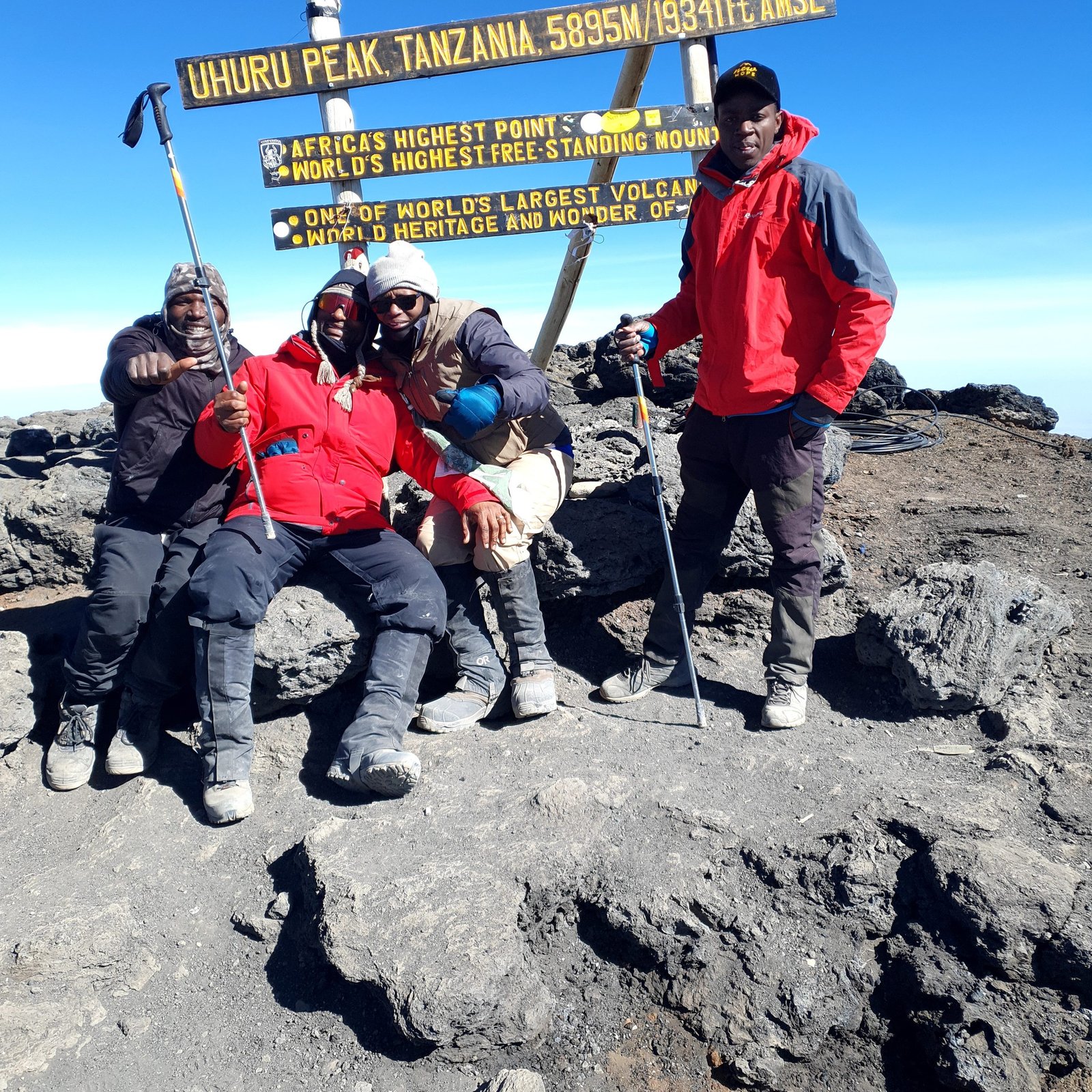
Standing on or near Uhuru Peak after days of walking can be an emotional moment—not simply because of the altitude, but because of everything you have gone through to get there.
Is Kilimanjaro Suitable for Beginners?
Yes, Kilimanjaro can be suitable for people without previous mountaineering experience, provided they are properly prepared and choose an appropriate itinerary.
You do not necessarily need years of hiking experience.
However, you should not approach the climb casually.
A beginner should focus on:
- Building cardiovascular fitness
- Practicing long walks
- Preparing for steep terrain
- Learning about altitude sickness
- Choosing an appropriate route
- Allowing enough days for acclimatization
- Packing correctly
- Following professional mountain guidance
Preparation can make a major difference.
The Importance of an Experienced Mountain Crew
Your mountain crew plays a major role in the overall experience.
A responsible trekking team should be able to monitor your condition, provide guidance, help with pacing, and respond appropriately when problems arise.
Before booking a climb, ask practical questions about:
- Guide experience
- Emergency procedures
- First-aid preparedness
- Communication systems
- Staff welfare
- Accommodation
- Food and water
- Evacuation procedures
- What happens if a climber becomes seriously ill
Do not be afraid to ask detailed questions.
A professional operator should be comfortable discussing safety openly.
7 Smart Safety Rules for Kilimanjaro
If you remember only seven things from this guide, remember these:
1. Do not rush the climb
Give your body time to acclimatize.
2. Walk pole pole
A steady pace is one of your greatest advantages.
3. Tell your guide how you feel
Do not hide headaches, nausea, dizziness, or unusual weakness.
4. Take altitude symptoms seriously
Never assume severe symptoms will simply disappear.
5. Stay warm and hydrated
Cold and dehydration can make an already difficult climb harder.
6. Be prepared to turn around
Reaching the summit is optional. Returning safely is essential.
7. Choose your trekking company carefully
Safety should be part of the package—not something you have to negotiate after booking.
Kilimanjaro Safety in 2027–2028
If you are planning to climb Kilimanjaro in 2027 or 2028, start preparing well before your arrival in Tanzania.
The earlier you plan, the more time you have to:
- Improve your fitness
- Choose your route
- Select an appropriate number of trekking days
- Purchase suitable equipment
- Arrange travel insurance
- Understand altitude risks
- Prepare mentally for summit night
- Organize your travel schedule
Do not choose an itinerary only because it is the cheapest or shortest.
For a mountain like Kilimanjaro, the quality of the experience and the safety of the itinerary are more important than saving a small amount of money.
Frequently Asked Questions
Is climbing Kilimanjaro dangerous?
Kilimanjaro carries real risks, particularly those related to altitude, cold, fatigue, weather, and terrain. However, many risks can be reduced through proper preparation, gradual acclimatization, professional guidance, and responsible decision-making.
Can a beginner climb Kilimanjaro?
Yes. Previous technical climbing experience is generally not required on the standard trekking routes, but beginners should prepare physically and understand the effects of altitude.
What is the biggest danger on Kilimanjaro?
Altitude-related illness is one of the most important risks because the summit is nearly 6,000 meters above sea level.
Is Kilimanjaro harder than Everest Base Camp?
They are different experiences. Kilimanjaro reaches a higher elevation at the summit, while Everest Base Camp trekking involves a longer Himalayan journey with multiple days of altitude exposure. Difficulty depends on the itinerary, individual fitness, acclimatization, weather, and personal response to altitude.
Can you climb Kilimanjaro without a guide?
Kilimanjaro trekking is organized within a regulated national park environment, and climbers should use an appropriately licensed and professional mountain operator and crew rather than attempting an unsupported climb.
What happens if I get altitude sickness?
Mild symptoms may sometimes improve with rest and acclimatization, but worsening or severe symptoms require immediate attention. In serious cases, descent is the key response.
What is the most important thing to remember?
Do not become obsessed with reaching the summit.
The real goal is to complete the mountain adventure safely.
Final Thoughts: Is Kilimanjaro Worth the Risk?
Climbing Mount Kilimanjaro is an adventure that deserves respect.
It is not a technical climbing expedition for most trekkers, but the altitude makes it a serious challenge. The mountain can test your legs, lungs, patience, confidence, and mental strength.
The safest climbers are not necessarily the strongest.
They are often the ones who prepare properly, move slowly, communicate honestly, respect the mountain, and know when to stop.
If you are planning your Kilimanjaro adventure for 2027 or 2028, focus on choosing a sensible itinerary, allowing enough time for acclimatization, preparing your body, carrying the right equipment, and working with an experienced mountain crew.
And remember one simple rule:
The summit is the destination, but getting back down safely is part of the achievement.
With the right preparation and attitude, Kilimanjaro can become much more than a physical challenge. It can be one of those rare journeys that you remember for the rest of your life.