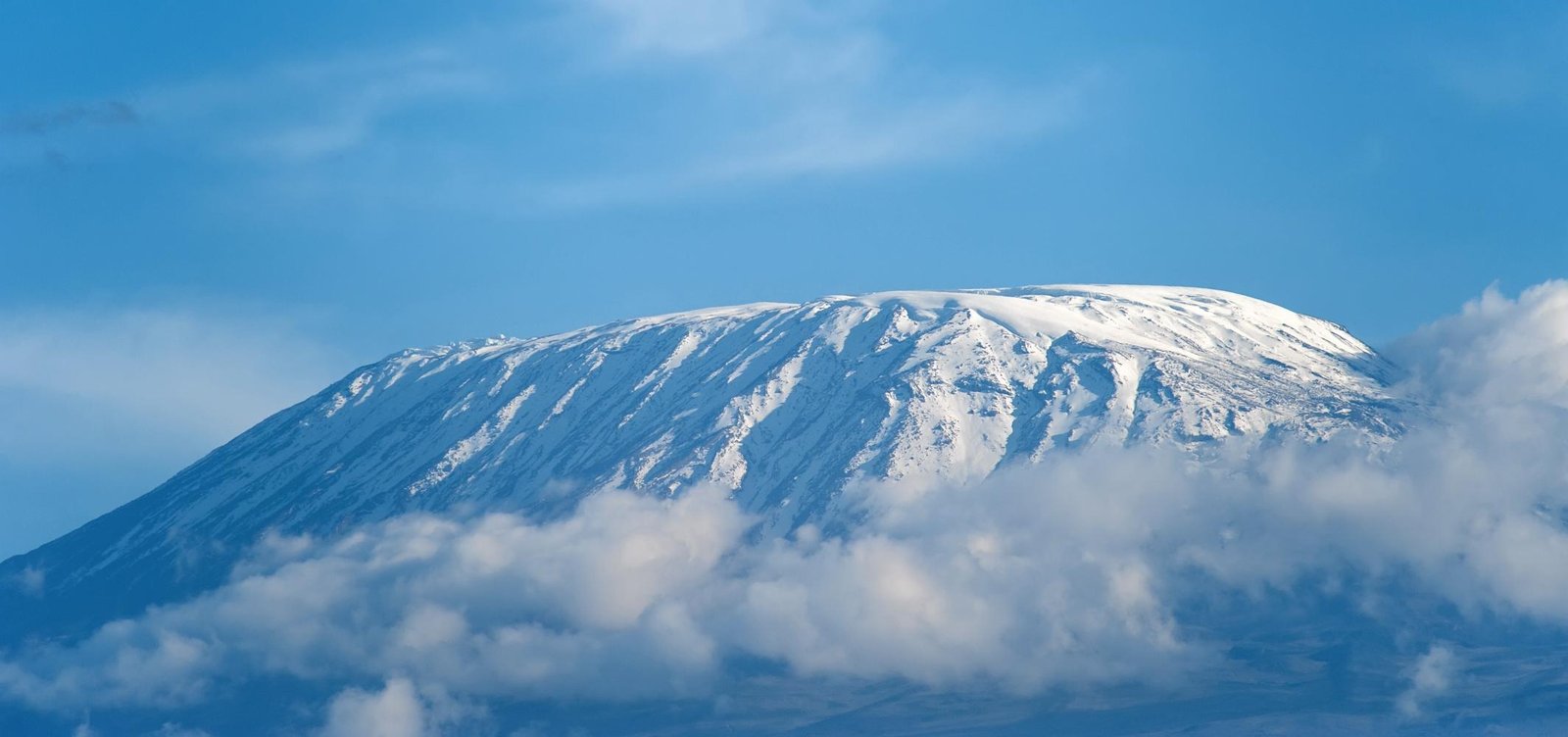
Kilimanjaro Climbing Packages: The Best Prices With Local Guides – 10 Clever Ways to Save Without Taking a Chance in 2026, 2027 & 2028;Mount Kilimanjaro is more than just a mountain. It is one of Africa’s most recognizable natural landmarks and an unforgettable challenge for travelers who dream of standing on the highest point in Africa.
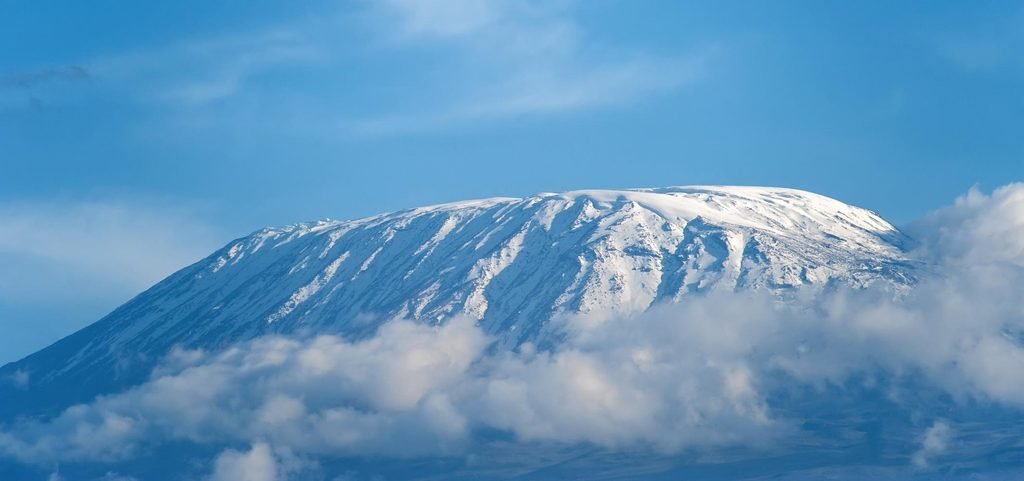
At 5,895 metres (19,341 feet), Kilimanjaro is Africa’s highest mountain and the world’s highest free-standing mountain. The mountain rises dramatically above northern Tanzania and offers an extraordinary journey through several climatic zones, from tropical forest to alpine and Arctic-like environments.
If you are planning a Kilimanjaro climb in 2026, 2027 or 2028, one of the biggest questions is usually:
How can I find an affordable Kilimanjaro climbing package without sacrificing safety, experienced guides, proper equipment or a responsible trekking experience?
The answer is not simply to choose the cheapest quotation.
A very low price can sometimes mean that important services have been reduced, while a higher price does not automatically guarantee a better experience. The smarter approach is to understand what you are paying for, compare packages carefully and work with a properly licensed local operator.
This guide explains 10 clever ways to save money on your Kilimanjaro climb without taking unnecessary risks, while also explaining the main routes, package options, costs and preparation involved.
Why Climb Mount Kilimanjaro?
Kilimanjaro is attractive because it offers a unique combination of accessibility, scenery and adventure.
Unlike many major high-altitude mountains, Kilimanjaro does not require technical mountaineering skills for the standard trekking routes. However, reaching the summit is still physically demanding, particularly because altitude becomes the major challenge as you approach Uhuru Peak.
The journey takes you through dramatically different environments.
You can begin in lush rainforest, continue through moorland and alpine desert, and eventually reach the cold, rocky summit zone.
The mountain has six main trekking trails identified by TANAPA, with routes offering different scenery and challenges. TANAPA states that reaching Kibo can take approximately 5–8 days depending on the route, with longer itineraries generally providing more opportunity for acclimatization.
That makes choosing the right itinerary more important than simply choosing the shortest one.
What Is a Kilimanjaro Climbing Package?
A Kilimanjaro package normally combines the services required for your trek into one organized trip.
Depending on the company and package, this may include:
- Mountain park fees
- Professional mountain guides
- Porters
- Cook and kitchen crew
- Accommodation before and after the climb
- Mountain camping equipment
- Meals during the trek
- Drinking water
- Airport or hotel transfers
- Transportation to and from the mountain gate
- Rescue-related arrangements
- Government taxes
- Pre-climb briefing
TANAPA confirms that mountain climbs must be organized through licensed operators and that guide and porter services are arranged through licensed tour operators. Solo trekking is not permitted.
Therefore, when comparing prices, you should first determine exactly what each company includes.
The Main Kilimanjaro Routes
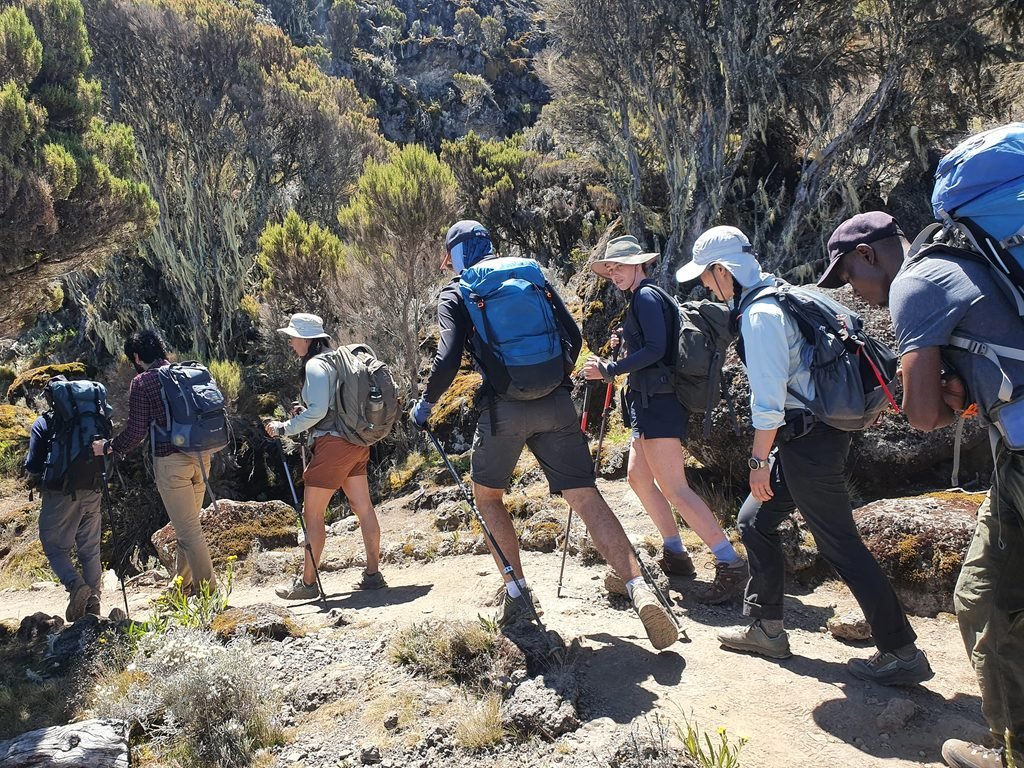
Choosing a route is one of the most important decisions you will make.
1. Marangu Route
The Marangu Route is one of the best-known Kilimanjaro routes.
It is sometimes called the “Coca-Cola Route” because of its long-standing popularity and hut accommodation.
Unlike most other routes, where trekkers sleep in tents, Marangu provides mountain huts at designated overnight points.
This can make it attractive to travelers who prefer hut accommodation.
However, the shorter versions of the route allow less time for acclimatization, so travelers should consider the duration carefully.
2. Machame Route
Machame is one of the most popular routes for travelers looking for scenic variety.
The trail passes through forests, moorland and higher alpine environments, with changing landscapes throughout the climb.
Because camping is used, the route provides a more traditional mountain trekking experience.
A longer Machame itinerary can also provide additional acclimatization time.
3. Lemosho Route
Lemosho is a popular option for trekkers who want a longer approach and additional time on the mountain.
It offers beautiful scenery and can be suitable for travelers who prefer a more gradual itinerary.
The extra days can also be useful for acclimatization.
For many travelers, the additional time is more valuable than trying to save money by choosing the shortest possible climb.
4. Rongai Route
Rongai approaches Kilimanjaro from the northern side.
The route provides a different perspective of the mountain and can be attractive to trekkers looking for a less conventional approach.
It is also useful for travelers interested in combining their mountain adventure with other northern Tanzania experiences.
5. Northern Circuit
The Northern Circuit is one of the longer Kilimanjaro itineraries.
Its major advantage is the amount of time spent on the mountain.
For travelers who have enough time, a longer itinerary can allow a more gradual ascent and broader exploration of Kilimanjaro.
6. Umbwe Route
Umbwe is known for a steeper and more demanding approach.
It is generally more appropriate for experienced trekkers who understand the physical demands involved.
Travelers choosing this route should discuss their previous trekking experience and acclimatization needs with a qualified guide before booking.
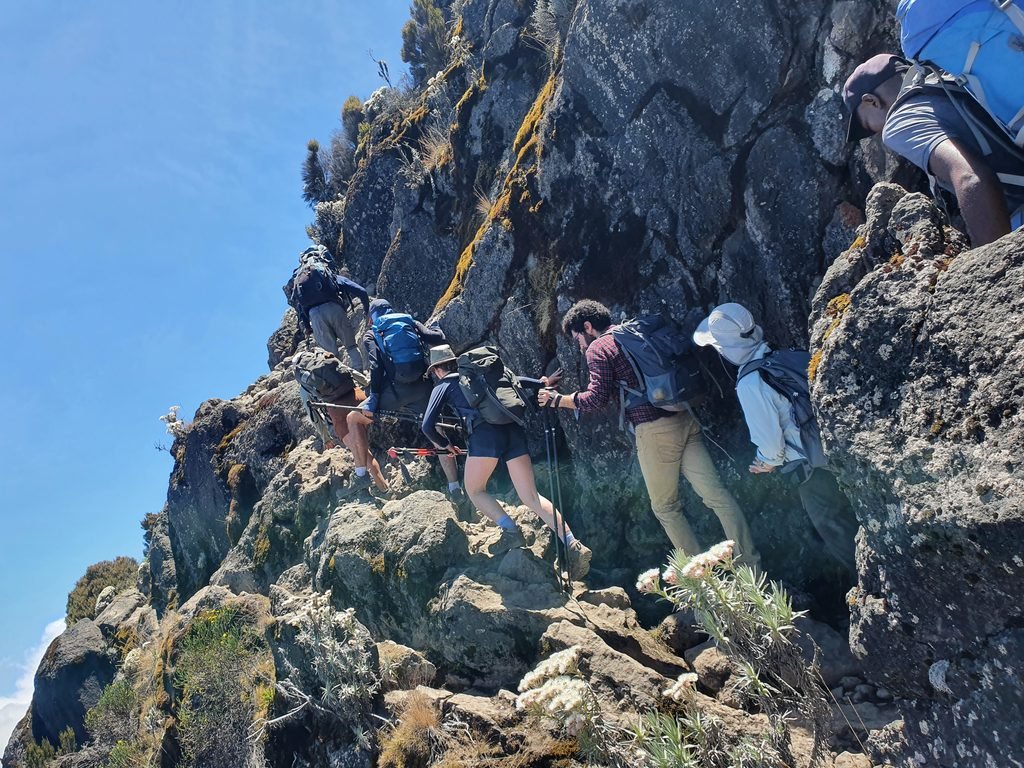
10 Clever Ways to Save Money on a Kilimanjaro Climb Without Taking a Chance
Saving money does not mean cutting corners.
The goal should be to remove unnecessary expenses while keeping the things that matter for safety, comfort and a successful trek.
1. Choose the Right Route Instead of Automatically Choosing the Cheapest Route
The shortest route may look attractive because the initial price is lower.
However, a shorter itinerary means fewer days on the mountain.
When comparing packages, consider the relationship between:
Price , duration , acclimatization , services And route quality.
A slightly longer itinerary may cost more but can provide more time for gradual ascent.
TANAPA specifically advises climbers to choose an itinerary with acclimatization days and to ascend slowly.
The cheapest package is therefore not necessarily the most economical choice if the itinerary is poorly suited to you.
2. Travel During Shoulder or Less Busy Periods
Peak travel periods can increase demand for accommodation and trekking services.
If your schedule is flexible, ask your local operator about dates outside the busiest periods.
You should not select dates purely based on price, however.
Weather conditions, trail conditions and your personal preferences should also be considered.
A reputable operator should explain the advantages and disadvantages of different travel periods rather than simply offering the cheapest available date.
3. Join a Group Climb
Private climbs offer greater flexibility, but group climbs can reduce the cost per person.
For budget-conscious travelers, a small group can be an excellent way to share certain operational costs.
You can still receive professional guiding while avoiding some of the expenses associated with organizing an entirely private expedition.
Before booking, ask:
- How many climbers will be in the group?
- Is the group guaranteed?
- What route will be used?
- How many guides and porters are provided?
- Is the itinerary fixed?
Understanding the group arrangement helps prevent unpleasant surprises.
4. Book Directly With a Local Tanzania Operator
Booking directly with a reputable local operator can sometimes reduce intermediary costs.
It also gives you the opportunity to communicate directly with the team organizing your climb.
A local company based in Tanzania can understand the mountain environment, local logistics, route conditions and operational requirements.
However, “local” should not simply mean a company claiming to be local online.
Always verify that the operator is properly registered and licensed.
TANAPA recommends using reputable registered local tour operators employing trained guides with strong experience and knowledge of current mountain conditions.
5. Compare What Is Actually Included
Never compare Kilimanjaro prices using the final number alone.
Two companies may quote different prices because their packages include different services.
For example:
Company A
$2,000
But excludes several major costs.
Company B
$2,500
But includes accommodation, transfers, park-related fees, meals and additional services.
The second package may not actually be more expensive once everything is calculated.
Ask every operator for an itemized quotation.
6. Avoid Cutting Essential Safety Services
This is one area where saving money can become dangerous.
Do not attempt to reduce costs by removing professional guiding, proper food, appropriate mountain equipment, required park fees or essential support staff.
TANAPA requires Kilimanjaro climbs to be guided by licensed operators, and the park’s visitor guidance emphasizes gradual ascent, hydration, proper clothing and reporting altitude symptoms promptly.
Your budget should reduce unnecessary expenses—not the essential components of a safe climb.
7. Rent Equipment Instead of Buying Everything
You do not necessarily need to purchase an entirely new mountain wardrobe for one Kilimanjaro climb.
Depending on the operator, some equipment can be rented locally.
Potential rental items may include:
- Sleeping bags
- Trekking poles
- Warm jackets
- Down jackets
- Headlamps
- Waterproof clothing
- Other trekking equipment
Before buying expensive equipment, ask your operator what is available for hire.
However, personal items such as properly fitted hiking boots should ideally be tested well before your climb.
8. Pack Smart
Overpacking can increase your costs and make the trek less comfortable.
A well-organized packing list can help you avoid purchasing unnecessary items in Tanzania.
Essential categories include:
Clothing
- Moisture-wicking base layers
- Warm layers
- Waterproof jacket
- Trekking trousers
- Warm hat
- Gloves
- Socks
Equipment
- Headlamp
- Water bottles or hydration system
- Trekking poles
- Sunglasses
- Backpack
- Sleeping bag if required
Personal Items
- Sunscreen
- Personal medication
- Toiletries
- Small first-aid supplies
- Important travel documents
TANAPA’s visitor guidance specifically recommends cold-weather and rain gear, a headlamp, hydration and personal medication for Kilimanjaro.
9. Combine Kilimanjaro With Other Tanzania Experiences
If you are already traveling to Tanzania, combining experiences can sometimes make your overall trip more efficient.
For example:
Kilimanjaro And Safari
or
Kilimanjaro And Zanzibar
or
Kilimanjaro , Safari And Zanzibar
You may be able to coordinate airport transfers, accommodation and domestic travel more efficiently when the entire trip is planned together.
For example, after completing a Kilimanjaro climb, you could continue to a northern Tanzania safari before flying to Zanzibar for a beach holiday.
This creates a complete Tanzania adventure without needing to organize separate trips.
10. Ask About the Package Before Paying a Deposit
Before you make your final booking, request a written itinerary.
Your quotation should clearly state:
- Route
- Number of days
- Accommodation
- Meals
- Park fees
- Guide services
- Porter services
- Transfers
- Equipment
- Pre- and post-climb accommodation
- Taxes
- Exclusions
- Cancellation conditions
- Payment schedule
Also ask whether prices can change because of government fee adjustments.
TANAPA notes that park tariffs apply according to visitor category and that applicable fees can change, so travelers should confirm the current tariff before travel.
Understanding Kilimanjaro Climbing Costs
There is no universal Kilimanjaro price.
The total cost depends on several factors.
Route Duration
A longer climb generally requires more:
- Park fees
- Food
- Staff days
- Camping nights
- Logistics
Therefore, an eight-day climb will normally have a different price from a five-day climb.
Accommodation
Some packages include hotel accommodation before and after the trek.
Others may provide only the mountain portion.
Group Size
Private groups and small groups can have different per-person costs.
Season
Demand can influence accommodation and operational costs.
Equipment
If you need equipment rental, that may add to the final price.
Safari Add-ons
Adding a safari or Zanzibar holiday naturally increases the total trip budget.
Example Kilimanjaro Package Options for 2026–2028
Below are examples of how a tour company can structure its packages.
| Package | Duration | Suitable For |
|---|---|---|
| Marangu Route | 6 Days | Trekkers who prefer hut accommodation |
| Machame Route | 7 Days | Travelers seeking scenic trekking |
| Lemosho Route | 8 Days | Trekkers wanting more acclimatization time |
| Rongai Route | 7 Days | Travelers wanting the northern approach |
| Northern Circuit | 9–10 Days | Trekkers wanting a longer itinerary |
| Kilimanjaro And Safari | 10–14+ Days | Mountain and wildlife travelers |
| Kilimanjaro And Zanzibar | 10–14+ Days | Adventure and beach travelers |
These are itinerary examples rather than fixed prices. The final quotation should be based on your exact travel dates, group size, route, accommodation and included services.
Why Longer Climbs Can Be Worth the Extra Cost
When people search for the cheapest Kilimanjaro climb, they often focus on the number of days.
But the number of days is important for another reason: acclimatization.
At high altitude, your body needs time to adjust to reduced oxygen availability.
TANAPA advises climbers to ascend slowly, choose itineraries with acclimatization days and report symptoms to their guides.
This is why an additional day on the mountain should not automatically be viewed as an unnecessary expense.
For some travelers, the extra time can make the trekking experience more manageable.
Preparing Physically for Kilimanjaro
You do not need to be an elite athlete to prepare for Kilimanjaro, but you should take the physical challenge seriously.
Start training several weeks or months before your climb.
Useful preparation can include:
- Long-distance walking
- Hiking
- Stair climbing
- Uphill walking
- Cardiovascular exercise
- Strength training
- Practice walks with a backpack
Try to become comfortable walking for several hours.
However, physical fitness does not eliminate altitude risk. Even fit people can experience altitude-related problems.
Your guide should monitor your condition throughout the trek.
Mental Preparation Matters Too
Kilimanjaro is not only a physical challenge.
The summit night can be particularly demanding because you may begin walking during the night in freezing conditions.
You may experience:
- Cold temperatures
- Tiredness
- Reduced appetite
- Headaches
- Slow walking
- Difficult terrain
- Emotional ups and downs
The key is to maintain a steady pace and listen to your guide.
The objective should not be to race to the summit.
It should be to climb safely and responsibly.
What Does a Typical Kilimanjaro Day Look Like?
A normal trekking day may begin with breakfast followed by several hours of hiking.
Your guide will normally establish the walking pace according to the group.
A typical day can involve:
Morning
Wake up, breakfast and prepare your daypack.
Morning Trek
Walk toward the next camp.
Lunch
Take a break and eat lunch.
Afternoon
Continue hiking toward the day’s destination.
Evening
Arrive at camp, rest, eat dinner and prepare for the next day.
The summit day is different.
Trekkers usually begin the summit attempt during the night, depending on the itinerary and conditions.
What Makes a Good Local Kilimanjaro Guide?
A good guide contributes enormously to the trekking experience.
Look for guides who demonstrate:
- Mountain experience
- Strong communication
- Knowledge of the route
- Awareness of altitude risks
- Good leadership
- Respect for the environment
- Emergency preparedness
- Respectful treatment of the support team
Your guide should not simply lead you from one camp to another.
They should help you understand the mountain and recognize when your body is struggling.
Responsible Treatment of Porters
Porters are an important part of many Kilimanjaro expeditions.
They transport equipment, food and camping supplies and support the operation of the trek.
When comparing packages, ask how the company manages its mountain crew.
A responsible operator should have clear systems for staff welfare, appropriate equipment and fair working practices.
Saving money should never mean transferring unreasonable costs or risks to mountain workers.
Kilimanjaro Safety: What Every Traveler Should Know
Altitude is one of the most important challenges on Kilimanjaro.
You should understand that altitude sickness can affect people regardless of their fitness level or previous hiking experience.
Follow your guide’s instructions.
Important principles include:
- Ascend gradually
- Drink sufficient fluids
- Walk slowly
- Eat regularly
- Tell your guide if you feel unwell
- Follow the planned acclimatization schedule
- Do not hide symptoms to reach the summit
TANAPA advises climbers to ascend slowly, stay hydrated and report symptoms promptly.
The mountain can also experience rapidly changing weather, so appropriate clothing and preparation are essential.
When Should You Book Your Kilimanjaro Climb?
For 2026–2028 travel, early planning can be useful, particularly if you have fixed travel dates.
Early booking can help you secure:
- Preferred route
- Preferred travel dates
- Hotel accommodation
- Airport transfers
- Private guide arrangements
- Group departures
- Safari extensions
- Zanzibar extensions
It also gives you enough time to prepare physically and organize your equipment.
Kilimanjaro and Safari: The Perfect Tanzania Combination
One of the most rewarding ways to extend your mountain adventure is to add a safari.
After spending days climbing through forests, moorlands and alpine landscapes, you can travel into Tanzania’s national parks.
A possible itinerary could include:
Day 1: Arrival in Tanzania
Days 2–8: Kilimanjaro climb
Day 9: Rest day
Days 10–12: Safari
Day 13: Departure or Zanzibar extension
The exact itinerary depends on your flight schedule and preferences.
Kilimanjaro and Zanzibar
If you prefer beaches after your climb, Zanzibar is an excellent extension.
After completing the trek, you can fly from northern Tanzania toward Zanzibar and spend several days relaxing beside the Indian Ocean.
A typical combination might include:
7–8 Days Kilimanjaro
4–5 Days Zanzibar
This allows you to combine physical adventure with relaxation.
Why Choose Eko Tanzania Adventures for Your Kilimanjaro Journey?
Planning a Kilimanjaro climb requires more than simply finding a low price.
You need an organized itinerary, experienced mountain staff, appropriate logistics and a clear understanding of what is included.
Eko Tanzania Adventures can help travelers plan Kilimanjaro climbs around their preferred route, duration, group size and travel dates.
Possible services can include:
- Kilimanjaro climbing packages
- Private climbs
- Group climbs
- Marangu Route
- Machame Route
- Lemosho Route
- Rongai Route
- Northern Circuit
- Airport transfers
- Pre- and post-climb accommodation
- Safari extensions
- Zanzibar extensions
The goal should be to create a package that provides clear value rather than simply advertising the lowest number.
When requesting a quotation, tell Eko Tanzania Adventures:
- Your preferred travel dates
- Number of travelers
- Preferred route
- Number of climbing days
- Accommodation preference
- Whether you want a private or group climb
- Whether you want to add a safari or Zanzibar
This allows the itinerary and quotation to be prepared around your actual needs.
Frequently Asked Questions About Kilimanjaro Climbing Packages
How much does it cost to climb Kilimanjaro?
The price varies according to route, number of days, group size, accommodation, season and included services. A reliable quotation should show the individual components rather than presenting an unexplained low price.
What is the cheapest Kilimanjaro route?
The answer depends on the specific package and current fees. Shorter itineraries often cost less because they require fewer days of guiding, accommodation, food and park-related services. However, route duration should also be considered from an acclimatization perspective.
Is Kilimanjaro safe?
Kilimanjaro is a serious high-altitude trek. Safety depends on proper preparation, gradual ascent, appropriate equipment, professional guiding and responding promptly to altitude-related symptoms.
Do I need a guide?
Yes. TANAPA states that all Kilimanjaro climbs must be guided by a licensed operator and that solo trekking is not permitted.
Can beginners climb Kilimanjaro?
Yes, many first-time mountain trekkers attempt Kilimanjaro. However, beginners should choose an itinerary carefully, prepare physically and allow adequate time for acclimatization.
Can I combine Kilimanjaro with a safari?
Yes. Kilimanjaro can be combined with northern Tanzania safari destinations such as Tarangire, Ngorongoro and Serengeti.
Can I combine Kilimanjaro with Zanzibar?
Yes. Zanzibar can be added before or after your mountain trek depending on your international and domestic flight schedule.
When should I book?
If you have fixed dates, early planning is useful, especially for popular travel periods. It also gives you enough time to train and prepare your equipment.
Final Thoughts: Save Money Without Sacrificing the Mountain Experience
Finding an affordable Kilimanjaro package does not mean choosing the cheapest advertisement you can find.
The smarter strategy is to understand what your money is paying for.
Compare the route.
Compare the number of days.
Compare the accommodation.
Compare park and government-related fees.
Compare guide and porter services.
Compare transfers and meals.
And most importantly, compare the safety and operational standards behind the price.
A good Kilimanjaro package should give you clear pricing, professional guidance, appropriate logistics and a realistic itinerary.
For travelers planning in 2026, 2027 or 2028, the mountain offers an extraordinary opportunity to experience one of Africa’s greatest natural landmarks.
Choose your route carefully, prepare properly, work with a licensed local operator and give yourself enough time to acclimatize.
You do not need to spend unnecessarily to have an incredible Kilimanjaro adventure.
But you should never save money by compromising the things that keep you safe.
The smartest Kilimanjaro deal is not necessarily the cheapest one—it is the package that gives you transparent value, experienced local support and a properly planned route for your adventure.
Ready to start planning? Contact Eko Tanzania Adventures with your preferred dates, group size and Kilimanjaro route, and request a detailed package quotation for your 2026, 2027 or 2028 climb.