Tanzania Safari Packing List: The Complete Guide for All Travelers in 2026 and 2027;A safari in Tanzania is one of those journeys where the right packing list can make a surprisingly big difference. You may spend your mornings watching elephants beneath baobab trees, your afternoons driving across the Serengeti, and your evenings relaxing at a lodge or tented camp. You might also combine your safari with a visit to a Maasai community, a Kilimanjaro adventure, or a few peaceful days on the beaches of Zanzibar.
The good news is that you do not need to bring your entire wardrobe. A well-planned Tanzania safari packing list is actually quite simple: comfortable clothing, protection from the sun and insects, reliable travel documents, personal essentials, and a few useful items that make long game drives more enjoyable.
Tanzania’s national parks can have different environments and micro-climates, so what you pack should depend on your itinerary, season, accommodation style, and activities. TANAPA specifically recommends lightweight clothing, a warm sweater or jacket for early-morning game drives, a sun hat, sunglasses and sunscreen. Its current trip-planning guidance also recommends neutral-colored clothing, a rain jacket, binoculars, insect repellent, basic first aid, a headlamp and a reusable water bottle.
This complete guide will help you prepare for your 2026 or 2027 Tanzania safari without overpacking.
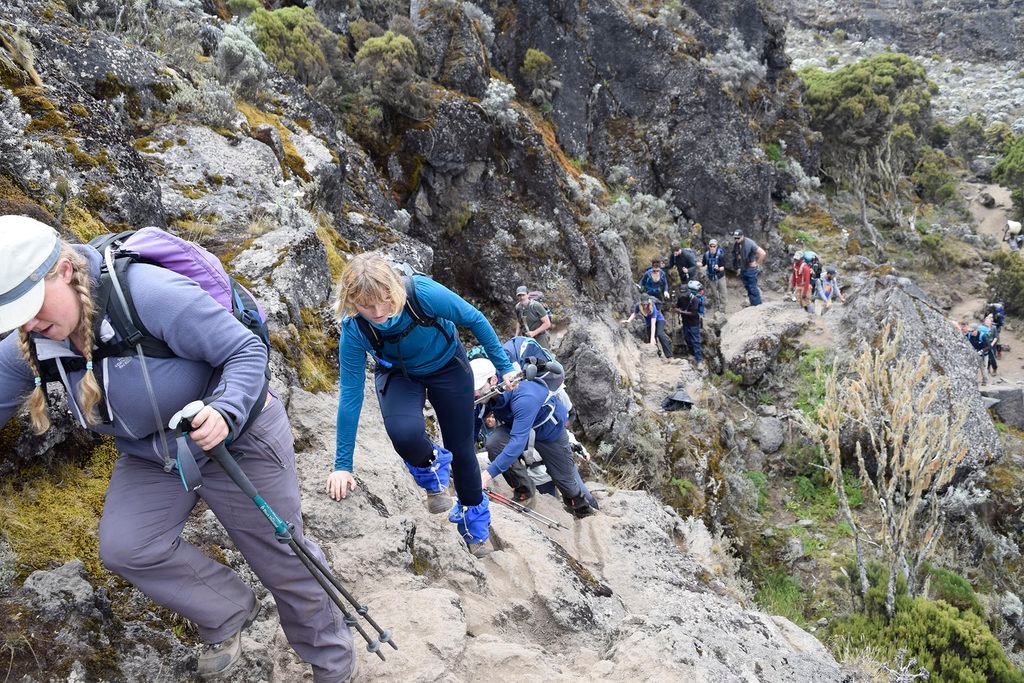
Why Packing Properly Matters on a Tanzania Safari For Tanzania Safari Packing List: The Complete Guide for All Travelers in 2026 and 2027
A Tanzania safari is different from an ordinary city holiday.
You may leave your hotel before sunrise, spend several hours in an open-roof safari vehicle, stop for a picnic lunch, and continue exploring until late afternoon. Temperatures can change considerably between early morning and midday.
You also need to think about dust, sun, occasional rain, insects and the practical limitations of safari vehicles and small aircraft.
The best approach is therefore to pack light, comfortable and practical.
Your clothing should allow you to layer rather than carrying separate outfits for every possible temperature. Your luggage should also be manageable, particularly if your itinerary includes domestic flights to remote safari destinations.
Tanzania National Parks Authority recommends checking weather, park conditions and travel arrangements when planning your trip, because conditions vary between destinations and seasons.
1. Essential Travel Documents
Before thinking about shoes and safari shirts, start with the documents that allow you to travel.
Your essential document checklist:
- Passport
- Visa or applicable entry authorization
- Flight tickets
- Safari booking confirmation
- Hotel and lodge confirmations
- Travel insurance documents
- Emergency contact information
- Copies of important documents
- Vaccination or health documentation where applicable
- Driving documents if you plan to drive
- Credit/debit cards
- Some cash
Keep your passport and other important documents somewhere secure but easily accessible.
It is also wise to keep digital copies of your passport, insurance policy and important reservations on your phone or in secure cloud storage.
TANAPA advises travelers to check current visa requirements with the appropriate Tanzanian authorities or their travel representative because requirements can vary according to nationality and travel circumstances.
2. What Clothes Should You Pack for a Tanzania Safari?
This is probably the question travelers ask most often.
The simple answer is: lightweight, comfortable and versatile clothing.
You don’t need a different outfit for every day.
A practical safari wardrobe could include:
- 4–6 lightweight T-shirts
- 2–3 long-sleeved shirts
- 2–3 pairs of lightweight trousers
- 1–2 pairs of shorts
- 1 lightweight fleece or sweater
- 1 warm jacket
- 1 lightweight rain jacket
- Comfortable underwear
- Socks
- Sleepwear
- Comfortable casual clothing for evenings
- Swimwear if your accommodation has a pool
Neutral and natural colors such as:
- Khaki
- Beige
- Brown
- Olive
- Grey
- Muted green
are particularly practical.
TANAPA’s current packing recommendations specifically mention neutral-colored clothing, while its travel guidance recommends lightweight, washable clothing together with a warm sweater or jacket for early morning game drives.
Why avoid very bright clothing?
Bright colors aren’t necessarily forbidden, but neutral colors are generally more practical in the bush because they don’t show dust as easily and blend naturally with the safari environment.
You also don’t need expensive specialist safari clothing to enjoy Tanzania.
A comfortable cotton or breathable technical shirt can work perfectly well.
3. Pack Layers for Early Morning Game Drives
One of the biggest packing mistakes first-time safari travelers make is preparing only for daytime heat.
Early mornings can feel surprisingly cool.Imagine leaving your lodge around 6:00 a.m. The sun has not fully warmed the landscape, and you’re sitting in a safari vehicle with the windows or roof open.
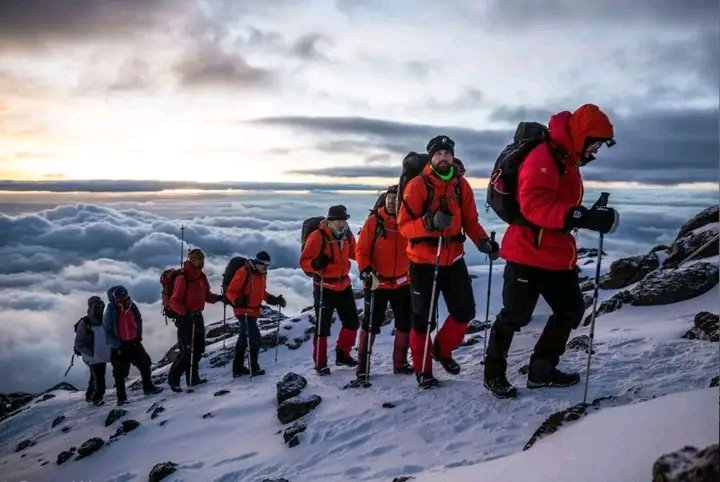
A light jacket or fleece can make the difference between enjoying the sunrise and spending the first hour wishing you had packed something warmer.A good layering system is:
T-shirt long-sleeved shirt fleece/light jacket
As the day becomes warmer, simply remove a layer and store it in your day bag.
4. Comfortable Shoes Are More Important Than Fancy Shoes
For a traditional game-drive safari, you usually don’t need heavy hiking boots.
A pair of comfortable walking shoes or trainers is normally sufficient for most lodge-based safari itineraries.
Pack:
- One pair of comfortable walking shoes
- One pair of sandals
- Optional lightweight hiking shoes for walking activities
If your safari includes walking safaris, forest hikes or other active excursions, sturdy shoes become more important.
For example, TANAPA recommends sturdy footwear for hiking activities such as those in Udzungwa Mountains National Park, together with water and rain protection.
My practical recommendation:Tanzania Safari Packing List: The Complete Guide for All Travelers in 2026 and 2027
Don’t bring five pairs of shoes.
One reliable walking shoe and one lightweight sandal will cover most ordinary safari situations.
5. Sun Protection Is Essential
Tanzania’s sun can be strong, especially during long days outdoors.
Your safari packing list should include:
- Wide-brimmed hat or safari hat
- Sunglasses
- High-SPF sunscreen
- Lip balm with SPF
- Lightweight long-sleeved shirt
- Reusable water bottle
A wide-brimmed hat is especially useful because it protects your face, neck and ears.
Sunglasses are also useful when you’re sitting in a moving safari vehicle, where wind and dust can make your eyes uncomfortable.
TANAPA specifically recommends sun protection and a reusable water bottle as part of its current trip-planning guidance.
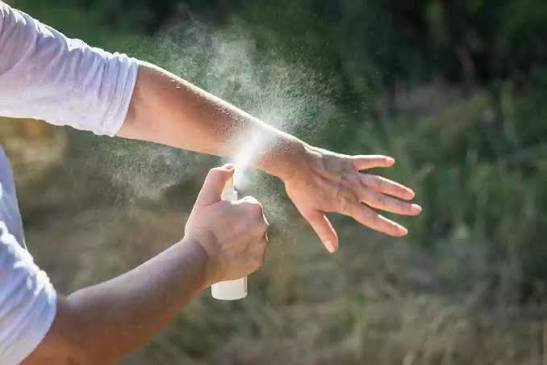
6. Insect Repellent Of Tanzania Safari Packing List: The Complete Guide for All Travelers in 2026 and 2027
Insect repellent should be part of every Tanzania safari packing list.
You may encounter mosquitoes, particularly around areas with water and during evening hours.
Pack:
- Insect repellent
- Long trousers
- Long-sleeved shirt
- Personal anti-itch treatment if you normally use one
TANAPA’s travel guidance recommends insect protection and notes that malaria is endemic in Tanzania; travelers should discuss malaria prevention with a qualified healthcare professional before travel.
You don’t need to panic about insects, but sensible precautions make your trip more comfortable.
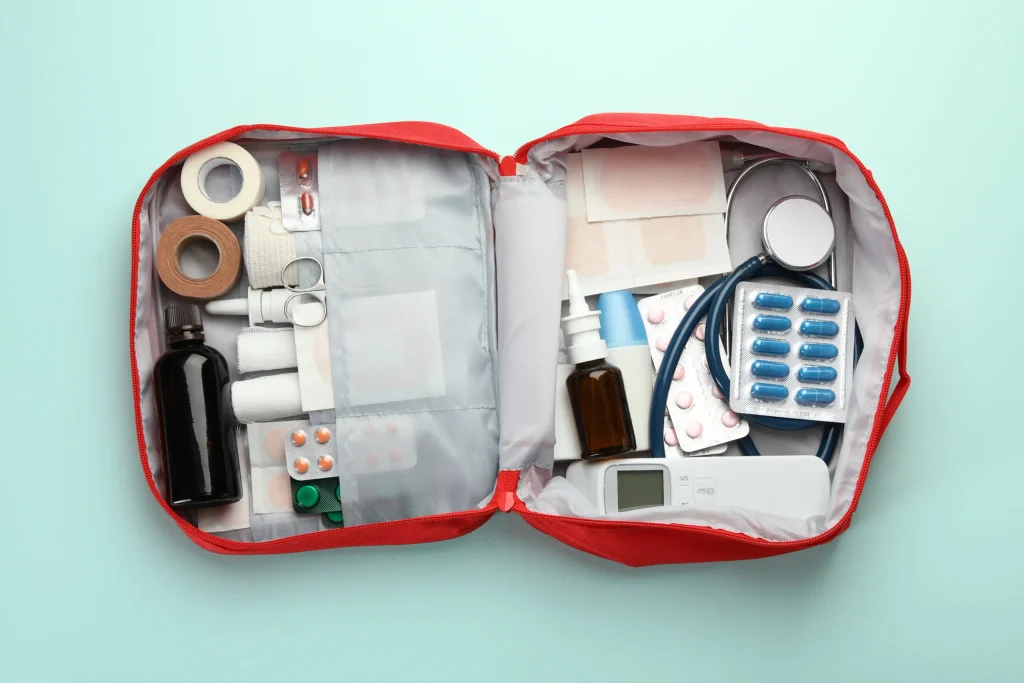
7. Personal Medication and First-Aid Supplies Of Tanzania Safari Packing List: The Complete Guide for All Travelers in 2026 and 2027
Always bring enough prescription medication for your entire trip, preferably with some extra supply in case of delays.
A small personal first-aid kit can include:
- Prescription medicines
- Pain relief medication
- Plasters
- Antiseptic wipes
- Blister treatment
- Motion-sickness medication if needed
- Oral rehydration supplies
- Personal toiletries
- Any medication recommended by your doctor
Do not rely entirely on finding your preferred brand in a remote safari destination.
If you take prescription medication, keep it in your hand luggage rather than placing it in checked luggage.
For vaccinations, malaria prevention and other medical preparations, speak with your doctor or travel-health professional before departure.
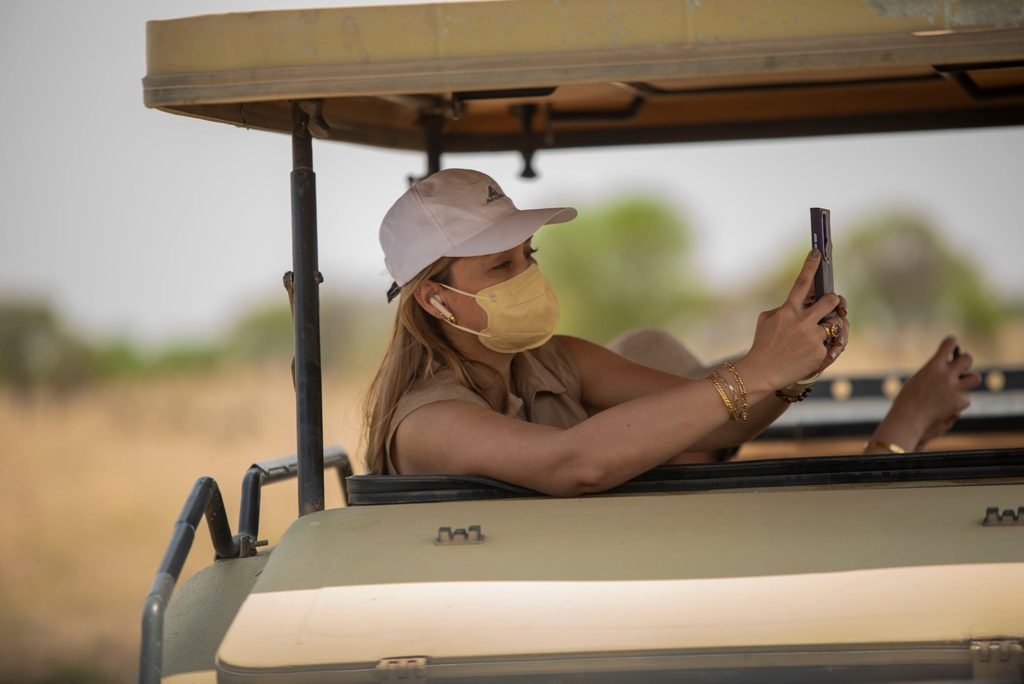
8. Camera and Photography Equipment In Tanzania Safari Packing List: The Complete Guide for All Travelers in 2026 and 2027
Tanzania is a photographer’s dream.
From lions resting under acacia trees to elephants crossing dusty plains and giraffes walking through golden grass, there will be countless moments you want to capture.
A useful photography packing list includes:
- Camera
- Telephoto lens
- Spare battery
- Spare memory cards
- Camera charger
- Lens cleaning cloth
- Camera bag
- Smartphone
- Power bank
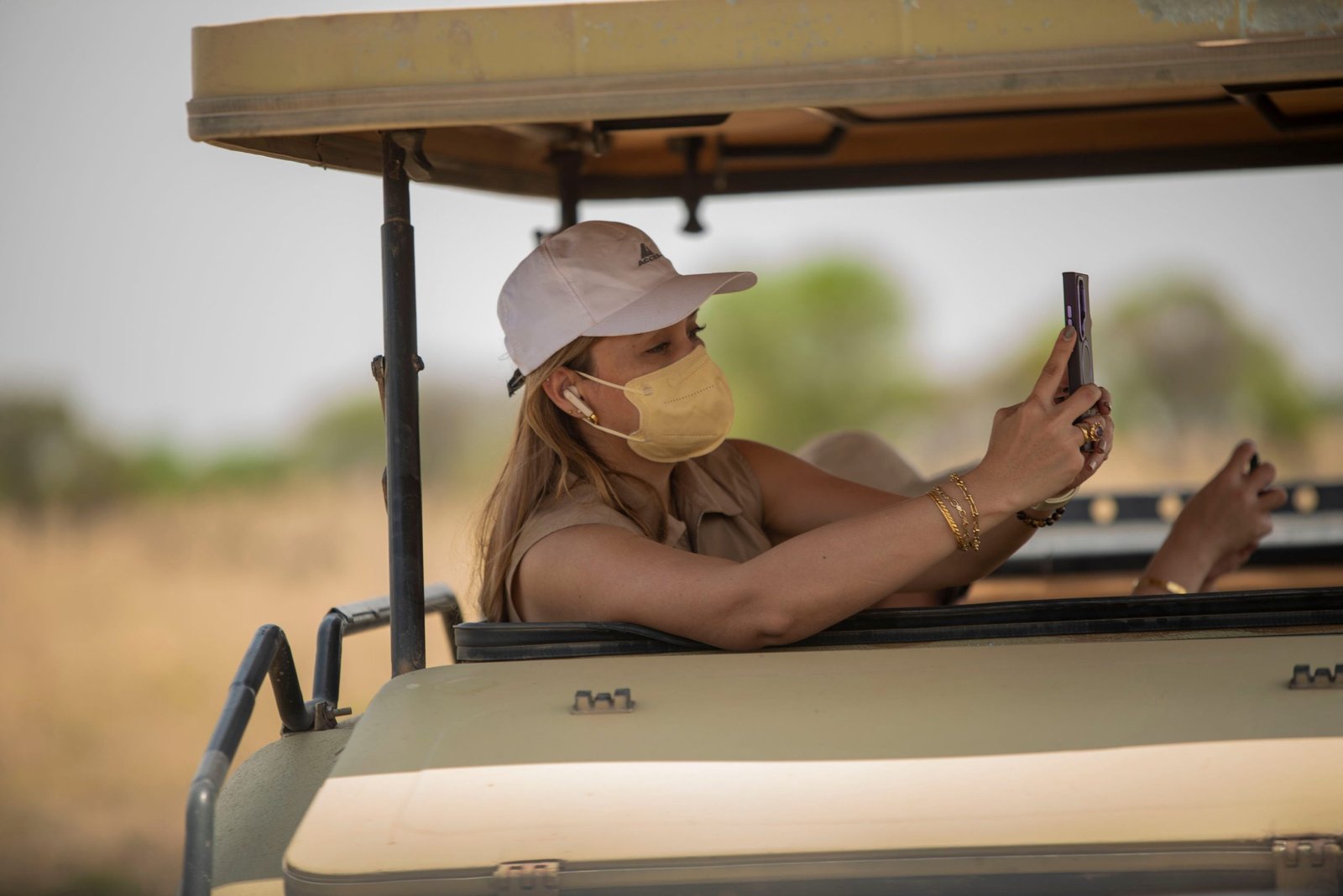
If you are using a smartphone, don’t underestimate it. Modern phones can take excellent landscape and wildlife photographs, especially when animals are relatively close.
However, serious wildlife photographers will appreciate a camera with a longer telephoto lens.
9. Bring Binoculars
If there is one safari accessory I would strongly recommend, it is binoculars.
A camera allows you to photograph wildlife.
Binoculars allow you to watch wildlife.
You can use them to observe:
- Birds
- Lions
- Leopards
- Elephants
- Giraffes
- Hippos
- Antelope
- Distant predators
- Wildlife on hillsides or across open plains
TANAPA specifically lists binoculars among recommended safari extras, and individual park guidance also highlights them as useful equipment.
10. Power Banks and Electronics
Electricity availability varies depending on your accommodation.
Lodges and hotels generally provide charging opportunities, but camps and remote properties can have more limited arrangements.
Bring:
- Phone charger
- Camera charger
- Power bank
- Universal travel adapter
- Extra charging cable
- Headphones
- Optional tablet/e-reader
A power bank is especially useful during long game drives.
There is nothing worse than seeing a leopard after hours of searching and discovering that your phone battery is at 3%.
11. What Kind of Luggage Should You Use?
For many safari trips, soft-sided luggage is more practical than a large hard-shell suitcase.
A good combination is:
Main bag
A soft duffel or flexible suitcase.
Day bag
A small backpack for daily game drives.
Your daypack can carry:
- Water
- Camera
- Binoculars
- Sunscreen
- Hat
- Sunglasses
- Snacks
- Light jacket
- Phone
- Power bank
If your itinerary involves small aircraft, check the luggage limits with your safari operator and airline before departure. Domestic safari flights can have stricter luggage restrictions than international flights.
12. Water Bottle and Hydration
Bring a reusable water bottle.
You will spend long periods outdoors, and staying hydrated is important.
A bottle that can be securely closed is ideal for dusty roads.
TANAPA recommends carrying sufficient water and a reusable bottle as part of safari preparation.
Your safari package may also provide drinking water, so check your itinerary before buying large quantities of bottled water.
13. What to Pack for Rainy Seasons
Tanzania has distinct seasonal patterns, but weather can vary by destination.
TANAPA currently describes June–October as the generally dry season, November–December as a period of short rains, and March–May as the long-rain period. It also notes that rainy-season tracks can become muddy.
If you’re traveling during wetter periods, add:
- Lightweight waterproof jacket
- Waterproof bag covers
- Dry bags
- Quick-drying clothes
- Waterproof phone pouch
- Extra socks
- Small travel umbrella, if useful for your itinerary
You don’t need to carry a heavy winter-style raincoat.
A lightweight waterproof shell is usually much easier to pack.
14. Packing for a Tanzania Safari With Children
Family safaris require a little more preparation.
For children, pack:
- Comfortable clothing
- Warm layer
- Sun hat
- Sunglasses
- Sunscreen
- Insect repellent suitable for the child’s age
- Comfortable shoes
- Favorite snacks
- Reusable water bottle
- Small entertainment items
- Any required medication
- Wet wipes
- Extra clothing
TANAPA notes that baby food, powdered milk and disposable nappies may not always be readily available outside major towns, so families traveling with babies should carry sufficient supplies.
A familiar snack can also be surprisingly valuable during a long game drive.
15. Packing for Luxury Safari Travelers
If you’re staying at luxury lodges, don’t assume you need formal clothing.
Safari luxury is generally about comfort rather than dressing formally.
Bring:
- Smart-casual evening clothing
- Comfortable trousers
- Polo shirts or blouses
- Lightweight dress
- Comfortable shoes
- Light jacket
- Swimwear
- Sunglasses
- Hat
Some luxury properties have beautiful swimming pools, outdoor dining areas and relaxing lounges, so having one comfortable outfit for evenings is useful.
You can look stylish without bringing a full suitcase of formal clothes.
16. Packing for Budget and Camping Safaris
If you’re joining a camping safari, your packing list should be slightly more practical.
Consider:
- Sleeping clothes
- Warm fleece
- Headlamp
- Extra socks
- Small quick-dry towel
- Personal toiletries
- Wet wipes
- Insect repellent
- Sleeping bag if your package does not provide one
- Small laundry bag
- Reusable bottle
A headlamp is particularly useful around campsites after dark. TANAPA also includes a headlamp or torch among recommended safari extras.
17. If You Are Combining Safari With Zanzibar
Many travelers combine a northern Tanzania safari with Zanzibar.
That means you should pack for two different environments.
For safari:
- Neutral clothing
- Closed shoes
- Jacket
- Hat
- Long trousers
- Binoculars
For Zanzibar:
- Swimwear
- Sandals
- Beachwear
- Lightweight shirts
- Sun protection
- Comfortable evening clothing
Remember that when visiting villages or cultural sites, respectful clothing is advisable. TANAPA’s travel guidance specifically notes that women may wish to carry a wrap for covering the legs in villages and towns.
18. What NOT to Pack
Overpacking is one of the easiest mistakes to make.
You probably don’t need:
- Multiple heavy jackets
- Several pairs of formal shoes
- Huge bottles of toiletries
- Excessive jewelry
- A different outfit for every day
- Heavy books
- Bulky equipment you won’t use
Instead, focus on items that serve more than one purpose.
For example, a lightweight long-sleeved shirt can protect you from sun, insects and cool morning temperatures.
19. The Perfect Tanzania Safari Packing Checklist
- Passport
- Visa/entry authorization
- Travel insurance
- Flight tickets
- Safari confirmation
- Accommodation confirmations
- Emergency contacts Copies of important documents
- Bank cards Cash
Here is a simple checklist you can save before your 2026 or 2027 trip.
Documents
Clothing
4–6 T-shirts
2–3 long-sleeved shirts
2–3 lightweight trousers
1–2 pairs of shorts
Fleece/sweater
Warm jacket
Rain jacket
Underwear
Socks
Sleepwear
Swimwear Comfortable evening clothes
Footwear
Walking shoes
Sandals Optional hiking shoes
Sun protection
Hat
Sunglasses
Sunscreen
SPF lip balm
Safari equipment
Binoculars
Camera
Spare batteries
Memory cards
Camera charger
Phone
Power bank
Health and personal care
Prescription medication
Basic first-aid kit
Insect repellent
Personal toiletries
Hand sanitizer
Wet wipes
Personal health supplies
Other useful items
Reusable water bottle
Small backpack
Headlamp/torch
Universal adapter
Waterproof bags
Small laundry bag
20. Tanzania Safari Packing by Season
June to October – Dry Season
This is generally one of the most popular periods for wildlife viewing.
Pack:
- Lightweight clothes
- Warm jacket
- Fleece
- Sun protection
- Comfortable shoes
- Insect repellent
- Camera and binoculars
Early mornings can be cool, so don’t make the mistake of packing only shorts and T-shirts.
TANAPA notes that dry-season conditions generally make wildlife easier to spot around water sources.
November to December – Short Rains
Pack your normal safari clothing plus:
- Light rain jacket
- Waterproof bag
- Quick-drying clothing
- Extra socks
The landscape can become greener and more vibrant, while some roads may become muddy.
January to February
This period can be warm and rewarding for wildlife and photography.
Prioritize:
- Light clothing
- Sun protection
- Water bottle
- Insect repellent
- Light jacket for mornings
March to May – Long Rains
Rain protection becomes more important.
Pack:
- Waterproof jacket
- Waterproof bags
- Quick-drying clothing
- Extra socks
- Comfortable shoes with good grip
- Insect repellent
TANAPA describes this period as the long-rain season, with lush scenery and potentially more challenging road conditions.
21. The Best Packing Strategy: Pack Light
The secret to a successful Tanzania safari is not having more things.
It is having the right things.
Choose clothes that you can mix and match. Use layers. Keep your daypack small. Protect your camera equipment. Carry enough personal medication. Don’t forget sun protection.
Most importantly, leave some space in your luggage.
You may want to bring home photographs, handmade crafts, fabrics or other memorable items from Tanzania.
22. Final Tanzania Safari Packing Advice for 2026 and 2027
Tanzania Safari Packing List: The Complete Guide for All Travelers in 2026 and 2027; Your Tanzania safari should feel like an adventure, not a battle with your luggage.
Whether your itinerary takes you through Tarangire, Serengeti, Ngorongoro, Lake Manyara, Ruaha, Nyerere or another Tanzanian destination, the same basic principle applies: dress comfortably, prepare for changing temperatures, protect yourself from the sun and insects, and bring equipment that genuinely adds value to your experience.
TANAPA’s current planning guidance emphasizes checking the season and destination because Tanzania contains different environments and micro-climates. It also recommends practical essentials such as water, sun protection, neutral clothing, rain protection, binoculars, insect repellent, first aid and a torch.
Most travelers will be perfectly comfortable with a compact, carefully selected wardrobe rather than a huge suitcase.