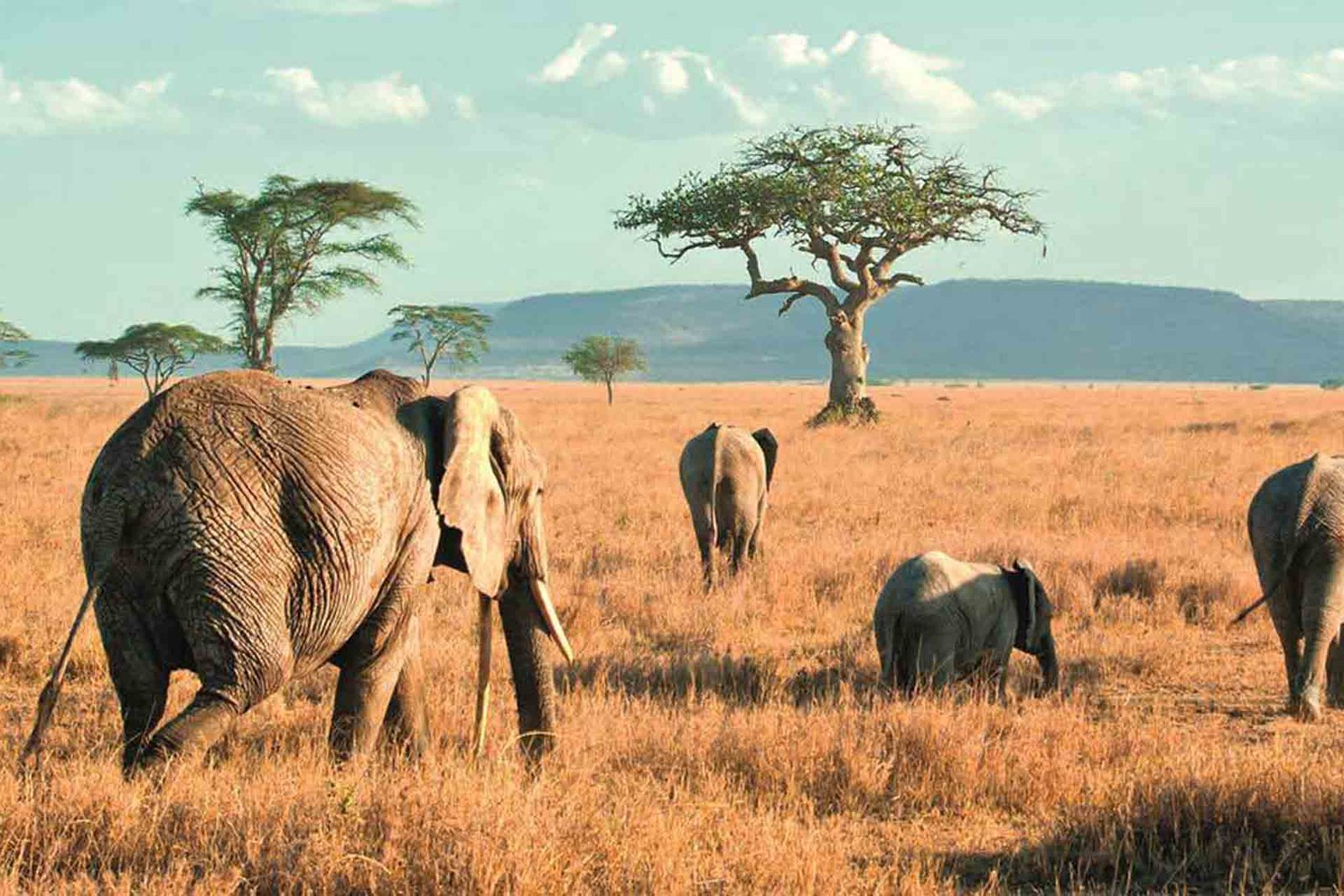
Tarangire National Park is one of northern Tanzania’s most rewarding safari destinations. It is known for large elephant herds, ancient baobab trees, seasonal wildlife concentrations, open savannah, riverine forest, and a quieter atmosphere than some of Tanzania’s more famous parks.
For travellers planning a Tanzania safari, Tarangire is often the perfect first or final park on the northern circuit. It is close enough to Arusha for a one-day safari, but it is rich enough to deserve at least one overnight stay. The park offers a very different feeling from Serengeti National Park: more woodland, more baobabs, more intimate wildlife encounters, and a landscape shaped by the Tarangire River.
The Tanzania National Parks Authority describes Tarangire as an elephant heartland with baobab landscapes, river and swamp habitats, and strong dry-season wildlife viewing.
This guide by EKO Tanzania Adventures explains why Tarangire National Park is special, the animals you may see, the best time to visit, how to get there, where to stay, and how to include it in your Tanzania safari itinerary.
Why visit Tarangire National Park?
Tarangire National Park may not have the same name recognition as Serengeti or Ngorongoro, but it is one of the strongest wildlife parks in northern Tanzania.
It is especially famous for:
- Large elephant families
- Giant baobab trees
- The Tarangire River
- Seasonal wildlife concentrations
- Lions, leopards, cheetahs, hyenas, and buffaloes
- Excellent birdwatching
- Scenic game drives
- Less crowded safari areas
- Walking safari opportunities with authorised rangers
- Night game drives where available and arranged correctly
- Easy access from Arusha
The park covers approximately 2,850 square kilometres and takes its name from the Tarangire River, which plays a major role in supporting wildlife, especially during drier months.
Tarangire is an excellent choice for first-time safari travellers, families, photographers, birdwatchers, couples, and anyone who wants to see another side of northern Tanzania beyond the Serengeti plains.
Where is Tarangire National Park?
Tarangire National Park is located in northern Tanzania, south-east of Lake Manyara and within reach of Arusha. It is part of Tanzania’s famous northern safari circuit.
The park is commonly combined with:
- Lake Manyara National Park
- Ngorongoro Conservation Area
- Ngorongoro Crater
- Serengeti National Park
- Arusha National Park
- Mto wa Mbu cultural tours
- Lake Natron on longer itineraries
The drive from Arusha to Tarangire usually takes around 2.5 to 3 hours, depending on traffic, road conditions, and the gate used.
Most travellers arrive in Tanzania through Kilimanjaro International Airport, then spend their first night in Arusha before starting their safari. Tarangire is often the first major wildlife park visited on a classic northern Tanzania safari itinerary.
Tarangire elephants: the park’s biggest attraction
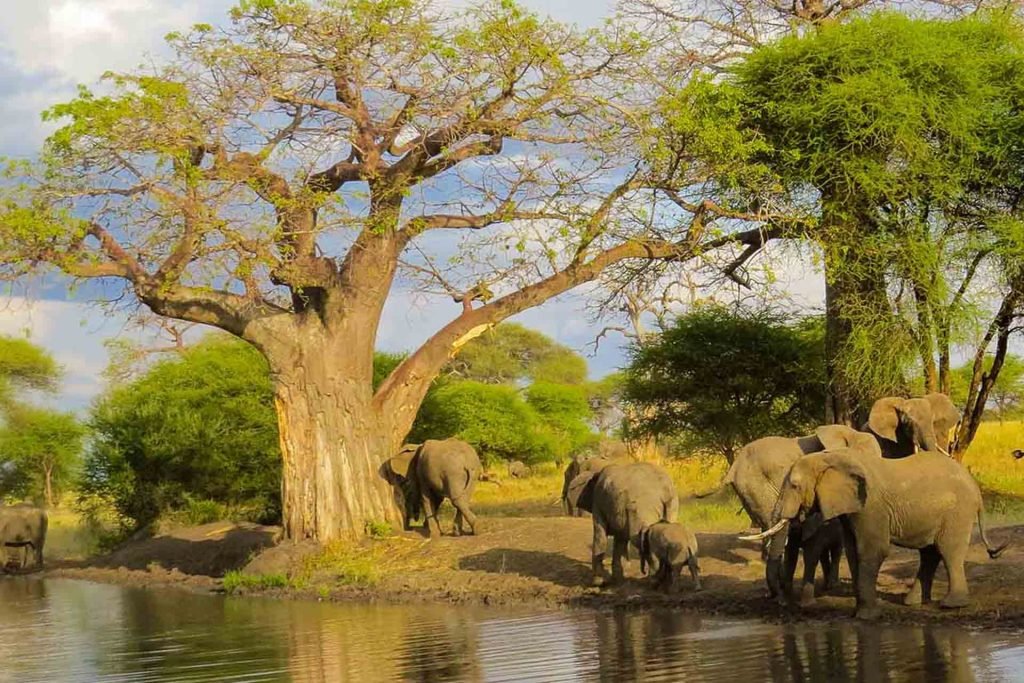
Tarangire is widely known as one of Tanzania’s best places to see elephants. During the dry season, large family groups gather around water sources and move through the baobab-dotted landscape.
You may see:
- Adult females leading family groups
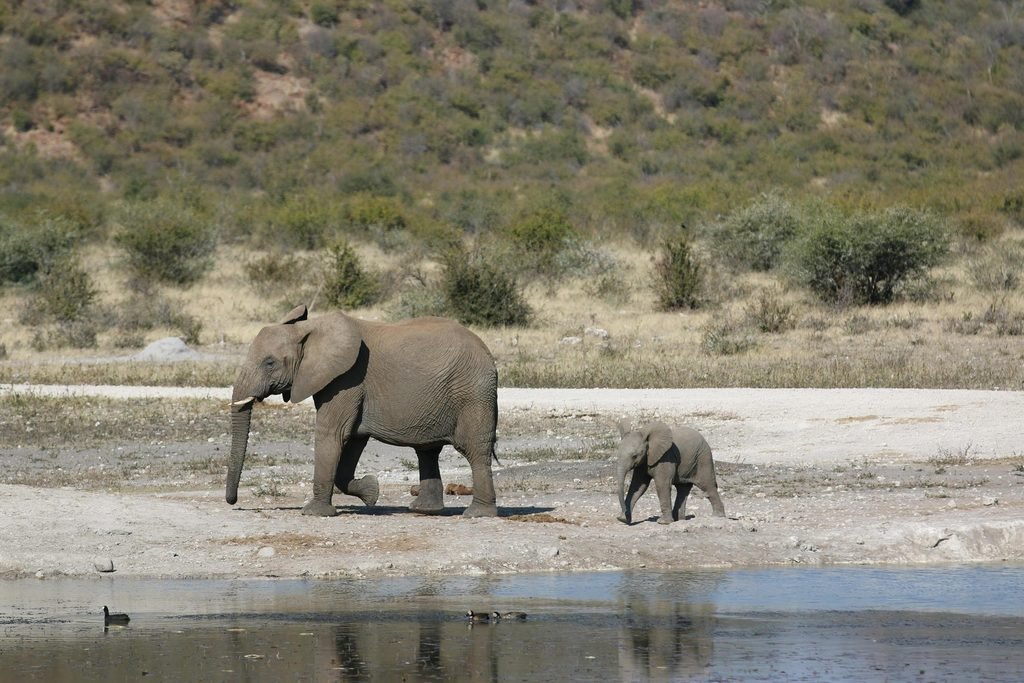
- Young elephants playing near water
- Large bulls moving alone or in smaller groups
- Herds feeding in woodland
- Elephants crossing tracks in front of the safari vehicle
- Families drinking along the river or near seasonal wetlands
Elephants are powerful wild animals, and your guide will always keep a respectful distance. The best sightings happen when animals are allowed to behave naturally without pressure from vehicles.
The official Tarangire National Park page highlights the park’s major elephant concentration and identifies its elephant and baobab scenery as a signature attraction.
The Tarangire River and seasonal wildlife
The Tarangire River is one of the most important features of the park. During dry periods, water becomes scarce in the surrounding landscape, and many animals move toward the river and nearby wetlands.
This seasonal movement can create excellent wildlife viewing. Elephants, buffaloes, wildebeest, zebra, gazelles, giraffes, and many bird species may be found closer to the river system and the Silale Swamp area.
The exact wildlife distribution changes with rainfall. In wetter months, animals may spread into wider areas beyond the river. In drier months, they often become easier to find near permanent water sources.
This is why Tarangire is particularly popular from June to October. Wildlife can gather in more concentrated areas, vegetation is often thinner, and game viewing may feel more productive.
However, Tarangire is not only a dry-season destination. The green season brings lush landscapes, dramatic skies, newborn animals, migratory birds, and a quieter safari atmosphere.
Baobab trees: Tarangire’s most recognisable landscape
Tarangire is one of the best places in Tanzania to see iconic African baobab trees. These ancient-looking trees rise above the grassland and woodland with thick trunks, wide branches, and unusual shapes.
Baobabs are especially beautiful in the late afternoon when the low sun creates long shadows and warm colour across the landscape. They make Tarangire a favourite park for photographers.
The park’s official visitor information highlights baobab landscapes as one of Tarangire’s defining natural attractions.
A typical Tarangire scene may include elephants feeding below a baobab tree, giraffes walking through acacia woodland, or a safari vehicle stopped beside open grassland as the sky turns orange before sunset.
Wildlife in Tarangire National Park
Tarangire supports a wide variety of wildlife. Every safari is different, and sightings cannot be guaranteed, but the park offers good opportunities to see many classic African animals.
Animals commonly seen in Tarangire
- Elephants
- Buffaloes
- Giraffes
- Wildebeest
- Zebra
- Warthogs
- Impalas
- Grant’s gazelles
- Thomson’s gazelles
- Waterbucks
- Elands
- Ostriches
- Baboons
- Vervet monkeys
- Hyenas
- Jackals
Predators in Tarangire
Tarangire is home to predators such as:
- Lions
- Leopards
- Cheetahs
- Spotted hyenas
- African wild cats, on rare occasions
- Smaller carnivores such as mongooses and genets
Lions may be seen resting under trees, walking through grassland, or watching prey near open areas. Leopards are more elusive and are often best searched for in riverine woodland and thicker vegetation.
Cheetahs may be found in open areas where they can scan for prey. As with all wildlife sightings, patience and a guide who understands animal behaviour make a major difference.
Birdwatching in Tarangire
Tarangire is an excellent destination for bird lovers. The mixture of riverine forest, open savannah, swamps, baobab woodland, and seasonal water sources creates a range of bird habitats.
TANAPA highlights the park’s rich birdlife, including birds such as ostriches, lovebirds, bee-eaters, raptors, and kori bustards.
Depending on the season and your luck, you may see:
- Ostriches
- Kori bustards
- Secretary birds
- Hornbills
- Lilac-breasted rollers
- Bee-eaters
- Lovebirds
- Eagles
- Vultures
- Storks
- Herons
- Kingfishers
- Weavers
- Francolins
Birding is especially rewarding in the greener months, when migratory species may be present and the landscape is alive with colour.
Best time to visit Tarangire National Park
Tarangire can be visited throughout the year, but the experience changes with the seasons.
Dry season: June to October
The dry season is one of the best times to visit Tarangire. Water is less widely available, so animals are often easier to find around the Tarangire River, Silale Swamp, and other remaining water sources.
This period is ideal for travellers who want:
- Large elephant herds
- Strong general wildlife viewing
- Drier roads and tracks
- Classic golden safari landscapes
- A Tanzania safari combined with Serengeti and Ngorongoro
This is also a popular travel period, so booking accommodation early is recommended.
Short dry period: January to February
January and February can also offer good wildlife viewing. The landscape may be greener than later in the year, and the park can be a good addition to a safari focused on Serengeti’s southern plains and Ndutu calving season.
Green season and rainy months: November to May
The rainy season brings green landscapes, dramatic skies, fresh grazing, and excellent birdlife. Wildlife may be more spread out because water is available in more places, but the park remains beautiful.
Road conditions can become muddier in some sections, especially during heavier rainfall. A proper 4×4 safari vehicle and experienced guide are important.
The rainy season can be a good choice for photographers, birdwatchers, and travellers who want fewer visitors and sometimes more flexible accommodation availability.
How many days should you spend in Tarangire?
Tarangire can be visited as a one-day safari from Arusha, but one night inside or near the park gives you a much better experience.
One-day Tarangire safari
A one-day safari is suitable for travellers with limited time. You leave Arusha early in the morning, spend the day on game drives, enjoy a picnic lunch, then return to Arusha or continue to nearby accommodation.
This is a good option for:
- Short Tanzania holidays
- Families with limited time
- Travellers adding wildlife to a Kilimanjaro trip
- Visitors who want an elephant-focused safari day
Two-day Tarangire safari
A two-day itinerary is more relaxed. It allows you to explore different areas of the park, enjoy early-morning and late-afternoon game drives, and avoid rushing back to Arusha.
A two-day Tarangire safari can include:
- Day 1: Arusha to Tarangire, full game drive, overnight near or inside the park
- Day 2: Morning game drive, then transfer to Lake Manyara, Karatu, Ngorongoro, or Arusha
Tarangire as part of a longer safari
Tarangire works perfectly in a four-day, five-day, six-day, or seven-day northern Tanzania safari.
A popular route is:
- Day 1: Arusha to Tarangire National Park
- Day 2: Lake Manyara or Karatu area
- Day 3: Ngorongoro Crater
- Day 4–6: Serengeti National Park
- Final day: Return to Arusha or fly to Zanzibar
Your itinerary can be adjusted depending on your arrival airport, travel dates, accommodation level, and whether you want to follow the Great Migration.
Safari activities in Tarangire
Game drives are the main safari activity in Tarangire, but the park can also offer additional experiences depending on availability, permits, and the exact area of travel.
Game drives
A private game drive with an experienced driver-guide is the best way to explore Tarangire. Your guide will look for elephant herds, predators, birdlife, baobab scenery, and seasonal wildlife concentrations.
Morning and late-afternoon drives are often productive because animals are generally more active during cooler hours.
Walking safaris
Guided walking safaris may be available in approved areas with authorised rangers. This is a completely different experience from a vehicle safari. You learn about tracks, insects, trees, animal signs, and the smaller details of the bush.
Walking activities must be arranged correctly and follow park regulations. TANAPA states that walking activities require authorised ranger accompaniment.
Night game drives
Tarangire is known for offering selected night safari experiences in approved areas. A night drive may provide opportunities to look for nocturnal animals such as genets, civets, porcupines, bush babies, hyenas, and possibly predators on the move.
Night drives are not the same as standard daytime game drives. They must be arranged through approved operators and depend on permits, location, and availability.
Balloon safari
A hot-air balloon safari may be available on selected dates and is a beautiful way to view the landscape from above at sunrise. This is a premium optional activity and should be booked early.
Accommodation in Tarangire
EKO Tanzania Adventures can arrange accommodation to suit your budget and travel style.
Budget camping safari
Budget camping is ideal for travellers who enjoy a more adventurous experience. You sleep in tents at public campsites or designated camping areas, and your safari cook prepares meals.
Mid-range tented camp or lodge
Mid-range properties offer comfortable rooms or safari tents, good meals, private bathrooms in many cases, and a more relaxed experience after game drives.
Luxury lodge or tented camp
Luxury properties may offer spacious suites, excellent service, premium dining, private decks, swimming pools, and scenic views over the Tarangire landscape.
When choosing accommodation, location matters. Staying close to the park or within a suitable wildlife area can reduce travel time and allow better early-morning game drives.
How to get to Tarangire National Park
By road from Arusha
Most visitors travel by private safari vehicle from Arusha. The drive usually takes around 2.5 to 3 hours, and the journey passes through small towns, open countryside, and local communities before reaching the park area.
By air
Charter and scheduled safari flights may use Kuro Airstrip inside the park. This is useful for fly-in safaris, luxury itineraries, and travellers combining Tarangire with Serengeti, Zanzibar, or other destinations.
Responsible travel in Tarangire
Tarangire is a protected wildlife area, and visitor behaviour matters.
When on safari:
- Keep a respectful distance from elephants and buffaloes
- Never block animal paths to water
- Do not feed wildlife
- Stay on designated tracks
- Remain in the vehicle except at approved points
- Listen to your guide and park ranger
- Do not leave rubbish in the park
- Wear neutral colours for walking activities
- Use refillable water bottles where possible
- Do not use drones without written permission
TANAPA visitor guidance specifically reminds travellers to stay on designated tracks, follow ranger instructions, avoid disturbing wildlife, and keep safe distances from powerful animals such as elephants and buffaloes.
Combine Tarangire with Serengeti, Ngorongoro and Zanzibar
Tarangire is often the ideal first chapter of a northern Tanzania safari. It gives you a strong introduction to wildlife before you continue to the Ngorongoro highlands and Serengeti plains.
A classic combination might include:
- Tarangire for elephants and baobabs
- Ngorongoro Crater for dense wildlife and rhino opportunities
- Serengeti for big cats and the Great Migration
- Zanzibar for beaches, Stone Town, spice farms, and Indian Ocean relaxation
This combination gives you different landscapes every day: woodland, crater, savannah, rivers, volcanic highlands, and white-sand beaches.
Plan your Tarangire safari with EKO Tanzania Adventures
Tarangire National Park is proof that a Tanzania safari is not only about the Serengeti. Its elephants, baobabs, birdlife, river scenery, and seasonal wildlife make it a standout destination in its own right.
EKO Tanzania Adventures arranges private Tarangire safaris, family safaris, luxury lodge safaris, budget camping safaris, Tanzania northern circuit tours, Kilimanjaro combinations, and Zanzibar beach extensions.
For official park information and current visitor guidance, visit the TANAPA Tarangire National Park page.
Call or WhatsApp: +255 761 353 184
Email: info@ekotanzaniaadventures.com
Alternative email: ekotanzaniaadventure@gmail.com
Travel with a local team, spend enough time in the park, and experience Tarangire beyond a quick roadside safari stop.