The Best 7-Day Lemosho Route 2027–2028;Climbing Mount Kilimanjaro is more than simply reaching the highest point in Africa. It is a personal journey that challenges your body, strengthens your mind, and gives you unforgettable memories from the moment you enter the mountain forest to the moment you stand at Uhuru Peak.
For travelers planning their adventure in 2027 or 2028, the 7-Day Lemosho Route is one of the most attractive options for experiencing Kilimanjaro. The route combines spectacular scenery, a gradual approach to high altitude, varied landscapes, and enough time to settle into the rhythm of mountain life.
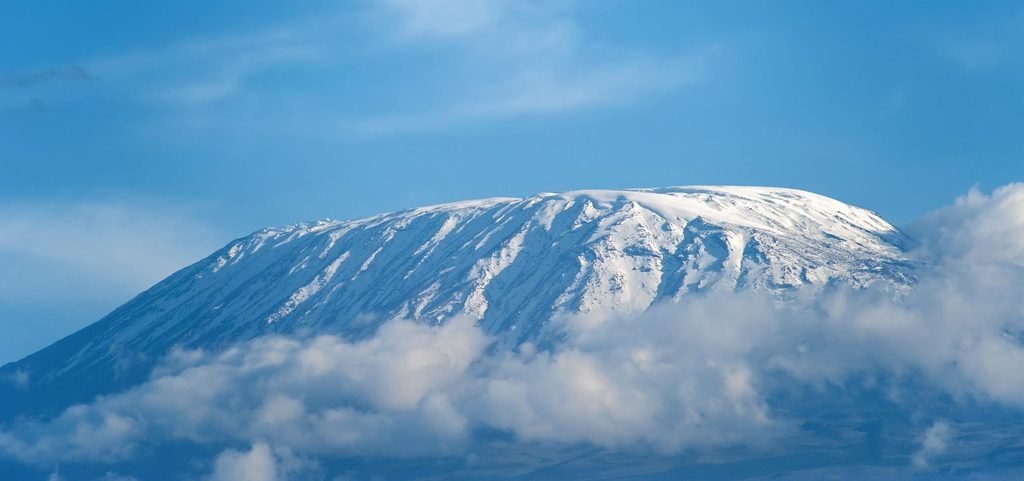
The journey begins on the western side of Kilimanjaro and gradually takes you through rainforest, moorland, the Shira Plateau, alpine desert, and the high mountain environment before the final ascent to Uhuru Peak at 5,895 meters.
What makes this climb special is that you do not have to rush. Each day has its own purpose, and the gradual progression gives you time to appreciate the mountain while preparing physically and mentally for the summit.
Why Choose the 7-Day Lemosho Route?:The Best 7-Day Lemosho Route 2027–2028
The Lemosho Route is widely appreciated because of its beautiful scenery and relatively gradual approach to the summit. The seven-day itinerary gives climbers more time on the mountain than many shorter programs.
This matters because Kilimanjaro is not a technical mountain requiring ropes and advanced climbing skills on the standard trekking route. The major challenge is altitude. Spending more days gradually gaining elevation can give your body more opportunity to adjust.
Another reason people choose Lemosho is the scenery. The route begins in a remote forest environment and eventually opens onto wide landscapes with impressive views of Kilimanjaro.
For someone climbing Kilimanjaro for the first time, the experience can feel like several adventures in one.
What to Expect on the 7-Day Lemosho Trek
Your days on Kilimanjaro will normally begin with breakfast, followed by several hours of walking. The pace is deliberately slow, especially as you move higher.
The phrase “pole pole,” meaning “slowly, slowly” in Swahili, becomes very important.
You are not competing against other climbers. Your objective is to conserve energy and allow your body to adapt.
During the trek, your guide will monitor how you are feeling, and you will have regular opportunities to rest, eat, drink water, and enjoy the scenery.
At the end of each day, you reach camp, have dinner, and prepare for the following stage.
Day 1: Lemosho Gate to Big Tree Camp
Your adventure begins with a drive to the Lemosho entrance area. After registration and final preparations, you begin walking through the mountain’s lush rainforest.
The first day is an exciting introduction to Kilimanjaro. The forest is green and peaceful, and the atmosphere is very different from the busy towns below.
The trail is surrounded by vegetation, and you may hear different species of birds as you walk.
Although the first day may feel relatively easy, it is important not to use too much energy. Kilimanjaro is a long journey, and the best approach is to start slowly and comfortably.
You eventually reach Big Tree Camp, where you spend your first night.
Day 2: Big Tree Camp to Shira 1 Camp
After breakfast, you continue upward and gradually leave the dense rainforest behind.
The scenery begins to change as you enter the moorland zone. Trees become shorter, vegetation becomes more open, and the views begin to expand.
The route continues toward Shira 1 Camp on the Shira Plateau.
This is when many climbers begin to feel that they are truly on a high mountain adventure. The air becomes cooler, and the landscape looks increasingly different from the environment you experienced on the first day.
Take your time, drink plenty of water, and listen to your guide’s instructions.
Day 3: Shira 1 to Shira 2 Camp
Day three takes you deeper across the Shira Plateau.
This is one of the beautiful sections of the Lemosho Route because the landscape is open and dramatic. Depending on weather conditions, you can enjoy views toward the mountain’s higher slopes.
The walking is usually steady rather than extremely difficult, but altitude is becoming increasingly important.
Your body is adapting to a new environment, so there is no advantage in rushing.
Arriving at Shira 2 Camp gives you another opportunity to rest and prepare for the more demanding days ahead.
Day 4: Shira 2 Camp to Barranco Camp
Day four is an important part of the acclimatization process.
The route takes you toward Lava Tower, reaching a considerably higher elevation during the day, before descending toward Barranco Camp.
This pattern of gaining altitude during the day and sleeping at a lower elevation is one of the reasons the route is attractive for climbers concerned about altitude adaptation.
The landscape becomes increasingly rugged as you move higher.
Eventually, you arrive at Barranco Camp, where the famous Barranco Wall dominates the surrounding scenery.
For many climbers, this is one of the first moments when the true scale of Kilimanjaro becomes obvious.
Day 5: Barranco Camp to Karanga Camp
The day begins with the famous Barranco Wall.
From the campsite, the wall can look much more intimidating than it actually feels once you start climbing it. The trail requires careful movement and some scrambling, but it is not normally technical rock climbing.
Your guide will help you find the best route and maintain a safe pace.
Once above the wall, you continue across a landscape of ridges and valleys toward Karanga Camp.
This section is rewarding because you can look back at the terrain you have already conquered and begin to appreciate just how far you have come.
Day 6: Karanga Camp to Barafu Camp
Today you move toward Barafu Camp, the final major camp before your summit attempt.
The landscape is now much more barren, with sparse vegetation and rocky terrain. The feeling of being high on the mountain becomes stronger.
Once you reach Barafu Camp, the focus changes from simply trekking to preparing for the summit.
You will normally have an early meal and rest as much as possible because the summit attempt begins during the night.
This is a good time to check your clothing, headlamp, water, snacks, gloves, and other essential equipment.
Try to remain calm and conserve your energy.
Day 7: Barafu Camp to Uhuru Peak and Descent:The Best 7-Day Lemosho Route 2027–2028
The final day is the most demanding and memorable part of the climb.
You normally begin the summit attempt around midnight or in the early hours of the morning. The mountain is dark and cold, and the trail ahead is illuminated by headlamps.
The climb toward Stella Point is slow and physically demanding. At this altitude, even simple movements require more effort.
The best strategy is to maintain a consistent pace and focus on one step at a time.
When you reach Stella Point, you are on the crater rim. From there, the trail continues toward Uhuru Peak.
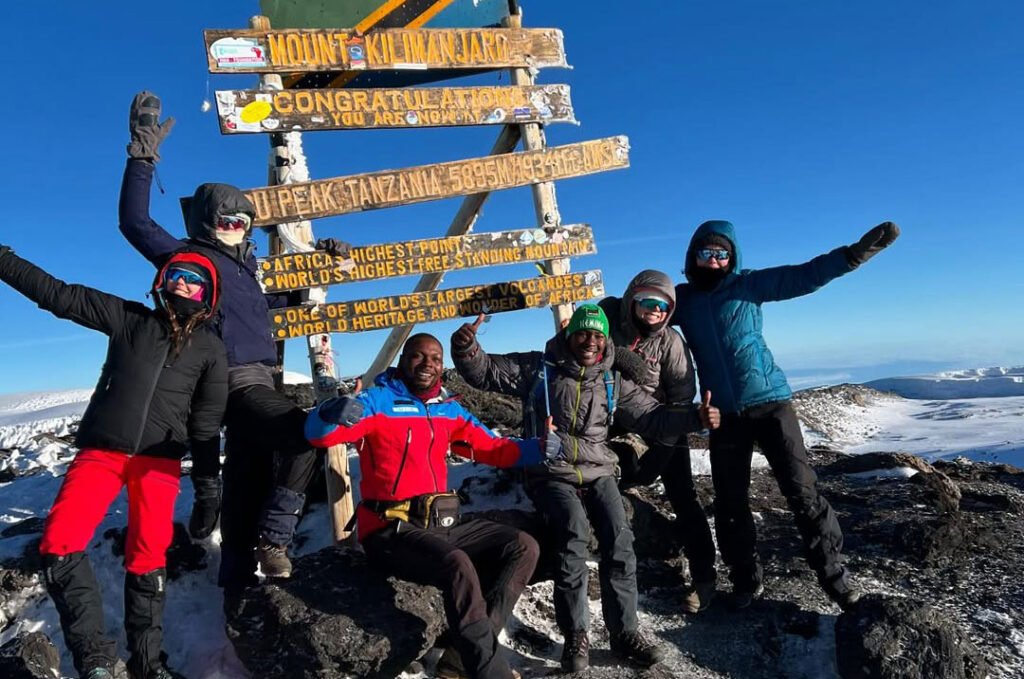
Finally, after days of walking, you reach the summit at 5,895 meters.
Standing at Uhuru Peak is an emotional moment. You have crossed several climate zones, walked for days, endured cold and fatigue, and continued despite the difficulty.
Take time to appreciate what you have accomplished.
After the summit celebration and photographs, you begin the descent. Going down is generally faster than going up, but it can still be physically demanding because your legs are already tired.
You eventually continue toward the lower mountain and your overnight camp.
Is the 7-Day Lemosho Route Difficult?
Yes, but it is achievable for properly prepared trekkers.
The biggest challenge is usually not technical climbing. It is the combination of altitude, long walking days, cold conditions, fatigue, and the demanding summit night.
You should prepare yourself for walking several hours each day and for spending multiple nights at altitude.
You do not need to be an elite athlete, but you should have a reasonable level of cardiovascular fitness and endurance.
Regular hiking, long walks, stair climbing, jogging, cycling, and strength training can all help prepare you.
More importantly, train consistently rather than trying to become fit only a few weeks before the climb.
Altitude and Acclimatization
Altitude is one of the most important considerations when climbing Kilimanjaro.
As you climb higher, the amount of oxygen available decreases. Some climbers experience symptoms such as headaches, tiredness, loss of appetite, dizziness, or nausea.
This is why the seven-day itinerary should be approached patiently.
Never try to hide symptoms because you want to reach the summit. Tell your guide immediately if you feel unwell.
A professional mountain team will monitor your condition and can make decisions based on your safety.
The goal is not simply to reach Uhuru Peak. The goal is to reach it safely.
Best Time to Climb Kilimanjaro in 2027–2028
Kilimanjaro can be climbed throughout much of the year, but weather conditions vary.
For travelers planning their climb in 2027 or 2028, the generally preferred periods are the drier seasons, particularly around January to February and June to October.
These periods can offer favorable trekking conditions, although mountain weather is never completely predictable.
Rain, clouds, cold temperatures, wind, and sudden changes in weather can occur even during traditionally dry periods.
Choosing the right season can improve your experience, but proper preparation remains essential regardless of when you climb.
What Should You Pack for the Lemosho Route?
Packing correctly can make a significant difference to your comfort.
Your clothing system should allow you to adjust as temperatures change. Lower sections of the mountain can be relatively warm, while the summit area can be extremely cold.
Important items commonly include:
- Waterproof hiking boots
- Warm hiking socks
- Moisture-wicking base layers
- Fleece or insulating mid-layers
- Waterproof jacket and trousers
- Warm insulated jacket
- Gloves
- Warm hat
- Sun hat
- Sunglasses
- Headlamp with spare batteries
- Water bottles or hydration system
- Backpack
- Sleeping bag suitable for cold mountain conditions
- Trekking poles
- Sunscreen
- Personal medication
- Basic toiletries
- Energy snacks
Your exact packing list may vary depending on the season, personal preference, and the equipment provided by your trekking company.
Food and Water During the Climb
Good nutrition is important because you will be using energy every day.
Meals on organized Kilimanjaro climbs are generally designed to provide carbohydrates, protein, and enough energy for trekking.
Breakfast gives you energy for the morning, lunch keeps you moving during the day, and dinner helps you recover.
Hydration is equally important.
Drink regularly rather than waiting until you become extremely thirsty. Your guide can advise you about your water intake based on the conditions and your individual needs.
Small snacks such as energy bars, nuts, dried fruit, or chocolate can also be useful during long walking periods.
The Role of Your Kilimanjaro Guide
Your guide is much more than someone who simply shows you the trail.
A good guide helps you understand the mountain, manage your pace, recognize potential altitude problems, and stay motivated when the climb becomes difficult.
The relationship between climber and guide can become one of the most memorable parts of the entire experience.
There may be moments when you are tired, cold, or mentally exhausted. Having an experienced person beside you can make a significant difference.
The mountain team also includes porters and, depending on the arrangement, cooks and other support staff who contribute to making the expedition possible.
How Much Does a 7-Day Lemosho Route Climb Cost in 2027–2028?
The cost of a seven-day Lemosho climb depends on several factors, including the size of your group, the level of service, park and conservation fees, camping arrangements, transportation, meals, crew arrangements, and accommodation before or after the climb.
For a professionally organized seven-day climb, travelers should expect the price to be significantly higher than a basic short trekking package because Kilimanjaro park fees and mountain logistics make up a substantial part of the overall cost.
When comparing prices, do not focus only on the cheapest quotation.
A very low price may exclude important services or provide a different level of support.
Instead, compare what is actually included. Ask about park fees, guide and porter support, meals, tents, transfers, rescue coverage, accommodation, equipment, and other expenses.
A transparent quotation makes it much easier to understand the real cost of your adventure.
Tips for Increasing Your Chance of Reaching Uhuru Peak
There is no way to guarantee a successful summit, because altitude and mountain weather affect every climber differently.
However, you can improve your chances by preparing properly.
Start training several weeks or months before your trip. Build endurance gradually and practice walking for long periods.
Choose suitable equipment and break in your hiking boots before arriving in Tanzania.
During the climb, walk slowly and maintain a comfortable rhythm.
Stay hydrated and eat even when your appetite decreases.
Get as much rest as possible.
Most importantly, communicate honestly with your guide. If you have symptoms of altitude illness, do not pretend that everything is fine.
Why the Lemosho Route Is More Than a Trek
One of the greatest things about the Lemosho Route is the transformation that happens during the journey.
On the first day, you are surrounded by forest. Several days later, you are walking through an almost completely different world.
The mountain strips away many of the distractions of everyday life. Your priorities become simple: walk, breathe, eat, rest, and continue.
You begin to appreciate small things. A warm drink at camp feels special. A meal after a long hike tastes better. Reaching a viewpoint becomes an achievement.
And when you finally stand at Uhuru Peak, the achievement feels much bigger than the physical distance you have traveled.
2027–2028 Kilimanjaro Adventure with Lemosho
Planning a Kilimanjaro climb for 2027 or 2028 gives you plenty of time to prepare properly.
Instead of waiting until the final weeks, use the time to improve your fitness, research the route, organize your equipment, plan your travel arrangements, and understand what high-altitude trekking involves.
The seven-day Lemosho Route is particularly appealing to travelers who want a scenic and gradual Kilimanjaro experience without rushing through the mountain.
It offers a wonderful combination of wilderness, physical challenge, cultural connection, and personal achievement.
Final Thoughts
The Best 7-Day Lemosho Route 2027–2028 is an unforgettable way to experience Mount Kilimanjaro.
From the quiet rainforest and spectacular Shira Plateau to the rugged alpine desert and the final approach to Uhuru Peak, every stage of the journey has something different to offer.
The climb will challenge you. There will be tired legs, cold mornings, long walking days, and moments when the summit feels very far away.
But that is exactly what makes reaching the top so meaningful.
With proper preparation, a patient approach, good mountain support, and respect for altitude, the 7-Day Lemosho Route can become one of the greatest adventures of your life.
You do not climb Kilimanjaro in one giant effort. You climb it one step at a time.
And when those final steps take you to Uhuru Peak, you will have more than a summit photograph—you will have a story you can carry with you for the rest of your life.