The best Greatest 8-days Serengeti Balloon Safari Tanzania;A safari in Tanzania is an opportunity to experience nature in a way that stays with you long after the journey has ended. The wide-open plains, fascinating wildlife, peaceful sunrises, and changing colours of the African landscape create an atmosphere that is difficult to describe until you experience it yourself. For travellers who want to explore the Serengeti in greater depth, an eight-day Serengeti Balloon Safari offers enough time to enjoy wildlife drives, discover different parts of the park, and experience the remarkable beauty of the wilderness from the ground and the sky.
The best Greatest 8-days Serengeti Balloon Safari Tanzania-Wildlife Safari is designed for visitors who want more than a short wildlife excursion. It combines several days of game viewing with the special experience of a hot-air balloon flight over the Serengeti National Park. Instead of rushing between destinations, you have more time to appreciate the landscape, watch animals in their natural environment, and enjoy the peaceful moments that make a safari memorable.
The Serengeti is one of Tanzania’s most famous national parks and an important part of the Great Migration ecosystem. Its name is associated with vast grasslands, rocky outcrops, seasonal rivers, and extraordinary wildlife. The park supports large populations of wildebeest, zebras, giraffes, elephants, buffaloes, lions, cheetahs, leopards, hyenas, and many other animals. Birdlife is also abundant, adding another dimension to the experience for visitors interested in nature and photography.
One of the main highlights of this safari is the opportunity to experience the Serengeti from a hot-air balloon. The flight usually takes place around sunrise, when the landscape is cool and the first light spreads across the plains. As the balloon rises, the wilderness opens beneath you. Rivers become visible as they wind through the landscape, trees cast long shadows across the grasslands, and wildlife may be seen moving through the open country.
The balloon flight offers a different perspective from a traditional game drive. On the ground, your guide can help you observe animal behaviour and identify different species. From above, you can appreciate the scale of the Serengeti and the relationship between its habitats. When conditions allow, seeing wildlife from the air can be one of the most memorable parts of a Tanzania holiday.
This eight-day adventure is suitable for couples, families whose children meet activity requirements, friends, photographers, and travellers looking for an extended wildlife holiday. EKO Tanzania Adventures can tailor the itinerary according to your preferred travel dates, accommodation style, budget, group size, and arrival arrangements.

Why Choose an Eight-Day Serengeti Balloon Safari?:The best Greatest 8-days Serengeti Balloon Safari Tanzania
Eight days give you more time to explore the Serengeti without trying to fit every activity into a tight schedule. The park is vast, and wildlife movements change with the seasons, rainfall, and availability of food and water. Spending several days in the region gives your guide more flexibility to choose routes based on recent sightings and the types of wildlife you hope to encounter.
A longer safari also provides a better balance between activity and relaxation. You can enjoy early-morning game drives when animals may be active, return to your accommodation for a break when appropriate, and head out again later in the day. This approach allows you to enjoy the wilderness while avoiding the feeling that every hour must be filled with travel.
The balloon safari adds a distinctive experience to the journey. Many visitors remember the quiet moments before sunrise, the gentle movement of the balloon, and the sight of the plains stretching into the distance. The experience is different from travelling in a vehicle because it reveals the wider landscape rather than focusing only on individual animals.
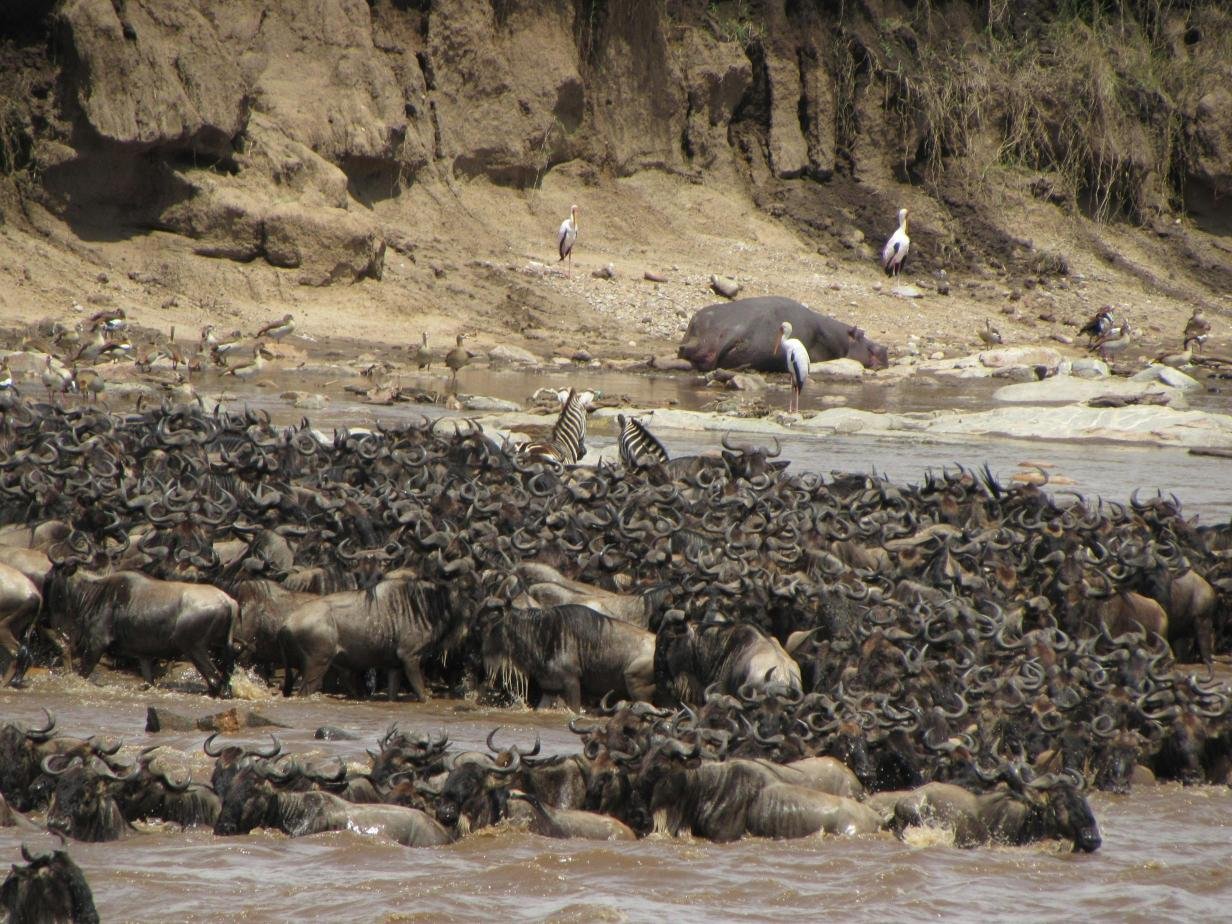
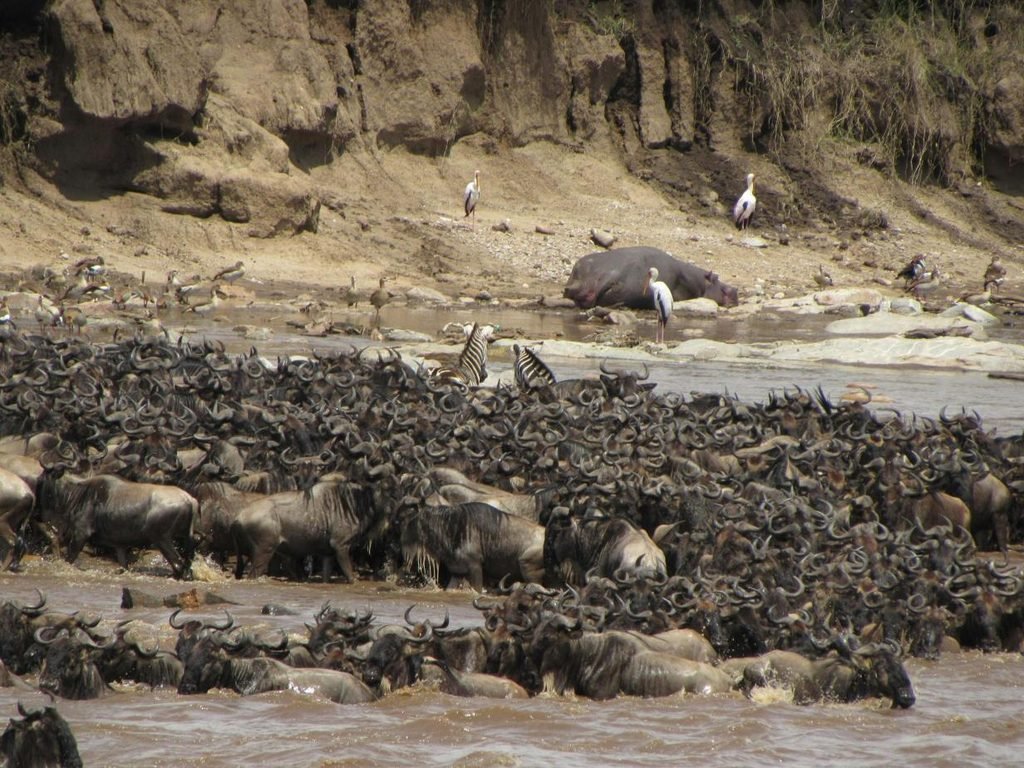
The Great Migration may also form an important part of your safari, depending on the season. Huge herds of wildebeest and zebras move across the Serengeti ecosystem in search of fresh grazing. Their movements can attract predators and create remarkable wildlife encounters. However, the herds do not follow a fixed timetable, and their location changes throughout the year. Your itinerary should therefore be planned around the usual seasonal patterns rather than a promise of a particular sighting.
Day 1: Arrival in Tanzania and Transfer to the Serengeti:The best Greatest 8-days Serengeti Balloon Safari Tanzania
Your safari begins when you arrive in Tanzania through Kilimanjaro International Airport or another agreed arrival point. Depending on your booking, an EKO Tanzania Adventures representative can welcome you, help with the transfer, and explain the arrangements for your journey.
The transfer to the Serengeti can be arranged by road or domestic flight. Travelling by road offers the chance to experience more of northern Tanzania’s changing scenery, while flying can reduce travel time and provide more opportunities for wildlife viewing. The most suitable option depends on your budget, arrival time, preferred accommodation, and onward travel plans.
If you travel by road, the journey may take much of the day. Travel times depend on your starting point, road conditions, route, and stops along the way. Your guide can introduce you to the landscape and explain the importance of the Serengeti within Tanzania’s wider network of protected areas.
If you travel by domestic flight, you will arrive at an appropriate airstrip according to your accommodation and itinerary. From there, a transfer or game drive can take you towards your lodge or tented camp.
Depending on your arrival time, you may enjoy a short game drive before settling in. Your first wildlife sightings could include zebras, gazelles, giraffes, or other animals moving through the grasslands. Sightings are never guaranteed, but even the scenery itself provides a memorable introduction to the Serengeti.
After reaching your accommodation, take time to relax and enjoy the surroundings. Your guide can brief you on the following day’s activities, discuss your wildlife interests, and explain the general schedule for the balloon flight. If the balloon experience is planned for an early morning, confirm the collection time and prepare the clothing you will need.
Accommodation: Serengeti lodge or tented camp, according to the confirmed package.
Meals: According to your arrival arrangements and selected package.

Day 2: Full-Day Game Drive in the Serengeti National Park:The best Greatest 8-days Serengeti Balloon Safari Tanzania
Wake up early, enjoy breakfast, and prepare for your first full day exploring the Serengeti. Early morning is often a rewarding time for wildlife viewing because temperatures are cooler and many animals begin their daily activities before the heat increases.
Your guide will plan the route according to the location of your accommodation, current wildlife reports, and the season. The Serengeti’s habitats range from open grasslands to wooded areas, rocky kopjes, and river environments. Each area supports different species, so a game drive can reveal a variety of wildlife and scenery.
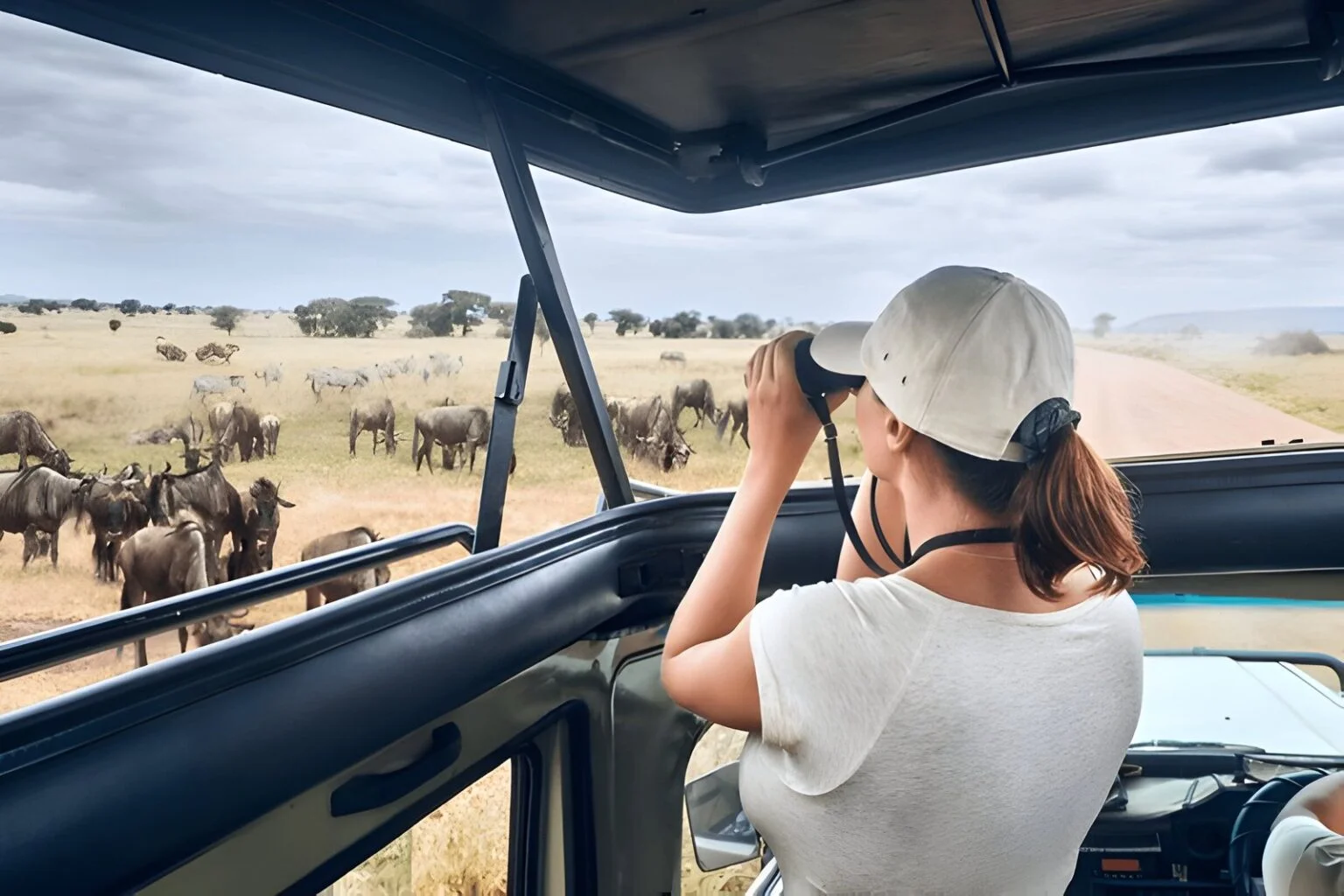
You may see elephants feeding or travelling in family groups, giraffes browsing on trees, and zebras grazing alongside wildebeest. Antelopes are often found in open areas, while birds can be seen flying overhead or gathering near water. Your guide will help identify the animals and explain their behaviour.
Predators are an important part of the Serengeti ecosystem. Lions may be resting beneath trees or watching nearby herds. Cheetahs sometimes appear in open grasslands, where their eyesight helps them locate prey. Leopards are more elusive and may be seen resting in trees or sheltered areas. Hyenas also play an important role as hunters and scavengers.
The value of a guided safari lies in understanding what you are seeing. Rather than simply stopping to take photographs, you can learn how animals find food, protect their young, respond to danger, and adapt to changes in their environment.
If the Great Migration is passing through the area, you may encounter large groups of wildebeest and zebras moving across the plains. Their numbers can be impressive, and their movement may attract predators. However, the location of the herds depends on seasonal conditions, so your guide will focus on the most suitable areas for your travel dates.
A picnic lunch can be arranged at a designated location, depending on the route. In the afternoon, continue with wildlife viewing before returning to your accommodation. After dinner, enjoy a relaxing evening and prepare for another day of exploration.
Accommodation: Serengeti lodge or tented camp.
Meals: Breakfast, lunch, and dinner according to the package.
Day 3: Explore the Serengeti’s Wildlife and Scenic Landscapes:The best Greatest 8-days Serengeti Balloon Safari Tanzania
After breakfast, set out for another game drive to explore more of the Serengeti. With several days in the park, there is time to visit different habitats and observe wildlife at a comfortable pace.
The Serengeti is not only about famous animals. Its landscapes also tell an important story about how wildlife survives in a changing environment. Open plains provide grazing for wildebeest and zebras, while trees offer shade and food for different species. Rocky kopjes create sheltered areas where animals may rest, and rivers can become important sources of water during drier periods.
Your guide may choose a route based on recent wildlife activity or your particular interests. Travellers interested in big cats may spend time searching suitable habitats for lions, cheetahs, or leopards. Those who enjoy observing larger herds may focus on areas where grazing animals are commonly seen. Birdwatchers can also look for eagles, vultures, ostriches, secretary birds, and many smaller species.
Photography enthusiasts may appreciate the changing light throughout the day. Early morning and late afternoon can create attractive conditions for capturing the landscape, although animal sightings and light conditions depend on nature rather than a fixed schedule.
During the day, you may stop for a picnic lunch or return to your accommodation for a meal, depending on the route and your preferences. It is important to remain hydrated, use sun protection, and follow your guide’s instructions whenever wildlife is nearby.
The afternoon offers another opportunity to observe the Serengeti’s animals and scenery. You may find elephants moving through the grass, giraffes feeding on leaves, or a group of zebras travelling towards a grazing area. These encounters help build a broader understanding of the ecosystem.
Return to your lodge or camp in the late afternoon. The evening provides time to relax, enjoy dinner, and discuss the following day’s balloon safari arrangements if the flight is scheduled for the next morning.
Accommodation: Serengeti lodge or tented camp.
Meals: Breakfast, lunch, and dinner according to the package.
Day 4: Serengeti Hot-Air Balloon Safari and Bush Breakfast
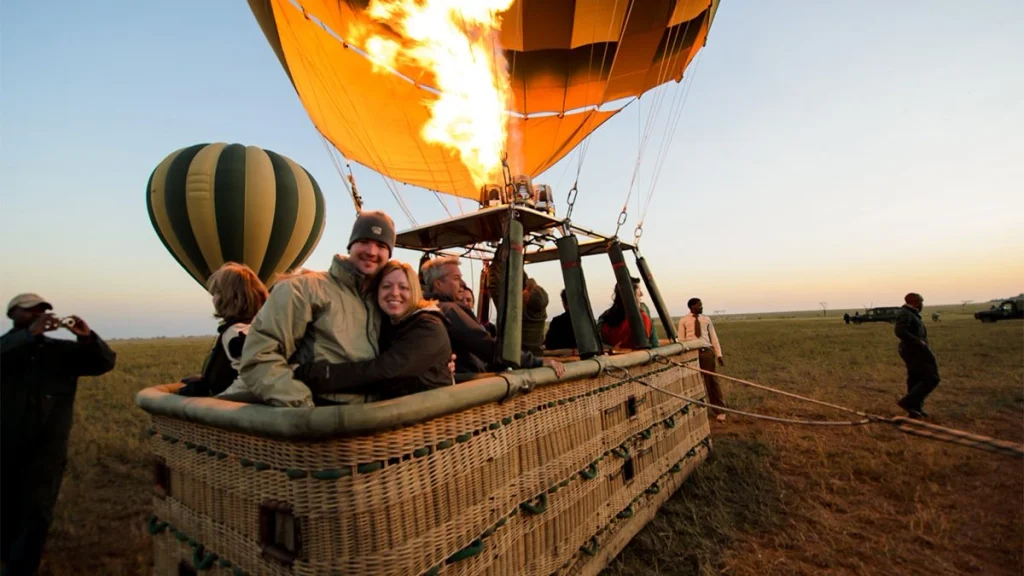
This is one of the main highlights of the eight-day journey. The day begins before sunrise, when you are transferred from your accommodation to the balloon launch area. The exact collection time and launch location depend on your camp, the operator, and the planned flight route.
At the launch site, the balloon crew prepares the equipment and provides a safety briefing. You will receive instructions about boarding, staying safely inside the basket, and following the pilot’s directions during the flight and landing.
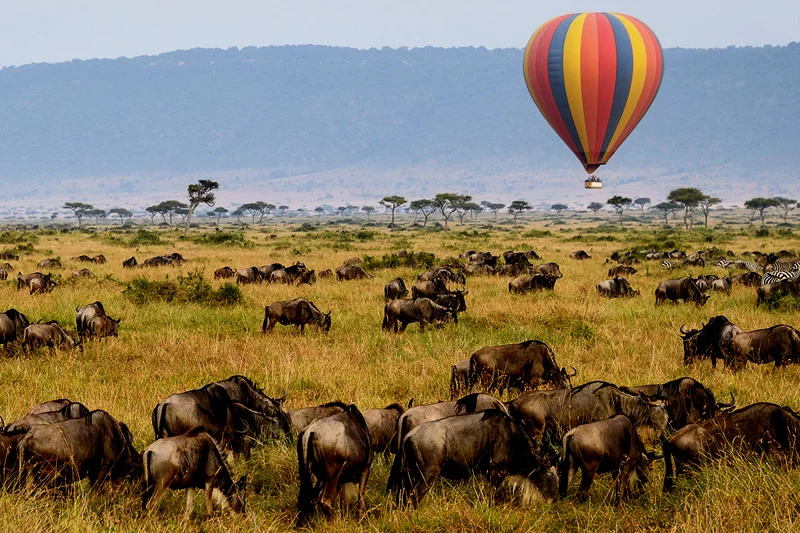
As the balloon rises, the Serengeti appears from a completely different perspective. The early sunlight spreads across the plains, revealing the patterns of grasslands, trees, rivers, and rocky formations. The view can be especially striking because the landscape extends far beyond what you can see from the ground.
Depending on the flight path and wildlife activity, you may see herds of wildebeest or zebras moving through the grasslands. Elephants, giraffes, and other animals may also be visible in suitable habitats. However, the balloon’s route depends on wind conditions, and wildlife sightings cannot be guaranteed.
One of the most memorable parts of the flight is the sense of space and quiet. The balloon moves gently through the sky, while the sounds of the burner occasionally break the silence. You have time to appreciate the natural landscape and understand the scale of the Serengeti ecosystem.
The flight duration depends on the operator and prevailing conditions. After landing, many balloon packages include a bush breakfast in the wilderness. The exact breakfast arrangements, transfers, and other services should be confirmed in your booking.
After the balloon experience, return to your accommodation or continue with a game drive, depending on the itinerary. If time allows, your guide can take you to another area of the park to search for wildlife and explore more of the landscape.
The remainder of the day can be kept flexible. You may enjoy a relaxed lunch, spend time at the lodge, or continue with afternoon game viewing. After the early start, some travellers appreciate a quieter afternoon before dinner.
Important balloon information: Hot-air balloon flights operate only when weather and safety conditions are suitable. Wind, visibility, or other operational conditions may cause delays or cancellations. Passenger age, health, mobility, and other eligibility requirements vary by operator. Confirm the requirements and cancellation or rescheduling policy before booking.
Accommodation: Serengeti lodge or tented camp.
Meals: Balloon breakfast where included, plus other meals according to the confirmed package.
Day 5: Discover More of the Serengeti and Follow Seasonal Wildlife Movements
After breakfast, continue exploring the Serengeti with your guide. By this stage of the safari, you may have developed a better understanding of the landscape and the different animals that live within it.
The day’s route will depend on your accommodation and the location of recent wildlife sightings. If the Great Migration is nearby, your guide may focus on finding the herds. Watching thousands of wildebeest and zebras spread across the plains can be a remarkable experience, especially when the animals are moving together in search of fresh grazing.
The Great Migration takes place throughout the Serengeti ecosystem, but its location changes with the seasons. The southern plains and Ndutu area are often important during the calving season, while the western corridor and northern Serengeti can become significant at other times of the year. The precise timing varies according to rainfall and grazing conditions.
If the herds are elsewhere, there is still plenty to discover. Resident wildlife can be seen throughout the year, including elephants, giraffes, buffaloes, lions, antelopes, hyenas, and many bird species. Your guide can explain how different animals use the available habitats and respond to seasonal changes.
A picnic lunch can be arranged during the game drive or enjoyed at your accommodation, depending on the route. The afternoon can be spent searching for wildlife, observing animal behaviour, or photographing the landscape.
Returning to camp in the late afternoon gives you time to relax before dinner. You can discuss the day’s sightings, review photographs, and prepare for the next day’s activities.
Accommodation: Serengeti lodge or tented camp.
Meals: Breakfast, lunch, and dinner according to the package.
Day 6: A Full Day of Wildlife Viewing and Photography
Your sixth day offers another opportunity to explore the Serengeti at a pace that suits your interests. One advantage of an eight-day safari is that you do not need to treat every game drive as a race to find as many animals as possible. You can spend time observing wildlife, appreciating the landscape, and learning more about the natural environment.
After breakfast, your guide may choose an area where wildlife has recently been active or take you to a different habitat from those explored earlier. The route can be adjusted to suit the season, road conditions, and your preferences.
If you enjoy photography, this day provides additional opportunities to capture the Serengeti’s scenery and wildlife. You might photograph giraffes against an open horizon, elephants moving through grassland, or zebras gathering near a water source. Your guide can help position the vehicle appropriately while respecting park rules and maintaining a safe distance from the animals.
Travellers who enjoy learning about wildlife may prefer to spend longer observing particular species. Watching how a herd behaves or how a predator responds to nearby animals can be just as rewarding as seeing a dramatic encounter. Nature does not always provide action on demand, and patience is often part of the experience.
The day may also include opportunities for birdwatching. The Serengeti supports a wide range of bird species, and different habitats attract different birds. Bring binoculars if you have them, and ask your guide to help identify species that interest you.
After lunch, continue exploring before returning to camp. The evening is a chance to rest, enjoy dinner, and prepare for the final full day of the safari.
Accommodation: Serengeti lodge or tented camp.
Meals: Breakfast, lunch, and dinner according to the package.
Day 7: Final Full Day in the Serengeti :The best Greatest 8-days Serengeti Balloon Safari Tanzania
Your seventh day is another opportunity to enjoy the Serengeti’s wildlife and revisit areas that have been especially rewarding. Since animal sightings change from day to day, returning to a location can sometimes reveal different behaviour or new wildlife activity.
After breakfast, set out with your guide for a morning game drive. Depending on the season, you may search for the Great Migration or focus on resident wildlife. Your guide can also consider your favourite sightings from earlier in the trip and choose a route that offers a different experience.
The Serengeti is a landscape of constant change. Grasslands shift with the seasons, animals move between feeding areas, and birds respond to available food and water. Even familiar scenery can look different in the changing light of the morning.
You may see elephants feeding, giraffes moving between trees, or herds of wildebeest and zebras crossing the plains. If predators are active, you may have the opportunity to observe their behaviour from a safe and respectful distance. Sightings depend on natural conditions, so the day’s experience will be shaped by what the wilderness offers.
A picnic lunch or meal at your accommodation can be arranged according to the schedule. In the afternoon, enjoy another game drive or spend time relaxing at the camp if you prefer a quieter final day.
This is also a good opportunity to appreciate the broader value of the safari. Beyond the animals, you have experienced the open landscapes, learned about the relationships between species, and seen why conservation is important for the future of Tanzania’s wildlife.
Return to your accommodation for dinner and prepare for departure the following day. Confirm your transfer time, luggage arrangements, and onward travel details with your guide.
Accommodation: Serengeti lodge or tented camp.
Meals: Breakfast, lunch, and dinner according to the package.
Day 8: Final Breakfast and Departure from the Serengeti
Your final morning begins with breakfast and, depending on your departure schedule, the possibility of a short game drive. If time allows, your guide may take you through a nearby area for one last opportunity to enjoy the Serengeti’s scenery and wildlife.
A final drive might bring a sighting of zebras moving across the plains, giraffes feeding among trees, or elephants travelling through their habitat. Although no particular animal can be promised, the opportunity to enjoy the landscape one last time is a fitting end to the safari.
Afterwards, return to your accommodation, collect your luggage, and begin your onward journey. You may travel by road towards Arusha or transfer to a Serengeti airstrip for a domestic flight, depending on the confirmed arrangements.
If you are connecting to an international flight, allow sufficient time for the transfer and check the flight schedule carefully. Road travel and domestic flights can be affected by weather and operational conditions, so avoid planning a tight connection.
Travellers continuing to Zanzibar or another Tanzanian destination can arrange onward travel as part of a wider holiday. EKO Tanzania Adventures can discuss the options when preparing your itinerary.
As the safari comes to an end, you will have experienced several days of wildlife viewing and, if conditions allowed, the unique perspective of a balloon flight over the plains. The journey offers a deeper appreciation of the Serengeti and the animals that depend on its natural habitats.
Meals: Breakfast and any other meals specified in your package.
The Best Time to Visit the Serengeti in 2026–2027
The Serengeti is a year-round safari destination, but the best time for your visit depends on your interests and the wildlife experiences you hope to enjoy. The Great Migration follows rainfall and the availability of fresh grazing, so the herds move through different areas during the year.
From January to March, the southern Serengeti and Ndutu area often attract large numbers of wildebeest during the calving season. Visitors may see young animals and predators taking advantage of the seasonal concentration of herds.
During April and May, the long rains influence wildlife movements and create greener landscapes. Some roads can become muddy, and travel conditions may vary. Travellers should discuss access and accommodation options before booking.
June and July can bring herds through the western corridor and towards river systems, depending on rainfall. August to October is often associated with the northern Serengeti and possible Mara River crossings. These crossings are unpredictable, however, and cannot be guaranteed on a particular date.
November and December often see the herds moving back towards the southern plains as seasonal rains encourage fresh grass to grow.
For a balloon safari, the most suitable travel period also depends on balloon availability, weather, and the location of your accommodation. The flight should be confirmed with the operator, and the itinerary should include a clear plan in case weather prevents take-off.
Accommodation Options for an Eight-Day Serengeti Safari
Choosing the right accommodation can make a significant difference to your experience. With seven nights typically required for an eight-day itinerary, it is worth considering where you would like to stay and how much time you want to spend travelling between areas.
Budget-friendly lodges and tented camps can provide a practical base for game drives. Mid-range properties may offer additional comfort, while luxury lodges and camps can provide more spacious rooms or tents, personalised service, and distinctive locations.
Seasonal camps may be positioned to provide access to areas associated with the Great Migration at particular times of year. Their location and availability depend on the season, so early planning is useful for travellers with specific wildlife interests.
Permanent lodges can be a good option for those who prefer established facilities and consistent accommodation arrangements. The best choice depends on your budget, travel dates, preferred comfort level, and the locations you wish to explore.
Before confirming a booking, check room types, meal arrangements, bathroom facilities, child policies if travelling with children, and whether transfers are included. EKO Tanzania Adventures can recommend options based on your needs and the planned route.
What Is Included in the 8-Day Serengeti Balloon Safari?
The exact inclusions depend on your selected package and should be listed in the final quotation. A typical arrangement may include:
- Airport or agreed meeting-point transfers, as specified.
- Transport in a safari vehicle with a professional driver-guide.
- Park entry fees and applicable conservation charges for the agreed itinerary.
- Seven nights of accommodation, if the itinerary follows eight days and seven nights.
- Meals listed in the confirmed package.
- Serengeti game drives.
- A hot-air balloon flight, if specifically included in the quotation.
- A bush breakfast after the balloon flight, where included by the operator.
- Drinking water in the safari vehicle, according to the agreed arrangements.
- Assistance with itinerary planning and travel coordination.
Domestic flights should not be assumed to be included unless they are listed in writing. The same applies to the balloon flight, which may be offered as an optional activity in some packages.
What Is Not Included in the Safari Package?
Unless the quotation specifically states otherwise, the following expenses may be excluded:
- International flights to and from Tanzania.
- Domestic flights and additional airport transfers.
- Visa fees and travel documentation.
- Travel insurance and personal medical expenses.
- Tips for the safari guide and accommodation staff.
- Laundry, personal purchases, and optional drinks.
- Activities not listed in the itinerary.
- Accommodation before or after the safari.
- Balloon flight costs if not included in the package.
- Additional expenses resulting from changes to the itinerary or personal requests.
Ask for a written breakdown before confirming your booking. This should identify the services included, the exclusions, payment conditions, and the balloon operator’s cancellation or rescheduling policy.
How Much Does an Eight-Day Serengeti Balloon Safari Cost?
The price of an eight-day Serengeti Balloon Safari depends on the number of travellers, travel dates, accommodation category, transport arrangements, and whether the balloon flight is included.
Budget options generally use simpler accommodation and economical transport arrangements. Mid-range packages focus on comfort and convenience, while luxury safaris may include premium camps or lodges, private transport, and additional services.
The balloon flight is an important part of the budget. Its cost depends on the operator, launch area, passenger category, and services included. Travellers should confirm whether the quotation covers transfers to the launch site, the flight itself, and the post-flight breakfast.
Travel dates can also affect the overall cost. Accommodation in popular migration areas may be in high demand during certain months, particularly when travellers hope to see the herds near the Mara River or during the calving season.
For an accurate price, contact EKO Tanzania Adventures with your preferred travel dates, number of travellers, accommodation preference, arrival airport, and whether you want the balloon flight included. A personalised quotation will provide a clearer picture of the total cost than a general estimate.
What to Pack for Your Serengeti Balloon Safari
Pack comfortable clothing suitable for cool early mornings and warm afternoons. Lightweight trousers, shirts, comfortable shoes, and a light jacket are useful. Neutral colours such as khaki, beige, brown, and olive are practical for game drives.
Bring a wide-brimmed hat, sunglasses, sunscreen, insect repellent, and a reusable water bottle. Binoculars can help you observe animals at a distance, while a camera or phone allows you to capture memorable moments. Spare batteries or a power bank can be helpful during long days away from your accommodation.
For the balloon flight, follow the operator’s advice about clothing, footwear, and permitted equipment. Space in the basket may be limited, so avoid bringing unnecessary items. Early mornings can be cool, making a light jacket particularly useful.
If your itinerary includes a domestic flight, confirm the airline’s luggage limits before packing. Small aircraft often have restrictions on luggage weight and size, and these rules may differ from those for international flights.
Keep travel documents, essential medication, and other important items secure and easy to access. Thoughtful packing will make transfers more comfortable and allow you to focus on enjoying the safari.
Responsible Tourism and Wildlife Conservation
The Serengeti is a valuable natural environment, and responsible tourism helps protect its wildlife and habitats. Visitors should follow park regulations, listen to their guides, and avoid actions that disturb animals.
Remain inside the safari vehicle unless your guide confirms that leaving it is permitted in a designated area. Never feed wildlife, leave rubbish behind, or encourage drivers to approach animals too closely. Animals need space to move, rest, feed, and care for their young.
During the balloon flight, follow the pilot’s instructions before take-off, during the flight, and while landing. Safety procedures are essential for both passengers and crew.
A safari also offers a chance to learn about Tanzania’s natural heritage and the people who work in the tourism industry. Treat local communities and staff with respect, ask questions, and take time to understand why conservation matters. These simple actions can make the journey more rewarding and help support responsible travel.
Book Your Serengeti Wildlife Adventure with EKO Tanzania Adventures
The best Greatest 8-days Serengeti Balloon Safari Tanzania-Wildlife Safari provides an opportunity to experience the Serengeti over several days, enjoy guided wildlife drives, and add the remarkable perspective of a hot-air balloon flight. With more time in the park, you can explore different habitats, search for the Great Migration when it is in the region, and appreciate the wildlife that lives in the Serengeti throughout the year.
EKO Tanzania Adventures can tailor your itinerary according to your travel dates, accommodation preferences, budget, number of travellers, and onward travel plans. Whether you prefer a budget-friendly safari, a comfortable mid-range journey, or a luxury experience, the trip can be planned around your needs.
When making an enquiry, share your preferred dates, group size, accommodation category, arrival arrangements, and whether you want the balloon flight included. If you are hoping to see a particular stage of the Great Migration, mention it so your route can be planned around the usual seasonal movements, while remembering that wildlife sightings depend on natural conditions.
Contact EKO Tanzania Adventures
Website: ekotanzaniaadventures.com
WhatsApp/Call: +255 761 353 184
Email: info@ekotanzaniaadventures.com
Alternative Email: ekotanzaniaadventure@gmail.com
Start planning your eight-day Serengeti adventure and look forward to remarkable wildlife encounters, sweeping African landscapes, and the unforgettable experience of seeing the wilderness from the sky.