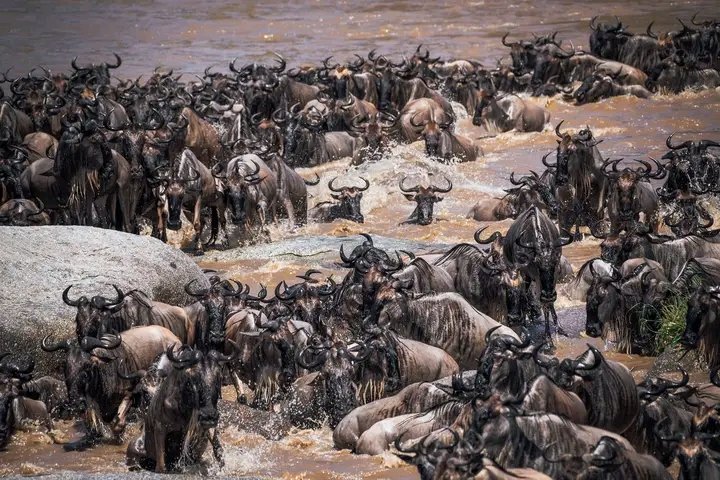
The Epic 6-Day Serengeti Great Migration Family Safari 2026–2027;A family safari in Tanzania is a wonderful way to step away from everyday routines and discover the natural world together. Instead of rushing between busy attractions, families can spend their days exploring open savannahs, watching wildlife in its natural environment, and enjoying the quiet beauty of the African landscape. For children, it can be an exciting introduction to animals they have only seen in books or documentaries. For parents, it is an opportunity to share meaningful experiences, take a break from daily responsibilities, and create memories that remain special long after returning home.
The Epic 6-Day Serengeti Great Migration Family Safari 2026–2027 brings together the excitement of wildlife viewing, the beauty of the Serengeti, and the remarkable experience of a hot-air balloon flight. This journey is ideal for families who want to explore Tanzania at a comfortable pace while discovering one of Africa’s most celebrated wildlife destinations.
The Serengeti National Park is famous for its vast grasslands, rocky outcrops, winding rivers, and remarkable concentration of wildlife. It is also a major part of the Great Migration ecosystem, where huge herds of wildebeest and zebras move in search of fresh grazing and water. Their movements change with the seasons and rainfall, meaning that different areas of the park offer different wildlife experiences throughout the year.
For families, the Great Migration is more than a spectacular sight. It provides an opportunity to understand how animals depend on the land, how predators and prey interact, and why protecting natural habitats is so important. With an experienced safari guide, even a simple sighting of a herd crossing the plains can become an interesting and educational experience.
Another highlight of this six-day adventure is a hot-air balloon safari over the Serengeti. Taking off around sunrise, the balloon offers a peaceful view of the wilderness from above. The changing colours of the morning sky, the endless plains, and the possibility of seeing wildlife moving below create a memorable experience. The flight is followed by a landing and, where included in the arrangement, a bush breakfast in the wilderness.
With EKO Tanzania Adventures, the safari can be planned around your family’s travel dates, children’s ages, accommodation preferences, budget, and wildlife interests. The aim is to create a rewarding experience that balances adventure with comfort and gives every family member a chance to enjoy the journey.
Why Choose a 6-Day Serengeti Great Migration Family Safari?:The Epic 6-Day Serengeti Great Migration Family Safari 2026–2027
Six days provide a valuable amount of time to explore the Serengeti without trying to fit every experience into a rushed schedule. Families can enjoy extended game drives, spend time observing animals, take breaks at their accommodation, and experience the landscape at different times of the day.
One of the main advantages of spending several days in the Serengeti is that wildlife viewing is never exactly the same. An early-morning drive may reveal predators returning from a night of hunting, while an afternoon outing may bring sightings of elephants, giraffes, zebras, and antelopes gathering near water. Your guide can adjust the route according to recent wildlife movements, road conditions, weather, and your family’s interests.
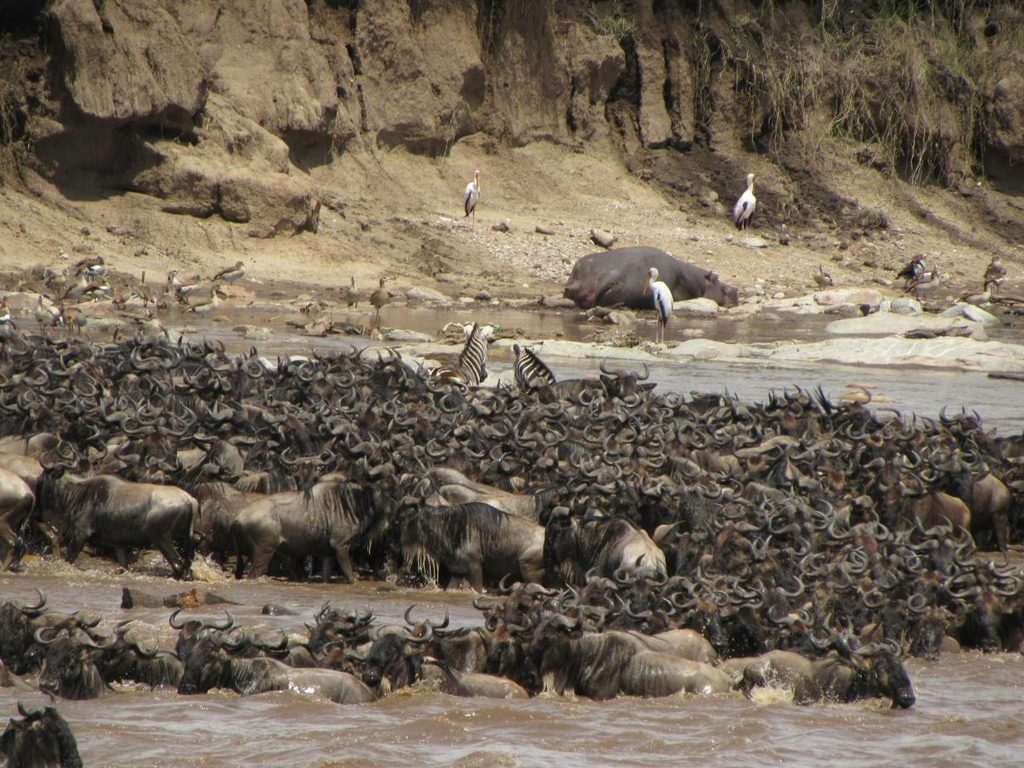
The Great Migration is a major attraction, but it is important to understand that the herds move naturally across a large ecosystem. Their location depends on rainfall and the availability of grass and water. A particular river crossing or large concentration of wildebeest cannot be guaranteed on a specific day. The safari should therefore be planned around the best seasonal areas rather than a promise that the animals will appear in one exact place.
A six-day family safari also allows you to combine wildlife viewing with a balloon flight, making the holiday more varied. Children and adults can enjoy the excitement of searching for animals from a safari vehicle before experiencing the quiet, panoramic views from the sky.
Day 1: Arrival in Tanzania and Transfer to the Serengeti
Your family adventure begins with your arrival in Tanzania, usually through Kilimanjaro International Airport or another agreed meeting point. A representative from EKO Tanzania Adventures can welcome your family, explain the arrangements, and help you begin the journey towards the Serengeti.
Depending on your arrival time, flight arrangements, and the selected route, you may travel towards the park by road or take a domestic flight to a suitable airstrip. The best option depends on your family’s schedule, budget, luggage requirements, and the amount of time you would like to spend travelling.
If travelling by road, the journey offers a chance to see parts of northern Tanzania beyond the main tourist areas. Your guide can explain the local landscape, farming activities, communities, and changing scenery along the way. Families should allow enough time for the transfer, as distances in Tanzania can be considerable and travel times depend on road and weather conditions.
Upon arrival in the Serengeti, you will continue to your selected lodge, tented camp, or family-friendly accommodation. Depending on the arrival time and the location of your accommodation, a short game drive may be possible. If the journey takes most of the day, it is better to settle in, enjoy dinner, and rest before the wildlife activities begin.
The first evening is an opportunity to become familiar with your surroundings. Many safari accommodations offer views of the natural landscape, and you may hear birds or other wildlife nearby. Animals are wild, however, so sightings around the camp are never guaranteed. Follow the property’s safety instructions, especially when walking with children.
After dinner, your guide can discuss the following day’s plans and explain what to expect during game drives. A good night’s rest will help everyone feel ready for the adventure ahead.
Accommodation: Family-friendly lodge or tented camp in or near the Serengeti, depending on the itinerary.
Meals: Depending on your arrival arrangements and package.
Day 2: Full-Day Serengeti Game Drive and the Search for the Great Migration
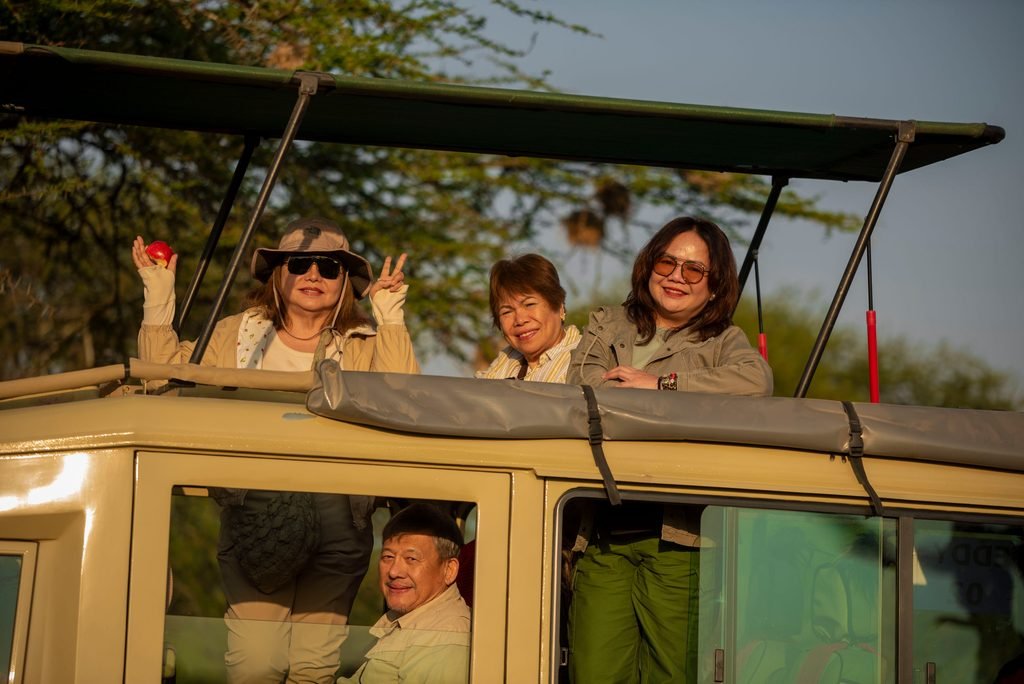
Wake up to the fresh morning air of the Serengeti and prepare for your first full day of wildlife exploration. Early morning is often an excellent time for game viewing because temperatures are cooler and some animals are more active before the heat of the day.
After breakfast, your guide will take your family into the park for a game drive. The exact route will depend on where you are staying, the time of year, and the most recent wildlife information. The Serengeti’s different habitats support a wide variety of animals, so the day can include several types of wildlife encounters.
You may see elephants moving through the grasslands, giraffes browsing on trees, zebras grazing in open areas, and antelopes feeding in the distance. Lions may be resting beneath trees or watching herds from a rocky rise. With patience and a little luck, you may also spot cheetahs in open country or leopards resting in trees or sheltered areas.
For families, the guide plays an important role in making each sighting meaningful. Rather than simply naming the animals, a knowledgeable guide can explain their behaviour, diet, habitats, and role in the ecosystem. Children can learn why giraffes have long necks, how zebras stay alert to danger, and why predators often conserve energy by resting for long periods.
The Great Migration will be a key focus of the day. Depending on the season, your guide may search for wildebeest and zebra herds in the southern plains, central Serengeti, western corridor, or northern areas. During periods when the herds are moving through a particular region, the scale of the migration can be extraordinary. Thousands of animals may spread across the plains, moving together in search of food.
River crossings can be dramatic when the herds reach rivers with suitable conditions, but these events are unpredictable. Animals may gather for hours before crossing, change direction, or move through another section of the river. Your guide will help you appreciate the natural process without disturbing the wildlife.
A picnic lunch can be arranged at a designated location during the game drive, allowing your family to take a break before continuing the exploration. Remember to drink water regularly, use sun protection, and keep children comfortable throughout the day.
In the late afternoon, return to your accommodation or continue with game viewing as planned. Dinner and a relaxing evening provide time to share the day’s favourite sightings and prepare for the next adventure.
Accommodation: Serengeti lodge or tented camp.
Meals: Breakfast, lunch, and dinner according to the selected package.
Day 3: Great Migration Exploration and More Wildlife Encounters
After breakfast, head out for another day of wildlife viewing in the Serengeti. Spending more than one day in the park gives your family a better chance to explore different habitats and observe animal behaviour without feeling that every sighting must be rushed.
Your guide will plan the route according to the season and your family’s interests. If the migration is moving through the area, you may spend time watching wildebeest and zebras travelling across the plains. If the herds are elsewhere, the Serengeti still offers outstanding wildlife opportunities, including resident populations of lions, elephants, giraffes, buffaloes, gazelles, and many bird species.
The Serengeti’s landscape is one of the most distinctive parts of the experience. Vast grasslands stretch towards the horizon, while rocky outcrops known as kopjes provide shelter and resting places for animals. Acacia trees dot some areas, and rivers or seasonal watercourses attract wildlife when water is available.
During a game drive, your family may have the opportunity to observe how animals interact with their surroundings. You might see a group of elephants feeding, a herd of impalas becoming alert to a possible predator, or birds gathering near a water source. These moments help children understand that a safari is not only about finding the largest or rarest animals; it is also about noticing the small details that make the ecosystem work.
If your family is particularly interested in photography, your guide can help identify safe places to stop and allow time for pictures, where park rules and conditions permit. Bring binoculars if available, as they can make it easier to observe birds and animals at a distance without disturbing them.
A relaxed picnic lunch or a return to camp for lunch may be arranged according to the day’s route. Families travelling with younger children may prefer a schedule with regular breaks rather than spending every daylight hour in the vehicle. The itinerary can be adjusted to make the experience more comfortable.
In the afternoon, continue searching for wildlife before returning to your accommodation. Depending on the location and the package, you may have time to relax, enjoy the scenery, or discuss the following morning’s hot-air balloon flight with your guide.
The evening is also a good opportunity to prepare for an early start. Set out comfortable clothing, a light jacket, closed shoes, and any personal items needed for the balloon experience. Your balloon operator will confirm the collection time and provide instructions before the flight.
Accommodation: Serengeti lodge or tented camp.
Meals: Breakfast, lunch, and dinner according to the selected package.
Day 4: Serengeti Hot-Air Balloon Safari and a Memorable Morning Above the Plains
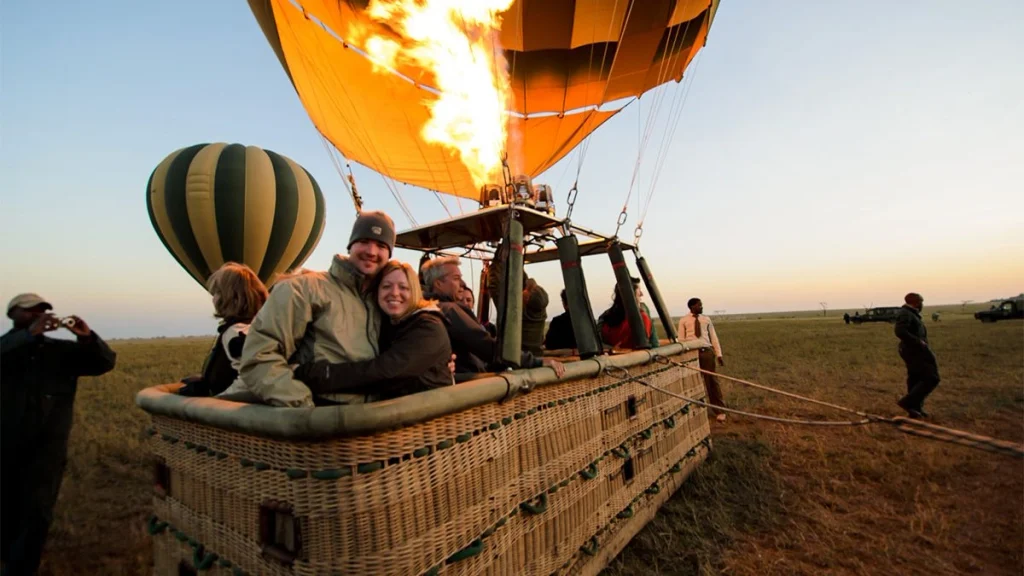
A hot-air balloon flight is one of the most distinctive experiences available on a Serengeti safari. Instead of viewing the landscape from a vehicle, your family has the opportunity to see the plains from above as the sun rises over the wilderness.
The day usually begins before sunrise. A transfer takes you to the balloon launch area, where the crew prepares the balloon and provides a safety briefing. The exact arrangements depend on the operator, launch location, weather, and the accommodation where you are staying.
As the balloon rises, the Serengeti gradually opens beneath you. The morning light spreads across the grasslands, revealing the shape of the landscape, winding rivers, scattered trees, and rocky features. Depending on the location and wildlife activity, you may see herds of wildebeest, zebras, elephants, or other animals moving across the plains.
The experience is often peaceful, with the sound of the burner occasionally breaking the quiet. From above, the scale of the Serengeti becomes easier to appreciate. What may look like a large open field from the ground becomes part of an immense natural landscape stretching far beyond the horizon.
The flight duration is determined by the operator and weather conditions. After landing, many balloon packages include a bush breakfast in the wilderness, although the exact menu and arrangements should be confirmed when booking. Sharing breakfast in the African bush can be a special moment for families, especially after watching the landscape awaken from the sky.
Important family consideration: Hot-air balloon safaris have age, height, safety, and participation requirements that vary by operator. Before booking, confirm whether every child in your family is eligible to fly. Parents should also check the applicable weight, mobility, and medical restrictions. Balloon flights depend on suitable weather and may be delayed, changed, or cancelled if conditions are unsafe. The flight should not be treated as guaranteed until the operator confirms the arrangements.
After the balloon experience, return to your accommodation or continue with a game drive, depending on the package and timing. If the flight and breakfast finish early enough, the rest of the day can be spent exploring the Serengeti.
Your guide may take you to areas known for wildlife activity or return to a location where interesting sightings were reported earlier. You may encounter large herds, predators resting in the shade, or birds moving between feeding grounds. Every drive is different, and the natural behaviour of wildlife is part of what makes a safari rewarding.
The afternoon can be kept flexible to suit your family’s energy levels. After several early starts, younger children may appreciate time to rest before dinner. Adults can enjoy the surroundings and reflect on the morning’s flight while preparing for another day of exploration.
Accommodation: Serengeti lodge or tented camp.
Meals: Breakfast arrangements depend on the balloon package; lunch and dinner according to your safari plan.
Day 5: More Serengeti Wildlife and a Deeper Appreciation of the Wilderness
Your fifth day offers another opportunity to enjoy the Serengeti at a comfortable pace. By now, your family may have discovered favourite animals, developed a better understanding of the landscape, and become more familiar with the rhythm of a safari day.
After breakfast, head out with your guide for another game drive. The itinerary can focus on the wildlife experiences your family has enjoyed most, while also exploring new areas where road access, time, and seasonal conditions allow.
If you have already seen elephants, giraffes, and zebras, your guide may help you look more closely at animal behaviour. You might observe how a herd moves together, how birds search for food, or how grazing animals respond to sounds and movement in the grass. These details often become some of the most memorable parts of a family safari.
For families hoping to see the Great Migration, your guide will continue checking where the herds are moving. The Serengeti is a large ecosystem, and migration routes change throughout the year. Some months are associated with large concentrations of wildebeest in the southern plains, while other periods may bring herds through the western corridor or northern Serengeti. The timing is influenced by rainfall, so it is important to choose travel dates with realistic expectations.
Even if the herds are not close to your camp, the Serengeti remains an excellent destination for wildlife viewing. Resident animals live in the park throughout the year, and each habitat supports different species. Your guide can explain why certain animals favour open grasslands while others prefer woodland, rocky areas, or river environments.
A picnic lunch may be enjoyed during the drive, or your family can return to camp for a more relaxed meal. The choice depends on the distance to the day’s viewing areas and the schedule you prefer. For younger travellers, a flexible approach can make the difference between a tiring day and an enjoyable one.
In the afternoon, continue exploring before returning to your accommodation. This may be your final full day in the Serengeti, so it is a good time to enjoy the scenery, ask your guide any remaining questions, and take family photographs at suitable locations.
After dinner, prepare for the journey on the following day. Confirm your departure time, check your luggage, and keep travel documents and personal belongings organised. Your guide will explain whether you will leave by road or transfer to an airstrip for a flight, depending on the itinerary.
Accommodation: Serengeti lodge or tented camp.
Meals: Breakfast, lunch, and dinner according to the selected package.
Day 6: Final Game Drive and Departure from the Serengeti
Your final day begins with breakfast and, depending on your departure schedule, an opportunity for one last game drive. Even a short drive can provide a memorable ending to the safari, as wildlife activity changes throughout the day.
If time permits, your guide may take you through a nearby area to look for animals you have not yet seen. You might encounter a herd of zebras moving across the plains, giraffes browsing among trees, or elephants travelling towards a water source. Wildlife sightings cannot be guaranteed, but the final drive offers one more chance to enjoy the Serengeti before leaving.
After the game drive, return to your accommodation, collect your luggage, and begin the journey to your next destination. Depending on your arrangements, you may travel by road towards Arusha or transfer to a Serengeti airstrip for a domestic flight. The best option depends on your onward travel plans, budget, flight schedule, and the location of your camp.
If you are connecting to an international flight, allow sufficient time between the safari transfer and your departure. Domestic flight schedules and road travel can be affected by weather and operational conditions, so your itinerary should be planned carefully.
As the journey comes to an end, your family will leave with memories of the Serengeti’s open landscapes, fascinating wildlife, and the special experience of seeing the plains from a hot-air balloon, if the flight took place. The safari may also inspire children to learn more about conservation and the importance of protecting wild animals and their habitats.
For families continuing to Zanzibar or another Tanzanian destination, EKO Tanzania Adventures can help coordinate onward arrangements as part of a customised holiday.
The Great Migration: Understanding the Best Time to Travel
The Great Migration is one of the main reasons families choose the Serengeti, but the best time to travel depends on which part of the migration you hope to experience.
The herds move through the Serengeti ecosystem throughout the year, following seasonal rainfall and fresh grazing. The timing varies from year to year, so no month guarantees a particular sighting. A well-planned safari considers the usual seasonal patterns while remaining flexible enough to respond to changing conditions.
January to March: The southern Serengeti and Ndutu area often attract large concentrations of wildebeest during the calving season. Many calves are born within a relatively short period, and predators may be active around the herds. This can be a rewarding time for families interested in animal behaviour and the early stages of life in the wild.
April to May: Seasonal rains often influence the movement of the herds as they begin travelling away from the southern plains. Some roads may become muddy, and travel conditions can vary. The landscape can be green and beautiful, but families should discuss road conditions and the best locations with their safari planner.
June to July: Depending on rainfall and the year, herds may move through the western corridor and towards river systems. This period can offer excellent wildlife viewing, and some groups may begin gathering near rivers. Actual crossing activity remains unpredictable.
August to October: The northern Serengeti can be an important area for herds moving towards or across the Mara River. River crossings attract considerable interest, but the animals do not cross according to a fixed timetable. They may gather and wait, move elsewhere, or cross at a different location.
November to December: Short rains often influence movement back towards the southern plains. The herds may begin spreading across areas with fresh grass, although the timing depends on local conditions.
When booking your 2026–2027 safari, share your preferred travel month with EKO Tanzania Adventures. This will help determine which part of the Serengeti is most suitable for your dates and whether the itinerary should focus on calving areas, general wildlife viewing, or the northern migration region.
Family-Friendly Accommodation in the Serengeti
Choosing suitable accommodation is an important part of planning a family safari. After a day of game drives, everyone needs a comfortable place to eat, rest, and prepare for the next adventure.
Accommodation options range from permanent lodges to seasonal tented camps. Some properties offer family rooms or interconnected rooms, while others can arrange additional beds or suitable tent configurations. Facilities vary, so it is important to confirm the sleeping arrangements, bathroom facilities, meal options, and child policies before making a reservation.
Families travelling with young children may prefer accommodation with easy access to the dining area and clear safety arrangements. Parents should also ask whether the property has age restrictions, swimming pool supervision rules, or special procedures for moving around the grounds after dark.
Tented camps can provide a close connection to nature, while lodges may offer additional facilities and a more traditional hotel-style experience. Neither option is automatically best for every family. The right choice depends on your budget, children’s ages, comfort preferences, and the locations you want to explore.
Staying in the Serengeti for several nights can also reduce the need to change accommodation frequently. This helps families settle in, keep their luggage organised, and spend more time enjoying the wildlife rather than moving between destinations.
EKO Tanzania Adventures can recommend accommodation options according to your family’s requirements and the season of travel. Availability and child policies should always be checked before confirmation.
What Is Included in the 6-Day Family Safari Package?
The final inclusions depend on the accommodation category, transport arrangements, and the selected balloon operator. A typical package may include the following services:
- Private safari vehicle with a professional driver-guide.
- Airport or agreed meeting-point transfers, as specified in the itinerary.
- Park entry fees and relevant conservation charges for the agreed route.
- Five nights of accommodation, subject to the confirmed itinerary.
- Meals listed in the final package.
- Game drives in the Serengeti National Park.
- A hot-air balloon safari, if confirmed as part of the package.
- Bush breakfast following the balloon flight, where included by the operator.
- Drinking water in the safari vehicle, subject to the agreed arrangements.
- Assistance with itinerary planning and travel coordination.
Before paying a deposit, ask for a written quotation that clearly identifies the accommodation, room arrangements, transport method, park fees, meals, balloon flight, taxes, and any additional charges. This avoids confusion and helps you compare package options accurately.
What Is Not Included in the Safari Package?
Some services are usually charged separately unless specifically included in the quotation. These may include:
- International flights to and from Tanzania.
- Domestic flights, unless listed in the package.
- Tanzania visa fees and travel documentation costs.
- Travel insurance and medical expenses.
- Personal purchases, laundry, and optional drinks.
- Tips for the safari guide and accommodation staff.
- Additional activities not listed in the itinerary.
- Extra accommodation before or after the safari.
- Balloon flight costs if the activity is not included in the confirmed package.
- Any additional expenses arising from changes requested by the family.
The balloon flight deserves particular attention because it can add a significant amount to the overall safari budget. Confirm whether the price covers every eligible family member, whether child rates apply, and what happens if weather conditions prevent the flight from operating.
How Much Does a 6-Day Serengeti Family Safari Cost in 2026–2027?
The cost of a six-day Serengeti Great Migration family safari depends on several factors. These include the number of travellers, children’s ages, travel dates, accommodation standard, route, transport arrangements, and whether the hot-air balloon experience is included.
A private safari may have a higher total price than a group departure, but it can offer more flexibility for families. You can discuss the pace of game drives, preferred meal arrangements, accommodation needs, and the interests of different age groups with your safari planner.
Accommodation is another major factor. Budget-conscious families may choose simpler lodges or tented camps, while those seeking additional comfort may prefer mid-range or luxury properties. Staying in a seasonal camp close to the migration can also affect the overall cost, particularly during popular travel periods.
The balloon flight is an additional consideration. Its price depends on the operator, launch location, and passenger category. Since children may be subject to age or other eligibility restrictions, the activity should be confirmed before the family finalises the budget.
Rather than relying on a general online price, request a personalised quotation from EKO Tanzania Adventures. Provide your preferred travel dates, number of adults and children, children’s ages, accommodation preference, and whether you would like to travel by road or domestic flight. These details make it possible to prepare a more accurate price for your family.
What Should Your Family Pack for the Safari?
Packing well helps everyone remain comfortable during early mornings, warm afternoons, and long periods in the safari vehicle. You do not need to bring an excessive amount of luggage, but a few essentials can make a real difference.
Bring lightweight clothing in comfortable colours, such as khaki, brown, olive, or neutral shades. These colours are practical for the bush, although there is no need to buy a completely new wardrobe. Include a light jacket or fleece for early-morning drives, as temperatures can be cool before sunrise.
Comfortable walking shoes are useful around accommodation areas, while sandals may be suitable for relaxing at the lodge. Pack a wide-brimmed hat, sunglasses, sunscreen, and insect repellent. A reusable water bottle can help everyone stay hydrated, especially during warm afternoons.
Binoculars are valuable for watching birds and spotting animals at a distance. A camera or phone can help preserve family memories, and spare batteries or a power bank are useful on long travel days. Keep essential medication in your hand luggage and bring any personal items your children need for comfort.
For the balloon flight, follow the operator’s advice about clothing, footwear, luggage, and camera equipment. Avoid carrying unnecessary items into the balloon basket, where space may be limited. Confirm any luggage restrictions in advance, particularly if your safari includes small aircraft.
Parents travelling with young children should also pack familiar snacks where appropriate, activity books, and items that make early starts easier. The safari vehicle will provide opportunities to observe wildlife, but children may still appreciate something to do between sightings.
Practical Tips for Travelling with Children
A successful family safari is not about seeing every animal in one day. It is about making the journey enjoyable for everyone, allowing time for rest, and choosing activities that match the family’s interests and energy levels.
Before travelling, explain to children what they may experience. They should understand that wild animals live freely and cannot be made to appear on demand. Some sightings may last only a few seconds, while others may involve waiting quietly for an animal to move or become active.
Ask your safari planner about the minimum ages for particular activities, especially the hot-air balloon flight. Not every child will be eligible to participate, and a separate arrangement may be necessary if some family members cannot fly. Never assume that every operator follows the same age policy.
During game drives, follow your guide’s instructions and remain inside the vehicle unless the guide confirms that leaving it is permitted in a designated area. Do not feed animals, shout at wildlife, or ask the driver to approach animals too closely. These rules protect both visitors and wildlife.
Keep drinking water available and take breaks when needed. A flexible schedule is especially valuable when travelling with younger children. If someone becomes tired, discuss the possibility of shortening a drive or returning to camp earlier.
Finally, allow room for unexpected moments. A safari is a journey through a living ecosystem, not a staged performance. The most memorable experience might be a lion sighting, a herd of wildebeest on the move, a colourful bird beside the road, or a quiet morning watching the sun rise over the plains.
Responsible Tourism and Wildlife Conservation
The Serengeti is an internationally important wildlife habitat, and protecting it helps ensure that future generations can enjoy its natural beauty. Families can contribute to responsible tourism by following park regulations, respecting wildlife, and choosing activities that prioritise safety and conservation.
Keep a respectful distance from animals and avoid actions that interrupt their natural behaviour. Follow your guide’s advice about vehicle positioning, noise, and movement. Never leave litter in the park, and use designated areas for meals and rest stops.
Children can take an active role in responsible travel. Encourage them to observe carefully, ask questions, and learn why wild animals need space. A guide may explain how grazing animals support predators, why water sources matter, and how changes in rainfall affect wildlife movements.
Responsible tourism also means respecting local communities and the people who work in the tourism industry. Listen to your guide, treat staff with courtesy, and learn about Tanzania’s culture as well as its wildlife. These experiences help make the holiday more meaningful.
Book Your Epic 6-Day Serengeti Great Migration Family Safari 2026–2027 with EKO Tanzania Adventures
The Epic 6-Day Serengeti Great Migration Family Safari 2026–2027 offers families the opportunity to discover Tanzania’s wildlife, explore the remarkable Serengeti ecosystem, and enjoy a hot-air balloon experience where age requirements and weather conditions permit. With several days dedicated to game drives, there is time to appreciate the Great Migration’s seasonal movements while also searching for the many resident animals that make the Serengeti special.
EKO Tanzania Adventures can customise your safari around your travel dates, family size, children’s ages, preferred accommodation, budget, and onward travel plans. Whether you are looking for a comfortable mid-range holiday or a more luxurious family adventure, the itinerary can be discussed and adjusted to meet your needs.
When making an enquiry, include your preferred month of travel, the number of adults and children, each child’s age, your accommodation preference, and whether you would like the balloon flight included in the quotation. These details will help the team check suitable options and prepare a clear proposal.
Contact EKO Tanzania Adventures
Website: ekotanzaniaadventures.com
WhatsApp/Call: +255 761 353 184
Email: info@ekotanzaniaadventures.com
Alternative Email: ekotanzaniaadventure@gmail.com
Plan your family adventure in the Serengeti and look forward to six days of wildlife discovery, open African landscapes, and shared experiences that can become some of your family’s most treasured travel memories.