The Epic 7-Day Serengeti Wildebeest Migration Budget Camping Safari 2026–2028 is designed for travelers who want to experience one of Africa’s greatest wildlife spectacles while keeping the safari affordable. This seven-day adventure combines extended game drives, authentic camping, spectacular landscapes, and the opportunity to follow the movements of the Great Wildebeest Migration across Tanzania’s northern safari circuit.
Unlike a very short safari, seven days give you more time to explore different parts of the Serengeti and increase your chances of experiencing dramatic wildlife encounters. Depending on the season, you may witness huge herds of wildebeest and zebras crossing the plains, predators following the herds, calves being born, or animals gathering around water and grazing areas.
The camping style also adds another dimension to the experience. Instead of simply visiting the Serengeti during the day and leaving, you spend your nights in the African wilderness, surrounded by the atmosphere of the bush.
Why Choose a 7-Day Serengeti Wildebeest Migration Safari?:The Epic 7-Day Serengeti Wildebeest Migration Budget Camping Safari 2026–2028
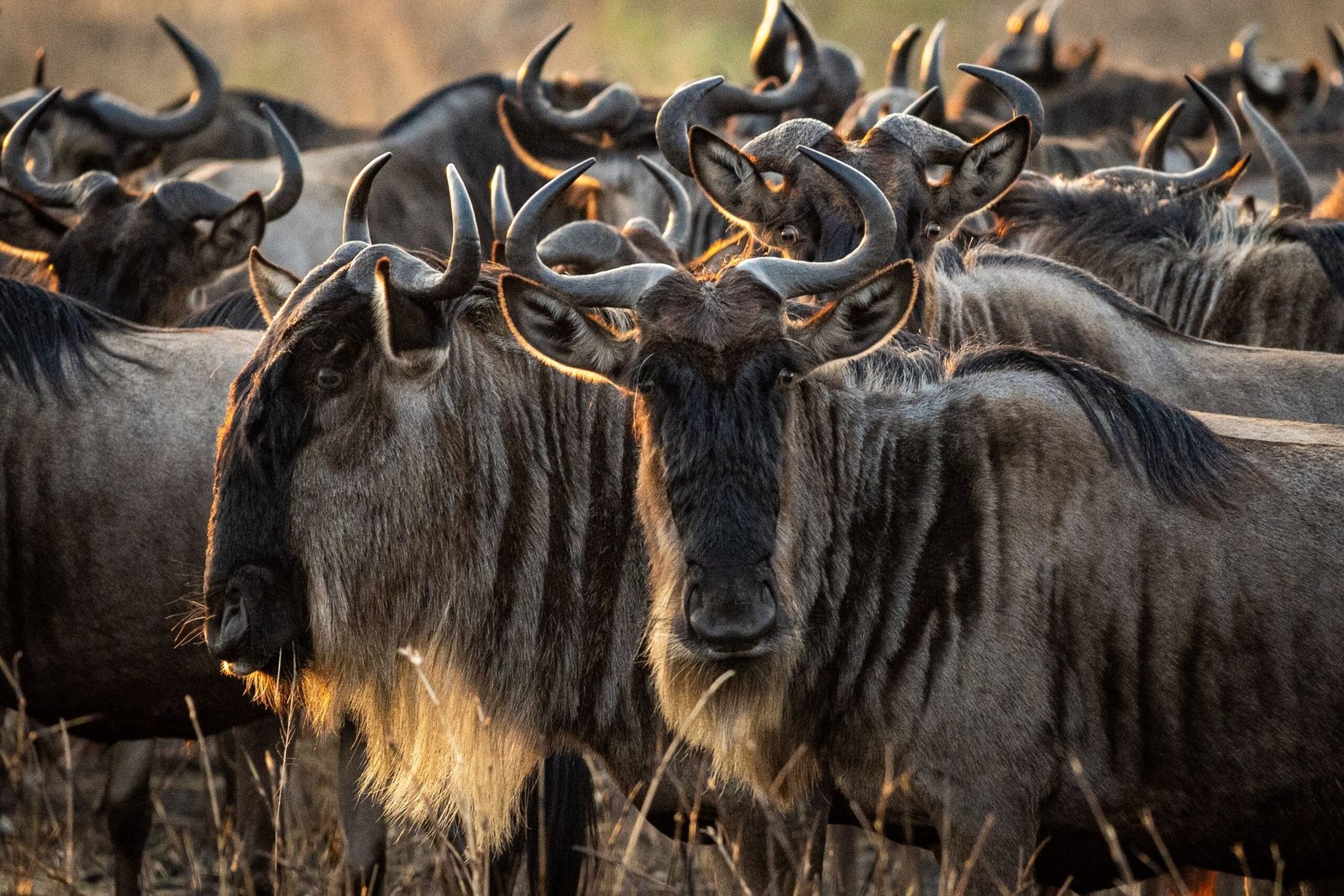
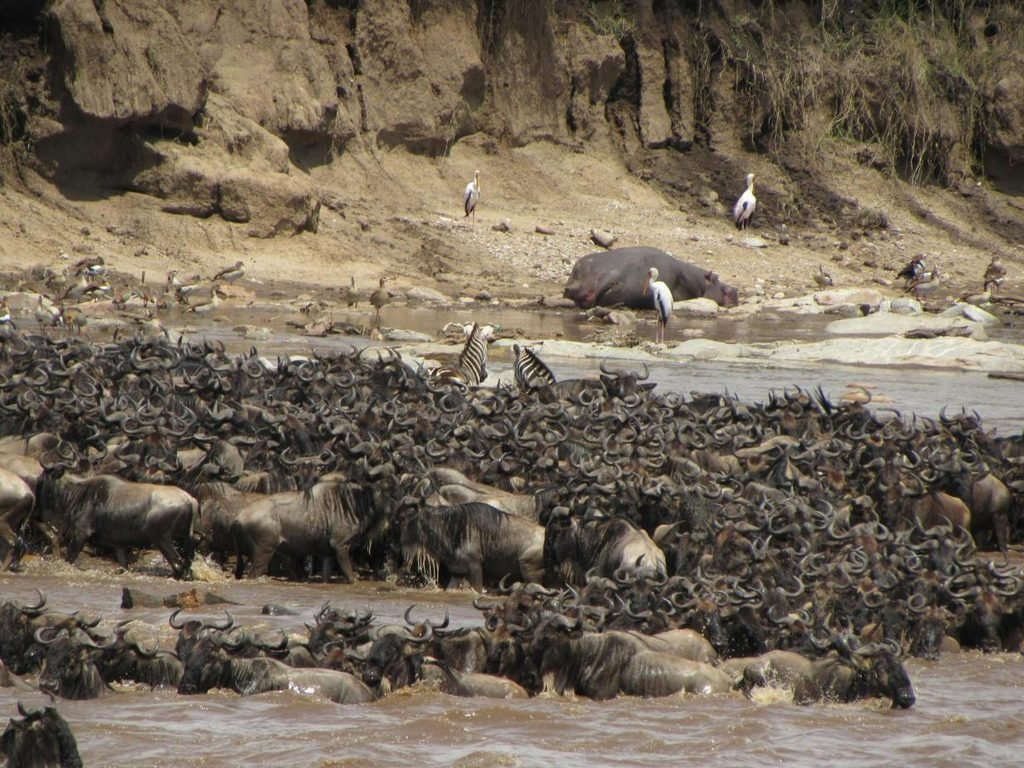
The Great Migration is not a single event that happens in one place on one specific day. It is a continuous natural cycle in which millions of wildebeest, accompanied by zebras and other herbivores, move through the Serengeti ecosystem in search of fresh grazing and water.
A seven-day safari gives you enough time to explore the migration areas more patiently.
You can enjoy:
- Extended Serengeti game drives
- Opportunities to see massive wildebeest herds
- Excellent predator sightings
- Authentic budget camping
- Tarangire National Park wildlife
- Ngorongoro Crater scenery and wildlife
- Beautiful sunrises and sunsets
- Professional safari guiding
- Multiple days inside the Serengeti
- A more immersive African wilderness experience
7-Day Serengeti Wildebeest Migration Budget Camping Itinerary
Day 1: Arusha – Tarangire National Park
Your safari begins in Arusha, where you meet your safari guide and depart in a 4×4 safari vehicle.
Your first destination is Tarangire National Park, famous for its impressive elephant population, enormous baobab trees, open grasslands, and seasonal wetlands.
After entering the park, you begin your first game drive.
Keep an eye out for elephants, giraffes, zebras, wildebeest, buffaloes, impalas, warthogs, monkeys, lions, and numerous bird species.
Tarangire has a distinct character compared with the Serengeti. Its landscapes are dotted with ancient baobabs and large elephant groups, creating excellent opportunities for photography.
After the game drive, you continue toward your camping area for dinner and overnight accommodation.
Meals: Lunch and dinner
Accommodation: Budget camping
Day 2: Tarangire – Ngorongoro Conservation Area
Wake up early and enjoy breakfast before beginning another journey through northern Tanzania.
Depending on the itinerary, you may have a short morning activity or travel directly toward the Ngorongoro Conservation Area.
The journey itself is part of the adventure. You pass through rural landscapes and highland scenery before reaching the area surrounding the Ngorongoro Crater.
You will spend the night at a budget campsite, preparing for the following day’s exploration.
The cooler highland climate can be a refreshing change after the warmer lowlands.
Meals: Breakfast, lunch and dinner
Accommodation: Budget camping
Day 3: Ngorongoro Crater – Serengeti National Park:The Epic 7-Day Serengeti Wildebeest Migration Budget Camping Safari 2026–2028
Today is one of the major highlights of the safari.
After breakfast, you descend into Ngorongoro Crater for a game drive.
The crater is a spectacular natural amphitheater containing grasslands, wetlands, woodland, and other habitats. These support a wide variety of wildlife.
You may encounter:
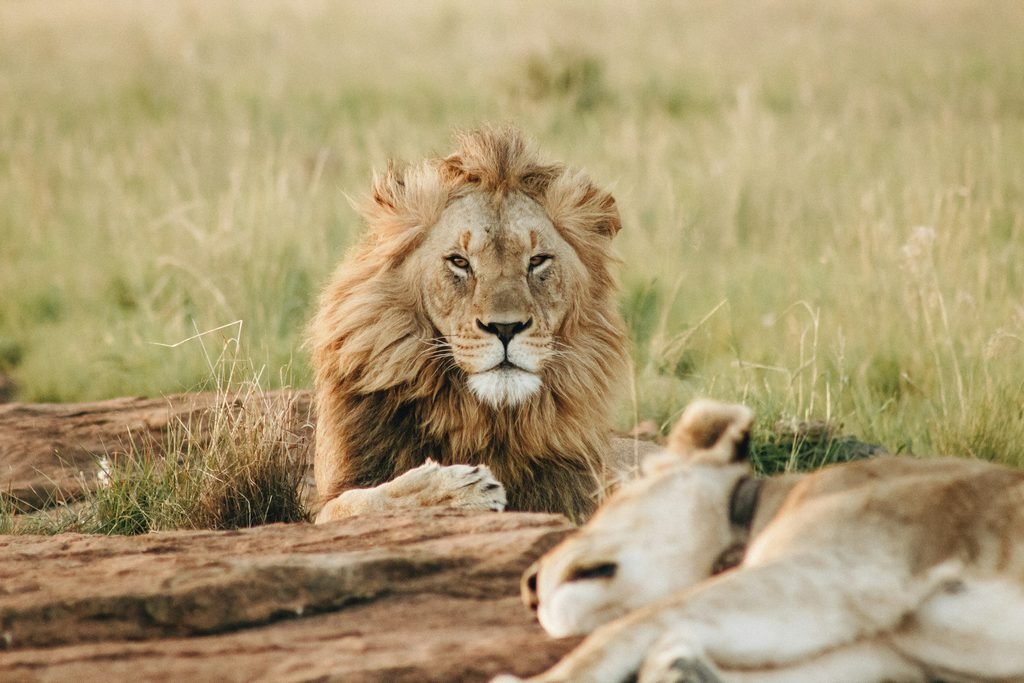
- Lions
- Buffaloes
- Zebras
- Wildebeest
- Hippos
- Hyenas
- Gazelles
- Elephants
- Jackals
- Numerous bird species
- Black rhinoceros, with luck
After exploring the crater, you ascend and continue toward Serengeti National Park.
As you approach the Serengeti, the landscape begins to open into vast plains.
This is where the feeling of being in the heart of the migration country really begins.
You arrive at your campsite for dinner and your first night under the Serengeti sky.
Meals: Breakfast, lunch and dinner
Accommodation: Budget camping in Serengeti
Day 4: Full-Day Serengeti Wildebeest Migration Safari:The Epic 7-Day Serengeti Wildebeest Migration Budget Camping Safari 2026–2028
Today is dedicated entirely to the Serengeti.
After an early breakfast, you head out for a full-day game drive.
The exact migration experience depends on the time of year and the location of the herds.
Your guide will monitor wildlife activity and select areas where there are good opportunities for sightings.
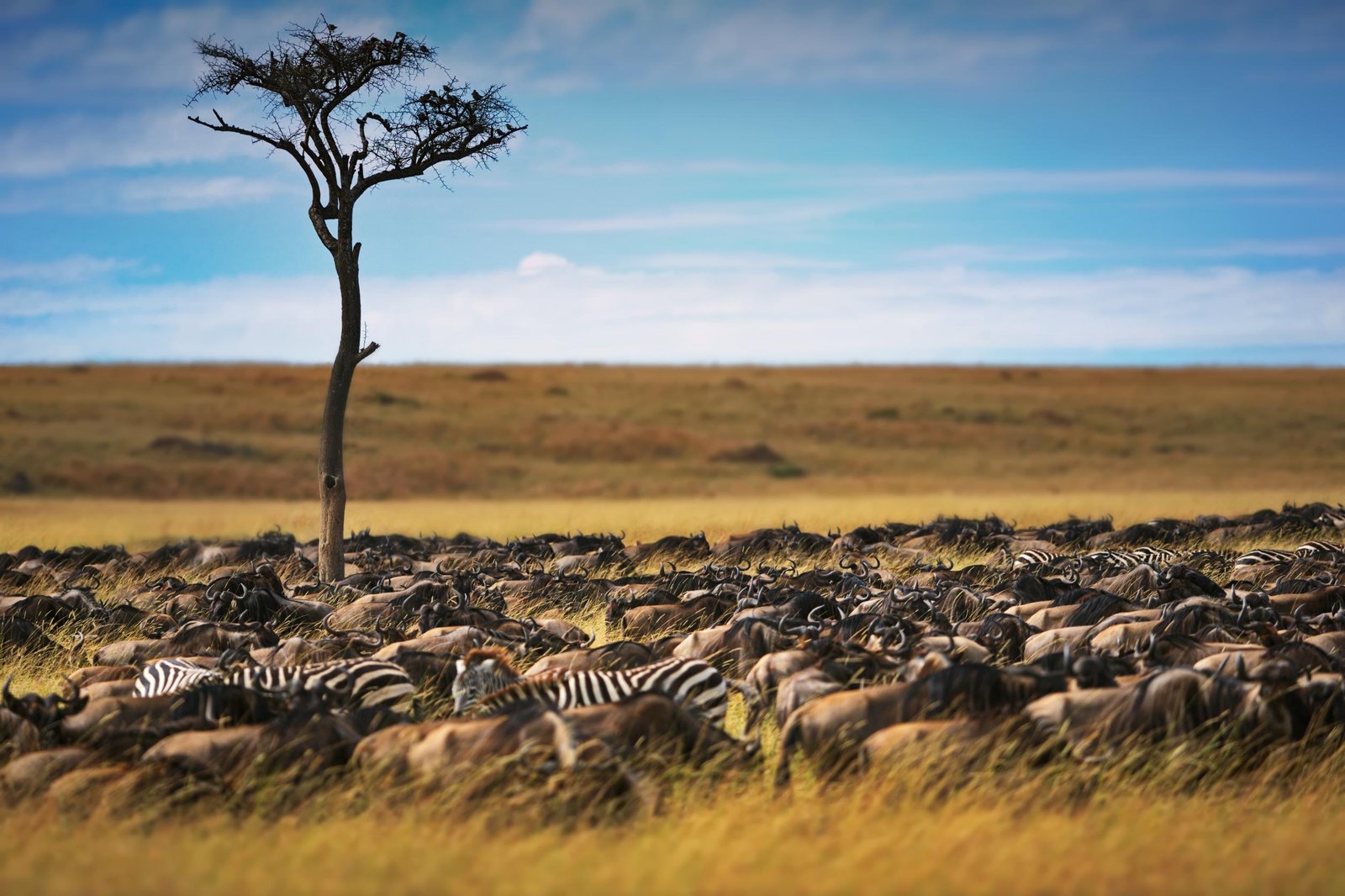
You may encounter enormous groups of wildebeest stretching across the horizon.
Among them, you may see zebras moving together with the herds.
But the migration is not only about herbivores.
Where there are large numbers of prey animals, predators are never far away.
You may spot:
- Lions
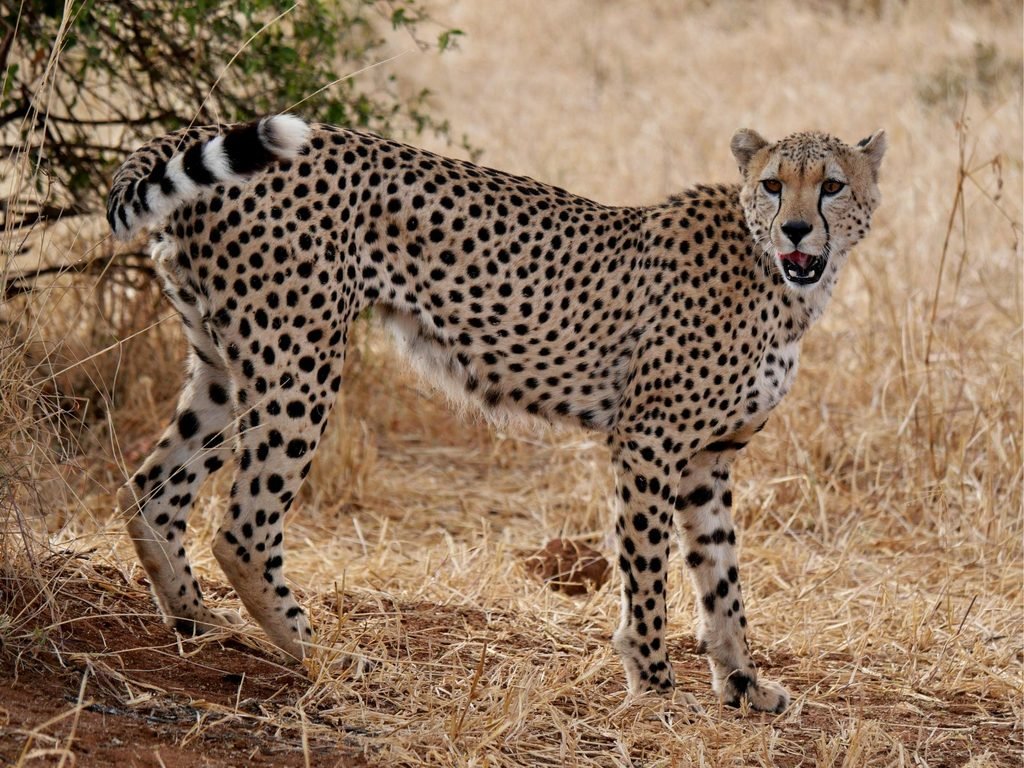
- Cheetahs
- Leopards
- Hyenas
- Jackals
- Crocodiles in relevant river areas
A particularly memorable experience is watching predators patiently observe migrating herds before attempting to hunt.
After a full day in the park, return to camp for dinner and relaxation.
Meals: Breakfast, lunch and dinner
Accommodation: Budget camping
Day 5: Serengeti – Migration Exploration:The Epic 7-Day Serengeti Wildebeest Migration Budget Camping Safari 2026–2028
Your fifth day provides another full day to explore the Serengeti.
This extra day is one of the biggest advantages of choosing a seven-day itinerary.
Instead of rushing from one destination to another, you have more time to explore.
The Serengeti changes dramatically depending on where the herds are located. Your safari guide can adapt the day’s route based on recent wildlife movements and the seasonal migration pattern.
During the game drive, you may encounter huge wildebeest concentrations, zebra herds, giraffes, elephants, buffaloes, antelopes, and predators.
The landscape itself is equally impressive.
You may drive across:
- Endless grass plains
- Rocky kopjes
- Acacia-covered areas
- Seasonal rivers
- Woodlands
- Open savannah
A sunset over the Serengeti can provide the perfect ending to another unforgettable safari day.
Meals: Breakfast, lunch and dinner
Accommodation: Budget camping
Day 6: Serengeti – Ngorongoro Area:The Epic 7-Day Serengeti Wildebeest Migration Budget Camping Safari 2026–2028
Enjoy an early morning game drive before beginning your journey out of the Serengeti.
Early morning is a particularly beautiful time for wildlife viewing because temperatures are cooler and many animals are active.
Depending on the migration season and your itinerary, you may make additional stops for wildlife viewing before leaving the park.
The journey toward the Ngorongoro area gives you another opportunity to appreciate Tanzania’s changing landscapes.
Arrive at your campsite later in the day, enjoy dinner, and relax after several exciting days in the wilderness.
Meals: Breakfast, lunch and dinner
Accommodation: Budget camping
Day 7: Ngorongoro Area – Arusha
After breakfast, begin your journey back toward Arusha.
Depending on the timing of your departure and your travel arrangements, there may be opportunities for a short activity or cultural stop along the way.
You arrive in Arusha later in the day, marking the end of your seven-day Serengeti migration adventure.
If you are continuing to Zanzibar, climbing Mount Kilimanjaro, or traveling onward to another destination, your safari can be arranged to fit your wider Tanzania itinerary.
Meals: Breakfast and lunch
When Is the Best Time to See the Wildebeest Migration?
One of the most important things to understand about the migration is that the best location changes throughout the year.
January – March: Calving Season
The southern Serengeti and Ndutu area can become particularly important during the calving season.
Large numbers of wildebeest give birth, creating dramatic scenes of newborn animals and attracting predators.
This period can be excellent for travelers interested in the birth and early-life stages of the migration.
April – May: Movement Toward the Western Areas
As grazing conditions change, the herds gradually move north and west.
The exact timing varies according to rainfall and environmental conditions.
June – July: Northern Movement and River-Crossing Possibilities
As the dry season develops, the herds continue moving north.
Some travelers specifically hope to witness river crossings, but these events are completely natural and unpredictable.
A safari should never guarantee a river crossing on a specific date.
August – October: Northern Serengeti
The northern Serengeti becomes particularly important during the later stages of the migration.
Herds may move between Tanzania and Kenya depending on environmental conditions and rainfall.
November – December: Return South
The short rains encourage the herds to begin moving back toward the southern Serengeti and surrounding areas.
This completes another stage of the annual migration cycle.
What Does Budget Camping Mean?
Budget camping does not mean sacrificing the safari experience.
The main difference is the type of accommodation.
Instead of staying in expensive luxury lodges, you sleep at designated campsites using safari camping equipment.
A typical camping setup can include:
- Spacious tents
- Comfortable sleeping arrangements
- Mattresses
- Sleeping bags where provided
- Dining equipment
- Camp cooking equipment
- Camp chairs and tables
Meals are generally prepared by the safari cook or safari team, depending on the package.
The result is a more affordable way to experience Tanzania while remaining close to nature.
Estimated Cost of a 7-Day Budget Camping Safari
The cost varies depending on the season, group size, park fees, camping arrangements, vehicle type, and services included.
A reasonable planning range for a 7-day shared budget camping safari can be approximately:
| Group Size | Estimated Cost Per Person |
|---|---|
| 2 travelers | $1,000–$1,400 |
| 3–4 travelers | $850–$1,200 |
| 5–6 travelers | $750–$1,050 |
| 7+ travelers | $700–$1,000 |
These figures are indicative planning estimates, not fixed quotations. Migration-season demand, park fees, accommodation availability, and the exact migration route can significantly affect the final price.
For the most accurate quotation, the safari should be priced according to your exact travel dates and number of travelers.
What’s Included?
A typical seven-day budget camping package can include:
- Safari transportation in a 4×4 vehicle
- Professional English-speaking safari guide
- Safari cook
- Park entrance fees
- Ngorongoro conservation-related fees
- Game drives
- Camping accommodation
- Camping equipment
- Meals during the safari
- Drinking water
- Pickup and drop-off in Arusha
What’s Not Included?
Travelers should normally budget separately for:
- International flights
- Tanzania visa
- Travel insurance
- Tips
- Alcoholic drinks
- Personal expenses
- Laundry
- Travel equipment
- Optional cultural activities
- Accommodation before or after the safari
What Wildlife Can You See?:The Epic 7-Day Serengeti Wildebeest Migration Budget Camping Safari 2026–2028
The Serengeti migration creates extraordinary opportunities for wildlife viewing, but animals are wild and sightings can never be guaranteed.
Possible sightings include:
Wildebeest
The stars of the migration. Seeing thousands of wildebeest moving across the plains is one of Tanzania’s most unforgettable wildlife experiences.
Zebras
Zebras frequently travel alongside wildebeest, forming enormous mixed herds.
Lions
The abundance of prey attracts large numbers of lions, making the Serengeti one of Africa’s iconic big-cat destinations.
Cheetahs
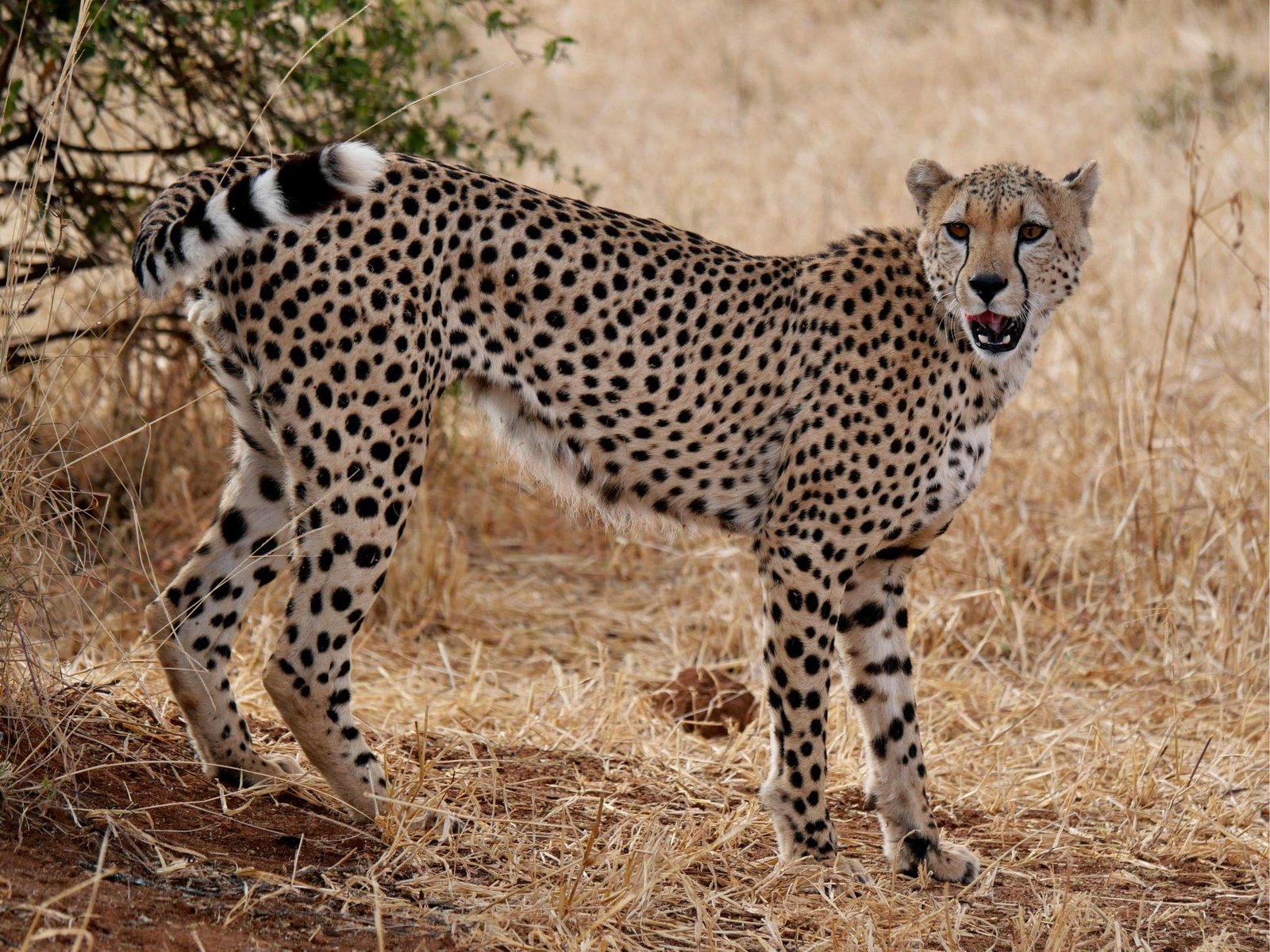
Open plains provide suitable habitat for cheetahs, particularly in areas where prey is abundant.
Leopards
Leopards are more elusive and are often found resting in trees or hiding in vegetation. Patience and an experienced guide can make a big difference.
Elephants
Elephants can be encountered in several parts of the safari circuit.
Giraffes
Their height makes them relatively easy to spot against the Serengeti horizon.
Buffaloes and Antelopes
Large buffalo herds and numerous antelope species add to the diversity of the safari.
What to Pack for the Safari
Pack light but make sure you have the essentials.
Recommended items include:
- Lightweight clothing
- Warm fleece or jacket
- Comfortable trousers
- Closed walking shoes
- Sun hat
- Sunglasses
- Sunscreen
- Insect repellent
- Camera
- Extra batteries or power bank
- Binoculars
- Reusable water bottle
- Small backpack
- Personal toiletries
- Passport and travel documents
For camping, warm clothing is particularly important because nights can become surprisingly cold, especially around the Ngorongoro highlands.
Why a 7-Day Safari Is Better Than a Very Short Migration Trip
The biggest advantage of seven days is time.
Migration wildlife is constantly moving. Spending several days in the ecosystem gives your safari more flexibility.
Instead of hoping everything happens during one game drive, you have multiple opportunities to find wildlife.
You also experience more than the migration itself.
You experience the landscapes.
You experience the changing light of the African plains.
You experience evenings around camp.
You experience early-morning drives when the Serengeti is quiet and cool.
And most importantly, you have time to slow down and appreciate the wilderness rather than simply rushing from one destination to another.
Final Thoughts
The Epic 7-Day Serengeti Wildebeest Migration Budget Camping Safari 2026–2028 is an outstanding choice for travelers who want an immersive Tanzania wildlife adventure without the high cost associated with luxury safari travel.
From the elephants of Tarangire to the dramatic landscapes of Ngorongoro and the enormous herds of the Serengeti, every stage of the journey brings something different.
The migration itself is unpredictable—and that is part of its magic. You cannot control where the animals will be tomorrow, but with enough time, a flexible itinerary, and knowledgeable safari guidance, you can give yourself an excellent opportunity to experience one of nature’s greatest spectacles.
Seven days in Tanzania is more than a safari. It is seven days of wildlife, wilderness, adventure, and unforgettable African memories.