A Complete Kilimanjaro Trekking Guide with Eko Tanzania Adventures
The Top Operator, Guide, and Company for the Kilimanjaro Trek: 9 Crucial Facts to Safeguard Your Summit Dream in 2026 & 2027;For many travelers, climbing Kilimanjaro is not simply another holiday activity. It is a personal goal a challenge that may take months or even years of preparation. Reaching Uhuru Peak can represent a birthday dream, a charitable challenge, a honeymoon adventure, a family achievement, or simply the desire to stand on the Roof of Africa.
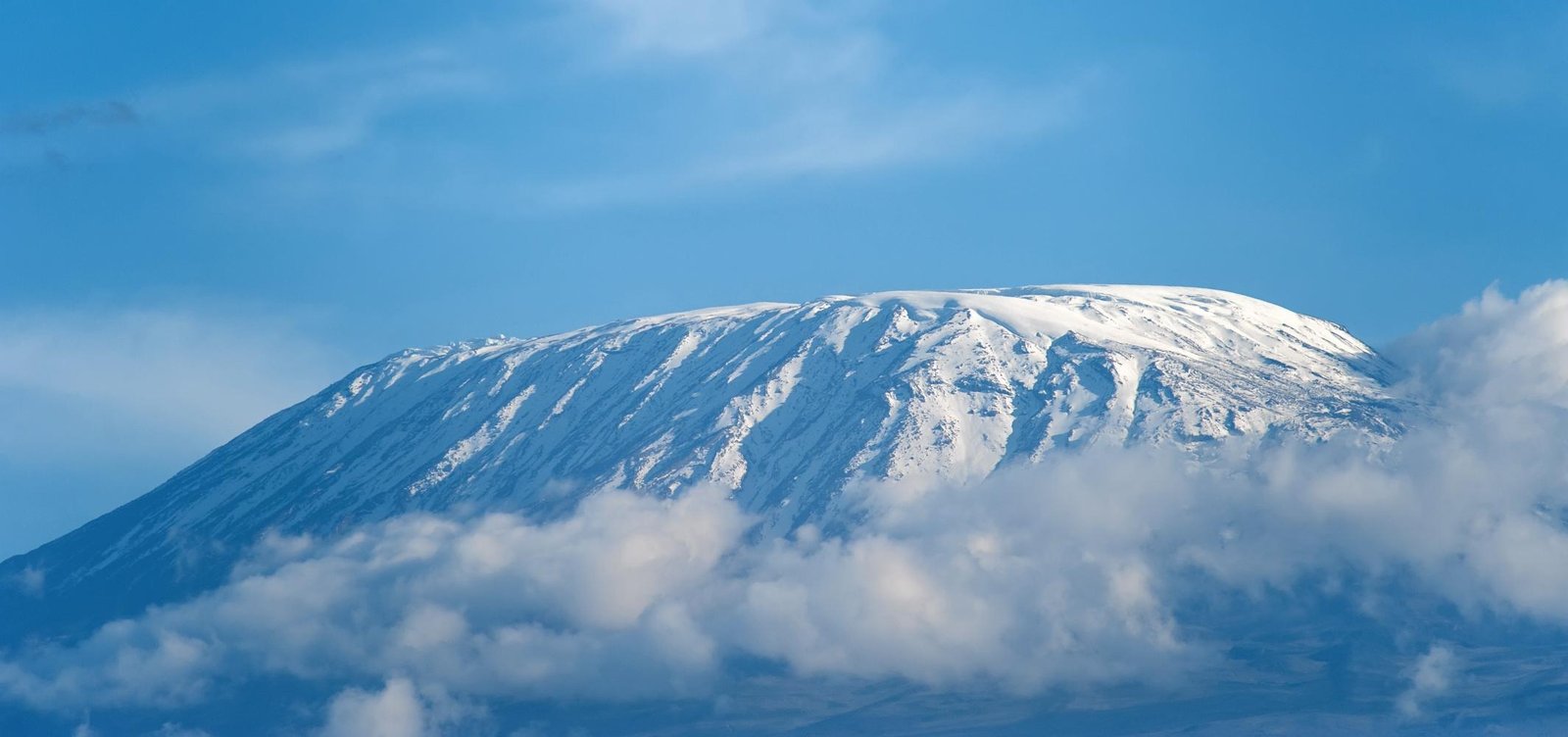
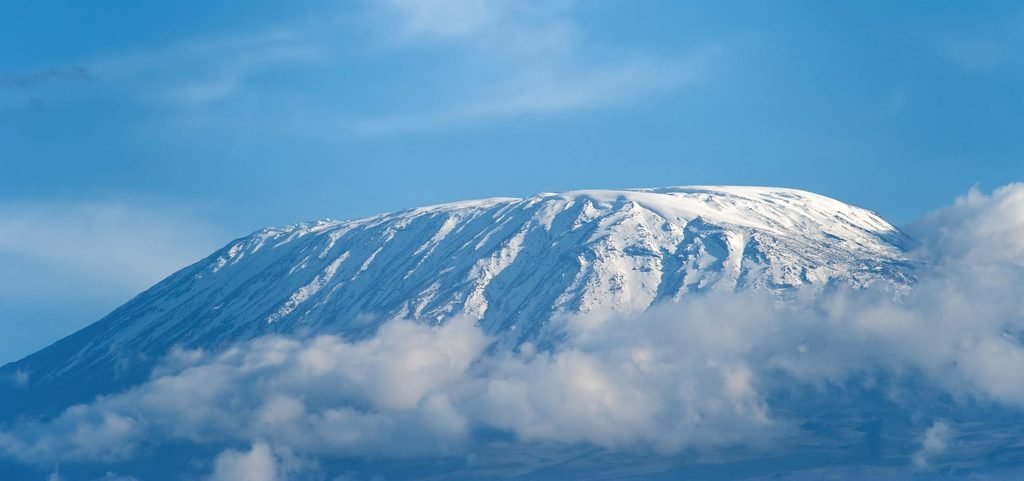
Standing at 5,895 meters (19,341 feet) above sea level, Mount Kilimanjaro is Africa’s highest mountain and one of the world’s most recognizable trekking destinations. Eko Tanzania Adventure describes it as Africa’s highest peak and the world’s tallest free-standing mountain.
But there is an important part of the journey that is sometimes overlooked:
Choosing the right trekking operator and mountain guide.
A beautiful route, expensive equipment, and strong motivation are important, but they do not replace good planning, responsible guiding, proper acclimatization, professional mountain support, and respect for Tanzania’s national park regulations.
For a successful Kilimanjaro adventure in 2026 and 2027, your choice of trekking company should therefore be based on much more than a cheap price or attractive photographs.
At Eko Tanzania Adventures, we believe the right operator should help you understand the mountain before you climb it, prepare you properly, support you throughout the trek, and put safety and responsible tourism ahead of simply reaching the summit.
This guide explains 9 crucial facts to consider when choosing a Kilimanjaro operator, guide, and trekking company.
Why Choosing the Right Kilimanjaro Operator Matters:The Top Operator, Guide, and Company for the Kilimanjaro Trek: 9 Crucial Facts to Safeguard Your Summit Dream in 2026 & 2027
Kilimanjaro is often described as a non-technical mountain because most standard routes do not require ropes, ice axes, or advanced mountaineering skills.
However, that does not mean it is easy.
Altitude is the biggest challenge for many trekkers. The summit is nearly 6,000 meters above sea level, and the body needs time to adjust to the decreasing oxygen availability.
TANAPA specifically advises climbers to plan for altitude, choose itineraries with acclimatization days, ascend slowly, stay hydrated, and report symptoms promptly to their guides.
That is why the operator behind your climb matters.
A responsible company should not simply ask, How quickly can we get you to the summit?
The better question is:
How can we give you the best realistic opportunity to reach the summit safely and responsibly?
9 Crucial Facts for Choosing Your Kilimanjaro Operator and Guide
1. Make Sure the Company Operates Legally and Uses Properly Authorized Mountain Support
The first thing every climber should investigate is whether the company operates according to Tanzania’s national park requirements.
Kilimanjaro is within a protected national park, and climbing is regulated.
TANAPA’s current visitor guidance states that all climbs must be guided by a licensed operator and that solo trekking is not permitted. Climbers must stay on marked routes, follow camp rules, observe Leave No Trace principles, and follow ranger and guide instructions.
This is extremely important.
A company should be able to explain clearly:
- Who is organizing your trek
- Who your mountain guide will be
- Which route you are taking
- Where you will stay
- What permits are required
- How park fees are handled
- What safety procedures are followed
- How emergencies are managed
Do not choose a company simply because it promises the lowest price.
A very low quotation may leave out important services or fees.
Your mountain experience is too important to gamble on an unclear package.
2. Your Guide Can Be More Important Than the Logo on the Company Website
A trekking company can have an impressive website, but once you enter the mountain environment, your relationship with the guide becomes incredibly important.
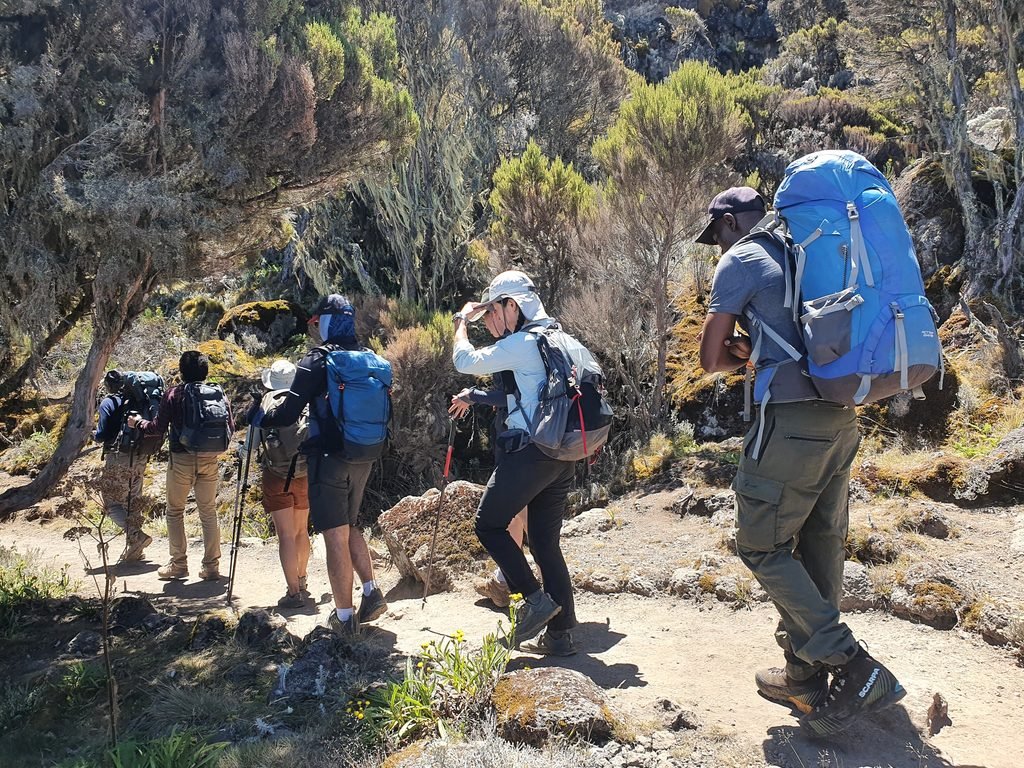
Your guide is the person who walks with you, observes your condition, communicates with the support team, manages the daily pace, and helps you make decisions when the mountain becomes difficult.
A good guide should be:
- Experienced
- Responsible
- Patient
- Communicative
- Familiar with altitude-related challenges
- Knowledgeable about the route
- Respectful toward trekkers
- Respectful toward porters
- Able to respond appropriately to changing mountain conditions
Your guide should also encourage you to communicate honestly.
If you are experiencing a headache, nausea, unusual tiredness, dizziness, breathing difficulty, or another concerning symptom, you should be able to tell your guide without feeling embarrassed.
A guide should never pressure a climber to continue simply because the summit is close.
The summit is important.
Your safety is more important.
3. Acclimatization Should Be a Major Part of Your Decision:The Top Operator, Guide, and Company for the Kilimanjaro Trek: 9 Crucial Facts to Safeguard Your Summit Dream in 2026 & 2027
One of the biggest mistakes a first-time Kilimanjaro climber can make is choosing a route based only on the number of days.
A six-day trek may appear more attractive than a seven- or eight-day trek because it is shorter and potentially cheaper.
But a longer itinerary can provide more time for your body to adapt to altitude.
TANAPA’s visitor guidance specifically recommends choosing itineraries with acclimatization days and ascending slowly.
This means that when comparing packages, you should ask:
How many days will I spend on the mountain?
Then ask:
How does the itinerary support acclimatization?
For example, a well-designed itinerary may include:
- Gradual elevation gain
- Moderate trekking distances
- Appropriate sleeping elevations
- Rest or acclimatization opportunities
- Slow walking pace
- Proper hydration
- Monitoring by the guide
At Eko Tanzania Adventures, route selection should be based not simply on price but on the trekker’s experience, available time, physical preparation, and preferred trekking style.
4. Understand the Route Before You Book
Kilimanjaro has several established routes, and they are not identical.
TANAPA notes that six mountain trails can take climbers toward the summit, with different routes offering different attractions and challenges.
The most commonly discussed routes include:
Marangu Route
Known for mountain huts and a relatively direct trail structure.
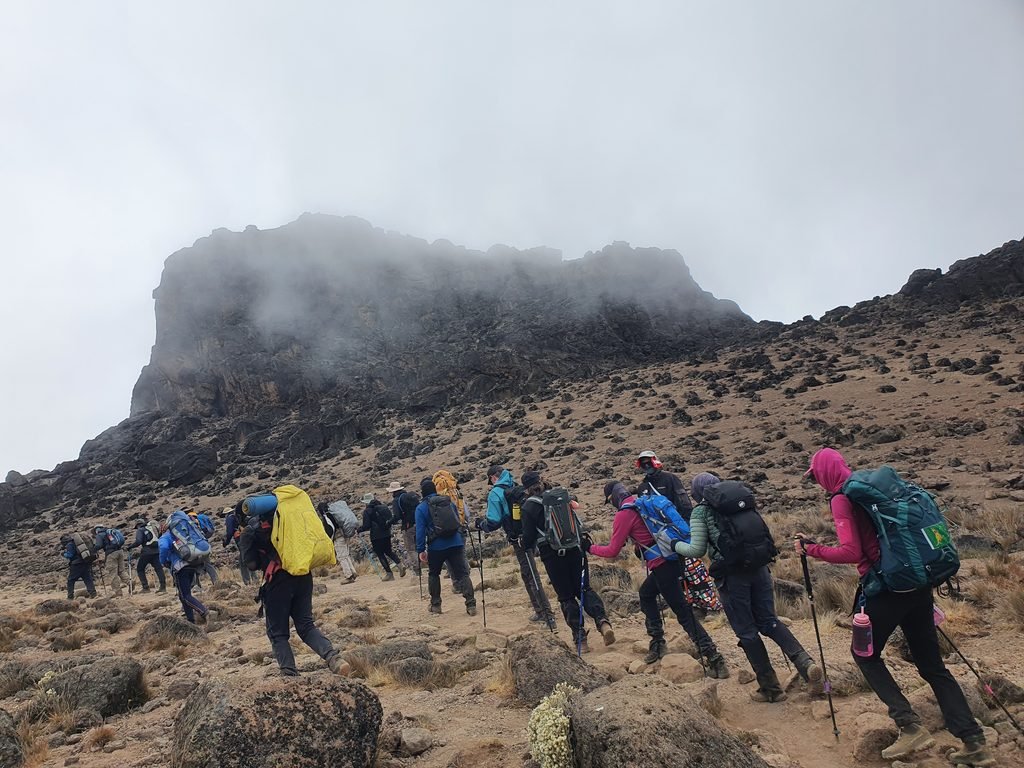
Machame Route:The Top Operator, Guide, and Company for the Kilimanjaro Trek: 9 Crucial Facts to Safeguard Your Summit Dream in 2026 & 2027
Popular for its scenic landscapes and camping experience.
Lemosho Route
Known for a longer approach and beautiful scenery, with itineraries that can provide more time for acclimatization.
Rongai Route
Approaches Kilimanjaro from the northern side.
Northern Circuit
A longer option designed around extensive acclimatization and exploration.
Umbwe Route
A more demanding route with steeper sections and less emphasis on gradual acclimatization in its shorter versions.
The best route depends on your circumstances.
If your main priority is summit success and you have sufficient time, a longer itinerary may be worth considering.
If you want mountain huts rather than tents, Marangu may appeal to you.
If scenery and a camping experience are important, Machame or Lemosho may be attractive.
A good operator should explain the differences instead of simply pushing one route.
5. Ask Exactly What Your Package Includes
Never assume that two Kilimanjaro packages with similar prices provide the same services.
Before paying a deposit, request a clear written breakdown.
Your package should explain whether the following are included:
- Airport transfer
- Pre-trek hotel accommodation
- Post-trek accommodation
- Mountain park fees
- Camping fees
- Hut fees where applicable
- Rescue-related charges
- Mountain guide
- Assistant guides
- Porters
- Meals
- Drinking water
- Camping equipment
- Sleeping arrangements
- Transportation
- Emergency procedures
- Government taxes
TANAPA publishes official park tariffs and notes that fees vary according to visitor category, park and applicable services.
The important lesson is simple:
Do not compare prices until you compare what is included.
A package that looks expensive at first may actually provide considerably more value than a cheaper package with numerous additional charges.
6. Porter Welfare Should Be Part of Your Decision
Your Kilimanjaro experience depends on an entire mountain support team.
Porters carry equipment, food, tents, luggage, and other supplies.
Their work is physically demanding.
TANAPA’s park regulations specify, among other things, that a porter is allowed to carry a maximum weight of 20 kg during mountain climbing.
This is one reason travelers should ask how an operator manages porter welfare.
Important questions include:
- Are porter loads controlled?
- Are porters properly equipped?
- Are they treated respectfully?
- Are they provided appropriate food?
- Are their working conditions monitored?
- Is the company committed to responsible mountain tourism?
Responsible trekking is not only about reaching Uhuru Peak.
It is also about ensuring that the people who make your trek possible are treated with dignity.
At Eko Tanzania Adventures, responsible tourism should be part of the journey rather than an afterthought.
7. Emergency Planning Should Never Be an Afterthought
Kilimanjaro is a serious mountain environment.
Even a physically fit traveler can experience altitude-related illness, injury, dehydration, extreme fatigue, or changing weather.
This means every climber should understand the company’s emergency procedures before starting the trek.
Ask:
What happens if I become sick?
What happens if I cannot continue?
How is evacuation handled?
Who makes the decision to descend?
What communication systems are available?
TANAPA’s regulations state that climbers should receive first aid when necessary and that appropriate authorities should be informed about serious incidents.
The park also provides for rescue-related fees, and official tariff information should be checked for the relevant travel period because government charges can change.
A responsible operator should therefore have a clear emergency and descent plan.
You should never be made to feel that turning around because of a medical concern is a failure.
Sometimes the safest and most courageous decision on a mountain is to descend.
8. Do Not Choose an Operator Based Only on the Cheapest Price
Budget matters.
Nobody wants to spend unnecessarily.
But Kilimanjaro is one of those adventures where the cheapest option is not automatically the best option.
A professional trek involves many moving parts:
- Park fees
- Transport
- Accommodation
- Food
- Guides
- Porters
- Equipment
- Permits
- Logistics
- Emergency planning
- Administration
If a quotation seems dramatically lower than comparable packages, ask why.
Does it include all required park fees?
Does it include accommodation?
How many guides and porters are provided?
What equipment is supplied?
How are meals handled?
What happens in an emergency?
Are there hidden charges?
The right goal is not to find the cheapest Kilimanjaro climb.
The goal is to find good value from a responsible operator.
9. Communication Before the Trek Is a Major Quality Test
One of the easiest ways to evaluate a trekking company is to observe how it communicates before you book.
Do they answer your questions clearly?
Do they provide a detailed itinerary?
Do they explain what you should pack?
Do they ask about your previous trekking experience?
Do they discuss acclimatization?
Do they explain payment conditions?
Do they explain cancellation policies?
Do they provide emergency contact information?
Do they help you understand the route?
Good communication before the trek often gives you confidence that your trip is being planned carefully.
At Eko Tanzania Adventures, the goal should be to make travelers feel informed before they arrive in Tanzania—not confused.
Kilimanjaro Trekking Packages for 2026–2027
The best itinerary depends on your experience, fitness, available time, and preferences.
Here are examples of popular package structures.
| Route | Suggested Duration | Main Character |
|---|---|---|
| Marangu | 6 Days | Hut-based, straightforward |
| Machame | 6–7 Days | Scenic camping route |
| Lemosho | 7–8 Days | Scenic, gradual approach |
| Rongai | 7 Days | Northern approach |
| Northern Circuit | 9 Days | Long acclimatization-focused itinerary |
These are planning examples rather than a guarantee that a particular duration is appropriate for every traveler.
A professional operator should help match the route and itinerary to your individual circumstances.
7-Day Machame Route Package
For travelers looking for a classic camping experience, a seven-day Machame itinerary can provide a strong balance between adventure and acclimatization.
Day 1: Machame Gate to Machame Camp
After breakfast, transfer to the Machame Gate.
Complete registration and begin trekking through the lower forest zone.
The trail is surrounded by lush vegetation, and the first day introduces you to the rhythm of mountain trekking.
Overnight: Machame Camp.
Day 2: Machame Camp to Shira Camp
Continue ascending through the vegetation toward the Shira Plateau.
The landscape gradually changes as you gain altitude.
Enjoy the scenery and maintain a comfortable pace.
Overnight: Shira Camp.
Day 3: Shira Camp to Barranco Camp
The route continues toward higher elevations before descending toward Barranco.
This is an important acclimatization day.
The principle of climb high, sleep lower can be incorporated into suitable itineraries.
Overnight: Barranco Camp.
Day 4: Barranco to Karanga Camp
Begin with the famous Barranco Wall.
With the support of your guide, move carefully through this challenging section.
Afterward, continue toward Karanga Camp.
Overnight: Karanga Camp.
Day 5: Karanga to Barafu Camp
Continue toward the alpine desert environment.
The landscape becomes increasingly dramatic as you approach the summit zone.
Rest at Barafu and prepare mentally for summit night.
Overnight: Barafu Camp.
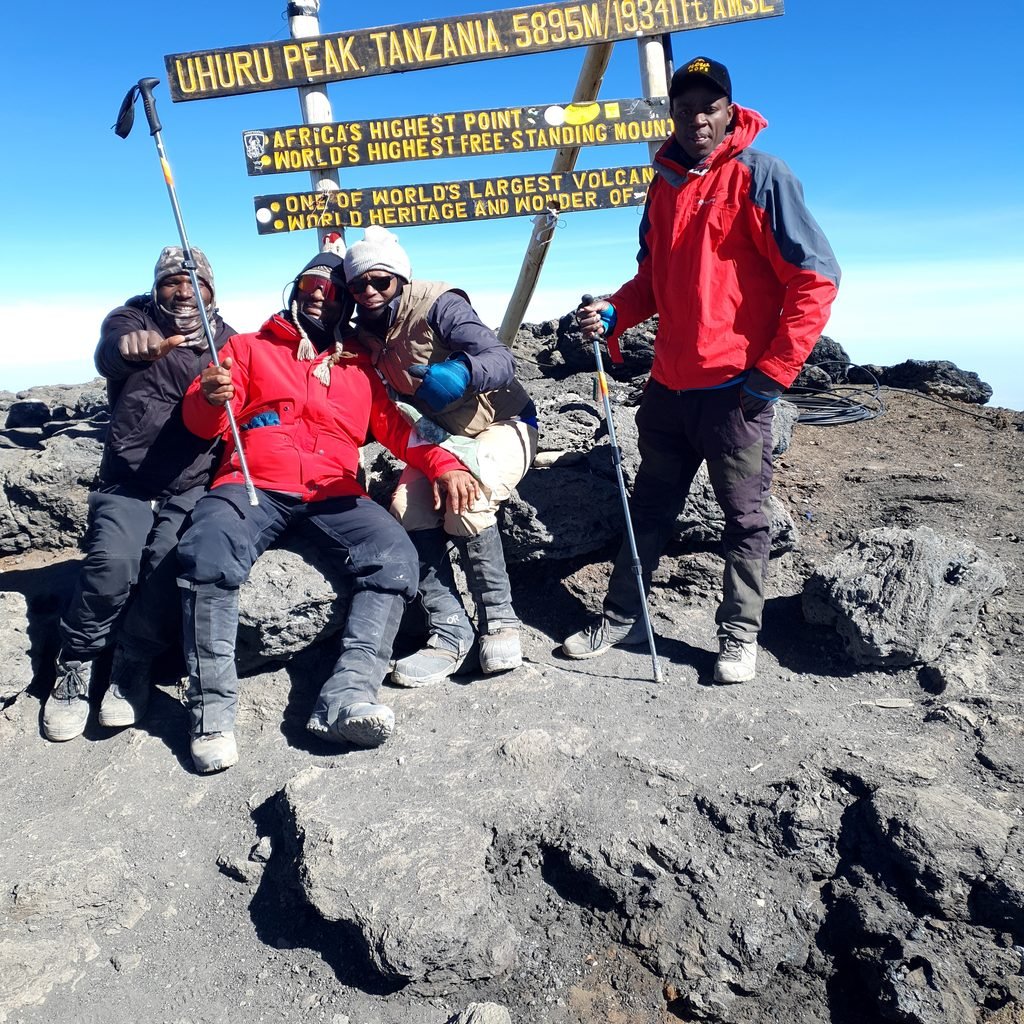
Day 6: Summit Attempt — Barafu to Uhuru Peak:The Top Operator, Guide, and Company for the Kilimanjaro Trek: 9 Crucial Facts to Safeguard Your Summit Dream in 2026 & 2027
This is the defining day.
You normally begin the summit attempt during the night.
The climb toward Stella Point is demanding.
After reaching the crater rim area, those who are fit enough and whose condition allows them to continue proceed toward Uhuru Peak.
At 5,895 meters, Uhuru Peak is the highest point in Africa.
Reaching the summit is an extraordinary achievement.
But your guide will continually assess your condition.
If continuing becomes unsafe, descending is the correct decision.
After the summit attempt, descend toward a lower camp.
Overnight: lower mountain camp.
Day 7: Descent to Mweka Gate
After breakfast, continue descending through the mountain’s vegetation zones toward Mweka Gate.
Complete the required procedures before transferring back to your hotel.
The trek is finished but the memories of Kilimanjaro remain.
Indicative Kilimanjaro Package Cost for 2026–2027
Kilimanjaro prices vary considerably according to route, duration, group size, accommodation category, season, transfers, hotel arrangements, and inclusions.
For planning purposes, a private or small-group climb can fall approximately within the following ranges:
| Package | Typical Planning Range Per Person |
|---|---|
| 6-Day Marangu | US$1,800–2,400 |
| 7-Day Machame | US$2,000–2,700 |
| 7-Day Rongai | US$2,000–2,800 |
| 7–8-Day Lemosho | US$2,200–3,000 |
| 9-Day Northern Circuit | US$2,700–3,600 |
Important: These are indicative planning ranges, not fixed quotations. Government fees, accommodation, exchange rates, group size, route availability, and service levels can affect the final price. Official TANAPA tariffs should always be checked for the applicable period.
For an exact quotation for 2026 or 2027, Eko Tanzania Adventures can build the package around your preferred route, dates, group size, and accommodation level.
What a Complete Eko Tanzania Adventures Kilimanjaro Package Can Include
A comprehensive package may include:
Before the Trek
- Airport pickup
- Transfer to Moshi
- Pre-climb hotel
- Trek briefing
- Equipment check
- Route briefing
During the Trek
- Park entry fees
- Mountain permits
- Professional mountain guide
- Assistant guides according to group size
- Porters
- Camping or hut accommodation according to route
- Meals
- Drinking water
- Mountain logistics
- Emergency support procedures
- Transfers to and from the mountain
After the Trek
- Descent transfer
- Hotel accommodation if selected
- Airport transfer
- Summit certificate where applicable
The exact package should always be confirmed in writing before booking.
What Is Usually Excluded?
Unless specifically included in your quotation, travelers should budget separately for:
- International flights
- Tanzania visa
- Travel insurance
- Personal trekking equipment
- Personal expenses
- Tips
- Alcoholic drinks
- Laundry
- Personal medication
- Extra hotel nights
- Optional activities
- Medical or evacuation costs not covered by insurance
Kilimanjaro Packing List
A proper packing list can make a huge difference.
Bring:
Clothing
- Moisture-wicking base layers
- Fleece or warm mid-layer
- Waterproof jacket
- Waterproof trousers
- Warm trekking trousers
- Thermal underwear
- Warm hat
- Gloves
- Sun hat
- Hiking socks
- Comfortable trekking boots
Equipment
- Sleeping bag suitable for cold mountain conditions
- Headlamp
- Trekking poles
- Water bottles or hydration system
- Backpack
- Duffel bag
- Sunglasses
- Sunscreen
- Personal first-aid items
- Toiletries
Documents
- Passport
- Visa if required
- Travel insurance documents
- Flight details
- Emergency contacts
Your operator should provide a detailed packing list before departure.
Physical Preparation for Kilimanjaro
You do not necessarily need to be an elite athlete to climb Kilimanjaro.
However, you should prepare your body.
Training can include:
- Long-distance walking
- Hill walking
- Stair climbing
- Hiking with a daypack
- Cardiovascular exercise
- Strength training
- Regular weekend hikes
The objective is not to become the fastest person on the mountain.
The objective is to become comfortable walking for several hours on consecutive days.
Mental preparation is equally important.
There may be moments when the climb feels slow.
There may be cold mornings, tired legs, uncomfortable weather, and difficult sections.
The ability to remain patient and continue steadily is often more valuable than speed.
Safety First: Listen to Your Mountain Guide
Kilimanjaro should be approached with respect.
TANAPA advises climbers to ascend slowly, stay hydrated, report symptoms, carry suitable cold-weather and rain gear, and never hike alone.
You should communicate honestly with your guide.
If you feel unwell, say so.
If you are struggling, say so.
If you are experiencing symptoms that concern you, say so.
Do not hide symptoms because you are afraid of disappointing your group.
Your guide’s responsibility is not simply to help you reach the summit.
It is also to help you make safe decisions.
Responsible Tourism on Kilimanjaro
The mountain belongs to a protected ecosystem, and every visitor has a responsibility to help protect it.
TANAPA regulations require climbing groups to follow strict waste-management principles, including the “garbage in, garbage out” approach.
As a responsible trekker:
- Never throw rubbish on the trail.
- Use designated toilets.
- Stay on established routes.
- Do not damage vegetation.
- Do not disturb wildlife.
- Respect campsites.
- Respect park staff.
- Respect guides and porters.
- Avoid unnecessary plastic waste.
- Follow all national park instructions.
A successful trek should leave you with wonderful memories without leaving unnecessary damage behind.
Why Eko Tanzania Adventures Can Be Your Kilimanjaro Partner
Choosing a trekking company is ultimately about trust.
You want a team that understands that Kilimanjaro is not just a product.
It is a mountain.
It is a physical challenge.
It is a personal achievement.
It is an ecosystem.
And it is a workplace for Tanzanian guides, porters, cooks, drivers, and other tourism professionals.
With Eko Tanzania Adventures, the goal is to build a trekking experience around:
Safety , Communication , Experienced Mountain Support , Proper Planning , Responsible Tourism and Genuine Hospitality.
Whether you choose Marangu, Machame, Lemosho, Rongai, or another suitable route, the focus should remain on giving you a well-organized experience and a realistic opportunity to achieve your summit goal.
10 Questions to Ask Before Booking Any Kilimanjaro Operator
Before paying your deposit, ask:
- Is the company properly authorized to operate on Kilimanjaro?
- Who will be my lead mountain guide?
- How many climbers will be in my group?
- How many guides and porters will support us?
- How many days does the itinerary provide for acclimatization?
- What exactly is included in the price?
- What happens if I become sick on the mountain?
- How does the company manage porter welfare?
- What happens if weather or mountain conditions change?
- What are the cancellation and payment terms?
If a company cannot give you clear answers, think carefully before booking.
Frequently Asked Questions
Is Kilimanjaro difficult?
Kilimanjaro is achievable for many reasonably fit travelers, but it should not be underestimated. Altitude is one of the major challenges.
What is the best route for 2026 and 2027?
There is no single best route for everyone. The ideal choice depends on your time, budget, preferred scenery, accommodation style, and acclimatization needs.
Is six days enough?
Six-day itineraries exist, but travelers should carefully consider acclimatization. A longer itinerary may offer more time to adjust to altitude.
Do I need previous mountain-climbing experience?
Technical climbing experience is generally not required on the standard trekking routes, but physical preparation and a sensible approach to altitude are important.
Do I need a guide?
Yes. Eko Tanznaia Adventure states that Kilimanjaro climbs must be guided by a licensed operator; solo trekking is not permitted.
What happens if I cannot reach the summit?
Your guide should help you descend safely. Not reaching Uhuru Peak does not mean the entire trek was a failure. Kilimanjaro is a serious mountain, and safety comes first.
Can I climb Kilimanjaro in 2027?
Yes. Kilimanjaro National Park is open year-round, although weather and trail conditions vary by season.
Final Thoughts: Protect the Dream Before You Start the Climb
A Kilimanjaro summit dream begins long before you reach the mountain.
It begins when you choose your route.
It continues when you select your trekking company.
It grows when you train your body.
And it becomes real when you finally take your first step toward the summit.
Choosing the right operator is therefore one of the most important decisions you can make.
Do not choose solely because a company has a beautiful website.
Do not choose solely because the price is cheap.
Do not choose solely because somebody promises that you will definitely reach the summit.
Instead, look for professionalism, clear communication, proper planning, responsible guiding, appropriate acclimatization, transparent pricing, emergency preparedness, and respect for the mountain and its people.
For 2026 and 2027, Eko Tanzania Adventures can help travelers plan a Kilimanjaro experience around their individual goals, preferred route, schedule, and budget.
Mount Kilimanjaro will challenge you.
There will be moments when the trail feels long.
There will be moments when your legs are tired.
There may be moments when you wonder why you decided to climb a 5,895-meter mountain.
But when the clouds open, the African landscape stretches beneath you, and the first light of day reaches the summit, you may understand why thousands of travelers dream of standing on the Roof of Africa.
Choose your operator carefully. Prepare seriously. Respect the mountain. Listen to your guide. And give your summit dream the best possible foundation.