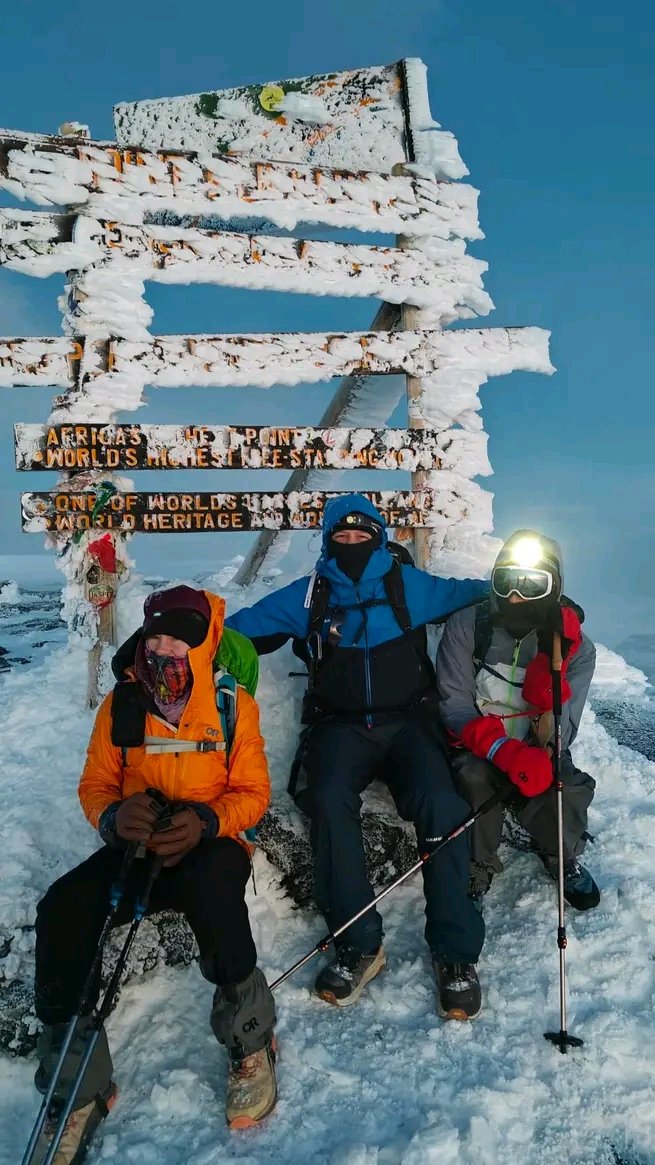
When Is There Snow on the Summit of Kilimanjaro? Complete Guide 2026,2027-2028; Mount Kilimanjaro is one of Africa’s most extraordinary natural landmarks. Rising to 5,895 metres above sea level, its snow-covered summit creates a remarkable contrast with the warm tropical landscapes surrounding the mountain. For many travellers, seeing snow at the top of Africa is one of the main reasons for dreaming about a Kilimanjaro climb.
But an important question comes up when planning the adventure: When is there snow on the summit of Kilimanjaro?
The good news is that snow and ice can be found near the summit throughout the year. However, the amount, appearance and condition of the snow change with the seasons, temperatures and weather patterns. Some months may bring fresh snowfall, while at other times climbers are more likely to see older snowfields, ice and glaciers.
This means that you do not need to climb Kilimanjaro during one particular month to have a chance of seeing snow. What matters most is understanding the mountain’s seasonal weather, choosing a suitable route and allowing enough time to adjust to the altitude.
This guide explains when snow is most likely, what the summit looks like in different seasons, how weather affects climbing conditions and how to prepare for a safe and memorable journey in 2026.
1. Does Mount Kilimanjaro Have Snow Throughout the Year?: When Is There Snow on the Summit

Yes. Mount Kilimanjaro’s summit area can have snow and ice throughout the year, even though the mountain is located close to the equator. The main reason is its extraordinary altitude. At 5,895 metres, Uhuru Peak rises into a much colder atmospheric environment than the warm plains around Moshi and Arusha.
As climbers gain elevation, temperatures gradually decrease. The lower slopes may be warm and humid, particularly in the rainforest zone, but conditions become increasingly cold in the alpine desert and summit areas.
According to Tanzania National Parks, Kibo Peak remains snow-covered throughout the year. The summit area also contains glaciers and ice fields, although their size and condition have changed significantly over time. TANAPA+1
It is useful to understand the difference between three things:
- Fresh snowfall: New snow that falls during a snowstorm and covers the ground, rocks or existing ice.
- Snowfields: Areas where accumulated snow remains for a period, depending on weather and exposure to sunlight.
- Glaciers: Large bodies of compacted ice formed over long periods. They are not simply fresh snow and can remain even when there has been no recent snowfall.
This distinction matters because seeing snow on Kilimanjaro does not necessarily mean that fresh snow has fallen recently. You may see permanent or long-lasting ice formations alongside newer snow.
2. Which Months Have the Most Snow on Kilimanjaro?: When Is There Snow on the Summit
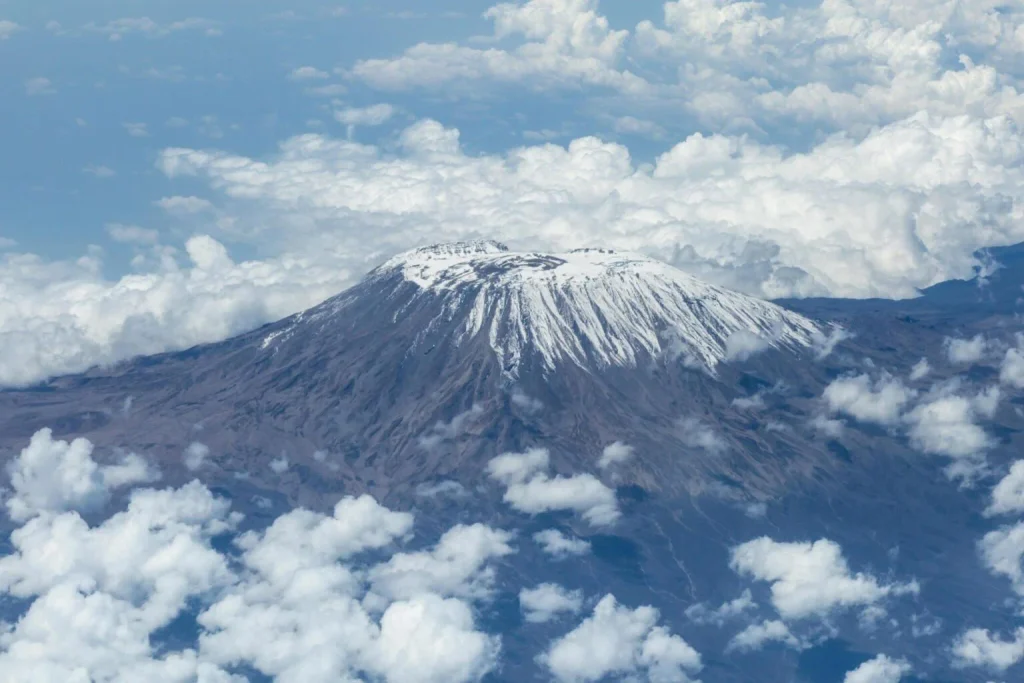
Although snow can occur at different times of the year, the chances of fresh snowfall are generally associated with the mountain’s rainy seasons. The two main rainy periods in the Kilimanjaro region are the long rains from March to May and the short rains around November and December.
At high elevations, precipitation can fall as snow rather than rain because temperatures are much lower. Research into the climate around Kibo also shows that moisture and precipitation patterns are important influences on the summit glaciers. World Heritage Datasheet+2
The following seasonal guide explains what climbers may experience.
March to May: The Long-Rain Season and Fresh Snowfall
March, April and May are associated with the long rainy season in northern Tanzania. While the lower slopes receive rain, the higher mountain areas can experience snowfall.
For climbers who specifically want to see fresh snow, this period can offer attractive possibilities. Snow may cover sections of the summit landscape, creating a beautiful white contrast against the dark volcanic rocks.
However, this season also presents challenges. Rainfall can make the lower forest trails muddy, while cloud, wet conditions and snow at higher elevations may affect visibility and walking conditions.
April and May are generally among the wettest months, so they are not usually the first choice for climbers who want more predictable trekking conditions. A climb is still possible with appropriate preparation and experienced guides, but the weather requires careful consideration.
June to August: A Popular Period for Climbing
June, July and August are part of the main dry season on Kilimanjaro. These months are popular because conditions are generally drier than during the rainy seasons.
The summit can still have snow and ice, but fresh snowfall is less predictable than during wetter periods. You may see snowfields and glaciers without necessarily experiencing a new snowfall during your climb.
The mountain can be particularly cold at night and before sunrise. Climbers usually begin their summit attempt around midnight or in the early hours, when temperatures are low and strong winds can make the cold feel more intense.
This period is suitable for travellers who want to balance the possibility of seeing summit snow with generally favourable trekking conditions.
September to October: Clearer Conditions and Summit Views
September and October are also popular months for climbing Kilimanjaro. The weather is generally dry, and clear conditions can provide excellent views across the mountain and surrounding landscapes.
Snow and ice may still be visible near the summit, but the amount of fresh snow varies from year to year. Sunny conditions and exposure to the sun can make some snow patches change or disappear.
For photographers, these months can offer excellent opportunities to capture the mountain’s glaciers, volcanic landscape and wide views from the upper slopes.
October can also bring changes in cloud cover as the mountain approaches the short-rain period. Weather is never guaranteed, so climbers should remain prepared for sudden changes.
November to December: Short Rains and New Snow Possibilities
November and December bring the short rains to northern Tanzania. At lower elevations, rainfall can make the forest trails wet, while the summit may receive snow.
This period can be especially interesting for people who want to experience a mountain with fresh snow. However, snowfall is not guaranteed on a particular date, and visibility can be affected by clouds.
December is often considered a possible climbing month, particularly during the Christmas and New Year holiday period. The weather can be variable, so good equipment and experienced mountain support remain essential.
January to February: Warm Climbing Conditions with Snow Still Possible
January and February are generally among the warmer and drier months on Kilimanjaro. They are popular with climbers who want to enjoy relatively favourable trekking conditions.
Even during these months, snow can still be found near the summit. Fresh snowfall is possible, but it should not be expected on a specific day.
The combination of clearer conditions and the possibility of seeing glaciers and snow makes January and February attractive for many travellers.
3. Month-by-Month Guide to Snow on Kilimanjaro in 2026
The table below gives a general seasonal guide. It is not a live weather forecast, and actual snowfall depends on conditions in the particular year.
| Month | General summit snow outlook | Typical climbing conditions |
|---|---|---|
| January | Snow and ice possible; fresh snowfall can occur | Generally favourable, relatively dry |
| February | Snow and ice possible | Generally favourable, relatively warm |
| March | Greater possibility of fresh snow as rains develop | Increasingly wet and variable |
| April | Fresh snowfall possible at high altitude | Heavy rain on lower slopes; challenging conditions |
| May | Snow possible near the summit | Wet conditions may continue |
| June | Snow and glaciers may remain | Generally drier, cold nights |
| July | Snow and ice possible | Popular dry-season climbing period |
| August | Snow and ice possible | Generally dry and cold at altitude |
| September | Snow and glaciers may remain | Often clear and favourable |
| October | Snow possible, but fresh snowfall varies | Generally good early in the month; changing conditions later |
| November | Fresh snowfall possible | Short rains and variable visibility |
| December | Snow and ice possible; new snowfall may occur | Mixed conditions, with holiday climbing demand |
The most important point is that the summit does not follow a fixed snowfall calendar. A climber visiting in August may see impressive ice formations, while another visiting in November may experience fresh snow. The exact appearance of the summit depends on weather patterns and recent precipitation.
4. Why Does Kilimanjaro Have Snow Despite Being Near the Equator?
Many people find it surprising that a mountain in tropical Tanzania can have snow and glaciers. After all, the surrounding towns and plains can be warm throughout the year.
The explanation is altitude.
As air rises, it generally becomes cooler. Mount Kilimanjaro rises from the surrounding plains to nearly 5,900 metres, creating a dramatic difference in temperature between its base and summit.
The mountain also has several distinct ecological zones. Climbers pass through tropical farmland, rainforest, moorland, alpine desert and the icy summit environment.
Each zone has its own character:
Cultivated farmland: The lower slopes are used for agriculture and settlements. Temperatures are generally warm, and the landscape is influenced by tropical conditions.
Rainforest zone: This area is usually green and humid, with tall trees, moss, ferns and a variety of plant life. Rainfall is more common here than near the summit.
Moorland zone: As the forest becomes thinner, open vegetation, giant groundsels and other high-altitude plants become more visible. Temperatures are cooler, especially at night.
Alpine desert: The landscape becomes increasingly rocky and dry. Vegetation is limited, and temperature changes between day and night can be significant.
Arctic summit zone: Near Uhuru Peak, temperatures can fall below freezing. Snow, glaciers and ice formations create the famous high-altitude environment.
This extraordinary change in climate zones is one of the reasons climbing Kilimanjaro is such a special experience. In a matter of days, trekkers travel through environments that would normally be found across very different geographical regions.
5. Where Can You See Snow When Climbing Kilimanjaro?
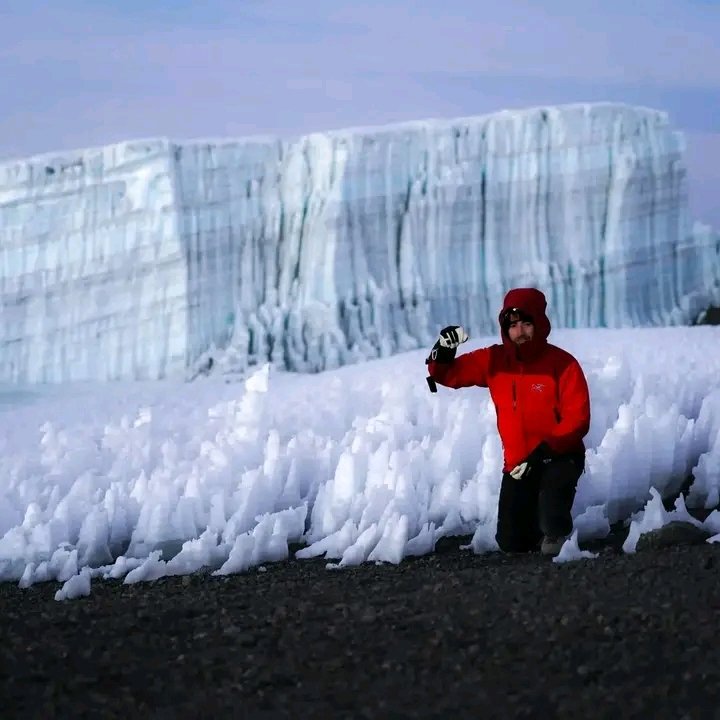
Snow and ice are most closely associated with the upper part of Kibo, the volcanic cone that contains Uhuru Peak. However, the exact places where climbers see snow depend on the route, recent weather and the condition of the summit area.
Uhuru Peak
Elevation: 5,895 metres
Uhuru Peak is the highest point on Mount Kilimanjaro and the highest point in Africa. It is the main destination for climbers who want to stand on the Roof of Africa.
The summit area offers opportunities to see snow, ice and the surrounding volcanic landscape. Depending on the conditions, snow may cover parts of the ground, while glaciers can be seen around the crater area.
Reaching Uhuru Peak is physically demanding, particularly because of the altitude and cold temperatures. Climbers should take time to enjoy the achievement while following their guide’s instructions.
Stella Point
Elevation: approximately 5,756 metres
Stella Point is located on the crater rim and is a major milestone for climbers using routes that approach the summit from Barafu or other southern and eastern approaches.
At this elevation, the environment is extremely cold compared with the lower mountain. Depending on recent weather, climbers may see snow and ice around the crater rim.
Reaching Stella Point is a significant achievement, but it is not the final summit. Climbers who are well enough and have the necessary guide approval continue towards Uhuru Peak.
Gilman’s Point
Elevation: approximately 5,685 metres
Gilman’s Point is another important summit-area landmark, particularly for climbers approaching through the Marangu Route.
The route passes through high-altitude terrain where temperatures are low and snow or ice may be present. Conditions can be challenging, especially during the final ascent.
The Crater Area
The crater area contains some of Kilimanjaro’s most impressive high-altitude scenery. Depending on access, route conditions and the itinerary, climbers may see ice formations, snow patches and volcanic features.
Not every climber visits the crater floor. A crater visit requires additional planning and should only be considered when conditions, health and the itinerary make it appropriate.
6. Does Kilimanjaro Have Glaciers All Year Round?
Kilimanjaro is famous for its glaciers, which have become one of the mountain’s most recognised natural features.
Unlike fresh snow, glaciers are formed from accumulated snow that gradually compresses into ice over long periods. They are therefore different from the temporary white covering that can appear after a snowfall.
The mountain’s glaciers and ice fields have been shrinking over many decades. Satellite observations by the United States Geological Survey have documented the long-term reduction of Kilimanjaro’s ice cover. USGS+1
This change is important for Tanzania’s natural heritage. The glaciers are not only beautiful to see; they also provide evidence of environmental and climatic changes in the tropical mountain environment.
Visitors should not assume that the summit will look exactly like photographs taken many years ago. The appearance and extent of the ice can change over time.
For travellers climbing in 2026, the best approach is to appreciate the snow and glaciers that remain while understanding that the mountain is a changing natural environment.
7. Is It Better to Climb Kilimanjaro When There Is Fresh Snow?
That depends on what you want from your climb. Some travellers dream of reaching the summit when it is covered in fresh white snow. The scenery can be spectacular, and the contrast between the snow, glaciers and dark volcanic rocks creates a memorable experience.
However, fresh snowfall can also make the summit trail more difficult. Snow may cover parts of the path, reduce visibility and create slippery conditions. Strong winds and very low temperatures can make the final ascent more demanding.
For many climbers, the best experience is not necessarily the month with the most snowfall. It is the period that offers a suitable balance between weather, trail conditions, visibility and personal comfort.
If your priority is a generally drier climb, January to February and June to October are commonly selected periods. If your main interest is the possibility of fresh snowfall, the rainy seasons may offer more opportunities, but they also bring greater weather challenges.
Your decision should consider your experience, physical preparation, route and the advice of your mountain guides.

8. How Cold Is the Summit of Kilimanjaro?
The summit is extremely cold compared with the lower slopes of the mountain. Temperatures can fall below freezing, particularly during the night and early morning.
Many climbers begin their final ascent from a high camp around midnight. This timing allows them to reach the crater rim and summit around sunrise, depending on their pace and route.
Unfortunately, it also means that the coldest part of the climb often coincides with the most physically demanding section.
Wind makes conditions feel even colder. A temperature that may appear manageable on paper can feel much more severe when combined with strong wind, fatigue and the effects of altitude.
That is why proper clothing is essential.
A good summit clothing system usually includes:
- A warm thermal base layer.
- Insulating fleece or mid-layer clothing.
- A high-quality insulated jacket.
- Waterproof and wind-resistant outer clothing.
- Warm trekking trousers and suitable outer protection.
- Insulated gloves and a lighter pair of gloves.
- A warm hat that covers the ears.
- A neck warmer or buff.
- Thick trekking socks.
- Properly fitted, warm trekking boots.
Your guide and mountain team can advise on the clothing needed for your chosen route and expected conditions.
9. Which Kilimanjaro Route Is Best for Seeing Snow?
The main climbing routes all lead towards Kibo and the summit area, so choosing a route is not simply a matter of finding the most snow.
Each route offers a different experience in terms of scenery, difficulty, acclimatisation profile, duration and traffic.
Machame Route
The Machame Route is one of the most popular ways to climb Kilimanjaro. It passes through rainforest, moorland and alpine desert before reaching the summit area.
The route offers beautiful views of the mountain and its changing landscapes. Climbers generally approach the summit from the Barafu area, depending on the itinerary.
A seven-day Machame climb provides more time for acclimatisation than a shorter itinerary and is a popular option for many trekkers.
Marangu Route
The Marangu Route is known for its hut accommodation and established trekking path. It approaches Kibo from the southeastern side of the mountain.
Climbers pass through rainforest, moorland and high-altitude terrain before the final summit attempt. Snow and ice may be visible near the upper sections depending on the weather.
A six-day itinerary generally provides more acclimatisation time than the five-day option.
Lemosho Route
The Lemosho Route begins on the western side of Kilimanjaro and is appreciated for its beautiful scenery and gradual approach during the early stages.
It offers opportunities to experience different mountain environments before joining sections of the southern circuit and approaching the summit.
Seven- and eight-day itineraries are commonly considered by travellers who want additional time on the mountain.
Rongai Route
The Rongai Route approaches Kilimanjaro from the north, near the Kenyan border. It offers a different perspective from the southern routes and passes through relatively dry landscapes.
The route eventually joins the upper mountain approaches towards Kibo and the summit.
Northern Circuit Route
The Northern Circuit is a longer route that circles much of the mountain before the summit attempt. Its extended duration offers valuable time for gradual acclimatisation.
It is a strong option for trekkers who have enough time and want to experience more of Kilimanjaro’s remote scenery.
Umbwe Route
The Umbwe Route is a steep and demanding approach. It is generally more suitable for experienced trekkers who understand the physical challenge of rapid altitude gain.
Although the route reaches the same summit environment, it should not be selected simply because you want to see snow. A suitable acclimatisation profile and safe climbing plan are more important.
10. What Is the Best Time to Climb Kilimanjaro in 2026?
If your main goal is to enjoy a successful and comfortable climbing experience, rather than chasing fresh snowfall, it is useful to consider the more established trekking seasons.
January and February 2026: These months generally offer relatively warm and dry climbing conditions. Snow and ice may still be visible at the summit, and clear weather can provide excellent mountain views.
June to October 2026: This is another popular period for climbing. Conditions are generally drier, although the mountain remains cold at high elevations. July, August and September are particularly popular with international visitors.
November 2026: The short rains can bring more cloud and wet conditions, while fresh snow may occur at higher elevations. Climbers should be prepared for more variable weather.
December 2026: December offers further opportunities to climb, including during the Christmas and New Year holiday period. Snow may be visible near the summit, but conditions can vary.
Since 2026 is the current guide year, anyone planning a climb later in the year should confirm the latest route conditions and available departures before travelling. A general seasonal guide cannot replace a current mountain weather assessment.
11. Is Climbing Kilimanjaro During the Snowy Season Dangerous?
Climbing during a period with snowfall is not automatically unsafe, but it can create additional challenges that require proper preparation.
Snow can cover sections of the trail, making the path harder to recognise. Ice may create slippery surfaces, while low cloud can reduce visibility. Strong winds and freezing temperatures can increase the risk of cold-related problems.
Altitude is an even more important consideration. At 5,895 metres, the body has to function with much less available oxygen than at sea level. Altitude sickness can affect fit and experienced climbers, and it should never be ignored.
A responsible climbing team monitors the health and progress of every participant. Guides should assess changing conditions, manage the pace and make decisions about whether to continue, rest or descend.
Climbers should immediately inform their guide if they experience worsening headache, nausea, dizziness, unusual weakness or other concerning symptoms. Confusion, difficulty walking straight, severe breathlessness at rest or a worsening condition require urgent attention and descent.
No summit is worth risking your health. A safe descent is always more important than reaching Uhuru Peak.
12. How to Prepare for a Snowy Summit Attempt
Preparation should begin well before arriving in Tanzania. You do not need technical mountaineering experience for the standard trekking routes, but you do need suitable fitness, clothing and a realistic understanding of the challenge.
Build your physical fitness
Start preparing several weeks or months before the climb. Walking, hiking, stair climbing and endurance exercises can help improve your fitness. Include longer walks with a backpack so that your body becomes familiar with spending several hours on your feet.
Choose a suitable itinerary
Avoid choosing a route based only on its price or the shortest number of days. A longer itinerary often gives your body more time to adjust to altitude. Discuss the route profile and acclimatisation opportunities with your operator.
Use proper cold-weather equipment
The summit can be extremely cold, even when the weather at the base of the mountain is warm. Invest in suitable insulated clothing, gloves, boots and sleeping equipment.
Stay hydrated and follow your guide’s advice
Drink regularly, eat sufficiently and maintain a steady pace. Your guide will advise you on how to manage the daily trekking schedule and respond to altitude-related symptoms.
Prepare mentally
The final ascent is challenging. It may involve darkness, cold, steep sections and slow progress. A patient attitude and realistic expectations can help you manage the experience.
13. Can You See Snow on Kilimanjaro Without Climbing to the Summit?
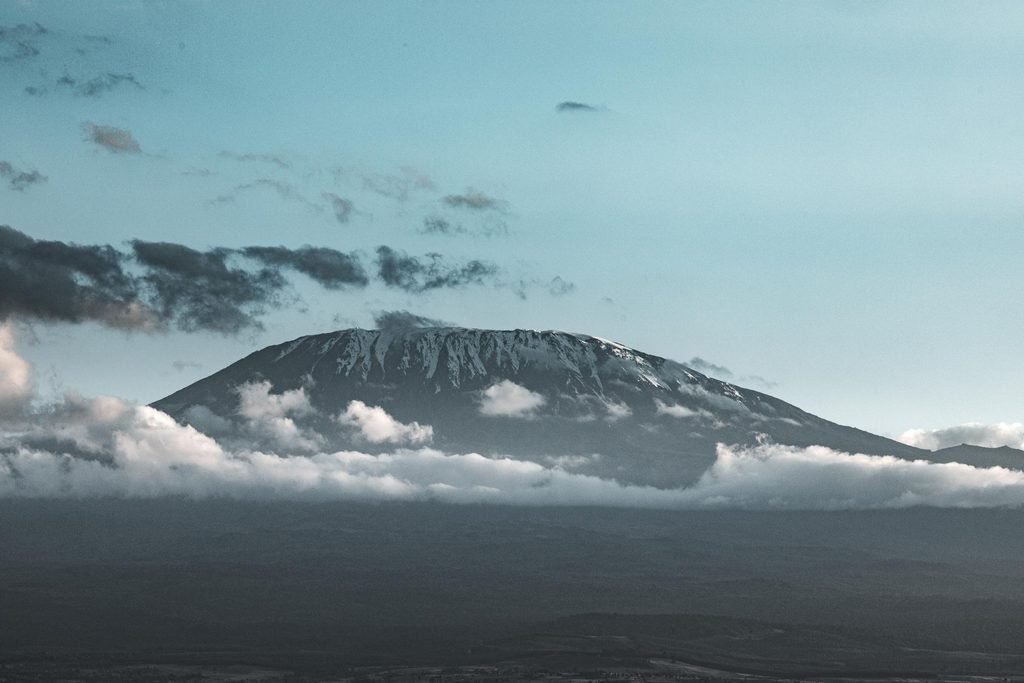
Yes, it is sometimes possible to see the snow-covered summit from the surrounding areas, particularly when the sky is clear.
Travellers staying around Moshi, Marangu and other locations near the mountain may see Kilimanjaro’s upper slopes from a distance. The view depends on cloud cover, weather and the location from which you are observing the mountain.
The early morning can offer particularly attractive viewing opportunities because the summit may be clearer before clouds develop later in the day.
However, seeing snow from the surrounding area is different from experiencing it on the mountain. A trek takes you through the changing vegetation zones and gives you a closer understanding of Kilimanjaro’s unique environment.
For visitors who do not intend to climb to Uhuru Peak, there are also shorter activities and day hikes in the national park, depending on the permitted route and arrangements.
14. Why Is Kilimanjaro’s Snow Disappearing?
Kilimanjaro’s snow and glaciers have attracted scientific interest for many years. Historical observations and satellite images show that the mountain’s ice cover has reduced significantly over time.
The reasons are connected to changing atmospheric conditions, moisture availability, solar radiation and broader environmental changes. Scientific research has examined how precipitation and humidity influence the summit glaciers, while satellite observations document the long-term decline in ice coverage. journals.ametsoc.org+2
It is important to distinguish between the disappearance of fresh snow and the long-term retreat of glaciers. A new snowfall can temporarily make the summit look whiter, but it does not necessarily reverse the long-term reduction of glacier ice.
For visitors, this makes the experience especially meaningful. Kilimanjaro is not only a destination for adventure; it is also an important natural environment that demonstrates how mountain ecosystems respond to climate and weather changes.
Climbers can help protect the mountain by following park regulations, avoiding littering, using designated routes and respecting the natural environment.
15. Frequently Asked Questions About Snow on Mount Kilimanjaro
1. Does Mount Kilimanjaro have snow all year?
Snow and ice can be found near the summit throughout the year. However, the amount of fresh snow changes with seasonal weather and precipitation.
2. Which month has the most snow on Kilimanjaro?
Fresh snowfall is more closely associated with the rainy seasons, particularly March to May and November to December. The exact amount varies from year to year.
3. Can I see snow on Kilimanjaro in January?
Yes. Snow and glaciers may be visible in January, although fresh snowfall is not guaranteed.
4. Is there snow on Kilimanjaro in July and August?
Yes. Snow and ice can remain near the summit during July and August, even though these months are generally part of the dry climbing season.
5. Does it snow at Uhuru Peak?
Yes. Snowfall can occur at Uhuru Peak and the surrounding summit area. The timing and amount depend on the weather.
6. Is Kilimanjaro covered in snow during December?
Snow and ice may be visible during December, and fresh snowfall is possible. However, the summit is not guaranteed to be completely covered in fresh snow.
7. Can beginners climb Kilimanjaro when there is snow?
Beginners can climb Kilimanjaro with proper preparation, a suitable itinerary and professional mountain support. However, the challenge of altitude, cold and possible snowfall should be taken seriously.
8. Is the summit colder at night?
Yes. The final ascent commonly begins during the night, when temperatures are very low. Wind can make the conditions feel even colder.
9. Do I need special equipment to walk on Kilimanjaro snow?
You need suitable insulated clothing, warm gloves, waterproof protection and proper trekking boots. Depending on conditions, the mountain team may recommend additional equipment for traction or safety.
10. Can I climb Kilimanjaro in April or May to see fresh snow?
It is possible, but these months are generally wetter and more challenging. Heavy rainfall, cloud and difficult trail conditions should be considered before booking.
Book Your Kilimanjaro Climb with EKO Tanzania Adventures
Seeing snow on the summit of Mount Kilimanjaro is a special experience, particularly when you consider that the mountain rises above the tropical landscapes of Tanzania. Whether you climb during January, July, September or December, the upper mountain offers the possibility of seeing snow, glaciers and dramatic high-altitude scenery.
The best time to climb depends on what matters most to you. Some travellers prefer the generally drier conditions of January, February and June to October, while others are interested in the possibility of fresh snowfall during the rainy seasons. Whatever month you choose, good preparation, a suitable route and enough time for acclimatisation are essential.
EKO Tanzania Adventures offers Kilimanjaro climbing experiences through routes such as Machame, Marangu, Lemosho, Rongai, Umbwe and the Northern Circuit. Our team can help you select an itinerary based on your fitness, available days, travel dates and climbing expectations.
Whether you are planning your first Kilimanjaro adventure or returning for another mountain experience, we can help you organise the essential arrangements, including professional mountain guides, camping or hut accommodation where applicable, meals, park arrangements and the necessary mountain support.
Ready to experience the snow and glaciers of Africa’s highest mountain?
Contact EKO Tanzania Adventures to plan your 2026,2027And 2028 Kilimanjaro climb. Share your preferred travel dates, number of climbers, chosen route and budget, and let us help you prepare for an unforgettable journey to Uhuru Peak, 5,895 metres above sea level.
Climb Kilimanjaro with EKO Tanzania Adventures and discover the beauty of the Roof of Africa.