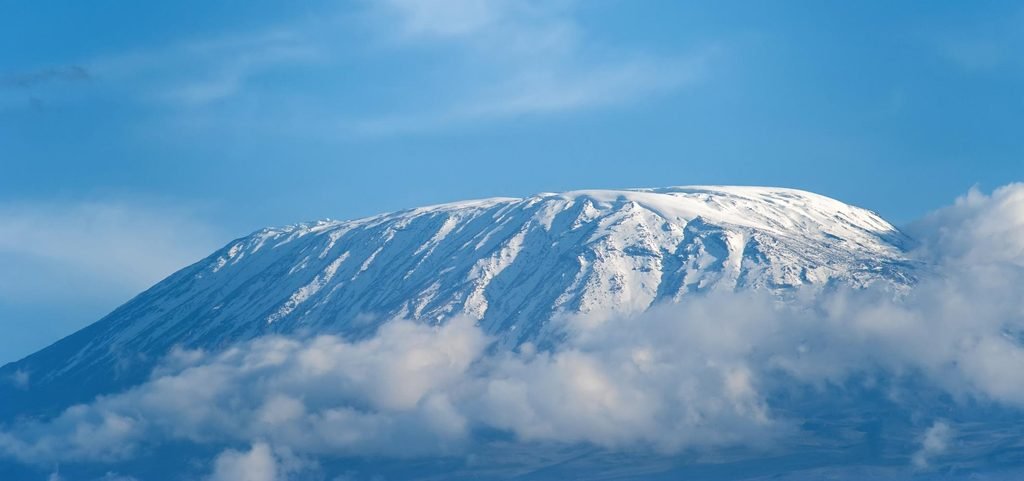
The Best 7-Day Kilimanjaro Climb with EKO Tanzania Charity 2026–2027;Mount Kilimanjaro is one of Africa’s most extraordinary natural landmarks and the highest mountain on the continent, rising to 5,895 metres (19,341 feet) above sea level. For many travellers, standing on Uhuru Peak is a lifelong dream. But the journey to the summit is about much more than reaching a particular altitude. It is a personal challenge, a cultural experience, a journey through changing landscapes, and an opportunity to discover strength you may not have known you had.
The Best 7-Day Kilimanjaro Climb with EKO Tanzania Charity 2026–2027 is designed for travellers who want to experience this incredible mountain while giving their adventure a deeper sense of purpose.
Over seven days, you gradually move from the green rainforest into the open moorland, across the dramatic alpine desert and finally into the high-altitude summit zone. Every day introduces something different. The landscape changes, the temperature drops, the air becomes thinner, and the mountain demands greater patience.
What makes this journey special is the human experience behind it. You are not simply walking from one camp to another. You are sharing the trail with guides, porters, cooks and fellow travellers. You are learning about Tanzania, experiencing local hospitality and discovering what it means to keep moving forward when the journey becomes difficult.
For travellers who want their adventure to have a positive social dimension, the charity element can add another layer of meaning. Rather than travelling only for personal achievement, the experience can be connected to responsible tourism and support for communities and charitable initiatives. Any specific charitable contribution, beneficiary or project should always be confirmed with EKO Tanzania Adventures before booking so that the purpose and use of funds are completely clear.
Why Choose a 7-Day Kilimanjaro Climb?:The Best 7-Day Kilimanjaro Climb with EKO Tanzania Charity 2026–2027
Choosing the right number of days is one of the most important decisions when planning a Kilimanjaro expedition.
A seven-day climb provides a good balance between adventure, physical challenge and acclimatization. Kilimanjaro is not a mountain that should be rushed. Your body needs time to adjust as you move from lower elevations to nearly 6,000 metres.
The additional time on the mountain allows you to maintain a slower rhythm. Instead of focusing on speed, you can concentrate on breathing, hydration, rest and listening to your body.
This is particularly important because altitude affects people differently. Someone who is physically strong may still experience altitude-related symptoms, while another traveller with less mountain experience may adapt surprisingly well.
The philosophy of the climb is therefore simple:
Pole pole slowly, slowly.
You do not need to race anyone. You need to keep moving at a sustainable pace.A seven-day itinerary also gives you time to appreciate the mountain itself. If you spend the entire trek worrying about the next camp, you can miss the experience. Kilimanjaro deserves to be experienced rather than simply completed.
Why Kilimanjaro Is Such a Special Adventure
Kilimanjaro is remarkable because of the dramatic changes that occur as you climb.
At lower elevations, the mountain is covered by lush tropical vegetation. As you ascend, the forest gradually changes into moorland. Higher still, vegetation becomes sparse and the environment increasingly resembles a high-altitude desert.
Eventually, you reach the summit zone where the environment is cold, dry and demanding.
This transformation happens within a relatively short geographical distance, making Kilimanjaro one of the world’s most fascinating trekking experiences.
But the mountain is also special because of what it represents.
For some people, climbing Kilimanjaro is a personal milestone. For others, it is a way of celebrating a birthday, marking a new chapter in life, challenging themselves after years of dreaming about Africa, or simply stepping outside their comfort zone.
There is no single reason to climb.
Your reason is your own.

7-Day Kilimanjaro Climb Itinerary:The Best 7-Day Kilimanjaro Climb with EKO Tanzania Charity 2026–2027
Day 1: Machame Gate to Machame Camp
Your Kilimanjaro adventure begins with a transfer from Moshi or your agreed starting point to Machame Gate.
Before beginning the trek, you complete the necessary registration procedures while your mountain team prepares the equipment.
Then the walking begins.
The first steps can feel surprisingly emotional. You have probably spent months thinking about this journey, preparing your equipment and imagining the mountain. Suddenly, the trail is directly in front of you.
The Machame Route begins through beautiful rainforest.
The environment is green, humid and alive. Tall trees surround the trail, and the sound of birds and moving vegetation creates a completely different atmosphere from the towns and roads below.
The first day is about finding your rhythm.
There is no reason to rush.
Your guide will encourage you to walk slowly and comfortably. This is the beginning of an important relationship between you and the mountain.
After several hours of walking, you arrive at Machame Camp.
Your mountain crew prepares your evening meal while you settle into camp, relax and prepare for the following day.
The first night can be exciting. You know that you are officially on your Kilimanjaro expedition.
Day 2: Machame Camp to Shira Camp
After breakfast, you continue upward.
The rainforest begins to thin and the scenery changes dramatically.You move into the moorland zone, where vegetation becomes shorter and the landscape opens up. The views become wider and you begin to appreciate just how far you have travelled.The trail becomes more challenging, but your body is also beginning to adapt.
This is an important time to remain patient.Drink water regularly. Eat your meals. Follow your guide’s instructions and pay attention to how your body feels.
Eventually, you reach the Shira Plateau.
From here, the mountain feels much larger.You may begin to see Kibo, the volcanic cone that contains Uhuru Peak, rising above the surrounding landscape.
At Shira Camp, you have time to rest and enjoy the remarkable environment.
The evening is usually quieter than the first night.You are now firmly inside the mountain environment, far away from everyday routines.
Day 3: Shira Camp to Barranco Camp
Day three is an important part of the acclimatization process.
The route takes you higher before descending towards Barranco Camp. This gives your body an opportunity to experience higher altitude while allowing you to sleep at a somewhat lower elevation.
The scenery becomes increasingly dramatic.
You walk across volcanic terrain, passing unusual high-altitude vegetation and enormous mountain landscapes.
One of the highlights is the Barranco Valley.
The huge cliffs and volcanic formations create an atmosphere that reminds you that you are climbing one of Africa’s great mountains.
When you arrive at Barranco Camp, you can look back at the terrain you have crossed.
You may feel tired.
That is normal.
But you may also feel something else: confidence.
You have already completed several days on the mountain.
The summit is still ahead, but you are getting closer.
Day 4: Barranco Camp to Karanga Camp
The day begins with one of the most recognizable challenges of the Machame Route: the Barranco Wall.
From below, the wall can look intimidating.
But the experience is often different once you begin climbing.
You move carefully, following the guidance of your mountain crew. In some places you use your hands for balance, while in others you simply focus on maintaining a steady rhythm.
Reaching the top is a rewarding moment.
Looking back over the valley gives you a completely different perspective of the route you have already travelled.
From there, the trail continues towards Karanga Camp.
Compared with summit day, this is a shorter hiking day, giving you valuable time to rest.
Use this time wisely.
Eat.
Hydrate.
Check your clothing and equipment.
Talk to your guide if anything is worrying you.
The summit is approaching.
Day 5: Karanga Camp to Barafu Camp
Today you move towards the final camp before the summit.
The landscape is now very different from the forest you walked through on your first day.
There are fewer plants, fewer trees and less shelter from the elements.
The environment feels raw and exposed.
Eventually, you reach Barafu Camp at approximately 4,640 metres.
This is where the reality of summit day begins to sink in.
You have travelled a long way.
The next objective is Uhuru Peak.Your guide will brief you about the summit attempt and help you prepare your equipment.Dinner is usually served early because you will need to rest before the midnight or early-morning departure.Try to sleep even if you feel excited or nervous.
Tomorrow will be the biggest day of your adventure.
Day 6: Barafu Camp to Uhuru Peak and Down to Mweka Camp
This is the day you have been preparing for.
You wake during the night, usually around midnight or shortly afterwards.
The temperature is cold.
The mountain is dark.
Headlamps illuminate the trail ahead.
You begin climbing slowly.
This is where the physical and mental sides of Kilimanjaro come together.
The air is thin.
The trail becomes steeper.
You may take many small steps.
Sometimes you may wonder how far you still have to go.
Do not think about the entire mountain.
Think about the next step.
Then the next one.
And then another.
This is where the meaning of pole pole becomes real.
Slowly.
Patiently.
One step at a time.
Eventually, you reach Stella Point on the crater rim.
From there, you continue towards Uhuru Peak.
And then, after all the preparation, walking and uncertainty, you see the summit sign.
Uhuru Peak — 5,895 metres.
You have reached the highest point in Africa.
This is often an emotional moment.
Some people laugh.
Some cry.
Some become completely silent.
Others immediately start taking photographs.
There is no correct reaction.
Take a moment to appreciate what you have achieved.
You have not simply climbed a mountain.
You have pushed yourself beyond an ordinary day and discovered what you can accomplish through patience and persistence.
After celebrating at the summit, you begin the descent.
The descent is physically demanding because you have already been awake for many hours.
You continue towards Barafu and then onward to Mweka Camp.
By the time you arrive, you will probably be exhausted.
But you will also have the satisfaction of knowing that the hardest part is behind you.
Day 7: Mweka Camp to Mweka Gate and Return to Moshi
Your final morning on Kilimanjaro feels different.
You wake up knowing that you have reached the summit.
After breakfast, you begin descending through the rainforest.
The vegetation becomes increasingly green as you lose altitude.
The air becomes warmer.
The trail becomes familiar in a different way.
Eventually, you reach Mweka Gate.
After completing the required exit procedures, you say goodbye to your mountain team.
This can be one of the most emotional moments of the entire trip.
During the climb, your guides, cooks and porters have been part of your daily life. They have helped prepare food, carried equipment, encouraged you and supported you through difficult moments.
Then your vehicle takes you back to Moshi or your agreed destination.
The mountain remains behind you.
But the experience stays with you.
The Human Side of a Kilimanjaro Climb:The Best 7-Day Kilimanjaro Climb with EKO Tanzania Charity 2026–2027
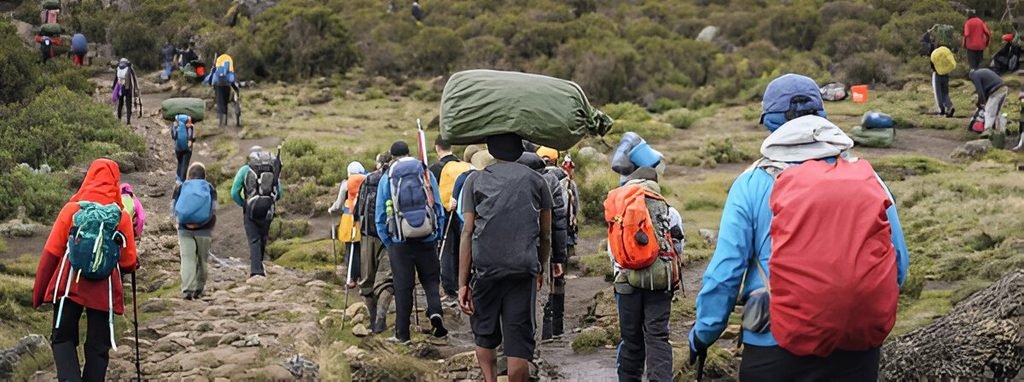
One of the most beautiful things about climbing Kilimanjaro is that you quickly realize that a successful expedition is never the achievement of one person alone.
Behind every climber is a team.
The guide who watches your pace.
The cook who prepares your meals.
The porters who transport equipment.
The people who organize logistics behind the scenes.
The fellow travellers who encourage you when you are tired.
This creates a strong sense of community.
On the mountain, ordinary differences become less important.
Everyone is there for the same basic reason: to move forward.
You learn to appreciate small things.
A warm drink.
A good meal.
A dry pair of socks.
A smile from your guide.
A beautiful sunrise.
A few minutes of rest.
These simple moments can become some of the most memorable parts of the journey.

EKO Tanzania Charity and the Purpose Behind the Adventure:The Best 7-Day Kilimanjaro Climb with EKO Tanzania Charity 2026–2027
The inclusion of a charity purpose can make this expedition particularly meaningful.
Tourism has the potential to create economic opportunities and strengthen connections between travellers and local communities.
A charity-focused adventure should therefore be based on transparency, respect and genuine community benefit.
With EKO Tanzania Adventures, the charity aspect can be incorporated into the wider travel experience depending on the specific programme or initiative selected.
Travellers interested in supporting a particular cause should request clear information about:
- The charitable organization or community initiative involved
- The purpose of the contribution
- How much is donated
- Where the funds are directed
- Whether the contribution is included in the package price or paid separately
- How the impact is monitored
This approach allows travellers to participate with confidence and understand the difference their support is intended to make.
The goal is not simply to say that an adventure has a purpose.
The goal is to make that purpose meaningful.
7-Day Kilimanjaro Climb Price 2026–2027
For planning purposes, a 7-day Machame Route climb with EKO Tanzania Adventures can start from approximately $2,150 USD per person for a small group arrangement.
A suggested price structure is:
| Group Size | Estimated Price Per Person |
|---|---|
| 1 Traveller | From $2,650 |
| 2 Travellers | From $2,350 |
| 3–4 Travellers | From $2,250 |
| 5–7 Travellers | From $2,150 |
| 8+ Travellers | Request a Group Quote |
The final price may change depending on your travel dates, group size, accommodation before and after the trek, park fees applicable at the time of travel, transfers, equipment requirements and any additional services.
For 2026–2027, it is best to request a personalized quotation before making a final booking.
What Is Included in the 7-Day Kilimanjaro Package?
Park and Government Fees
The package can include applicable:
- Kilimanjaro National Park fees
- Camping fees
- Conservation fees
- Rescue fees
- Trekking permits
- Applicable government and park charges
Professional Mountain Crew
The climb can include:
- Professional English-speaking mountain guide
- Assistant guides where required
- Mountain porters
- Professional mountain cook
- Mountain crew support throughout the trek
The exact number of crew members depends on group size and operational requirements.
Accommodation During the Trek
The package includes mountain camping for the seven-day itinerary, including:
- Mountain tents
- Sleeping arrangements
- Camp setup
- Camp breakdown
- Basic mountain camp support
Meals
Meals during the trek can include:
- Breakfast
- Lunch
- Dinner
- Hot drinks
- Drinking water during the trek
The food is designed to provide the energy required for long days of walking at altitude.
Transportation
The package can include:
- Transfer from Moshi to Machame Gate
- Transfer from Mweka Gate to Moshi
- Trek-related transportation
- Airport transfers where included in the confirmed quotation
Safety and Trek Support
The package can include:
- Pre-climb briefing
- Professional guide support
- Basic first-aid support
- Emergency communication procedures
- Mountain rescue arrangements applicable to the park
- Trekking route coordination
What Is Excluded from the Price?
The following items are normally excluded unless specifically added to your quotation:
- International flights
- Tanzania visa
- Travel insurance
- Personal medical insurance
- Personal medical expenses
- Personal medication
- Tips for guides, porters and cooks
- Hotel accommodation before the climb
- Hotel accommodation after the climb
- Alcoholic beverages
- Soft drinks outside the agreed meal arrangements
- Laundry
- Personal shopping
- Personal trekking equipment
- Sleeping bag unless specifically included
- Flights within Tanzania
- Extra transfers
- Extra accommodation nights
- Excess baggage porter services
- Personal expenses
- Charity contributions outside the confirmed programme
- Any service not specifically stated under the inclusions
Kilimanjaro Tipping
Tipping is an important part of the mountain culture, particularly because your guides, cooks and porters play such a significant role in your expedition.
You should budget separately for tipping rather than assuming that it is automatically included in the trekking price.
EKO can provide guidance before the trek on appropriate tipping practices and how the amount can be distributed among the mountain crew.
The most important thing is that tipping is handled respectfully and transparently.
What Should You Expect Physically?
A seven-day Kilimanjaro climb is physically demanding.
You should expect to walk for several hours on most days, sometimes over uneven terrain.
The summit day is significantly harder than the previous days because it involves a long ascent followed by a long descent.
However, technical climbing skills are generally not required on the standard trekking route.
The bigger challenge is altitude.
You may experience:
- Headache
- Fatigue
- Reduced appetite
- Shortness of breath
- Difficulty sleeping
- Nausea
These symptoms can vary considerably between individuals.
That is why your guide should be informed immediately if you feel unwell.
Do not hide symptoms because you are worried about disappointing your group.
On Kilimanjaro, safety comes before the summit.
How to Prepare for the Climb
You do not need to become an elite athlete to prepare for Kilimanjaro.
But you should take preparation seriously.
In the months before your trip, focus on:
Walking
Regular long walks are excellent preparation because they help your body become accustomed to spending several hours on your feet.
Hiking
If possible, include hills and uneven terrain in your training.
Cardiovascular Fitness
Walking, jogging, cycling or other aerobic activities can help improve endurance.
Strength
Strengthen your legs and core with appropriate exercises.
Practice With Your Equipment
Do not wait until Kilimanjaro to discover that your boots hurt your feet.
Wear your hiking boots during training.
Test your backpack.
Practice using trekking poles.
Learn how to layer your clothing.
Preparation reduces unnecessary stress.
What to Pack for a 7-Day Kilimanjaro Climb
A suitable packing list should include:
- Hiking boots
- Hiking socks
- Thermal base layers
- Hiking trousers
- Warm fleece
- Insulated jacket
- Waterproof jacket
- Waterproof trousers
- Warm gloves
- Warm hat
- Sun hat
- Sunglasses
- Headlamp
- Spare batteries
- Water bottles
- Hydration system
- Trekking poles
- Backpack
- Duffel bag
- Sleeping bag
- Personal toiletries
- Sunscreen
- Lip balm
- Personal medication
- Basic first-aid items
- Passport
- Travel documents
- Camera or phone
- Power bank
Your final packing list should be checked with EKO before departure because requirements can vary depending on the season and the specific arrangements of your climb.
Best Time to Climb Kilimanjaro in 2026–2027
Kilimanjaro can be climbed throughout the year, but weather conditions vary.
Many travellers prefer the generally drier periods, especially:
January to February
and
June to October.
The best period for you will depend on your travel schedule, budget and tolerance for different weather conditions.
If you are flexible, EKO can help you choose dates that suit both your personal plans and the type of mountain experience you want.
Why This Journey Can Change You
There is something deeply personal about climbing a mountain.
At the beginning, the summit seems incredibly far away.
Then you walk.
You climb.
You rest.
You wake up.
You walk again.
Eventually, you stop thinking about the entire distance and concentrate only on the next step.
That lesson can stay with you long after you return home.
Kilimanjaro teaches patience.
It teaches humility.
It teaches you that strength does not always look dramatic.
Sometimes strength is simply continuing when you are tired.
Sometimes courage means admitting that you need to rest.
Sometimes success means listening to your guide rather than trying to prove how strong you are.
And sometimes the greatest achievement is not reaching the top alone, but reaching it as part of a team.
Book Your Best 7-Day Kilimanjaro Climb with EKO Tanzania Adventures
The Best 7-Day Kilimanjaro Climb with EKO Tanzania Charity 2026–2027 is an opportunity to experience one of Africa’s greatest adventures while giving your journey a deeper sense of purpose.
From the first steps through the rainforest to the final approach to Uhuru Peak, every day presents a new challenge and a new reward.
You will experience changing landscapes, high-altitude environments, unforgettable views and the remarkable human connection that develops between climbers and their mountain crew.
Most importantly, you will return home with more than photographs.
You will return with a story.
A story about patience.
A story about courage.
A story about people.
A story about Tanzania.
And a story about reaching a place you once thought was far beyond your reach.
Estimated price: From $2,150 USD per person.
EKO Tanzania Adventures can customize your climb according to your travel dates, number of travellers, accommodation preferences, budget, fitness level and onward travel plans.
WhatsApp/Call: +255 761 353 184
Email: info@ekotanzaniaadventures.com
Alternative Email: ekotanzaniaadventure@gmail.com
Website: ekotanzaniaadventures.com