Overview of The Epic 6-Day Machame Route Kilimanjaro Climb 2026–2027
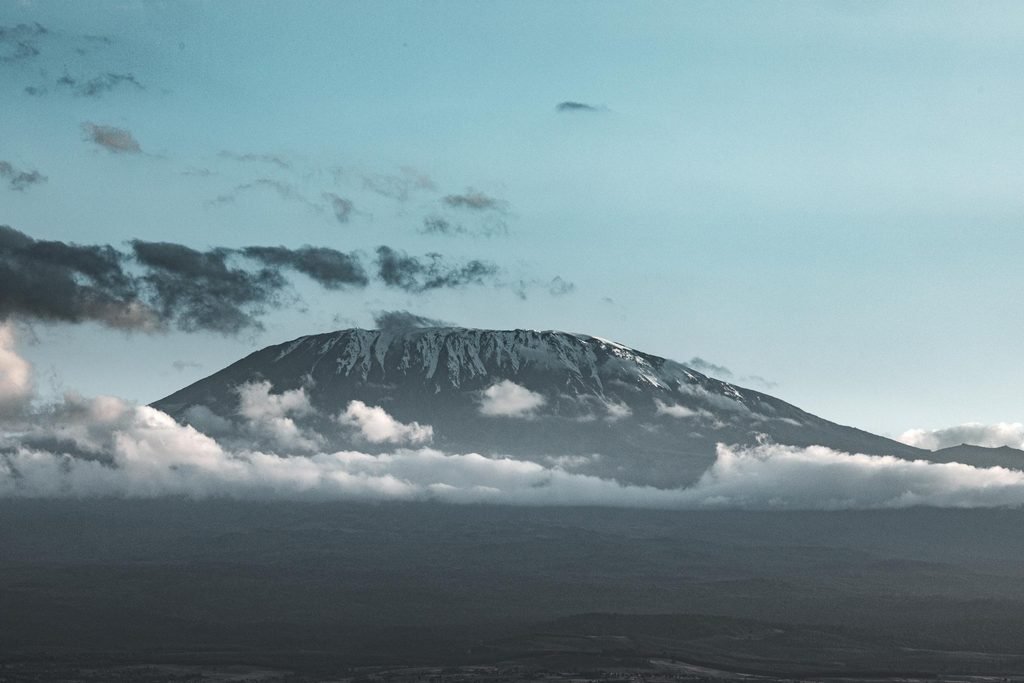
The Epic 6-Day Machame Route Kilimanjaro Climb 2026–2027;is an exciting mountain adventure designed for trekkers who want to experience the breathtaking beauty of Mount Kilimanjaro and challenge themselves to reach Uhuru Peak, the highest point in Africa at 5,895 meters (19,341 feet) above sea level.
Known as the “Whiskey Route,” the Machame Route is famous for its spectacular scenery, dramatic ridges, lush rainforest, open moorlands, and rugged alpine landscapes. During this journey, you will experience several of Kilimanjaro’s ecological zones while gradually making your way toward the summit.
With EKO Tanzania Adventures, your climb is organized around professional mountain guides, experienced support crews, carefully planned meals, and essential safety procedures. From the moment you arrive in Tanzania to your final descent from the mountain, the aim is to provide a well-organized trekking experience that allows you to focus on the adventure.
The six-day itinerary is relatively demanding because it requires covering the route in less time than longer Machame itineraries. Although it can suit experienced and physically prepared trekkers, the shorter schedule offers less time for acclimatization. Climbers should understand the risks of altitude sickness and follow their guide’s advice, even if this means turning around before reaching the summit.
If you are looking for a challenging Kilimanjaro adventure filled with beautiful landscapes, personal achievement, and unforgettable moments, the six-day Machame Route offers a remarkable way to explore Africa’s most famous mountain.
Why Choose the 6-Day Machame Route?
The Machame Route is one of the most popular approaches to Mount Kilimanjaro because of its scenery and varied trekking experience. It begins on the mountain’s southern side and passes through rainforest, heathland, moorland, rocky valleys, and high-altitude desert before reaching the summit zone.
One of the route’s greatest attractions is the opportunity to see the mountain from different perspectives. The trail includes forest paths, open ridges, views across the Shira Plateau, and the impressive Barranco Wall.
The route also includes a climb toward Lava Tower followed by a descent toward Barranco Camp. This climb-high, sleep-lower pattern can support acclimatization, although the overall six-day schedule remains demanding.
The six-day option may appeal to trekkers with limited vacation time who have prepared well for long hiking days. However, completing the climb quickly should never be more important than health and safety. Choosing a seven-day or longer itinerary generally provides more time to adapt to altitude and may improve the chances of reaching the summit.
Day 1: Machame Gate to Machame Camp
Elevation: Approximately 1,800 m to 3,000 m
Hiking time: Approximately 5–7 hours
Habitat: Montane rainforest
Your Kilimanjaro adventure begins with a transfer from Moshi or Arusha to Machame Gate. After meeting your mountain team, completing registration, and checking your equipment, you will begin the first stage of the climb.
The trail enters a beautiful rainforest filled with tall trees, thick vegetation, ferns, and moss-covered branches. The atmosphere is often cool and humid, and the forest floor can become slippery after rainfall.
As you walk, your guide will establish a comfortable pace and explain the importance of moving slowly, conserving energy, and drinking water regularly. You may hear forest birds and, occasionally, spot monkeys moving through the trees.
The trail gradually climbs through the forest, providing your first opportunity to adjust to walking with a daypack and to the rhythm of mountain trekking. Good footwear and trekking poles can be particularly useful on muddy or uneven sections.
After several hours, you will reach Machame Camp, where your support crew will have arranged the overnight camping area. Take time to rest, enjoy your meal, and prepare your clothing and equipment for the next day.
Your guide will also check how you are feeling and remind you to report any symptoms that could indicate altitude sickness.
Accommodation: Mountain tents at Machame Camp.
Meals: Lunch and dinner, with breakfast arranged according to the departure schedule.
Day 2: Machame Camp to Shira Camp
Elevation: Approximately 3,000 m to 3,840 m
Hiking time: Approximately 4–6 hours
Habitat: Heathland and moorland
After breakfast, leave the rainforest behind and continue along a steeper trail toward the Shira Plateau. The route climbs over rocky ground and open ridges, giving you increasingly impressive views of the surrounding landscape.
As the altitude increases, the tall trees gradually disappear. They are replaced by grasses, heathers, shrubs, and unusual high-altitude plants that can survive in the mountain’s cooler conditions.
The walk may feel more challenging than the previous day because you are gaining elevation. Your guide will encourage a steady pace, allowing you to conserve energy rather than rushing toward camp.
On a clear day, the views can extend across the surrounding countryside, and you may see Mount Meru in the distance. The open landscape provides excellent opportunities for photography and quiet moments to appreciate Kilimanjaro’s natural beauty.
Eventually, you will arrive at Shira Camp, situated on the high plateau. After settling into your tent, enjoy a warm meal and take time to rest.
Because the six-day itinerary involves a relatively rapid ascent, pay close attention to how your body responds to the altitude. Inform your guide about headaches, nausea, dizziness, or unusual fatigue.
Accommodation: Mountain tents at Shira Camp.
Meals: Breakfast, lunch, and dinner.
Day 3: Shira Camp to Lava Tower and Barranco Camp
Elevation: Approximately 3,840 m to 4,630 m at Lava Tower, descending to approximately 3,960 m at Barranco Camp
Hiking time: Approximately 6–8 hours
Habitat: Alpine desert and high-altitude moorland
Today is one of the most important stages of your Machame Route adventure. After breakfast, begin trekking across the Shira Plateau toward Lava Tower, a dramatic volcanic rock formation surrounded by rugged mountain scenery.
The trail gradually climbs through an increasingly dry and exposed landscape. The air becomes thinner, vegetation becomes sparse, and even ordinary walking may require more effort.
Your guide will set a manageable pace and schedule appropriate breaks. A slow ascent is important because the body needs time to respond to the reduced oxygen available at higher elevations.
Around Lava Tower, you will stop for lunch or a rest, depending on the day’s conditions. This is an important point in the itinerary because you gain considerable elevation before descending to Barranco Camp.
The descent takes you through a striking landscape of rocky slopes, cliffs, and valleys. You may also see giant groundsels and other distinctive plants adapted to Kilimanjaro’s high-altitude environment.
As you approach Barranco Camp, the famous Barranco Wall rises dramatically above the surrounding valley. The camp is a memorable place to spend the night, with impressive views of the mountain landscape.
Although this stage provides a valuable acclimatization opportunity, it does not remove the risks associated with the six-day ascent. If you feel unwell, tell your guide immediately.
Accommodation: Mountain tents at Barranco Camp.
Meals: Breakfast, lunch, and dinner.
Day 4: Barranco Camp to Barafu Camp
Elevation: Approximately 3,960 m to 4,640 m
Hiking time: Approximately 7–9 hours
Habitat: Alpine desert
After breakfast, begin the climb up the Barranco Wall, one of the most memorable sections of the Machame Route. From the camp, the wall may appear intimidating, but the normal trail follows a scrambling route that does not usually require technical climbing equipment.
You will use your hands for balance in some places, so follow your guide’s instructions and move carefully. Take your time, maintain secure footing, and allow enough space between yourself and other trekkers.
At the top, you will be rewarded with spectacular views of the surrounding valleys and mountain ridges. The changing perspectives provide excellent opportunities for photographs and a moment to appreciate the landscape.
Continue across a series of ridges and valleys toward Karanga Valley and then climb toward Barafu Camp. This is a long and demanding stage, particularly because you are gaining altitude while preparing for the summit attempt.
Depending on the group’s pace and trail conditions, the day may involve several hours of sustained walking. Your guide will manage the schedule and monitor the group’s condition.
Upon reaching Barafu Camp, you will settle into your tent, organize your summit equipment, and receive a briefing about the final ascent. You will need warm layers, gloves, a headlamp, suitable footwear, and enough water for the summit attempt.
Dinner is usually served early, followed by an opportunity to rest before the night climb. Try to sleep as much as possible, even if excitement or altitude makes it difficult.
Accommodation: Mountain tents at Barafu Camp.
Meals: Breakfast, lunch, and early dinner.
Day 5: Barafu Camp to Uhuru Peak and Mweka Camp:The Epic 6-Day Machame Route Kilimanjaro Climb 2026–2027
Elevation: Approximately 4,640 m to 5,895 m, descending to approximately 3,080 m
Hiking time: Approximately 10–15 hours
Habitat: Alpine desert and upper mountain slopes
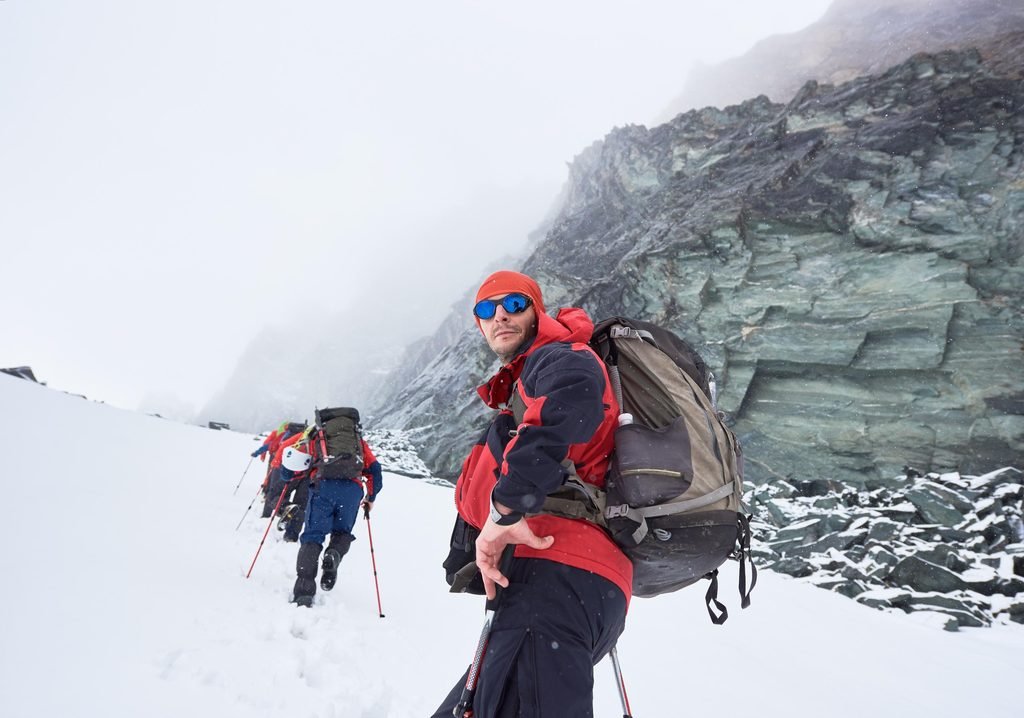
Summit day is the biggest challenge of your six-day Kilimanjaro climb. You will usually leave Barafu Camp around midnight, accompanied by your mountain guides, and begin the slow ascent toward Stella Point on the crater rim.
The trail is steep, rocky, and cold. At this altitude, your body has access to much less oxygen than at sea level, so every step may require concentration and patience.
Your guides will establish a careful pace and check how you are feeling throughout the climb. Short breaks can help you manage the effort, but it is important to avoid pushing beyond your limits.
As dawn approaches, the sky may begin to brighten over the surrounding mountain landscape. Reaching Stella Point is a significant achievement, but the journey continues along the crater rim toward Uhuru Peak.
If conditions and your physical state allow, you will continue to the summit at 5,895 meters. Standing at the highest point in Africa is an extraordinary moment, offering a sense of achievement and an opportunity to appreciate the immense landscape around you.
Take photographs and celebrate your effort, while following your guide’s instructions about how long it is safe to remain at the summit. Cold, wind, fatigue, and altitude make it important to begin descending without unnecessary delays.
The descent returns you to Barafu Camp, where you can rest briefly and have refreshments before continuing toward Mweka Camp. The long downhill walk can be hard on tired legs, so use trekking poles if available and watch your footing on loose gravel.
Upon reaching Mweka Camp, enjoy a meal and a well-earned rest. The day is physically demanding, and reaching Uhuru Peak cannot be guaranteed. Your guide may decide that descending earlier is necessary if your health or weather conditions become concerning.
Accommodation: Mountain tents at Mweka Camp.
Meals: Breakfast, lunch, and dinner arranged around the summit schedule.

Day 6: Mweka Camp to Mweka Gate and Return to Moshi or Arusha
Elevation: Approximately 3,080 m to 1,640 m
Hiking time: Approximately 3–5 hours
Habitat: Montane rainforest
After breakfast, begin the final descent through Kilimanjaro’s rainforest toward Mweka Gate. The lower altitude generally makes breathing easier, and the surrounding vegetation becomes greener as you descend.
The trail may be muddy or slippery, especially after rain. Walk carefully, use your trekking poles when needed, and give your legs time to adjust after the long summit descent.
Along the way, enjoy the final views of the forest and listen to the sounds of birds and other wildlife. The contrast between the lush lower slopes and the cold alpine environment near the summit is one of the remarkable features of climbing Kilimanjaro.
At Mweka Gate, you will complete the required exit procedures. Climbers who reach the corresponding official summit point can receive a summit certificate, subject to the applicable arrangements.
You will then say goodbye to your mountain crew and transfer to Moshi or Arusha, depending on your travel plans. After six days of trekking, a hot shower, comfortable bed, and relaxing meal will be especially welcome.
If you plan to continue with a Tanzania safari or Zanzibar beach holiday, EKO Tanzania Adventures can help organize the next stage of your trip.
Accommodation: Not included after the climb unless requested.
Meals: Breakfast and any additional meals specified in your package.
Estimated Cost of the 6-Day Machame Route Kilimanjaro Climb 2026–2027
The price of climbing Mount Kilimanjaro varies according to the group size, season, crew arrangements, equipment, park fees, and service level. The following figures are indicative estimates rather than a confirmed quotation.
| Package type | Estimated price per person |
|---|---|
| Budget group climb | $1,700–$2,100 |
| Standard group climb | $1,900–$2,600 |
| Private climb | $2,400–$3,400 |
| Premium private climb | $3,400–$4,800+ |
These prices are planning estimates. Request an updated quotation from EKO Tanzania Adventures to confirm the final cost, inclusions, and availability for your dates.
What Is Included in the Package?
Depending on the confirmed itinerary, a Kilimanjaro package may include:
- Park entry and applicable camping fees.
- Required conservation and rescue charges.
- Professional mountain guides and supporting crew.
- Porter support and camp staff.
- Mountain tents and camping arrangements.
- Meals during the trek.
- Treated drinking water according to the package arrangements.
- Transfers to and from the mountain gate.
- Pre-climb briefing and equipment checks.
- Applicable taxes and levies specified in the quotation.
What Is Excluded?
Unless clearly stated otherwise, the following are generally not included:
- International flights and airport taxes.
- Tanzanian visa fees.
- Travel insurance covering high-altitude trekking and emergency evacuation.
- Personal trekking equipment, including boots, sleeping bag, and warm clothing.
- Accommodation before or after the climb.
- Tips for mountain guides, porters, cooks, and other crew members.
- Personal expenses, snacks, and drinks outside the agreed package.
- Optional activities and services not listed in the confirmed quotation.
How to Prepare for Your Kilimanjaro Climb
Good preparation can make the climb more manageable. Begin training several months before your trip, if possible, with regular hiking, walking, stair climbing, and cardiovascular exercise.
Practice walking for several hours while carrying a daypack. Break in your hiking boots before arrival to reduce the risk of blisters, and learn how to use trekking poles on uneven ground.
Pack suitable clothing for changing temperatures, including moisture-wicking base layers, warm insulating layers, a waterproof jacket and trousers, gloves, a warm hat, sunglasses, sunscreen, and a headlamp. A suitable sleeping bag and comfortable trekking socks are also essential.
During the climb, walk slowly, eat regularly, drink fluids, and follow your guide’s instructions. Do not ignore symptoms such as headache, nausea, dizziness, unusual fatigue, confusion, or worsening breathlessness. Severe or worsening symptoms require immediate medical assessment and may require descent.
Speak with a qualified healthcare professional before travelling about altitude-related risks and any personal medical concerns. Make sure your travel insurance specifically covers trekking to 5,895 meters and emergency evacuation.
Best Time to Climb the Machame Route
Kilimanjaro can be climbed throughout the year, but conditions differ between seasons.
January to March: Often a good period for climbing, with generally favorable opportunities but potentially cold conditions at higher elevations.
June to October: A popular period that often brings relatively drier weather, although rain, cloud, and cold remain possible.
November to December: Short rains may affect trail conditions, and weather can change quickly.
March to May: The long-rain season often brings wetter trails and more challenging conditions, although some climbers still choose to trek during this period.
No season guarantees good weather or a successful summit. The best dates depend on your schedule, preferences, and willingness to deal with changing mountain conditions.
Why Choose EKO Tanzania Adventures?
Climbing Mount Kilimanjaro requires careful planning, professional guiding, reliable equipment, and responsible decisions throughout the journey. Choosing an operator that takes safety and crew welfare seriously is an important part of preparing for your adventure.
EKO Tanzania Adventures can help arrange your climb according to your travel dates, budget, group size, and onward travel plans. Before booking, request clear information about guide qualifications, emergency procedures, crew welfare, equipment standards, and the services included in your package.
The Machame Route offers an incredible journey through rainforest, moorland, alpine desert, and the dramatic upper slopes of Kilimanjaro. Although the six-day schedule is demanding, a well-prepared trekker with appropriate support can experience the mountain’s beauty while keeping safety at the center of every decision.
Book Your 6-Day Machame Route Kilimanjaro Climb 2026–2027
Are you ready to experience the challenge and beauty of Mount Kilimanjaro?
Contact EKO Tanzania Adventures to discuss your preferred travel dates, group size, trekking experience, equipment needs, and budget. The team can help you review the itinerary and arrange a quotation based on your requirements.
EKO Tanzania Adventures
Website: ekotanzaniaadventures.com
WhatsApp/Call: +255 761 353 184
Email: info@ekotanzaniaadventures.com
Alternative Email: ekotanzaniaadventure@gmail.com
Your Kilimanjaro adventure is more than a journey to the summit. It is an opportunity to challenge yourself, experience extraordinary landscapes, and discover the remarkable beauty of Africa’s highest mountain. Prepare carefully, respect the altitude, and enjoy every step of the journey.