The Best 7-Day Lemosho Route Kilimanjaro Climb 2026–2027;Climbing Mount Kilimanjaro is a dream for many travellers, especially those who want to experience Africa’s natural beauty while challenging themselves in a meaningful way. Standing at 5,895 metres above sea level, Uhuru Peak is the highest point in Africa and the ultimate goal of this remarkable mountain adventure. The 7-day Lemosho Route Kilimanjaro climb offers an opportunity to explore changing landscapes, enjoy breathtaking mountain views, and experience the satisfaction of progressing towards the summit one step at a time.
The Lemosho Route begins on the western side of Mount Kilimanjaro, where the journey starts in a beautiful rainforest filled with tall trees, thick vegetation, and the sounds of birds. As you climb higher, the scenery gradually changes into open moorland, volcanic rock formations, and the dramatic alpine desert. These contrasting environments make the route especially appealing to trekkers who want more than a summit experience; they want to appreciate the mountain’s natural beauty along the way.
A seven-day climb requires determination, preparation, and a willingness to adapt to changing conditions. Some days involve steady walking across open terrain, while others bring steep trails, rocky paths, and long hours on your feet. The final summit attempt is particularly demanding because of the cold temperatures, darkness, and reduced oxygen available at high altitude.
Although the Lemosho Route is known for its scenic beauty, the seven-day itinerary provides less time for acclimatisation than longer versions of the route. Choosing an itinerary that matches your experience, fitness, and ability to adapt to altitude is important. With appropriate preparation and a qualified mountain team, you can approach the journey with a clearer understanding of the challenges and rewards ahead.
For the 2026–2027 climbing season, this adventure offers a chance to leave everyday routines behind and discover one of Tanzania’s most extraordinary natural landmarks.

Why Choose the 7-Day Lemosho Route?:The Best 7-Day Lemosho Route Kilimanjaro Climb 2026–2027
The Lemosho Route is popular because of its beautiful scenery, varied terrain, and gradual approach to the higher mountain slopes. It gives climbers the opportunity to experience several ecological zones while travelling towards Uhuru Peak.
One of its greatest attractions is the peaceful beginning through the rainforest. The trail feels different from the open, rocky sections higher on the mountain, and the surrounding vegetation creates a refreshing introduction to the trek. As you continue, the forest gradually disappears, revealing wide views across the mountain landscape.
The Shira Plateau is another highlight. This broad, elevated area features open ground, volcanic formations, and impressive views of Kilimanjaro’s upper slopes when the weather is clear. Further along the route, the Lava Tower area and Barranco Valley introduce a more dramatic landscape, with steep ridges, rugged rocks, and unusual high-altitude plants.
The seven-day itinerary is attractive to travellers with limited time, but it should not be selected on convenience alone. Spending more days on the mountain generally provides additional opportunities for acclimatisation. If you are concerned about altitude or have little trekking experience, discuss a longer itinerary with your tour operator before making a decision.
Day 1: Londorossi Gate to Mti Mkubwa Camp
Your adventure begins with a drive to Londorossi Gate on the western side of Mount Kilimanjaro. After registration and the necessary preparations, you continue to the trailhead and begin walking through the rainforest.
The first part of the journey introduces you to the mountain’s rich natural environment. Tall trees create a canopy overhead, while thick vegetation lines the trail. You may hear birds calling from the forest and notice how the temperature feels cooler beneath the trees.
The path can be muddy or slippery, particularly after rain, so sturdy hiking boots and careful footing are essential. Your guide will help establish a comfortable pace, allowing you to settle into the rhythm of walking without using too much energy early in the climb.
After several hours, you reach Mti Mkubwa Camp, also known as Big Tree Camp. Your support crew prepares the campsite, and you have time to enjoy a meal, organise your belongings, and rest.
Although this first day may seem relatively easy, it is important to take it seriously. A steady beginning helps you prepare for the longer and more demanding stages ahead.
Day 2: Mti Mkubwa Camp to Shira 1 Camp
After breakfast, you leave the rainforest and continue towards the higher slopes of Kilimanjaro. The vegetation becomes less dense as you enter heathland and moorland, where shrubs, grasses, and distinctive mountain plants replace much of the forest.
The trail gradually gains elevation and includes steeper sections that require patience. As the trees become less frequent, the landscape opens up, offering wider views of the surrounding hills and mountain slopes.
Walking at altitude can feel different from walking at lower elevations. You may notice that you need to breathe more frequently or take shorter steps to maintain a comfortable pace. Listen to your guide, drink water regularly, and communicate any symptoms that concern you.
By the time you arrive at Shira 1 Camp, you will have experienced a noticeable change in both scenery and altitude. The open surroundings offer a different perspective of Kilimanjaro, especially when clouds lift and reveal the mountain above.
After settling into camp, enjoy your meal and rest. A good night’s rest and adequate nutrition help prepare you for the following day’s trek.
Day 3: Shira 1 Camp to Shira 2 Camp
The third day takes you further across the Shira Plateau, one of the most memorable landscapes along the Lemosho Route. Compared with the rainforest, this area feels spacious and exposed, with broad views and volcanic terrain stretching across the mountain.
The trail generally involves a gradual ascent, although the altitude can make walking more tiring than expected. Take your time, maintain a comfortable pace, and enjoy the scenery rather than focusing only on reaching camp.
On clear days, you may see impressive views of Kilimanjaro’s upper slopes. The changing light across the plateau creates a beautiful setting for photographs, while the open terrain gives you a stronger sense of the mountain’s scale.
Shira 2 Camp provides an opportunity to rest before moving towards the more challenging sections of the route. Your guide can explain the next day’s plan and check how you are responding to the altitude.
Temperatures may fall quickly after sunset, so keep warm clothing accessible and prepare your equipment before settling down for the evening.

Day 4: Shira 2 Camp to Lava Tower and Barranco Camp
This is an important day because the route takes you to a higher elevation before descending towards Barranco Camp. It is also one of the days when you begin to appreciate how the mountain’s conditions change as you climb.
After breakfast, you leave the Shira Plateau and follow the trail towards the Lava Tower area. The landscape becomes increasingly rocky, with fewer plants and a more rugged appearance.
As you gain elevation, walking may become more difficult because less oxygen is available to your body. Your guide will encourage a slow pace and monitor the group’s condition throughout the day.
Lava Tower is a striking volcanic formation and a memorable landmark along the route. After spending time in the area as conditions permit, you descend towards Barranco Camp.
This approach is often described as climbing high and sleeping low. It can support acclimatisation, although it does not eliminate the risk of altitude sickness.
The descent into Barranco Valley reveals steep slopes, rocky formations, and distinctive high-altitude vegetation. When you arrive at camp, take time to rest, eat, and prepare for the following day.
If you experience severe headache, repeated vomiting, confusion, difficulty walking normally, or breathlessness at rest, tell your guide immediately. Serious altitude illness requires urgent assessment and may require descent.
Day 5: Barranco Camp to Barafu Camp
After breakfast, you begin with one of the best-known sections of the Lemosho Route: the Barranco Wall. This steep trail can look intimidating, but many trekkers find it manageable when they move carefully and follow their guide’s instructions.
The climb requires balance and concentration in places, so avoid rushing and give yourself time to negotiate the terrain safely. Once you reach the upper section, the trail continues across ridges and valleys, offering impressive views of the mountain.
The route includes additional ascents and descents before you reach Barafu Camp, the base camp for your summit attempt. The surrounding landscape is increasingly dry and rocky, with little vegetation and a strong sense of being high on Kilimanjaro.
After reaching camp, you will have time to eat, organise your equipment, and listen to your guide’s summit briefing. Prepare your headlamp, warm layers, insulated gloves, and other essential items before resting.
The summit attempt usually begins around midnight, depending on the weather, the group’s condition, and the guide’s assessment. Try to rest as much as possible, even if excitement makes it difficult to sleep.
Day 6: Barafu Camp to Uhuru Peak and Descent to Mweka Camp
Summit day is the moment many climbers have been waiting for since the journey began. You usually leave Barafu Camp during the night and start the demanding ascent towards the crater rim.
The trail is steep in places, and the combination of cold temperatures, darkness, fatigue, and high altitude makes this one of the most challenging parts of the climb. Progress is often slow, but maintaining a steady pace is more important than moving quickly.
Your guide will monitor your condition and help determine whether it is safe to continue. Reaching Stella Point is a major milestone, but the journey towards Uhuru Peak continues along the crater rim.
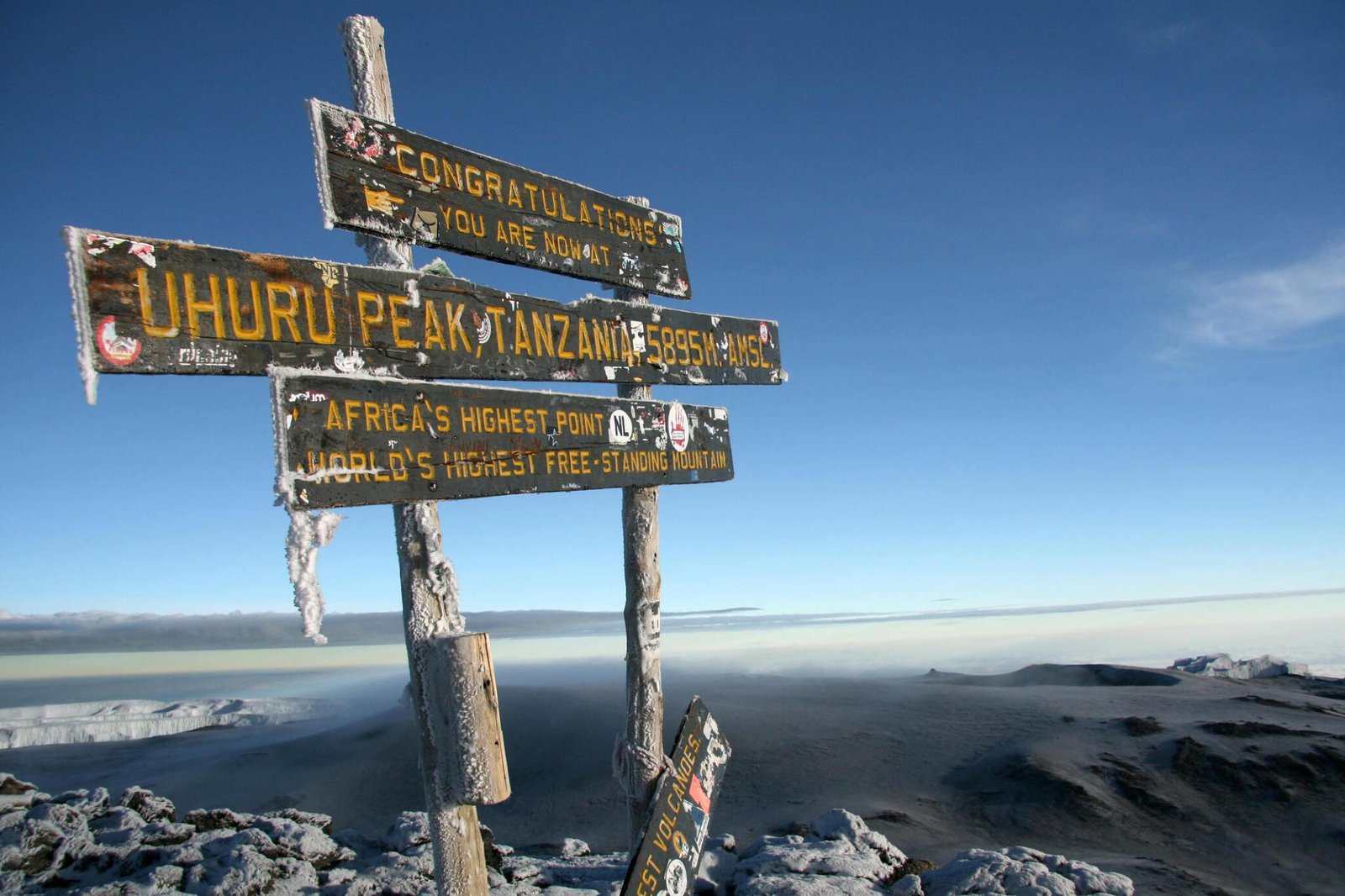
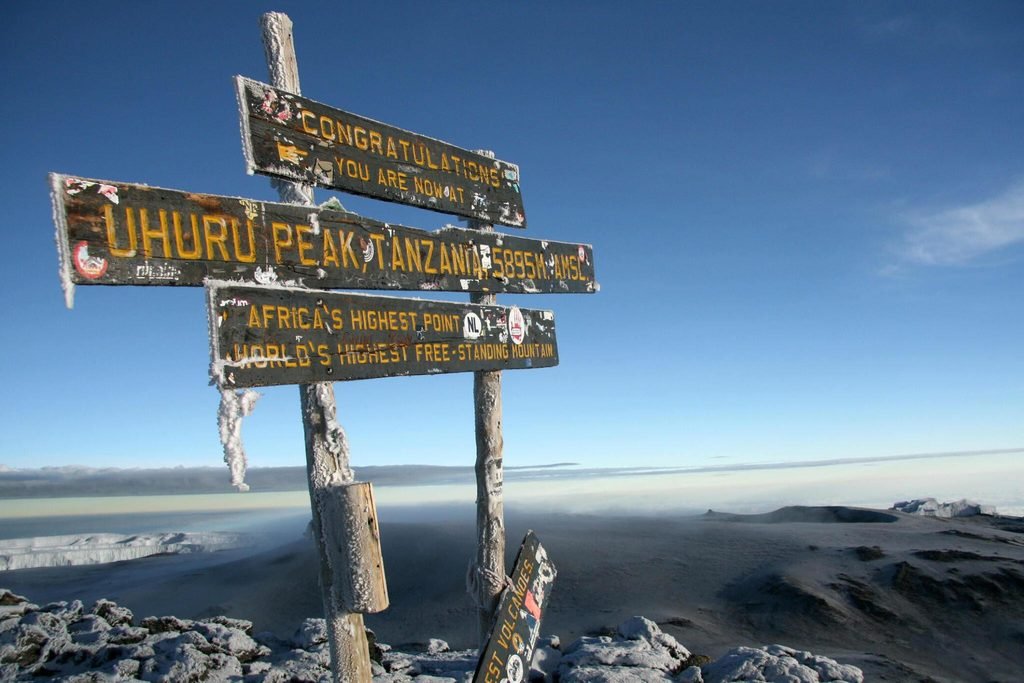
If you are feeling well and conditions allow, you continue towards Uhuru Peak at 5,895 metres above sea level. Standing at the highest point in Africa is an extraordinary achievement. After days of preparation and walking, you have reached a place that many people only dream of visiting.
Take photographs, celebrate your accomplishment, and enjoy the moment while following your guide’s instructions. Because of the cold and altitude, it is important not to remain at the summit longer than necessary.
You then begin the descent towards Barafu Camp before continuing to Mweka Camp. Descending over loose volcanic gravel can be hard on tired legs, so trekking poles and careful footing can be helpful.
When you arrive at Mweka Camp, you can enjoy a meal, rest, and reflect on the experience. The summit may be behind you, but one final descent remains before your climb is complete.
Day 7: Mweka Camp to Mweka Gate
Your final morning begins with breakfast and preparations for the descent through Kilimanjaro’s rainforest.
As you walk downhill, the environment gradually changes. The rocky upper slopes give way to thicker vegetation, warmer air, and the familiar sounds of the forest. After several days at higher elevations, this change can feel especially refreshing.
The trail may be slippery following rain, so continue walking carefully and allow enough time to reach the gate safely.
At Mweka Gate, you complete the required exit procedures and celebrate the end of your climb with your mountain team. Certificates are generally arranged according to park procedures and the summit point you reached.
Your transfer can then take you back to Moshi or Arusha, depending on your travel arrangements. After a demanding week on the mountain, a hot shower, a comfortable bed, and a good meal are welcome rewards.
Looking back, you will have experienced much more than a physical challenge. You will have crossed different landscapes, adapted to changing conditions, and discovered what it takes to keep moving towards a difficult goal.
Best Time to Climb Kilimanjaro in 2026–2027
Mount Kilimanjaro can be climbed throughout the year, but weather conditions vary considerably by season.
January to early March often offers relatively favourable climbing conditions. June to October is another popular period, with generally drier weather and many visitors choosing to trek during these months.
April and May are typically wetter, while November can bring short rains. However, mountain weather is unpredictable, and cold temperatures, rain, wind, or snow may occur at different times of the year.
When planning your 2026–2027 climb, consider your preferred travel dates, the time available for preparation, and the conditions you are comfortable managing. Your tour operator can help you prepare for the expected weather and recommend suitable clothing and equipment.
Regardless of the season, waterproof layers, warm clothing, sturdy footwear, and proper preparation are essential.
Fitness and Preparation for the Lemosho Route:The Best 7-Day Lemosho Route Kilimanjaro Climb 2026–2027
You do not have to be a professional athlete to climb Kilimanjaro, but good preparation can make the journey more manageable. The trek involves several consecutive days of walking, uneven terrain, changing temperatures, and a long summit night.
Start training well before your departure. Regular walking, hiking, stair climbing, and aerobic exercise can help build endurance. If possible, practise longer hikes on uneven ground while carrying a light daypack.
Your equipment should include comfortable hiking boots, waterproof clothing, thermal base layers, warm gloves, a warm hat, a headlamp, a suitable sleeping bag, trekking poles, sunglasses, sunscreen, and a daypack. Your operator should provide a complete packing list based on the season and the services included in your package.
During the climb, drink fluids regularly, eat enough food, and tell your guide if you feel unwell. Fitness does not prevent altitude sickness, and anyone can be affected.
Because the seven-day itinerary offers limited acclimatisation time compared with longer climbs, discuss your options with your operator before booking. An eight- or nine-day itinerary may be a better choice if you would benefit from additional time to adjust to altitude.
Why Choose EKO Tanzania Adventures?
Planning a Kilimanjaro climb involves several important decisions, from selecting the right itinerary to organising accommodation, transfers, equipment, and mountain support.
EKO Tanzania Adventures can help you plan your 7-day Lemosho Route climb for the 2026–2027 season, taking your preferred travel dates, group size, budget, and personal preferences into account.
Before confirming your booking, request a detailed itinerary, a clear list of inclusions and exclusions, information about the mountain guides and support crew, and details of the operator’s altitude-monitoring and emergency procedures.
You can also ask about accommodation before and after the climb, airport transfers, equipment rental where available, and opportunities to extend your trip with a Tanzania wildlife safari or a Zanzibar beach holiday.
Having these arrangements clearly explained before departure helps you understand what to expect and prepare with greater confidence.
Book Your 7-Day Lemosho Route Kilimanjaro Climb 2026–2027
Are you ready to experience Mount Kilimanjaro and take on the challenge of reaching Uhuru Peak? EKO Tanzania Adventures can help you start planning your mountain adventure.
Share your preferred travel dates, number of climbers, budget, and any special requirements so the team can discuss suitable arrangements for your trip. You can also explore the possibility of combining your climb with a wildlife safari through Tanzania’s famous national parks or a relaxing beach holiday in Zanzibar.
Contact EKO Tanzania Adventures
Website: https://www.ekotanzaniaadventures.com
WhatsApp / Call: +255 761 353 184
Email: info@ekotanzaniaadventures.com
Alternative Email: ekotanzaniaadventure@gmail.com
Climbing Kilimanjaro takes patience, determination, and respect for the mountain. Every day brings a different experience, from the quiet rainforest to the exposed alpine landscape and the demanding final ascent. With suitable preparation, experienced support, and a realistic understanding of the challenges, the Lemosho Route can become a memorable part of your visit to Tanzania.
Your goal may be Uhuru Peak, but the journey itself is also worth appreciating. Take your time, listen to your guides, enjoy the scenery, and remember that returning safely is the most important part of every successful climb.