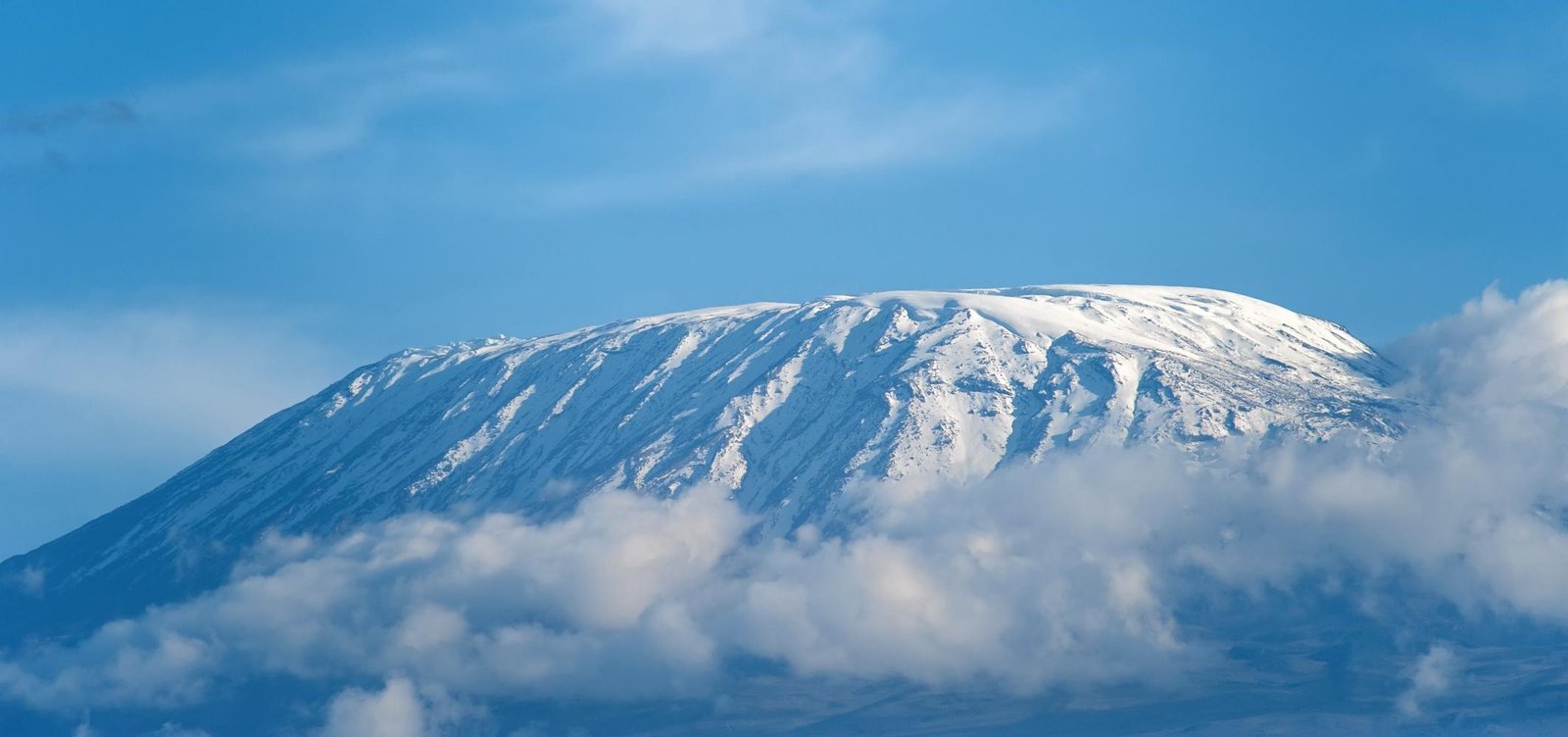
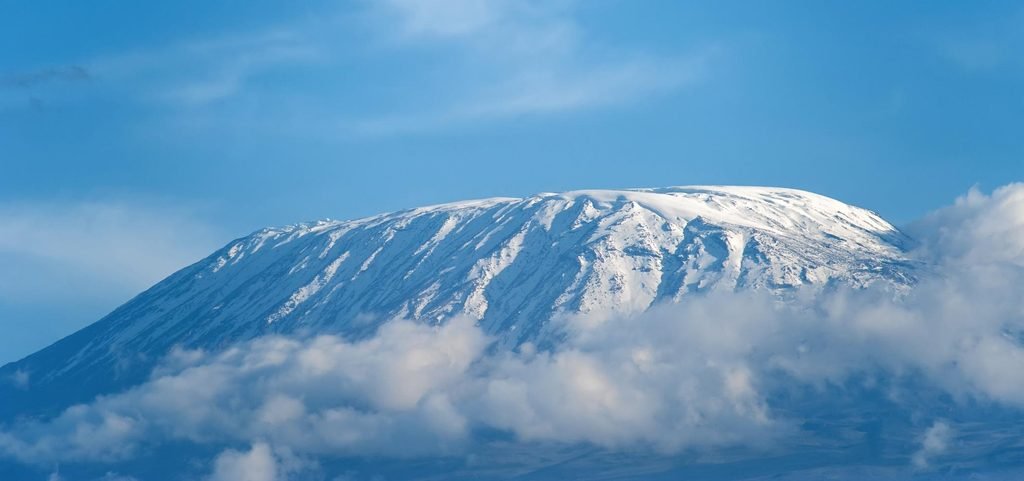
The 7 Best Routes to Climb Kilimanjaro 2026–2027;Standing on the summit of Mount Kilimanjaro is a dream for many adventure travellers. At 5,895 metres (19,341 feet) above sea level, Uhuru Peak is the highest point in Africa and one of the world’s most remarkable trekking destinations. Reaching the summit is a rewarding experience, but the journey requires preparation, determination, and the right choice of climbing route.
If you are planning your first climb in 2026–2027, choosing a suitable route is one of the most important decisions you will make. Mount Kilimanjaro has several established routes, each offering a different combination of scenery, trekking duration, accommodation, difficulty, and opportunities to acclimatize to the altitude.
Some routes pass through lush rainforest before opening into moorland and alpine desert. Others offer quieter approaches, panoramic views, or longer itineraries that allow more time for your body to adjust to the thinner air. Understanding these differences can help you choose a climb that matches your fitness, available time, budget, and personal preferences.
EKO Tanzania Adventures helps travellers plan Kilimanjaro climbs according to their experience, travel dates, and preferred route. Whether you are travelling alone, with friends, as a couple, or as part of a group, careful planning can make your first mountain adventure more comfortable and rewarding.
This guide compares the seven commonly discussed Kilimanjaro routes: Machame, Marangu, Lemosho, Rongai, Northern Circuit, Umbwe, and Shira. You will learn how each route works, what makes it different, and which options may be worth considering for your first attempt at reaching Uhuru Peak.
1. Machame Route: A Scenic Choice for First-Time Climbers:The 7 Best Routes to Climb Kilimanjaro 2026–2027
The Machame Route is one of the most popular ways to climb Mount Kilimanjaro. Often called the Whiskey Route, it is known for its beautiful scenery, varied landscapes, and opportunities to follow a climb-high, sleep-low acclimatization pattern.
The journey begins on the southern side of the mountain, where the trail passes through dense rainforest. As you gain altitude, the vegetation gradually changes to heathland and moorland, followed by the rocky landscapes of the alpine desert and the high-altitude summit zone.
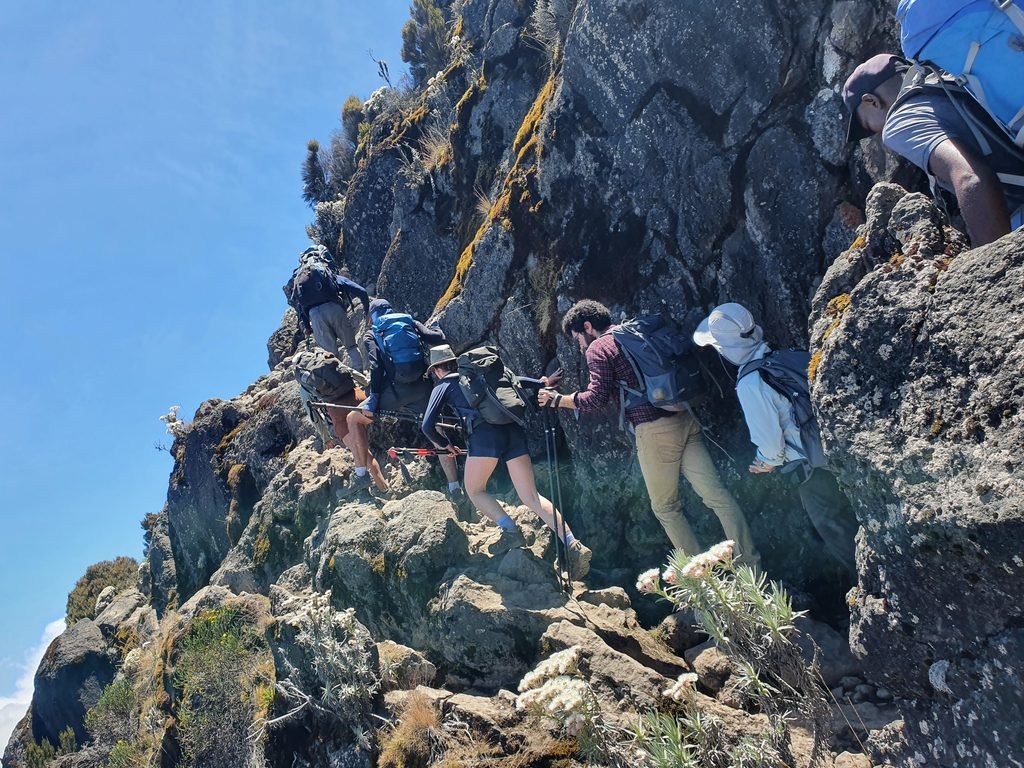
One of Machame’s advantages is the variety of scenery along the trail. Climbers encounter dramatic views of the mountain, unusual high-altitude plants, and impressive formations such as the Barranco Wall. The route also connects with sections of the southern circuit, allowing trekkers to experience different perspectives of Kilimanjaro.
Machame is commonly completed in six or seven days, although a seven-day itinerary is generally preferable for many first-time climbers because it provides more time for acclimatization than the shorter option.
The route involves some demanding trekking days, including steep sections and uneven terrain. Good preparation and a steady walking pace are important.
Best for: First-time climbers who want scenic variety, a challenging adventure, and an itinerary that allows time for acclimatization.
Accommodation: Camping in tents.
Typical duration: Six or seven days.
Difficulty: Moderate to challenging, depending on the itinerary and individual fitness.
Why consider it? Machame offers a memorable combination of scenery, varied terrain, and opportunities to acclimatize. For first-time climbers, the seven-day itinerary is often worth considering.
2. Marangu Route: The Classic Kilimanjaro Climb
The Marangu Route is one of the oldest established routes on Mount Kilimanjaro. It is sometimes called the Coca-Cola Route and is particularly well known for its mountain huts, which provide an alternative to sleeping in tents.
The trail begins on the southeastern side of Kilimanjaro and passes through rainforest before reaching the heath and moorland zones. Higher up, the landscape becomes increasingly open and rocky as climbers approach the summit area.
One of Marangu’s main attractions is its hut accommodation. Climbers sleep in shared mountain huts rather than camping, which can appeal to travellers who prefer not to spend nights in tents. However, the huts are basic mountain facilities, and shared sleeping arrangements mean that privacy and comfort are limited compared with a private lodge.
Marangu is often completed in five or six days. The shorter itinerary is demanding because it provides limited time for acclimatization. First-time climbers should seriously consider the six-day option or another itinerary that allows more time to adjust to altitude.
Although the trail is often described as a straightforward route, reaching the summit remains physically demanding. Altitude affects people differently, regardless of their fitness level or previous trekking experience.
Best for: Climbers who prefer hut accommodation and a well-established trekking route.
Accommodation: Shared mountain huts.
Typical duration: Five or six days.
Difficulty: Moderate to challenging, with acclimatization being a key consideration.
Why consider it? Marangu is a good option for travellers who value hut accommodation, but choosing a longer itinerary is important when possible.
3. Lemosho Route: Beautiful Scenery and a Longer Approach
The Lemosho Route is widely appreciated for its scenic approach and the opportunity to spend additional time on the mountain. It begins on the western side of Kilimanjaro, where the early stages of the trek pass through forest and remote wilderness before joining the broader mountain trail system.
The route is particularly attractive to travellers who enjoy gradual changes in scenery. As the trek progresses, the forest gives way to heathland, moorland, rocky ridges, and high-altitude desert.
One of the memorable features of Lemosho is the Shira Plateau, an expansive high-altitude landscape with impressive views across the mountain. The route later joins sections of the southern circuit, where climbers encounter dramatic scenery and opportunities to experience different sides of Kilimanjaro.
Lemosho itineraries commonly take seven or eight days, with longer options available. An eight-day itinerary generally provides more time for acclimatization than a shorter climb, although the exact benefits depend on the route profile and individual response to altitude.
The initial approach can be relatively quiet compared with the busier sections of the mountain. As the route progresses, it joins trails used by other climbing groups.
Best for: First-time climbers who want beautiful scenery, a longer approach, and time to acclimatize.
Accommodation: Camping in tents.
Typical duration: Seven or eight days, with longer itineraries available.
Difficulty: Moderate to challenging.
Why consider it? Lemosho combines scenic variety with flexible itinerary options, making it a strong choice for travellers who have enough time for a longer climb.
4. Rongai Route: A Quieter Approach from the North
The Rongai Route approaches Kilimanjaro from the northern side, near the border with Kenya. It offers a different perspective of the mountain and is often associated with a quieter early trekking experience.
The route passes through forest and open moorland before reaching the higher-altitude landscapes near the summit. The northern side can receive different rainfall patterns from the southern slopes, although weather conditions remain unpredictable and no route is guaranteed to be dry.
Rongai is often considered by climbers who prefer a less crowded approach during the early stages of the trek. Wildlife may occasionally be spotted in the lower forest areas, although sightings are not guaranteed.
Many Rongai itineraries take six or seven days. A longer itinerary is generally worth considering for first-time climbers because it allows more time for acclimatization.
The route has a different character from Machame and Lemosho. It generally offers a more gradual approach during the early stages, while the final ascent remains strenuous and involves the same challenges of high altitude faced by climbers on other routes.
Best for: Travellers who prefer a northern approach and potentially quieter early trekking days.
Accommodation: Camping in tents.
Typical duration: Six or seven days.
Difficulty: Moderate to challenging.
Why consider it? Rongai offers a distinctive route to the summit and can be a good alternative for climbers who want to explore a different side of Kilimanjaro.
5. Northern Circuit Route: A Longer Journey with More Time to Acclimatize
The Northern Circuit is the longest established trekking route on Kilimanjaro and is particularly appealing to climbers who have enough time for an extended mountain adventure.
The journey begins on the western side of the mountain, often using the Lemosho approach, before continuing around the quieter northern slopes. The route eventually connects with the summit approach before descending on the southeastern side.
One of the Northern Circuit’s biggest advantages is its duration. It is commonly completed in eight to ten days, depending on the itinerary. The additional time can support acclimatization by allowing a more gradual ascent, although no itinerary can eliminate the risk of altitude illness.
The route also offers a wide variety of mountain scenery. Climbers pass through forest, heathland, high-altitude desert, and open northern slopes with broad views across the surrounding landscape.
Because the Northern Circuit takes longer than many other routes, it usually requires a larger budget and more time away from home. However, travellers who want an extended trekking experience may find the additional days worthwhile.
The final summit attempt is still physically demanding, often beginning during the night so climbers can reach Uhuru Peak around sunrise, depending on conditions and the group’s pace.
Best for: Climbers who have more time, want a longer itinerary, and value opportunities for gradual acclimatization.
Accommodation: Camping in tents.
Typical duration: Eight to ten days.
Difficulty: Challenging because of the altitude and length of the trek.
Why consider it? For first-time climbers with sufficient time and budget, the Northern Circuit is an excellent option to discuss with a qualified mountain operator.
6. Umbwe Route: A Steep and Demanding Challenge
The Umbwe Route is known for its steep terrain and demanding ascent. It approaches Kilimanjaro from the southern side and climbs rapidly through forest before joining the broader network of trails higher on the mountain.
Unlike routes that allow a more gradual approach, Umbwe gains altitude quickly during its early stages. This can make acclimatization more difficult, particularly for climbers who have never trekked at high altitude before.
The scenery is impressive, with forested slopes, rugged ridges, and views of the mountain’s dramatic terrain. However, the route’s steepness means that climbers need to be comfortable with sustained uphill walking and uneven ground.
Umbwe is generally better suited to experienced trekkers who understand the demands of high-altitude trekking. Although some itineraries may be extended, its rapid ascent profile means that simply adding a day does not automatically make it the best choice for a beginner.
First-time climbers who are considering Umbwe should discuss their experience, fitness, itinerary, and acclimatization plan carefully with their operator.
Best for: Experienced and physically prepared trekkers seeking a steep, demanding approach.
Accommodation: Camping in tents.
Typical duration: Commonly six or seven days, depending on the itinerary.
Difficulty: Very challenging.
Why consider it? Umbwe is an adventurous route, but it is generally not the first choice for beginners when routes with more gradual ascent profiles are available.
7. Shira Route: A Western Approach Across High-Altitude Terrain
The Shira Route approaches Kilimanjaro from the west and shares some of its broader route characteristics with Lemosho. Both approaches lead towards the Shira Plateau and eventually connect with trails that cross the mountain.
The route offers beautiful scenery, including open plateau landscapes, volcanic terrain, and wide views of Kilimanjaro’s upper slopes. It can be appealing to travellers who want to experience the mountain from its western side.
An important consideration is that some Shira itineraries begin at a relatively high elevation, often reached by vehicle. Starting at altitude can be challenging for people who have not yet acclimatized, particularly if they ascend too quickly.
For this reason, first-time climbers should carefully compare the starting elevation, daily altitude gains, and overall duration of any proposed Shira itinerary.
Lemosho is often preferred for beginners because its approach can provide a more gradual introduction to altitude, depending on the itinerary. The most suitable choice depends on the route plan offered by the operator rather than the route name alone.
Best for: Travellers interested in a western approach and the scenery of the Shira Plateau, provided the itinerary offers a suitable acclimatization profile.
Accommodation: Camping in tents.
Typical duration: Varies by itinerary; confirm the planned number of trekking days before booking.
Difficulty: Challenging, particularly if the itinerary involves rapid initial exposure to high altitude.
Why consider it? Shira offers rewarding scenery, but first-time climbers should pay close attention to starting elevation and acclimatization.
Comparing the Seven Kilimanjaro Routes
The following table provides a general comparison. Actual duration, difficulty, and acclimatization opportunities depend on the specific itinerary offered.
| Route | Typical duration | Accommodation | General character |
|---|---|---|---|
| Machame | 6–7 days | Camping | Scenic and varied |
| Marangu | 5–6 days | Mountain huts | Established trail with hut accommodation |
| Lemosho | 7–8 days or longer | Camping | Scenic western approach |
| Rongai | 6–7 days | Camping | Northern approach, often quieter early on |
| Northern Circuit | 8–10 days | Camping | Extended route with more time to acclimatize |
| Umbwe | 6–7 days commonly | Camping | Steep and demanding |
| Shira | Varies by itinerary | Camping | Western approach with a high starting elevation on many itineraries |
These are general planning ranges, not guarantees. Always confirm the exact itinerary, number of nights, starting altitude, and daily elevation profile with your operator.
Which Kilimanjaro Route Is Best for First-Time Climbers?
There is no single route that is best for every beginner. The right choice depends on your available time, fitness, previous trekking experience, budget, and ability to adapt to altitude.
However, several routes are worth considering.
Best Overall Option: Lemosho Route
Lemosho is a strong option for first-time climbers who want varied scenery and an itinerary that can allow a gradual approach. A longer itinerary, such as eight days, is worth considering because time for acclimatization is an important factor in summit preparation.
Best for an Extended Trek: Northern Circuit Route
If your schedule and budget allow, the Northern Circuit is an excellent option to discuss with your operator. Its longer duration provides more opportunity to adapt to altitude and explore the mountain’s northern slopes.
Best Popular Alternative: Machame Route
Machame offers impressive scenery and several opportunities to follow a climb-high, sleep-low pattern. For beginners, the seven-day itinerary is generally worth considering over the shorter six-day version.
Best for Hut Accommodation: Marangu Route
Marangu is the main choice for climbers who prefer mountain huts rather than tents. However, hut accommodation does not make the climb easy, and a longer itinerary is advisable when possible.
Routes Requiring Extra Consideration
Umbwe is steep and can involve rapid altitude gain, while some Shira itineraries begin at a high elevation. First-time climbers should compare these profiles carefully against routes that allow a more gradual ascent.
An important reminder: Physical fitness helps you cope with trekking, but it does not guarantee that you will acclimatize successfully. Altitude illness can affect healthy, fit people as well. A suitable itinerary, gradual ascent, professional guidance, and attention to symptoms are essential.
How Difficult Is It to Climb Mount Kilimanjaro?
Kilimanjaro is a non-technical trekking mountain under normal route conditions, meaning climbers do not usually need ropes or advanced mountaineering skills on the standard routes. Nevertheless, the climb is physically demanding because of its elevation, long walking days, changing temperatures, and limited oxygen at altitude.
You should prepare by building your walking endurance before travelling. Regular hikes, longer walks, stair climbing, and aerobic exercise can help you become more comfortable with sustained activity.
If possible, practise walking on uneven ground while carrying a light daypack. Gradually increase the length of your training walks instead of attempting strenuous exercise without preparation.
During the climb, walk slowly and consistently. Guides commonly encourage climbers to maintain a manageable pace rather than rushing to keep up with others.
Drink fluids regularly, eat enough food, and tell your guide if you experience symptoms such as headache, nausea, dizziness, unusual fatigue, or loss of appetite. Severe symptoms, including confusion, difficulty walking straight, or breathlessness at rest, require urgent assessment and descent according to the mountain safety plan.
Do not continue ascending when altitude illness is suspected. Your guide should follow established safety procedures and seek medical assistance when necessary.
When Is the Best Time to Climb Kilimanjaro?
Kilimanjaro can be climbed throughout the year, but some periods generally offer more favourable trekking conditions.
January to early March: These months can provide good climbing conditions, although weather varies and snow may occur at higher elevations.
June to October: This is a popular climbing period, with many travellers choosing these months for their mountain adventure. Conditions can be cold, particularly near the summit, and the mountain can be busy.
November and December: Short rains may affect some lower sections of the mountain. Climbs are still possible, but conditions can be less predictable.
The best time for you will depend on your travel dates, tolerance for cold and wet conditions, and preferred level of crowding. Weather on Kilimanjaro can change quickly, so no month guarantees perfect conditions.
How Much Does It Cost to Climb Kilimanjaro in 2026–2027?
The price of a Kilimanjaro climb varies according to the route, number of days, group size, accommodation arrangements, operator services, and inclusions.
Longer routes often cost more because they involve additional park fees, camping nights, meals, staff support, and logistics. Private climbs may also cost more per person than joining a group.
When comparing quotations, look beyond the headline price. Check whether the package includes park fees, camping or hut fees, meals, drinking water, transfers, guides, porters, and appropriate safety equipment.
It is also important to understand the operator’s approach to guide and porter welfare, emergency procedures, and altitude monitoring.
EKO Tanzania Adventures can provide a quotation based on your preferred route, travel dates, group size, and budget. Confirm the complete list of inclusions and exclusions before paying a deposit.
Why Climb Mount Kilimanjaro with EKO Tanzania Adventures?
Choosing the right mountain operator is an important part of preparing for your climb. You need a clearly explained itinerary, an appropriate acclimatization plan, experienced mountain staff, and a team that takes safety seriously.
EKO Tanzania Adventures can help you compare the seven routes and choose an itinerary suited to your travel plans and experience. Whether you prefer Machame, Marangu, Lemosho, Rongai, Northern Circuit, Umbwe, or Shira, discuss the daily schedule and altitude profile before making a decision.
Before booking, ask about the experience of your guides, the equipment provided, emergency evacuation arrangements, and how the team monitors climbers for symptoms of altitude illness.
A responsible operator should explain that reaching Uhuru Peak cannot be guaranteed. The priority is to climb responsibly, follow safety guidance, and make sound decisions if conditions or health concerns require a change of plan.
Book Your Kilimanjaro Climb for 2026–2027
Your first Kilimanjaro climb begins with choosing the right route and preparing for the journey ahead. Whether you prefer the scenic Lemosho Route, the popular Machame Route, the hut-based Marangu Route, or the longer Northern Circuit, taking time to compare your options can help you plan a more rewarding adventure.
EKO Tanzania Adventures can customise your climbing experience according to your preferred dates, number of climbers, route, itinerary length, budget, and onward travel plans.
Contact the team to discuss your options and request a personalised quotation.
EKO Tanzania Adventures
Website: https://ekotanzaniaadventures.com
WhatsApp / Call: +255 761 353 184
Email: info@ekotanzaniaadventures.com
Alternative Email: ekotanzaniaadventure@gmail.com
Mount Kilimanjaro offers a remarkable challenge, but the journey is about more than reaching the summit. It is about adapting to the mountain, appreciating its changing landscapes, and taking each step with patience and determination. With careful preparation and a suitable itinerary, your first Kilimanjaro climb can become one of the most meaningful adventures of your life.