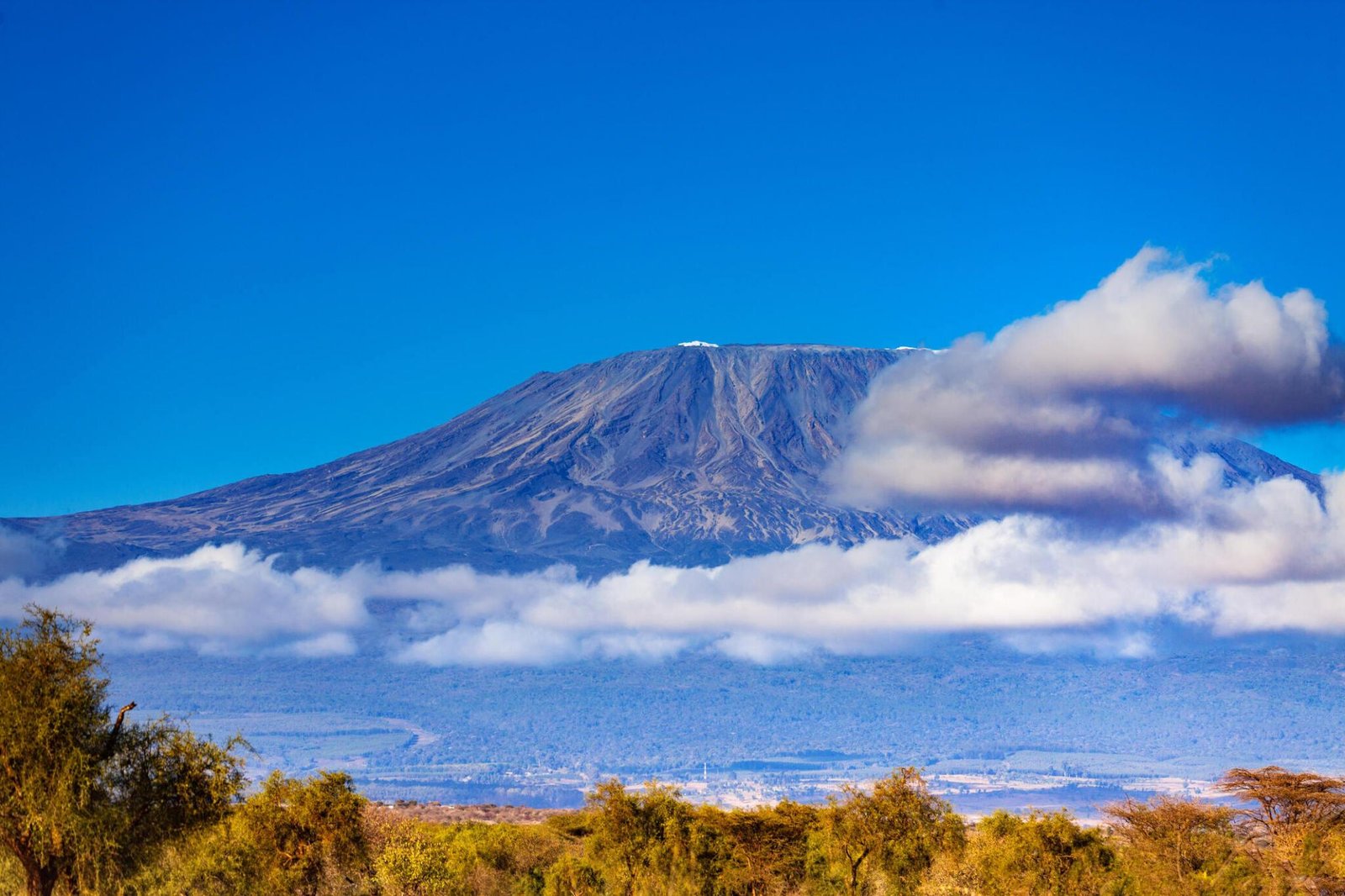
How Hard Is It to Climb Mount KilimanjaroClimbing Mount Kilimanjaro; is a challenging but achievable adventure for many people with good preparation, a suitable itinerary, and the right support. Rising to 5,895 metres above sea level, Kilimanjaro is the highest mountain in Africa and one of the world’s most recognised trekking destinations. Every year, climbers travel to Tanzania hoping to reach Uhuru Peak, the mountain’s highest point, and experience the extraordinary views from its summit.
However, reaching the top is not simply a matter of walking uphill. The journey involves several days of trekking, changing weather conditions, steep trails, cold nights, and the physical effects of high altitude. Even people who exercise regularly may find the climb difficult because the reduced availability of oxygen at higher elevations affects everyone differently.
The good news is that you do not need to be a professional mountaineer to climb Kilimanjaro. The standard trekking routes do not normally require technical climbing skills, ropes, or advanced mountaineering experience. What matters most is preparing your body, choosing an appropriate route, allowing enough time for acclimatisation, and following the guidance of experienced mountain guides.
This guide explains how difficult Kilimanjaro is, what makes the climb challenging, how fitness and altitude affect your chances of reaching the summit, and how to prepare for a successful trekking experience.

1. How Difficult Is Mount Kilimanjaro?:How Hard Is It to Climb Mount Kilimanjaro
Mount Kilimanjaro is generally considered a challenging high-altitude trek. Its difficulty comes primarily from the altitude, long walking days, uneven terrain, and the demanding summit attempt rather than from technical climbing.
During the lower stages, you walk through forest trails and gradually gain elevation. As you climb higher, the landscape changes to open moorland, rocky ridges, and alpine desert. The air becomes thinner, temperatures drop, and ordinary activities may require more effort than they would at sea level.
The summit attempt is usually the hardest part of the journey. Climbers often leave their high camp around midnight and walk for several hours in darkness and freezing temperatures. The trail can be steep and covered with loose volcanic scree, making progress slow and physically demanding.
At the same time, Kilimanjaro is accessible to many first-time trekkers. You do not need previous experience climbing a mountain of similar height, but you should be prepared to walk for several hours a day and cope with basic camping conditions on routes that use tents.
The challenge is best understood as a combination of physical endurance, altitude adaptation, mental resilience, and preparation.

2. Why Is Climbing Kilimanjaro So Challenging?
High Altitude and Reduced Oxygen
Altitude is one of the biggest challenges on Kilimanjaro. At higher elevations, atmospheric pressure decreases, meaning each breath provides less available oxygen than it does at sea level. Your body must adjust to these conditions, and the process takes time.
You may experience a headache, nausea, dizziness, reduced appetite, or unusual tiredness as you ascend. These symptoms can occur even if you are physically fit. A person who runs regularly or trains in a gym can still struggle with altitude because fitness does not guarantee that the body will acclimatise successfully.
Choosing an itinerary with enough acclimatisation time can improve your opportunity to adjust. However, no route eliminates the risk of altitude sickness. Climbers should report symptoms to their guides and follow medical and safety advice rather than trying to push through them.
Long Walking Days
Most Kilimanjaro itineraries involve several consecutive days of trekking. Depending on the route and stage of the climb, you may spend approximately four to eight hours walking on a typical day, with some days taking longer. Summit day is often considerably longer than a normal trekking day.
The repeated effort can be tiring, especially if you are not accustomed to walking for long periods. A steady pace, regular breaks, adequate food, and sufficient rest help you manage the demands.
Steep and Uneven Trails
Kilimanjaro’s trails vary from forest paths to rocky slopes and loose volcanic scree. Some sections involve sustained uphill walking, while descents can place considerable strain on your knees and ankles.
On the Machame Route, for example, the Barranco Wall is a well-known section where climbers move carefully over steep terrain. Although it may look intimidating, the standard route generally involves trekking and scrambling rather than technical rock climbing.
Trekking poles can provide additional stability and help reduce the strain of long descents.
Cold Weather and Changing Conditions
Temperatures vary considerably across the mountain. The lower forest can be warm and humid, while high camps and the summit may experience freezing temperatures, strong winds, and icy conditions.
Rain can make lower trails muddy and slippery. At higher elevations, cold weather can make it harder to maintain warmth, particularly during the summit attempt, when climbers spend hours outdoors before sunrise.
Wearing appropriate layers, carrying waterproof clothing, and protecting your hands, feet, and head are essential parts of preparation.
The Mental Challenge
Climbing Kilimanjaro requires patience and determination. You may feel tired, sleep poorly, lose your appetite, or find that your progress is slower than expected.
Summit night can be particularly demanding because you are walking in darkness and cold conditions after several days of trekking. Breaking the journey into manageable sections and focusing on your own pace can help you stay calm and motivated.
Remember that reaching the summit is not the only measure of a successful climb. Protecting your health and returning safely are always more important.
3. Do You Need to Be Very Fit to Climb Kilimanjaro?
You do not need to be an elite athlete to climb Kilimanjaro, but a reasonable level of cardiovascular fitness and leg endurance is important. You should be comfortable walking for several hours, managing uphill sections, and repeating this effort over consecutive days.
If you currently exercise very little, start preparing well before your trip. Gradually increase the length and difficulty of your walks rather than attempting strenuous training suddenly.
Useful training activities include:
- Brisk walking and longer outdoor hikes.
- Hill walking or stair climbing.
- Cycling, swimming, or other cardiovascular exercise.
- Leg and core strengthening exercises.
- Practice hikes while carrying a light daypack.
- Training on uneven terrain while wearing your intended hiking boots.
Try to build up gradually, allowing time for rest and recovery. If possible, practise walking for several hours on consecutive days to understand how your body responds to repeated effort.
If you have a medical condition or concerns about exercising at high altitude, speak with a qualified healthcare professional before planning your climb.
4. Which Kilimanjaro Route Is the Easiest?
There is no route that makes Kilimanjaro easy, but some itineraries offer a more gradual schedule and more time for acclimatisation. The best choice depends on your fitness, available time, trekking preferences, and how your body responds to altitude.
Popular Kilimanjaro routes compared
| Route | Typical duration | General difficulty | Main consideration |
|---|---|---|---|
| Marangu | 5–6 days | Challenging | Uses mountain huts; shorter itineraries allow less acclimatisation time |
| Machame | 6–7 days | Challenging | Scenic route with varied terrain; seven days generally allows more time |
| Lemosho | 7–8 days or longer | Challenging | Scenic approach with itineraries that can allow gradual acclimatisation |
| Rongai | 6–7 days or longer | Challenging | Approaches from the north and is often relatively dry on the lower slopes |
| Northern Circuit | Around 9–10 days | Challenging | Longer itinerary offers substantial time for acclimatisation |
| Umbwe | Around 6–7 days | Very challenging | Steeper, more direct approach that can be demanding |
Durations vary by operator and itinerary. A route’s reputation alone cannot determine whether it is the best option for you.
For many first-time climbers, a seven- or eight-day itinerary is worth considering because it gives more time on the mountain than a shorter climb. The Northern Circuit is another option for travellers who have sufficient time and budget for a longer expedition.

5. How Difficult Is Summit Day on Kilimanjaro?
Summit day is usually the most physically demanding part of the climb. Depending on the route, the attempt commonly begins around midnight, when temperatures are extremely cold and the trail is dark.
After leaving high camp, you climb gradually towards the crater rim. The combination of steep terrain, loose scree, reduced oxygen, and lack of sleep can make progress slow. Your guide will normally establish a steady pace and monitor how the group is coping.
Once you reach Stella Point on the crater rim, you continue towards Uhuru Peak at 5,895 metres. The final section may feel especially difficult because you have already spent hours climbing at altitude.
Reaching Uhuru Peak can be an unforgettable experience. However, climbers should understand that reaching the summit is not guaranteed, even with excellent preparation. Weather, altitude symptoms, exhaustion, and other factors may require a climber to stop or descend before reaching the top.
After the summit, you must descend to lower elevations. This adds many more hours of effort, and tired legs can make the descent difficult. Follow your guide’s instructions, watch your footing, and avoid rushing.

6. What Is the Success Rate for Climbing Kilimanjaro?
Kilimanjaro summit success rates vary according to the route, the number of days spent on the mountain, the operator’s practices, weather conditions, and how success is measured.
Longer itineraries generally provide more opportunity for acclimatisation than shorter ones, which can improve the chances of reaching the summit. However, no responsible operator can guarantee that every climber will reach Uhuru Peak.
Before booking, ask how the operator defines summit success, how many days the itinerary includes, what health-monitoring procedures are used, and what happens if a climber develops altitude sickness.
A responsible guide will not pressure you to continue when your health is at risk. Sometimes the safest decision is to descend, even when you are close to the summit.
7. How Can You Reduce the Difficulty of Climbing Kilimanjaro?
Although Kilimanjaro is challenging, careful preparation can make the experience more manageable.
Choose enough days for acclimatisation. Avoid choosing an itinerary based on price or speed alone. A longer route may provide more time for your body to adapt to altitude.
Walk slowly. Guides often use the Swahili phrase pole pole, meaning “slowly, slowly.” Maintaining a steady pace helps conserve energy and prevents you from exhausting yourself too early.
Stay hydrated and eat regularly. Drink throughout the day according to your needs and your guide’s advice. Eat meals and snacks to maintain energy, even if your appetite decreases.
Pack suitable clothing. Use a layering system that allows you to adapt to rain, wind, warmth, and freezing temperatures. Test your boots and other essential equipment before the climb.
Get enough rest. Sleep can be difficult at altitude, but use rest periods to recover and avoid unnecessary exertion at camp.
Communicate with your guides. Report headaches, nausea, dizziness, unusual fatigue, or any other concerning symptoms. Do not hide how you feel because you want to reach the summit.
Understand emergency procedures. Before starting, ask your operator how the team monitors climbers, responds to altitude illness, and arranges evacuation when needed.
8. Is Kilimanjaro Suitable for Beginners?
Yes, beginners can climb Kilimanjaro, provided they understand the demands and prepare appropriately. You do not need previous mountaineering experience for the standard trekking routes, but you should be willing to train, walk for long periods, and follow your guide’s instructions.
For a first climb, consider a route that provides enough time for acclimatisation rather than selecting the shortest possible itinerary. Practise hiking in your boots, learn how to use trekking poles, and become familiar with the clothing and equipment you will need.
It is also important to approach the mountain with realistic expectations. Some days will be tiring, the weather may change, and altitude can affect you in unexpected ways. A flexible mindset helps you respond to these challenges safely.
9. What Should You Pack for Kilimanjaro?
The right equipment helps you stay comfortable and protected throughout the climb. Your exact packing list will depend on the season and your operator’s arrangements, but most trekkers should prepare the following:
- Waterproof jacket and trousers.
- Moisture-wicking base layers.
- Warm fleece and insulated jacket.
- Hiking trousers and comfortable trekking shirts.
- Warm hat, neck covering, and insulated gloves.
- Broken-in hiking boots and suitable socks.
- Headlamp with spare batteries.
- Daypack and waterproof bags.
- Trekking poles.
- Sunglasses and sunscreen.
- Water bottles or a hydration system suitable for cold conditions.
- Sleeping bag appropriate for mountain temperatures, if not supplied.
- Personal toiletries, blister-care supplies, and prescribed medication.
Check with your operator before travelling to confirm which equipment is included, available for hire, or your responsibility to bring.
10. Is Climbing Mount Kilimanjaro Worth the Challenge?:How Hard Is It to Climb Mount Kilimanjaro?
For many travellers, climbing Kilimanjaro is an experience worth the preparation and effort. The journey allows you to see Tanzania’s changing landscapes, spend time in a unique high-altitude environment, and challenge yourself physically and mentally.
The most rewarding moments are not limited to the summit. They can include walking beneath the rainforest canopy, watching the landscape open up above the clouds, sharing stories with your climbing team, and gradually adapting to the mountain’s demands.
Reaching Uhuru Peak is a remarkable achievement, but the experience is also about how you approach the journey. Choosing a suitable itinerary, preparing carefully, respecting altitude, and prioritising safety can help make the climb more rewarding.
Book Your Kilimanjaro Climb with EKO Tanzania Adventures
If you are planning to climb Mount Kilimanjaro, EKO Tanzania Adventures can help you explore the available routes and plan an itinerary around your travel dates, group size, accommodation preferences, and budget.
Before confirming your climb, ask for a detailed itinerary, a clear list of inclusions and exclusions, equipment arrangements, and information about the team’s safety procedures. These details will help you prepare for the journey and understand what to expect on the mountain.
Contact EKO Tanzania Adventures
- Website: https://ekotanzaniaadventures.com
- WhatsApp / Call: +255 761 353 184
- Email: info@ekotanzaniaadventures.com
- Alternative Email: ekotanzaniaadventure@gmail.com
Climbing Mount Kilimanjaro is challenging, but with thoughtful preparation, a suitable itinerary, and a responsible mountain team, it can be an achievable and unforgettable adventure. Take your time, respect the altitude, and remember that reaching the summit safely is always more important than reaching it quickly.