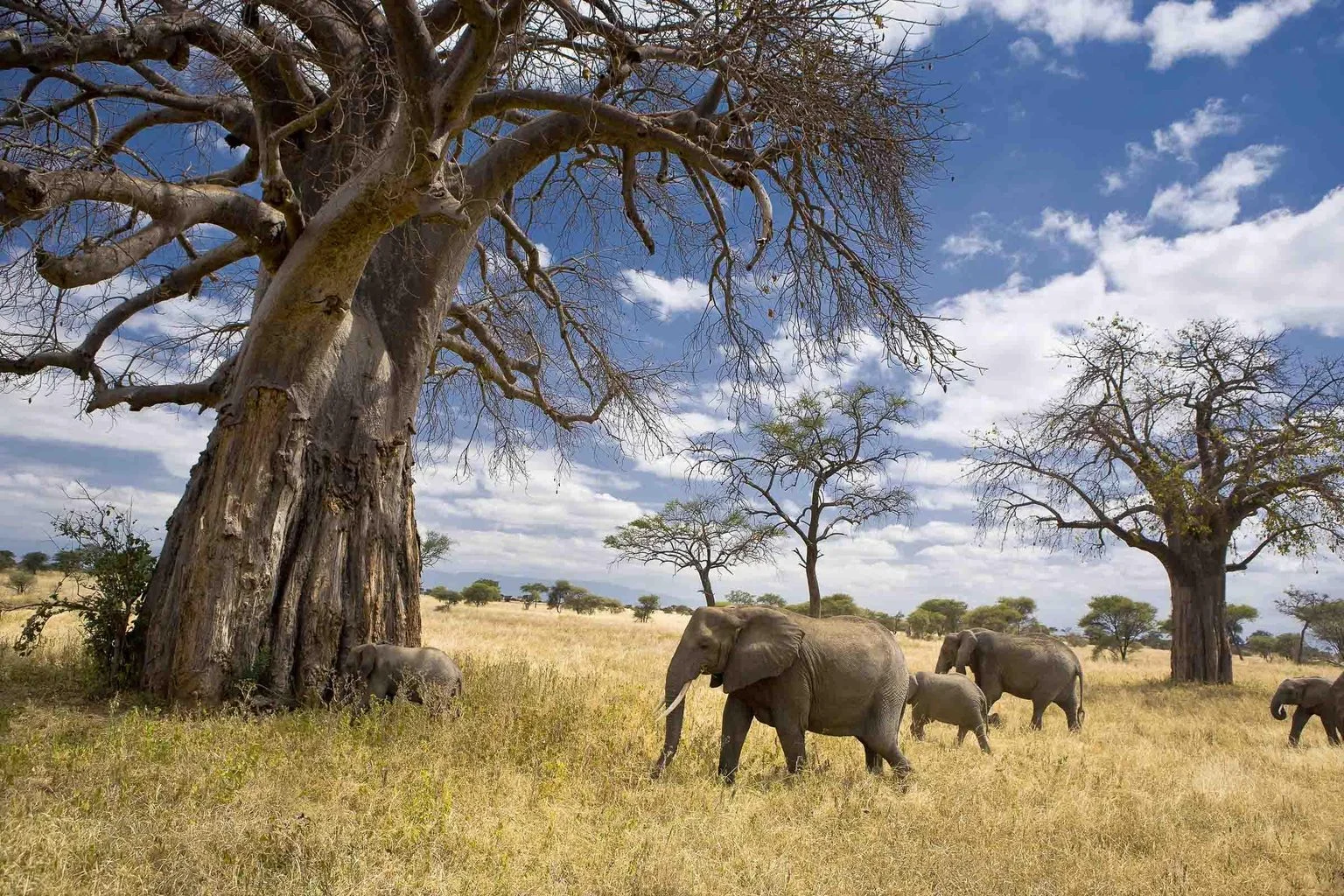
6 Reasons to Explore Tarangire National Park on Safari 2026/2027/2028; Tanzania is home to some of Africa’s most extraordinary wildlife destinations, and Tarangire National Park is one of the places that deserves a special position on every safari traveller’s itinerary. Located in northern Tanzania, approximately 120 kilometres southwest of Arusha, this remarkable national park is famous for its enormous elephant herds, ancient baobab trees, beautiful savannah landscapes, and impressive variety of wildlife.
Although the Serengeti is widely celebrated for its Great Wildebeest Migration and the Ngorongoro Crater is admired for its remarkable concentration of wildlife, Tarangire offers a completely different atmosphere. Here, the landscape is characterised by giant baobabs, seasonal rivers, open grasslands, scattered acacia woodlands, and wildlife moving freely across the wilderness.
One of the most fascinating features of Tarangire is the Tarangire River, which becomes an important source of water for wildlife during the dry season. As temporary water sources disappear, elephants, zebras, wildebeest, buffaloes, and other animals gather around the river, creating exceptional opportunities for visitors to observe wildlife in its natural environment.
Whether you are planning your first African safari or returning to Tanzania for another wildlife adventure, Tarangire National Park offers experiences that can make your journey truly memorable.
For travellers considering a Tanzania safari in 2026, 2027, or 2028, here are six excellent reasons why exploring Tarangire National Park should be part of your African travel plans.
1. Experience the Extraordinary Elephant Herds of Tarangire National Park
One of the strongest reasons to visit Tarangire National Park is its remarkable elephant population. The park is particularly famous for its large herds of African elephants, making it one of the most rewarding destinations in northern Tanzania for travellers who want to observe these magnificent animals.
During a game drive, you may encounter elephants walking slowly through the grasslands, feeding on tree branches, gathering around water sources, or moving together beneath the shade of enormous baobab trees.
Watching an elephant family is an experience that never becomes ordinary. Young calves often remain close to their mothers, while older females guide the herd through the landscape. Occasionally, you may see elephants using their trunks to collect water, pull vegetation, or communicate with members of their family.
The dry season is particularly rewarding because elephants from surrounding areas gather around the Tarangire River and other remaining water sources. This seasonal concentration creates excellent opportunities to observe different elephant groups throughout the day.
Tarangire is also an interesting destination for wildlife photographers. The contrast between large elephant herds, dusty golden grasslands, and ancient baobab trees creates beautiful natural compositions.
For visitors who have always dreamed of seeing African elephants in the wild, Tarangire National Park offers an unforgettable opportunity to appreciate their size, intelligence, social behaviour, and importance within the ecosystem.
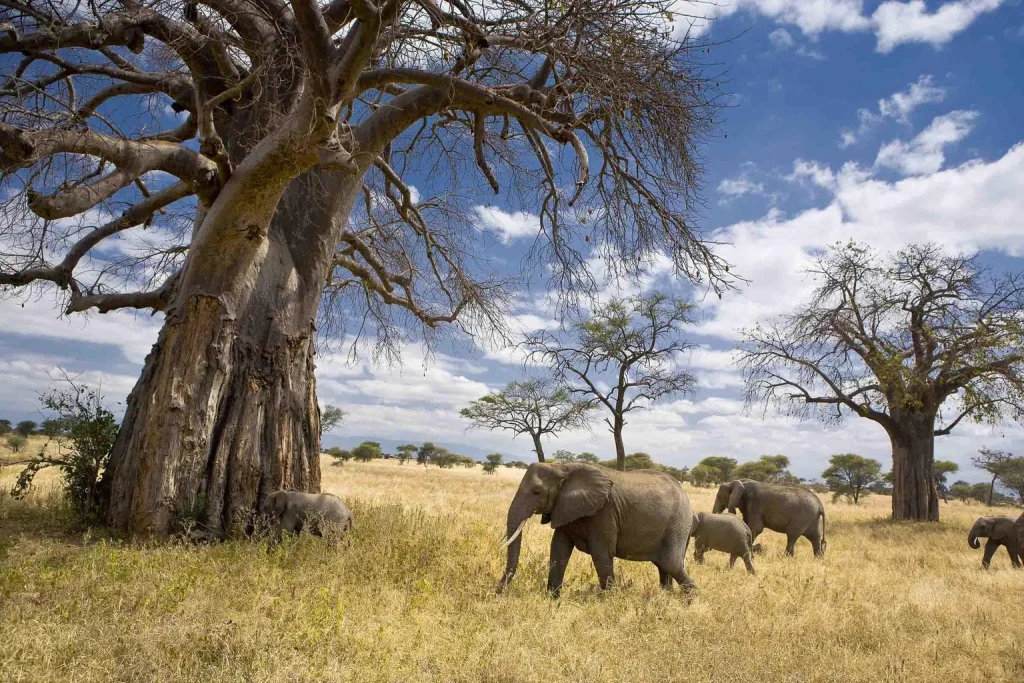
2. Discover the Iconic Baobab Trees and Beautiful African Landscapes:6 Reasons to Explore Tarangire National Park on Safari 2026/2027/2028
Tarangire is not only about wildlife. Its scenery is one of the most distinctive features that make this national park different from other safari destinations in Tanzania.
The landscape is decorated with enormous baobab trees, some of which have stood for centuries. Their unusually thick trunks and wide branches create a dramatic appearance, especially when surrounded by open savannah and golden grass.
These trees are among the most recognisable natural features of the African wilderness. They provide food and shelter for different wildlife species and play an important role in the surrounding ecosystem.
During your safari, you will notice how the scenery changes as you move through different sections of the park. Some areas feature open grasslands where elephants and zebras can be seen grazing, while others are covered with acacia woodlands and dense vegetation.
The contrast between these landscapes makes every game drive interesting. You are not simply travelling through one type of environment; you are exploring a natural area with different habitats and beautiful views.
The baobab trees also provide excellent photography opportunities. Their impressive shapes look particularly striking during early morning and late afternoon, when the sunlight creates beautiful shadows across the landscape.
For travellers who enjoy nature, photography, and peaceful wilderness experiences, Tarangire offers a combination of scenery and wildlife that makes it a special destination.
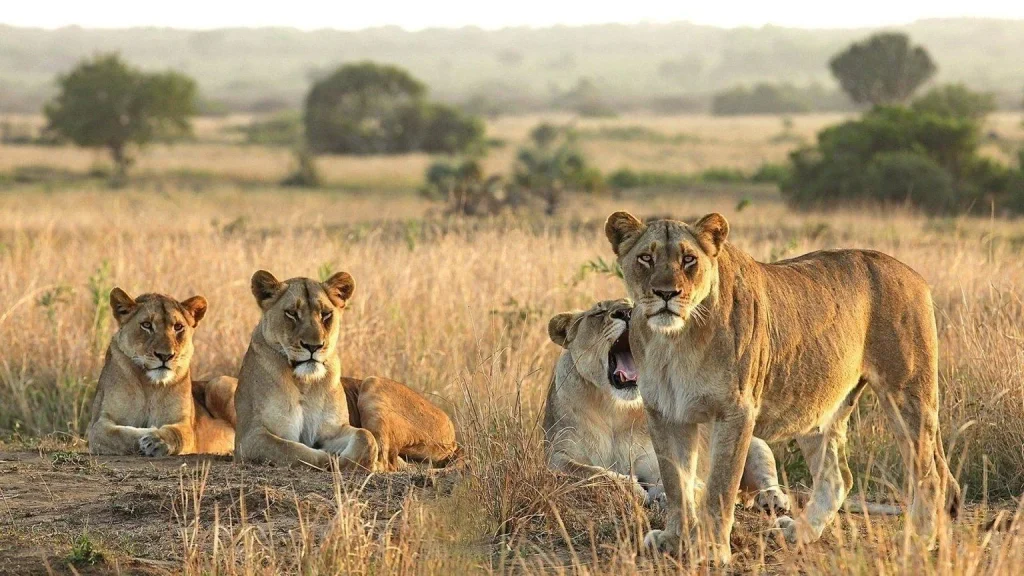
3. Enjoy Excellent Wildlife Viewing and Opportunities to See the Big Five: 6 Reasons to Explore Tarangire National Park on Safari 2026/2027/2028
Another important reason to explore Tarangire National Park is its rich wildlife diversity.
The park supports a variety of animals, including elephants, lions, leopards, buffaloes, giraffes, zebras, wildebeest, impalas, waterbucks, warthogs, and several other species.
Predators are also part of the Tarangire ecosystem. Lions can sometimes be spotted resting beneath trees, moving through the grasslands, or searching for prey. Leopards are more elusive and may be found resting in trees or moving quietly through wooded areas.
Cheetahs are also present, although sightings are less predictable. Hyenas and jackals add to the diversity of carnivores that visitors may encounter.
Tarangire is also home to African buffaloes, which often move in groups through open areas and woodland habitats.
For travellers interested in seeing the Big Five, it is important to understand that Tarangire offers opportunities to encounter several of these famous animals, but sightings of all five are not guaranteed. Visitors hoping to see the full Big Five should consider combining Tarangire with other destinations, particularly the Ngorongoro Crater and Serengeti National Park.
One of the most enjoyable aspects of a Tarangire safari is that wildlife encounters can happen unexpectedly. You may begin your morning searching for elephants and suddenly discover a group of giraffes crossing the road or lions resting in the shade.
Every game drive brings a new possibility, which is part of what makes exploring this national park so exciting.
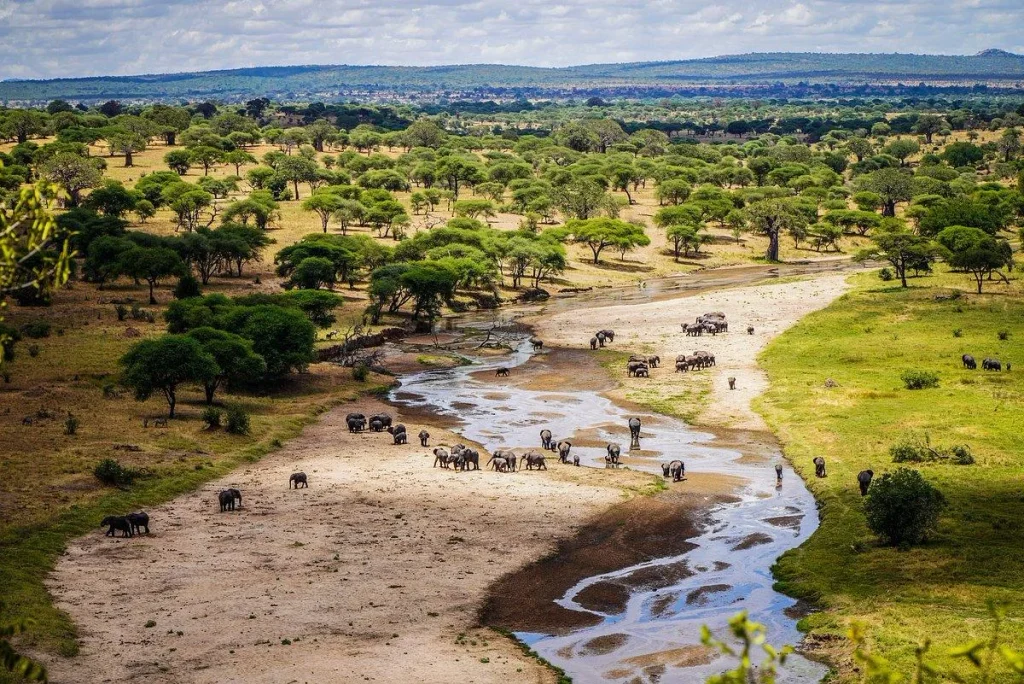
4. Experience the Seasonal Wildlife Concentrations Along the Tarangire River
The Tarangire River is one of the most important natural features of the national park. It provides a vital water source for wildlife, particularly during the dry months when many temporary water sources disappear.
As the dry season progresses, animals from different parts of the ecosystem move towards the river in search of water and grazing opportunities.
This creates impressive wildlife concentrations that make Tarangire particularly rewarding for safari visitors.
You may see elephants drinking at the riverbanks, zebras gathering in open areas, wildebeest moving across the plains, and buffaloes resting near the water.
Predators also benefit from these seasonal concentrations because large numbers of herbivores provide hunting opportunities. This creates the possibility of observing natural interactions between predators and prey.
The dry season, generally from June to October, is often considered one of the best periods for wildlife viewing in Tarangire. During this time, vegetation becomes less dense in many areas, making animals easier to spot.
However, the park offers interesting experiences throughout the year. The green season brings beautiful scenery, fresh vegetation, and excellent birdwatching opportunities.
For travellers planning a safari in 2026, 2027, or 2028, the choice of season should depend on the wildlife experience they want most.
If your priority is seeing large concentrations of elephants and other animals around water sources, consider the dry season. If you prefer greener landscapes, fewer visitors in some periods, and an interest in birdlife, the green season may be an attractive alternative.
5. Explore an Exceptional Birdwatching Destination with Remarkable Bird Diversity
Tarangire National Park is also an excellent destination for bird lovers. Its different habitats support a wide variety of bird species, making it an attractive place for both experienced birdwatchers and travellers who simply enjoy observing colourful birds during their safari.
The park is known for its impressive bird diversity, with more than 500 recorded bird species.
Depending on the season and location, visitors may encounter colourful bee-eaters, hornbills, kingfishers, starlings, eagles, vultures, weavers, and different species of waterbirds.
The presence of the Tarangire River and seasonal wetlands creates suitable habitats for birds that depend on water, while the woodlands and open savannah attract many other species.
Some birds are particularly beautiful because of their bright colours and distinctive calls. Others are impressive because of their size, flight patterns, or hunting behaviour.
Birdwatching can also make an ordinary game drive more interesting. While searching for elephants or lions, your guide may point out an eagle resting on a branch, a hornbill moving through the trees, or a group of colourful birds feeding in the grass.
The green season can be especially rewarding for bird enthusiasts because migratory species arrive in Tanzania during particular months, adding to the variety of birds that can be observed.
Whether you are travelling specifically for bird photography or simply want to appreciate more of Tanzania’s natural beauty, Tarangire provides an excellent opportunity to discover African birdlife.
6. Enjoy a Flexible Safari Experience with Easy Access from Arusha
Tarangire National Park is an excellent choice for travellers who want to experience an authentic Tanzania wildlife safari without spending too many days travelling between destinations.
Its location in northern Tanzania makes it a convenient addition to many itineraries starting from Arusha.
The drive from Arusha to Tarangire generally takes around two to three hours, depending on your starting point, road conditions, and the park entrance being used.
This makes it possible to organise a one-day Tarangire safari or include the park in a longer northern Tanzania safari.
For visitors with limited time, a one-day private safari offers an opportunity to explore the park, enjoy guided game drives, and discover its famous elephants and beautiful landscapes.
Travellers with more time can combine Tarangire with other remarkable destinations.
Three-Day Tarangire, Ngorongoro and Lake Manyara Safari
This itinerary is an excellent option for visitors looking to explore three different northern Tanzania wildlife destinations.
You can begin with Tarangire’s elephant herds and baobab landscapes, continue to the Ngorongoro Crater for its remarkable wildlife, and explore Lake Manyara National Park for its scenic beauty and birdlife.
Four- to Five-Day Tanzania Safari
Travellers who want a more extended experience can combine Tarangire with the Serengeti and Ngorongoro. This provides additional time for game drives and opportunities to discover different wildlife habitats.
Luxury Tarangire Safari
For visitors seeking comfort and exclusivity, luxury lodges and tented camps around Tarangire offer beautiful surroundings, comfortable accommodation, excellent dining, and personalised hospitality.
Budget Camping Safari
Travellers who prefer a more affordable adventure can choose a camping safari, enjoying the natural atmosphere of Tanzania while keeping accommodation costs more manageable.
The flexibility of Tarangire makes it suitable for couples, families, photographers, solo travellers, and small groups looking for different types of African wildlife experiences.
Best Time to Visit Tarangire National Park in 2026, 2027 and 2028
Tarangire can be visited throughout the year, but different seasons offer different advantages.
Understanding the seasonal conditions can help you choose the best time for your safari.
June to October – The Best Period for Concentrated Wildlife Viewing
The dry season is generally one of the most rewarding periods to explore Tarangire National Park.
As rainfall decreases, vegetation becomes thinner in many areas, and wildlife gathers around the Tarangire River and other available water sources.
This period offers excellent opportunities to see elephants, zebras, buffaloes, wildebeest, and different predators.
It is also a popular season for international travellers, so booking accommodation in advance is recommended.
November to December – The Beginning of the Green Season
Short rains usually arrive during this period, bringing fresh vegetation and changing the appearance of the landscape.
The park becomes greener, and visitors can enjoy beautiful scenery and interesting birdwatching opportunities.
Wildlife remains present, although animals may be more dispersed because water and grazing become available across a wider area.
January to March – Beautiful Landscapes and Birdlife
The beginning of the year can provide rewarding safari experiences, with green vegetation and attractive conditions for photography.
Birdwatchers may also enjoy the presence of migratory species.
This period can be particularly appealing to travellers who prefer lush landscapes rather than the dry-season scenery.
April to May – The Long Rainy Season
These months generally receive heavier rainfall, which can influence road conditions and the overall safari experience.
However, Tarangire remains a beautiful natural destination, and travellers who enjoy quieter travel periods may still find this season worthwhile.
The most suitable travel dates depend on your priorities, accommodation preferences, and overall safari itinerary.
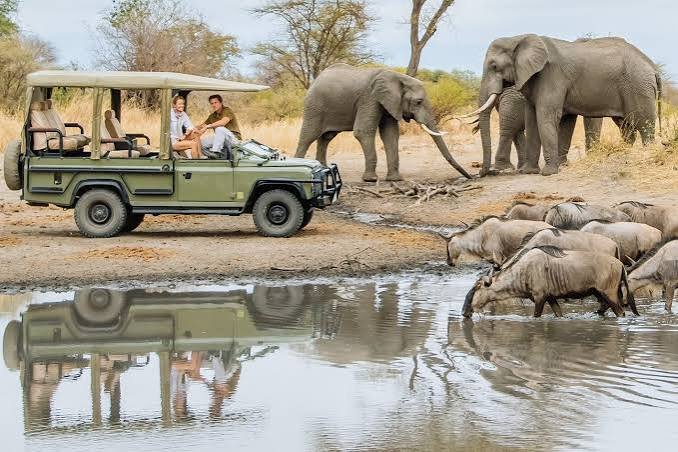
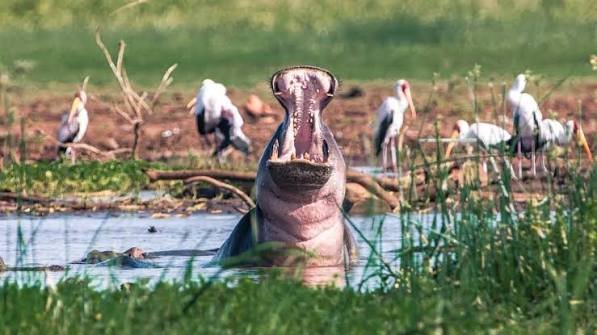
What Animals Can You See During a Tarangire National Park Safari?
Tarangire supports a remarkable variety of wildlife, and the animals you encounter will depend on the season, location, and conditions during your game drives.
Some of the most interesting species include:
African Elephants: Tarangire is especially famous for its large elephant herds. Visitors may see family groups feeding, drinking, and moving across the plains.
Lions: These powerful predators can sometimes be spotted resting beneath trees or searching for prey.
Leopards: Although difficult to find, leopards are among the exciting animals that visitors may encounter in wooded areas.
Giraffes: Their impressive height makes them easy to recognise as they browse on trees and move through the landscape.
Zebras: These familiar African grazers are often seen in groups across open grasslands.
Wildebeest: They are among the herbivores that use the Tarangire ecosystem, particularly during seasonal movements.
African Buffaloes: Large herds may be seen grazing and resting in different areas of the park.
Warthogs and Antelopes: Various smaller mammals add to the diversity of wildlife encounters.
Bird Species: From colourful bee-eaters to large birds of prey, Tarangire offers excellent birdwatching opportunities.
Wildlife sightings are never guaranteed, which is why having an experienced safari guide is important. A knowledgeable guide understands animal behaviour, recognises tracks, and knows how to explore different habitats responsibly.
Why Combine Tarangire with Serengeti and Ngorongoro?
Although Tarangire is an excellent destination on its own, combining it with Serengeti National Park and the Ngorongoro Conservation Area creates a more complete northern Tanzania safari.
Each destination has its own character and offers something different.
Tarangire introduces travellers to large elephant herds, baobab trees, and seasonal wildlife concentrations.
The Serengeti offers vast open plains, impressive predator populations, and the opportunity to experience the Great Wildebeest Migration during the appropriate season.
The Ngorongoro Crater provides a spectacular natural setting where visitors can explore a remarkable concentration of wildlife within an ancient volcanic caldera.
Together, these destinations create a diverse safari experience that showcases some of Tanzania’s most celebrated natural attractions.
For travellers with additional holiday time, the safari can also be extended to Zanzibar, where beautiful beaches, turquoise waters, historical Stone Town, and exciting marine activities provide a relaxing conclusion to an African adventure.
Plan Your Tarangire National Park Safari with EKO Tanzania Adventures
At EKO Tanzania Adventures, we believe that every safari should offer more than just a journey through a national park. It should create opportunities to discover wildlife, enjoy beautiful landscapes, understand nature, and experience the hospitality that makes Tanzania special.
Based in Arusha, we organise carefully planned Tarangire National Park safaris for travellers looking to explore one of northern Tanzania’s most beautiful wildlife destinations.
Whether you are interested in a one-day Tarangire game drive, a three-day Tarangire and Ngorongoro safari, or a longer adventure combining Tarangire, Serengeti, and other northern circuit destinations, our team can help you create an itinerary that suits your travel plans.
We offer different safari styles, including private safaris, small-group adventures, budget camping experiences, mid-range lodge holidays, and luxury safari packages.
Our aim is to make your journey comfortable, enjoyable, and well organised, with experienced safari guides, suitable accommodation, and itineraries designed around your interests.
We understand that every traveller has different expectations. Some visitors want to photograph elephants beneath baobab trees, others want to explore several national parks, while some are planning a complete Tanzania safari followed by a relaxing Zanzibar holiday.
That is why we customise each safari according to your travel dates, number of travellers, accommodation preferences, budget, and personal interests.
Ready to Explore Tarangire National Park?
Let EKO Tanzania Adventures help you discover the extraordinary elephants, ancient baobab trees, beautiful landscapes, and incredible wildlife of Tarangire National Park.
Contact our team today to plan your unforgettable Tanzania safari for 2026, 2027, or 2028.
Website: www.ekotanzaniaadventures.com
Email: info@ekotanzaniaadventures.com
WhatsApp: +255 761 353 184
Discover Tanzania with EKO Tanzania Adventures – Your Safari, Your Experience, Your African Adventure.