Overview
From Arusha: 7 Days Group Budget Kilimanjaro Climb via Lemosho Route ;Climbing Mount Kilimanjaro is one of the most memorable adventures you can experience in Tanzania. Rising to approximately 5,895 metres above sea level, Mount Kilimanjaro is the highest mountain in Africa and the world’s tallest free-standing mountain. Its impressive summit, changing landscapes and remarkable natural environment attract travellers who want to challenge themselves and experience the beauty of Africa from a different perspective.
The 7 Days Group Budget Kilimanjaro Climb via the Lemosho Route is designed for adventurous travellers who want to explore the mountain while sharing the experience with other climbers. Beginning in Arusha, Tanzania, the journey takes you towards the western side of Kilimanjaro, where the Lemosho Route introduces you to beautiful rainforest scenery, open moorlands, volcanic landscapes and the spectacular high-altitude environment near the summit.
For travellers planning a visit in 2026, 2027 or 2028, this package offers an opportunity to organise a mountain adventure with EKO Tanzania Adventures, a local Tanzania tour company based in Arusha that provides Kilimanjaro trekking, wildlife safaris and other travel experiences. The company helps travellers plan their journeys according to their preferred dates, budget and travel arrangements.
A group budget climb can be an appealing choice for solo travellers, couples, friends and anyone who enjoys meeting people from different countries. Sharing selected trip costs can help make the experience more affordable than a private expedition, while the group environment offers encouragement throughout the climb.
However, Mount Kilimanjaro is not an ordinary hiking destination. The increasing altitude, long walking days, cold summit conditions and demanding final ascent require preparation, patience and a responsible approach to safety. The seven-day Lemosho itinerary is also more compressed than the popular eight-day version, so travellers should discuss the available options with EKO Tanzania Adventures before booking.
The main goal is to reach Uhuru Peak, the highest point on the mountain. Although reaching the summit is a dream for many climbers, success is never guaranteed. Proper acclimatisation, experienced guides, suitable equipment and a willingness to follow safety advice are essential throughout the journey.
From Arusha: 7 Days Group Budget Kilimanjaro Climb via Lemosho Route
Why Choose the Lemosho Route for Your Kilimanjaro Climb?
The Lemosho Route is one of the most scenic approaches to Mount Kilimanjaro. It begins on the western side of the mountain and takes climbers through a variety of natural environments before joining the established trails leading towards the summit.
The first part of the trek passes through montane rainforest, where tall trees, moss-covered branches and thick vegetation create a peaceful atmosphere. Birdlife can often be heard in the forest, and climbers may encounter monkeys or signs of other wildlife along the way.
As the route gains altitude, the forest gradually gives way to heathland and open moorland. The Shira Plateau offers wide views of the mountain and its surrounding landscape, while the higher sections reveal volcanic rock, giant groundsels and the rugged terrain associated with Kilimanjaro’s alpine desert.
One of the route’s main attractions is this gradual change in scenery. Each day presents a different environment, making the trek more than simply a journey towards the summit.
Lemosho also provides opportunities for acclimatisation, especially on itineraries that allow more time on the mountain. However, the seven-day version has a tighter schedule than the eight-day option. Climbers should therefore consider their fitness, previous trekking experience and personal comfort with high-altitude travel when selecting their itinerary.
The route is suitable for travellers who appreciate natural scenery, enjoy camping and are prepared for several days of physical activity. It can be an excellent choice for a group adventure, provided everyone understands the demands of the climb and accepts that individual progress may vary.
About EKO Tanzania Adventures and Its Kilimanjaro Trekking Services
EKO Tanzania Adventures is a Tanzania-based travel company operating from Arusha. Its services include Mount Kilimanjaro climbing packages, Tanzania wildlife safaris, Mount Meru trekking, cultural excursions and Zanzibar holidays. This makes it possible for travellers to organise a mountain adventure as part of a longer holiday in Tanzania.
For a Kilimanjaro climb, good organisation begins before arriving at the mountain. Travellers need clear information about departure dates, accommodation, transport, equipment, meals, park fees and the physical requirements of the chosen route.
EKO Tanzania Adventures helps travellers plan these arrangements and understand the services included in their selected package. The company can also assist with enquiries about joining a group departure, arranging accommodation before or after the trek and combining a Kilimanjaro climb with a safari or beach holiday.
During the mountain expedition, the trekking programme should be led by qualified mountain guides supported by an appropriately organised crew. Guides provide route direction, explain the daily walking plan, monitor climbers’ condition and make important decisions when weather, fatigue or altitude creates a safety concern.
Mountain support arrangements are equally important. Food preparation, camping logistics, equipment management and appropriate assistance from the crew help climbers concentrate on the journey rather than worrying about every practical detail.
EKO Tanzania Adventures’ local presence in Arusha is useful for travellers who want to discuss their plans with a Tanzania-based company before travelling to the mountain. The company’s website provides information about its Kilimanjaro routes and other travel services.
Before confirming the seven-day group package, request a written itinerary and verify the exact departure date, minimum group size, route schedule, overnight camps, inclusions and exclusions. The company’s published Kilimanjaro information also features an eight-day Lemosho option, so the availability and arrangements for a seven-day group departure should be confirmed directly.
The purpose of good trip planning is to provide a clear understanding of what to expect, allowing travellers to prepare properly and enjoy their adventure with realistic expectations.

From Arusha: 7 Days Group Budget Kilimanjaro Climb via Lemosho Route
Highlights From Arusha: 7 Days Group Budget Kilimanjaro Climb via Lemosho Route
The journey combines physical challenge, beautiful scenery and the opportunity to share an important personal achievement with other travellers.
- Explore the western approach to Mount Kilimanjaro through the scenic Lemosho Route.
- Walk through montane rainforest and discover the mountain’s changing vegetation zones.
- Experience the open landscapes of the Shira Plateau.
- Enjoy views of volcanic formations, high mountain ridges and surrounding valleys.
- Join a group of fellow climbers and share the experience of trekking in Tanzania.
- Stay at designated mountain camps in tents.
- Work towards reaching Uhuru Peak at approximately 5,895 metres.
- Learn about high-altitude trekking from the mountain guide team.
- Experience the challenges of summit night and the satisfaction of completing a major trekking adventure.
- Plan a budget-conscious climb with EKO Tanzania Adventures.
The most memorable part of the journey is often the combination of small achievements along the way. Reaching a new camp, completing a difficult stretch of trail, enjoying a warm meal after a long day and encouraging another climber can become just as meaningful as the summit itself.
Who Should Choose This Kilimanjaro Package?
This climb is suitable for travellers who are reasonably fit, enjoy outdoor adventures and are willing to spend several days walking through demanding mountain terrain. Previous trekking experience is beneficial, but beginners can also consider Kilimanjaro if they prepare carefully and understand the challenges involved.
Solo travellers may appreciate the group format because it provides an opportunity to meet people with a shared interest in adventure. Couples and friends can also join a group, allowing them to enjoy the experience together while meeting other travellers along the route.
Budget-conscious travellers may benefit from sharing certain costs associated with transport and expedition arrangements. The exact savings depend on the departure date, group size and package inclusions.
The trek is not suitable for anyone expecting a relaxed holiday with short walks and comfortable hotel accommodation every night. Most nights on the Lemosho Route are spent at designated mountain camps, and the walking days can be long.
Anyone with a medical condition or concerns about high-altitude trekking should consult a qualified healthcare professional before booking. A responsible approach to preparation is important for all climbers, regardless of age or previous sporting experience.
Understanding the Difficulty of Mount Kilimanjaro
Mount Kilimanjaro does not normally require technical rock-climbing skills on the standard trekking routes, but this does not mean the climb is easy. It is a demanding high-altitude trek that requires endurance, patience and the ability to cope with changing weather.
The main challenge is altitude. As you ascend, the reduced availability of oxygen can affect your body, even if you are physically fit. Common symptoms of altitude illness include headaches, nausea, dizziness, fatigue and difficulty sleeping.
The seven-day Lemosho itinerary can feel demanding because there is less time for acclimatisation than on longer versions of the route. Climbers must follow a steady pace and communicate openly with their guides about how they feel.
Summit night is usually the most difficult stage. The ascent often begins around midnight, when temperatures are low and the trail is illuminated by headlamps. The climb towards Stella Point and then Uhuru Peak requires considerable effort because of the steep terrain, cold conditions and altitude.
There is no shame in turning back if a guide determines that continuing is unsafe. A successful mountain expedition is not measured only by reaching the highest point; it also depends on making responsible decisions and descending safely.
Travellers who prefer a more gradual schedule should consider the eight-day Lemosho Route, which provides additional time on the mountain and generally offers a better opportunity for acclimatisation.
Detailed From Arusha: 7 Days Group Budget Kilimanjaro Climb via Lemosho Route Itinerary
The following outline explains the main stages of a Lemosho climb. It is a planning guide rather than a confirmed seven-day group schedule. The precise camp sequence and daily distances must be confirmed with EKO Tanzania Adventures before booking, because the standard Lemosho itinerary commonly takes eight days.
From Arusha: 7 Days Group Budget Kilimanjaro Climb via Lemosho Route
Day 1: Arusha to Londorossi Gate and Mti Mkubwa Camp
Your adventure begins in Arusha, where you meet the team and prepare for the journey to Mount Kilimanjaro. After the transfer to Londorossi Gate, the required registration and park entry procedures are completed before continuing to the trailhead.
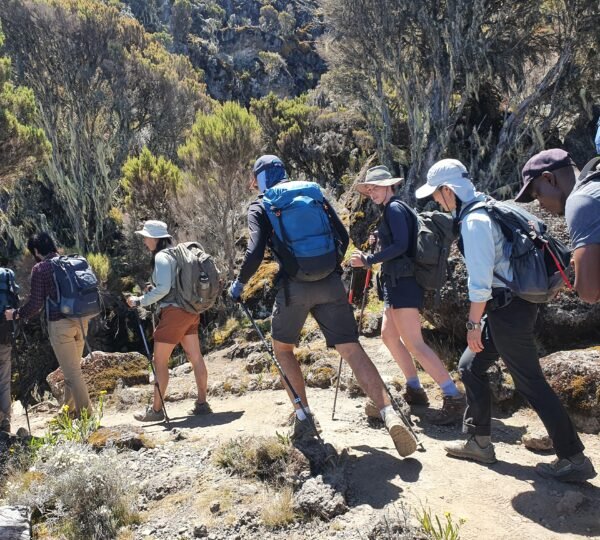
The first walk takes you through the montane rainforest. The trail passes beneath tall trees and through dense vegetation, creating a refreshing introduction to the mountain. You may hear birds in the canopy and, depending on conditions, encounter monkeys or other signs of wildlife.
The walk towards Mti Mkubwa Camp, also known as Big Tree Camp, provides an opportunity to settle into the trekking routine. Your guide will explain the importance of walking slowly, drinking water regularly and taking breaks when needed.
At camp, the crew organises the tents and prepares the evening meal. After dinner, you can rest and prepare your clothing for the following day.
Accommodation: Mti Mkubwa Camp, in mountain tents.
Day 2: Mti Mkubwa Camp to Shira 1 Camp
After breakfast, you leave much of the dense forest behind and gradually enter the heathland zone. The vegetation becomes shorter, the landscape opens up and the route begins to reveal wider views of the mountain.
The trail climbs towards the Shira Plateau, where the scenery changes from green forest to open terrain shaped by volcanic activity and high-altitude conditions.
As the group progresses, maintaining a comfortable pace becomes increasingly important. Your guide will encourage you to avoid rushing and to conserve energy for the coming days.
On arrival at Shira 1 Camp, you have time to rest, enjoy the surrounding scenery and share the experience with your fellow climbers. The cooler evening temperatures are a reminder that the mountain environment becomes more demanding as you ascend.
Accommodation: Shira 1 Camp, in mountain tents.
Day 3: Shira Plateau and the Route Towards Shira 2 Camp
The third stage continues across the Shira Plateau, an area known for its open landscapes and impressive views of Kilimanjaro’s higher slopes.
The terrain includes rolling ground, patches of heathland and volcanic features. Depending on the confirmed itinerary, the day’s walk may continue towards Shira 2 Camp or follow another planned section of the western approach.
This stage is an opportunity to observe the changes in vegetation and appreciate the scale of the mountain. The summit may appear closer, but there is still a considerable ascent ahead.
At camp, you should take time to eat properly, rest and report any symptoms that may indicate difficulty adjusting to altitude. Even mild symptoms deserve attention if they persist or worsen.
Accommodation: Shira 2 Camp or the camp specified in the confirmed itinerary.

From Arusha: 7 Days Group Budget Kilimanjaro Climb via Lemosho Route
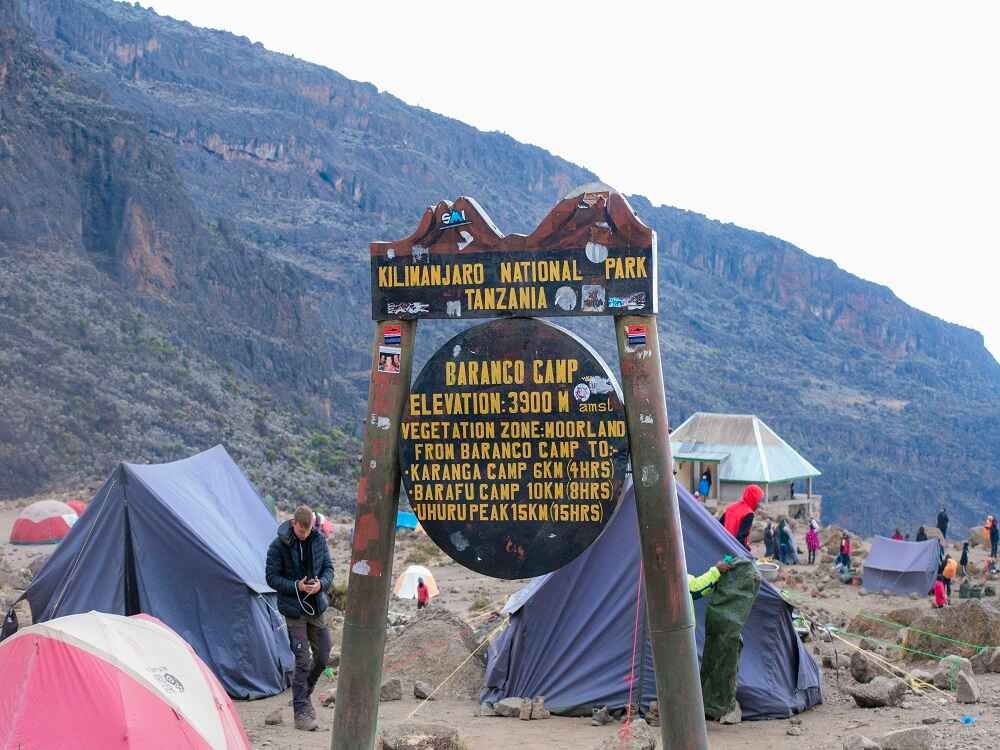
Day 4: Shira Plateau to Lava Tower and Barranco Camp
This is an important day for experiencing the high-altitude landscape of Kilimanjaro. The trail generally climbs from the Shira area towards Lava Tower, a striking volcanic formation at approximately 4,630 metres.
The terrain becomes rockier, with fewer trees and increasingly expansive views. The climb towards Lava Tower can be physically demanding because of the altitude, so the group should follow the guide’s pace and take appropriate breaks.
After reaching the higher section, the route descends towards Barranco Camp. This approach allows climbers to experience the principle of climbing higher during the day and sleeping at a lower elevation, which can support acclimatisation.
Barranco is surrounded by dramatic slopes and distinctive high-altitude vegetation. The nearby Barranco Wall is one of the best-known features of the route and provides a memorable challenge for the following stage.
At camp, enjoy dinner and prepare for the next day’s walk.
Accommodation: Barranco Camp, in mountain tents.

From Arusha: 7 Days Group Budget Kilimanjaro Climb via Lemosho Route
Day 5: Barranco Camp to Karanga Camp
The day begins with the ascent of the Barranco Wall. Although it can look intimidating from below, the established trail is generally a scrambling route rather than a technical rock-climbing section. Climbers should move carefully, follow the guide’s instructions and avoid rushing.
After reaching the top, the route crosses a series of ridges and valleys, offering views of Kilimanjaro’s rocky slopes and surrounding mountain scenery.
The walk towards Karanga Camp includes some ups and downs, so conserving energy is important. Take your time, keep a steady pace and use trekking poles if they help you maintain balance.
At camp, you can rest, eat and prepare your equipment for the summit stages. Check that your warm clothing, headlamp, gloves, water supplies and other essential items are ready.
Accommodation: Karanga Camp, if included as a separate overnight stop in the confirmed schedule.
Day 6: Karanga Camp to Barafu Camp and the Summit Attempt
The route continues towards Barafu Camp, the high camp used before the summit attempt. The landscape is increasingly exposed, with rocky ground, cold winds and little vegetation.
After arriving at camp, the team provides instructions for the final ascent. Climbers normally have an early meal and try to rest before beginning the summit attempt later that night.
The ascent commonly starts around midnight, although the timing depends on weather and the confirmed itinerary. With headlamps lighting the trail, the group moves steadily towards Stella Point on the crater rim.
The combination of darkness, cold, altitude and prolonged walking makes this one of the hardest parts of the climb. Guides monitor the group and assess whether participants can safely continue.
From Stella Point, the trail continues towards Uhuru Peak, the highest point on Mount Kilimanjaro. If conditions permit, climbers may experience sunrise over the surrounding landscape.
Reaching the summit is a special achievement, but the descent must begin according to the guide’s instructions. Depending on the schedule, the group may descend towards Barafu Camp and continue to Mweka Camp, or follow another confirmed arrangement.
Accommodation: The camp specified in the confirmed summit-day itinerary.
Day 7: Descent to Mweka Gate and Return to Arusha
The final stage involves descending through the mountain’s lower slopes towards Mweka Gate, following the route and schedule confirmed by the operator.
The forest environment provides a welcome change from the exposed summit area. However, the descent can be tiring, particularly for the knees and feet, so careful footing and appropriate walking poles are useful.
At the gate, the necessary exit procedures are completed. Climbers who meet the applicable summit requirements may receive a certificate recognising their achievement.
The transfer back to Arusha marks the end of the mountain experience. A comfortable room, a hot shower and a proper meal can feel especially rewarding after several days of trekking.
Important: This seven-day outline is not a guarantee that every section can be completed safely within the stated schedule. A typical eight-day Lemosho climb includes a separate descent day after the summit. Ask EKO Tanzania Adventures to confirm whether a seven-day group package is available and whether the proposed itinerary combines particularly demanding stages.
What Is Included in a Budget Kilimanjaro Climb?
The exact inclusions depend on the package and should be confirmed in writing. A typical guided camping climb may include professional mountain guides, applicable park and camping fees, mountain meals, drinking water arrangements, camping equipment, support crew services and transport between agreed locations.
Some packages also include accommodation in Arusha before or after the trek, airport transfers and other logistical services. These should not be assumed unless they appear in the quotation.
Common exclusions include international flights, visa fees, travel insurance, personal trekking equipment, optional accommodation, tips, personal expenses and any additional services not listed in the package.
Before paying a deposit, ask for a complete breakdown of the price. This helps you understand the actual cost of the climb and avoid unexpected expenses during your trip.
Cost of the Seven-Day Lemosho Route from Arusha
The cost of a Kilimanjaro climb depends on the travel season, group size, park fees, transport arrangements, camping equipment and the services provided by the operator.
A group budget package can help reduce selected costs by sharing arrangements among participants. However, the cheapest option is not always the best value if important safety services or essential equipment are missing.
For 2026, 2027 and 2028, contact EKO Tanzania Adventures for a current quotation based on your preferred departure date and number of travellers. Ask whether the group departure is confirmed, what the minimum group size is and whether the price includes all relevant park charges.
You may also wish to compare the seven-day and eight-day Lemosho options. Although the longer route can cost more, the additional time can provide a more gradual schedule and a better opportunity to acclimatise.
Best Time to Climb Mount Kilimanjaro
Kilimanjaro can be climbed throughout the year, but weather conditions affect visibility, trail conditions and comfort.
January to early March is often a popular period for climbers seeking generally favourable conditions and possible clear views. June to October is another popular period, often associated with drier trekking conditions.
The November and December periods can bring rain in some areas, although conditions vary from year to year. Wet trails and changing visibility make suitable waterproof clothing important.
There is no month that guarantees a successful summit. Choose your dates according to your availability, discuss seasonal conditions with your operator and book early if you want to join a particular group departure.
Essential Preparation Tips
Preparing well before arriving in Tanzania can make your Kilimanjaro experience more manageable.
Start training well in advance with regular walks, hill hikes, stair climbing and longer outdoor sessions. Build up your endurance gradually rather than attempting to do all your training shortly before departure.
Choose well-fitting hiking boots and wear them during training. Bring layered clothing, waterproof outerwear, warm gloves, a hat, suitable socks, a headlamp and a sleeping bag appropriate for cold mountain conditions.
Follow your guide’s instructions throughout the climb. Walk slowly, drink regularly and eat even when your appetite decreases. Report headaches, nausea, dizziness or unusual weakness promptly. Serious or worsening symptoms require immediate assessment and may mean stopping the ascent or descending.
Arrange travel insurance that specifically covers high-altitude trekking and emergency evacuation. Confirm the altitude limit and relevant exclusions with your insurer before travelling.
Finally, remember that summit success is not guaranteed. Your safety and wellbeing are more important than reaching a particular point on the mountain.
Frequently Asked Questions
Is the seven-day Lemosho Route suitable for beginners?
Beginners can attempt Kilimanjaro with suitable preparation, but the seven-day Lemosho itinerary is relatively compressed. Travellers who want more acclimatisation time should consider an eight-day itinerary.
Can solo travellers join a group climb?
Solo travellers can enquire about joining a scheduled group departure. Availability, minimum group requirements and prices depend on the chosen dates. Confirm the departure before booking.
Where does the Lemosho Route start?
The route approaches Kilimanjaro from the west through Londorossi Gate. Travellers starting in Arusha normally travel by road to the western side of the mountain before beginning the trek.
What is the highest point of the climb?
Uhuru Peak, at approximately 5,895 metres above sea level, is the highest point on Mount Kilimanjaro and the principal summit goal for climbers.
Will I definitely reach Uhuru Peak?
No. Summit success depends on altitude acclimatisation, weather, physical condition and other factors. Guides may recommend turning back when continuing would create an unacceptable safety risk.
Can I combine Kilimanjaro with a Tanzania safari?
Yes. EKO Tanzania Adventures also offers wildlife safaris and other travel experiences in Tanzania. You can enquire about combining your climb with a safari in destinations such as Serengeti National Park, Ngorongoro Crater or Tarangire National Park, depending on your available time and budget.
Book Your Kilimanjaro Adventure with EKO Tanzania Adventures
Mount Kilimanjaro offers more than the opportunity to stand on the highest point in Africa. It is a journey through changing landscapes, a test of patience and endurance, and an experience that can leave lasting memories long after you return home.
The Lemosho Route is particularly rewarding for travellers who appreciate mountain scenery and want to experience the transition from rainforest to open moorland and high-altitude terrain. Joining a group can also bring an enjoyable social element to the adventure, with encouragement and shared experiences along the way.
EKO Tanzania Adventures can help you plan your Kilimanjaro trip from Arusha according to your travel dates, budget and preferred trekking arrangements. Before confirming a seven-day group climb, request the exact itinerary and compare it with the company’s eight-day Lemosho option to ensure you choose a schedule that meets your needs.
Visit https://ekotanzaniaadventures.com/ to explore the company’s travel services. You can also email info@ekotanzaniaadventures.com or call or WhatsApp +255 761 353 184 to ask about group departures, prices, inclusions and preparation requirements.
Book Your 7 Days Group Budget Kilimanjaro Climb via Lemosho Route with EKO Tanzania Adventures and begin planning your journey to the Roof of Africa.