Experience an Unforgettable Climbing Mount Kilimanjaro via the Machame Route – 7 Days | November 2026,2027
Climbing Mount Kilimanjaro via the Machame Route – 7 Days | November 2026,2027;Climbing Mount Kilimanjaro is a dream for many adventure travellers, and the seven-day Machame Route offers a rewarding way to experience Africa’s highest mountain. Located in northern Tanzania, Kilimanjaro rises to 5,895 metres above sea level, attracting climbers from around the world who want to challenge themselves and stand on the continent’s highest point, Uhuru Peak.
The Machame Route, often known as the Whiskey Route, is popular for its spectacular scenery, changing landscapes, and opportunities for acclimatisation. During the seven-day journey, you walk through lush rainforest, open moorland, rocky valleys, and high-altitude terrain before making your final ascent towards the summit. Each day brings a different experience, from the sounds of the forest to the impressive views of Kilimanjaro’s volcanic slopes.
November 2027 can be a suitable time to plan your climb, although weather conditions on the mountain are unpredictable. The short rains often occur during November, so trekkers should prepare for possible rain, muddy trails, cloud cover, and cold temperatures at higher elevations. With appropriate clothing, a suitable itinerary, and experienced mountain guides, you can prepare for the changing conditions and enjoy the journey.
The seven-day Machame itinerary allows more time on the mountain than the shorter six-day option, which can help with acclimatisation. However, altitude sickness remains a risk, and reaching the summit is never guaranteed. Walking slowly, following your guide’s instructions, eating regularly, and reporting any symptoms are important parts of a safe climb.
Whether you are planning a personal challenge, an adventure with friends, or a memorable holiday in Tanzania, this guide explains what to expect when climbing Kilimanjaro via the Machame Route in November 2027.

Why Choose the 7-Day Machame Route?:Climbing Mount Kilimanjaro via the Machame Route – 7 Days | November 2026,2027
The Machame Route is an excellent option for trekkers who want to experience Kilimanjaro’s varied landscapes while allowing time to adjust to the increasing altitude. Unlike routes that follow a more direct ascent, Machame approaches the mountain from the south and follows a scenic trail towards the southern circuit before reaching the summit.
One of the main advantages of the seven-day itinerary is the additional time available for acclimatisation. As you climb, your body needs time to adapt to lower oxygen availability. The route includes sections where you climb to a higher elevation before descending to sleep at a lower camp, helping support the acclimatisation process.
Another reason climbers choose Machame is the variety of scenery. The journey begins in a tropical rainforest, where tall trees and thick vegetation create a cool, shaded environment. Higher up, the forest gives way to heathland and moorland, followed by rocky landscapes and alpine desert near the upper mountain.
The route also includes the famous Barranco Wall, a steep and memorable section that most trekkers can negotiate by walking carefully and following their guides. Although it may look challenging from below, it does not normally require technical rock-climbing skills.
The Machame Route is suitable for reasonably fit travellers who enjoy walking and are prepared for several consecutive days of trekking. It is not an easy holiday walk, however. Long days, uneven trails, cold weather, and altitude make physical preparation and a positive attitude essential.
7-Day Machame Route Itinerary

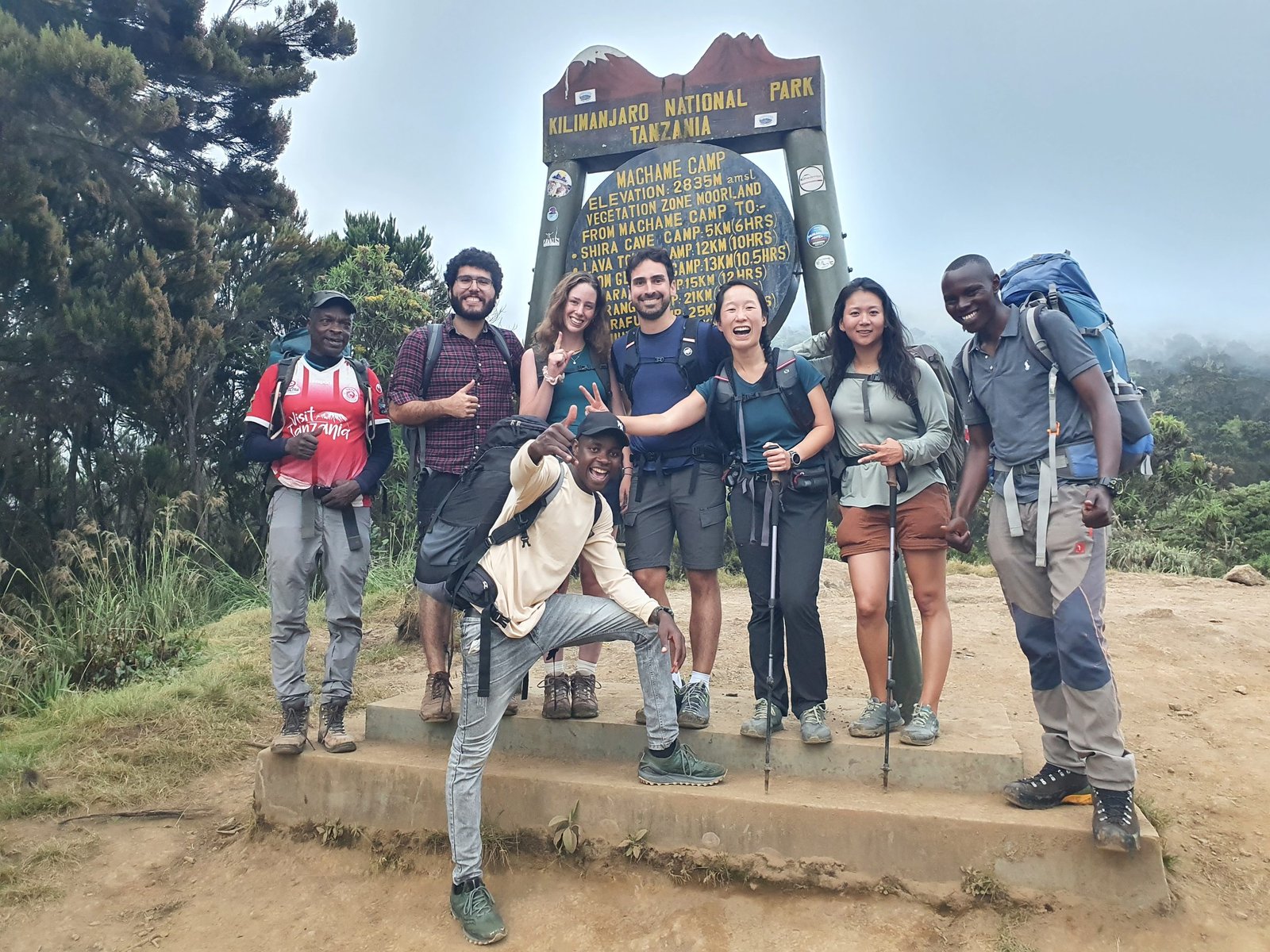
Day 1: Machame Gate to Machame Camp:Climbing Mount Kilimanjaro via the Machame Route – 7 Days | November 2026,2027
Your Kilimanjaro adventure begins with a transfer to Machame Gate, where you meet your mountain team and complete the park registration procedures. After the necessary preparations, you begin walking through the rainforest.
The trail passes beneath tall trees and dense vegetation, with the sounds of birds and the natural surroundings creating a memorable introduction to the mountain. November rain may make some sections muddy or slippery, so take your time and follow your guide’s instructions.
As you gain elevation, the forest gradually changes, and you begin to feel the excitement of the journey ahead. After several hours of walking, you reach Machame Camp, where your crew prepares your tent and evening meal. Spend the evening organising your equipment, drinking regularly, and resting before the next day.
Day 2: Machame Camp to Shira Camp
After breakfast, you leave the rainforest behind and continue climbing towards the Shira Plateau. The trail becomes steeper in places, and the surrounding vegetation changes to heathland and moorland.
As the trees become less frequent, the landscape opens up, offering wider views of Kilimanjaro when the weather is clear. The terrain may be wet after rain, so suitable footwear and careful walking are important.
You eventually reach Shira Camp, where you spend the night at a higher elevation. Your body may begin to feel the effects of altitude, so maintain a slow pace and report any symptoms such as headache, nausea, dizziness, or unusual fatigue to your guide.
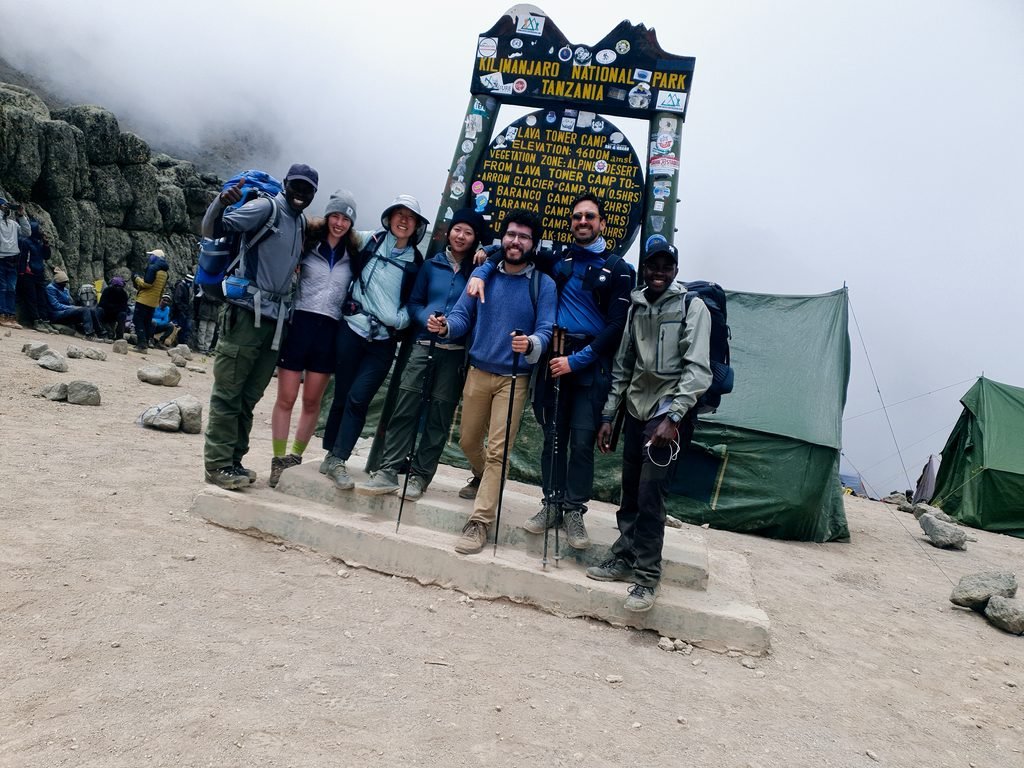
Day 3: Shira Camp to Lava Tower and Barranco Camp
This is an important day for acclimatisation. You climb towards the Lava Tower area, gaining elevation before descending to Barranco Camp. Although the ascent can feel demanding, the descent allows you to sleep at a lower elevation than the highest point reached during the day.
The landscape becomes increasingly rocky and exposed as you approach Lava Tower. After a break, you continue down towards Barranco Valley, where dramatic mountain scenery and unusual high-altitude plants create one of the route’s most memorable settings.
At Barranco Camp, you settle in beneath the impressive Barranco Wall. Take time to rest, eat well, and prepare for the following day’s climb.
Day 4: Barranco Camp to Karanga Camp
The day begins with an ascent of the Barranco Wall, one of the most famous sections of the Machame Route. The path is steep in places, and you may need to use your hands for balance, but most trekkers complete the standard trail by moving carefully and following their guides’ instructions.
After reaching the top, you continue across ridges and valleys towards Karanga Camp. The trail rises and falls, making a steady pace important, particularly as the altitude increases.
When you arrive at camp, you have time to relax, enjoy a warm meal, and prepare for the next stage of the climb. Your guides may check how you are feeling and remind you to report any signs of altitude sickness.
Day 5: Karanga Camp to Barafu Camp
After breakfast, you continue climbing towards Barafu Camp, the high camp used for the summit attempt. The route passes through rocky terrain with limited vegetation, and the thinner air may make walking feel more difficult.
Although the trekking distance is relatively short compared with some earlier days, it is important not to rush. Conserving energy is essential because the summit attempt begins during the night.
At Barafu Camp, your crew prepares dinner, and your guide explains the plan for the final ascent. Organise your headlamp, warm clothing, gloves, water, and snacks before resting. You may find it difficult to sleep because of the altitude and the early start, but even a period of quiet rest can help you prepare.

Day 6: Barafu Camp to Uhuru Peak and Mweka Camp
The summit attempt usually begins around midnight. After a light snack and a final equipment check, you start climbing slowly under the night sky. The trail is steep and often covered with loose volcanic scree, while the cold temperatures and darkness add to the challenge.
Your guide sets a manageable pace and monitors the group’s condition as you ascend towards Stella Point on the crater rim. From there, you continue towards Uhuru Peak, standing at 5,895 metres above sea level.
Reaching Uhuru Peak is a special moment for many climbers. After days of walking, preparation, and determination, you have the opportunity to stand at the highest point in Africa. If weather conditions allow, the early morning light may reveal impressive views across the mountain and surrounding landscape.
After celebrating briefly and taking photographs, you begin the descent. You return towards Barafu Camp for a short rest before continuing down to Mweka Camp. This is a long and physically demanding day, so follow your guide’s advice and take care on the loose ground.
Summit success depends on many factors, including acclimatisation, health, weather, and individual responses to altitude. If you develop concerning symptoms, your guide may advise you to stop climbing and descend. Safety must always come before reaching the summit.
Day 7: Mweka Camp to Mweka Gate
After breakfast, you begin the final descent through the rainforest towards Mweka Gate. As you lose altitude, the air becomes warmer and more humid, and the vegetation becomes thicker.
The trail can be slippery, particularly if November rain has affected the forest. Take your time and watch your footing as you make your way down.
At Mweka Gate, you complete the park exit procedures. Summit certificates may be provided to climbers who qualify under the park’s requirements. You then meet your transfer vehicle for the journey back to your hotel, where you can enjoy a shower, a comfortable bed, and a well-earned meal.
Your seven-day Kilimanjaro experience ends with memories of the mountain’s changing landscapes, the challenges you overcame, and the remarkable journey you have completed.
What Is the Weather Like on Kilimanjaro in November?
November is generally associated with the short rainy season in northern Tanzania, although the timing and intensity of rainfall vary from year to year. Conditions can change quickly as you move from the lower rainforest to the exposed upper mountain.
At lower elevations, you may experience warm temperatures, humidity, and rain. Higher up, temperatures fall, and the wind can make conditions feel much colder. Near the summit, temperatures can drop well below freezing, especially during the night-time ascent.
For a November 2027 climb, pack waterproof clothing, warm insulating layers, suitable hiking boots, and a reliable headlamp. Keep spare clothing protected inside waterproof bags, and follow your guide’s advice if rain, strong winds, or poor visibility affect the route.
Although the weather may be less predictable than during the main dry seasons, November can still offer a rewarding climbing experience for travellers who prepare appropriately and understand that summit conditions cannot be guaranteed.
How Difficult Is the Machame Route?
The Machame Route is considered challenging, mainly because of the altitude, long walking days, and demanding summit attempt. You do not normally need technical climbing skills, but you should be comfortable walking for several hours on uneven ground.
The Barranco Wall requires careful movement on steep terrain, while summit night involves a prolonged climb in darkness and cold conditions. Even experienced hikers can find the altitude difficult, because physical fitness does not prevent altitude sickness.
To prepare, begin regular walking and endurance training well before your departure. Hill walking, stair climbing, and longer hikes can help build stamina. Test your hiking boots and equipment in advance, and avoid trying new footwear for the first time on the mountain.
The most important advice is to walk slowly, stay hydrated, eat regularly, and communicate openly with your guides about how you feel.
What Should You Pack for a November 2027 Climb?
Your packing list should account for rain, cold temperatures, and changing conditions throughout the trek.
Essential clothing and equipment include:
- Waterproof jacket and trousers.
- Moisture-wicking base layers.
- Warm fleece and insulated jacket.
- Hiking trousers and comfortable trekking shirts.
- Warm hat, neck covering, and insulated gloves.
- Broken-in hiking boots and suitable trekking socks.
- Headlamp with spare batteries.
- Daypack and waterproof bags.
- Trekking poles.
- Sunglasses and sunscreen.
- Water bottles or a hydration system suitable for cold conditions.
- Sleeping bag rated for mountain temperatures.
- Personal toiletries, blister-care supplies, and any prescribed medication.
Confirm with your operator which equipment is supplied, which items can be rented, and what you must bring yourself.
Tips for Preparing for Your Kilimanjaro Adventure
Start training early so your body has time to adapt to longer walks and repeated days of exercise. Focus on endurance rather than speed, and include practice hikes with the daypack you plan to use.
Choose an itinerary that gives you a reasonable opportunity to acclimatise. The seven-day Machame Route is often preferred over the six-day option because it provides more time on the mountain, although it does not eliminate the risk of altitude illness.
Follow your guide’s instructions and report symptoms promptly. Headaches, nausea, dizziness, and unusual fatigue should not be ignored. Serious symptoms, including confusion, difficulty walking straight, or breathlessness at rest, require urgent attention and may mean you need to descend.
Finally, prepare for the experience mentally as well as physically. Some days will feel easier than others, and the summit attempt can be especially demanding. Walk at a steady pace, appreciate the scenery, and remember that your safety is more important than reaching the highest point.
Book Your 7-Day Machame Route Climb with EKO Tanzania Adventures
Are you planning to climb Mount Kilimanjaro in November 2027? EKO Tanzania Adventures can help you organise your seven-day Machame Route trek according to your travel dates, group size, accommodation needs, and budget.
Before booking, ask for the complete itinerary, package inclusions and exclusions, equipment arrangements, and details of the operator’s emergency procedures. Planning these details in advance will help you understand what to expect and prepare for your climb with confidence.
Contact EKO Tanzania Adventures
- Website: https://ekotanzaniaadventures.com
- WhatsApp / Call: +255 761 353 184
- Email: info@ekotanzaniaadventures.com
- Alternative Email: ekotanzaniaadventure@gmail.com
A seven-day climb via the Machame Route is an opportunity to experience Kilimanjaro’s rainforest, moorland, rugged volcanic landscapes, and high-altitude environment in one remarkable journey. With suitable preparation, a carefully planned itinerary, and a strong focus on safety, November 2027 could be the beginning of an unforgettable Tanzanian mountain adventure.