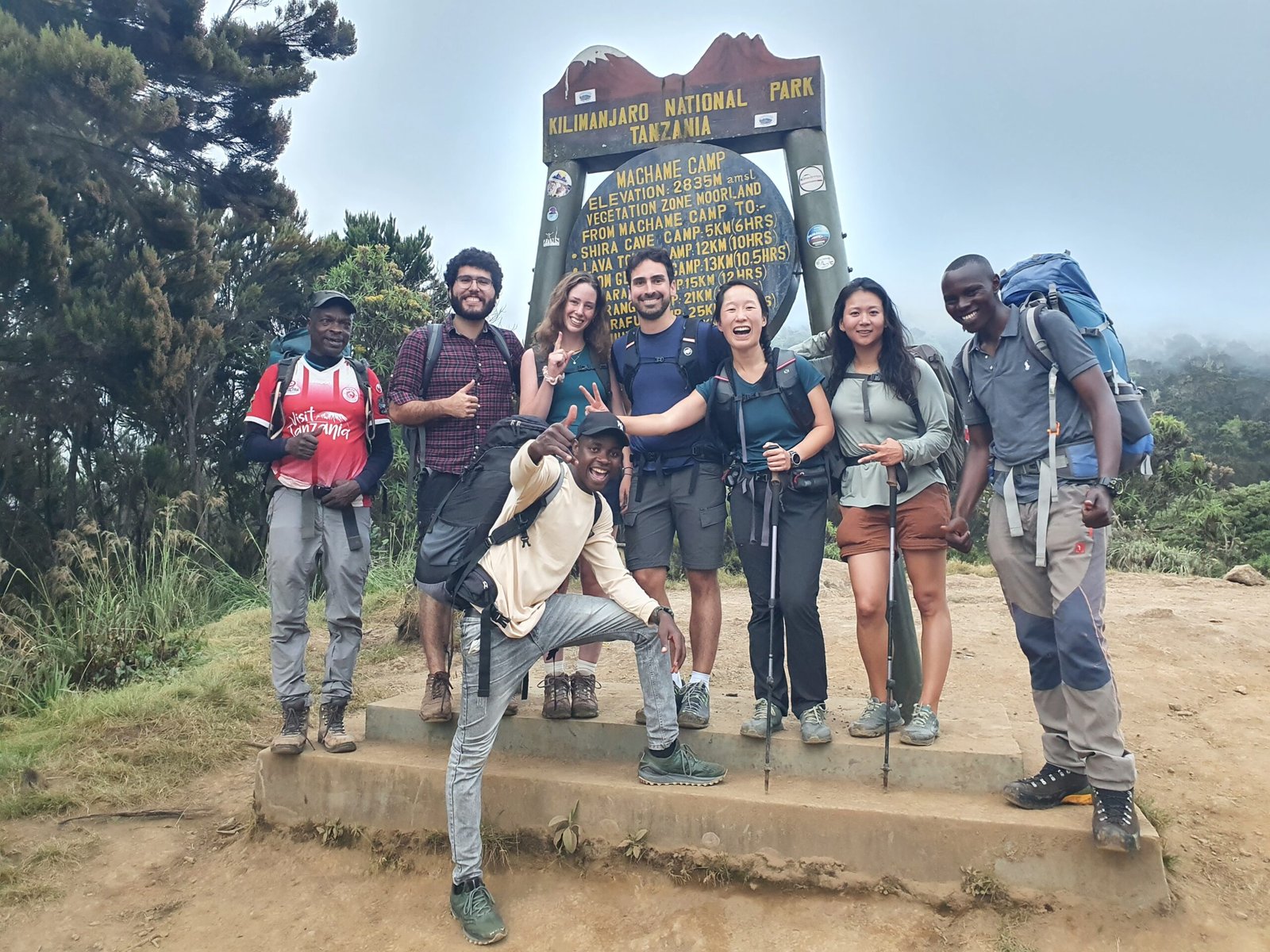
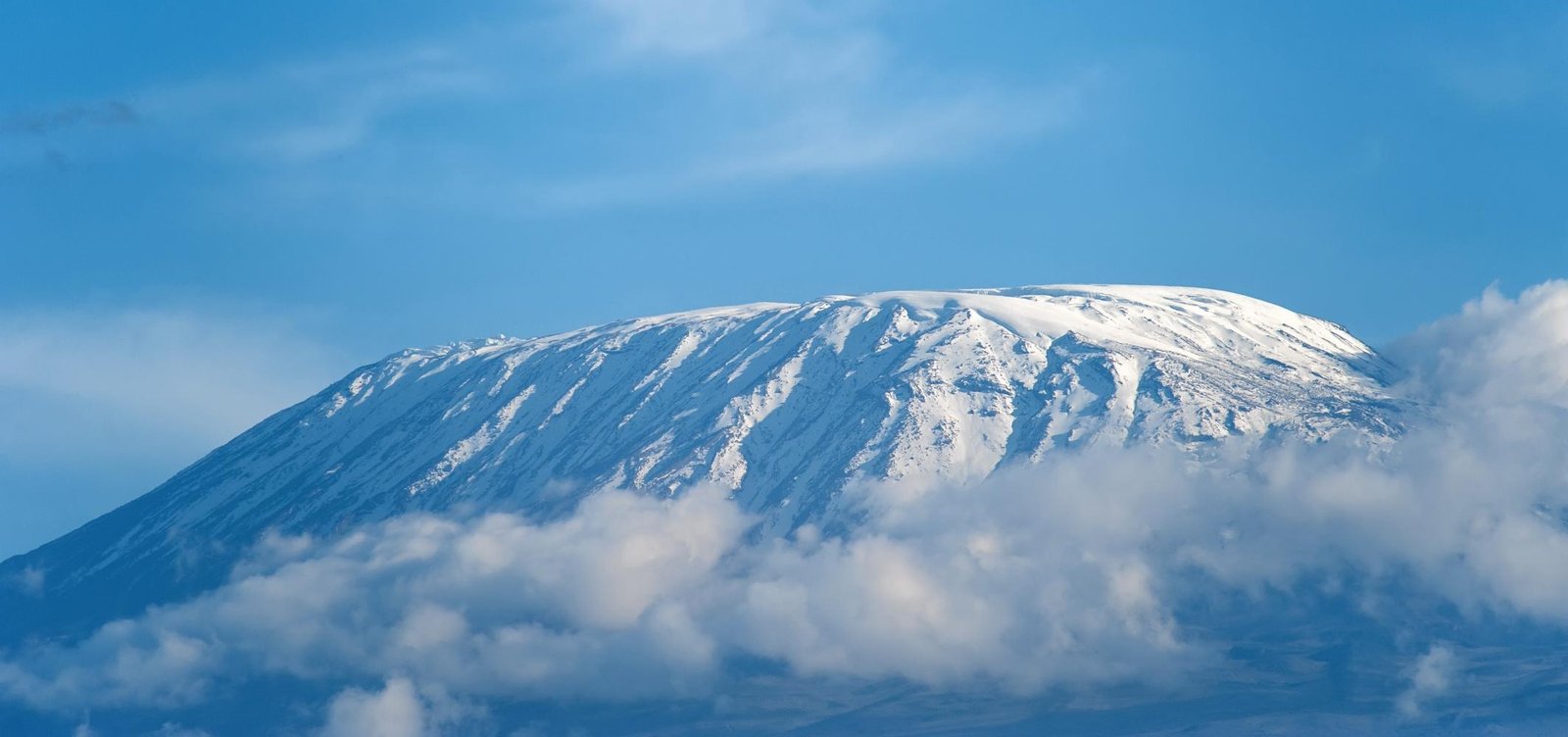
The Ultimate 10-Day Lemosho Route 2026–2028: An Epic Kilimanjaro Summit Adventure to Uhuru Peak
Explore Tours
For 2026, 2027 and 2028, this itinerary is designed for travelers who want to climb at a steady pace rather than rush toward Uhuru Peak. The additional days allow your body more time to adjust to increasing altitude while giving you opportunities to enjoy the changing environments of Kilimanjaro—from rainforest and heathland to alpine desert and the summit zone.
Why Choose the 10-Day Lemosho Route?:The Ultimate 10-Day Lemosho Route 2026–2028
The major advantage of a 10-day itinerary is time. Kilimanjaro National Park notes that climbing durations vary by route and that longer itineraries generally provide more time for acclimatization.
The Lemosho approach is particularly attractive because it begins on the western side of Kilimanjaro and crosses the beautiful Shira Plateau before joining the southern circuit toward the summit.
You can expect:
- A gradual ascent
- Multiple acclimatization opportunities
- Beautiful views across the Shira Plateau
- Diverse ecological zones
- Nights in mountain camps
- A challenging summit night
- Sunrise near Uhuru Peak
- Descent through the southern side of the mountain
- Professional mountain guides and support crew
- A structured 10-day program suitable for trekkers seeking a slower summit approach
TANAPA confirms that Lemosho is one of the designated climbing routes and that mountain climbing must be undertaken with appropriate guiding arrangements.
10-Day Lemosho Route ItineraryThe Ultimate 10-Day Lemosho Route 2026–2028
Day 1: Arrival in Tanzania –Moshi: The Ultimate 10-Day Lemosho Route 2026–2028
Your Kilimanjaro adventure begins when you arrive in Tanzania, normally through Kilimanjaro International Airport (JRO) or another suitable airport.
You will be transferred to your hotel in Moshi, where you can relax after your journey.
Depending on your arrival time, you may meet your mountain guide for a briefing. Your guide can review your equipment, discuss the trekking program and make sure you are prepared for the mountain.
Overnight
Moshi hotel
Highlights
- Arrival in Tanzania
- Airport transfer
- Hotel check-in
- Trek briefing
- Equipment check
- Preparation for the climb
This day is important because it gives you time to rest before beginning the trek.
Day 2: Lemosho Gate to Forest Camp::The Ultimate 10-Day Lemosho Route 2026–2028
After breakfast, you drive toward the Lemosho entrance area.
The trek begins through the lush montane forest. This is one of the most beautiful sections of the route because the environment is green, cool and filled with vegetation.
You may see birds and, depending on conditions, wildlife such as monkeys in the forest. Kilimanjaro National Park identifies species including black-and-white colobus monkeys and blue monkeys within the mountain’s forest ecosystem.
The first day is intentionally comfortable. The objective is not speed but allowing your body to begin adapting to walking at altitude.
Overnight
Forest Camp
Meals
Breakfast, lunch and dinner
Day 3: Forest Camp to Shira 1 Camp:The Ultimate 10-Day Lemosho Route 2026–2028
Elevation: Approximately 2,800 m to 3,500 m
After breakfast, you continue climbing through the forest before gradually entering the heath and moorland zone.
The landscape begins to change dramatically.
Tall trees become less dominant, vegetation becomes shorter, and the views become wider. You begin to feel that you are moving deeper into the mountain environment.
The trail eventually leads toward the Shira Plateau, one of the most spectacular areas on Kilimanjaro.
Overnight
Shira 1 Camp
Highlights
- Changing vegetation
- Heath and moorland
- Expansive mountain views
- First major altitude gain
Day 4: Shira 1 to Shira 2 Camp
Elevation: Approximately 3,500–3,850 m
Today is a relatively gradual day designed to help your body adjust to altitude.
You cross sections of the Shira Plateau while enjoying impressive views toward the surrounding peaks.
The Shira Plateau is an ancient volcanic landscape and is one of the distinctive attractions of Kilimanjaro National Park.
This is an excellent day to maintain the principle:
Pole pole — slowly, slowly.
Your guide will encourage a controlled walking pace and regular hydration.
Overnight
Shira 2 Camp
Meals
Breakfast, lunch and dinner
Day 5: Shira 2 Camp to Moir Camp
Elevation: Approximately 3,850 m to around 4,200 m
Today takes you deeper into the high-altitude environment.
The landscape becomes increasingly rugged as you leave the lower vegetation behind. You will notice fewer trees and more open volcanic terrain.
Moir Camp provides an important opportunity to spend another night at elevation before continuing toward the upper sections of the mountain.
For many trekkers, this day is one of the reasons the 10-day itinerary feels less rushed than shorter programs.
Overnight
Moir Camp
Highlights
- High-altitude landscape
- Volcanic formations
- Increasingly dramatic scenery
- Additional acclimatization
Day 6: Moir Camp to Lava Tower to Barranco Camp
Elevation: Approximately 4,200 m → 4,600 m → 3,960 m
This is one of the most important acclimatization days.
You climb toward Lava Tower, reaching approximately 4,600 metres. After spending time at this higher elevation, you descend toward Barranco Camp.
This follows the principle of:
Climb high, sleep low.
The temporary ascent gives your body exposure to a higher altitude before you sleep at a lower elevation.
The landscape is now very different from the rainforest you experienced at the beginning. Kilimanjaro’s higher areas include heath, moorland and alpine desert environments.
Overnight
Barranco Camp
Why this day matters
It can be physically demanding, but it provides an important acclimatization opportunity before the summit section.
Day 7: Barranco Camp to Karanga Camp
Elevation: Approximately 3,960 m – 4,035 m
Your morning begins with the famous Barranco Wall.
Although it looks intimidating from below, it is primarily a trekking and scrambling section rather than technical rock climbing on the standard route.
With a steady pace and guidance from your mountain crew, you gradually make your way upward.
After reaching the top, the trail continues through a spectacular high-altitude landscape toward Karanga.
Overnight
Karanga Camp
Highlights
- Barranco Wall
- High mountain scenery
- Views toward Kibo
- Continued acclimatization
Day 8: Karanga Camp to Barafu Camp
Elevation: Approximately 4,035 m – 4,640 m
Today you enter the final stage before the summit.
The trail becomes increasingly barren as you move toward Barafu Camp, the traditional launch point for the summit attempt.
There is little vegetation here, and the landscape is dominated by rock and volcanic terrain.
At Barafu, your guide will normally provide a detailed summit briefing.
You will have an early dinner and attempt to sleep before the summit climb.
Overnight
Barafu Camp
Important
Prepare your summit equipment before sleeping:
- Headlamp
- Spare batteries
- Warm layers
- Gloves
- Hat
- Water
- Snacks
- Trekking poles
- Camera
- Personal medication
Day 9: Barafu Camp – Uhuru Peak – Millennium Camp
Summit elevation: 5,895 m
This is the biggest day of your Kilimanjaro adventure.
You normally begin the summit attempt around midnight or in the early hours of the morning.
The climb is slow and challenging because of the altitude, cold temperatures and darkness.
The trail gradually approaches Stella Point on the crater rim before continuing toward Uhuru Peak.
Then comes the moment you have been preparing for:
Uhuru Peak – 5,895 Metres
Standing at Uhuru Peak means reaching the highest point of Mount Kilimanjaro and the highest point in Africa.
If weather conditions are clear, sunrise from the summit area can be an unforgettable experience.
You may see:
- The surrounding crater
- Glacial remnants
- Clouds far below
- The African landscape stretching toward the horizon
- Kibo’s dramatic volcanic terrain
After celebrating at the summit, you begin descending.
The descent is much faster than the ascent, but it still requires care because fatigue is significant after the summit attempt.
You eventually continue toward Millennium Camp.
Overnight
Millennium Camp
This is the emotional climax of the trip.
After months of preparation, training and anticipation, you have reached the Roof of Africa.
Day 10: Millennium Camp to Mweka Gate – Moshi
Your final trekking day takes you down through the mountain forest toward Mweka Gate.
The vegetation becomes greener as you descend into lower elevations.
At Mweka Gate, you complete the necessary exit procedures and meet your transfer vehicle.
You then return to Moshi for a shower, rest and celebration.
Overnight
Moshi hotel
Depending on your onward travel plans, you can either spend another night in Tanzania or continue with a safari, Zanzibar holiday or international departure.
Kilimanjaro’s Incredible Ecological Zones
One of the most special aspects of the Lemosho route is the changing environment.
During your 10-day adventure, you can experience several distinct landscapes:
1. Montane Forest
The lower slopes are green and relatively humid.
2. Heath and Moorland
As you climb higher, vegetation becomes shorter and the scenery becomes more open.
3. Alpine Desert
Above the moorland, the environment becomes increasingly dry, rocky and dramatic.
4. Summit Zone
Near Uhuru Peak, conditions can be extremely cold and oxygen availability is significantly lower than at sea level.
TANAPA describes Kilimanjaro as containing distinct ecological zones, from montane forest through moorland and alpine desert to the summit icefields.
Who Is the 10-Day Lemosho Route Suitable For?
The 10-day route can be a strong option for travelers who prioritize acclimatization and a gradual trekking schedule.
It is particularly suitable for:
- First-time Kilimanjaro climbers
- Experienced hikers wanting more time
- Travelers concerned about rushing the ascent
- People who want to enjoy the scenery
- Photographers and nature lovers
- Private groups
- Couples and friends
- Travelers combining Kilimanjaro with a Tanzania safari
However, the extra days do not eliminate the physical demands of climbing to 5,895 metres. Altitude affects people differently, and no itinerary can guarantee a successful summit.
TANAPA specifically recommends choosing itineraries that allow acclimatization, ascending slowly, staying hydrated and reporting symptoms promptly to your guide.
What Is Included in a 10-Day Lemosho Package?
A typical professionally organized package can include:
Accommodation
- Hotel before and after the trek
- Mountain camping accommodation
Mountain Support
- Professional mountain guide
- Assistant guides depending on group size
- Porters
- Mountain cook
- Camping equipment
Park and Trekking Costs
- Park entry/conservation fees
- Camping fees
- Rescue-related fees where applicable
- Route-related permits
The exact government charges can change, so the current TANAPA tariff should always be confirmed when booking. TANAPA publishes its official park tariff information and notes that fees vary by visitor category, route and duration.
Meals
- Breakfast
- Lunch
- Dinner
- Hot drinks
- Drinking-water arrangements according to the package
Transfers
- Airport transfer where included
- Transfer to the mountain gate
- Transfer from the mountain after the trek
Estimated Cost for the 10-Day Lemosho Route
For 2026–2028, a realistic advertised package price depends on whether the climb is private or group-joining, the number of climbers, accommodation level, season and what is included.
A practical mid-range planning estimate for a professionally organized 10-day Lemosho climb is approximately:
| Package style | Estimated price per person |
|---|---|
| Group joining | US$2,500–$3,200 |
| Private climb, 2 people | US$2,800–$3,600 |
| Private/smaller premium arrangement | US$3,500+ |
These are planning estimates, not official TANAPA prices. The final quotation should be calculated according to the current park tariffs, group size, accommodation, transport and service level.
TANAPA’s official information confirms that park fees and related charges apply to Kilimanjaro climbs and that tariffs can be revised, so travelers should confirm the applicable rates for their travel year.
What Is Usually Not Included?
Unless specifically stated in your quotation, you should budget separately for:
- International flights
- Tanzania visa
- Travel insurance
- Personal trekking equipment
- Tips for guides, cooks and porters
- Personal expenses
- Alcoholic drinks
- Laundry
- Extra hotel nights
- Personal emergency expenses
- Optional Tanzania safari or Zanzibar extension
Kilimanjaro Packing List
For a 10-day Lemosho climb, preparation is extremely important.
Clothing
- Moisture-wicking base layers
- Warm fleece
- Insulated jacket
- Waterproof jacket
- Waterproof trousers
- Trekking trousers
- Thermal underwear
- Warm gloves
- Sun hat
- Warm hat
- Several pairs of hiking socks
Footwear
- Broken-in hiking boots
- Camp shoes
- Gaiters
Equipment
- Sleeping bag suitable for sub-zero mountain temperatures
- Headlamp
- Trekking poles
- Backpack
- Duffel bag
- Water bottles or hydration system
- Sunglasses
- Sunscreen
- Headlamp batteries
- Waterproof bags
Personal Items
- Passport
- Travel insurance documents
- Personal medication
- Toiletries
- Camera
- Power bank
TANAPA also recommends appropriate cold-weather and rain gear, a headlamp and personal medication for mountain visitors.
Physical Preparation for the 10-Day Lemosho Route
You do not need to be a professional athlete to climb Kilimanjaro, but you should prepare your body.
Ideally, begin training several weeks or months before your trek.
Focus on:
Walking
Regular long-distance walking helps your body adapt to spending several hours on your feet.
Hill Training
Practice walking uphill and downhill.
Strength
Work on:
- Legs
- Glutes
- Core
- Calves
Endurance
Include activities such as:
- Hiking
- Cycling
- Swimming
- Jogging
- Stair climbing
The objective is to arrive on Kilimanjaro physically prepared without exhausting yourself before the climb begins.
Altitude Acclimatization
Altitude is one of the biggest challenges on Kilimanjaro.
The 10-day Lemosho itinerary gives you more time to progressively gain elevation than a rushed itinerary.
Nevertheless, altitude sickness can occur even in fit and experienced hikers.
Tell your guide immediately if you experience concerning symptoms such as:
- Severe headache
- Dizziness
- Persistent nausea
- Difficulty walking normally
- Unusual weakness
- Shortness of breath at rest
- Confusion
Do not try to hide symptoms simply because you want to reach Uhuru Peak.
Your health comes first.
TANAPA advises climbers to ascend slowly, stay hydrated, report symptoms promptly and follow guide instructions.
Best Time for the 10-Day Lemosho Route
Kilimanjaro can be climbed throughout much of the year, but trekking conditions vary seasonally.
Generally, many travelers prefer periods associated with drier weather, particularly around:
January–March
and
June–October
The wetter seasons can bring more challenging trail conditions, but they may also offer quieter trekking experiences.
For 2026, 2027 and 2028, it is advisable to reserve well in advance if you have fixed travel dates, especially around popular holiday periods.
Why the Lemosho Route Is a Special Kilimanjaro Experience
The real attraction of the 10-day Lemosho itinerary is not simply reaching Uhuru Peak.
It is the journey.
You start among green forests.
Then you enter open moorland.
You cross the Shira Plateau.
You encounter volcanic landscapes.
You climb through the alpine desert.
Finally, you enter the summit zone and stand at 5,895 metres.
This dramatic transformation makes the journey feel like several different adventures within one climb.
Kilimanjaro National Park describes the mountain as a combination of volcanic summits, glaciers, high-altitude landscapes and distinctive ecological environments.
Why Choose Eko Tanzania Adventures for This Climb?
For a company such as Eko Tanzania Adventures, the focus should be on creating a well-organized and safety-conscious experience rather than simply getting travelers to the mountain quickly.
A quality 10-day Lemosho package should provide:
- Experienced mountain guides
- Proper route planning
- Reliable camping equipment
- Appropriate food
- Porter support
- Daily altitude monitoring
- Clear pre-climb briefing
- Emergency communication arrangements
- Proper transport
- Transparent pricing
- Responsible treatment of the mountain crew
Kilimanjaro National Park regulations require climbing groups to follow designated routes and guide instructions, and park guidance emphasizes responsible trekking and environmental protection.
10-Day Lemosho Route at a Glance
| Day | Route | Approx. destination |
|---|---|---|
| 1 | Arrival | Moshi |
| 2 | Lemosho Gate – Forest Camp | Forest Camp |
| 3 | Forest Camp -Shira 1 | Shira 1 |
| 4 | Shira 1 – Shira 2 | Shira 2 |
| 5 | Shira 2 – Moir | Moir Camp |
| 6 | Moir – Lava Tower – Barranco | Barranco |
| 7 | Barranco -Karanga | Karanga |
| 8 | Karanga – Barafu | Barafu |
| 9 | Barafu – Uhuru Peak – Millennium | Millennium |
| 10 | Millennium – Mweka Gate – Moshi | Moshi |
Final Thoughts:The Ultimate 10-Day Lemosho Route 2026–2028:
The The Ultimate 10-Day Lemosho Route 2026–2028;is designed around one simple idea: give yourself enough time to experience Kilimanjaro properly.
Rather than treating the mountain as a race, the itinerary allows you to walk gradually, experience several ecological zones, spend additional time acclimatizing and prepare carefully for the final summit push.
The ultimate objective is Uhuru Peak at 5,895 metres, but the journey through the forests, Shira Plateau, alpine desert and summit landscape is what makes the adventure memorable.
For travelers planning a Kilimanjaro adventure in 2026, 2027 or 2028, the 10-day Lemosho Route offers a structured and immersive way to approach Africa’s highest mountain. The final package price, inclusions and park charges should be confirmed against the current TANAPA tariff and your exact travel dates before booking.
For booking with Eko Tanzania Adventures, travelers should provide their preferred trekking dates, number of climbers, nationality/residency category, accommodation preference and whether they want a private or group-joining climb so the package can be priced accurately.
Related Tours
Your Tanzania journey starts here
Ready to Plan Your Perfect Adventure?
Whether you want a Tanzania safari, Mount Kilimanjaro climb, Zanzibar beach holiday or a combination of all three, EKO Tanzania Adventures will help you plan it around your travel dates, group and budget.
Helpful Tanzania travel information