Ultimate 6-Day Western Serengeti Great Migration Safari: The migration safari is offers an opportunity to explore one of Africa’s most extraordinary wildlife destinations while following the seasonal movement of wildebeest and zebras through Tanzania Serengeti National Park. This six-day adventure combines beautiful landscapes, exciting game drives, opportunities to observe predators, and the possibility of witnessing the famous Grumeti River crossing during the migration season.
The Serengeti is a place where nature determines the rhythm of each day. Vast herds move across open grasslands in search of fresh grazing, lions patrol their territories, elephants travel between feeding areas, and birds fill the skies above the plains. Every part of the ecosystem contributes to the experience, making a safari here much more than a journey to see individual animals. It is an opportunity to understand how wildlife survives and moves through one of Africa’s most important natural environments.
The Western Serengeti is particularly interesting during the middle months of the year, when migrating herds may move through the Western Corridor towards the Grumeti River. This river forms an important feature of the landscape, and during suitable seasonal conditions, wildebeest and zebras may gather along its banks before attempting to cross. The sight of large herds moving together, combined with the presence of crocodiles and other wildlife, can create a memorable safari experience.
With EKO Tanzania Adventures, this six-day journey can be planned around your preferred travel dates, number of travellers, accommodation preferences, and budget. Whether you are travelling as a couple, organising a family holiday, visiting Tanzania with friends, or pursuing wildlife photography, the safari offers time to explore different areas of the Serengeti while following the seasonal migration.
Why Choose The Ultimate 6-Day Western Serengeti Great Migration Safari ?
A six-day itinerary gives you time to explore the Serengeti without making every day feel like a transfer between destinations. This matters because the Great Migration does not follow a fixed schedule. The herds may be spread across a wide area, gather in one location, or move towards another region as rainfall and grazing conditions change.
By spending several days in central and western Serengeti, you can experience different habitats and search for migrating animals while also enjoying the park’s resident wildlife. The extra time creates opportunities to observe animal behaviour, photograph the landscapes, and explore suitable game-drive areas according to local conditions.
The Western Corridor is especially appealing to travellers interested in the Grumeti River migration. Around May, June, and July, depending on the year, large herds may pass through this region as they continue their journey northwards. June is often a promising month for this part of the migration, although the timing can change considerably.
Another advantage is the diversity of wildlife. Even if the migrating herds are not gathered near the river, you may encounter lions, elephants, giraffes, buffaloes, zebras, antelopes, and numerous bird species. The riverine habitats also support hippos and crocodiles in suitable sections.
The six-day format allows you to combine the excitement of migration viewing with the pleasure of exploring the wider Serengeti ecosystem. Rather than judging the safari by whether a particular river crossing occurs, you can appreciate the wildlife, scenery, and natural events encountered along the way.
Understanding the Great Wildebeest Migration
The Great Wildebeest Migration is a continuous annual movement of wildebeest and zebras through the Serengeti-Mara ecosystem of Tanzania and Kenya. The animals move in response to rainfall, fresh grazing, and water availability, travelling across different regions as the seasons change.
During the early months of the year, large concentrations of wildebeest gather in the southern Serengeti and Ndutu area, where calving takes place. As the year progresses, many herds move through central Serengeti and towards the Western Corridor. Later, they continue northwards, with some reaching the northern Serengeti and crossing the Mara River into Kenya’s Maasai Mara.
The Western Corridor is an important stage of this annual journey. When the herds move through the region, the Grumeti River can become a significant obstacle along their route. Animals may gather along the banks, move towards the water, or wait before deciding whether to cross. These moments reveal the uncertainty and challenges that are part of the migration.
The movement of the herds also influences the wider ecosystem. Predators follow opportunities created by the abundance of grazing animals, while scavengers and other species benefit from the natural cycle of life. Zebras often travel alongside wildebeest, and their presence adds to the remarkable scale of the migration.
For visitors, the experience is not limited to seeing thousands of animals in one place. Watching the herds move, observing mothers with their young, and seeing how animals respond to changes in their surroundings can be equally fascinating.
Because the migration is driven by nature, no exact route or date can guarantee a particular sighting. A well-planned safari focuses on the right region for the season while allowing enough flexibility to respond to changing conditions.
The Western Corridor and the Grumeti River
The Western Corridor stretches across the western part of Serengeti National Park towards the Lake Victoria region. Its landscapes include open plains, wooded hills, and riverine vegetation, creating habitats for a wide range of wildlife.
The Grumeti River is one of the region’s defining features. It supports hippos, Nile crocodiles, birds, and other animals, while also forming part of the route followed by migrating wildebeest and zebras during certain months.
When herds approach the river during the migration season, they may gather along the banks and move between potential crossing points. If the conditions are suitable, groups of animals may enter the water and cross to the opposite bank. The movement can be dramatic, particularly when large numbers of wildebeest travel together.
However, the river crossing is not a scheduled event. A herd may wait for hours, move along the bank, or change direction entirely. Crocodiles inhabit suitable sections of the river, but encounters between crocodiles and migrating animals cannot be predicted or guaranteed.
For travellers specifically interested in the Grumeti crossing, the period from late May to early July is generally worth considering, with June often a particularly promising month. The actual timing depends on seasonal rainfall and the location of the herds.
This safari therefore combines time in central Serengeti with several days focused on the Western Corridor. It provides opportunities to search for the migration while experiencing the region’s resident wildlife and landscapes.
Detailed Of The Ultimate 6-Day Western Serengeti Great Migration Safari Itinerary
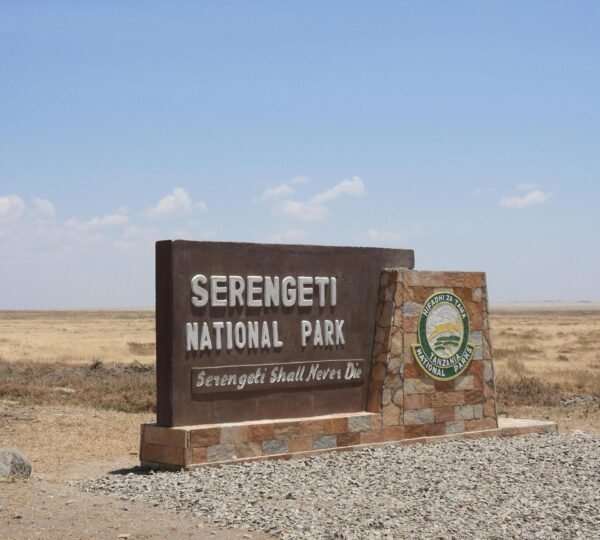
The Ultimate 6-Day Western Serengeti Great Migration Safari
Day 1: Arusha to Central Serengeti – Your African Safari Begins
Your adventure begins in Arusha, where your professional safari guide will meet you for a briefing before departure. You will discuss the itinerary, travel arrangements, wildlife-viewing guidelines, and any special interests you would like to include during the safari.
After leaving Arusha, you will travel towards Serengeti National Park through the landscapes of northern Tanzania. Depending on the selected route, road conditions, and planned stops, the journey may pass through areas around Mto wa Mbu and the Ngorongoro region before continuing towards the Serengeti.
As the journey progresses, the scenery changes from towns and cultivated areas to open countryside and expansive grasslands. The changing landscape provides an introduction to the natural environments that make Tanzania such a rewarding safari destination.
Upon reaching the Serengeti, you will begin exploring the park according to the available time and planned route. Central Serengeti is an excellent starting point because it supports resident wildlife throughout the year and contains a variety of habitats, including open plains, rocky kopjes, and riverine vegetation.
You may encounter zebras grazing together, giraffes feeding on trees, elephants moving across the landscape, or antelopes searching for fresh grass. Lions may be seen resting or moving through their territories, while cheetahs and leopards can sometimes be found in suitable habitats.
If the migrating herds are moving through the central Serengeti during your visit, your guide may also search for groups of wildebeest and zebras. The location of the animals will depend on the season and recent conditions.
Later in the day, you will proceed to your selected camp or lodge for dinner and an overnight stay. You can relax after the journey and prepare for the following day’s game drive.
Accommodation: Selected camp or lodge in central Serengeti.
Meals: Lunch and dinner, according to the confirmed package.

The Ultimate 6-Day Western Serengeti Great Migration Safari
Day 2: Full-Day Central Serengeti Safari – Explore the Wildlife-Rich Plains
After breakfast, you will head out for a game drive through central Serengeti. The day is dedicated to discovering the park’s wildlife and exploring the different habitats that support its remarkable animal populations.
The early morning hours can be productive for wildlife viewing because temperatures are cooler and many animals are active. Your guide will select suitable routes based on recent sightings, the day’s plan, and the conditions in the park.
Central Serengeti is particularly known for its big cats and year-round wildlife. Lions may be encountered resting beneath trees, walking across open ground, or interacting with members of their pride. Cheetahs may be seen scanning the plains for prey, while leopards sometimes appear in areas with suitable tree cover.
You may also encounter elephants, buffaloes, giraffes, zebras, wildebeest, and various antelope species. The combination of resident wildlife and seasonal migration makes the region rewarding even when the largest herds are elsewhere.
During the migration period, wildebeest may be spread across the plains or moving in long columns towards fresh grazing. Observing their movement helps explain the scale of the Great Migration and its importance to the ecosystem.
A picnic lunch can be arranged at an authorised location, depending on the itinerary. After lunch, you will continue exploring suitable wildlife areas, allowing more time for photography and observation.
Your guide can explain animal behaviour, identify different species, and describe how rainfall and grazing conditions influence the migration. These insights make the experience more informative and help you appreciate the relationships between wildlife and the environment.
In the late afternoon, you will return to your accommodation for dinner and rest before continuing towards the Western Corridor.
Accommodation: Selected camp or lodge in central Serengeti.
Meals: Breakfast, lunch, and dinner, according to the confirmed package.
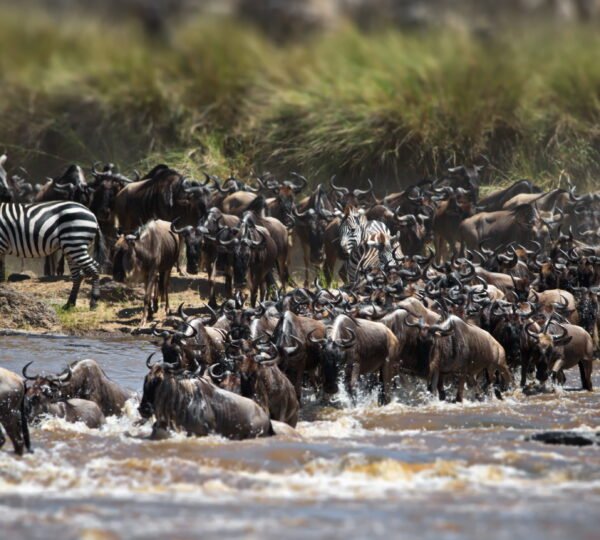
The Ultimate 6-Day Western Serengeti Great Migration Safari
Day 3: Central Serengeti to the Western Corridor – Follow the Migration
After breakfast, you will begin travelling towards the Western Corridor, one of the most important regions for travellers interested in the Grumeti River migration.
The journey allows you to explore another part of the Serengeti, where the scenery gradually changes from open central plains to a mixture of grassland, woodland, and riverine environments. The Grumeti River and its surrounding habitats support a variety of wildlife throughout the year.
During the migration season, wildebeest and zebras may be seen moving across the plains in search of grazing. Your guide will look for recent signs of their movement and select suitable game-drive areas according to available information and local conditions.
If the herds are approaching the Grumeti River, you may have an opportunity to observe groups gathering near the banks. However, the animals may still be grazing farther away or moving through another section of the Western Corridor. Your guide will adjust the route where practical to make the most of the available wildlife-viewing opportunities.
The region is home to resident wildlife as well as migrating animals. Lions, elephants, giraffes, antelopes, and various bird species may be encountered along the way. Hippos and crocodiles inhabit suitable sections of the river, adding to the area’s ecological importance.
A game drive during the journey gives you time to appreciate the changing landscapes and search for wildlife without treating the transfer as simply a drive between camps.
Later in the day, you will continue to your selected accommodation in or near the Western Corridor. Staying in a suitable location can provide easier access to wildlife-viewing areas during the next two days, depending on the camp’s position and current conditions.
Accommodation: Selected camp or lodge in the Western Corridor.
Meals: Breakfast, lunch, and dinner, according to the confirmed package.

The Ultimate 6-Day Western Serengeti Great Migration Safari
Day 4: Full-Day Western Serengeti Game Drive – Search for the Great Migration
Today is dedicated to exploring the Western Serengeti, with a particular focus on areas where migrating wildebeest and zebras may be gathering.
After an early breakfast, you will set out with your guide to search for the herds and observe the wildlife of the Western Corridor. The route will depend on recent sightings, road conditions, and the location of the animals.
If the wildebeest have reached the Grumeti River, you may have an opportunity to observe their behaviour near potential crossing points. The animals may gather at the riverbank, move forward cautiously, or retreat before approaching the water again. Such behaviour is a natural part of the migration and can make the experience fascinating even before a crossing occurs.
If a crossing takes place during your visit, you may witness large groups of animals moving through the water towards the opposite bank. The sight can be impressive, with herds moving together while other animals wait along the shore. Nevertheless, crossings cannot be guaranteed, and the animals may choose another route or remain away from the river during your stay.
The Western Corridor also provides rewarding wildlife viewing beyond the river. You may encounter lions resting in the grass, elephants feeding among trees, giraffes moving through open areas, or zebras and antelopes grazing across the plains.
Your guide may also explore suitable habitats for birdwatching and observe activity around riverine vegetation. These environments offer a different experience from the more open landscapes of central Serengeti.
A picnic lunch can be arranged during the game drive in an authorised location. After lunch, you will continue exploring promising areas, allowing more time to search for the migration and enjoy the scenery.
As the afternoon light changes across the plains, you will return to your camp or lodge for dinner and an overnight stay.
Accommodation: Selected camp or lodge in the Western Corridor.
Meals: Breakfast, picnic lunch, and dinner, according to the confirmed package.

The Ultimate 6-Day Western Serengeti Great Migration Safari
Day 5: Western Serengeti Exploration – More Time with the Herds
The fifth day gives you another opportunity to explore the Western Corridor and respond to the movement of the migrating herds. This additional time is particularly valuable because the Great Migration can change direction or location within a short period.
After breakfast, your guide will review the available information and choose suitable areas to explore. If the herds remain near the Grumeti River, you may revisit an appropriate viewing area. If they have moved farther across the plains, the day’s route can focus on their new location or other wildlife-rich parts of the region.
Watching the migration over several days helps you appreciate its scale and complexity. Wildebeest may move in long columns, spread across open grasslands, or gather in smaller groups before continuing their journey. Zebras often travel alongside them, sharing grazing areas and contributing to the remarkable scenes across the plains.
Predators may also be encountered during the day. Lions and spotted hyenas are associated with the wider Serengeti ecosystem, while cheetahs and leopards may be seen in suitable habitats. Their movements are influenced by prey availability, but sightings depend on natural conditions.
For photographers, the Western Serengeti provides opportunities to capture wildlife against changing landscapes. The combination of grasslands, scattered trees, and riverine vegetation creates different settings for photographs. Binoculars can also be useful when observing animals at a distance.
Depending on the day’s route, you may enjoy a picnic lunch or return to camp for lunch before continuing with the afternoon game drive. Your guide will balance wildlife viewing with the practical time needed to return safely to your accommodation.
The day concludes with dinner and an overnight stay in the Western Corridor. It is your final night in the Serengeti before returning to Arusha.
Accommodation: Selected camp or lodge in the Western Corridor.
Meals: Breakfast, lunch, and dinner, according to the confirmed package.
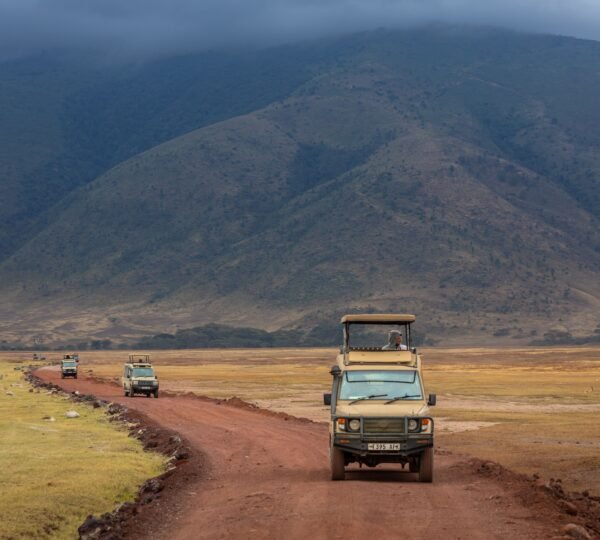
The Ultimate 6-Day Western Serengeti Great Migration Safari
Day 6: Final Morning Game Drive and Return to Arusha
Your final day begins with breakfast and, if time permits, a short morning game drive. This provides one more opportunity to observe wildlife before leaving the Serengeti.
Depending on your accommodation location and departure schedule, your guide may explore nearby areas where animals have recently been seen. You may encounter wildebeest, zebras, giraffes, antelopes, elephants, or predators moving through the grasslands.
After the morning activities, you will begin the return journey towards Arusha. The road journey can take several hours, and the exact arrival time depends on your starting point, road conditions, and planned stops.
If you have an onward flight, let EKO Tanzania Adventures know before the itinerary is confirmed. Depending on availability and your budget, a pre-arranged domestic flight from a suitable Serengeti airstrip may be considered instead of travelling the entire distance by road. This option changes the arrangements and cost and should be confirmed in advance.
Upon arrival in Arusha, your six-day safari comes to an end. You will have explored central and western Serengeti, searched for the Great Migration, and experienced the wildlife and landscapes that make Tanzania one of Africa’s most rewarding safari destinations.
Meals: Breakfast and lunch, according to the confirmed package and departure arrangements.
Safari ends: Arusha, Tanzania, unless an alternative departure has been arranged.
Best Time to Visit The Ultimate 6-Day Western Serengeti Great Migration Safari
The best time to visit depends on whether your main priority is seeing migrating herds, searching for a Grumeti River crossing, or enjoying general wildlife viewing.
The Western Corridor is generally most relevant from May to July, when the migrating herds may pass through the region. June is often a promising month for exploring the Grumeti area, although rainfall and grazing conditions can change the timing from one year to another.
May can offer attractive green landscapes as the herds begin moving through the western part of the ecosystem. June is frequently a good option for migration-focused travellers, while early July may still provide opportunities depending on the position of the herds.
For the 2026–2027 travel period, planning well in advance is advisable, particularly if you want accommodation close to the Western Corridor. Your travel dates should be selected with an understanding that no specific crossing or animal sighting can be guaranteed.
If your main goal is the Grumeti River crossing, discuss your preferred dates with EKO Tanzania Adventures before booking. If your main goal is the Mara River crossing, a northern Serengeti itinerary may be more suitable later in the migration season.
Wildlife You May See During Your Safari
The Western Serengeti is home to a rich variety of wildlife. Although the Great Migration is the main attraction of this safari, the region offers many other opportunities for animal observation.
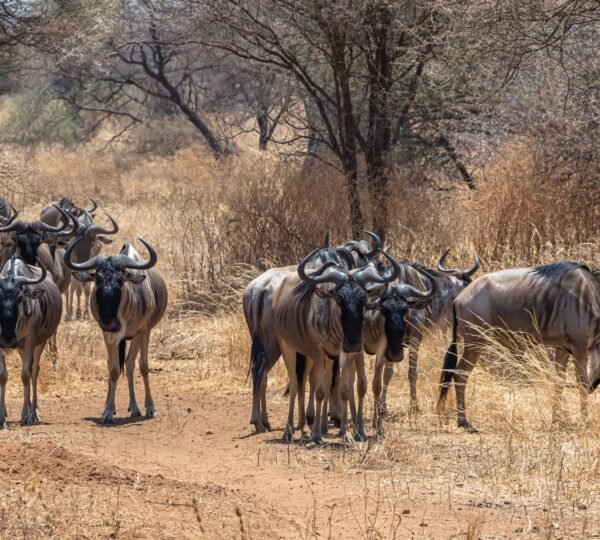
Amazing 6-Day West Serengeti Safari 2026–2027
Wildebeest and zebras: These are the principal migrating animals. You may encounter large herds moving across the plains, grazing together, or gathering near the Grumeti River.
Lions: Lions inhabit the wider Serengeti ecosystem and may be seen resting, walking through grassland, or interacting with members of their pride.
Cheetahs: The open plains provide suitable habitats for cheetahs, which use their speed and keen eyesight to pursue prey.
Leopards: Leopards are more elusive and may be found in suitable woodland and riverine habitats. Sightings depend on location and luck.
Spotted hyenas: Hyenas play an important role in the ecosystem as both hunters and scavengers. They may be encountered in areas where prey animals gather.
Elephants and giraffes: These animals contribute to the diversity of the Serengeti and may be seen moving between feeding areas or browsing on vegetation.
Hippos and crocodiles: Suitable sections of the Grumeti River support hippos and Nile crocodiles. These animals are an important part of the river ecosystem.
Birdlife: Eagles, vultures, ostriches, and many other birds may be seen across the grasslands and riverine habitats.
The number and variety of animals you encounter will depend on seasonal conditions, the locations visited, and the natural movements of wildlife. A rewarding safari includes appreciating the landscape and animal behaviour, not only counting species.
The Ultimate 6-Day Western Serengeti Great Migration Safari

The Ultimate 6-Day Western Serengeti Great Migration Safari
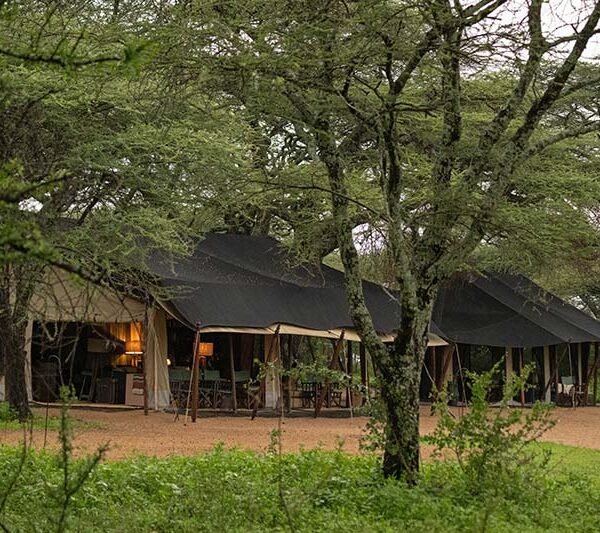
Accommodation Options for Your The Ultimate 6-Day Western Serengeti Great Migration Safari
Choosing suitable accommodation is an important part of planning your safari. After a day of game drives, you will want somewhere comfortable to enjoy dinner, relax, and prepare for the following day’s activities.
EKO Tanzania Adventures can help you select accommodation according to your preferred level of comfort, travel dates, and budget, subject to availability.
Budget camping: Camping is a practical choice for travellers who enjoy an adventurous experience and want to manage their safari costs. The facilities, sleeping arrangements, and campsite location should be confirmed before booking.
Midrange tented camps and lodges: These provide a balance between comfort and value. Depending on the property, facilities may include proper beds, private bathrooms, dining areas, and other conveniences.
Luxury tented camps and lodges: Travellers looking for a more exclusive experience can request higher-end properties with spacious accommodation, private facilities, quality dining, and additional services. Seasonal availability and pricing vary.
For this itinerary, a combination of central Serengeti accommodation and a camp or lodge in the Western Corridor can be useful. The exact arrangement should depend on your travel dates, the location of the herds, and the properties available at the time of booking.
What Is Included in the Safari Package?
The final inclusions depend on the quotation and accommodation category you choose. A typical organised six-day safari may include:
- Transport in a suitable 4×4 safari vehicle with a pop-up roof for wildlife viewing, according to the confirmed arrangement.
- Services of a professional English-speaking safari guide.
- Planned game drives in authorised areas included in the itinerary.
- Applicable national park and conservation fees, as specified in the quotation.
- Five nights of accommodation based on your selected category.
- Meals listed in the confirmed itinerary.
- Drinking water during game drives, if included in the package.
- Transfers from Arusha and the return journey, unless an alternative arrangement is agreed.
Items that may be excluded include international flights, visas, travel insurance, tips, personal expenses, alcoholic beverages, optional activities, and accommodation before or after the safari. Domestic flights, if selected, may involve additional charges.
Before confirming your booking, request a written quotation that clearly explains the inclusions, exclusions, accommodation arrangements, payment conditions, and cancellation policy. This helps you understand the full cost of the trip and avoid unexpected expenses.
What to Pack for a Six-Day Serengeti Safari
Packing the right items will make your safari more comfortable. Early morning game drives can be cool, particularly during June and July, while daytime temperatures may be warmer.
Bring lightweight clothing, a warm jacket, comfortable shoes, a hat, sunglasses, and sunscreen. Neutral-coloured clothing is practical for safari activities, and a light rain jacket may be useful when weather conditions change.
A camera with enough memory, spare batteries, and binoculars can improve your wildlife-viewing experience. A power bank may also be useful, depending on the charging facilities available at your accommodation.
Remember to bring personal medication, insect repellent, and toiletries. A soft-sided bag may be more convenient than a large rigid suitcase, especially when travelling in a safari vehicle or taking a domestic flight.
If you have dietary requirements, mobility considerations, or other specific needs, discuss them with EKO Tanzania Adventures before departure so suitable arrangements can be considered.
Responsible Wildlife Viewing in the Serengeti
The Serengeti is an important natural environment, and responsible tourism helps protect its wildlife and habitats. During your safari, follow your guide’s instructions and respect the rules of the national park.
Maintain appropriate distances from animals, avoid loud noises, and never encourage a driver to chase wildlife or block its path. At river-crossing areas, observe from permitted viewing locations and allow animals to move naturally.
Avoid littering, respect other visitors, and follow guidance about where vehicles may drive or stop. These simple practices help reduce disturbance and protect the experience for future travellers.
It is also important to approach the migration with realistic expectations. River crossings are natural events, not performances scheduled for visitors. Patience and flexibility allow you to enjoy the Serengeti while respecting the animals and their environment.
Why Choose EKO Tanzania Adventures?
Planning a successful migration safari requires careful attention to travel dates, accommodation locations, transport, and the time available for game drives. These details become particularly important when the main objective is to follow the herds through the Western Corridor.
EKO Tanzania Adventures can help organise your safari according to your travel dates, number of travellers, accommodation preferences, budget, and wildlife interests. The team can discuss the seasonal migration pattern and help you consider an itinerary that combines central Serengeti wildlife viewing with time in the western region.
You can also discuss whether a private safari or a shared arrangement is suitable for your group, depending on availability. A private safari may offer more flexibility, while a shared safari can be an option for travellers looking to manage costs.
Before departure, confirm the final itinerary, accommodation, transport arrangements, meals, park fees, and any optional activities. Clear communication helps ensure that your expectations match the services included in your booking.
The aim is to create a well-organised safari that allows you to enjoy Tanzania’s wildlife and landscapes while recognising that migration movements cannot be controlled or guaranteed.
Book Your The Ultimate 6-Day Western Serengeti Great Migration Safari
Discover the extraordinary wildlife of Tanzania on a six-day adventure from Arusha into the central and western Serengeti. Explore vast grasslands, search for migrating wildebeest and zebras, and experience the natural beauty of the Western Corridor during the Great Migration season.
The possibility of witnessing the Grumeti River crossing adds excitement to the journey, while the region’s resident wildlife offers rewarding experiences throughout your stay. With appropriate seasonal planning, sufficient time for game drives, and accommodation selected for your itinerary, you can enjoy a memorable safari in one of Africa’s most celebrated wildlife destinations.
EKO Tanzania Adventures can tailor your safari to your preferred travel dates, number of travellers, accommodation category, budget, and special interests for 2026 or 2027.
To begin planning your trip, share your intended travel dates, group size, preferred accommodation, and any special requests. The team can then prepare a personalised itinerary and quotation based on availability and your travel plans.
Website: www.ekotanzaniaadventures.com
Email: info@ekotanzaniaadventures.com
WhatsApp or Call: +255 761 353 184
Book your Ultimate 6-Day Western Serengeti Great Migration Safari with EKO Tanzania Adventures and discover the remarkable wildlife, beautiful landscapes, and unforgettable seasonal journey of the Great Wildebeest Migration in Tanzania.