The Best 7-Day Machame Route Kilimanjaro Climb 2026–2027;Climbing Mount Kilimanjaro is a remarkable adventure that takes you through some of Africa’s most beautiful landscapes, from green tropical rainforest to open moorland, rocky alpine desert and the icy summit near the top of the continent. For travellers who want to experience this journey, the 7-day Machame Route Kilimanjaro climb offers a scenic and rewarding way to reach Uhuru Peak, the highest point in Africa at 5,895 metres above sea level.
The Machame Route, often called the “Whiskey Route,” is popular because of its changing scenery and its gradual approach to higher elevations. Over seven days on the mountain, climbers have time to experience the trail, rest at mountain camps and adjust to the increasing altitude. Although the route requires good physical preparation, you do not need technical mountaineering experience to take part. The most important things are suitable fitness, proper equipment, experienced mountain guides and a willingness to walk slowly and follow safety advice.
This guide explains the 7-day Machame Route itinerary, estimated climbing prices, possible 2027 departure dates, what is included in the package and how to prepare for your Kilimanjaro adventure with EKO Tanzania Adventures.
7-Day Machame Route Kilimanjaro Climb at a Glanc
The seven-day itinerary separates the climb to Karanga Camp and the climb to Barafu Camp into two days. This gives climbers a shorter trekking day before the summit attempt and more time to rest. The extra day can support acclimatisation, although reaching the summit is never guaranteed.
7-Day Machame Route Itinerary: The Best 7-Day Machame Route Kilimanjaro Climb 2026–2027
Day 1: Arrival in Tanzania and Preparation for the Climb
Your Kilimanjaro adventure begins when you arrive at Kilimanjaro International Airport, where your transfer arrangements will take you to your hotel in Moshi or Arusha, depending on your package. After travelling, you can relax and prepare for the experience ahead.
Before the climb begins, your mountain team will usually hold a briefing to explain the itinerary, safety procedures and expectations on the mountain. Your guide may check your trekking equipment to make sure you have essential items such as warm clothing, waterproof layers, suitable hiking boots, a headlamp and a sleeping bag appropriate for cold mountain nights.
This preparation day is important because it allows you to ask questions, organise your belongings and get ready for the trek. For a seven-day climb, it is sensible to arrive at least one day before the mountain itinerary begins.
Note: The seven-day itinerary below counts the seven trekking days on Kilimanjaro. Arrival and hotel nights before or after the climb may make the full holiday longer.
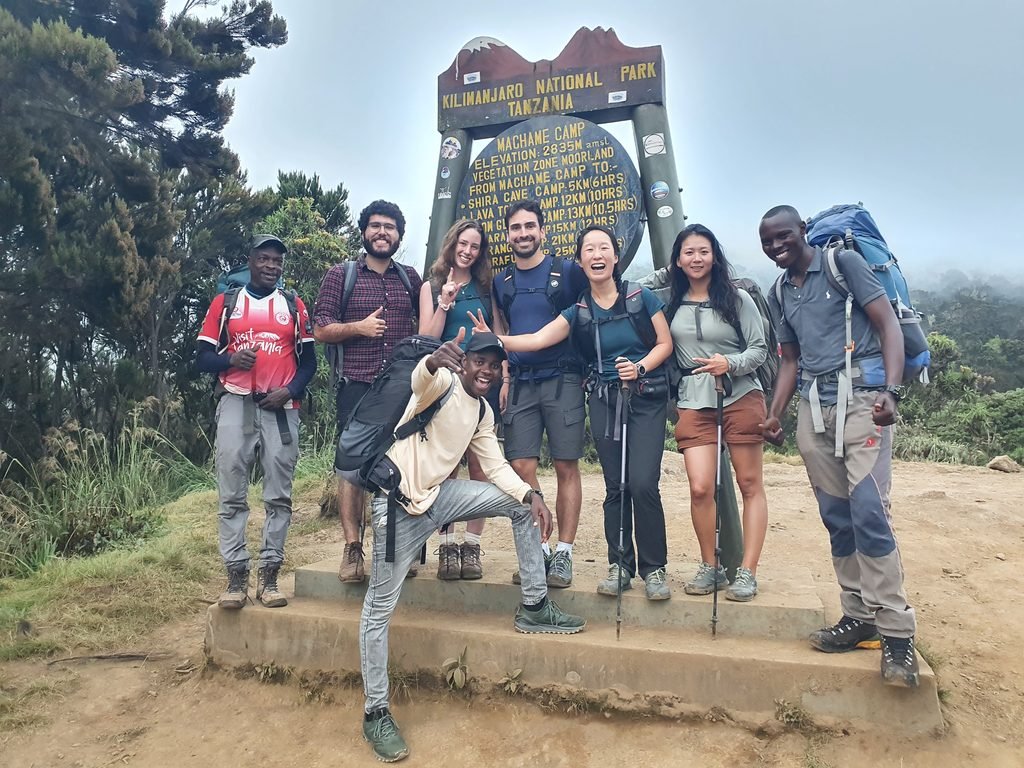
Day 2: Machame Gate to Machame Camp
After breakfast, you will travel to Machame Gate, where your team completes the required park registration and prepares for the climb. Once the formalities are finished, you will begin walking through the lush rainforest on Kilimanjaro’s southern slopes.
The forest is one of the most memorable parts of the first day. Tall trees, moss-covered branches and thick vegetation create a refreshing atmosphere, while birds and other forest wildlife may be seen along the trail. Depending on the weather, sections of the path can be muddy or slippery, so waterproof clothing and sturdy hiking boots are useful.
Your guide will encourage you to maintain a comfortable pace rather than rushing uphill. Later in the day, you will reach Machame Camp, where the mountain crew will prepare your tent and meals. You can enjoy dinner, rest and prepare for the next stage of the journey.
Day 3: Machame Camp to Shira Camp
After breakfast, the trail leaves much of the dense rainforest behind and climbs into open heath and moorland. The vegetation becomes shorter, the air feels cooler and the views across the mountain landscape become wider.
As you continue uphill, you may see unusual plants such as giant groundsels and lobelias in suitable areas. The scenery also opens towards the Shira Plateau, offering impressive views of the mountain and the surrounding landscape when conditions are clear.
Although this day is shorter than the first, the increase in altitude can make walking more demanding. Take regular breaks, drink water and follow your guide’s pace. By afternoon, you should arrive at Shira Camp, where you can enjoy a warm meal and rest overnight.
Day 4: Shira Camp to Lava Tower and Barranco Camp
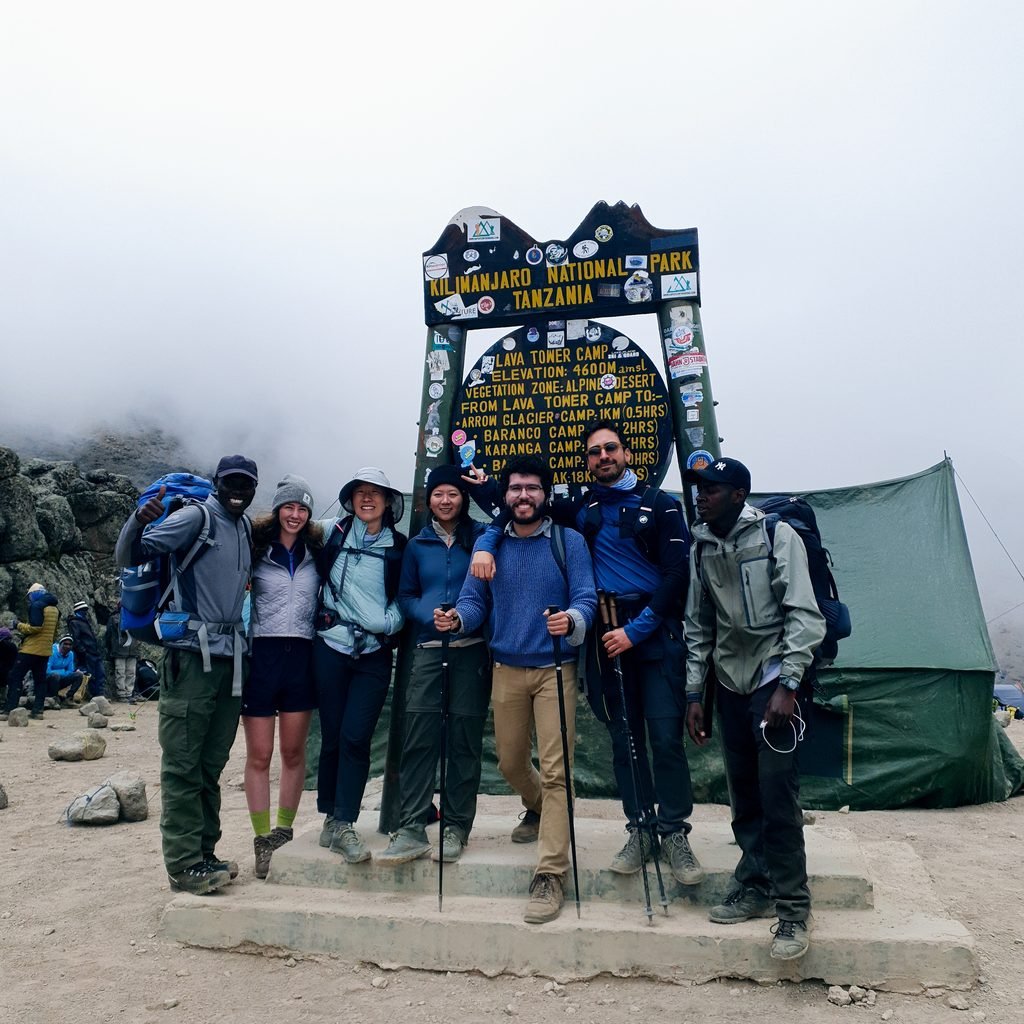
This is an important day for acclimatisation. From Shira Camp, you will walk east across increasingly rocky terrain towards Lava Tower, a striking volcanic formation at approximately 4,600 metres.
The climb to Lava Tower can feel difficult because the air contains less available oxygen at this elevation. Your guide will monitor how you are feeling and may adjust the pace or plan when necessary. After a break and lunch, the trail descends towards Barranco Camp.
The idea of climbing high and sleeping lower can help your body adapt to altitude, although it does not remove the risk of altitude sickness. You should report symptoms such as a persistent headache, dizziness, nausea or unusual weakness to your guide rather than hiding them to continue the climb.
As you descend into the Barranco Valley, the landscape changes again, with giant plants and dramatic cliffs surrounding the campsite. Dinner and rest prepare you for the next day’s walk.
Day 5: Barranco Camp to Karanga Cam
The day begins with the famous Barranco Wall. From the campsite, this rocky section may look intimidating, but it is generally a non-technical scrambling route. Your guide will show you where to place your feet and hands and help you move safely through the steeper sections.
Once you reach the top, you can enjoy impressive views across the mountain’s valleys and ridges, weather permitting. The trail then continues over a series of slopes and valleys towards Karanga Camp.
Compared with the previous day, the distance is relatively short. This gives you time to walk at a steady pace, take photographs and rest at camp. However, the altitude still matters, so avoid unnecessary exertion and continue drinking water throughout the day.
After arriving at Karanga Camp, your team will serve meals and help you prepare for the climb to Barafu Camp.
Day 6: Karanga Camp to Barafu Camp
Today’s trek is relatively short, but it is an important stage of the expedition. You will continue uphill towards Barafu Camp, the main base for the summit attempt via Stella Point.
The landscape becomes increasingly rocky and exposed, with limited vegetation and colder conditions. When you arrive at Barafu Camp, your guide will explain the summit-night plan and check that you have the necessary warm layers, headlamp, gloves and other equipment ready.
You will normally have an early dinner and try to rest before the night climb. Sleeping may be difficult because of the altitude and the excitement of the coming challenge, so use the available time to relax rather than walking around unnecessarily.
Your guide will assess the group’s condition and explain when to begin the summit attempt. Safety must remain the priority throughout the expedition.
Day 7: Barafu Camp to Uhuru Peak and Descent to Mweka Gate
The summit day is the most demanding part of the seven-day Machame Route. Climbers usually begin the ascent around midnight, although the exact departure time depends on the guide’s plan and conditions on the mountain.
You will walk slowly through the cold darkness, using your headlamp to follow the trail across rocky slopes and loose volcanic scree. The ascent to Stella Point, at approximately 5,756 metres, can be physically and mentally demanding. From there, climbers who are fit and well enough continue along the crater rim towards Uhuru Peak.
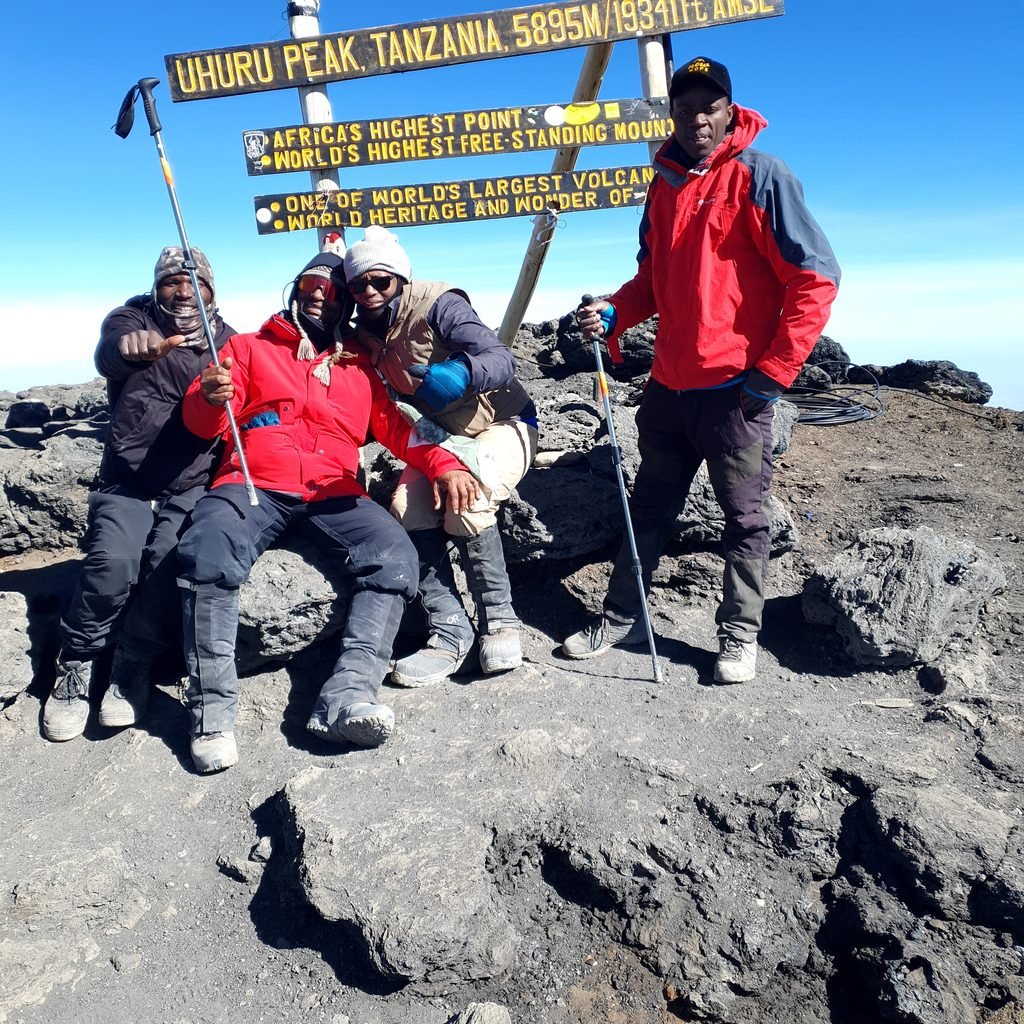
At Uhuru Peak, 5,895 metres, you will reach the highest point in Africa. If conditions allow, you can take photographs and appreciate the achievement before beginning the descent. Reaching the summit depends on your health, acclimatisation, weather and the guide’s safety assessment; no responsible operator can guarantee that every climber will reach the top.
After leaving the summit, you will descend to Barafu Camp for a short rest before continuing towards Mweka Camp. Depending on the group’s pace and the itinerary used, the final descent to Mweka Gate may be completed later that day or the following day. Because summit day is long and exhausting, a common seven-day Machame schedule spends the night at Mweka Camp and finishes the descent on Day 7.
Important itinerary note: Many standard seven-day Machame itineraries use Day 6 for the summit and descent to Mweka Camp, then Day 7 for the walk to Mweka Gate. This is the version to use when presenting a seven-day trek that includes a safer overnight rest after the summit. A schedule that includes the summit, descent to Mweka Camp and final walk to Mweka Gate on the same day can be exceptionally strenuous and should not be assumed to be the standard plan.
Day 7 in the standard schedule: Mweka Camp to Mweka Gate
After breakfast, you will continue descending through the rainforest towards Mweka Gate. The trail may be muddy after rain, so keep your boots on and use trekking poles if they help you maintain balance.
At the gate, you will complete the required exit procedures and may receive a certificate recognising your highest point reached. Your transfer will then take you back to your hotel in Moshi or Arusha, depending on your arrangements. A shower, a proper meal and a comfortable bed will be welcome after several days on the mountain.
If your package includes an additional hotel night after the trek, you can use the time to relax before your onward journey, safari or Zanzibar holiday.
7-Day Machame Route Prices for 2026–2027
The cost of climbing Kilimanjaro depends on the group size, travel dates, accommodation, park fees, mountain crew, equipment arrangements and services included in the package. Group climbs generally cost less per person than private expeditions, while premium accommodation and additional hotel nights can increase the total.
For planning purposes, publicly advertised group-climb examples for 2027 show prices ranging from approximately US$1,700 to US$2,500 per person for some seven-day Machame departures, depending on the operator and package. These are comparison figures from other published schedules, not confirmed EKO Tanzania Adventures prices.
| Package type | Indicative planning budget per person |
|---|---|
| Group joining climb | US$1,700–US$2,500 |
| Private climb | Request a personalised quotation |
| Climb with additional hotel nights or premium services | Price depends on the arrangements |
These figures are a guide rather than a fixed quotation. Before publishing a specific EKO price, confirm the current package rate, what is included and whether the departure date is available.
What Is Usually Included?
Depending on the confirmed package, inclusions may cover:
- Kilimanjaro National Park fees and required permits
- Professional mountain guide and support crew
- Camping equipment and mountain accommodation
- Meals and drinking-water arrangements during the trek
- Transfers to and from the mountain gates
- Rescue arrangements required under the park’s procedures
- A hotel night before or after the climb, if specified in the package
What May Not Be Included?
Unless clearly stated in your quotation, the following may be additional costs:
- International flights to and from Tanzania
- Tanzania visa fees
- Travel insurance covering high-altitude trekking and emergency evacuation
- Personal climbing equipment and clothing
- Tips for the mountain crew
- Extra hotel nights, meals or transfers outside the agreed itinerary
- Personal expenses and optional activities
Always review the written quotation carefully so that you understand the full cost before paying a deposit.
Machame Route 2027 Dates: When Can You Climb?
The Machame Route can be climbed at different times of the year, subject to weather, park regulations and the availability of your chosen operator. Many travellers prefer the drier periods, especially January to early March and June to October. Conditions vary from year to year, and rain, cold temperatures or strong winds can occur at any time on the mountain.
For 2027, published group schedules include example Machame departures in January, February, June, July, September and October. These examples demonstrate the types of dates available in the market, but they are not EKO’s confirmed departures and should not be treated as guaranteed spaces.
| Travel period | Planning advice |
|---|---|
| January–February 2027 | A popular period for climbers seeking a climb during the generally drier season |
| June–July 2027 | A common time to plan a climb, with cooler conditions at altitude |
| August–September 2027 | Often a busy period, so early planning is advisable |
| October 2027 | Another possible climbing period, although weather conditions can change |
| November–December 2027 | Climbs may be possible, but rain and changing trail conditions should be considered |
How to confirm your dates: Contact EKO Tanzania Adventures with your preferred start date, number of climbers and whether you want to join a group or book a private climb. Your departure should be confirmed in writing before you arrange non-refundable flights.
Best Time to Climb the Machame Route
For many travellers, the most suitable periods are the relatively drier months from January to early March and June to October. January and February can offer pleasant climbing conditions, while the middle of the year is also popular. The best choice depends on your travel schedule, tolerance for cold and rain, and the dates available.
Even during a drier season, temperatures can fall below freezing near the summit. Pack for changing conditions rather than relying only on the weather forecast for Moshi or Arusha. The summit is much colder than the mountain’s lower slopes.
How Difficult Is the 7-Day Machame Route?
The Machame Route is considered challenging because of its steep sections, consecutive days of walking and high altitude. You do not need ropes or technical climbing skills for the standard route, but you should prepare your body for long walks on uneven terrain.
Start training several months before departure if possible. Regular walking, uphill hikes, stair climbing and aerobic exercise can help build endurance. Practise walking in your hiking boots and carrying a daypack so that your equipment feels familiar before the trip.
Fitness alone does not prevent altitude sickness. Walk slowly, follow your guide’s instructions, eat regularly and report symptoms promptly. If your guide recommends stopping or descending for safety, follow that advice.
Why Choose EKO Tanzania Adventures?
EKO Tanzania Adventures can help you plan a Kilimanjaro climb around your preferred travel dates, group size, budget and accommodation needs. Whether you are travelling alone, with friends or as a family group, ask for a detailed itinerary and quotation that clearly explains the services included.
You can also discuss combining your Kilimanjaro climb with a Tanzania wildlife safari or a relaxing beach holiday in Zanzibar. If you are considering a 2027 climb, it is wise to start planning early so you have time to prepare physically, organise equipment and confirm the dates that suit your journey.
Book Your 7-Day Machame Route Kilimanjaro Climb
Are you ready to begin planning your journey to Uhuru Peak? Contact EKO Tanzania Adventures to ask about the seven-day Machame Route, available 2026–2027 travel dates and a personalised price quotation.
EKO Tanzania Adventures
- Website: https://ekotanzaniaadventures.com
- WhatsApp / Call: +255 761 353 184
- Email: info@ekotanzaniaadventures.com
- Alternative Email: ekotanzaniaadventure@gmail.com