The best 7-days 2026-2027 Kilimanjaro Machame: Mount Kilimanjaro is one of the most extraordinary natural attractions in Africa and one of the world’s most recognised mountain destinations. Located in northern Tanzania, this magnificent mountain rises to 5,895 metres above sea level at Uhuru Peak, making it the highest mountain in Africa. Its impressive height, breathtaking landscapes and unique natural environment attract adventure travellers, hikers and mountain enthusiasts from different parts of the world.
Climbing Mount Kilimanjaro is much more than an ordinary hiking holiday. It is an opportunity to experience the beauty of Tanzania, explore different natural environments and challenge yourself on a journey towards the Roof of Africa. From the green rainforest at the lower slopes to the rocky alpine desert and the cold summit zone, every stage of the climb introduces a new landscape and a different experience.
One of the most fascinating features of Kilimanjaro is that climbers pass through several ecological zones without needing technical mountaineering equipment for the standard trekking routes. The journey begins in a tropical rainforest filled with tall trees, colourful plants and beautiful mountain scenery. Higher up, the vegetation becomes shorter and the landscape opens into the moorland zone. As you continue climbing, you reach the dry alpine desert before approaching the icy and rocky environment near the summit.
Among the different routes available, the Machame Route is one of the most popular choices for travellers seeking beautiful scenery, a rewarding trekking experience and a well-organised journey to Uhuru Peak. The seven-day Machame itinerary provides an additional acclimatisation opportunity compared with the shorter six-day version, allowing more time on the mountain.
For travellers planning their adventure in 2026, 2027 or 2028, this seven-day Machame Route package offers an opportunity to experience Kilimanjaro with professional mountain support, organised camping arrangements and a carefully planned daily itinerary.
Why Choose the 7-Day Kilimanjaro Machame Route?
The Machame Route, sometimes known as the Whiskey Route, is famous for its beautiful scenery and varied mountain landscapes. It approaches Kilimanjaro from the southern side and follows a route that takes climbers through some of the mountain’s most memorable locations.
One of the main reasons to choose the seven-day Machame Route is the extra time available for acclimatisation. Spending more time at altitude can help the body adjust gradually as the climb progresses. The route also includes the climb towards Lava Tower before descending to Barranco Camp, following the useful acclimatisation principle of climbing high and sleeping lower.
Another advantage is the variety of scenery. During the climb, you experience the rainforest, Shira Plateau, Lava Tower, Barranco Valley, Barranco Wall, Karanga Valley and the high-altitude landscape around Barafu Camp. The descent follows the Mweka Route, giving you a different perspective of the mountain.
The Machame Route is suitable for travellers who enjoy hiking and are ready for a physically demanding adventure. It does not normally require technical climbing skills, but it does involve long walking days, steep sections, changing weather and the effects of high altitude.
Choosing seven days does not remove the risk of altitude sickness or guarantee reaching the summit. However, it offers a more gradual schedule than the six-day option and is a strong choice for many climbers who want additional time to adjust to the mountain environment.
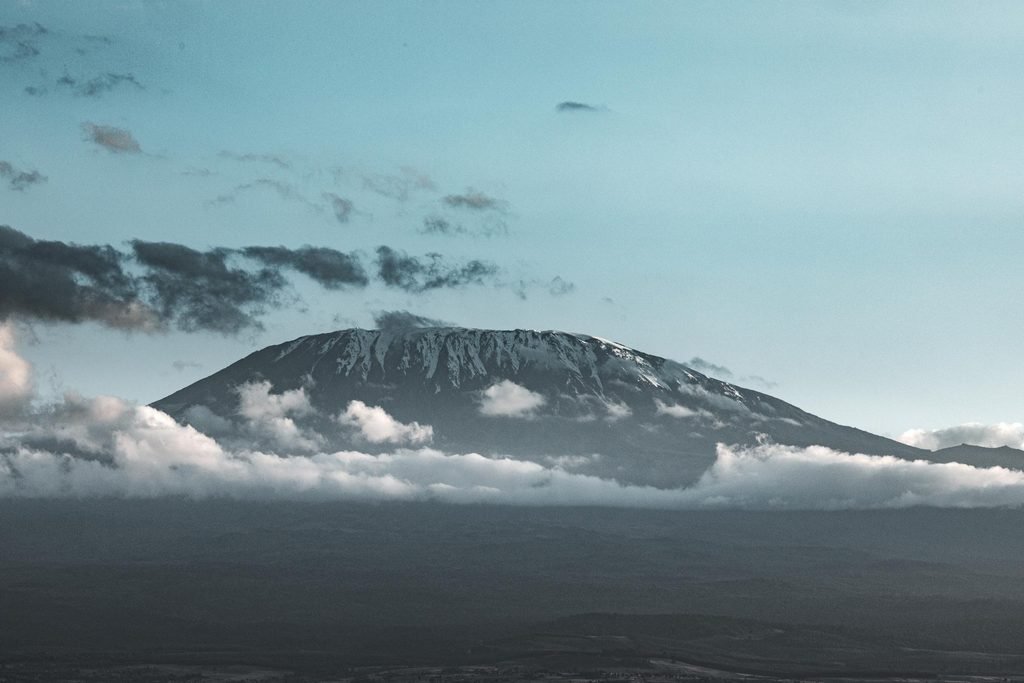
The best 7-days 2026-2027 Kilimanjaro Machame Overview
The seven-day Machame climb begins at Machame Gate and follows the southern approach towards the summit. After reaching Uhuru Peak, climbers descend through the Mweka Route.
Destination: Mount Kilimanjaro, Tanzania
Route: Machame Route
Duration: 7 days on the mountain
Highest point: Uhuru Peak, 5,895 metres
Starting gate: Machame Gate
Descent route: Mweka Route
Accommodation: Mountain camping
Difficulty: Challenging
Suitable for: Prepared hikers and adventure travellers
Travel seasons: 2026, 2027 and 2028, subject to availability
The itinerary below describes the standard seven-day Machame climb. Walking times and camp arrangements may change according to weather, trail conditions, group pace and the mountain team’s assessment.
Detailed 7-Day Kilimanjaro Machame Route Itinerary
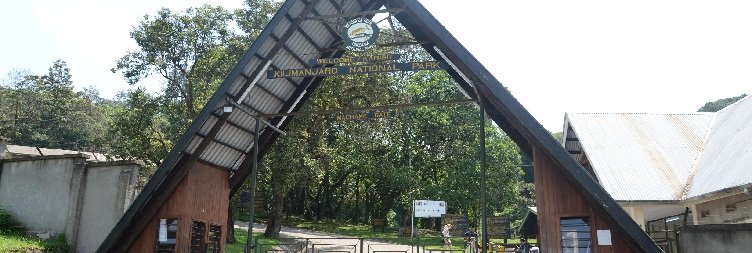
Day 1: Moshi or Arusha to Machame Gate – Trek to Machame Camp
Your Kilimanjaro adventure begins with a transfer from your hotel in Moshi or Arusha to Machame Gate. The drive takes you towards the southern slopes of the mountain, where the mountain team prepares for the climb.
At the gate, you complete the registration process while your guides and support crew organise the climbing equipment and luggage. This is also a good opportunity to ask any final questions before beginning the trek.
Once everything is ready, you enter the beautiful rainforest and start walking towards Machame Camp. The trail passes through a lush environment with tall trees, thick vegetation and a variety of mountain plants. You may hear birds calling from the forest and, if you are fortunate, see some of the wildlife that lives in this area.
The trail gradually climbs through the forest. Some sections can be muddy or slippery, especially after rainfall, so comfortable hiking boots and careful steps are important.
After several hours of trekking, you reach Machame Camp. The mountain crew prepares the campsite, and you have time to rest, enjoy dinner and receive a briefing about the next day’s journey.
Day 2: Machame Camp to Shira Camp
Machame Camp: Approximately 2,835 metres
Shira Camp: Approximately 3,750 metres
Environment: Moorland
After breakfast, you leave the rainforest and continue climbing towards the Shira Plateau. As you gain altitude, the thick forest gradually disappears and the landscape becomes more open.
The trail follows a series of ridges and rocky paths, with beautiful views of the mountain and surrounding valleys when the weather is clear. The vegetation changes, and you begin to notice the unique plants that survive in the moorland environment.
Although the walking distance may not appear too difficult, the increasing altitude can make the journey feel more demanding. Your guide will encourage you to walk slowly and maintain a comfortable rhythm.
During the day, you have opportunities to stop, drink water, take photographs and enjoy the scenery. Arriving at Shira Camp is another important milestone in your climb.
The Shira Plateau is one of the most attractive areas of the Machame Route. Its open landscape creates a wonderful atmosphere, especially when the mountain is visible against the sky.
At camp, you enjoy your evening meal and rest before continuing towards the higher sections of Kilimanjaro.
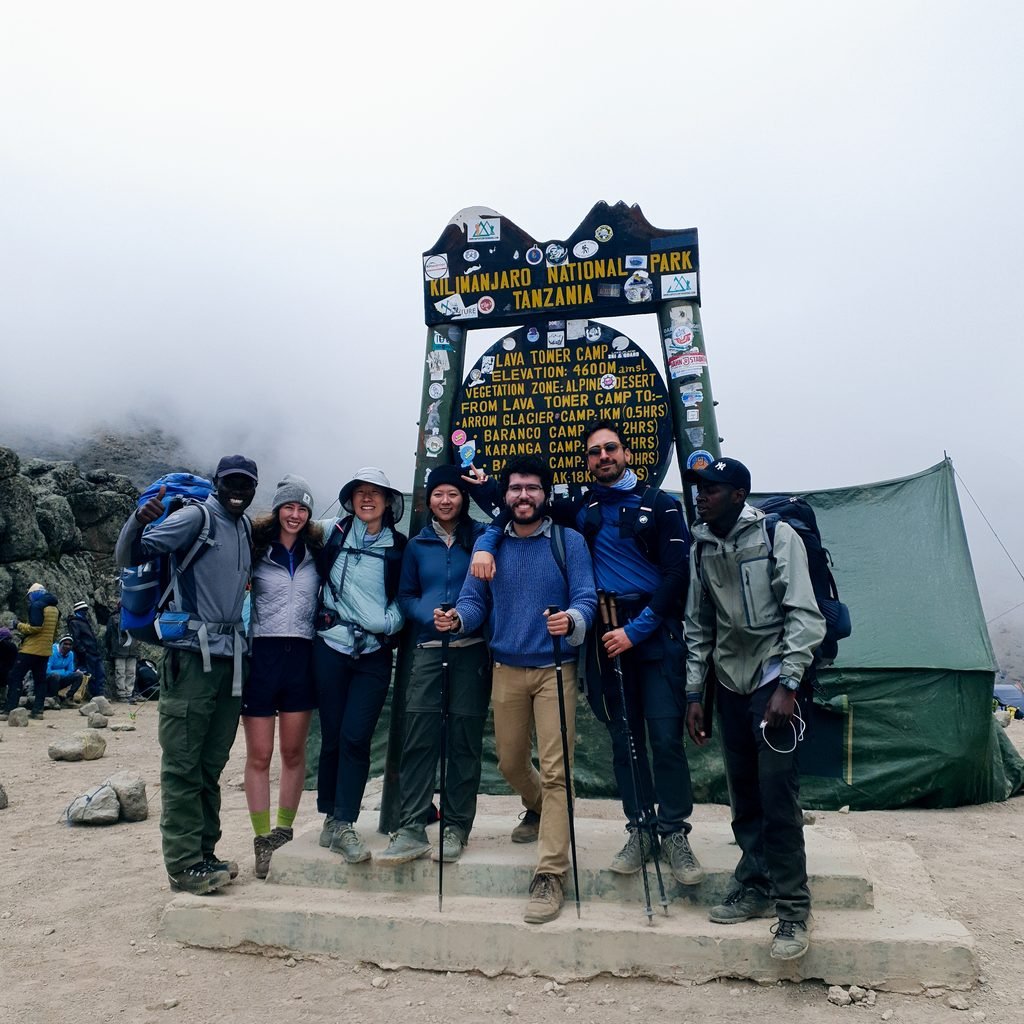
Day 3: Shira Camp to Lava Tower and Barranco Camp of The best 7-days 2026-2027 Kilimanjaro Machame
Day three is an important acclimatisation stage. After breakfast, you leave Shira Camp and begin climbing towards Lava Tower, gaining considerable altitude before descending to Barranco Camp.
The landscape becomes drier and more exposed as you approach the higher mountain. You will see rocky terrain, volcanic formations and impressive views of the upper slopes.
Reaching the Lava Tower area is a memorable part of the journey. At approximately 4,630 metres, the altitude may become noticeable, and some climbers may feel tired or experience mild altitude-related symptoms.
After spending time in the area, you descend towards Barranco Camp. This approach follows the acclimatisation principle of climbing high and sleeping lower. It gives your body an opportunity to experience a higher elevation before spending the night at a lower altitude.
Barranco Camp is located beneath the impressive Barranco Wall, one of the most recognisable natural features along the Machame Route. The surrounding scenery is dramatic, and the camp provides a beautiful place to rest after a demanding day.
Your guide will check on the group and discuss how everyone is feeling before the next stage.
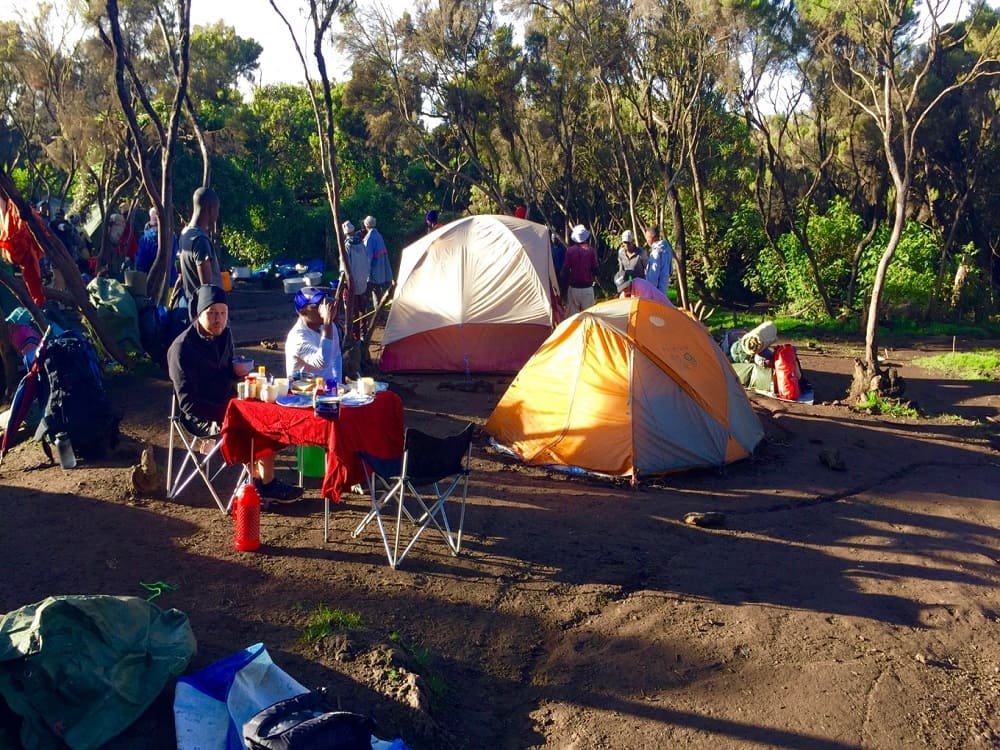
Day 4: Barranco Camp to Karanga Camp of The best 7-days 2026-2027 Kilimanjaro Machame
Barranco Camp: Approximately 3,960 metres
Karanga Camp: Approximately 3,995 metres
Environment: Alpine desert
The fourth day begins with the famous Barranco Wall. After breakfast, you approach the wall and start climbing along its rocky sections.
Although the wall looks steep from the campsite, the standard route is generally completed by careful scrambling and walking rather than technical rock climbing. Your guide will provide instructions and help the group move safely through the more challenging sections.
Reaching the top of the Barranco Wall is one of the most rewarding moments of the Machame Route. From here, you can enjoy beautiful views across the valleys and towards the higher slopes of Kilimanjaro.
The trail continues through ridges and valleys before reaching Karanga Camp. Some sections involve climbing and descending, so it is important to maintain a steady pace and avoid unnecessary rushing.
When you arrive at Karanga Camp, the mountain crew helps prepare the campsite. You can relax, enjoy a warm meal and take time to recover.
The relatively short elevation difference between Barranco and Karanga does not mean the day is effortless. The terrain itself makes this section an important part of the trek.
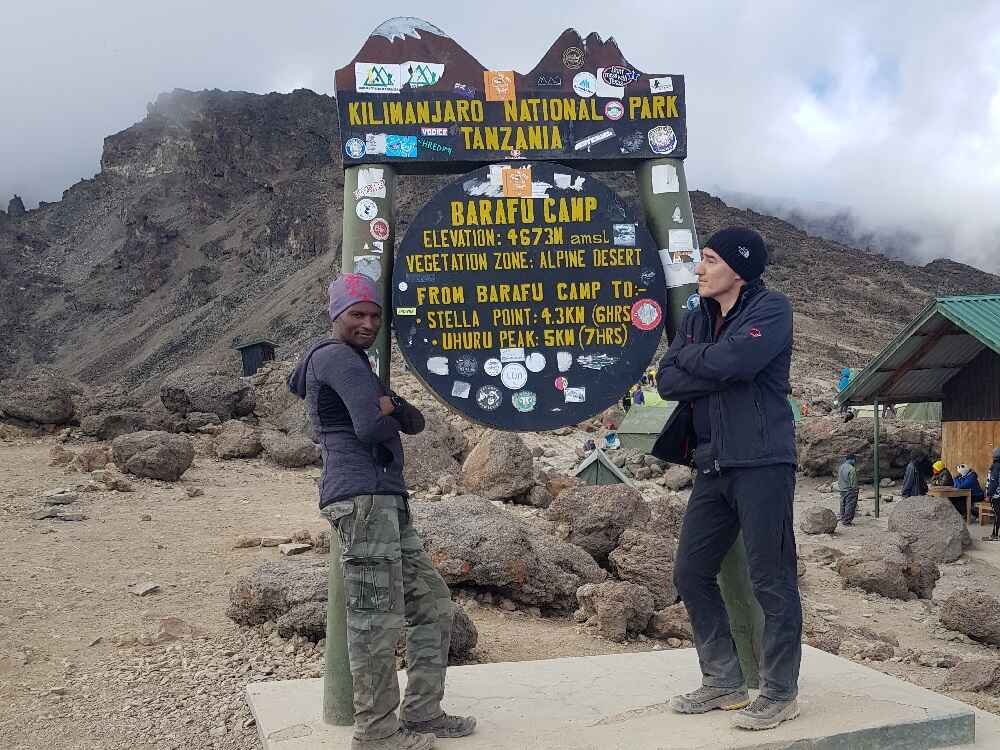
Day 5: Karanga Camp to Barafu Camp of The best 7-days 2026-2027 Kilimanjaro Machame
Karanga Camp: Approximately 3,995 metres
Barafu Camp: Approximately 4,673 metres
Environment: Alpine desert
After breakfast, you continue towards Barafu Camp, the final base camp before the summit attempt.
The trail climbs through a rocky and increasingly exposed landscape. As you move higher, the air becomes thinner and temperatures can become colder. Walking slowly is important because conserving energy is essential for the summit attempt.
Upon reaching Barafu Camp, you have an opportunity to rest and prepare for the most demanding stage of the adventure.
Your guides will provide a summit briefing, explaining the departure time, expected conditions, clothing requirements and safety procedures. You should organise your warm layers, gloves, headlamp, water and other essential equipment before resting.
Dinner is usually served early because the summit attempt often begins around midnight. Try to sleep and relax as much as possible, even if the altitude makes resting difficult.
Day 6: Barafu Camp to Uhuru Peak – Descend to Mweka Camp
Summit day is the most challenging and unforgettable part of the entire climb. Most groups begin the final ascent around midnight, although the exact time depends on the mountain team’s arrangements and weather conditions.
The climb starts in darkness. Headlamps light the trail as you walk slowly up the steep path towards the crater rim. The cold temperatures, high altitude and long hours of walking make this section physically demanding.
Your guide will encourage a slow and consistent pace. Taking regular breaks, staying warm and communicating how you feel are important throughout the ascent.
As the morning approaches, you may reach Stella Point on the crater rim. From here, the views can be spectacular, particularly when the first sunlight appears over the surrounding landscape.
The journey continues towards Uhuru Peak, standing at 5,895 metres above sea level. Reaching the highest point in Africa is a remarkable achievement. You can take photographs, celebrate your effort and enjoy the moment, while following your guide’s instructions about how long to remain at the summit.
After the summit experience, you begin descending towards Barafu Camp and continue to Mweka Camp after a short rest. The descent is long and requires concentration because tired legs and loose volcanic gravel can make walking difficult.
At Mweka Camp, you finally have time to rest after the demanding summit day.
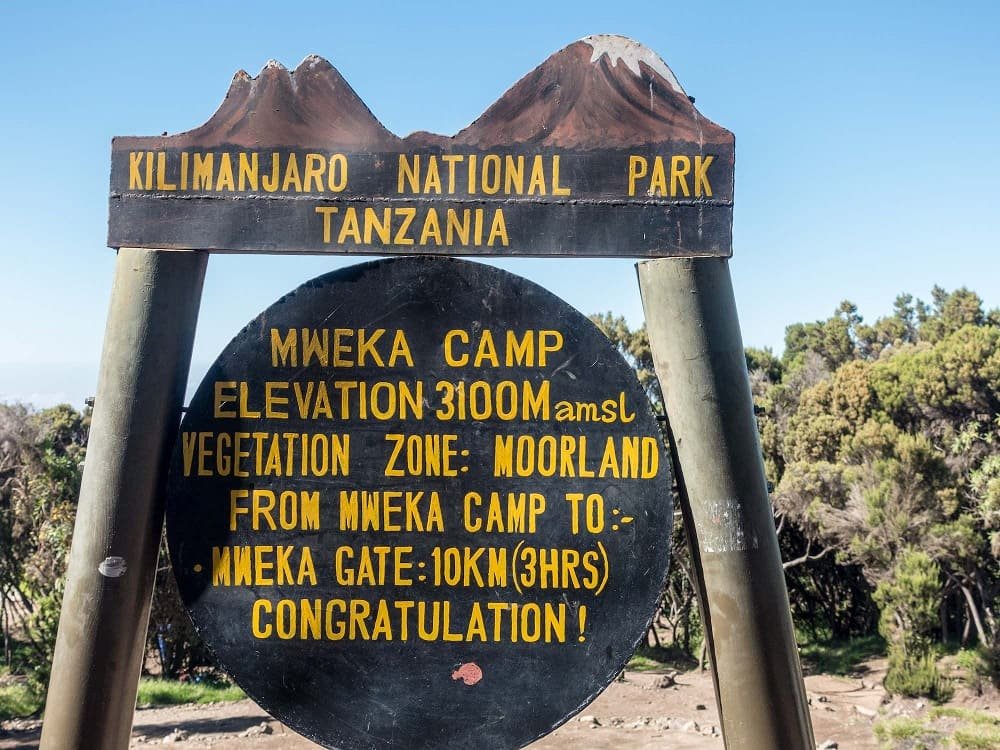
Day 7: Mweka Camp to Mweka Gate – Return to Moshi or Arusha
Mweka Camp: Approximately 3,100 metres
Mweka Gate: Approximately 1,640 metres
Environment: Rainforest
After breakfast, you begin the final descent through the rainforest towards Mweka Gate.
The environment changes once again as you move into the lower forest zone. The air becomes warmer, vegetation becomes thicker and the trail is surrounded by green mountain scenery.
Although your legs may feel tired after the summit attempt, reaching Mweka Gate marks the completion of your seven-day Machame Route adventure.
At the gate, you complete the necessary exit procedures and receive your climbing recognition where applicable. You then meet your transfer team for the return journey to Moshi or Arusha.
You can spend the evening relaxing at your hotel, enjoying a shower and reflecting on the experience of climbing Africa’s highest mountain.
Highlights of the 7-Day Machame Route
The seven-day Machame Route offers several memorable experiences that make it one of the most attractive ways to climb Kilimanjaro.
1. Exploring Kilimanjaro’s rainforest
The climb begins in a beautiful tropical forest filled with vegetation, birds and a peaceful natural atmosphere. It is a wonderful introduction to the mountain.
2. Walking across the Shira Plateau
The open landscape of the Shira Plateau provides impressive mountain views and a completely different environment from the rainforest.
3. Acclimatisation at Lava Tower
The journey towards Lava Tower allows climbers to reach a higher elevation before descending to Barranco Camp, supporting a gradual approach to acclimatisation.
4. Climbing the Barranco Wall
This famous section adds excitement to the trek and rewards climbers with beautiful views from the top.
5. Reaching Uhuru Peak
Standing at 5,895 metres is the ultimate highlight of the journey and an unforgettable achievement for many travellers.
6. Experiencing different climate zones
The route passes through several ecological environments, giving you a unique opportunity to experience the natural diversity of Mount Kilimanjaro.
What Is Included in the Ultimate Full Package?
The exact services included in a full Kilimanjaro package should always be confirmed in the written quotation. A typical organised seven-day Machame package may include the following services:
- Kilimanjaro National Park entrance fees.
- Applicable camping fees and conservation charges.
- Professional mountain guides.
- Supporting mountain crew according to the package arrangement.
- Meals during the mountain trek.
- Drinking water arrangements during the climb.
- Mountain camping arrangements.
- Transfers between the hotel and mountain gates, as specified.
- Pre-climb briefing and equipment checks.
- Applicable taxes and park-related charges.
- Rescue arrangements required under park regulations.
Before booking, ask for confirmation of the number of guides and crew members, the camping equipment provided, meals, transfers and any additional services included in your selected package.
What Is Not Included in the Package?
Some travel expenses are normally paid separately unless they are specifically included in your quotation. These may include:
- International flights to and from Tanzania.
- Visa fees, where applicable.
- Personal travel and high-altitude trekking insurance.
- Personal hiking equipment and clothing.
- Tips for guides and mountain crew.
- Personal expenses.
- Accommodation before or after the climb, unless specified.
- Meals outside the mountain itinerary, unless specified.
- Optional activities and additional services not listed in the quotation.
Having a clear understanding of inclusions and exclusions helps you plan your budget and prepare for your trip without unnecessary surprises.
Best Time to Climb Kilimanjaro in 2026, 2027 and 2028
Kilimanjaro can be climbed throughout the year, but weather conditions change from season to season.
January to March: These months are generally popular for climbing, with opportunities for relatively favourable weather. Conditions can still vary, especially at higher elevations.
June to October: This is another popular period because conditions are often drier. Many travellers choose these months for their Kilimanjaro adventure.
November to December: The short rainy season may bring showers, although climbing remains possible. Waterproof clothing and suitable footwear are important.
April to May: These months generally experience the longer rainy season. Trails may be wetter, and cloud cover can affect visibility.
For your 2026, 2027 or 2028 adventure, select your travel dates according to your preferences, available group departures and weather considerations. Remember that mountain weather is unpredictable, and no month guarantees perfect conditions.
How Difficult Is the Seven-Day Machame Route?
The seven-day Machame Route is a challenging high-altitude trek. You should be prepared to walk for several hours on consecutive days, sometimes on steep and rocky trails.
The summit attempt is especially demanding because it usually begins at night and involves climbing to 5,895 metres. At this altitude, the body receives less available oxygen, and even physically fit people can experience difficulties.
You do not need to be an expert climber, but good physical preparation is essential. Regular walking, hiking, stair climbing and cardiovascular training can help build endurance before your trip.
It is also important to understand that fitness does not guarantee successful acclimatisation. Every person responds differently to altitude, and your guide may recommend stopping or descending if your health becomes a concern.
Essential Equipment for Your Kilimanjaro Climb
Packing appropriate equipment helps you remain comfortable during changing mountain conditions. The lower slopes can be warm and humid, while the summit area can be extremely cold.
Important items include:
- Waterproof hiking jacket and trousers.
- Warm insulated jacket.
- Thermal base layers.
- Fleece or warm mid-layer.
- Hiking trousers and moisture-wicking shirts.
- Warm gloves and spare gloves.
- Warm hat and sun hat.
- Neck gaiter or buff.
- Well-broken-in hiking boots.
- Comfortable camp shoes.
- Warm hiking socks.
- Headlamp with spare batteries.
- Sunglasses and sunscreen.
- Reusable water bottles or a suitable hydration system.
- Daypack and duffel bag.
- Personal toiletries and basic first-aid supplies.
Your tour operator should provide a detailed packing list before departure. Consult a healthcare professional about personal medication and any medical concerns before undertaking a high-altitude trek.
Safety and Acclimatisation During the Climb
Safety should always be the priority when climbing Mount Kilimanjaro. Altitude sickness can affect anyone, regardless of age, fitness or previous hiking experience.
Walk slowly, drink fluids regularly, eat enough food and inform your guide if you feel unwell. Symptoms such as headaches, dizziness, nausea, unusual tiredness and loss of appetite should be reported promptly.
Severe symptoms, including confusion, difficulty walking straight or breathlessness at rest, require urgent attention and descent. Never hide symptoms because you want to reach the summit.
Before booking, ask your operator about guide arrangements, altitude monitoring, emergency procedures and evacuation support. You should also purchase suitable travel insurance that specifically covers high-altitude trekking to at least 6,000 metres and emergency evacuation.
Why Choose EKO Tanzania Adventures for Your Kilimanjaro Climb?
Choosing a reliable local tour operator is an important part of planning a successful mountain adventure. A well-organised Kilimanjaro climb requires clear communication, experienced mountain leadership, proper preparation and a team that understands the conditions of the mountain.
EKO Tanzania Adventures is a Tanzania-based tour company offering Kilimanjaro climbing experiences and wildlife safaris in northern Tanzania. Our goal is to help travellers plan an enjoyable and well-organised adventure while understanding the physical demands and practical arrangements involved.
We can help you review the seven-day Machame itinerary, discuss your preferred travel dates and understand the services included in your selected package. Our team can also explain the equipment you need, the expected mountain conditions and the arrangements for starting and finishing your climb.
Whether you are travelling alone, with friends, as a couple or as part of a group, you can discuss an arrangement that suits your travel plans and budget.
A good climbing experience begins before you reach the mountain gate. It starts with honest information, suitable preparation and a clear understanding of what the journey involves.
Combine Your Kilimanjaro Climb with a Tanzania Safari
After spending seven days climbing Kilimanjaro, you may wish to continue exploring Tanzania’s famous wildlife destinations.
Tarangire National Park is well known for its elephant herds, ancient baobab trees and beautiful savannah landscapes. Serengeti National Park offers excellent opportunities to observe wildlife across its vast plains, including lions, elephants, giraffes, cheetahs and other animals.
The Ngorongoro Crater is another remarkable destination. Its dramatic volcanic landscape and rich wildlife make it one of the most memorable safari locations in northern Tanzania.
You can choose a short safari or extend your holiday with a longer itinerary depending on your available time and interests. Zanzibar is also an excellent option if you would like to finish your holiday with beautiful beaches, warm ocean water and cultural experiences.
Combining Kilimanjaro, a wildlife safari and Zanzibar creates an exciting Tanzania holiday with mountain adventure, nature and relaxation.
Frequently Asked Questions
1. How many days does the Machame Route take?
The Machame Route is commonly completed in six or seven days. The seven-day itinerary offers an additional day that can support a more gradual acclimatisation schedule.
2. Is the seven-day Machame Route good for beginners?
It can be suitable for beginners who prepare properly, have a reasonable level of fitness and understand the challenges of high altitude. Previous mountain experience is helpful but not essential.
3. What is the highest point of the climb?
The highest point is Uhuru Peak at 5,895 metres above sea level, the highest point in Africa.
4. Do I need technical climbing experience?
Technical mountaineering skills are not normally required for the standard Machame Route. However, you should be comfortable hiking on uneven terrain and following your guide’s instructions on rocky sections.
5. Can I join a group climb in 2026, 2027 or 2028?
Group departures may be available during these years, depending on the operator’s schedule and available spaces. Contact EKO Tanzania Adventures with your preferred dates to discuss the arrangements.
6. What accommodation is used during the climb?
The standard Machame Route uses mountain camps. Confirm the tent arrangements, sleeping equipment and other camping services included in your package before booking.
7. Is reaching Uhuru Peak guaranteed?
No. Summit success cannot be guaranteed because altitude, weather and individual health conditions can affect the climb. Your safety must always come first.
8. Can I climb Kilimanjaro and go on safari afterwards?
Yes. You can arrange a safari after the climb and visit destinations such as Tarangire, Serengeti and Ngorongoro. Allow time to rest and recover after the mountain trek.
Book Your 7-Day Kilimanjaro Machame Route Ultimate Full Package
Climbing Mount Kilimanjaro is a remarkable experience that brings together natural beauty, physical challenge and personal achievement. From the rainforest at the beginning of the journey to the open landscapes of the Shira Plateau, the famous Barranco Wall and the final ascent to Uhuru Peak, every day offers a new experience.
The seven-day Machame Route is an excellent choice for travellers who want to explore Kilimanjaro through a scenic route with additional time for acclimatisation compared with the six-day option. It offers a memorable mountain adventure for individuals, couples, friends and organised groups.
If you are planning to climb in 2026, 2027 or 2028, EKO Tanzania Adventures can help you discuss your preferred travel arrangements and prepare for the journey.
Book Your Kilimanjaro 7-Day Machame Route with EKO Tanzania Adventures.
To receive a suitable climbing proposal, share your preferred travel dates, number of climbers, starting point in Moshi or Arusha, accommodation preferences, budget and previous hiking experience. Our team can help you understand the itinerary, review the package arrangements and plan an adventure that matches your expectations.
Your journey to the Roof of Africa begins with good preparation, the right support and the excitement of discovering one of Tanzania’s greatest natural treasures.