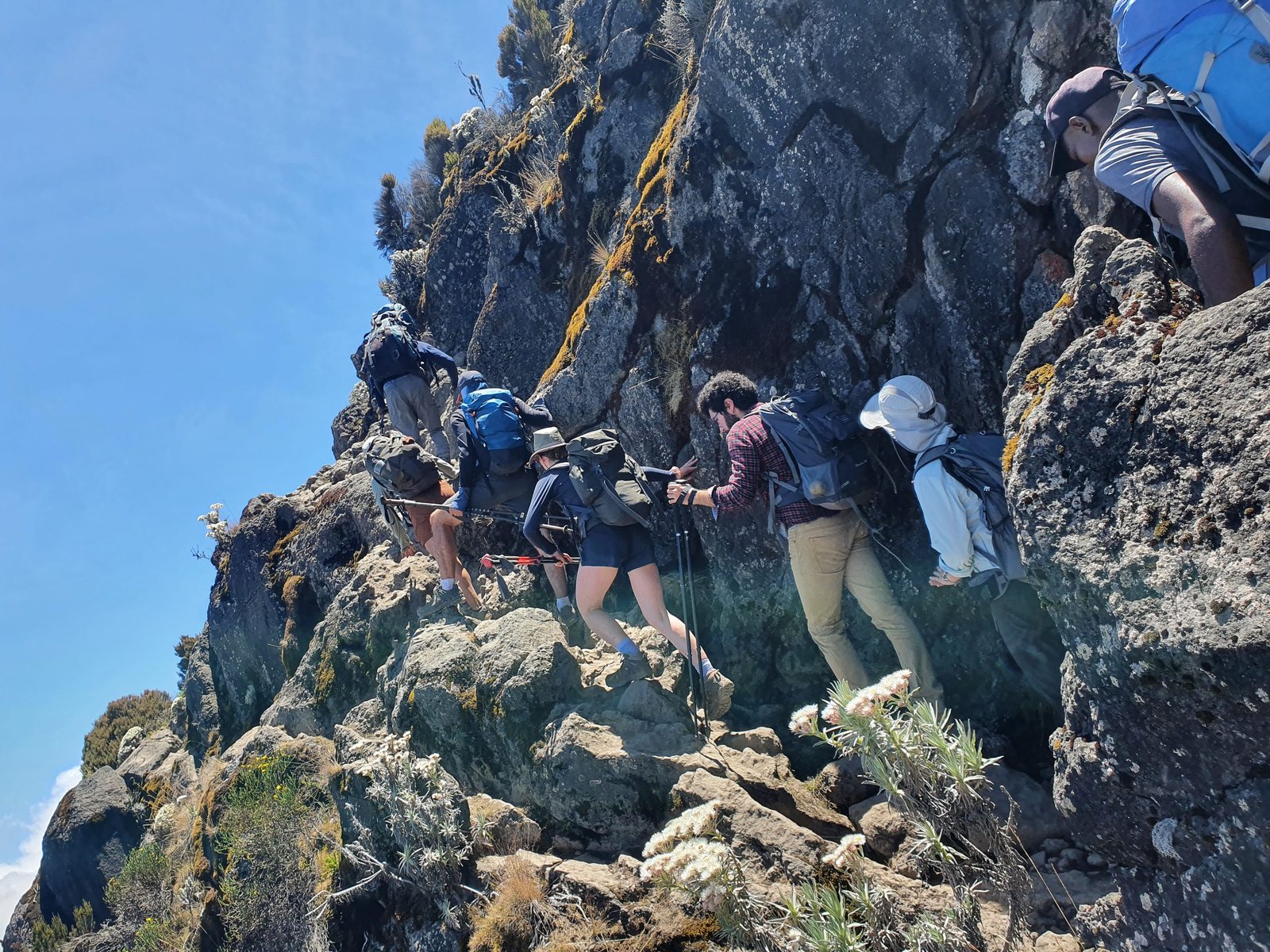
The Top Kilimanjaro Climbing Company in Arusha: 9 Strong Indications That Your Summit Team Is Reliable in 2026–2028;Climbing Mount Kilimanjaro is one of those adventures that people remember for the rest of their lives. Standing on Uhuru Peak, the highest point in Africa, is an incredible achievement but reaching that summit is about much more than having strong legs and a good pair of hiking boots.
The company you choose, the guides who lead you, the route you take, the quality of your preparation, and the way your mountain team responds to changing conditions can all influence your experience.
For travelers arriving in Tanzania in 2026, 2027, or 2028, Arusha is an important starting point for organizing a Kilimanjaro adventure. Although Mount Kilimanjaro itself is located farther east near Moshi, many international travelers begin their Tanzania journey in Arusha because of its established tourism infrastructure and convenient connections to northern Tanzania’s safari destinations.
At Eko Tanzania Adventures, we believe that choosing a climbing company should not be based simply on the cheapest price or the most impressive advertisement. A reliable operator should be able to explain what is included, prepare you properly, communicate clearly, prioritize safety, and treat both travelers and mountain crews with respect.
This complete guide explains nine strong indications that your Kilimanjaro summit team is reliable and provides a practical package framework for travelers planning to climb Kilimanjaro in 2026, 2027, or 2028.
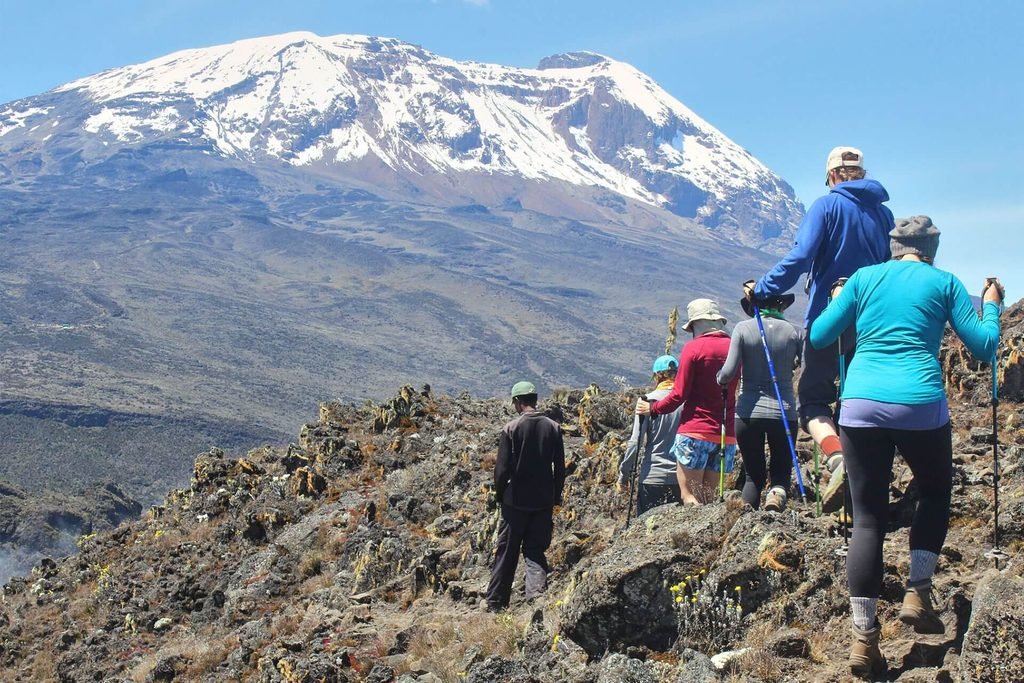
Why Choosing the Right Kilimanjaro Company Matters:The Top Kilimanjaro Climbing Company in Arusha: 9 Strong Indications That Your Summit Team Is Reliable in 2026–2028
Mount Kilimanjaro rises to approximately 5,895 meters (19,341 feet) above sea level.
It is the highest mountain in Africa and the world’s highest free-standing mountain.
Despite the fact that most routes do not require technical mountaineering equipment, Kilimanjaro should not be underestimated.
Altitude is one of the major challenges.
A person can be extremely fit and still experience altitude-related symptoms. At high elevations, the body needs time to adjust to reduced oxygen availability.
That is why a responsible climbing company should focus on more than simply getting clients to the summit.
A good team should understand:
- Acclimatization
- Pace management
- Weather changes
- Altitude symptoms
- Emergency procedures
- Route conditions
- Mountain logistics
- Communication
- Proper nutrition and hydration
- Teamwork
Your operator is therefore an important part of your overall Kilimanjaro experience.
The 9 Strong Indications of a Reliable Kilimanjaro Summit Team
1. The Company Gives You Clear and Honest Information
One of the first signs of a professional climbing company is straightforward communication.
Before paying a deposit, you should be able to understand:
- Which route you will climb
- How many days the climb takes
- Where you will sleep
- What meals are included
- What transportation is provided
- What equipment is supplied
- What park fees are included
- What is excluded
- What happens if the itinerary changes
- How emergency situations are handled
A company should not make you feel uncomfortable asking questions.
If a quotation is unclear, ask for clarification.
For example, a headline price may not tell you whether park fees, accommodation before or after the climb, airport transfers, crew wages, or equipment are included.
At Eko Tanzania Adventures, we recommend that travelers request a detailed itinerary and quotation before confirming their climb.
Transparency makes it easier for both sides to understand what has been agreed.
2. Safety Is Treated as a Priority
Safety should never be an afterthought on Kilimanjaro.
A responsible mountain team understands that reaching the summit is important, but returning safely is more important.
Your guides should monitor your condition throughout the climb.
They should be attentive to symptoms such as:
- Headache
- Nausea
- Dizziness
- Unusual fatigue
- Shortness of breath
- Loss of appetite
- Difficulty sleeping
- Confusion
- Poor coordination
Not every symptom automatically indicates a dangerous condition, but changes at altitude should be taken seriously.
A reliable team should also have a clear plan for dealing with deteriorating weather, illness, injury, or serious altitude problems.
Travelers should be encouraged to communicate honestly rather than hide symptoms because they are afraid of disappointing the group.
A professional guide understands that mountain safety comes before summit ambition.
3. Your Guides Are Experienced and Communicate Well
Your guide may become one of the most important people in your Kilimanjaro journey.
A good guide does much more than walk in front of the group.
The guide manages pace, monitors the group, explains the route, communicates with support staff, provides encouragement, and helps travelers understand what to expect.
Communication is particularly important.
Before starting, your guide should explain basic mountain procedures and expectations.
During the climb, you should feel comfortable asking questions.
The famous Kilimanjaro principle of pole pole, meaning “slowly, slowly,” is important for acclimatization.
A guide who constantly pushes a group to walk quickly may not be giving altitude adaptation the attention it deserves.
A steady pace allows the body more time to adjust.
4. The Itinerary Allows Time for Acclimatization
When comparing Kilimanjaro packages, travelers often focus on price and the number of days.
However, the number of days matters for more than convenience.
In general, longer itineraries provide more time for acclimatization than very short climbs.
Popular routes include:
- Machame Route
- Lemosho Route
- Marangu Route
- Rongai Route
- Northern Circuit
- Umbwe Route
Each route has different characteristics.
For travelers who want a more gradual experience, longer itineraries may provide additional acclimatization opportunities.
For example, a seven-day Machame itinerary gives more time than a very compressed climb.
The Northern Circuit is another option for travelers who want a longer route with more time on the mountain.
A reliable operator should explain these differences instead of simply selling the shortest available package.
5. The Company Provides a Detailed Equipment List
Before your climb, you should know exactly what you need to bring.
Kilimanjaro passes through several climate zones.
At lower elevations, temperatures can be relatively warm.
Near the summit, conditions can be extremely cold.
A typical packing list may include:
- Waterproof hiking boots
- Warm sleeping bag
- Thermal base layers
- Fleece jacket
- Insulated jacket
- Waterproof jacket
- Waterproof trousers
- Warm hat
- Gloves
- Hiking trousers
- Moisture-wicking shirts
- Hiking socks
- Sunglasses
- Headlamp
- Trekking poles
- Water bottles or hydration system
- Sunscreen
- Personal toiletries
- Small backpack
- Duffel bag
- Personal medication
Some climbing companies provide or rent selected equipment.
A trustworthy company should clearly identify which items are included and which are available for hire.
This prevents unpleasant surprises immediately before the climb.
6. The Mountain Crew Is Treated Professionally
Your summit experience depends on an entire team.
Behind the guide, there may be assistant guides, cooks, porters, and other support staff.
These people carry equipment, prepare meals, establish camps, provide logistical support, and help keep the expedition organized.
A responsible climbing company should treat its mountain crew with dignity.
Travelers should pay attention to questions such as:
- Are porter responsibilities clearly explained?
- Is equipment distributed responsibly?
- Are crew members treated respectfully?
- Are working conditions taken seriously?
- Is the company transparent about tipping expectations?
Responsible tourism should benefit the people who make the climb possible.
At Eko Tanzania Adventures, we believe the mountain experience should be respectful not only to our clients but also to the Tanzanian professionals who work on Kilimanjaro.
7. The Company Has a Clear Emergency and Evacuation Plan
Nobody begins a Kilimanjaro climb expecting an emergency.
Nevertheless, responsible planning means preparing for unexpected situations.
Ask your operator what procedures are followed if:
- A climber becomes seriously ill
- Someone suffers an injury
- Weather conditions deteriorate
- A climber needs to descend early
- An emergency evacuation becomes necessary
You should also have appropriate travel insurance that covers the activities you are undertaking.
A reliable company should not discourage you from asking these questions.
In fact, transparent discussion about emergency procedures is one of the most practical ways to understand how seriously an operator approaches mountain safety.
8. The Company Does Not Promise a Guaranteed Summit
This may sound surprising, but a responsible company should not guarantee that every traveler will reach Uhuru Peak.
There are many variables on Kilimanjaro.
These include:
- Individual acclimatization
- Weather
- Fitness
- Altitude response
- Illness
- Fatigue
- Route conditions
A company that promises an effortless or guaranteed summit may be giving you unrealistic expectations.
A better approach is to prepare properly, choose an appropriate itinerary, move at a suitable pace, monitor your condition, and make decisions based on safety.
Reaching the summit is a tremendous achievement.
But a safe descent is part of the achievement too.
9. The Company Offers a Personalized Climbing Experience
A reliable operator understands that travelers are not identical.
One climber may have extensive hiking experience.
Another may be climbing a major mountain for the first time.
One person may prefer camping.
Another may want additional hotel nights.
One traveler may need equipment rental.
Another may bring everything from home.
Your company should therefore be willing to discuss your needs.
Important questions include:
- What is your hiking experience?
- Have you climbed at altitude before?
- Which route interests you?
- How many people are in your group?
- What is your preferred travel date?
- What accommodation do you prefer?
- Do you need rental equipment?
- Are you combining Kilimanjaro with a safari or Zanzibar holiday?
Personalization can make the planning process much smoother.
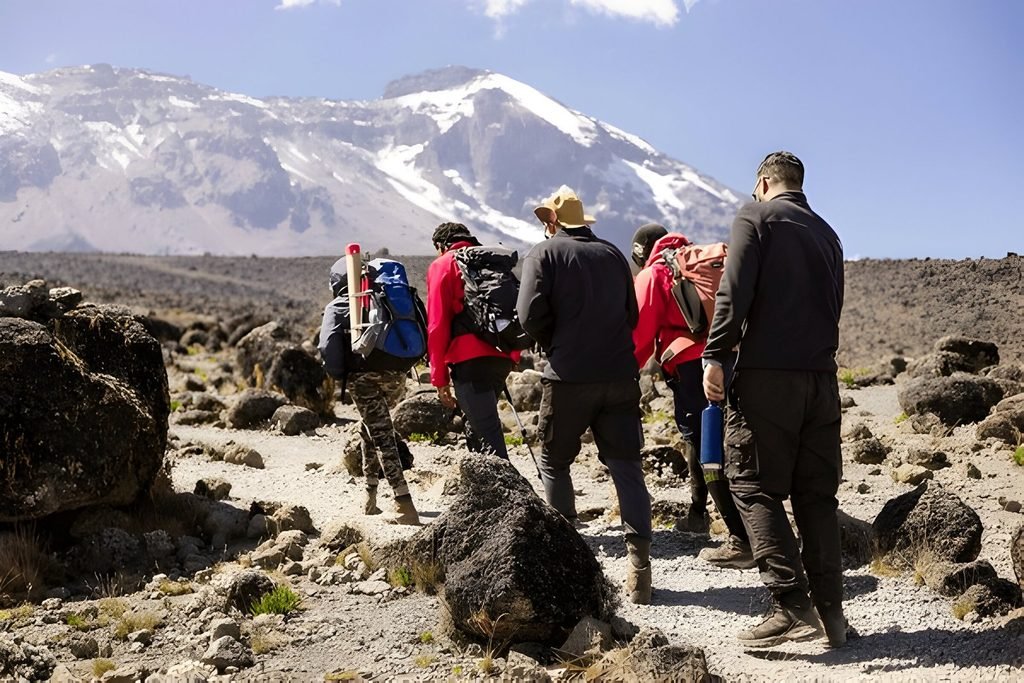
Popular Kilimanjaro Routes for 2026–2028:The Top Kilimanjaro Climbing Company in Arusha: 9 Strong Indications That Your Summit Team Is Reliable in 2026–2028
Machame Route
The Machame Route is one of the best-known routes on Kilimanjaro.
It passes through several ecological zones and offers varied scenery.
The route is commonly completed over approximately six or seven days, although longer options can also be planned.
It is a camping route and is often chosen by travelers who want a classic mountain adventure.
Lemosho Route
The Lemosho Route approaches Kilimanjaro from the western side.
It is known for beautiful scenery and a longer approach that can provide useful acclimatization time.
Many travelers choose a seven- or eight-day itinerary.
For travelers who value gradual progression and additional time on the mountain, this route can be considered.
Marangu Route
Marangu is distinctive because trekkers sleep in mountain huts rather than tents.
The route is often completed in five or six days, although longer itineraries can be arranged.
It follows the same ascent and descent path, unlike some routes that use different descent routes.
Rongai Route
Rongai approaches Kilimanjaro from the northeastern side near the Tanzania-Kenya border.
It offers a different landscape and can provide a quieter trekking experience depending on the season.
It is also known for its relatively gradual approach.
Northern Circuit
The Northern Circuit is the longest major route option.
Its extended itinerary allows travelers to spend more time exploring the mountain and acclimatizing.
It is particularly attractive to hikers who prefer a slower, longer expedition rather than rushing toward the summit
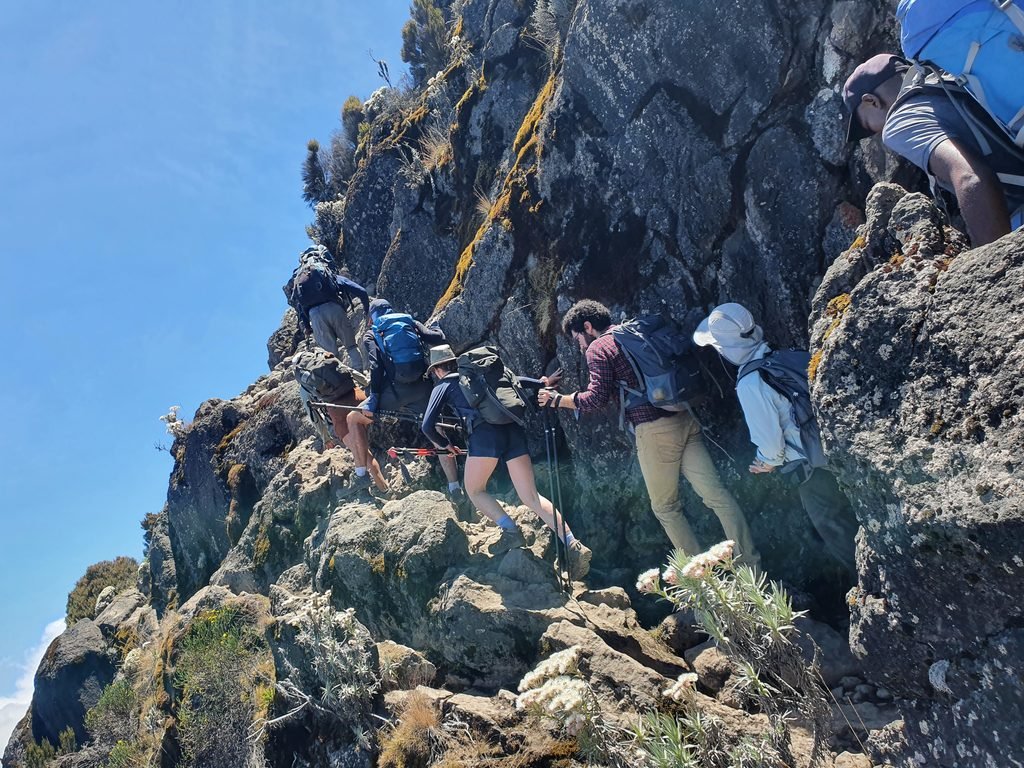
7-Day Machame Kilimanjaro Package:The Top Kilimanjaro Climbing Company in Arusha: 9 Strong Indications That Your Summit Team Is Reliable in 2026–2028
For travelers considering a classic itinerary, the following is an example.
Day 1: Machame Gate – Machame Camp
Your guide meets you and transfers you to Machame Gate.
After registration, the trek begins through the rainforest.
You may see birds and monkeys among the vegetation.
Overnight: Machame Camp
Meals: Lunch and dinner
Day 2: Machame Camp – Shira Camp
The vegetation changes as you gain elevation.
The rainforest gradually gives way to moorland and open terrain.
Overnight: Shira Camp
Meals: Breakfast, lunch and dinner
Day 3: Shira Camp – Barranco Camp
You climb toward Lava Tower before descending toward Barranco.
This helps provide an important acclimatization pattern: climbing higher before sleeping lower.
Overnight: Barranco Camp
Meals: Breakfast, lunch and dinner
Day 4: Barranco – Karanga Camp
The famous Barranco Wall provides an exciting section of the trek.
After reaching the top, continue toward Karanga.
Overnight: Karanga Camp
Meals: Breakfast, lunch and dinner
Day 5: Karanga – Barafu Camp
The landscape becomes increasingly alpine.
You reach Barafu Camp, where you rest and prepare for summit night.
Overnight: Barafu Camp
Meals: Breakfast, lunch and dinner
Day 6: Barafu – Uhuru Peak – Mweka Camp
This is the summit day.
You begin during the night and ascend toward Stella Point.
If conditions and your physical state permit, continue toward Uhuru Peak.
At the summit, take a moment to appreciate the achievement.
Then descend toward Mweka Camp.
Overnight: Mweka Camp
Meals: Breakfast, lunch and dinner
Day 7: Mweka Camp – Mweka Gate – Arusha
After breakfast, descend through the forest toward Mweka Gate.
At the gate, complete the necessary procedures before transferring back to Arusha.
Meals: Breakfast and lunch
This is an example itinerary; the exact route and schedule should be confirmed based on the selected package.
Estimated Kilimanjaro Climbing Costs for 2026–2028
There is no universal Kilimanjaro price because costs depend on route, duration, group size, accommodation, transfers, equipment, park fees, and other services.
As a general planning guide:
| Climb Type | Estimated Cost Per Person |
|---|---|
| 5-Day Marangu | USD 1,250 |
| 6-Day Marangu | USD 1,700 |
| 6-Day Machame | USD 1 |
| 7-Day Machame | USD 1,900 |
| 7-Day Rongai | USD 1,900 |
| 7-Day Lemosho | USD 2,000 |
| 8-Day Lemosho | USD 2,200 |
| 9-Day Northern Circuit | USD 2,500 |
These figures are planning estimates, not fixed quotations. Actual prices for 2026, 2027, and 2028 should be confirmed according to the exact itinerary, travel dates, group size, accommodation, park charges, and services selected.
A very low advertised price should be examined carefully.
Ask what is included before comparing quotations.
What Is Normally Included?
A complete Kilimanjaro climbing package from Eko Tanzania Adventures can include:
- Pre-climb briefing
- Professional mountain guides
- Assistant guides according to group requirements
- Porters
- Mountain cook
- Park entry fees
- Camping or hut fees according to route
- Rescue fees
- Meals during the climb
- Drinking water during the trek
- Tents for camping routes
- Sleeping arrangements according to route
- Transfers related to the climb
- Hotel accommodation before or after the climb where specified
- Government taxes and applicable service charges
The exact inclusions should be stated clearly in the final quotation.
What Is Usually Not Included?
Travelers should normally budget separately for:
- International flights
- Tanzania visa
- Travel insurance
- Personal travel expenses
- Personal clothing and hiking equipment
- Equipment rental unless included
- Tips for guides, porters, and other crew
- Alcoholic drinks
- Laundry
- Additional hotel nights
- Personal medication
- Expenses caused by itinerary changes outside the agreed package
Preparing for Your Kilimanjaro Climb
Preparation should begin before arriving in Tanzania.
You do not need to become an elite athlete.
However, you should prepare your body for long days of walking.
Useful training includes:
- Long-distance walking
- Hiking
- Stair climbing
- Hill walking
- Strength exercises
- Regular cardiovascular exercise
Try to train while carrying a daypack similar to the one you expect to use on the mountain.
More importantly, practice walking at a comfortable pace for several hours.
Kilimanjaro is an endurance challenge rather than a race.
Mental Preparation Matters Too
Your mindset can make a significant difference.
There will probably be moments when the mountain feels difficult.
You may wake up tired.
The weather may change.
The trail may become steep.
The summit night may be physically demanding.
A positive but realistic attitude can help.
Instead of thinking only about the summit, concentrate on the next step, the next rest point, or the next camp.
Your guides are there to support you, but your willingness to communicate honestly is equally important.
Food and Hydration on the Mountain
Nutrition is an important part of the expedition.
Meals should provide enough energy for long hiking days.
Typical meals may include combinations of:
- Rice
- Pasta
- Potatoes
- Vegetables
- Soup
- Meat
- Eggs
- Bread
- Fruit
- Porridge
- Tea
- Coffee
Drinking enough fluids is also important.
Your guide and support team can advise you about hydration during the trek.
Because individual needs differ, travelers should discuss dietary restrictions and allergies with the operator before the climb.
Combining Kilimanjaro With a Tanzania Safari
One of the great advantages of choosing northern Tanzania for your adventure is the opportunity to combine mountain trekking with a safari.
After descending from Kilimanjaro, you can continue to destinations such as:
- Serengeti National Park
- Ngorongoro Crater
- Tarangire National Park
- Lake Manyara
- Arusha National Park
A combination itinerary allows you to experience two very different sides of Tanzania.
On the mountain, you challenge yourself physically.
On safari, you slow down and observe wildlife.
You can also extend your trip to Zanzibar for beaches and Indian Ocean experiences.
A Practical Booking Checklist for 2026–2028
Before confirming your Kilimanjaro climb, ask your company:
Route
Which route will I use?
Duration
How many days will I spend on the mountain?
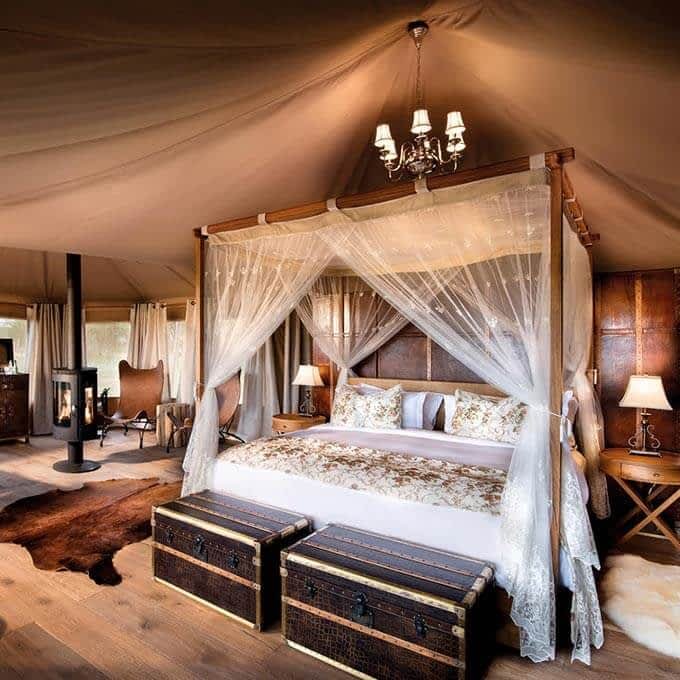
Accommodation:The Top Kilimanjaro Climbing Company in Arusha: 9 Strong Indications That Your Summit Team Is Reliable in 2026–2028
Will I sleep in tents, huts, or hotels?
Safety
What procedures are followed if I become unwell?
Guide
How experienced are the guides?
Crew
How many porters and support staff will accompany the group?
Equipment
Which equipment is supplied or available for rental?
Meals
What meals are included?
Transfers
Are airport and hotel transfers included?
Park fees
Are all applicable mountain fees included?
Insurance
What insurance do I need?
Tipping
What are the company’s recommendations for tipping?
Cancellation
What happens if I need to cancel or change my dates?
The answers should be clear before you pay.
Why Eko Tanzania Adventures?
At Eko Tanzania Adventures, we approach Kilimanjaro climbing as a complete experience rather than simply a race to the summit.
Our goal is to help travelers understand the mountain before they climb it.
That includes discussing the route, duration, equipment, accommodation, meals, logistics, and practical preparation.
We can organize different Kilimanjaro routes according to your preferred schedule and combine your climb with a Tanzania safari or Zanzibar holiday.
Whether you are a first-time trekker or an experienced hiker, the planning process should remain transparent.
A successful expedition is built through preparation, communication, experienced mountain personnel, responsible logistics, and respect for the mountain environment.
Final Thoughts
The Top Kilimanjaro Climbing Company in Arusha: 9 Strong Indications That Your Summit Team Is Reliable in 2026–2028;Choosing a Kilimanjaro climbing company is one of the most important decisions you will make before your expedition.
Do not judge an operator only by its website, photographs, or advertised price.
Look deeper.
Ask questions.
Read the itinerary carefully.
Understand the inclusions.
Discuss safety.
Ask about acclimatization.
Find out how the mountain crew is treated.
Understand the equipment arrangements.
Most importantly, choose an itinerary that gives you a realistic opportunity to adapt to altitude rather than simply choosing the shortest and cheapest option.
The nine signs of a reliable summit team are therefore practical:
- Clear and honest information
- A serious approach to safety
- Experienced and communicative guides
- Adequate acclimatization time
- A detailed equipment plan
- Professional treatment of mountain crews
- A clear emergency plan
- No unrealistic summit guarantees
- A personalized approach to each traveler
For travelers planning a Kilimanjaro adventure in 2026, 2027, or 2028, Eko Tanzania Adventures can help turn your plans into a carefully organized mountain expedition.
Mount Kilimanjaro will challenge you, but it can also give you something remarkable: the satisfaction of walking through several ecological zones, watching the landscape change with altitude, sharing the trail with a dedicated mountain team, and finally standing at Uhuru Peak, surrounded by the extraordinary landscape of Tanzania.
The summit is only one moment.
The friendships, early mornings, mountain landscapes, shared meals, difficult climbs, laughter at camp, and feeling of taking one more step when the trail becomes difficult are what turn a Kilimanjaro climb into a story you will remember for years.
Eko Tanzania Adventures plan your Kilimanjaro climb for 2026, 2027, or 2028 with preparation, transparency, experienced mountain support, and a route designed around your adventure.