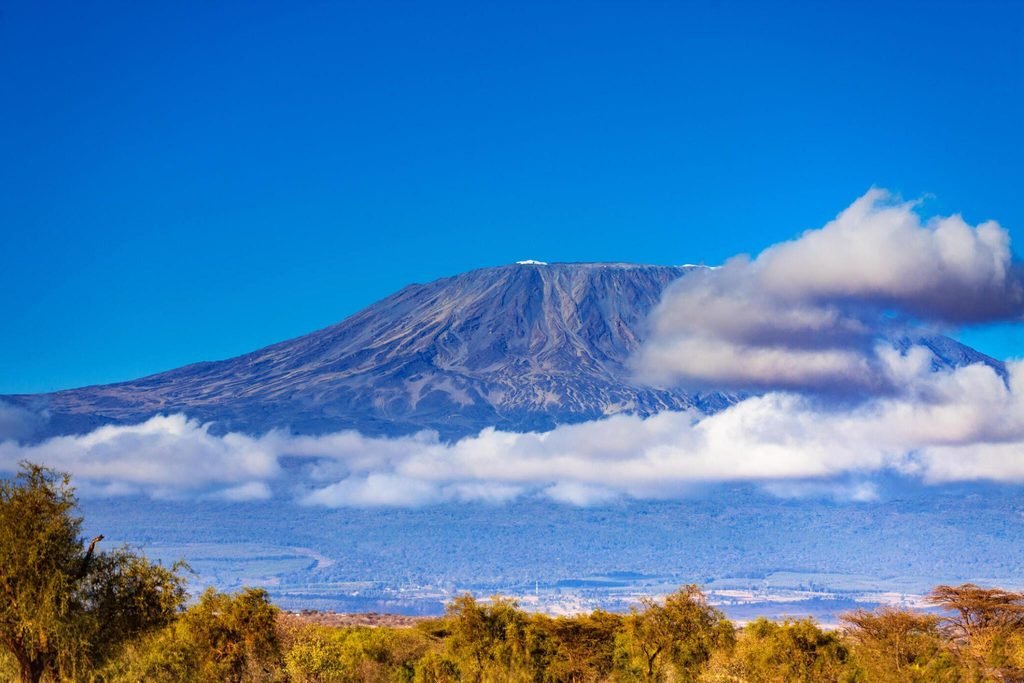
The Ultimate Best Kilimanjaro Climb Company in Arusha 2026–2028: 9 Powerful Signs You Can Trust Your Summit Team;Climbing Mount Kilimanjaro is much more than simply choosing a route and walking toward the summit. At 5,895 meters, the mountain presents real altitude, weather, physical, and logistical challenges. The company you choose to organize your climb can therefore make a major difference to how well prepared you are and how smoothly the expedition is managed.
For travelers planning a Kilimanjaro adventure in 2026, 2027, or 2028, choosing a trustworthy climbing company in Arusha should involve looking beyond attractive prices or impressive marketing. A responsible operator should be transparent about safety, guides, accommodation, park fees, crew welfare, equipment, acclimatization, and emergency procedures.
This guide explains 9 powerful signs to look for when choosing a Kilimanjaro climbing company.
1. The Company Puts Safety Before the Summit:The Ultimate Best Kilimanjaro Climb Company in Arusha 2026–2028: 9 Powerful Signs You Can Trust Your Summit Team
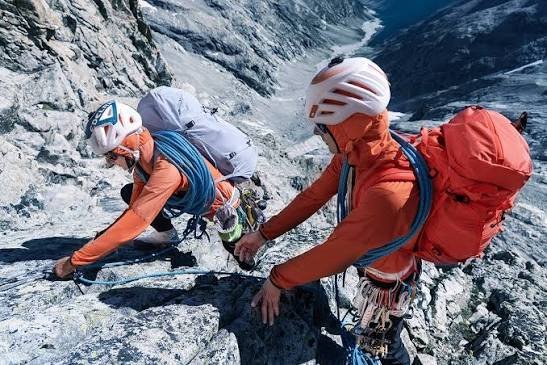
The first and most important sign of a professional Kilimanjaro operator is a clear commitment to safety.
The Ultimate Best Kilimanjaro Climb Company in Arusha 2026–2028: 9 Powerful Signs You Can Trust Your Summit Team:Kilimanjaro is a high-altitude mountain, and altitude-related illness is one of the principal risks climbers face. A credible operator should therefore have procedures for recognizing symptoms, monitoring climbers, adjusting the pace, and arranging descent when necessary. Current operator guidance commonly emphasizes health monitoring, emergency equipment, and trained guides.
Before booking, ask:
- How are climbers monitored for altitude sickness?
- Are guides trained in wilderness first aid?
- Does the team carry emergency medical equipment?
- What happens if a climber becomes seriously ill?
- Who makes the decision to descend?
- What is the emergency evacuation procedure?
A company that gives clear, specific answers demonstrates that safety is part of its operational planning rather than simply a marketing phrase.
Why this mattersThe Ultimate Best Kilimanjaro Climb Company in Arusha 2026–2028: 9 Powerful Signs You Can Trust Your Summit Team
Reaching Uhuru Peak is an objective, but getting every climber safely through the expedition is the fundamental responsibility of the mountain team.
2. Experienced and Properly Trained Mountain Guides:The Ultimate Best Kilimanjaro Climb Company in Arusha 2026–2028: 9 Powerful Signs You Can Trust Your Summit Team
Your guide is the person who will spend the most time with you on the mountain.
A strong guide does much more than lead the walking pace. They interpret the environment, help manage acclimatization, recognize changes in a climber’s condition, coordinate the mountain crew, and make decisions when conditions change.
When researching a company for 2026–2028, ask about:
- Guide experience
- Mountain-specific training
- First-aid or wilderness medical certification
- Knowledge of the chosen route
- Guide-to-client ratios
- Experience with international travelers
- Emergency procedures
For example, some established operators publicly state that their guides are licensed and Wilderness First Responder certified, while also describing routine oxygen-saturation checks and emergency equipment. These are the kinds of concrete details travelers should look for rather than relying only on phrases such as “professional guides.”
A trustworthy company should also be able to explain who will actually guide your climb, rather than simply selling the expedition through a website and leaving the operational details unclear.
3. The Company Gives You Enough Time to Acclimatize
One of the most important factors when choosing a Kilimanjaro itinerary is the amount of time allocated to acclimatization.
The mountain does not reward rushing.
As altitude increases, the available oxygen decreases. Your body needs time to adjust, which is why gradual ascent and appropriate rest periods are important parts of responsible planning. Current Kilimanjaro safety guidance emphasizes gradual ascent and monitoring for altitude-related symptoms.
A good operator should explain:
- Why your chosen route takes a particular number of days
- Where you will sleep each night
- How altitude changes throughout the itinerary
- Where acclimatization opportunities occur
- What happens if you need additional rest
- How the guide monitors your condition
Avoid choosing only by price
A very cheap itinerary can sometimes be attractive because of the lower upfront cost, but travelers should compare route length, acclimatization, inclusions, crew welfare, safety equipment, and support, not simply the advertised price.
Current 2026 guidance from Kilimanjaro operators and industry directories similarly recommends checking route length, acclimatization, safety systems, guide support, and porter welfare before comparing prices.
4. Transparent Kilimanjaro Climbing Prices
A trustworthy company should provide a clear quotation.
Your price should not be presented as one mysterious figure with numerous unexpected charges appearing later.
Ask the company to explain whether the package includes:
- National Park fees
- Camping or hut fees
- Professional mountain guides
- Porters
- Cook
- Meals
- Drinking water
- Airport or hotel transfers
- Accommodation before or after the climb
- Rescue or emergency arrangements
- Government taxes
- Equipment included in the package
A transparent quotation makes it much easier to compare different packages fairly.
Example Cost Structure
| Package Component | Should You Check? |
|---|---|
| Park fees | Yes |
| Mountain crew | Yes |
| Accommodation | Yes |
| Meals | Yes |
| Drinking water | Yes |
| Transport | Yes |
| Guide services | Yes |
| Porter services | Yes |
| Rescue arrangements | Yes |
| Tips | Usually separate |
| Personal equipment | Usually separate |
| Flights | Usually separate |
Prices can change between seasons and according to route, group size, accommodation, and inclusions, so travelers planning 2026, 2027, or 2028 should request a current written quotation rather than relying on an old price.
5. Responsible Treatment of Porters
A Kilimanjaro expedition depends on a large mountain crewPorters carry camping equipment, food, water, luggage, and other supplies. Their working conditions are therefore an important part of responsible climbing.
When selecting a company, ask about:
- Porter wages
- Maximum carrying loads
- Meals
- Accommodation
- Appropriate clothing and equipment
- Insurance or medical support
- Porter welfare standards
- Whether the company participates in an independent porter-welfare organization
Porter welfare is now commonly included among the criteria travelers use when evaluating Kilimanjaro operators. Some industry resources specifically recommend checking recognized porter-welfare standards rather than accepting vague claims about “ethical trekking.”
Responsible treatment of the mountain crew is not just an ethical consideration. It also contributes to a more professional expedition environment.
6. The Company Has a Clear Emergency Plan
Mountain emergencies require preparation.
Before paying your deposit, ask the operator what happens if you experience:
- Severe altitude sickness
- Injury
- Extreme exhaustion
- Severe weather
- A medical emergency
- An inability to continue toward the summit
A professional operator should be able to explain its emergency response rather than simply saying, “Our guides will handle it.”
Ask whether the company carries appropriate emergency equipment and whether guides have established procedures for descent and evacuation.
Some current operators publicly describe carrying emergency oxygen, stretchers, medical kits, and having protocols for rescue or evacuation.
You should also understand what park rescue arrangements and your travel insurance cover, because these are not necessarily the same thing.
7. The Company Is Transparent About Routes:The Ultimate Best Kilimanjaro Climb Company in Arusha 2026–2028: 9 Powerful Signs You Can Trust Your Summit Team
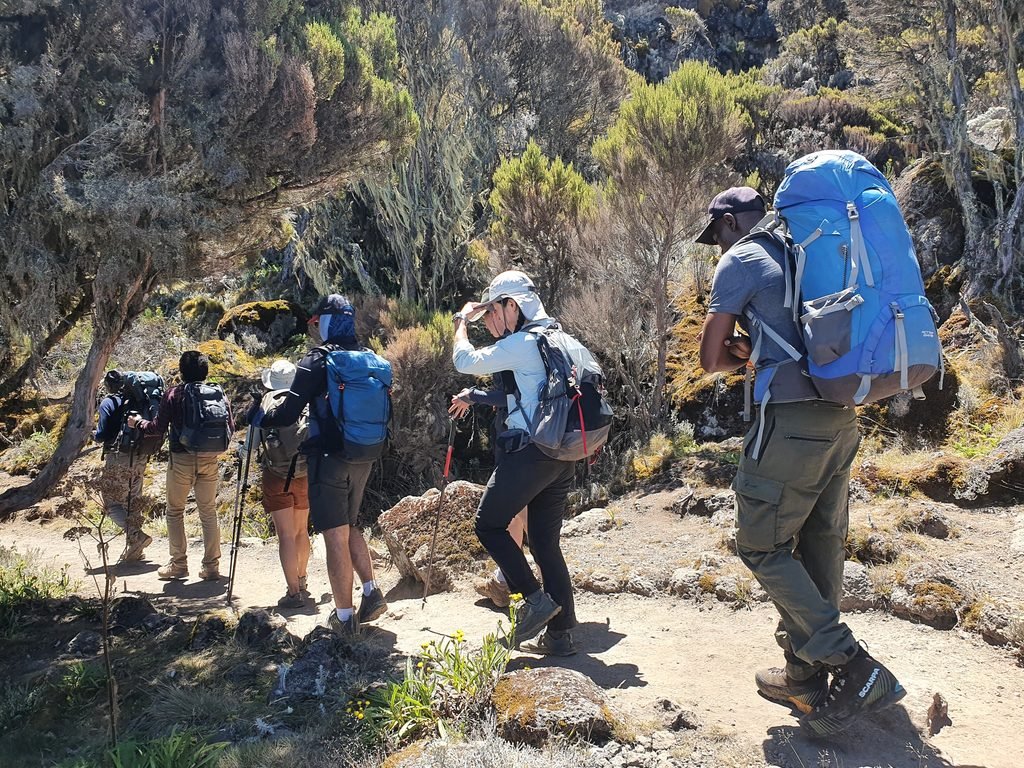
Mount Kilimanjaro has several established routes, and each has its own characteristics.
Popular routes include:
Machame Route
Known for its scenic landscapes and camping experience. It is often selected by climbers looking for a longer southern approach.
Lemosho Route
Known for its scenic beginning and longer acclimatization possibilities. It can be suitable for travelers wanting a more gradual itinerary.
Marangu Route
The only major route with hut accommodation rather than camping throughout the climb.
Rongai Route
Approaches Kilimanjaro from the northern side and provides a different perspective of the mountain.
Northern Circuit
A longer itinerary that circles a significant portion of the mountain and allows substantial time for acclimatization.
The important point is not simply which route is advertised as “best.” The appropriate route depends on your available time, experience, budget, physical preparation, and preference for scenery and accommodation.
A trustworthy operator should explain the advantages and limitations of the route you are considering.
8. Real Reviews and Verifiable Information
Reviews can be useful, but travelers should read them intelligently.
Do not rely on a website displaying only a handful of anonymous testimonials.
Look for:
- Reviews across independent platforms
- Recent feedback
- Detailed descriptions of actual climbs
- Comments about specific guides
- Information about communication before the trip
- Feedback about meals and camps
- Safety and support experiences
- Reviews from travelers with similar itineraries
Also be cautious about exaggerated claims such as guaranteed summit success.
No responsible company can guarantee that every climber will reach Uhuru Peak. Weather, altitude, individual health, acclimatization, and other factors can affect the outcome.
Current 2026 guidance from several Kilimanjaro resources recommends checking reviews together with safety information, guide support, route length, porter welfare, and pricing rather than using reviews as the only selection criterion.
9. The Company Communicates Clearly Before You Book
Good communication begins before you arrive in Tanzania.
A trustworthy company should respond clearly to questions about:
- Your itinerary
- Pickup arrangements
- Accommodation
- Route
- Required equipment
- Food
- Medical considerations
- Payment terms
- Cancellation policies
- Emergency procedures
- What happens before and after the climb
You should know what you are purchasing before making your payment.
This is particularly important when planning a climb several months ahead for 2026, 2027, or 2028.
A professional company should be comfortable providing information in writing and answering questions without pressuring you into making a rushed decision.
Why Arusha Is an Important Starting Point
Arusha is one of Tanzania’s major tourism hubs and an important base for travelers combining Kilimanjaro with safari experiences.
Many climbers use Arusha as a pre- or post-climb base, particularly when combining a mountain expedition with destinations such as:
- Serengeti National Park
- Ngorongoro Crater
- Tarangire National Park
- Lake Manyara
- Nyerere National Park
- Zanzibar
The wider Arusha tourism market includes numerous companies offering Kilimanjaro-related services, so travelers should compare the actual services and documentation provided rather than assuming that every operator offers the same standards. A current local search, for example, returns multiple climbing and tour operators in and around Arusha. Climbing Kilimanjaro Tanzania Kilimanjaro Neli Climbing & Safaris ISMANI TOURS AND SAFARIS
Choosing Eko Tanzania Adventures for Your Kilimanjaro Experience
For travelers considering Eko Tanzania Adventures, the key is to approach your climb with the same checklist described above.
A good Kilimanjaro package should clearly explain:
Route – Number of days – Accommodation – Meals – Mountain crew – Safety procedures – Park fees – Transport – Equipment – Price
The company can also help travelers combine a Kilimanjaro climb with a broader Tanzania itinerary.
For example:
7-Day Kilimanjaro And Safari
Kilimanjaro climb , Arusha ,Safari Serengeti/Ngorongoro
Kilimanjaro And Zanzibar
Mountain adventure – Arusha – Zanzibar beach holiday
Kilimanjaro , Safari And Zanzibar
Kilimanjaro – Tanzania wildlife safari – Zanzibar
This allows visitors to experience three very different sides of Tanzania: mountains, wildlife, and the Indian Ocean.
Before making a deposit, ask these nine questions:
Questions to Ask Before Booking Your Kilimanjaro Climb
- Who will be my mountain guide?
- What training and certifications do the guides have?
- How many days is the itinerary?
- How does the itinerary support acclimatization?
- What safety equipment does the team carry?
- How are porters treated and compensated?
- What exactly is included in the price?
- What happens if I cannot continue because of altitude sickness?
- Can you provide the complete itinerary and booking terms in writing?
The answers can tell you considerably more than a headline such as “Best Kilimanjaro Company.”
What to Pack for Your Kilimanjaro Climb
A professional operator should provide a detailed packing list. Your personal equipment will normally include items such as:
- Waterproof hiking boots
- Warm thermal layers
- Fleece or insulated jacket
- Waterproof jacket and trousers
- Hiking trousers
- Warm hat
- Gloves
- Sunglasses
- Headlamp
- Sleeping bag
- Backpack/daypack
- Water bottles or hydration system
- Sunscreen
- Personal medication
- Trekking poles
- High-altitude clothing
The exact equipment required depends on the route, season, accommodation style, and operator’s equipment provisions.
When Is the Best Time to Climb Kilimanjaro in 2026–2028?
Kilimanjaro can be climbed during much of the year, but many travelers prefer the relatively drier periods.
Commonly preferred climbing windows include:
- January–March
- June–October
The transition periods can also offer climbing opportunities, although weather conditions can be less predictable.
For a 2026, 2027, or 2028 climb, your choice should consider weather, route availability, personal schedule, and whether you want to combine the mountain with a safari or Zanzibar holiday.
Final Checklist: 9 Powerful Signs of a Trustworthy Summit Team
Before booking your Kilimanjaro climb, look for these nine signs:
| No | Sign | What to Verify |
|---|---|---|
| 1 | Safety first | Medical monitoring and emergency procedures |
| 2 | Experienced guides | Training, licensing and experience |
| 3 | Proper acclimatization | Appropriate route and itinerary length |
| 4 | Transparent pricing | Detailed written quotation |
| 5 | Porter welfare | Fair treatment and load standards |
| 6 | Emergency preparation | Equipment and evacuation procedures |
| 7 | Route transparency | Clear explanation of route characteristics |
| 8 | Genuine reviews | Recent and detailed traveler feedback |
| 9 | Clear communication | Written itinerary and booking conditions |
Final Thoughts
The Ultimate Best Kilimanjaro Climb Company in Arusha 2026–2028: 9 Powerful Signs You Can Trust Your Summit Team;Choosing the best Kilimanjaro climb company in Arusha should not be based on a single slogan, the cheapest price, or a claim of guaranteed success.
Instead, look at the evidence behind the company: guide qualifications, safety procedures, acclimatization planning, transparent pricing, porter welfare, emergency preparation, route information, reviews, and communication.
For your 2026, 2027, or 2028 expedition, take time to compare these details before making a deposit. The right preparation can make your Kilimanjaro experience more organized, informed, and responsible.
At Eko Tanzania Adventures, travelers can use these same principles when discussing their planned climb, asking questions, selecting a route, and building a package that matches their time, budget, and adventure goals.
Your Kilimanjaro journey begins long before you reach the summit. Choosing a well-prepared summit team is one of the first important steps.