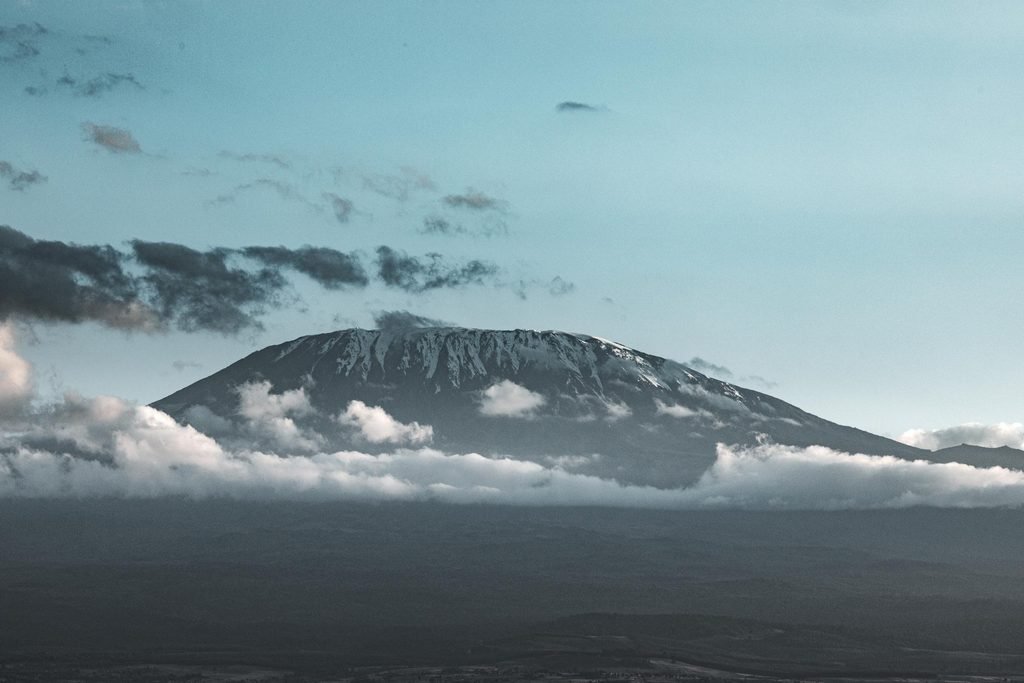
The Unforgettable 10-Day Northern Circuit Route Kilimanjaro Climb 2026–2027;The Northern Circuit is known for its beautiful scenery, quieter trails and extended acclimatisation profile. Unlike shorter routes, this trek gives you more time to explore the mountain while allowing your body to adjust to the increasing altitude. From the green rainforest on the lower slopes to the wide moorlands, rocky ridges and dramatic alpine desert, every section reveals a different side of Kilimanjaro.
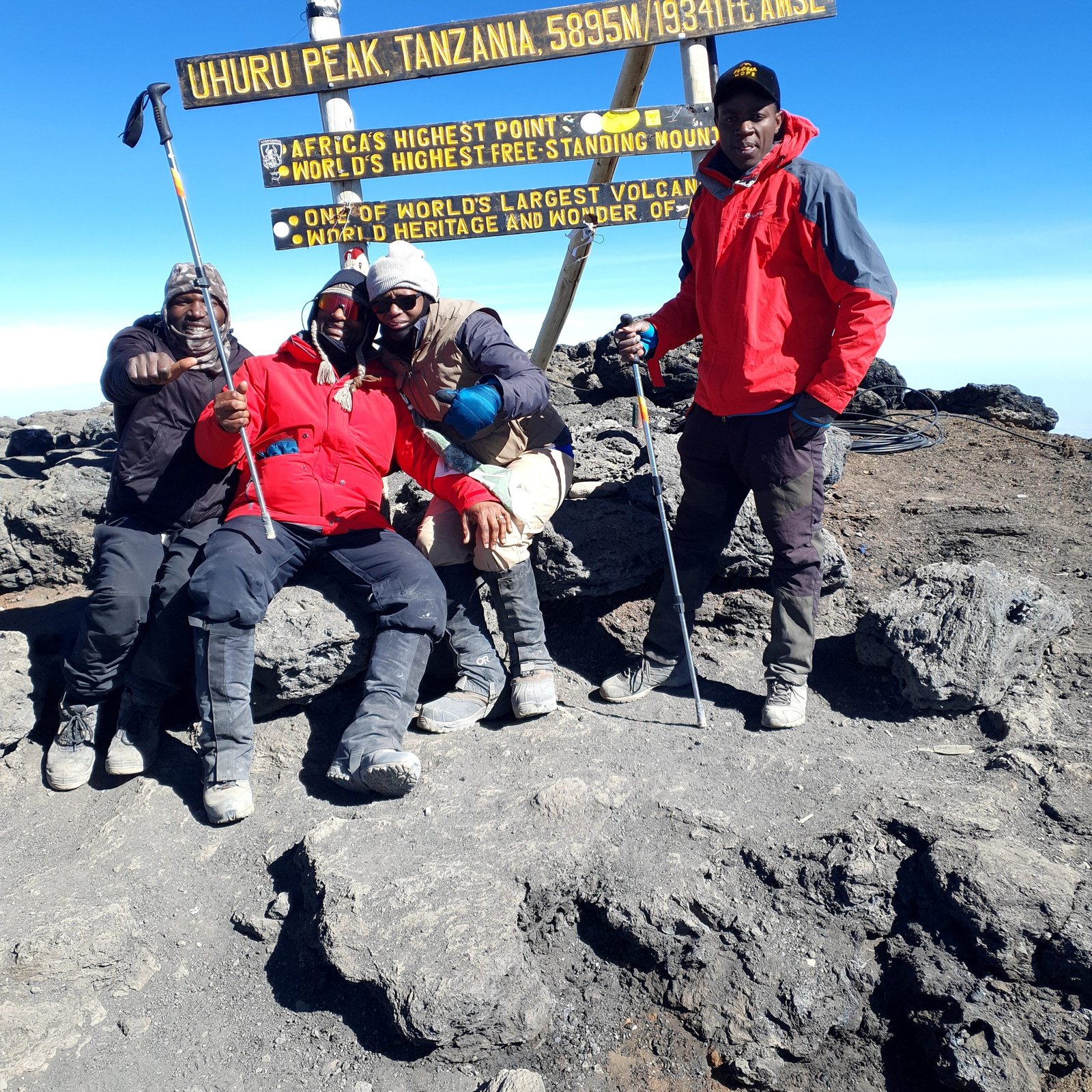
Climbing Mount Kilimanjaro is an adventure that challenges your body, builds your confidence and introduces you to some of the most remarkable landscapes in Africa. Standing at 5,895 metres above sea level, Uhuru Peak is the highest point on the African continent. Reaching the summit is a dream for many travellers, and the 10-day Northern Circuit Route offers an excellent opportunity to experience this incredible mountain at a gradual pace.
For travellers planning their climb in 2026 or 2027, the 10-day Northern Circuit is an appealing choice if you want a longer mountain adventure with time to appreciate the journey. The route circles much of the mountain before approaching the summit, offering views of Kilimanjaro’s northern wilderness that many climbers never experience on shorter itineraries.
With EKO Tanzania Adventures, you can plan your trek according to your travel dates, group size, accommodation preferences and budget. Good preparation, experienced guides and a well-organised itinerary help you focus on the experience while your mountain team supports you along the way.
Why Choose the 10-Day Northern Circuit Route?:The Unforgettable 10-Day Northern Circuit Route Kilimanjaro Climb 2026–2027
Choosing a longer itinerary can make a meaningful difference when climbing a high mountain. The 10-day Northern Circuit provides additional time on the trail compared with many shorter Kilimanjaro climbs. This allows for a more gradual ascent and additional opportunities to acclimatise.
One of the route’s greatest attractions is its sense of wilderness. Much of the Northern Circuit follows the quieter northern slopes, where you can enjoy expansive views, dramatic volcanic scenery and a peaceful atmosphere away from some of the busier trails.
The journey is also rewarding because of the changing environment. You begin among trees and vegetation before moving into open moorland, where the landscape becomes increasingly rugged. Higher up, the terrain is characterised by volcanic rock, sparse vegetation and cold conditions that remind you how far you have climbed.
The longer schedule can be particularly attractive to hikers who have enough time for a more relaxed ascent. However, the Northern Circuit remains a demanding high-altitude trek, and additional days do not eliminate the risk of altitude sickness. Your guide will monitor your condition and help determine whether it is safe to continue.
10-Day Northern Circuit Route Kilimanjaro Itinerary:The Unforgettable 10-Day Northern Circuit Route Kilimanjaro Climb 2026–2027
The following itinerary is a planning example for a 10-day climb, with the first day allocated to arrival in Tanzania and the remaining days arranged around the mountain trek. Exact camps, walking times and the order of some stages may vary according to the operator’s programme and park arrangements.
Day 1: Arrival in Tanzania – Welcome to Arusha or Moshi :The Unforgettable 10-Day Northern Circuit Route Kilimanjaro Climb 2026–2027
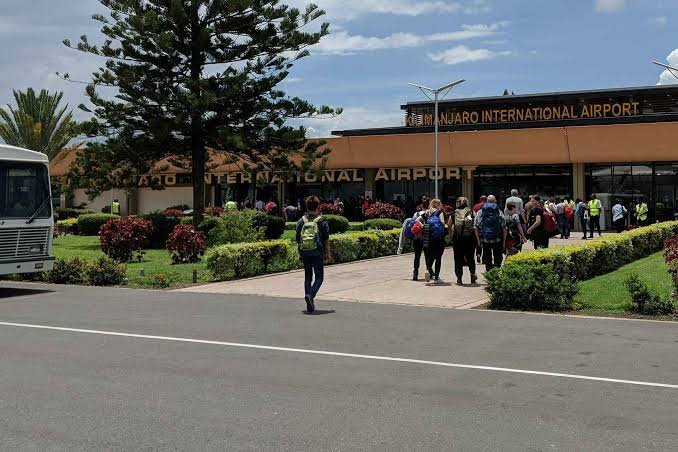
Your adventure begins when you arrive at Kilimanjaro International Airport. A representative from EKO Tanzania Adventures can meet you and arrange your transfer to your hotel in Arusha or Moshi.
After checking in, take some time to relax and recover from your journey. Depending on your arrival time, you may have an opportunity to explore the surrounding area or simply enjoy a quiet evening before the climb.
Your mountain guide will arrange a pre-climb briefing to discuss the route, daily routine, safety procedures and equipment requirements. Your gear can also be checked to identify anything you may need to hire or purchase before departure.
A good night’s rest and proper preparation will help you start the trek feeling organised and ready for the days ahead.
Day 2: Londorossi Gate to Mti Mkubwa Camp
After breakfast, your team will transfer you to the western side of Mount Kilimanjaro. At Londorossi Gate, the necessary registration and park entry formalities will be completed before the trek begins.
The trail passes through beautiful montane rainforest, where tall trees, moss-covered branches and the sounds of forest birds create a memorable introduction to the mountain. Keep an eye out for wildlife, although sightings are never guaranteed.
The walking distance on this first trekking day is relatively short compared with some later stages. Your guide will establish a comfortable pace and explain the importance of conserving energy from the beginning.
You will spend the night at Mti Mkubwa Camp, surrounded by the forest environment. Enjoy your evening meal, drink enough water and prepare for the gradual ascent ahead.
Day 3: Mti Mkubwa Camp to Shira 1 Camp
After breakfast, you will leave the forest behind and continue into the heath and moorland zone. The vegetation becomes shorter, the landscape opens up and views of the surrounding mountain terrain begin to appear.
The trail gradually gains elevation as you make your way towards the Shira Plateau. Walking may feel more demanding than it did on the first day, particularly as your body begins adjusting to the altitude.
Your guide will encourage you to maintain a slow, steady pace rather than trying to cover the distance quickly. Taking regular breaks allows you to appreciate the scenery while managing your energy.
At Shira 1 Camp, you can enjoy the open landscape and the sense of space that makes this part of Kilimanjaro so special.
Day 4: Shira 1 Camp to Shira 2 Camp
Today’s trek continues across the Shira Plateau, one of the mountain’s most impressive high-altitude landscapes. The route passes through open moorland with broad views towards the surrounding ridges and, when the weather is clear, the higher slopes of Kilimanjaro.
The walking is an opportunity to settle into the rhythm of mountain life. You will spend much of the day outdoors, with time for photographs, rest stops and conversations with your guide.
Your mountain crew will prepare your camp and meals, allowing you to focus on recovery and preparation for the following day. Conditions can be colder and windier at this elevation, so keep warm clothing accessible.
Day 5: Shira Plateau to Moir Hut
The route now moves towards the northern side of Kilimanjaro. As you leave the plateau, the terrain becomes more rugged and the vegetation increasingly sparse.
Moir Hut is situated in a remote area near the northern slopes, providing a different perspective of the mountain from the more frequently travelled sections. The surrounding landscape is marked by rocky ground, open views and the dramatic forms of Kilimanjaro’s volcanic terrain.
This is an important stage in your gradual ascent. Your guide will monitor how you respond to the altitude and adjust the pace when necessary.
Spend the evening resting, eating well and keeping warm. Even if you feel strong, avoid unnecessary exertion as you prepare for the higher sections of the route.
Day 6: Moir Hut to Buffalo Camp
After breakfast, continue towards the northern circuit, following trails that cross increasingly remote high-altitude terrain. Depending on the selected itinerary, the route may include a short acclimatisation excursion before continuing to the next camp.
The scenery is one of the highlights of this stage. You will encounter rocky ridges, open slopes and far-reaching views across the northern side of the mountain.
Walking at altitude requires patience. You may find yourself moving more slowly than expected, and that is normal. Keep a steady pace, take regular sips of water and tell your guide if you feel unwell.
Buffalo Camp offers a peaceful place to rest after the day’s trek. As evening temperatures drop, organise your equipment and prepare for another day on the circuit.
Day 7: Buffalo Camp to Third Cave Camp
Today’s walk continues around Kilimanjaro’s northern slopes, with the landscape changing between open ridges and stretches of rocky ground. The route offers a sense of remoteness that many hikers particularly appreciate.
The gradual progression around the mountain also provides changing views of its northern terrain. In clear weather, the expansive surroundings make excellent opportunities for photography.
Although the Northern Circuit allows more time for acclimatisation than many shorter routes, altitude affects everyone differently. Your guide will check your condition and assess whether you are ready to continue to the next camp.
At Third Cave Camp, enjoy a warm meal and take time to rest. Keep your clothing and sleeping equipment dry, as cold and damp conditions can make nights on the mountain uncomfortable.
Day 8: Third Cave Camp to School Hut
The trek continues towards the higher slopes of Kilimanjaro, bringing you closer to the summit approach. The vegetation becomes increasingly limited, and the terrain reflects the mountain’s harsh alpine environment.
As you gain elevation, even familiar walking activities can become more tiring. Follow your guide’s instructions, avoid rushing and report any symptoms such as headache, nausea, dizziness or unusual weakness.
School Hut is commonly used as a high camp for summit attempts on certain Northern Circuit itineraries. After arriving, you will have time to eat, rest and organise your summit equipment.
Your guide will explain the expected departure time and review the plan for the night. Prepare your warm layers, headlamp, gloves, water and snacks before trying to sleep.

Day 9: Summit Attempt to Uhuru Peak and Descent to a Lower Camp
This is the day you have been preparing for throughout the trek. The summit attempt usually starts around midnight or during the early hours of the morning, when temperatures are very low and the trail is illuminated by headlamps.
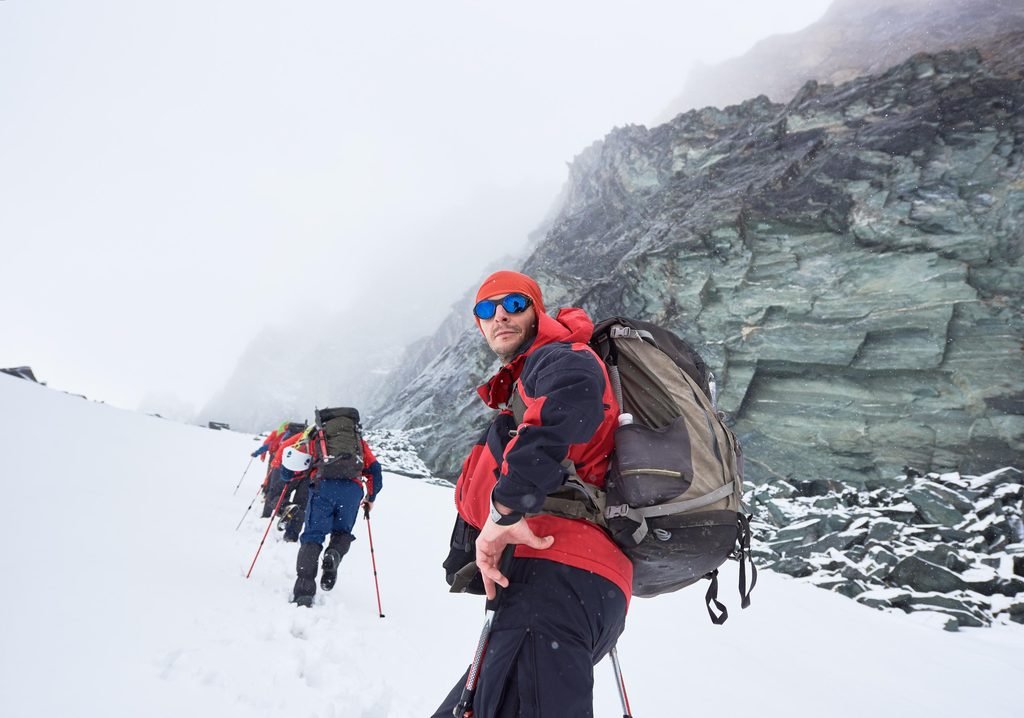
The ascent is physically demanding because of the steep terrain, cold conditions and reduced oxygen levels. Your guide will set a slow pace, allowing you to conserve energy and respond to the altitude.
Reaching Gilman’s Point or Stella Point, depending on your route and progress, is a significant achievement. From the crater rim, climbers who are well enough and have suitable conditions can continue towards Uhuru Peak.
At 5,895 metres, Uhuru Peak marks the highest point in Africa. Reaching it is an extraordinary moment, offering a sense of achievement that comes from days of preparation, persistence and teamwork. Take photographs and enjoy the experience while following your guide’s advice about the time spent at the summit.
After celebrating, you will begin the descent. Descending can be hard on tired legs, so take care on loose ground and follow your guide’s instructions. You will continue to a lower camp according to the confirmed itinerary.
Day 10: Final Descent and Return to Your Hotel
After breakfast, continue descending through the mountain’s lower ecological zones towards the designated park exit. The landscape gradually becomes greener as you lose altitude.
At the exit, you will complete the required park formalities before transferring to your hotel in Arusha or Moshi. A hot shower, a comfortable bed and a proper meal will be welcome after your time on the mountain.
You can spend the rest of the day relaxing or celebrating your achievement with your fellow climbers. If your travel plans allow, consider extending your holiday with a Tanzania wildlife safari or a beach stay in Zanzibar.
Important: This is a 10-day trip framework, not a guaranteed fixed camp schedule. A 10-day Northern Circuit itinerary may use a different combination of acclimatisation, summit and descent days. Ask EKO Tanzania Adventures to confirm every overnight camp and walking stage before booking.
Best Time to Climb Kilimanjaro in 2026–2027
Mount Kilimanjaro can be climbed throughout much of the year, but weather conditions influence trail quality, visibility and comfort.
January to March: These months often provide favourable opportunities for climbing, with periods of clear weather. Temperatures can be very cold near the summit, and snow is possible at higher elevations.
June to October: This is generally one of the more popular periods for climbing because conditions are often relatively dry. Demand can be high during the main holiday season, so advance planning is helpful.
November to December: Short rains can affect some days, although conditions vary from year to year. Climbers should be prepared for changing weather and wet trails.
The best dates for your trek depend on your schedule, tolerance for different weather conditions and available time. Regardless of the season, suitable clothing, good equipment and a flexible approach are essential.
How Difficult Is the 10-Day Northern Circuit Route?
The Northern Circuit is challenging because of its length, high altitude and the physical demands of reaching Uhuru Peak. However, it does not normally require technical climbing skills.
You should prepare by building your walking endurance well before your trip. Regular hikes, uphill walking, stair climbing and aerobic exercise can help improve your fitness. Practising with the footwear and daypack you intend to use on Kilimanjaro is also worthwhile.
Altitude is one of the most important challenges. Even fit hikers can develop altitude sickness, and being physically strong does not guarantee that you will reach the summit. A longer itinerary can provide more time for acclimatisation, but it cannot remove the risk.
Choose an operator that has clear emergency procedures and takes symptoms seriously. If your guide recommends stopping or descending for health reasons, follow that advice.
What Is Included in a Northern Circuit Climbing Package?
Package inclusions vary, so request a written quotation before confirming your booking.
Typical services may include:
- Kilimanjaro National Park fees and applicable climbing permits.
- Professional mountain guides and supporting crew.
- Camping equipment and mountain accommodation arrangements.
- Meals and drinking water according to the itinerary.
- Transfers to and from the designated climbing gate.
- Pre-climb and post-climb hotel accommodation, if specified.
- Airport transfers, if included in the package.
- Park-required rescue arrangements.
Common exclusions include international flights, visa fees, personal trekking equipment, travel insurance, tips for the mountain crew and accommodation not listed in the quotation.
Ask for the total price per person, payment terms, group size, cancellation policy and all inclusions. This makes it easier to understand the overall cost of your 2026 or 2027 adventure.
What to Pack for the Northern Circuit Route
Because Kilimanjaro passes through several climate zones, packing the right equipment is essential.
Your main checklist should include:
- Broken-in waterproof hiking boots.
- Moisture-wicking base layers and warm mid-layers.
- An insulated jacket and waterproof outer clothing.
- Warm gloves, a hat, a neck warmer and a sun hat.
- Hiking trousers and suitable socks.
- A daypack and a duffel bag that meets your operator’s requirements.
- A headlamp with spare batteries.
- Sunglasses, sunscreen and lip balm.
- Reusable water bottles or a hydration system suitable for freezing conditions.
- A sleeping bag rated for the expected mountain temperatures.
- Personal toiletries, blister care supplies and any prescribed medication.
Ask your guide or operator to review your packing list before departure. A qualified healthcare professional can also advise you about your fitness for high-altitude trekking and any medical precautions you should take.
Why Climb with EKO Tanzania Adventures?
A successful mountain expedition requires careful organisation, knowledgeable guides and a clear understanding of what lies ahead. EKO Tanzania Adventures can help you plan your Northern Circuit trek around your preferred dates, group size, budget and accommodation requirements.
Before booking, discuss guide experience, altitude monitoring, emergency procedures, crew welfare and the arrangements available if a climber becomes unwell. Make sure your chosen itinerary includes enough time for acclimatisation and that you understand the walking stages and overnight camps.
Whether you are travelling independently, with friends or as part of a private group, the planning process should give you a clear picture of the adventure ahead. With suitable preparation and a responsible mountain team, you can focus on the remarkable landscapes and the personal achievement of attempting Africa’s highest summit.
Book Your Unforgettable 10-Day Northern Circuit Route Kilimanjaro Climb 2026–2027
Are you ready to take on Mount Kilimanjaro? The 10-day Northern Circuit Route offers a memorable journey through remote wilderness, scenic trails and spectacular high-altitude landscapes, with an opportunity to attempt the summit of Uhuru Peak.
Contact EKO Tanzania Adventures to discuss your travel dates, group size, accommodation preferences and budget. Your climb can also be combined with a Tanzania wildlife safari or a relaxing Zanzibar beach holiday, creating a wider East African adventure.
EKO Tanzania Adventures Contact Details
- Website: https://www.ekotanzaniaadventures.com
- WhatsApp / Call: +255 761 353 184
- Email: info@ekotanzaniaadventures.com
- Alternative Email: ekotanzaniaadventure@gmail.com
Your journey to the Roof of Africa begins with the right preparation. Choose an itinerary that suits your needs, train before travelling and approach the mountain with patience and respect. The Northern Circuit offers much more than a summit attempt: it is a chance to discover Kilimanjaro’s remarkable landscapes one step at a time.