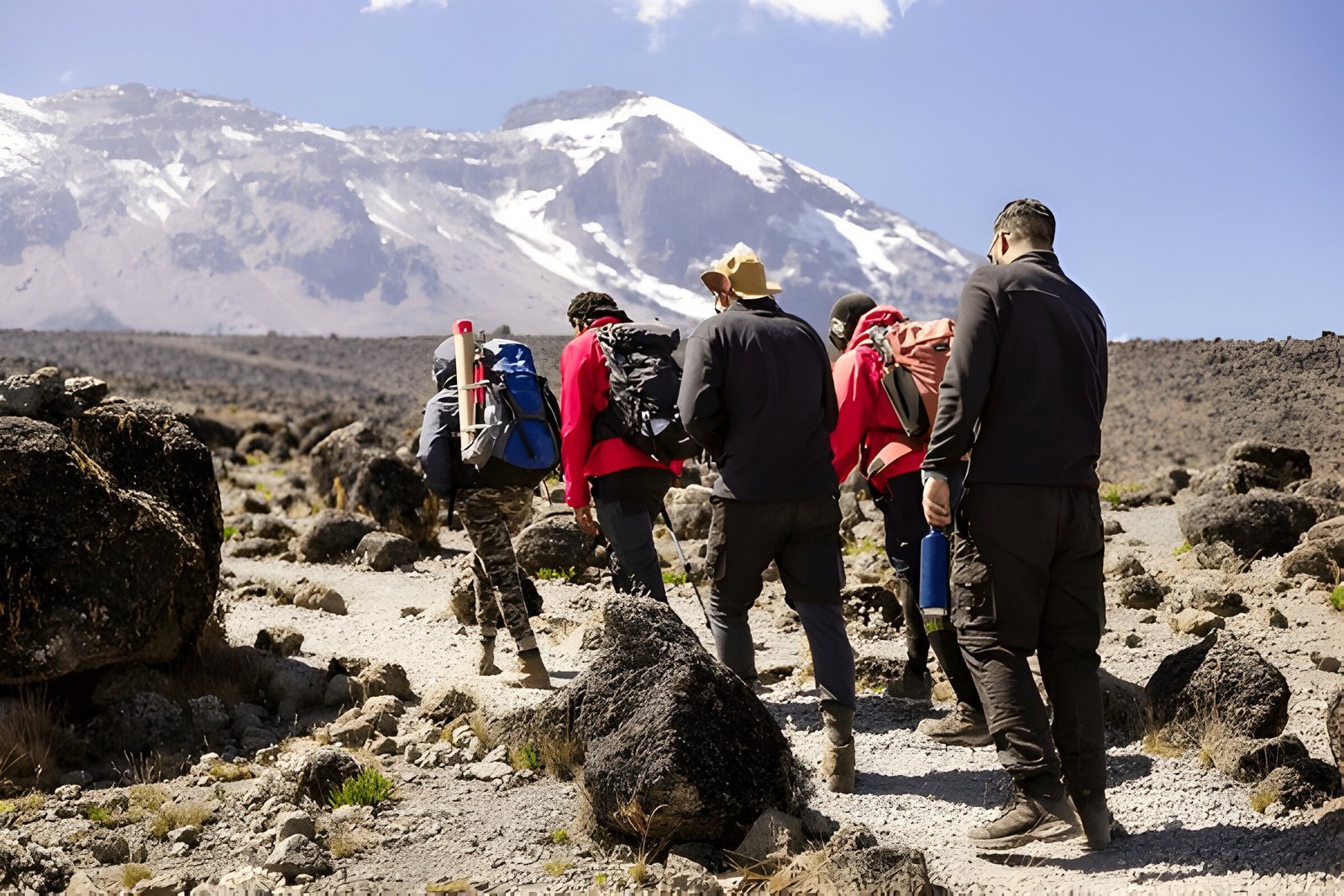
The Best 5-Day Machame Route Kilimanjaro Climb 2026–2027;Climbing Mount Kilimanjaro is a dream for many travellers who want to challenge themselves and experience one of Africa’s most extraordinary natural landmarks. Rising to 5,895 metres above sea level, Kilimanjaro is the highest mountain in Africa and a destination that attracts hikers, nature lovers, and adventure seekers from around the world.
The Machame Route is famous for its beautiful landscapes, varied terrain, and dramatic views of the mountain. Often called the “Whiskey Route,” it approaches Kilimanjaro from the south, passing through tropical rainforest, open moorland, rocky valleys, and high-altitude desert before reaching the summit area.
For the 2026–2027 climbing seasons, a five-day Machame itinerary may appeal to travellers with limited time. However, five days is a very short schedule for climbing Kilimanjaro and generally provides less time for acclimatization than longer itineraries. The standard five-day Machame schedule is physically demanding and carries a greater risk of altitude-related problems. Climbers should carefully consider a longer itinerary, especially if they have no previous high-altitude trekking experience.
With EKO Tanzania Adventures, you can discuss available climbing options, your fitness level, travel dates, and the itinerary best suited to your needs. A responsible plan should prioritise safety, adequate acclimatization, and a realistic understanding of the demands of the mountain.
Reaching Uhuru Peak is never guaranteed. Weather, altitude, individual health, and the pace of the climb can all affect the outcome. The goal is to enjoy a well-organised mountain adventure while making sensible decisions throughout the journey.

Why Consider the Machame Route?:The Best 5-Day Machame Route Kilimanjaro Climb 2026–2027
The Machame Route is popular because it offers an impressive variety of scenery and a memorable trekking experience.
Main highlights
- Tropical rainforest: Begin your climb beneath tall trees and thick vegetation on Kilimanjaro’s lower slopes.
- Open moorland: Experience changing vegetation and expansive mountain views as you gain elevation.
- Shira Plateau: Walk through an impressive high-altitude landscape with views of the surrounding volcanic terrain.
- Lava Tower: The standard route passes this dramatic formation at approximately 4,630 metres, followed by a descent towards Barranco Camp.
- Barranco Wall: Tackle a memorable steep trekking section with support from your mountain guide.
- Uhuru Peak: Work towards the highest point in Africa at 5,895 metres.
- Mountain camping: Experience designated camps and the changing conditions of the mountain environment.
These highlights are associated with the Machame Route, but a compressed five-day schedule can make the overall journey more demanding. The exact itinerary should be confirmed before booking.
Important Note About the Five-Day Itinerary
The five-day Machame Route is not the preferred option for most climbers because it compresses the ascent and provides limited time for the body to adjust to altitude. The standard Machame itinerary is commonly operated over six or seven days, while an eight-day version may allow additional time for acclimatization.
For many travellers, a seven-day or longer itinerary is a more sensible choice. More time on the mountain can support acclimatization, although it cannot remove the risk of altitude illness.
The following is an outline of how a compressed five-day schedule may be arranged. It is included to explain the route structure, not as a recommendation that every traveller should attempt it. Confirm the exact itinerary and safety provisions with a qualified, authorised operator before making plans.


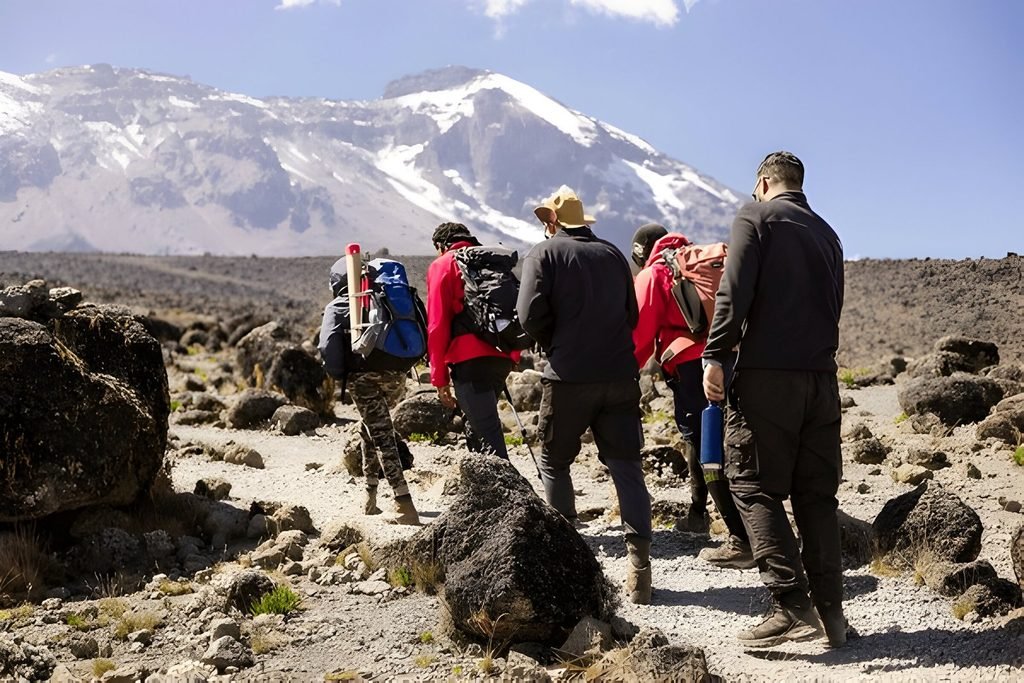
Example 5-Day Machame Route Itinerary:The Best 5-Day Machame Route Kilimanjaro Climb 2026–2027
Day 1: Machame Gate to Machame Camp
Your adventure begins with a transfer to Machame Gate, where the team completes the required registration and prepares for the trek. After meeting your guide and receiving a briefing, you begin walking through the rainforest.
The trail passes tall trees, dense vegetation, and moss-covered branches. Depending on the weather, the path may be muddy and slippery, so good hiking boots and careful footing are essential.
Your guide will set a pace appropriate to the group and explain how to manage the trail. After several hours of walking, you reach Machame Camp, where the crew prepares the campsite and dinner.
Overnight: Machame Camp.
Day 2: Machame Camp to Shira Camp
After breakfast, you leave the rainforest and climb through heathland and moorland. The landscape becomes more open, revealing broad views of the mountain and surrounding terrain.
The trail includes steep and rocky sections, so walk carefully and conserve your energy. As you approach the Shira Plateau, you may enjoy views of Kibo, one of Kilimanjaro’s main volcanic cones.
On arrival at Shira Camp, take time to rest, eat, and drink fluids. Tell your guide about any headache, nausea, dizziness, or unusual fatigue, as these may be signs of altitude illness.
Overnight: Shira Camp.
Day 3: Shira Camp to Lava Tower and Barranco Camp
On the standard route, this stage takes you across the Shira Plateau towards Lava Tower, at approximately 4,630 metres, before descending to Barranco Camp at around 3,960 metres.
The ascent and descent help introduce the principle of climbing high and sleeping lower. However, completing this section within a compressed itinerary can leave less time for recovery and adjustment.
The scenery includes rocky slopes and distinctive high-altitude vegetation. When you reach Barranco Camp, rest, eat, and prepare for the next day’s trekking.
Your guide should monitor your condition and make decisions based on symptoms, weather, and trail conditions. Serious or worsening altitude symptoms require prompt assessment and may mean you must descend.
Overnight: Barranco Camp, if this stage is included in the operator’s confirmed itinerary.
Day 4: Barranco Camp to Barafu Camp
This stage can involve climbing the Barranco Wall and continuing towards the high camp used for the summit attempt. The Barranco Wall is steep in places, so careful movement and following your guide’s instructions are important.
The standard Machame itinerary usually includes a journey through Karanga Camp before reaching Barafu Camp. Compressing these stages into one day can make the schedule particularly demanding, which is another reason to confirm the itinerary carefully and consider a longer climb.
At high camp, your guide will review the summit plan, weather conditions, clothing layers, headlamp use, and safety procedures. The summit attempt normally begins around midnight, leaving limited time for rest.
Overnight: Barafu Camp, if the itinerary and conditions permit.
Day 5: Summit Attempt and Descent
Summit day is the most physically demanding part of the climb. The ascent normally begins in darkness, with climbers following their guides towards Stella Point at approximately 5,756 metres before continuing towards Uhuru Peak at 5,895 metres.
The steep terrain, cold temperatures, and reduced oxygen can make progress difficult. Walk slowly, follow your guide’s instructions, and report any concerning symptoms immediately.
Reaching Uhuru Peak is not guaranteed. If you develop serious altitude symptoms or your guide determines that continuing is unsafe, you must descend rather than continue towards the summit.
After the summit attempt, the descent normally continues towards Barafu Camp and then to a lower camp. Completing the summit and descent within a five-day schedule may be extremely demanding, and the precise arrangements must be verified with the operator. A standard Machame itinerary normally allows more time for the descent and exit from the park.
Important: Do not book this compressed itinerary without a clear, realistic plan for the summit attempt, descent, emergency response, and compliance with current park requirements.
Estimated Cost for 2026–2027
The cost of a Kilimanjaro climb depends on park fees, crew wages, group size, equipment, meals, transport, and accommodation. A five-day climb may appear cheaper because it uses fewer days, but price should never be the main reason to choose a shorter and more demanding itinerary.
The following are broad planning estimates only, not confirmed quotations.
| Climbing arrangement | Illustrative estimated cost per person |
|---|---|
| Group joining climb | $1,500–$2,100 |
| Private climb for 4–6 climbers | $1,700–$2,300 |
| Private climb for 2 climbers | $1,900–$2,600 |
| Private climb for 1 climber | $2,300–$3,200+ |
Actual prices may fall outside these ranges. Confirm the current fees, exact route plan, safety arrangements, and included services directly with EKO Tanzania Adventures before booking. If you choose a longer itinerary, request a separate quotation so you can compare the costs and benefits.
Typical Package Inclusions
Depending on the written quotation, a climbing package may include:
- Applicable Kilimanjaro National Park and camping fees.
- Professional mountain guides and supporting crew.
- Camping accommodation and tents on the mountain.
- Meals during the climb.
- Drinking water under the operator’s stated arrangements.
- Transfers to and from the designated climbing gates.
- A pre-climb briefing and equipment check.
- Applicable taxes and levies, as itemised in the quotation.
Typical Package Exclusions
Unless expressly included, plan to pay separately for:
- International flights and applicable visa fees.
- Travel insurance that covers trekking to 5,895 metres and emergency evacuation.
- Personal clothing and climbing equipment.
- Tips for guides, porters, and the cook.
- Hotel accommodation before or after the climb.
- Personal snacks, drinks, and expenses.
- Equipment rental and optional upgrades.
- Additional nights, transfers, or services not listed in the package.
Always ask for a written breakdown of the price and clarify how the operator handles early descent, changes to the itinerary, or additional accommodation.
Training and Preparation
A Kilimanjaro climb requires endurance, patience, and the ability to walk for several hours over consecutive days. If possible, begin preparing eight to twelve weeks before your trip.
Build your endurance. Take regular walks and gradually increase their duration. Include hills or uneven trails where possible.
Strengthen your legs. Step-ups, squats, lunges, and controlled step-downs can help prepare you for uphill trekking and long descents.
Practise with your equipment. Wear your hiking boots during training and test your daypack before travelling. Resolve rubbing, pressure points, or uncomfortable straps in advance.
Prepare for cold weather. Bring moisture-managing base layers, insulating clothing, waterproof outer layers, warm gloves, a hat, and an insulated jacket for summit night.
Prepare mentally. Be ready to walk slowly, accept changes to the plan, and turn back if your health or conditions make continuing unsafe.
Essential Packing List
Your operator should confirm which items are supplied and which you must bring yourself.
Clothing: Hiking boots, trekking socks, moisture-wicking base layers, hiking trousers, fleece layers, waterproof jacket and trousers, warm summit jacket, thermal clothing, gloves, and a warm hat.
Equipment: Daypack, suitable sleeping bag, trekking poles, headlamp with spare batteries, reusable water bottles or a suitable hydration system, sunglasses, sunscreen, and a duffel bag that meets the operator’s requirements.
Personal essentials: Toiletries, quick-drying towel, personal medication, blister-care supplies, hand sanitiser, tissues, energy snacks, travel documents, and insurance information.
The summit can be freezing even when the weather at the foot of the mountain is warm. Prepare for rain, wind, and rapidly changing conditions.
Altitude Safety: The Most Important Consideration
At 5,895 metres, the amount of oxygen available with each breath is much lower than at sea level. Physical fitness alone does not prevent altitude illness, and a short itinerary gives the body less time to adjust.
Tell your guide immediately if you develop a headache, nausea, dizziness, or unusual fatigue. Confusion, loss of coordination, difficulty walking straight, or breathlessness at rest can signal a medical emergency requiring urgent descent and medical assessment.
Do not continue ascending with symptoms suggestive of altitude illness until you have been assessed. Ensure your travel insurance covers high-altitude trekking and emergency evacuation, and discuss any relevant medical concerns with a qualified healthcare professional before travelling.
For most travellers, an itinerary of seven or eight days is worth considering because it allows a more gradual schedule than the compressed five-day option. The right choice depends on your circumstances, but safety should take priority over saving a day or two.
Best Time to Climb Kilimanjaro
January to March and June to October are commonly considered favourable climbing periods, although conditions vary from year to year. April and May are generally wetter, while November and December can bring short rains.
Choose dates that suit your travel plans and tolerance for changing weather. Popular periods may require advance booking, and your operator can advise you on current conditions and availability.
Book Your Mount Kilimanjaro Climb with EKO Tanzania Adventures
Planning your Kilimanjaro climb involves more than selecting a route and paying a deposit. It is important to choose an itinerary that gives you a realistic opportunity to acclimatize, provides clear safety arrangements, and allows enough time for the summit attempt and descent.
EKO Tanzania Adventures can help you compare the five-day option with longer Machame Route itineraries, discuss your fitness level and travel dates, and understand the services included in your package.
Contact EKO Tanzania Adventures:
- Website: ekotanzaniaadventures.com
- WhatsApp/Call: +255 761 353 184
- Email: info@ekotanzaniaadventures.com
- Alternative email: ekotanzaniaadventure@gmail.com
Share your preferred dates, group size, accommodation preferences, and budget to receive information about available climbing options.
Mount Kilimanjaro offers a truly memorable adventure, from the rainforest to the high volcanic slopes and the summit region. Although the five-day Machame Route may attract travellers with limited time, a longer itinerary is generally the more prudent choice for allowing acclimatization and managing the demands of high altitude. Prepare carefully, choose responsible mountain support, and remember that reaching the summit is never more important than your health and safety.