The Best 6-Day Marangu Route Kilimanjaro Climb 2026–2027;A Tanzania safari or mountain adventure becomes even more memorable when it includes the opportunity to climb Mount Kilimanjaro, Africa’s highest mountain. Rising to 5,895 metres (19,341 feet) above sea level, Kilimanjaro offers an extraordinary journey through beautiful forests, open moorlands, dramatic alpine landscapes, and the high-altitude environment surrounding its famous summit, Uhuru Peak.
The 6-Day Marangu Route Kilimanjaro Climb 2026–2027 is an exciting option for travellers who want to experience this remarkable mountain using one of its best-known climbing routes. Often called the “Coca-Cola Route,” Marangu is popular because it has a well-established trail and mountain huts where climbers sleep instead of camping in tents. These huts provide a more sheltered overnight experience, although facilities are basic and accommodation is generally shared.
With EKO Tanzania Adventures, your journey can include professional mountain guides, a supporting mountain crew, meals on the mountain, accommodation in designated huts, and guidance throughout the climb. The aim is to help you prepare properly, understand each stage of the journey, and enjoy the mountain experience as safely and comfortably as conditions allow.
Reaching Uhuru Peak is a challenging physical achievement, not simply a walk to a viewpoint. The route involves several days of trekking, changing temperatures, steep sections, and increasingly thin air. A six-day itinerary is relatively short for Kilimanjaro, so acclimatization requires particular attention. Travellers who have more time should consider a longer itinerary, which generally allows more time to adjust to the altitude.
Whether you are planning a personal challenge, a memorable holiday, or a once-in-a-lifetime adventure, this guide explains what to expect on the Marangu Route, how to prepare, the typical itinerary, estimated costs, and what is included in your climb.
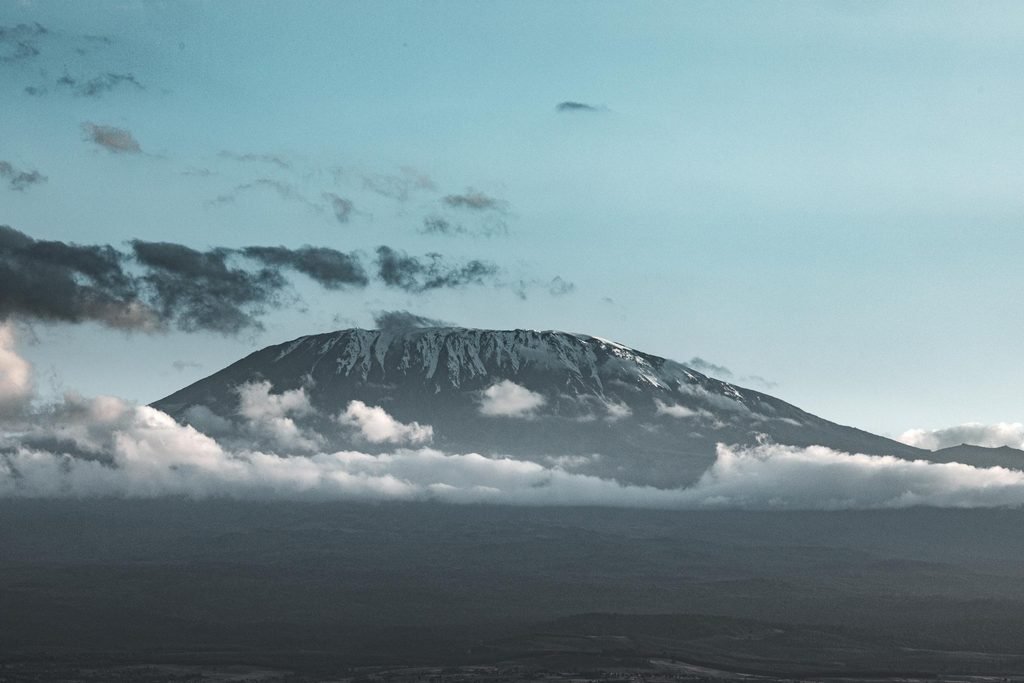
Why Choose the Marangu Route?:The Best 6-Day Marangu Route Kilimanjar
The Marangu Route approaches Kilimanjaro from the southeastern side of the mountain. It is one of the oldest established routes and follows a trail through several distinct ecological zones before reaching the summit.
1. Sleep in Mountain Huts
One of Marangu’s main attractions is its hut accommodation. Climbers normally spend nights at Mandara Hut, Horombo Hut, and Kibo Hut, depending on the itinerary. The huts offer a practical alternative to tent camping, especially for travellers who prefer not to sleep outdoors.
Facilities are basic, and climbers should expect shared sleeping areas and communal amenities. Bringing a suitable sleeping bag is essential, as temperatures can drop significantly at higher elevations.
2. Discover Kilimanjaro’s Changing Landscapes
The climb begins in a lush montane forest filled with vegetation and birdlife. As you gain altitude, the landscape changes into open moorland, where giant groundsels and lobelias create a distinctive mountain environment. Higher up, the scenery becomes rocky, dry, and increasingly alpine.
These changing environments make the Marangu Route rewarding even before the final summit attempt.
3. Follow a Well-Established Trail
Marangu has a clearly established path and is commonly used by climbers approaching Kilimanjaro. However, an established route does not make the mountain easy. Long walking days, altitude, cold conditions, and the steep summit approach can challenge even physically fit travellers.
4. Experience a Meaningful Personal Achievement
The summit journey demands patience, determination, and teamwork. Every stage gives you an opportunity to appreciate the mountain and understand your own limits. Even if altitude or weather prevents a summit attempt, completing part of the climb can still be a valuable experience.

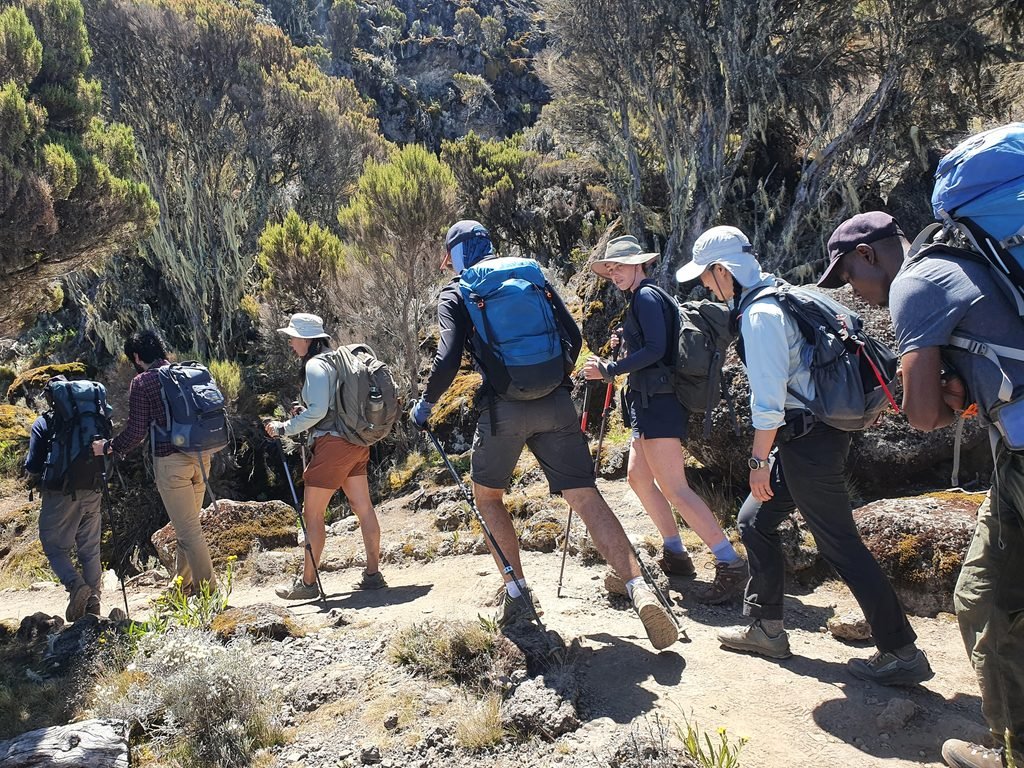
6-Day Marangu Route Kilimanjaro Itinerary:The Best 6-Day Marangu Route Kilimanjar
The itinerary below is an example of how a six-day Marangu climb may be organised. Exact arrangements depend on the operator, current mountain conditions, and the approved route schedule. Six days is a short duration for this altitude, and a longer climb is generally preferable for acclimatization.
Day 1: Marangu Gate to Mandara Hut
Your adventure begins after meeting your mountain team and completing the required registration at Marangu Gate, located at approximately 1,870 metres above sea level. Your guide will check your equipment, explain the day’s plan, and lead you into Kilimanjaro National Park.
The trail winds through a beautiful montane forest, where tall trees, ferns, mosses, and other vegetation create a refreshing atmosphere. Keep an eye out for birds and, occasionally, monkeys moving through the trees. The path may be damp or muddy, particularly during rainy periods, so waterproof hiking boots are useful.
You will walk at a steady pace, taking breaks for water and rest. Once you arrive at Mandara Hut, approximately 2,700 metres above sea level, you can settle into the accommodation, enjoy a warm meal, and prepare for the next stage.
Approximate hiking time: 4–6 hours.
Accommodation: Mandara Hut.
Day 2: Mandara Hut to Horombo Hut
After breakfast, leave the forest behind as the trail enters open moorland. The scenery becomes wider and more dramatic, with views across the mountain slopes when the weather is clear. You may see unusual high-altitude plants that have adapted to the mountain’s changing conditions.
The route gradually gains elevation as you continue towards Horombo Hut, at approximately 3,720 metres. The walk may feel more demanding than the previous day because the air contains less available oxygen at this altitude.
Your guide will encourage a slow, consistent pace. Avoid rushing, even if you feel strong, and drink water regularly. On arrival at Horombo Hut, take time to rest, eat well, and report any symptoms such as headache, nausea, dizziness, or unusual fatigue to your guide.
Approximate hiking time: 5–7 hours.
Accommodation: Horombo Hut.
Day 3: Horombo Hut to Kibo Hut
Today, the landscape becomes more exposed as you leave much of the vegetation behind. The trail crosses high-altitude terrain towards the saddle between Mawenzi and Kibo, two of Kilimanjaro’s volcanic peaks. The scenery is stark and impressive, with broad open slopes and expansive mountain views when visibility is good.
You will continue towards Kibo Hut, situated at approximately 4,700 metres. At this elevation, many climbers notice the effects of altitude, even when walking slowly. Appetite may decrease, sleep may be difficult, and ordinary activity can feel tiring.
After reaching the hut, your team will explain the summit-night schedule, check your clothing and equipment, and provide an early meal. You will normally rest as much as possible before the overnight summit attempt.
A standard six-day Marangu itinerary can provide limited time for acclimatization, particularly if it omits a dedicated extra night at Horombo. Climbers should discuss this concern with their operator before booking. If you develop symptoms of altitude illness, the priority is assessment and safe descent when required, not continuing towards the summit.
Approximate hiking time: 5–7 hours.
Accommodation: Kibo Hut.

Day 4: Kibo Hut to Uhuru Peak and Descent to Horombo Hut
Summit day is the most demanding part of the climb. The ascent commonly begins around midnight, when temperatures can be extremely cold and visibility is limited by darkness. Your guide will lead the group slowly up the steep trail towards Gilman’s Point on the crater rim.
The climb requires concentration and perseverance. The path includes long uphill sections over loose volcanic material, and the altitude can make every step feel harder. Your guide will monitor the group’s condition and pace, with safety taking priority throughout the ascent.
From Gilman’s Point, climbers who are fit enough and whose condition and weather permit may continue along the crater rim to Uhuru Peak at 5,895 metres. Reaching the summit can be an emotional moment, with the opportunity to take photographs and appreciate the extraordinary achievement. However, reaching Uhuru Peak is never guaranteed, and turning back when necessary is the correct decision.
After the summit attempt, descend carefully to Kibo Hut for a rest and refreshments, then continue towards Horombo Hut if the approved itinerary and your condition allow. This makes for a very long day, and the precise overnight arrangement must be confirmed before departure. Do not assume that everyone can safely complete the full ascent and descent within the same schedule.
Approximate hiking time: Often 10–15 hours or longer, depending on conditions and individual pace.
Accommodation: Horombo Hut, if the planned descent and your condition permit.
Day 5: Horombo Hut to Marangu Gate
After a night at Horombo Hut, begin the descent through the moorland and back into the forest. Descending can put pressure on your knees and ankles, so use trekking poles if you have them and avoid moving too quickly on uneven ground.
You will gradually return to lower elevations, where the air feels denser and the vegetation becomes greener. At Marangu Gate, complete the required park procedures and meet your transfer vehicle.
Climbers who reach the summit may receive a certificate according to the park’s procedures and the point reached. Whether or not you summit, take pride in the effort you have made and the experience of travelling through one of Africa’s most remarkable mountain environments.
Approximate hiking time: 5–7 hours.
Accommodation: Hotel in Moshi or Arusha, depending on your package.
Day 6: Departure or Additional Tanzania Experience
The final day provides time to relax after the climb, enjoy breakfast, and prepare for your onward journey. Depending on your flight schedule, EKO Tanzania Adventures can arrange a transfer to Kilimanjaro International Airport or help plan an additional stay in Tanzania.
If you have extra time, you may choose to explore Arusha, enjoy a cultural experience, or combine your mountain adventure with a wildlife safari in one of Tanzania’s national parks. Travellers who want to unwind after climbing may also consider extending their holiday to Zanzibar.
The best arrangement depends on your travel dates, budget, flight times, and interests. Allow enough recovery time after the climb, especially if you are planning another physically demanding activity.
Important Note About the Six-Day Schedule
A six-day Marangu climb is a short itinerary for a mountain that reaches 5,895 metres. The sample above illustrates the experience, but the timing and overnight arrangements—especially after summit night—must be confirmed with a qualified operator. A longer itinerary with additional acclimatization time is generally the better choice for many climbers. Your guide must be prepared to modify or stop the climb if symptoms, weather, or other safety concerns arise.
Estimated Cost of the 6-Day Marangu Route Climb
The price of a Kilimanjaro climb depends on the number of climbers, accommodation before and after the trek, crew arrangements, transport, park charges, equipment needs, and the level of service selected.
The following figures are illustrative planning estimates in US dollars, not confirmed or live quotations. Actual prices can vary, and a short itinerary should never be chosen solely because it appears cheaper.
| Package arrangement | Estimated cost per person |
|---|---|
| Group climb, subject to availability | $1,700–$2,300 |
| Private climb for 4–6 climbers | $1,800–$2,500 |
| Private climb for 2 climbers | $2,000–$2,800 |
| Private climb for 1 climber | $2,500–$3,500+ |
Ask for a written quotation that clearly lists park and hut fees, crew wages, meals, transfers, hotel nights, taxes, and any additional charges. Confirm the itinerary and safety arrangements before paying a deposit.
What Is Included in the Climb?
Depending on the confirmed package, inclusions may cover:
- Kilimanjaro National Park and applicable hut fees.
- Professional mountain guides and supporting mountain crew.
- Accommodation in designated mountain huts during the trek.
- Meals and drinking water arrangements on the mountain, as specified.
- Group or private transport to and from the Marangu trailhead.
- Pre-climb briefing and basic equipment checks.
- Rescue arrangements provided under applicable park procedures.
- Hotel accommodation before or after the climb, if stated in your quotation.
- Summit certificates for eligible climbers, subject to park procedures.
Always check the final written itinerary, as inclusions differ between packages.
What Is Not Included?
Unless explicitly stated in your quotation, the following are usually excluded:
- International and domestic flights.
- Tanzania visa fees and personal travel insurance.
- Insurance covering high-altitude trekking and emergency evacuation.
- Personal trekking equipment, including suitable boots, warm layers, and sleeping bags.
- Tips for guides, cooks, and porters.
- Personal expenses, snacks, and optional drinks.
- Hotel nights or meals outside the agreed package.
- Additional transfers, excursions, or accommodation not listed in the itinerary.
- Any costs resulting from itinerary changes or extra services, subject to the operator’s terms.
How to Prepare for the Marangu Route
Build Your Fitness Gradually
Begin training well before your trip. Regular walking, uphill hikes, stair climbing, cycling, and aerobic exercise can help improve stamina. If possible, practise walking for several hours on consecutive days while wearing the footwear and daypack you plan to use on the mountain.
Fitness helps, but it cannot prevent altitude sickness. Even very fit climbers can struggle at high altitude.
Pack for Warm and Cold Conditions
Temperatures vary greatly from the forest to the summit. Bring broken-in hiking boots, moisture-wicking base layers, insulating clothing, a waterproof jacket and trousers, warm gloves, a hat, a headlamp with spare batteries, sunglasses, sunscreen, a reusable water bottle or hydration system, and personal medication.
A warm sleeping bag suitable for sub-zero conditions is important for hut nights. Confirm whether any equipment can be hired locally and whether rental items meet your needs.
Follow Your Guide’s Pace
The Swahili phrase pole pole means “slowly, slowly” and is central to safe mountain trekking. Walk at a comfortable pace, take the recommended breaks, eat regularly, and keep your guide informed about how you feel.
Take Altitude Symptoms Seriously
Altitude illness can become dangerous. Tell your guide immediately if you experience a persistent or worsening headache, nausea, dizziness, unusual weakness, or loss of coordination. Confusion, difficulty walking straight, or breathlessness at rest are emergency warning signs. Severe symptoms require urgent medical assessment and descent; do not continue climbing to reach a personal goal.
Choose comprehensive travel insurance that explicitly covers trekking to 5,895 metres and emergency evacuation. Confirm exclusions and evacuation limits before travel.
Best Time to Climb Mount Kilimanjaro
Many climbers prefer the generally drier periods from January to early March and from June to October. Conditions still vary, and cold temperatures, rain, wind, and cloud can occur at any time on the mountain.
January and February often offer a chance of clearer conditions, while June to October is a popular climbing season. The shoulder periods can also be suitable, but rainfall may make the lower forest trail wet and slippery. Choose dates based on your schedule and discuss expected conditions with your operator.
Book Your 6-Day Marangu Route Kilimanjaro Climb with EKO Tanzania Adventures
Climbing Mount Kilimanjaro is an extraordinary experience, but the right preparation and a sensible itinerary are essential. EKO Tanzania Adventures can help you plan your Marangu Route climb, understand the practical requirements, and organise the supporting arrangements for your time in Tanzania.
Before booking, discuss whether six days is appropriate for your experience, health, and available travel time. If your schedule allows, consider a longer itinerary with additional acclimatization time to improve your opportunity to adjust to the altitude.
Your climb can be tailored to your travel dates, group size, accommodation preferences, budget, and onward travel plans. You can also ask about combining Kilimanjaro with a Tanzania wildlife safari or a relaxing Zanzibar holiday.
Contact EKO Tanzania Adventures
- Website: ekotanzaniaadventures.com
- WhatsApp / Call: +255 761 353 184
- Email: info@ekotanzaniaadventures.com
- Alternative email: ekotanzaniaadventure@gmail.com
Start planning your 2026–2027 Kilimanjaro adventure with clear expectations, good preparation, and a strong commitment to safety. Uhuru Peak may be your goal, but a successful mountain journey begins with respecting the mountain and making careful decisions at every stage.