Overview
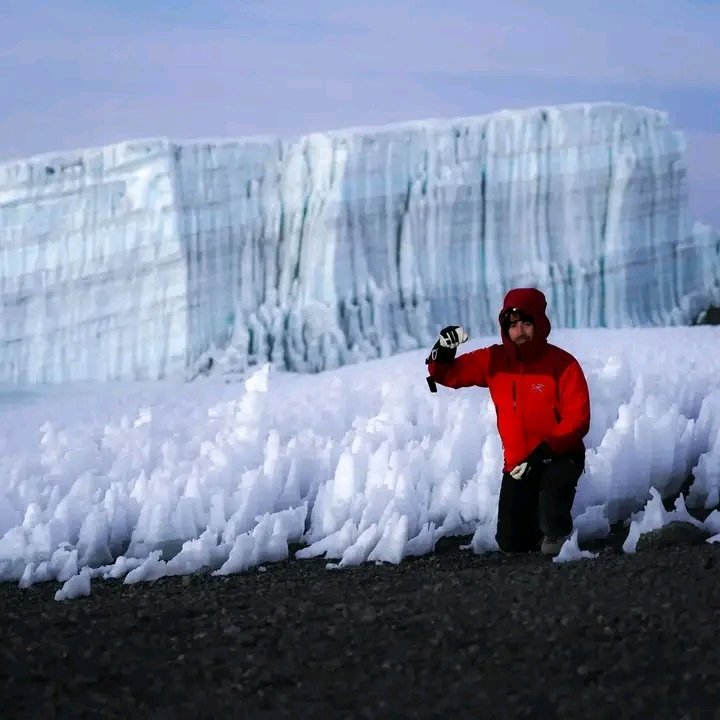
The Ultimate 5-Day Marangu Route Kilimanjaro Climb From Moshi 2026–2027;is an exciting opportunity to explore the natural beauty of Mount Kilimanjaro and challenge yourself to reach the highest point in Africa. This adventure takes you through beautiful rainforest, open moorland, and rugged alpine landscapes before the final ascent towards Uhuru Peak, which stands at 5,895 metres above sea level.
Starting in Moshi, a popular base for travellers preparing to climb Kilimanjaro, this journey follows the historic Marangu Route. The route is well known for its established hiking trail and mountain hut accommodation, making it a popular choice for climbers who prefer sleeping in huts rather than tents. Along the way, you will experience changing landscapes, enjoy views of Kilimanjaro’s volcanic peaks, and discover the remarkable environment of one of Africa’s most famous mountains.
With EKO Tanzania Adventures, your journey begins with preparation and a briefing before you travel to Marangu Gate, where the trek officially starts. From there, you will gradually climb through different vegetation zones, spending nights at Mandara Hut, Horombo Hut, and Kibo Hut before attempting the summit. After the summit attempt, you will descend towards Horombo Hut and continue back to Marangu Gate on the final day.
Although this itinerary is designed for five days, climbing Kilimanjaro is a serious physical challenge. The shorter schedule provides less time for acclimatisation, particularly before the summit attempt. Travellers should therefore prepare carefully, follow their guide’s instructions, and consider the six-day Marangu Route if they have enough time for a more gradual ascent.
Whether you are an enthusiastic hiker, an adventurous traveller, or someone looking for a meaningful personal challenge, this climb offers a memorable way to experience Tanzania’s extraordinary mountain scenery.
Trip Highlights of The Ultimate 5-Day Marangu Route Kilimanjaro Climb From Moshi 2026–2027
- Climb Mount Kilimanjaro via the classic Marangu Route.
- Attempt to reach Uhuru Peak, the highest point in Africa at 5,895 metres.
- Begin your adventure in Moshi, at the foot of Mount Kilimanjaro.
- Walk through the beautiful montane rainforest and open mountain moorland.
- Enjoy mountain hut accommodation at Mandara, Horombo, and Kibo.
- Discover the dramatic landscapes of the Saddle between Mawenzi and Kibo.
- Enjoy views of Kilimanjaro’s distinctive volcanic peaks when weather conditions permit.
- Experience a guided mountain expedition with support from a professional climbing crew.
- Complete your journey with a descent through the mountain’s changing natural environments.
- Travel during the 2026–2027 climbing season with an itinerary arranged around your preferred dates.
Why Choose The Ultimate 5-Day Marangu Route Kilimanjaro Climb From Moshi 2026–2027?
The Marangu Route is one of the oldest established routes on Mount Kilimanjaro. It approaches the mountain from the southeastern side and follows a recognised trail through several ecological zones before reaching the summit area.
One of its most distinctive features is the availability of mountain huts. Unlike routes that require climbers to sleep in tents, Marangu provides shared sleeping facilities along the trail. This can be appealing to travellers who prefer a roof over their heads and want a different kind of mountain experience.
The route also offers a fascinating change of scenery. At the beginning, the rainforest is rich in vegetation, with tall trees, ferns, and moss-covered surroundings. As you gain elevation, the forest gradually opens into heathland and moorland, where the vegetation becomes shorter and the views expand. Higher up, the landscape becomes drier and more exposed, with rocky ground and the distinctive alpine desert surrounding Kibo Hut.
Another advantage is the established trail and straightforward logistics from Moshi. The starting point at Marangu Gate is accessible by road, and the town provides a convenient place to stay before and after the climb.
However, the five-day itinerary is demanding because it moves relatively quickly towards high altitude. The Marangu Route may have a more gradual trail profile than some alternatives, but this does not mean the climb is easy. The summit attempt involves steep terrain, cold temperatures, and a long descent after reaching high elevations.
For this reason, the best route is not necessarily the shortest one. It is the itinerary that suits your physical condition, available time, and ability to adapt to altitude.
Detailed The Ultimate 5-Day Marangu Route Kilimanjaro Climb From Moshi 2026–2027; Itinerary
Day 1: Moshi to Marangu Gate and Mandara Hut
Elevation: Marangu Gate, approximately 1,860 metres, to Mandara Hut, approximately 2,700 metres
Meals: Lunch and dinner, according to your package arrangements
Your Kilimanjaro adventure begins in Moshi, where you will have breakfast and prepare for the journey to Marangu Gate. Before departure, your guide or trip coordinator will check that you have the essential equipment needed for the climb and explain the arrangements for the day.
The drive to the gate takes you towards the green foothills of Mount Kilimanjaro. Once you arrive, the required park registration procedures will be completed before you begin walking along the Marangu trail.
The first day introduces you to the mountain’s beautiful rainforest environment. The path winds through tall trees, thick vegetation, ferns, and moss-covered branches. The atmosphere is often cool and humid, offering a pleasant contrast to the warmer conditions you may have experienced in Moshi.
Keep an eye out for wildlife as you walk. Blue monkeys and black-and-white colobus monkeys inhabit parts of the forest, although sightings cannot be guaranteed. Your guide may also point out interesting plants and explain how the forest supports the wildlife living on the mountain.
The trail gradually climbs towards Mandara Hut, where you will spend your first night. After reaching the hut, you can settle into your accommodation, enjoy a meal, and rest after the day’s walk.
If time, weather, and your guide’s assessment allow, you may be able to visit Maundi Crater for a short additional walk. The area provides an opportunity to enjoy the surrounding scenery before returning to the hut.
Spend the evening preparing for the following day. Organise your daypack, check your clothing, drink enough water, and get as much rest as possible. The first day is only the beginning, and the higher elevations ahead will require patience and careful preparation.

The Ultimate 5-Day Marangu Route Kilimanjaro Climb From Moshi 2026–2027
Day 2: Mandara Hut to Horombo Hut
Elevation: Approximately 2,700 metres to 3,720 metres
Accommodation: Horombo Hut
Meals: Breakfast, lunch, and dinner
After breakfast at Mandara Hut, you will continue climbing towards Horombo Hut. This is a longer walking day, and the landscape gradually changes as you leave much of the dense rainforest behind.
The trail initially passes through the upper forest before opening into heathland and moorland. The vegetation becomes shorter, and the surroundings feel more spacious. On clear days, the mountain’s impressive volcanic peaks may come into view, including Mawenzi and Kibo.
The changing scenery is one of the most rewarding parts of the Marangu Route. You begin the journey beneath a canopy of trees and gradually move into an open mountain environment where the views extend across the surrounding landscape.
Your guide will encourage you to maintain a steady pace throughout the day. There is no need to rush, even if other hikers move faster. Walking slowly and taking regular breaks can help you manage your energy as you gain altitude.
A lunch stop will be arranged during the trek according to your group’s progress and the day’s plan. After eating and resting, you will continue towards Horombo Hut, located at approximately 3,720 metres.
Horombo Hut is an important overnight stop on the route. The surrounding landscape offers impressive views, and the area is often busy with climbers travelling in both directions.
After arrival, you can settle into your shared accommodation, enjoy dinner, and prepare for the next stage. Pay attention to how your body feels at this elevation. Headaches, nausea, dizziness, and unusual fatigue should be reported to your guide immediately.
The five-day itinerary does not include a dedicated acclimatisation day at Horombo. This makes it particularly important to follow safety instructions and understand that the following day’s ascent will take you considerably higher.

The Ultimate 5-Day Marangu Route Kilimanjaro Climb From Moshi 2026–2027
Day 3: Horombo Hut to Kibo Hut
Elevation: Approximately 3,720 metres
Accommodation: Kibo Hut
Meals: Breakfast, lunch, and dinner
Day three takes you into the higher-altitude environment of Mount Kilimanjaro. After breakfast, you will leave Horombo Hut and begin the trek towards Kibo Hut, the final overnight stop before the summit attempt.
The trail crosses the broad plateau known as the Saddle, which lies between the volcanic peaks of Mawenzi and Kibo. Compared with the rainforest and moorland below, this area is more open, dry, and rocky. Vegetation becomes sparse, and the landscape takes on a rugged character.
Although the terrain may appear relatively straightforward in places, the altitude makes the walk more demanding. You may find yourself breathing more heavily or needing additional time to cover distances that would feel easy at lower elevations.
Your guide will set a manageable pace and recommend breaks when necessary. Keep drinking water, eat the meals provided, and avoid unnecessary exertion. Do not ignore symptoms that could indicate altitude-related illness.
As you approach Kibo Hut, the surroundings become increasingly exposed. Temperatures can fall sharply, especially as evening approaches, and the weather may change quickly.
Upon arrival at approximately 4,700 metres, you will have time to rest and prepare for the summit attempt. Your guide will explain the planned departure time, expected conditions, and the equipment you will need during the night.
You should organise your warm clothing, gloves, headlamp, spare batteries, water, and snacks before going to bed. A headlamp is essential because the summit attempt usually begins around midnight, when the trail is dark and temperatures are extremely low.
Dinner is generally served early, allowing climbers to eat before resting. Sleeping at this elevation can be difficult, and you may not sleep as deeply as you would at lower altitudes. Nevertheless, give yourself time to relax and prepare mentally for the challenge ahead.
The evening at Kibo Hut is a reminder that the summit is approaching. The following day will demand physical endurance, patience, and a willingness to follow your guide’s advice throughout the ascent and descent.
The Ultimate 5-Day Marangu Route Kilimanjaro Climb From Moshi 2026–2027

The Ultimate 5-Day Marangu Route Kilimanjaro Climb From Moshi 2026–2027
Day 4: Kibo Hut to Uhuru Peak and Descent to Horombo Hut
Starting elevation: Approximately 4,700 metres
Summit elevation: 5,895 metres
Habitat: Alpine desert and summit terrain
Accommodation: Horombo Hut, if the descent is completed safely
Meals: Breakfast, lunch, and dinner, according to your package arrangements
Today is the most challenging stage of your Kilimanjaro adventure. The summit attempt usually begins around midnight, when you leave Kibo Hut and start climbing towards the crater rim.
The trail rises over steep sections of loose volcanic gravel and rocky ground. Darkness, cold temperatures, and the effects of altitude make this part of the journey physically and mentally demanding.
Your guide will establish a slow, steady pace and arrange short breaks as needed. Focus on taking one step at a time instead of worrying about the entire climb ahead. Keep your hands warm, drink when appropriate, and communicate openly if you feel unwell.
The ascent continues towards Gilman’s Point, situated at approximately 5,685 metres on the crater rim. Reaching this point is a significant achievement, but climbers hoping to reach Uhuru Peak must continue along the summit route when conditions and their physical state permit.
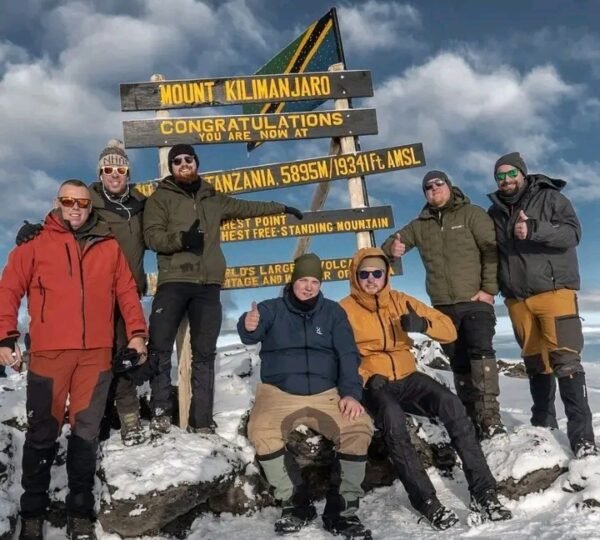
Depending on your pace and the conditions, you may continue towards Stella Point before following the crater rim to Uhuru Peak at 5,895 metres.
Reaching Uhuru Peak is the defining moment for many climbers. Standing at the highest point in Africa offers a sense of accomplishment that comes from days of preparation, hours of walking, and determination in challenging conditions.
If the weather is clear, you may enjoy impressive views across the surrounding mountain landscape. Sunrise can make the experience particularly memorable, although cloud cover and weather conditions vary.
Take photographs if conditions allow, celebrate your achievement, and follow your guide’s instructions about how long to remain at the summit. At this altitude, staying longer than necessary can increase exposure to cold and fatigue.
The descent begins after the summit visit. Although you are heading downhill, this part of the day is still demanding. Loose gravel, tired legs, and the accumulated effort of the ascent require careful movement.
You will descend towards Kibo Hut and continue to Horombo Hut according to the agreed itinerary and your guide’s assessment. The journey from the summit to Horombo is long, and the timing may change depending on the group’s condition, weather, and safety considerations.
At Horombo Hut, you can enjoy a meal, recover, and rest after the most demanding part of the climb. If you experience concerning symptoms or significant exhaustion, your guide must prioritise an appropriate safety plan rather than insist on completing the original schedule.
Reaching the summit is an incredible achievement, but it is never worth risking your health. A safe descent is an essential part of a successful mountain expedition.
Day 5: Horombo Hut to Marangu Gate and Return to Moshi
Starting elevation: Approximately 3,720 metres
After breakfast at Horombo Hut, you will begin the final descent towards Marangu Gate. Following the summit attempt, your body may feel tired, so take your time and follow your guide’s instructions.
The trail passes through the moorland before returning to the rainforest. As you descend, the air becomes warmer and the vegetation gradually becomes denser. The changing scenery offers a final opportunity to appreciate the different environments found on Mount Kilimanjaro.
Although descending does not involve the same uphill effort as the summit climb, it can place considerable strain on your knees, ankles, and feet. Trekking poles can be useful for balance and support, particularly on uneven or slippery sections.
You will normally pass through Mandara Hut during the descent. A meal or packed lunch may be arranged depending on your schedule and the services included in your package.
Once you reach Marangu Gate, you will complete the required exit procedures. Climbers who qualify under the park’s requirements can receive their appropriate summit certificates.
Your driver will then transfer you back to Moshi. After several days on the mountain, returning to your hotel provides an opportunity to take a warm shower, enjoy a comfortable bed, and celebrate the completion of your adventure.
Your five-day Kilimanjaro climb ends in Moshi, where you can relax or continue with another part of your Tanzanian holiday.
The Ultimate 5-Day Marangu Route Kilimanjaro Climb From Moshi 2026–2027
Accommodation on the Marangu Route
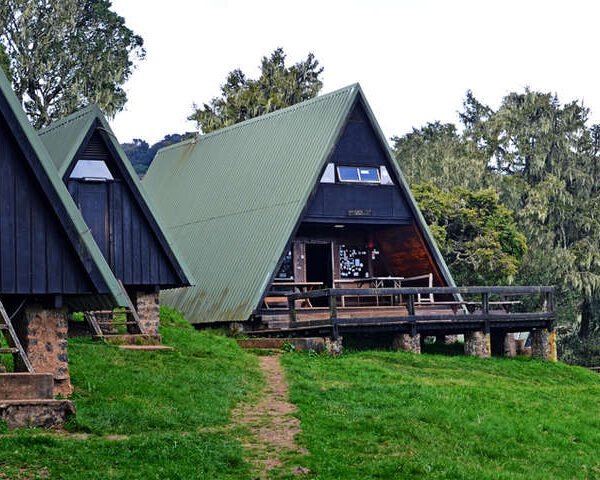
One of the main reasons travellers choose the Marangu Route is its mountain hut accommodation. Instead of sleeping in tents, climbers stay in designated huts along the trail.
Mandara Hut, at approximately 2,700 metres, is the first overnight stop and sits within the rainforest environment. Horombo Hut, at approximately 3,720 metres, is a major accommodation point on the route and is used during the ascent and descent. Kibo Hut, at approximately 4,700 metres, provides the final overnight stop before the summit attempt.
The huts offer shared sleeping areas and basic facilities. They are practical mountain shelters rather than luxury lodges, so climbers should expect limited privacy and communal facilities.
A suitable sleeping bag is still necessary. You should also bring warm sleepwear, a headlamp, personal toiletries, and earplugs if you are sensitive to noise.
Before departure, EKO Tanzania Adventures can confirm the accommodation arrangements and explain what you should bring for your nights on the mountain.
Best Time to Climb Kilimanjaro in 2026–2027
Mount Kilimanjaro can be climbed throughout the year, but weather conditions vary by season and altitude.
January to early March is generally a popular period for trekking, with opportunities for clear views and favourable walking conditions. June to October is another popular climbing season, although the mountain can be busy during peak travel periods.
March to May is generally associated with the longer rainy season, while November can bring shorter rains. Wet conditions may make sections of the trail muddy and reduce visibility, although actual weather patterns vary from year to year.
Even during the drier months, summit temperatures can be extremely cold, and strong winds or sudden changes in weather are possible.
For the 2026–2027 climbing season, consider your preferred dates, travel arrangements, and experience when planning your adventure. Arriving in Moshi at least one day before the trek gives you time to rest, check your equipment, and attend the pre-climb briefing.
Fitness and Preparation for the Climb
Good preparation is essential for a successful Kilimanjaro experience. You do not need to be a professional athlete, but you should be comfortable with prolonged physical activity and prepared for several consecutive days of walking.
Start training well before your departure. Regular walking, hiking, stair climbing, and cardiovascular exercise can help build endurance. Gradually increase the duration of your training sessions and practise walking on uneven terrain where possible.
Wear your hiking boots during training so that you can identify any fit problems before the trip. A blister or uncomfortable boot can become a serious inconvenience during a long mountain trek.
It is also important to prepare mentally. Walking slowly, following instructions, and accepting that some sections will be difficult can help you manage the experience more confidently.
Physical fitness does not guarantee protection against altitude sickness. The five-day Marangu itinerary offers limited time for acclimatisation, so consider whether the six-day version would be a better choice for your circumstances.
What to Pack for Your Marangu Route Kilimanjaro Climb
Mountain conditions change significantly as you climb higher, so packing suitable equipment is essential.
Your recommended packing list should include:
- Broken-in waterproof hiking boots.
- Moisture-wicking base layers and comfortable trekking trousers.
- Warm insulating clothing and a suitable winter jacket.
- Waterproof jacket and trousers.
- Warm gloves, insulated mittens, and a warm hat.
- Sun hat, sunglasses, and high-SPF sunscreen.
- A headlamp with spare batteries.
- A sleeping bag suitable for cold mountain conditions.
- Trekking poles for stability during the ascent and descent.
- A daypack and waterproof pack cover.
- Reusable water bottles or a hydration system suitable for freezing conditions.
- Personal toiletries, a small towel, and blister treatment supplies.
- Snacks and energy bars that you can eat comfortably while hiking.
- Any prescribed medication and personal first-aid essentials.
Your guide or trip coordinator should provide a complete equipment list before the climb. Confirm which items are available for hire in Moshi and which you need to bring yourself.
Food and Drinking Water During the Trek
Eating regularly and drinking enough water can help you maintain your energy during the climb. An organised mountain package commonly includes meals prepared by the climbing crew, although the precise arrangements should be confirmed before booking.
Breakfast, lunch, and dinner are planned around the daily trekking schedule. If you have food allergies, dietary restrictions, or specific meal requirements, inform EKO Tanzania Adventures before your arrival.
Carry water during the day’s hike and drink regularly. At high altitude, appetite and thirst may change, so do not wait until you feel very thirsty before drinking.
Only drink water treated through the arrangements provided by your operator. Do not drink untreated water directly from streams or other natural sources.
Small snacks can also be useful during longer walking days. Choose familiar foods that are easy to carry and that you know you can tolerate while exercising.
Safety and Acclimatisation on Mount Kilimanjaro
Safety should always come before reaching the summit. Although the Marangu Route follows an established trail, the altitude creates challenges that require careful attention.
Altitude sickness can affect anyone, regardless of fitness or previous hiking experience. Symptoms may include headache, nausea, dizziness, unusual tiredness, or reduced appetite. Report these symptoms to your guide immediately.
Confusion, difficulty walking straight, or breathlessness at rest can indicate a serious emergency requiring urgent assessment and descent. Never continue ascending when you are unwell simply because you have a summit goal.
Follow your guide’s pace, eat and drink regularly, and avoid unnecessary exertion. Your guide and climbing crew should monitor the group’s condition and respond appropriately when a climber needs assistance.
The five-day Marangu Route is a shortened itinerary with limited acclimatisation time. The six-day option adds an acclimatisation day around Horombo Hut, allowing a more gradual approach to the higher elevations. The extra day does not eliminate altitude risks, but it is worth considering when planning your climb.
Travel insurance should cover high-altitude trekking to the intended elevation and emergency evacuation. Speak to a qualified healthcare professional before travelling if you have medical concerns about strenuous activity at high altitude.
Cost of the Ultimate 5-Day Marangu Route Kilimanjaro Climb
The cost of the Ultimate 5-Day Marangu Route Kilimanjaro Climb From Moshi 2026–2027 depends on the number of travellers, climbing dates, accommodation arrangements before and after the trek, equipment rental, and services included in the package.
A climbing package may include national park fees, mountain hut accommodation, professional guides, porters, a cook, meals on the mountain, drinking water arrangements, and transfers between Moshi and Marangu Gate. The exact inclusions vary, so travellers should always request a written quotation before confirming a booking.
Additional expenses may include:
- International and domestic flights.
- Visa fees, where applicable.
- Hotel accommodation in Moshi before or after the trek.
- Personal trekking equipment and equipment rental.
- Travel insurance and emergency evacuation cover.
- Tips for guides, porters, and other mountain crew members.
- Personal purchases and additional drinks.
- Any services or meals not included in the confirmed package.
EKO Tanzania Adventures can prepare a personalised quotation based on your preferred dates, group size, budget, and accommodation needs. Confirm the final price and all inclusions before making payment.
What Is Included in the Climbing Package?
Depending on the package you choose, inclusions may cover:
- Applicable Kilimanjaro National Park fees.
- Mountain hut accommodation during the climb.
- Professional mountain guides.
- Porter and cook services.
- Meals during the trek.
- Drinking water arrangements.
- Transfers between Moshi and Marangu Gate.
- Pre-climb briefing and equipment checks.
- Assistance with required park registration procedures.
- The appropriate summit certificate for eligible climbers who reach a recognised summit point.
All services should be confirmed in your written quotation.
What Is Not Included?
Unless specifically stated in your package, the following are generally excluded:
- International flights and domestic flights.
- Visa fees and personal travel documentation.
- Travel insurance and emergency evacuation cover.
- Personal trekking clothing, boots, and sleeping bags.
- Equipment rental charges.
- Tips and gratuities for the climbing crew.
- Hotel accommodation outside the agreed itinerary.
- Personal purchases and additional services.
- Meals and transfers not listed in your confirmed package.
Understanding the inclusions and exclusions will help you prepare a realistic budget and avoid unexpected expenses during your trip.
Why Book With EKO Tanzania Adventures?
Planning a Kilimanjaro climb involves more than selecting a route. You need a clear itinerary, suitable equipment, reliable transport arrangements, and a climbing team that takes safety seriously.
EKO Tanzania Adventures can help you organise your Marangu Route adventure from Moshi and explain the preparations required before departure. You can discuss your travel dates, preferred accommodation, group size, equipment needs, and budget before confirming your booking.
A good pre-climb briefing is particularly important for the five-day itinerary because the schedule is demanding. You should understand the expected walking times, the challenges of the summit attempt, and the importance of following the guide’s instructions.
If you have more time available, EKO Tanzania Adventures can also help you consider the six-day Marangu Route or another itinerary that allows more time for acclimatisation.
Your Tanzania holiday can also be extended with a wildlife safari or a beach holiday in Zanzibar, depending on your interests and travel schedule. These options can be discussed when planning your overall trip.
Frequently Asked Questions
How difficult is the five-day Marangu Route?
The route is physically demanding, particularly because the five-day schedule provides limited acclimatisation time. The summit attempt involves steep terrain, cold temperatures, and a long descent. Proper preparation and a realistic understanding of the challenges are essential.
Can beginners climb Mount Kilimanjaro via the Marangu Route?
Beginners can attempt the climb if they prepare appropriately and are physically suitable for strenuous activity. Previous hiking experience is helpful, but the effects of altitude remain unpredictable. Travellers should choose an itinerary that suits their fitness, health, and available time.
Is accommodation provided in huts?
Yes. The Marangu Route is known for its mountain hut accommodation. The facilities are shared and basic, so climbers should not expect hotel-style comfort.
What is the highest point on the climb?
The highest point is Uhuru Peak, at 5,895 metres above sea level. Reaching the summit depends on your physical condition, weather conditions, and the guide’s safety assessment.
Is five days enough to climb Kilimanjaro?
A five-day Marangu climb is possible, but the schedule is demanding and offers less time for acclimatisation. The six-day version is worth considering because it includes an additional day to adjust to altitude.
What happens if I become unwell during the climb?
Inform your guide immediately. Do not ignore symptoms or continue ascending when you are unwell. Your guide should assess the situation and arrange the appropriate response, which may require stopping the ascent and descending.
When should I book my 2026–2027 climb?
Book as early as practical, particularly if you have fixed travel dates or specific accommodation preferences. Early planning also gives you time to train, arrange insurance, and prepare your equipment.
Can I combine my Kilimanjaro climb with a safari?
Yes. You can discuss adding a Tanzania wildlife safari to your itinerary. Popular destinations include Tarangire National Park, Serengeti National Park, and the Ngorongoro Conservation Area. Zanzibar is another option if you would like to relax by the beach after your mountain adventure.
Book Your Ultimate 5-Day Marangu Route Kilimanjaro Climb
Are you ready to take on the challenge of Mount Kilimanjaro? The Ultimate 5-Day Marangu Route Kilimanjaro Climb From Moshi 2026–2027 offers an opportunity to experience Tanzania’s remarkable mountain landscapes, discover the natural beauty of the Marangu Route, and attempt to reach the highest point in Africa.
From the rainforest at the beginning of the trek to the rugged terrain surrounding Kibo Hut, every stage offers a different experience. The summit attempt is physically demanding, but with suitable preparation, a steady pace, and responsible guidance, you can approach the adventure with greater confidence.
EKO Tanzania Adventures can help you plan your climb according to your preferred dates, group size, accommodation arrangements, and budget. Before booking, discuss the demands of the five-day itinerary and consider whether an additional acclimatisation day would better suit your needs.
Start planning your 2026–2027 adventure and prepare for an unforgettable journey on Mount Kilimanjaro.
Contact EKO Tanzania Adventures
Company: EKO Tanzania Adventures
Website: www.ekotanzaniaadventures.com
WhatsApp / Call: +255 761 353 184
Email: info@ekotanzaniaadventures.com
Alternative Email: info@ekotanzaniaadventure@gmail.com
Contact EKO Tanzania Adventures to request a personalised quotation and begin preparing for your Marangu Route Kilimanjaro climb from Moshi, Tanzania.