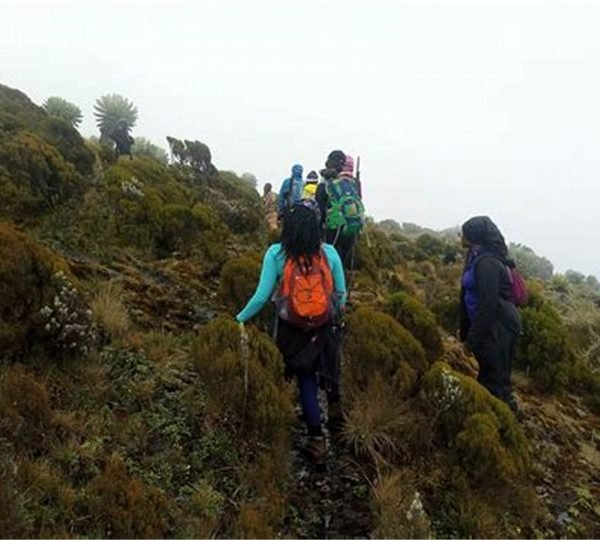
6-Day Kilimanjaro Climb: Classic Marangu Route is a well-paced way to climb Africa’s highest mountain. Reaching 5,895 metres at Uhuru Peak, Mount Kilimanjaro is not only a physical challenge—it is a journey through rainforest, moorland, high alpine desert and the Arctic landscape surrounding the summit.
Marangu Route is often called the “Coca-Cola Route.” It is the only Kilimanjaro route where climbers sleep in mountain huts rather than tents. This makes it a practical option for guests who prefer indoor dormitory-style accommodation on the mountain. The route is direct, clearly marked and follows the same path up and down the mountain.
This six-day version includes an important acclimatisation day at Horombo Hut. Instead of climbing higher every day without pause, you spend an extra day walking to a higher point and returning to sleep at the same camp. This gives your body more time to adjust to altitude and usually provides a better experience than the faster five-day Marangu itinerary.
EKO Tanzania Adventures provides trained local guides, cooks and porters to support you throughout the climb. We arrange park fees, mountain hut accommodation, meals, safety monitoring and transfers, allowing you to focus on your trek and summit attempt.
Marangu Route Highlights
- Climb Mount Kilimanjaro, Africa’s highest mountain
- Reach Uhuru Peak at 5,895 metres
- Stay in mountain huts rather than camping tents
- Trek through rainforest, moorland and alpine desert
- Add an acclimatisation day at Horombo Hut
- Visit Zebra Rocks during the acclimatisation walk
- Enjoy a direct and established Kilimanjaro climbing route
- Trek with experienced guides, porters and a mountain cook
- Private climbs available for individuals, couples, families and groups
Trek at a Glance
Duration: 6 days / 5 nights on the mountain
Route: Marangu Route
Summit: Uhuru Peak, 5,895 metres
Start and finish: Marangu Gate
Accommodation: Mandara Hut, Horombo Hut and Kibo Hut
Difficulty: Challenging due to altitude and summit day
Best for: Climbers who prefer hut accommodation and want an extra acclimatisation day
About the Marangu Route
Marangu Route begins at Marangu Gate on the southeastern side of Mount Kilimanjaro. It is one of the oldest and most recognised routes on the mountain. Unlike Machame, Lemosho and Rongai, Marangu uses permanent mountain huts with shared dormitory rooms.
The route has a clear, gradual start through rainforest, followed by a longer climb through moorland to Horombo Hut. From there, the trail crosses the high-altitude saddle between Mawenzi and Kibo peaks before reaching Kibo Hut. The summit attempt starts after midnight and follows a steep path to Gillman’s Point, then along the crater rim to Uhuru Peak.
Although Marangu is sometimes described as easier because of the hut accommodation and direct trail, no Kilimanjaro climb is easy. The summit is still 5,895 metres above sea level, and altitude is the main challenge. The six-day itinerary is recommended because the extra day at Horombo improves acclimatisation before the higher sections of the route.
Detailed 6-Day Kilimanjaro Climb: Classic Marangu Route Itinerary
Day 1 of 6-Day Kilimanjaro Climb: Classic Marangu Route : Marangu Gate to Mandara Hut
Your Kilimanjaro adventure begins with pickup from your hotel in Moshi or Arusha. You will travel to Marangu Gate, where your guide helps with registration at Kilimanjaro National Park.
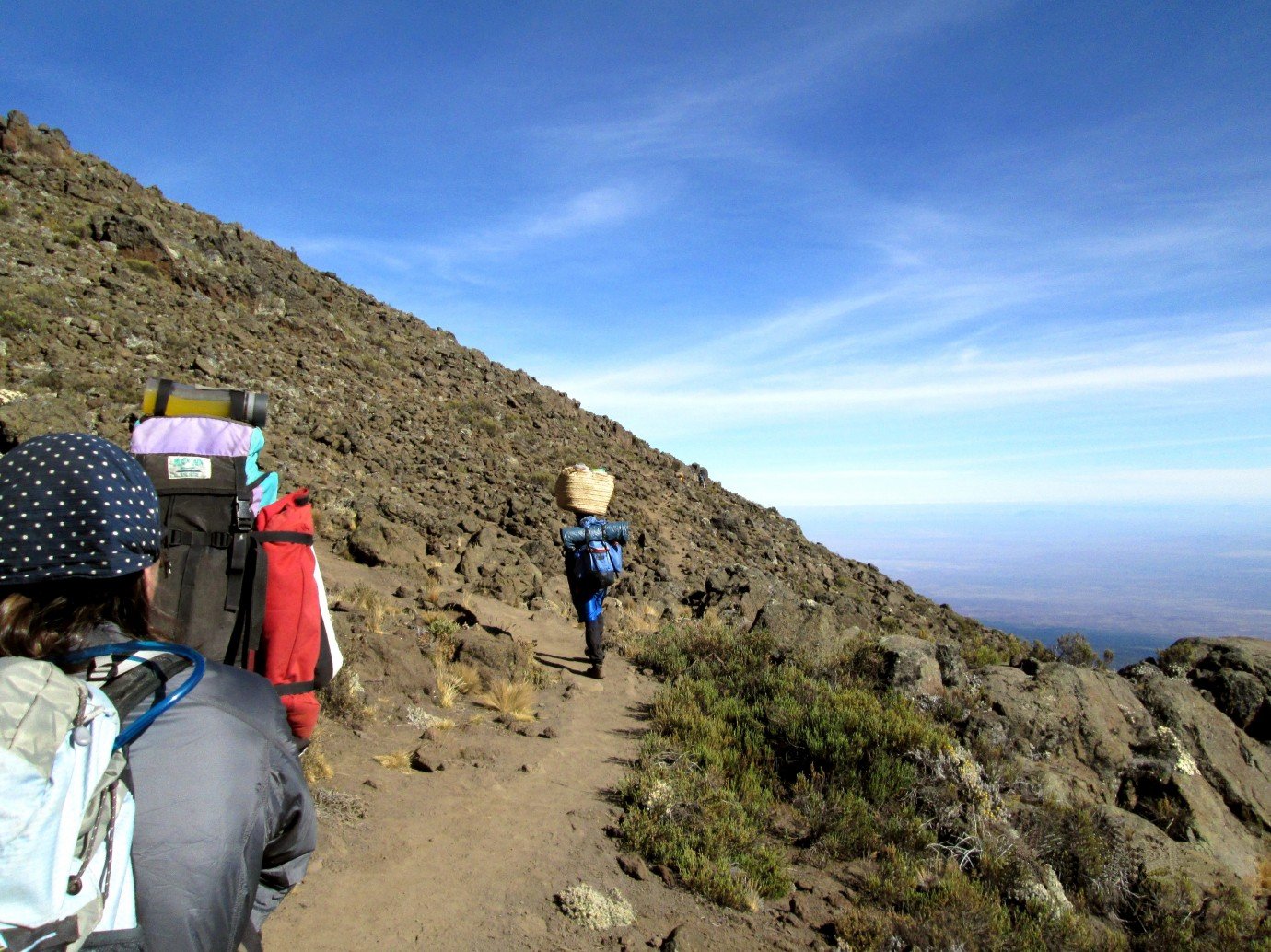
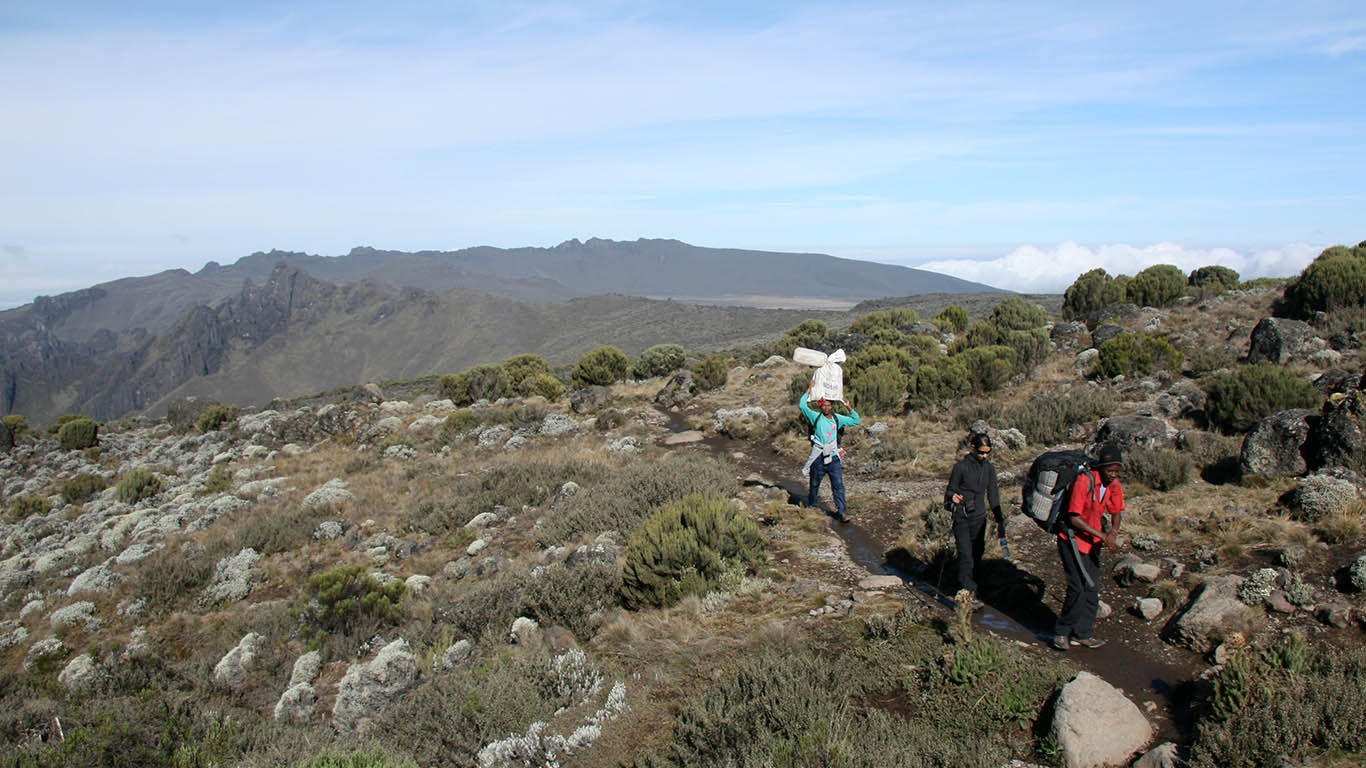
Before the trek starts, the guide will check your equipment and introduce you to your mountain crew. The crew normally includes a lead guide, assistant guide, cook and porters. Porters carry the main luggage and camping supplies, while you carry a daypack with water, rain gear, snacks, warm layers and personal essentials.
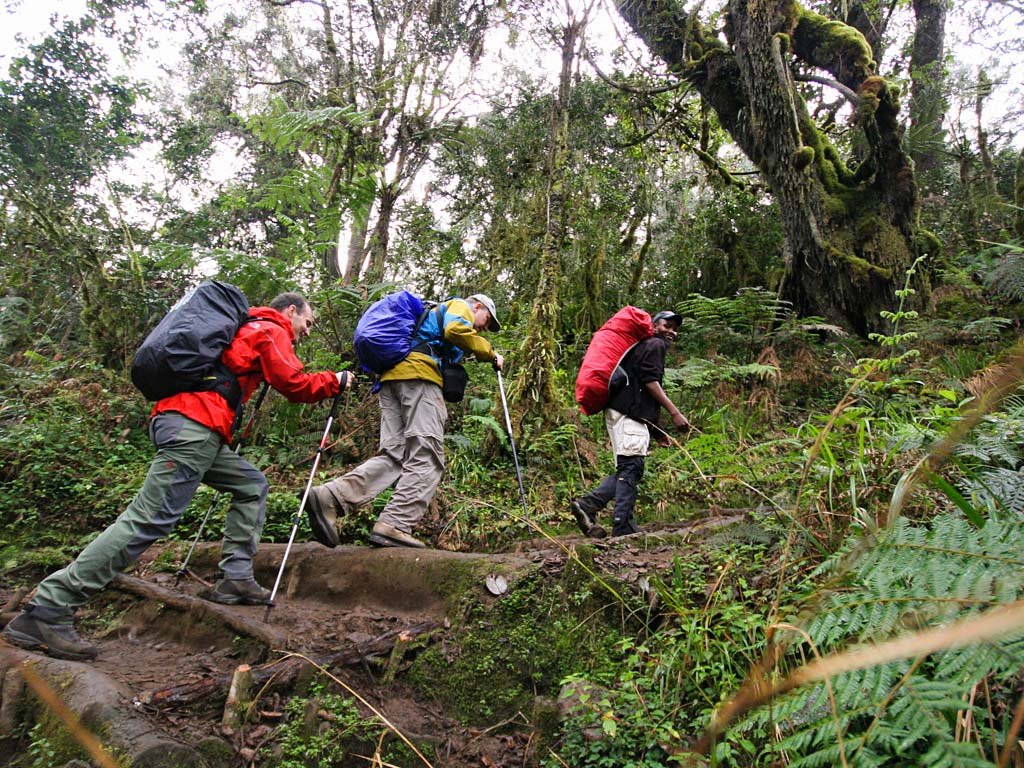
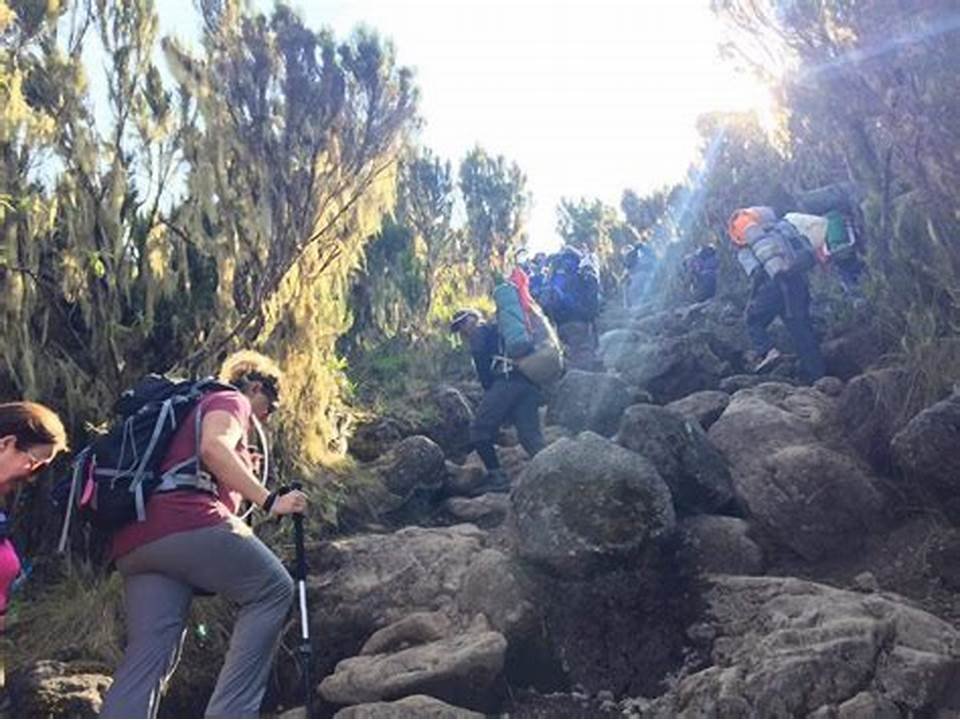
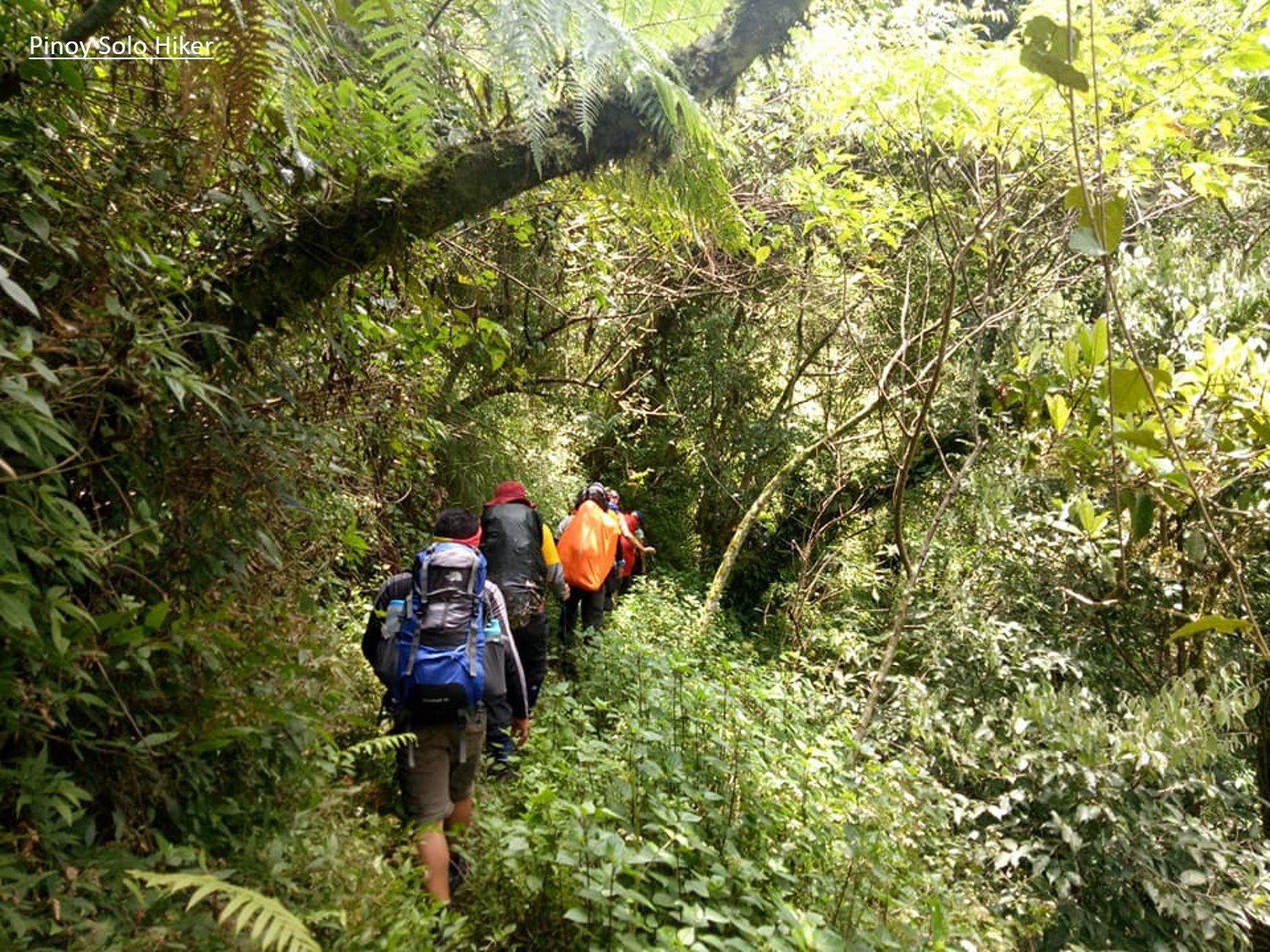
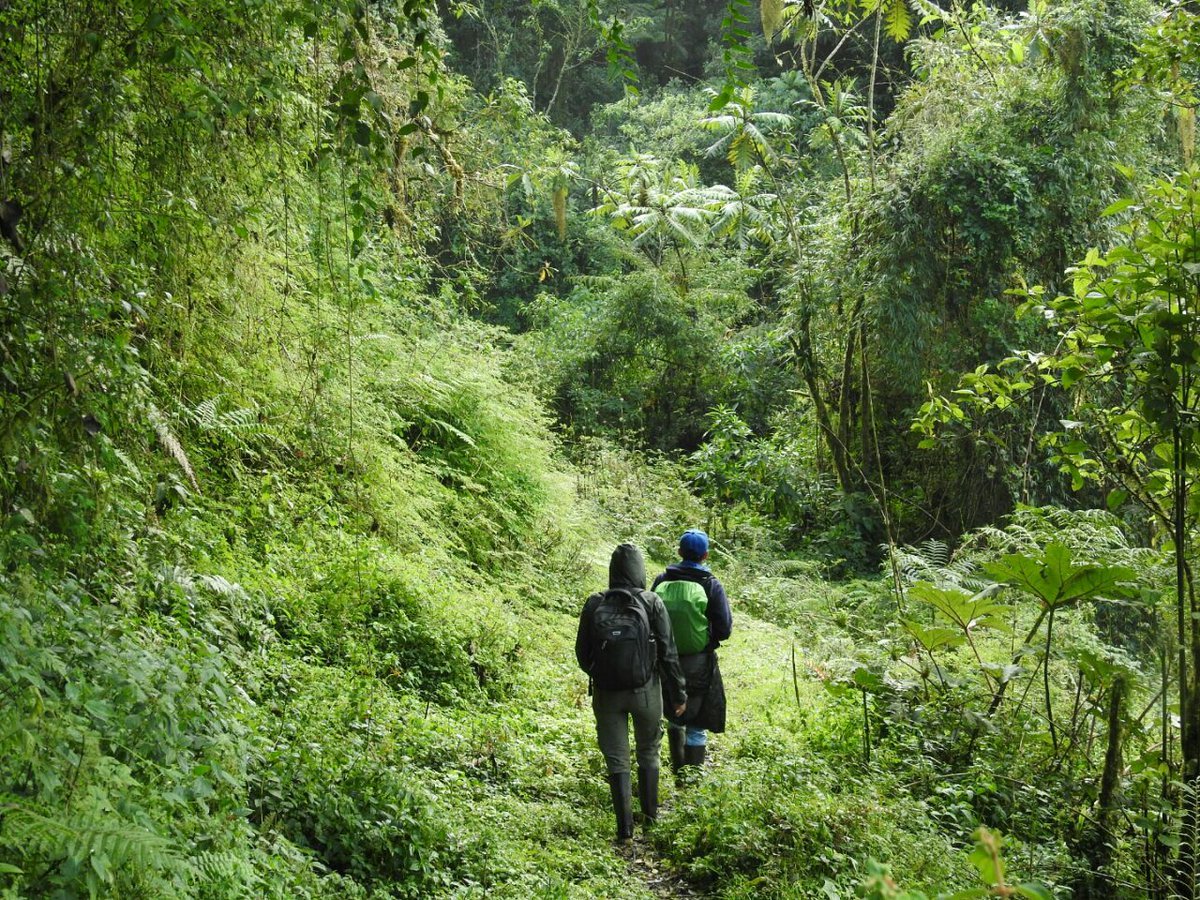
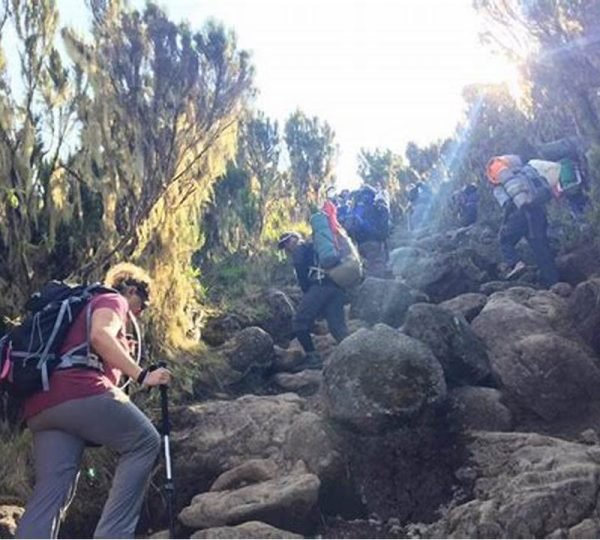
The first day’s walk takes you through Kilimanjaro’s rainforest zone. The trail is green and shaded, with tall trees, ferns and moss-covered branches. Rainforest conditions can be wet, so waterproof boots and a rain jacket are important.
Keep an eye out for black-and-white colobus monkeys, blue monkeys and birdlife in the forest canopy. The walking pace is controlled from the beginning to help you conserve energy and start acclimatising.
After approximately four to five hours, arrive at Mandara Hut at around 2,700 metres. The huts are shared dormitory-style accommodation with beds and mattresses. After a hot drink and rest, your guide may offer a short optional walk to Maundi Crater. On clear days, this point offers views across the lower slopes of Kilimanjaro and towards Kenya.
Return to Mandara Hut for dinner and overnight rest.
Elevation: 1,860m to 2,700m
Distance: Approximately 8 km
Walking time: 4–5 hours
Habitat: Rainforest
Meals included: Lunch and dinner
Overnight: Mandara Hut
Day 2 of 6-Day Kilimanjaro Climb: Classic Marangu Route : Mandara Hut to Horombo Hut
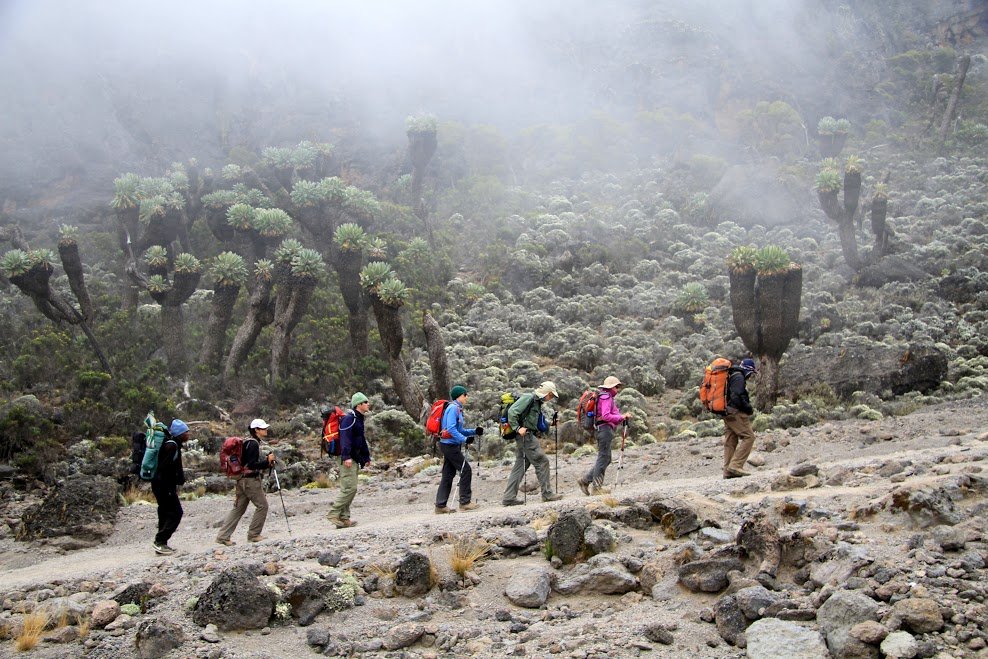
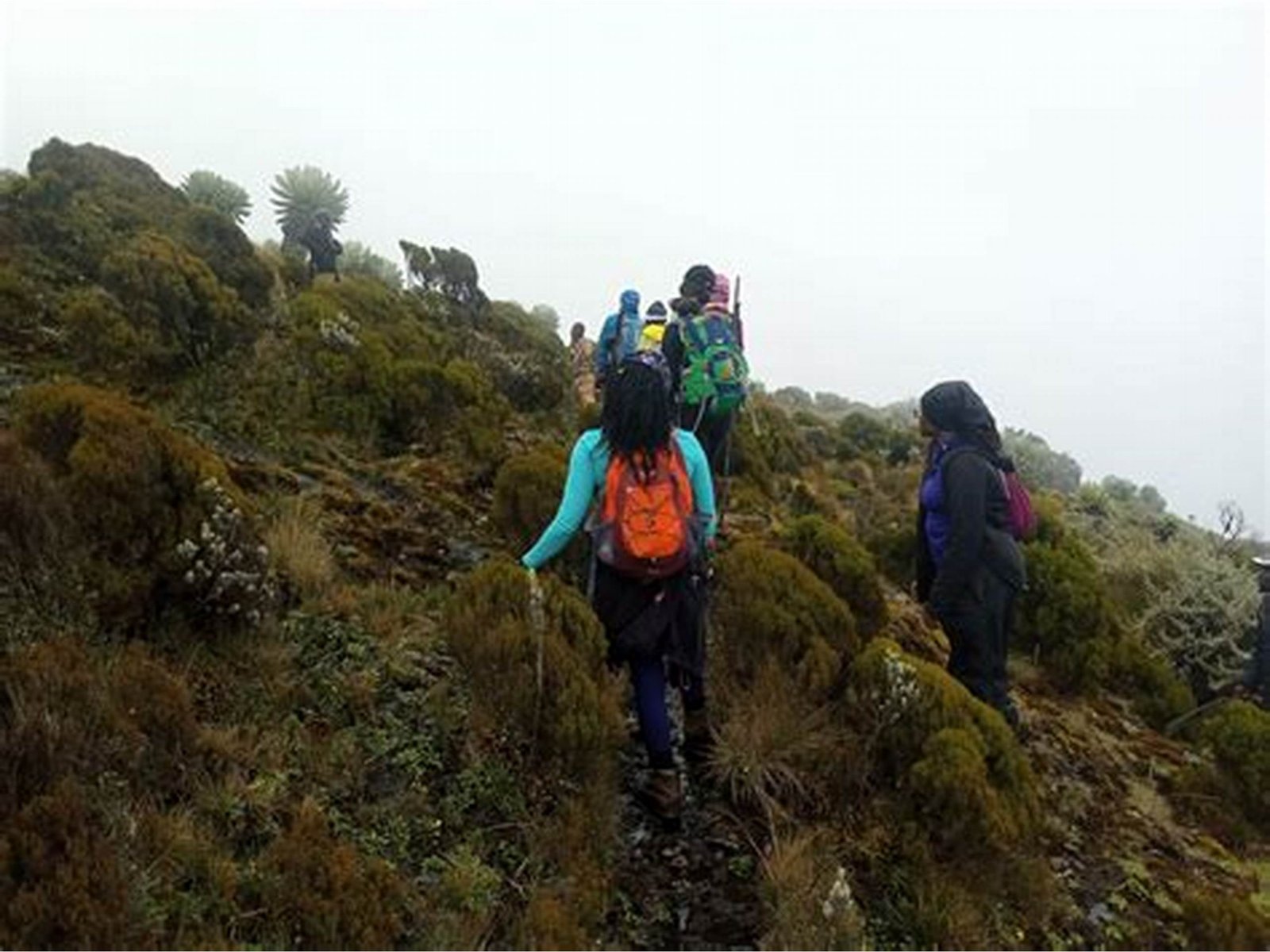
After breakfast, continue from Mandara Hut towards Horombo Hut. The trail gradually leaves the rainforest behind and enters the moorland zone. The trees become smaller, the vegetation opens up and the views become wider.
This is a longer trekking day. The route climbs steadily through an area known for giant lobelias, groundsels and open heathland. As you gain elevation, you may begin to see both Mawenzi Peak and Kibo Peak, Kilimanjaro’s main summit cone.
Your guide will remind you to walk slowly—“pole pole” in Swahili. This is important at altitude. A steady pace, regular water intake and enough food are more valuable than walking quickly.
Arrive at Horombo Hut, located at approximately 3,720 metres. Horombo is a larger camp with several huts and a wide open setting. It is used by climbers ascending and descending the Marangu Route.
After lunch, rest, drink water and allow your body to adjust to the new altitude. Dinner will be served in the evening before you settle in for the night.
Elevation: 2,700m to 3,720m
Distance: Approximately 12 km
Walking time: 5–6 hours
Habitat: Moorland
Meals included: Breakfast, lunch and dinner
Overnight: Horombo Hut
Day 3 of 6-Day Kilimanjaro Climb: Classic Marangu Route : Acclimatisation Day at Horombo Hut
Today is an important acclimatisation day. Rather than moving directly towards Kibo Hut, you will take a shorter walk to a higher altitude and return to sleep at Horombo Hut.
After breakfast, trek towards Zebra Rocks, a distinctive rock formation named for its striped black-and-white appearance. The walk gives you excellent views across the mountain and helps your body adapt to altitude without carrying all your gear to the next camp.
You will climb to approximately 4,020 metres before returning to Horombo Hut at 3,720 metres for lunch and rest. This is called “climb high, sleep low,” an important acclimatisation principle used on many Kilimanjaro routes.
The rest of the afternoon is for recovery. Drink enough water, eat well, relax and listen to your guide’s advice. Your guide may check your oxygen level, pulse and general condition. If you have symptoms such as headache, nausea, dizziness or loss of appetite, tell the guide early.
A proper acclimatisation day can make a meaningful difference before the summit approach. Enjoy dinner and overnight at Horombo Hut.
Elevation: 3,720m to approximately 4,020m and back to 3,720m
Walking time: Approximately 3–4 hours
Habitat: Moorland
Meals included: Breakfast, lunch and dinner
Overnight: Horombo Hut
Day 4: Horombo Hut to Kibo Hut
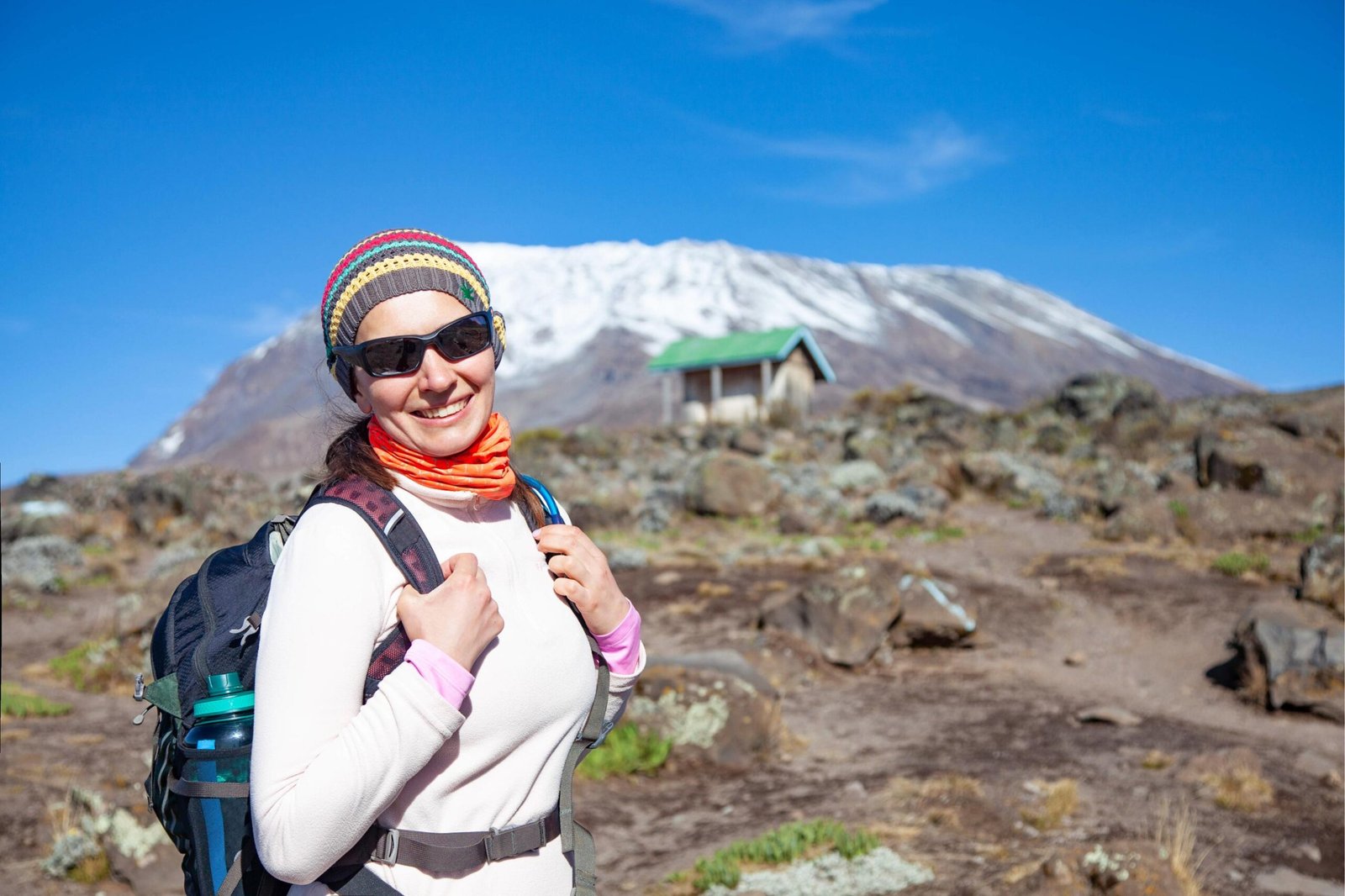
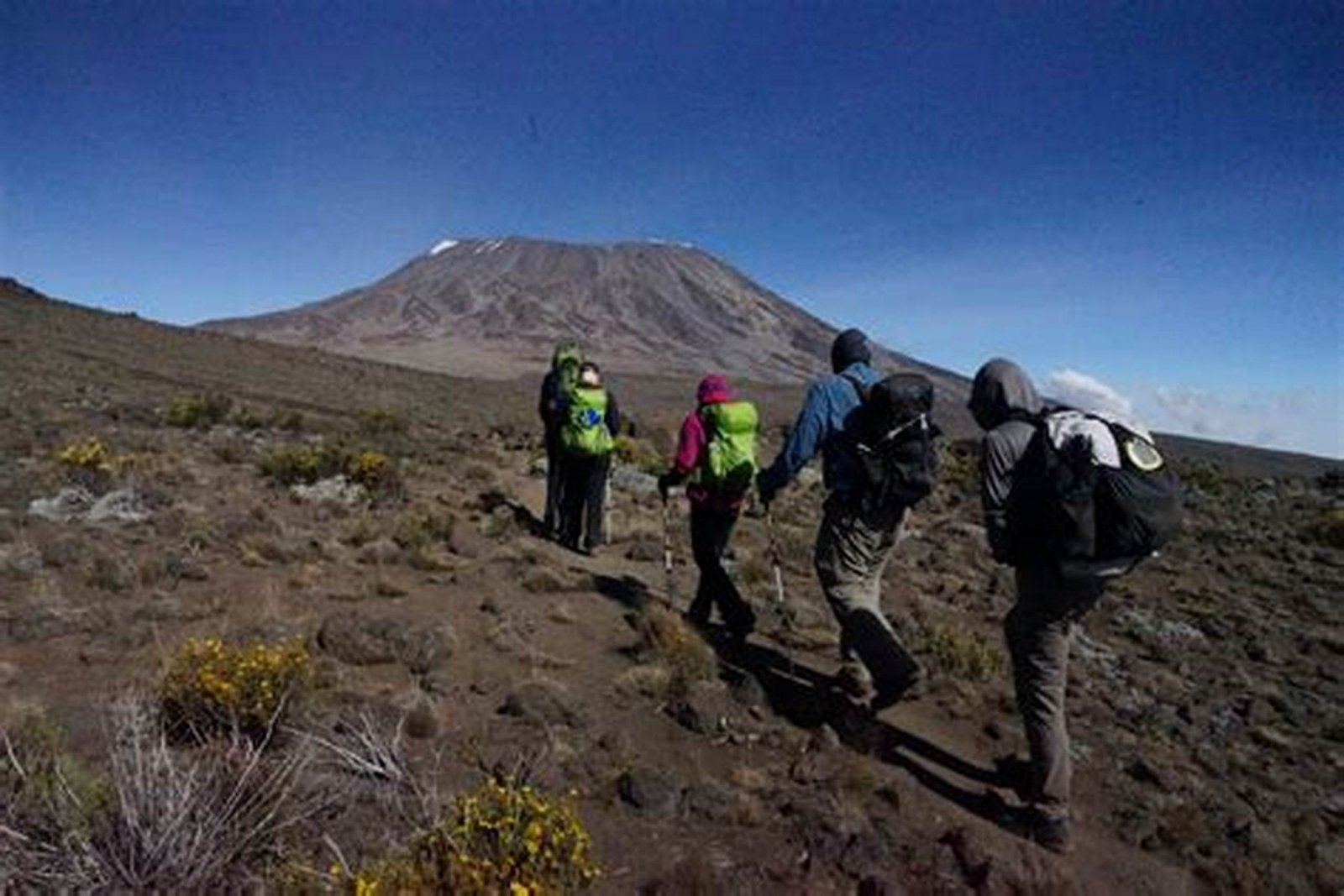
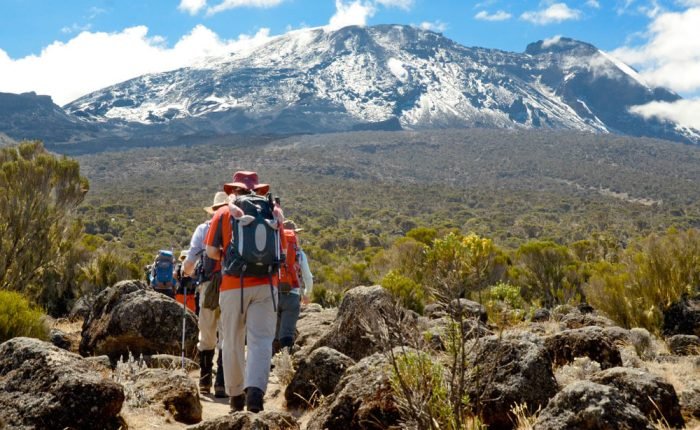
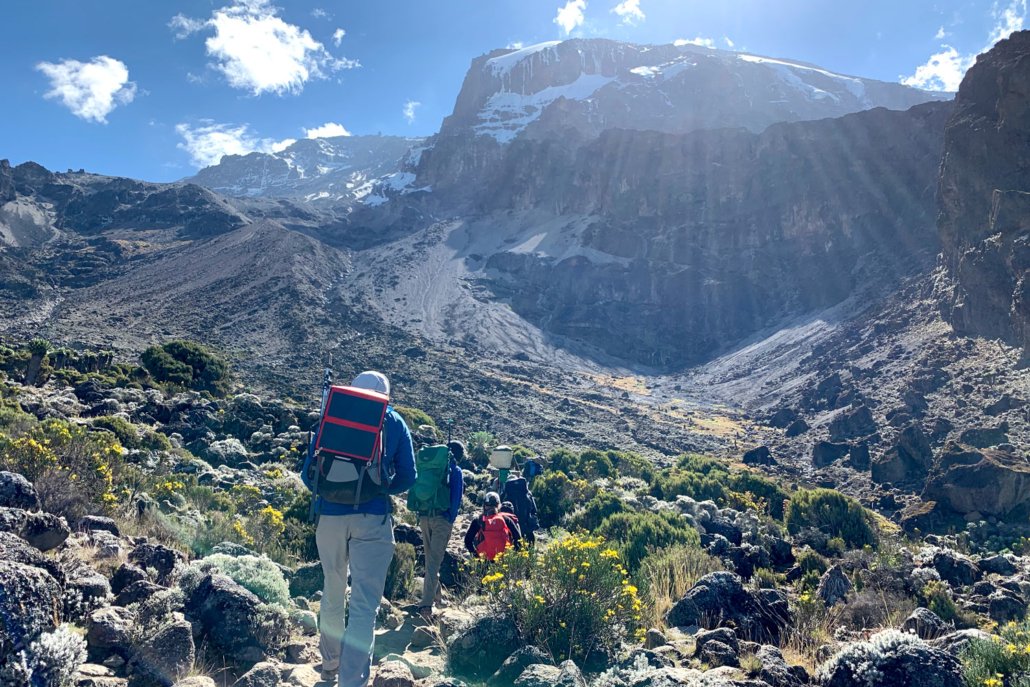
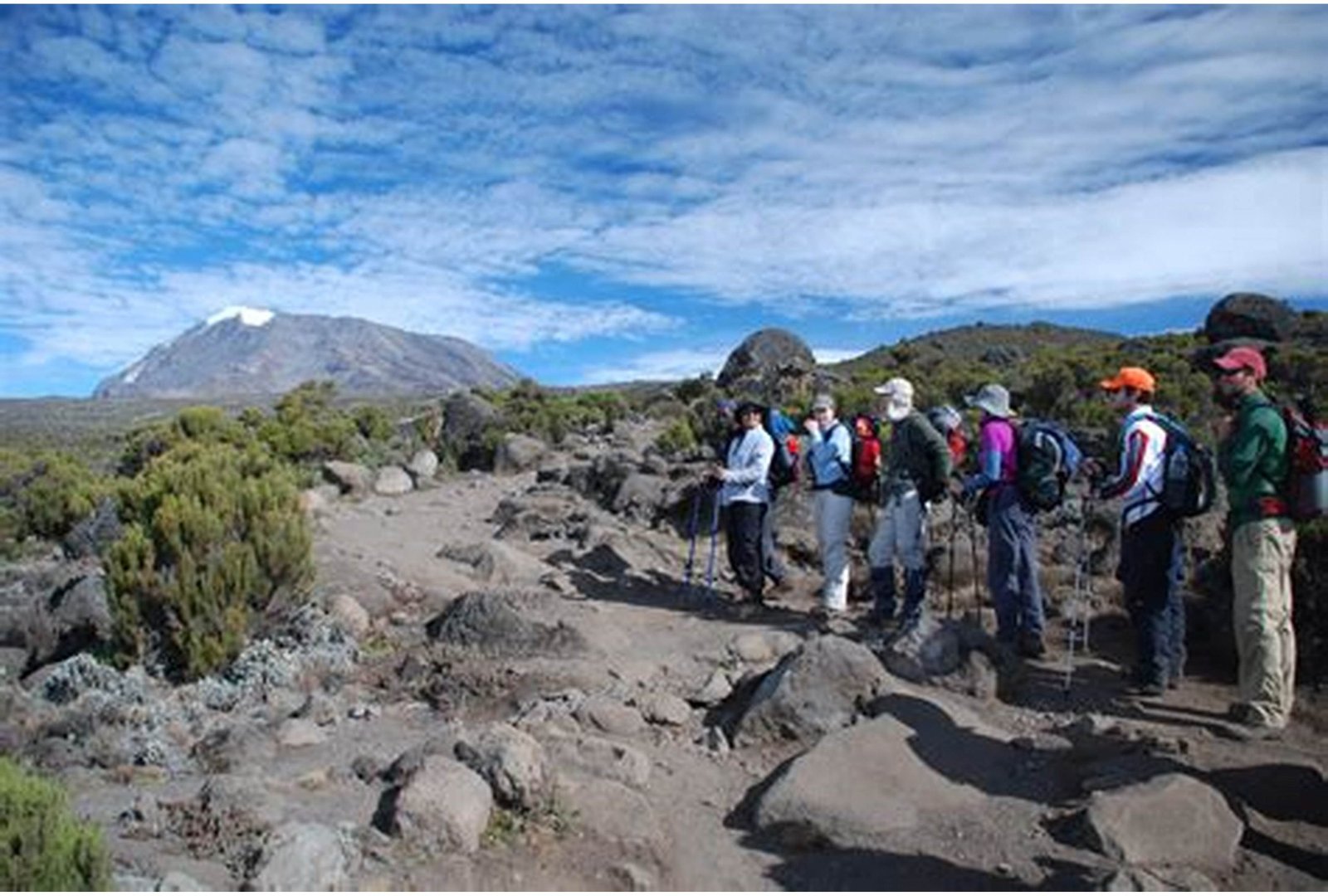
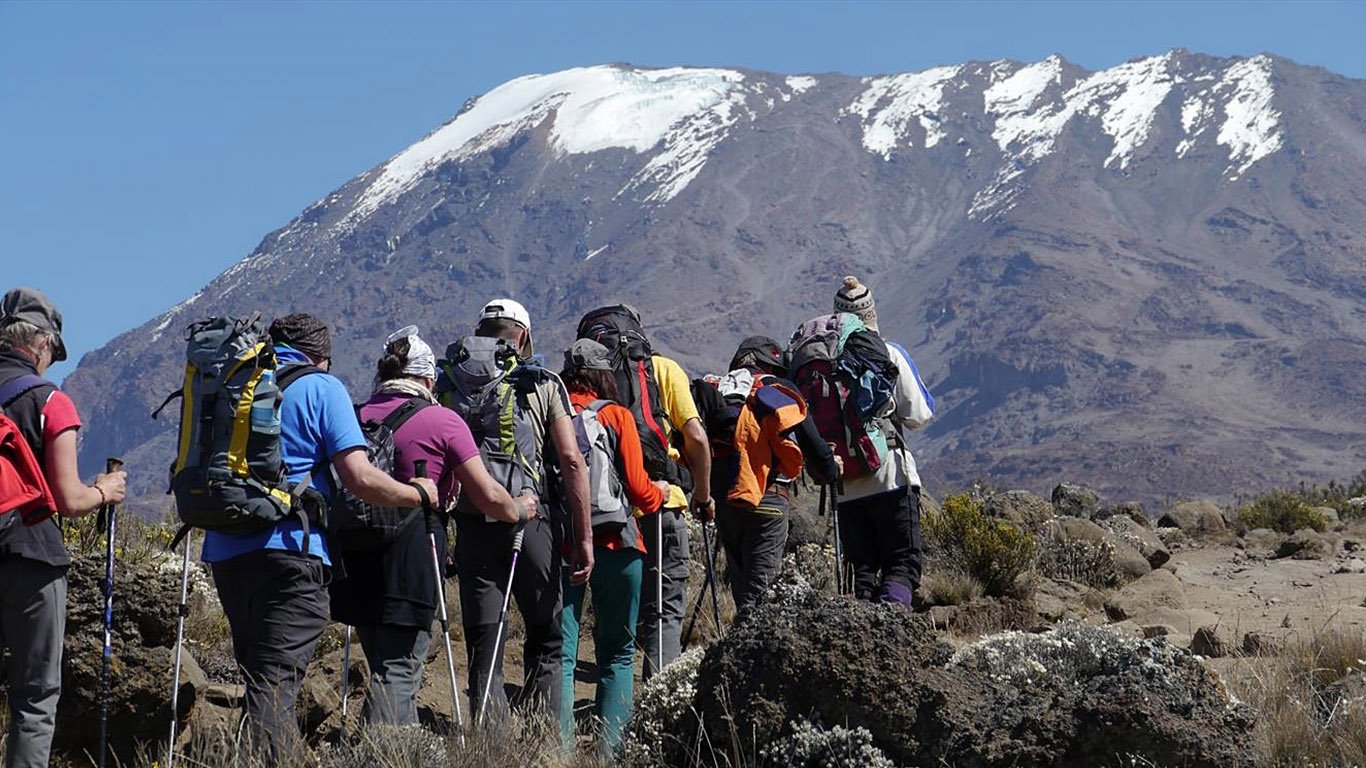
After breakfast, leave Horombo Hut and continue towards Kibo Hut. Today you cross the broad saddle between Mawenzi Peak and Kibo Peak. The landscape becomes more exposed, dry and rocky as you move into the alpine desert zone.
The saddle feels very different from the green lower slopes. Vegetation becomes limited, and the air is noticeably thinner. On a clear day, the summit cone of Kibo appears closer, although the walk can still feel long because of the altitude.
You will stop for lunch along the route or at Kibo Hut, depending on the day’s pace. Continue slowly and avoid pushing too hard. Your guide will keep the group together and make regular checks.
Arrive at Kibo Hut at approximately 4,700 metres in the afternoon. Kibo Hut is the final overnight stop before the summit attempt. You will have an early dinner and prepare your warm summit layers, headlamp, gloves, water and snacks.
Try to rest early. The summit climb begins around midnight.
Elevation: 3,720m to 4,700m
Distance: Approximately 10 km
Walking time: 5–6 hours
Habitat: Alpine desert
Meals included: Breakfast, lunch and dinner
Overnight: Kibo Hut
Day 5: Kibo Hut to Uhuru Peak to Horombo Hut
Summit day is the most demanding part of your Marangu Route climb.
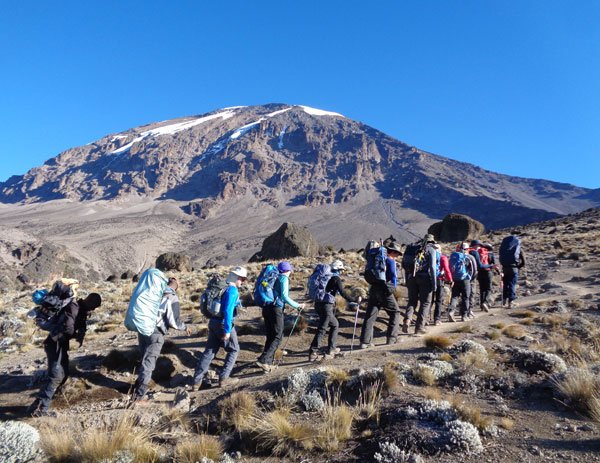
Around midnight, you will wake up, have a light snack and start walking towards the summit. The trail climbs steeply over volcanic scree, and the temperature can be extremely cold. Your headlamp lights the path as you follow your guide in a slow, steady line.
The key on summit night is patience. Your guide will set a slow pace because moving too quickly at high altitude can make the climb much harder. Listen to your body, take small steps and keep drinking water when possible.
After several hours, reach Gillman’s Point at approximately 5,685 metres on the crater rim. Reaching this point is already a major achievement. From Gillman’s Point, continue along the rim towards Uhuru Peak.
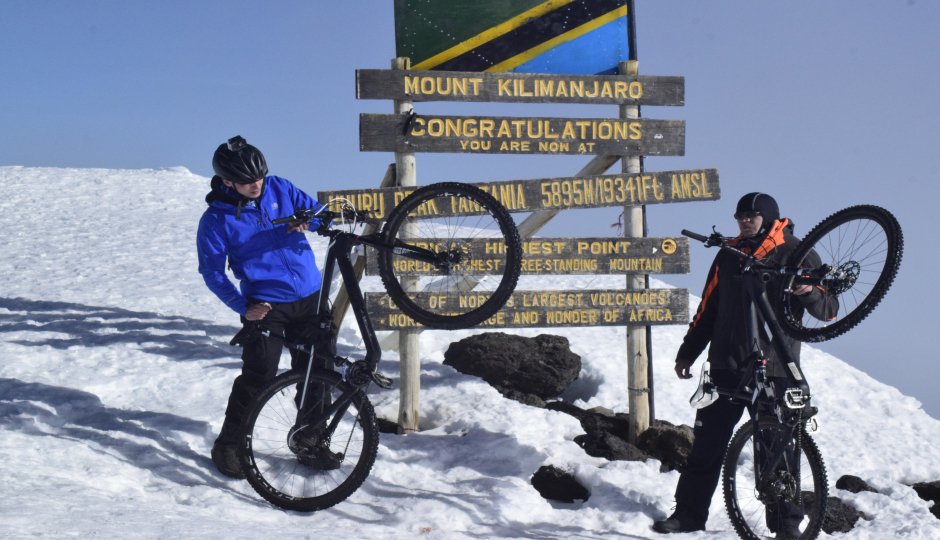
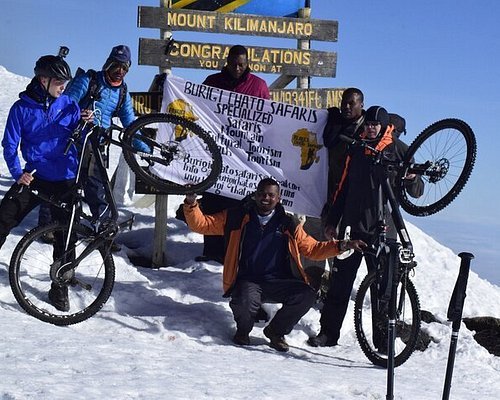
Uhuru Peak is the highest point on Mount Kilimanjaro and the highest point in Africa, standing at 5,895 metres. You will have time for photographs at the summit sign and to take in the views of glaciers, crater ice and the wide African landscape far below.
Because of the cold and extreme altitude, time at the summit is brief. Begin the descent back to Kibo Hut for a rest and lunch, then continue down to Horombo Hut. The descent is long, but as you lose altitude the air becomes easier to breathe.
Dinner and overnight at Horombo Hut.
Elevation: 4,700m to 5,895m to 3,720m
Distance: Approximately 22 km
Walking time: 11–14 hours
Habitat: Arctic summit zone to moorland
Meals included: Breakfast, lunch and dinner
Overnight: Horombo Hut
Day 6: Horombo Hut to Marangu Gate
After breakfast, begin the final descent from Horombo Hut to Marangu Gate. You will return through the moorland and rainforest zones, following the same route used during the ascent.
The trail can be slippery in wet weather, particularly in the forest section. Trekking poles are useful for support during the downhill walk.
At Marangu Gate, you will sign out with the park authorities. Climbers who reach Uhuru Peak receive an official summit certificate. After completing the formalities, meet your EKO Tanzania Adventures driver and transfer back to Moshi or Arusha.
A hot shower, comfortable bed and celebration meal are a welcome part of finishing your Kilimanjaro climb.
Elevation: 3,720m to 1,860m
Distance: Approximately 20 km
Walking time: 5–7 hours
Habitat: Moorland and rainforest
Meals included: Breakfast and lunch
Best Time to Climb the Marangu Route
Mount Kilimanjaro can be climbed throughout the year, but the most popular periods are:
- January to early March: Often quieter, with cooler conditions at higher altitude
- June to October: Generally dry, clear and popular with climbers
- December to early January: A busy holiday period with variable conditions
The main rainy season is usually from April to May, while shorter rains may occur in November. Climbing is still possible outside the dry seasons, but trails may be muddier and weather less predictable.
What Is Included in 6-Day Kilimanjaro Climb: Classic Marangu Route
- Kilimanjaro National Park fees
- Professional mountain guides
- Assistant guides, mountain cook and porters
- Hut accommodation on the mountain
- Meals during the trek
- Drinking water and hot drinks
- Safety equipment, including first-aid kit and emergency oxygen
- Regular health checks during the climb
- Transfers from Moshi to Marangu Gate and back after the climb
- Government taxes and VAT where applicable
What Is Not Included in 6-Day Kilimanjaro Climb: Classic Marangu Route
- International flights
- Tanzania visa
- Travel insurance, including high-altitude evacuation cover
- Hotel accommodation before and after the climb
- Personal hiking equipment and sleeping bag
- Tips for guides, porters and cook
- Drinks outside the included mountain meal plan
- Personal expenses
Important Preparation Advice
Train before your climb with hiking, long walks, stair climbing, cycling or other cardiovascular exercise. The best preparation is walking for several hours on uneven ground while carrying a light daypack.
Bring warm summit clothing, waterproof outer layers, gloves, a wool or thermal hat, a headlamp, trekking poles and boots that you have already worn in before the climb.
Good fitness helps, but it does not remove altitude risk. Your guide’s safety decision is final. If serious altitude symptoms occur, descending is the safest and correct action.
Book Your 6-Day Kilimanjaro Climb: Classic Marangu Route
EKO Tanzania Adventures can organise your six-day Marangu Route climb for solo travellers, couples, families and groups. We can also arrange airport transfers, hotel accommodation in Moshi or Arusha, a Tanzania safari before or after your trek, and Zanzibar beach holidays.
Contact our team for availability, a personalised quotation and a Kilimanjaro packing list.
WhatsApp: Chat with EKO Tanzania Adventures
Email: info@ekotanzaniaadventures.com
Alternative email: ekotanzaniaadventure@gmail.com