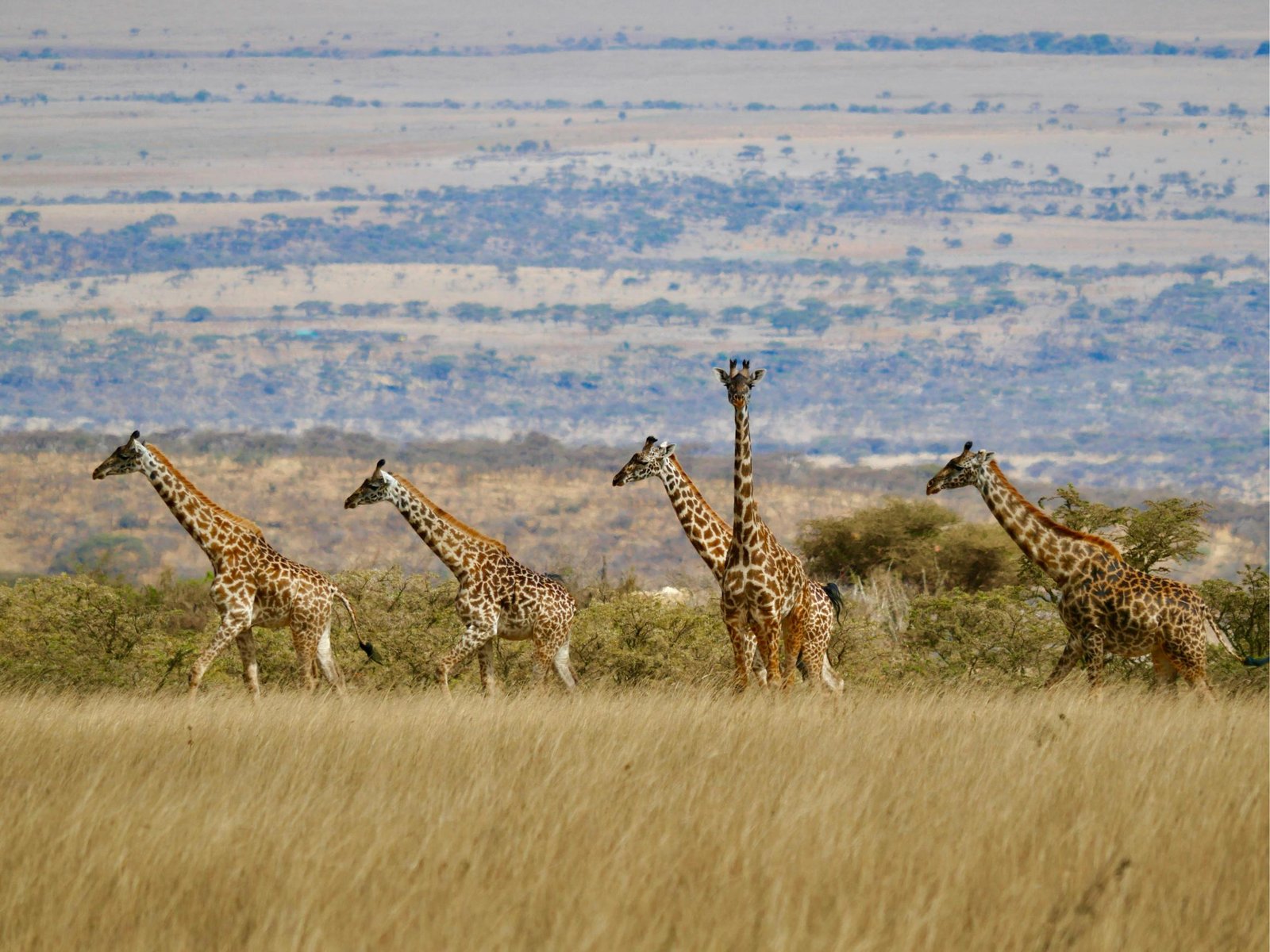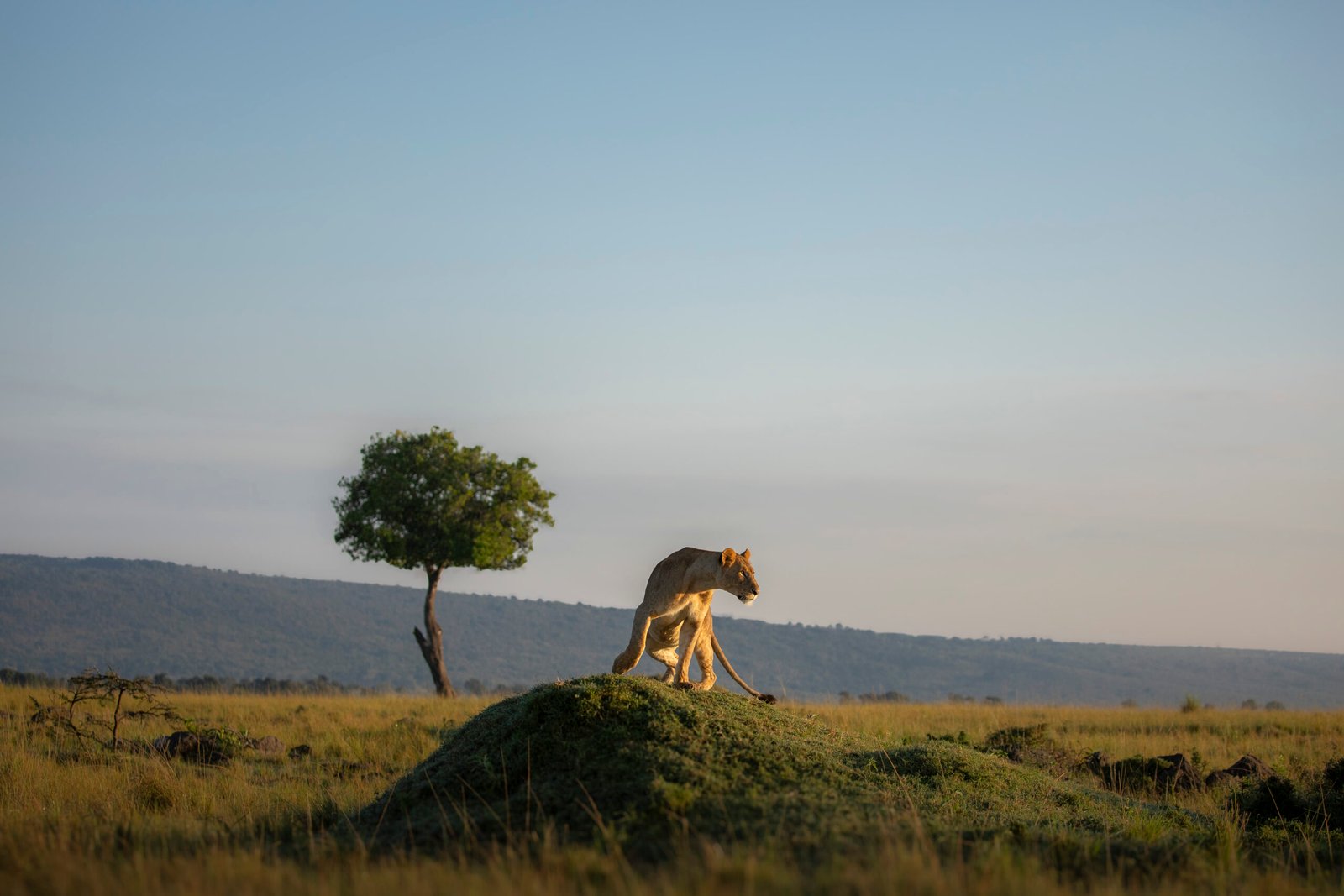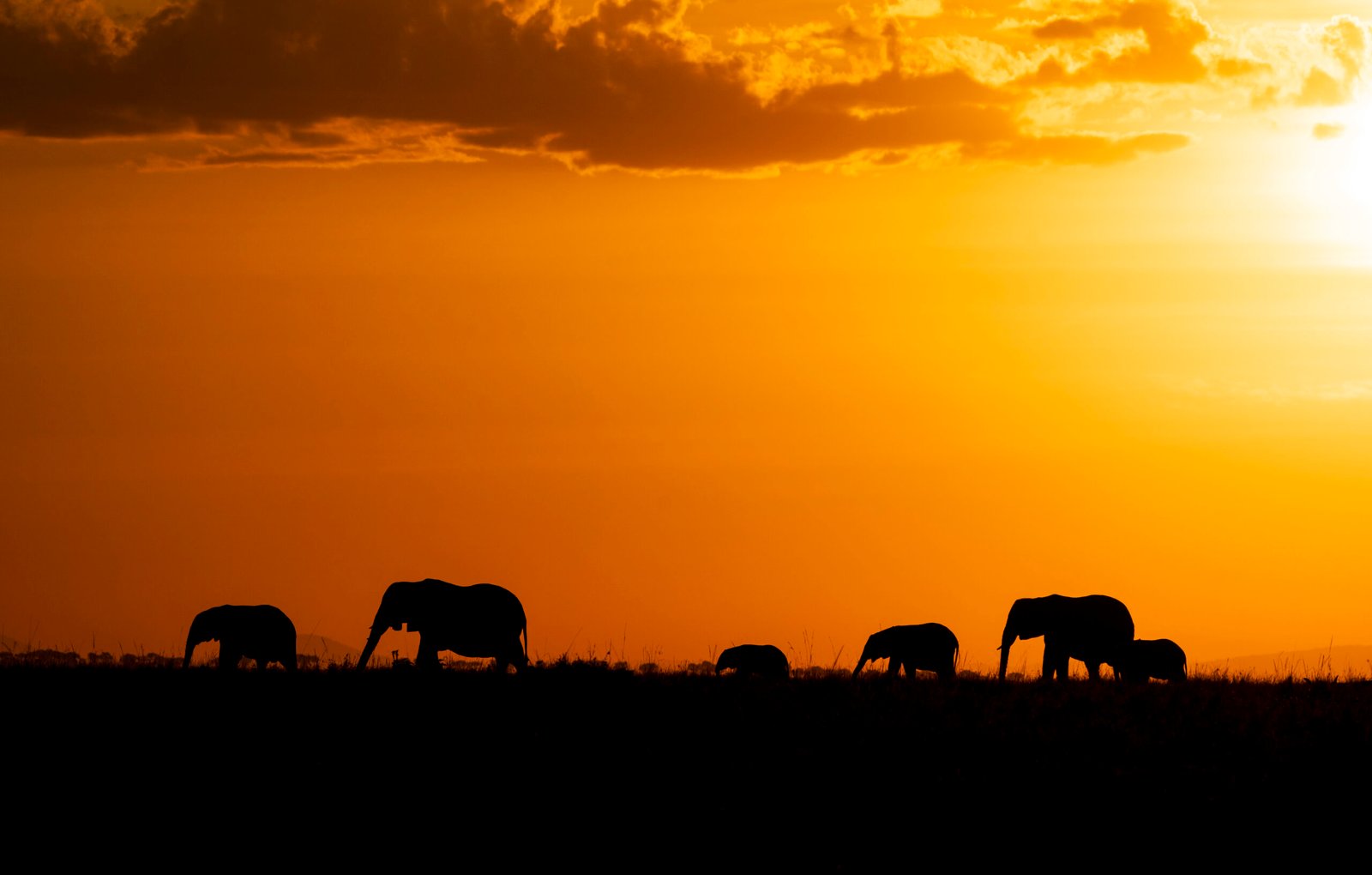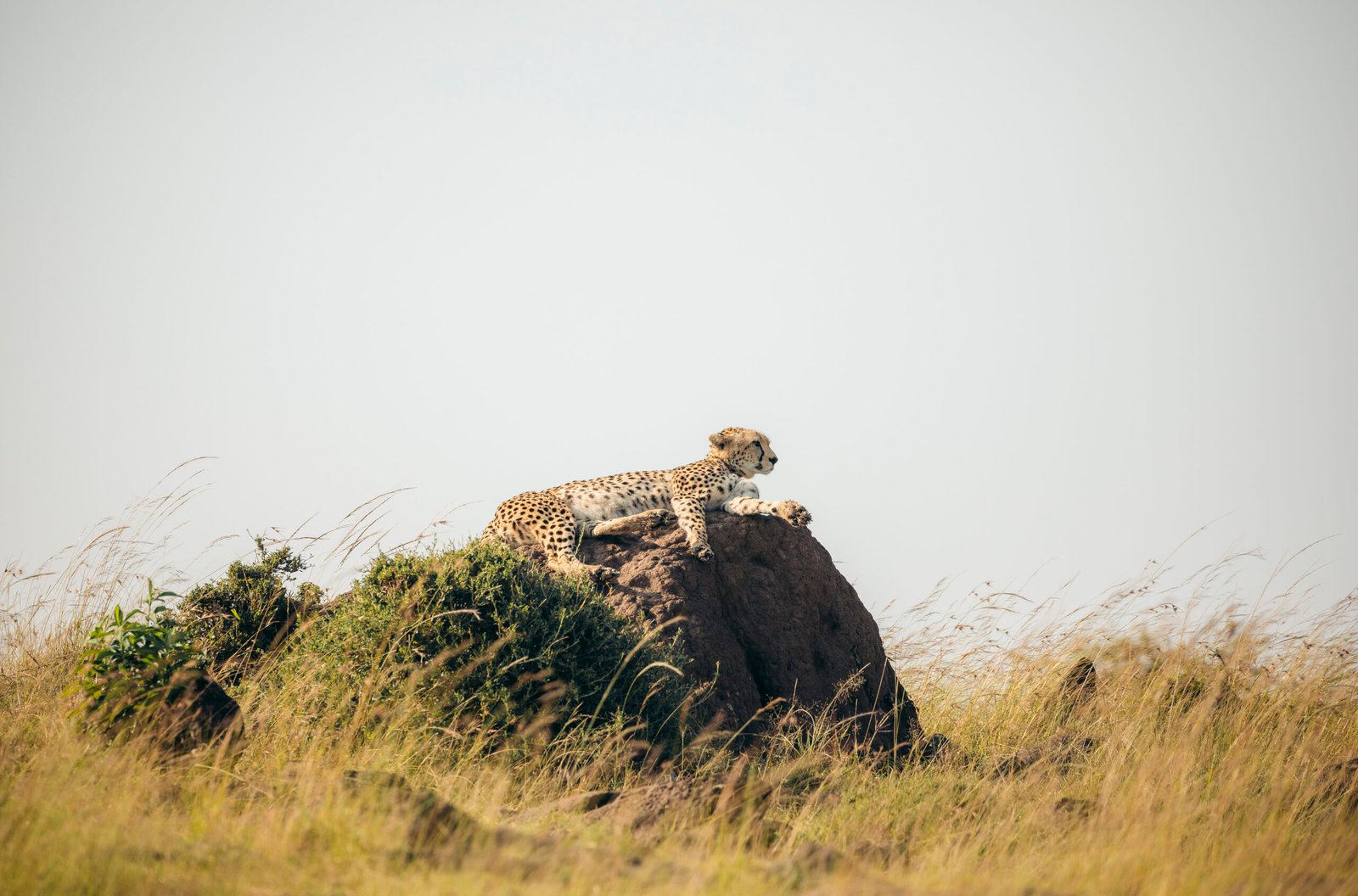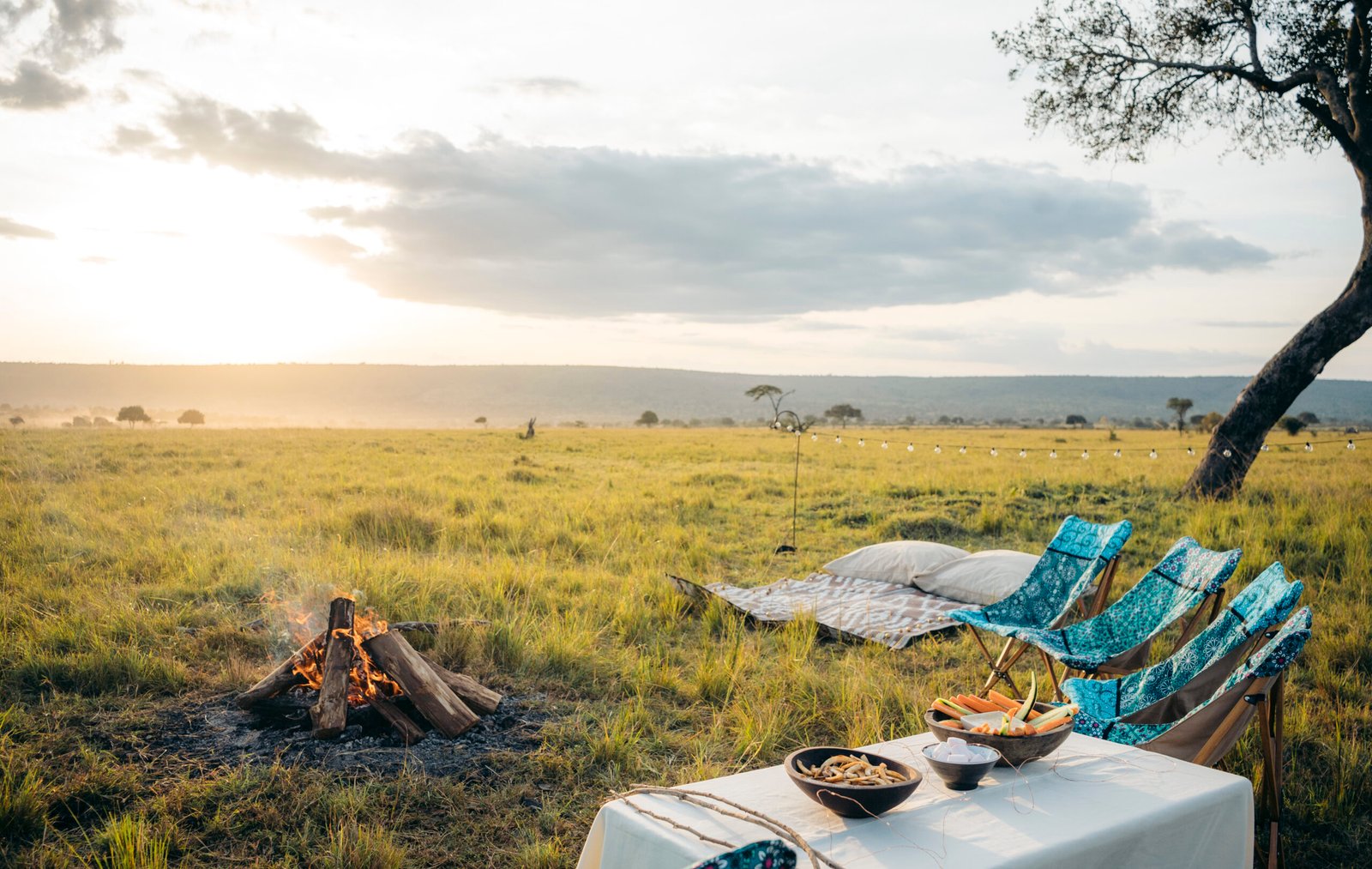
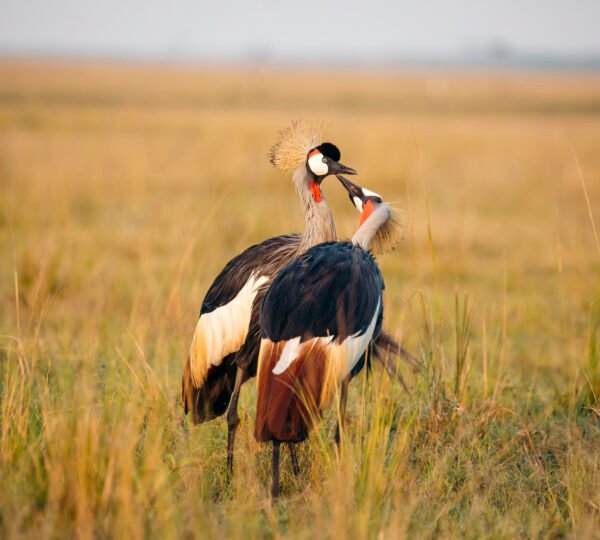
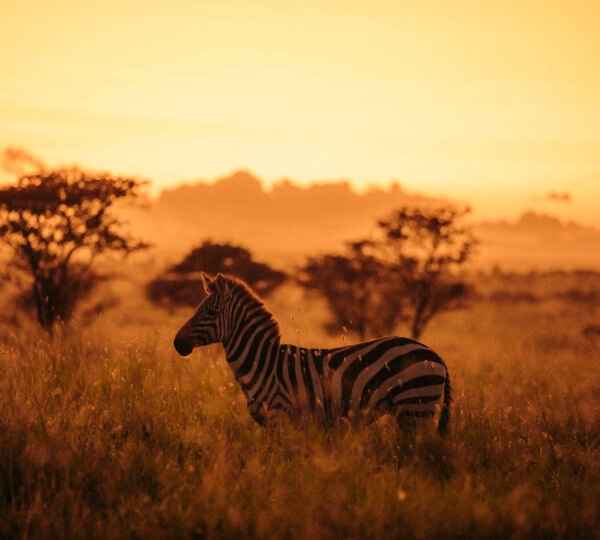
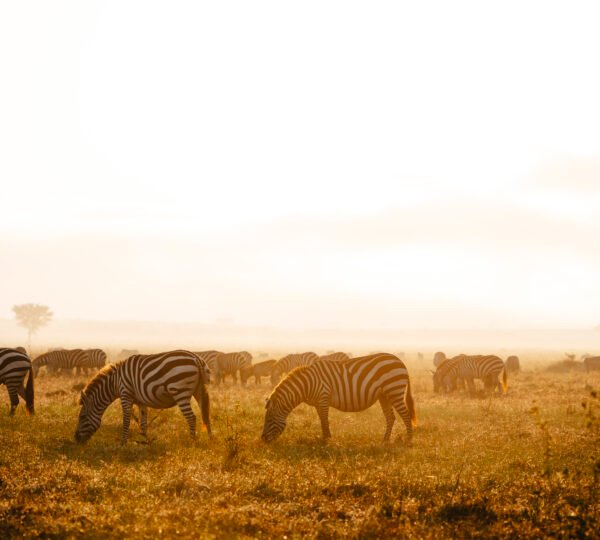
This 5-Day Tanzania Wildlife Photography Safari is designed for travellers who want time to observe, wait and photograph wildlife properly—not simply drive from one sighting to the next. The route covers Tarangire National Park, the central Serengeti and the Ngorongoro Crater, three locations that offer very different photographic subjects, habitats and light conditions.
You will photograph elephants among Tarangire’s giant baobab trees, big cats and open plains in Serengeti National Park, and the dense wildlife of the Ngorongoro Crater. The itinerary allows for early morning and late-afternoon game drives, when wildlife is often more active and the light is generally softer for photography.
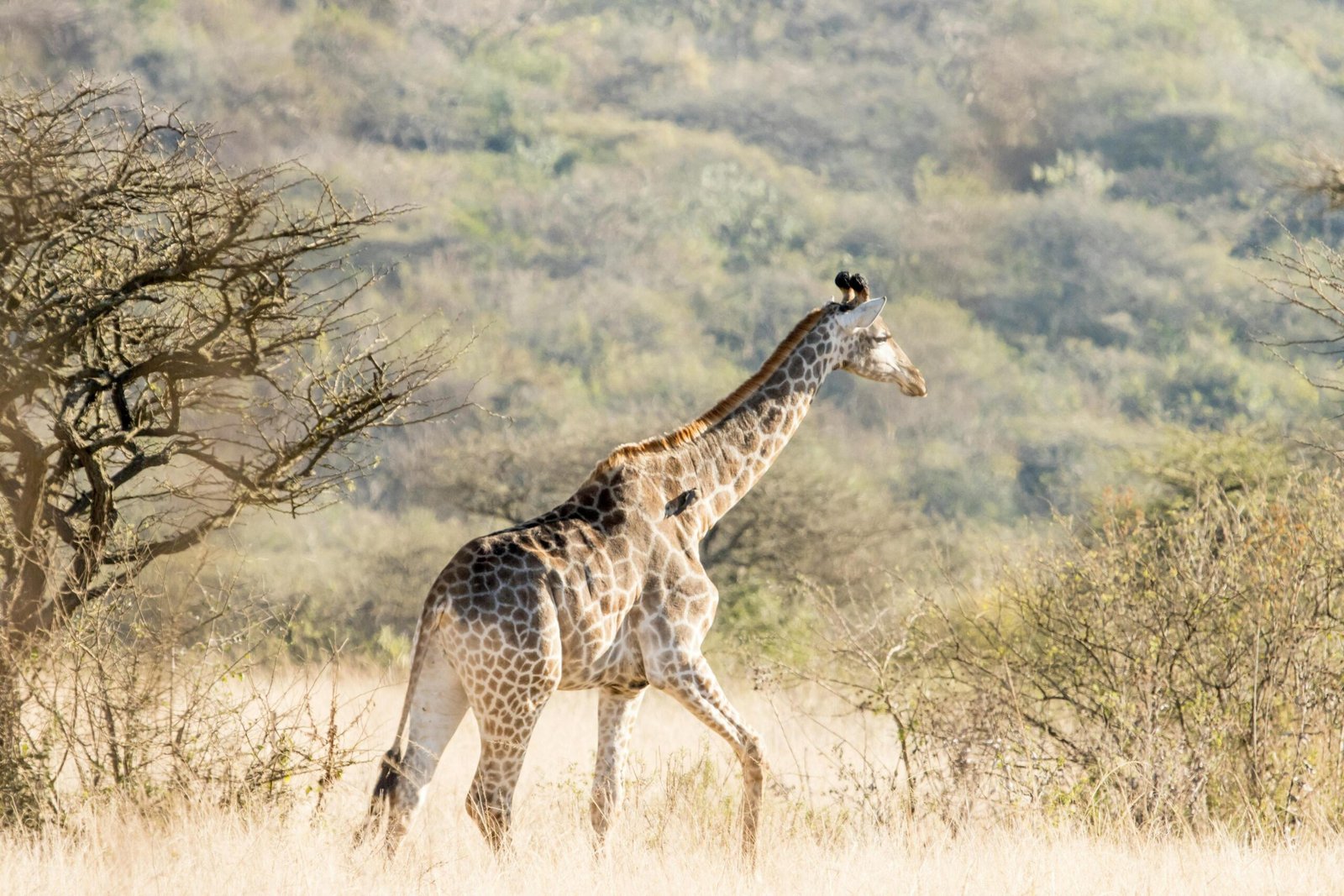
EKO Tanzania Adventures operates this as a private photography safari. That means the pace can be adapted to your interests. If you want to spend more time with a lion pride, wait for elephants to cross a track, photograph a giraffe at sunset or stay with a leopard in a tree, your guide can work around that. You are not tied to the timetable of a large shared group.
The safari is suitable for experienced photographers, beginners, bird photographers, wildlife enthusiasts and travellers using DSLR, mirrorless, bridge cameras or smartphones. You do not need to be a professional photographer. What matters is patience, curiosity and the willingness to enjoy wildlife at its natural pace.
Photography Safari Highlights
- Private safari vehicle arranged around photography opportunities
- Early morning and late-afternoon game drives for softer light
- Tarangire elephants, baobab trees and classic African landscapes
- Two nights in Serengeti National Park for more time with wildlife
- Opportunity to photograph lions, leopards, cheetahs, giraffes, zebras and wildebeest
- Ngorongoro Crater landscapes and concentrated wildlife viewing
- Flexible stops for animal behaviour, birdlife, close-ups and wide landscape images
- Professional local driver-guide with park and wildlife knowledge
- Accommodation options for budget, mid-range and luxury photography safaris
Safari at a Glance
Duration: 5 days / 4 nights
Route: Arusha – Tarangire – Serengeti – Ngorongoro Crater – Arusha
Safari type: Private Tanzania wildlife photography safari
Vehicle: 4×4 safari Land Cruiser with pop-up roof
Start and finish: Arusha, Tanzania
Accommodation: Budget camping, mid-range lodge or luxury tented camp
Best for: Wildlife photographers, bird lovers, couples, small groups and photographers of all levels
Why Choose a Photography Safari in Tanzania?
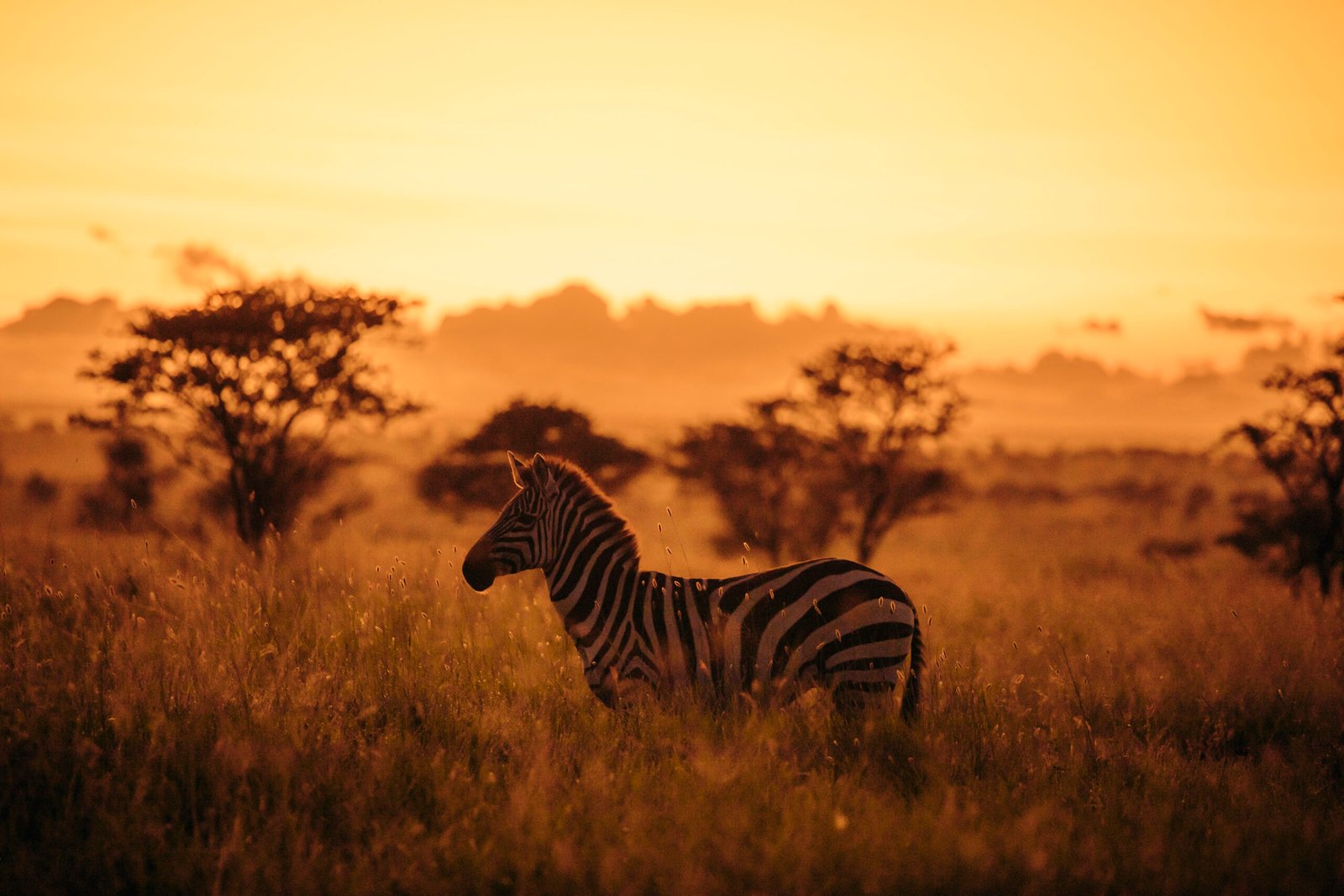
A normal Tanzania safari can be excellent for wildlife viewing, but photography needs a slightly different approach. Good wildlife photographs often come from waiting for the right moment: an elephant lifting its trunk, a lion looking directly towards the camera, a bird taking flight, a zebra standing against the evening sky or a cheetah moving across the grass.
On this photography-focused itinerary, your guide understands that you may want to stay longer at a sighting. The purpose is not to tick animals off a list. It is to watch behaviour, use the available light well and give you room to create better images.
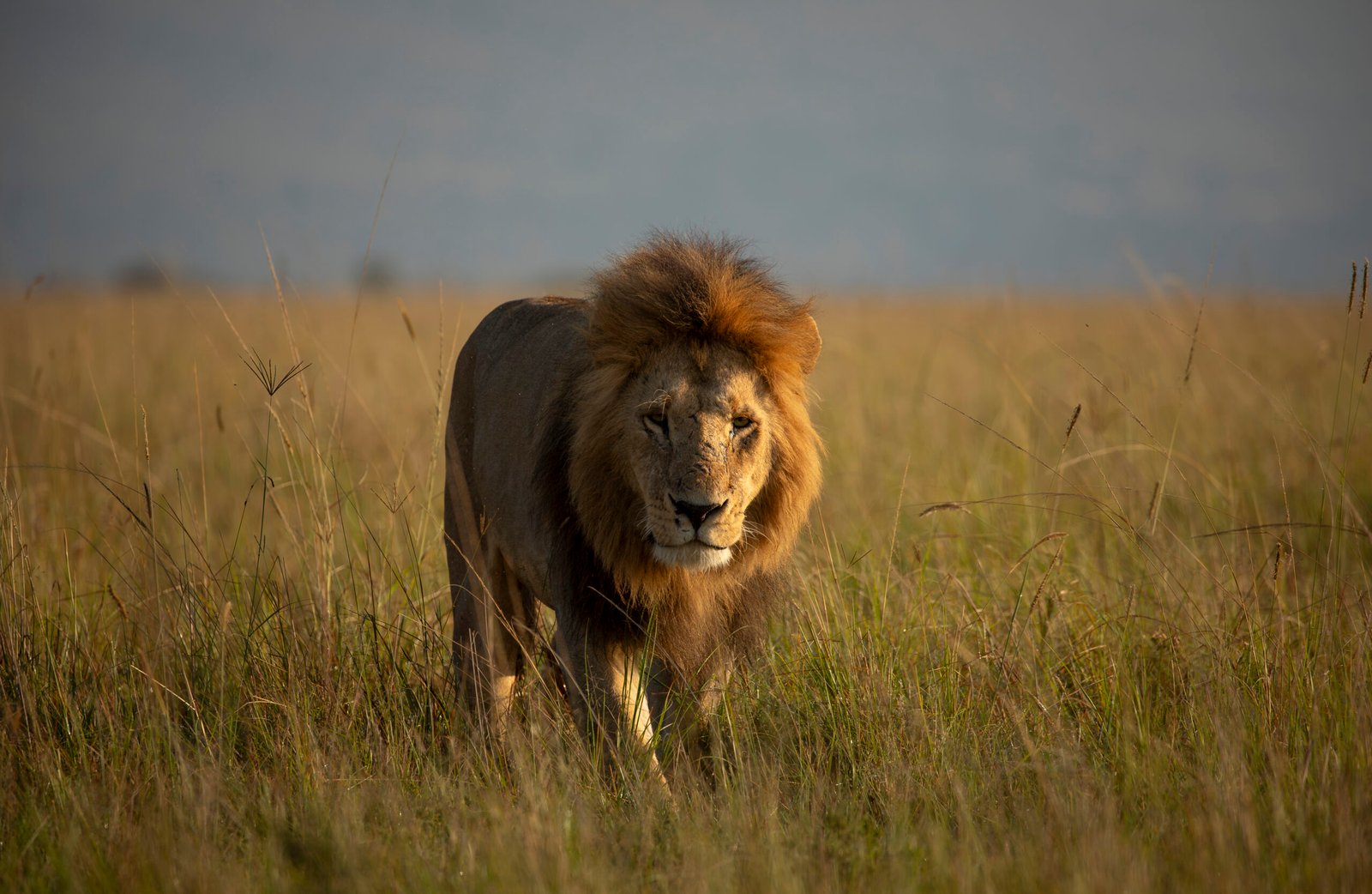
Tanzania is particularly rewarding because its parks offer both close wildlife moments and wide landscapes. You can photograph a lion’s face through long grass, then turn your camera towards an endless Serengeti horizon. Tarangire offers textured trees and elephant scenes, while Ngorongoro gives you the rare opportunity to frame many different animals within a dramatic volcanic setting.
Wildlife is never controlled, and no image can be guaranteed. However, the right route, experienced guiding, patient game drives and enough time in the parks give you the strongest possible opportunities.
Detailed 5-Day Wildlife Photography Safari Itinerary
Day 1: Arusha to Tarangire National Park – Elephants and Baobabs
Your photography safari begins in the morning with pickup from your hotel in Arusha. If your arrival time allows, EKO Tanzania Adventures can also arrange collection from Arusha Airport or Kilimanjaro International Airport.
Meet your driver-guide, discuss your main photography interests and begin the drive towards Tarangire National Park. Before entering the park, your guide can discuss the day’s likely conditions, including weather, light direction and wildlife activity.
Tarangire is one of the best photography parks in northern Tanzania because it has strong visual character. The ancient baobab trees, open grasslands, riverbeds and large elephant herds create scenes that immediately feel different from other safari destinations.
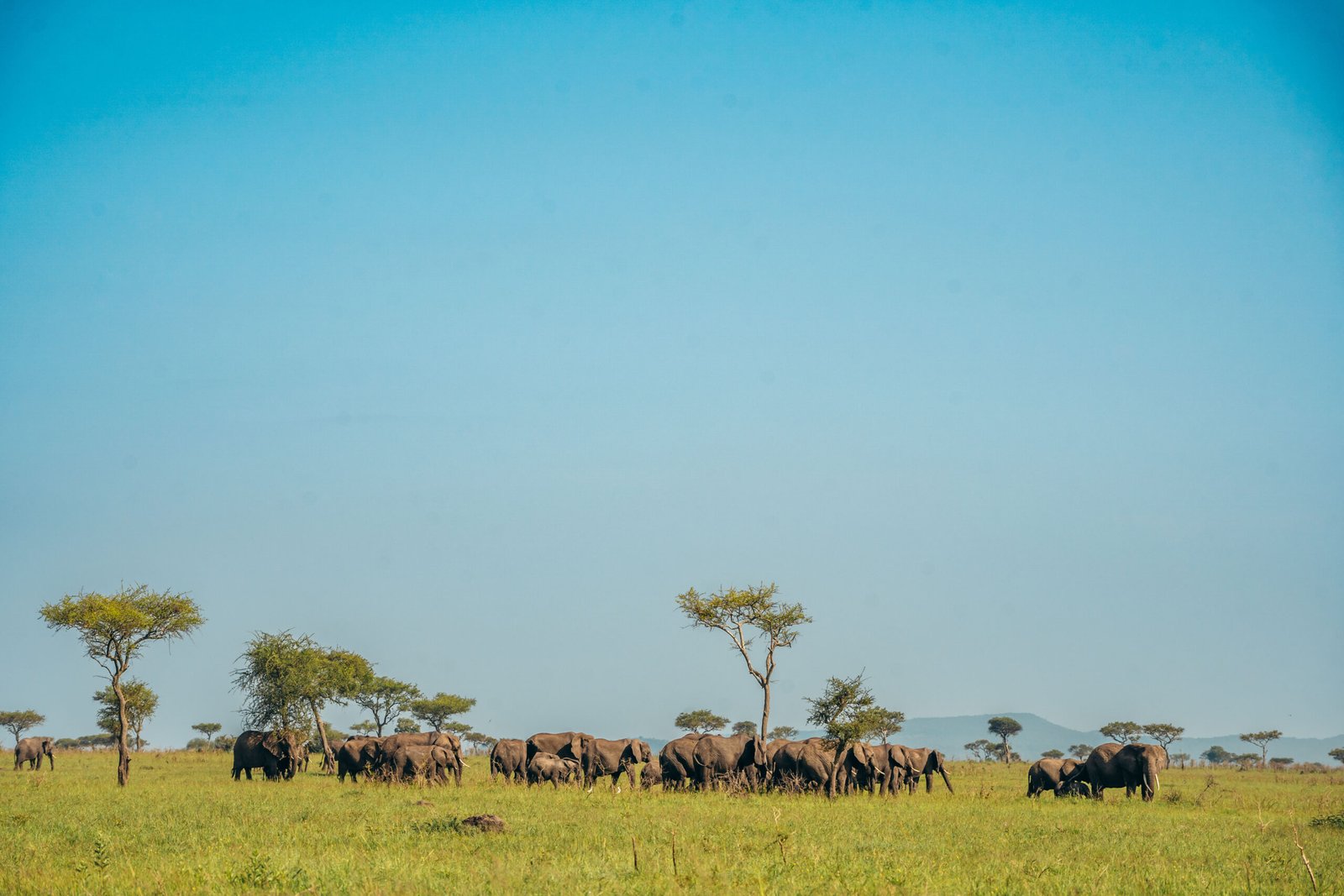
After entering the park, begin your game drive. Your guide will look for elephant families, often seen feeding in woodland or moving between water areas. Photographing elephants in Tarangire is not only about close portraits. The best images may come from placing them within the wider landscape: a herd beneath a baobab, a small calf walking between adults or a lone bull against the dry-season grass.
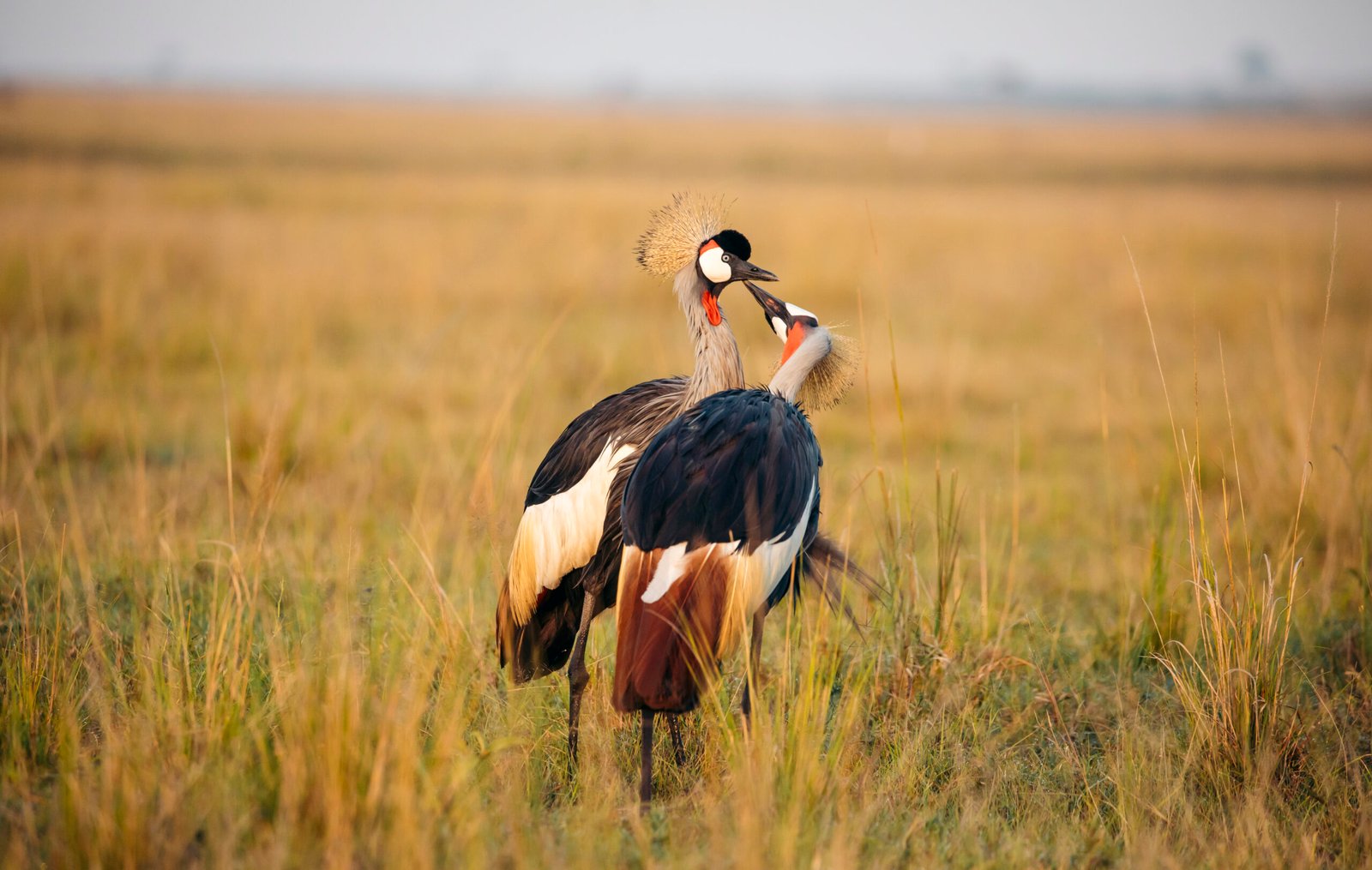
You may also see giraffes, zebras, buffaloes, wildebeest, impalas, warthogs, baboons and many bird species. Tarangire is especially good for bird photography, with colourful bee-eaters, hornbills, ostriches, raptors and other species possible depending on the season.
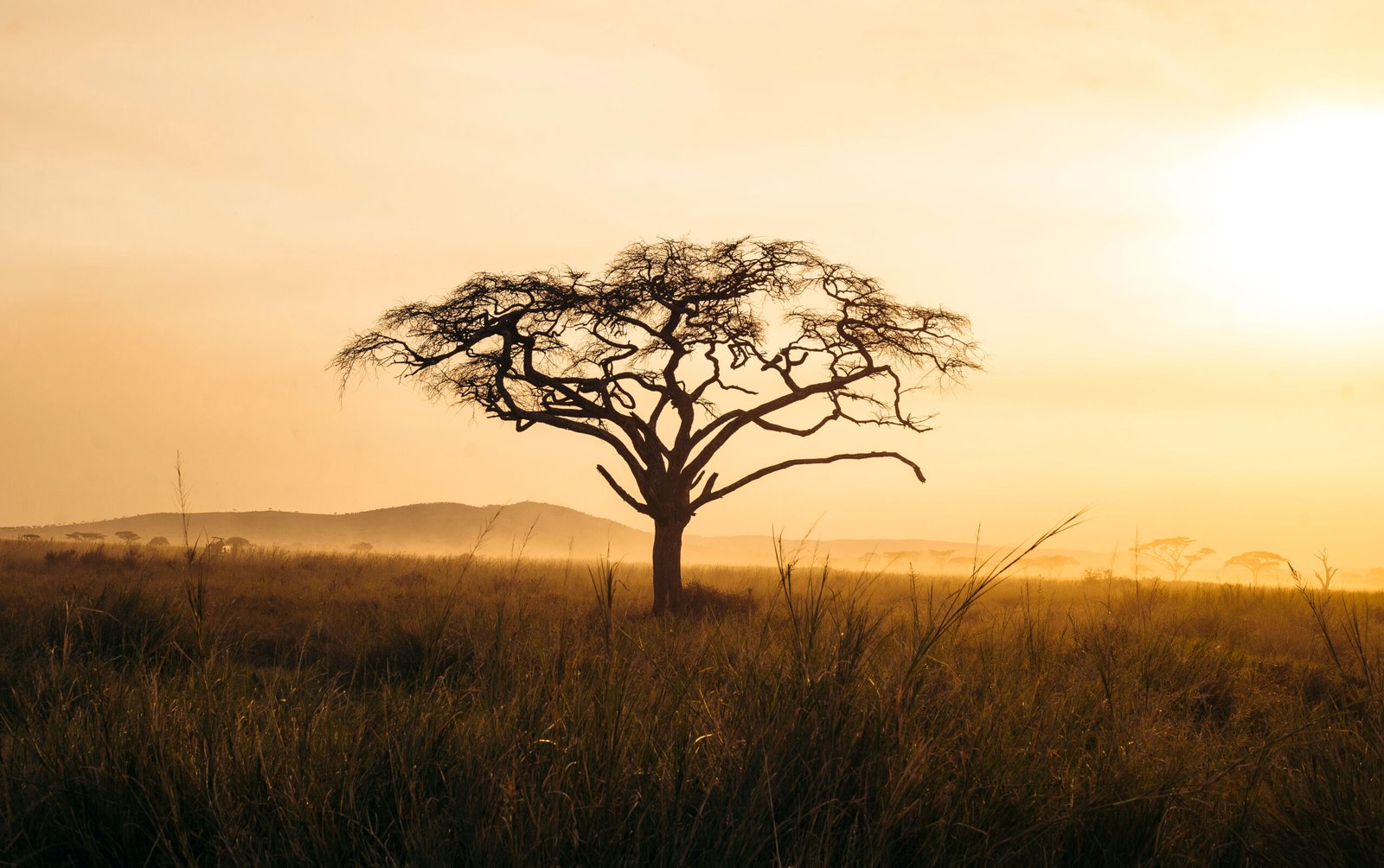
You will stop for a picnic lunch inside the park. During the afternoon, continue with game drives, concentrating on animals in good light and scenic locations. As the sun becomes lower, warm tones often develop across the grassland and baobab silhouettes become particularly attractive for photographs.
Later in the day, leave Tarangire and drive to your lodge or camp in the Karatu or Mto wa Mbu area. Dinner and overnight.
Meals included: Lunch and dinner
Overnight: Lodge or camp in Karatu / Mto wa Mbu area
Day 2: Journey to Serengeti National Park – Landscapes and First Big Cat Search
After breakfast, depart towards Serengeti National Park. The drive takes you through the Ngorongoro Conservation Area and towards the famous Serengeti plains.
This is a transition day, but it still offers photography opportunities. The highlands can produce beautiful scenery, and you may see Maasai communities, cattle and wildlife along the route. If time and weather allow, your guide may stop at the Ngorongoro Crater rim viewpoint. The view from above is broad and dramatic, especially when morning cloud is lifting from the crater.
As you approach Serengeti, the landscape opens. The change is striking: highland forest gradually gives way to grasslands, kopjes and distant horizons. The Serengeti is a place where landscape photography matters as much as close wildlife images.
After entering the park, begin your first Serengeti game drive. The central Serengeti, also known as Seronera, has permanent water sources and a wide range of habitats. This makes it one of the strongest areas for wildlife photography throughout the year.
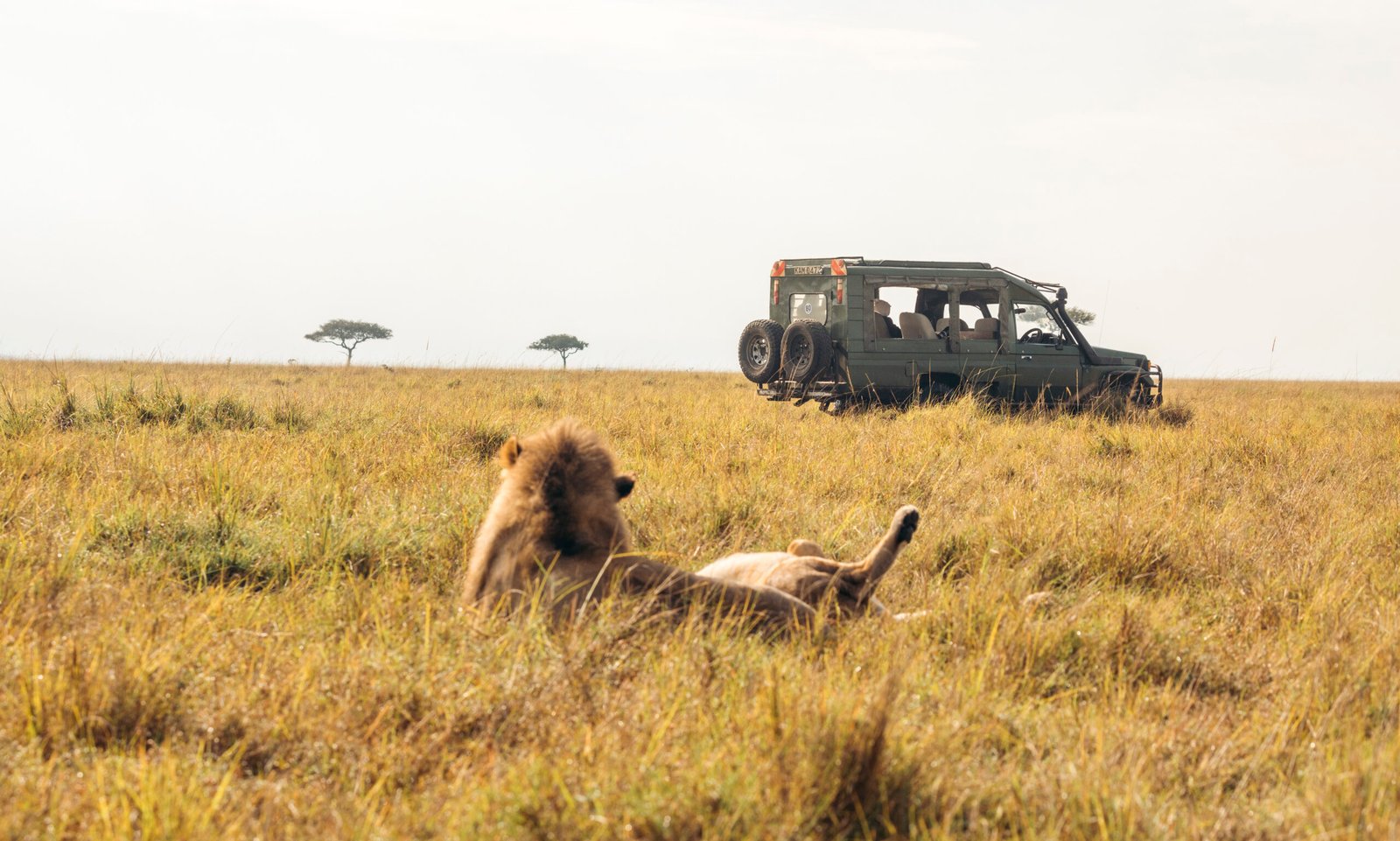
Your guide will look for lions, leopards, cheetahs, elephants, giraffes, zebras, wildebeest, hyenas and other wildlife. Lions may be found resting in shade, lying on rocks or watching prey animals in open grass. Leopards often favour large trees near riverbeds, while cheetahs are more likely to be seen in open country.
As you drive towards your camp or lodge, use the afternoon light to photograph animals in the grassland. Arrive at your accommodation in the evening, settle in and enjoy dinner.
Meals included: Breakfast, lunch and dinner
Overnight: Safari camp or lodge in central Serengeti
Day 3: Full-Day Serengeti Photography Game Drive
Today is your main Serengeti photography day. An early start is recommended because the first hours after sunrise can provide cooler temperatures, active wildlife and gentle natural light.
After tea, coffee and a light breakfast, depart for an early morning game drive. Early drives are often productive for predators returning from night activity, herbivores grazing in open areas and birds becoming active around water sources.
Your guide will work with you to find good positions whenever park rules, other vehicles and animal movement allow. In wildlife photography, position matters. The guide may turn the vehicle carefully to improve the background, avoid harsh light or help you photograph an animal with a cleaner view.
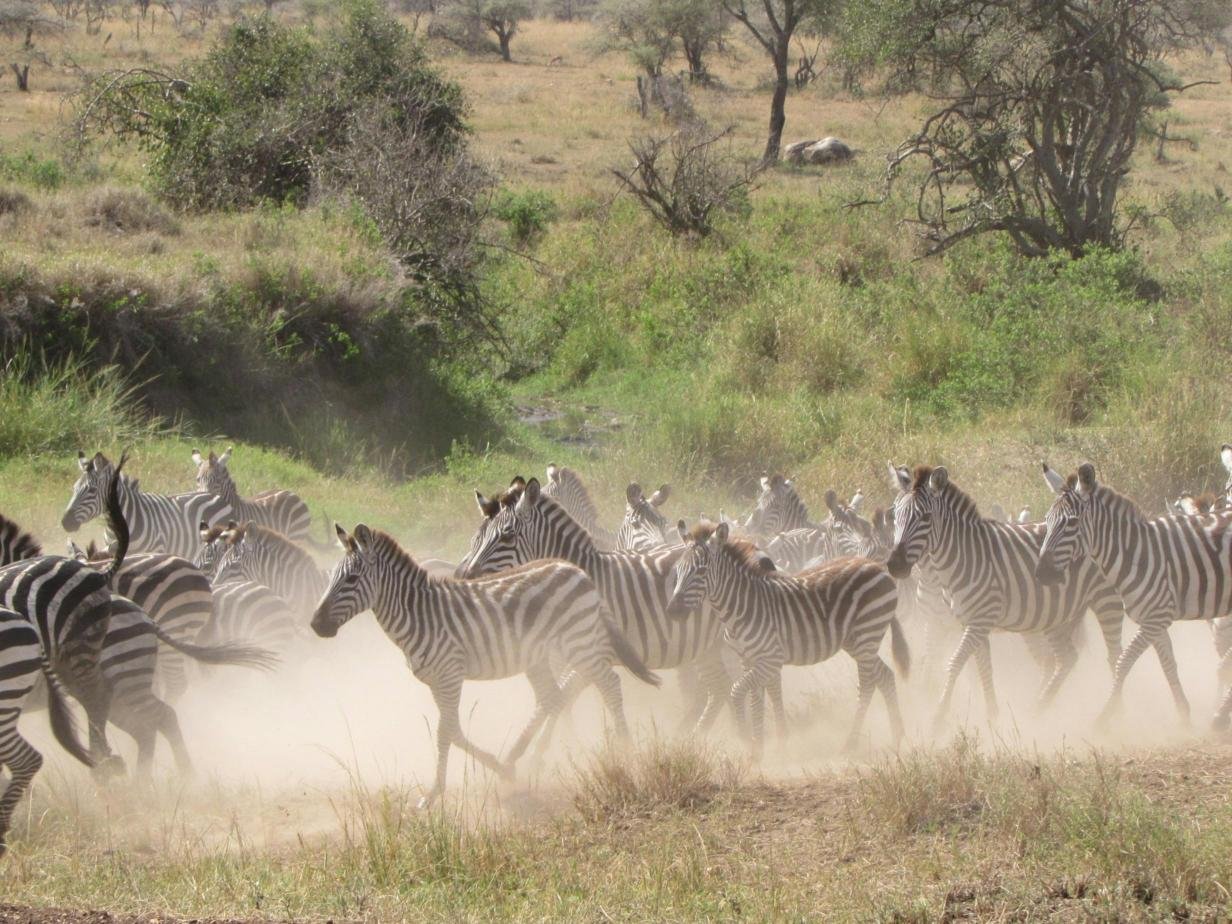
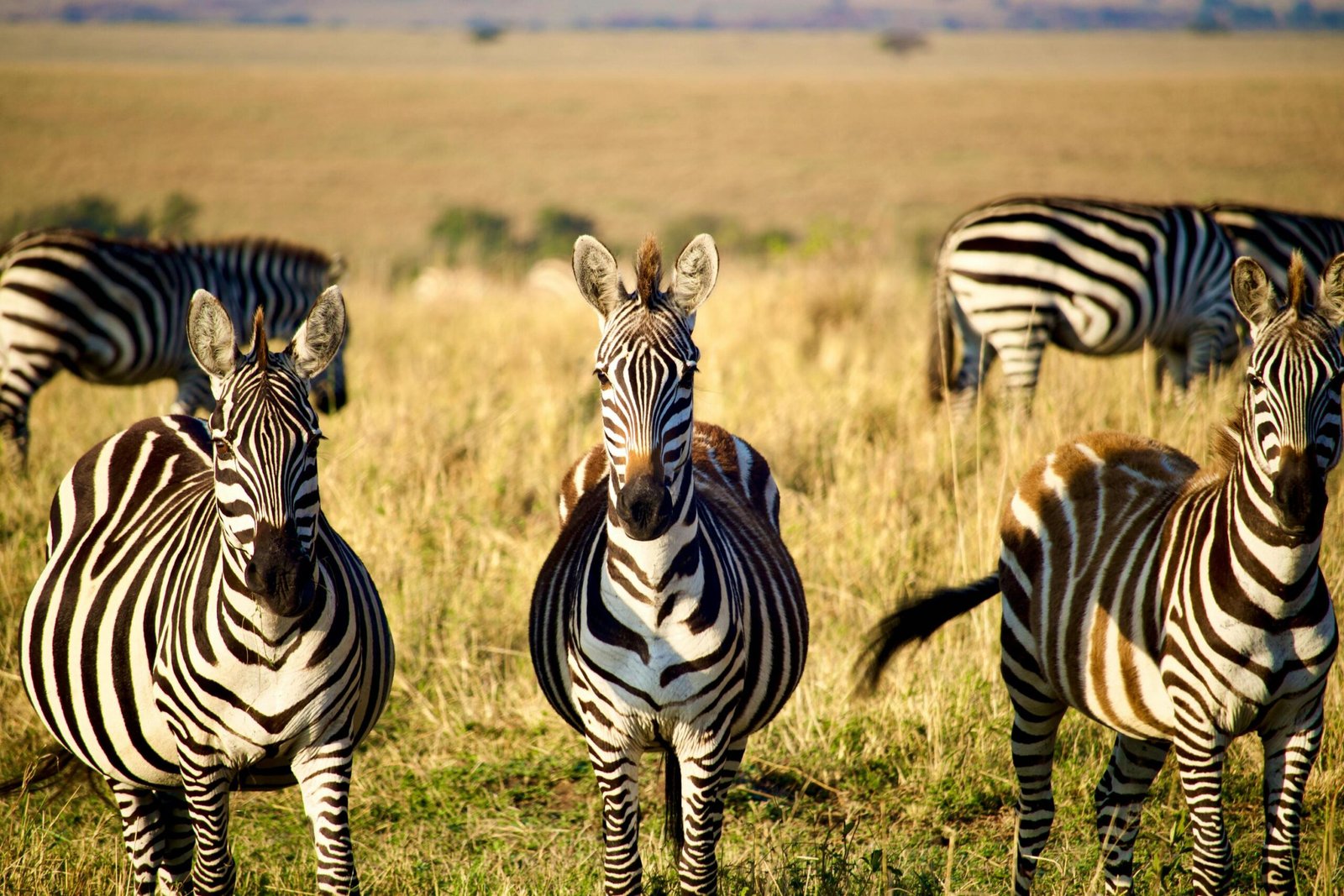
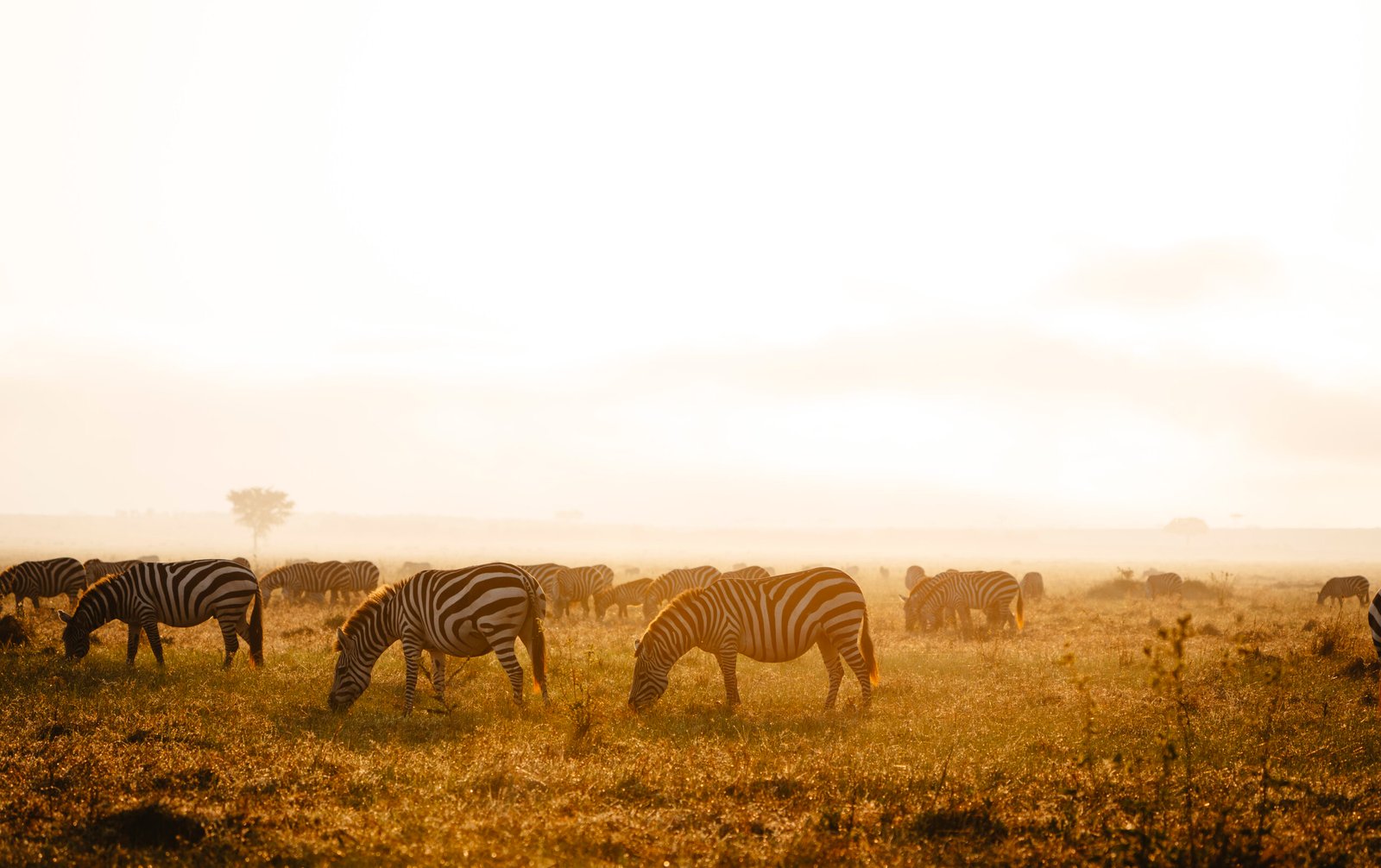
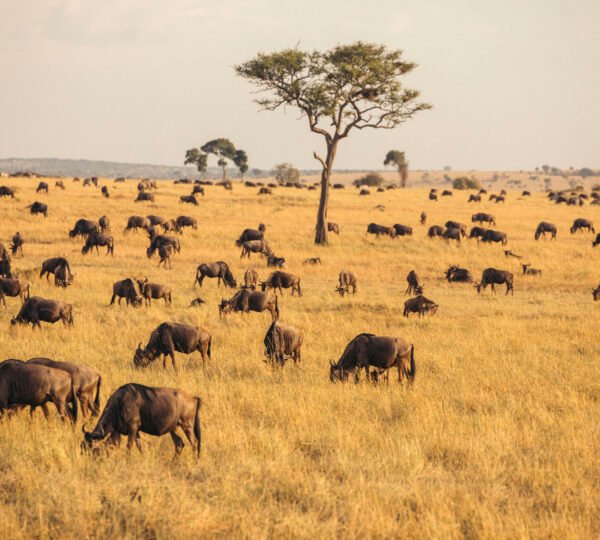
The Serengeti is known for big cats, but it also offers countless smaller stories. You may photograph elephants interacting in family groups, giraffes moving through acacia woodland, zebras with graphic striped patterns, warthogs kneeling to feed, colourful birds or a hyena watching a distant lion pride.
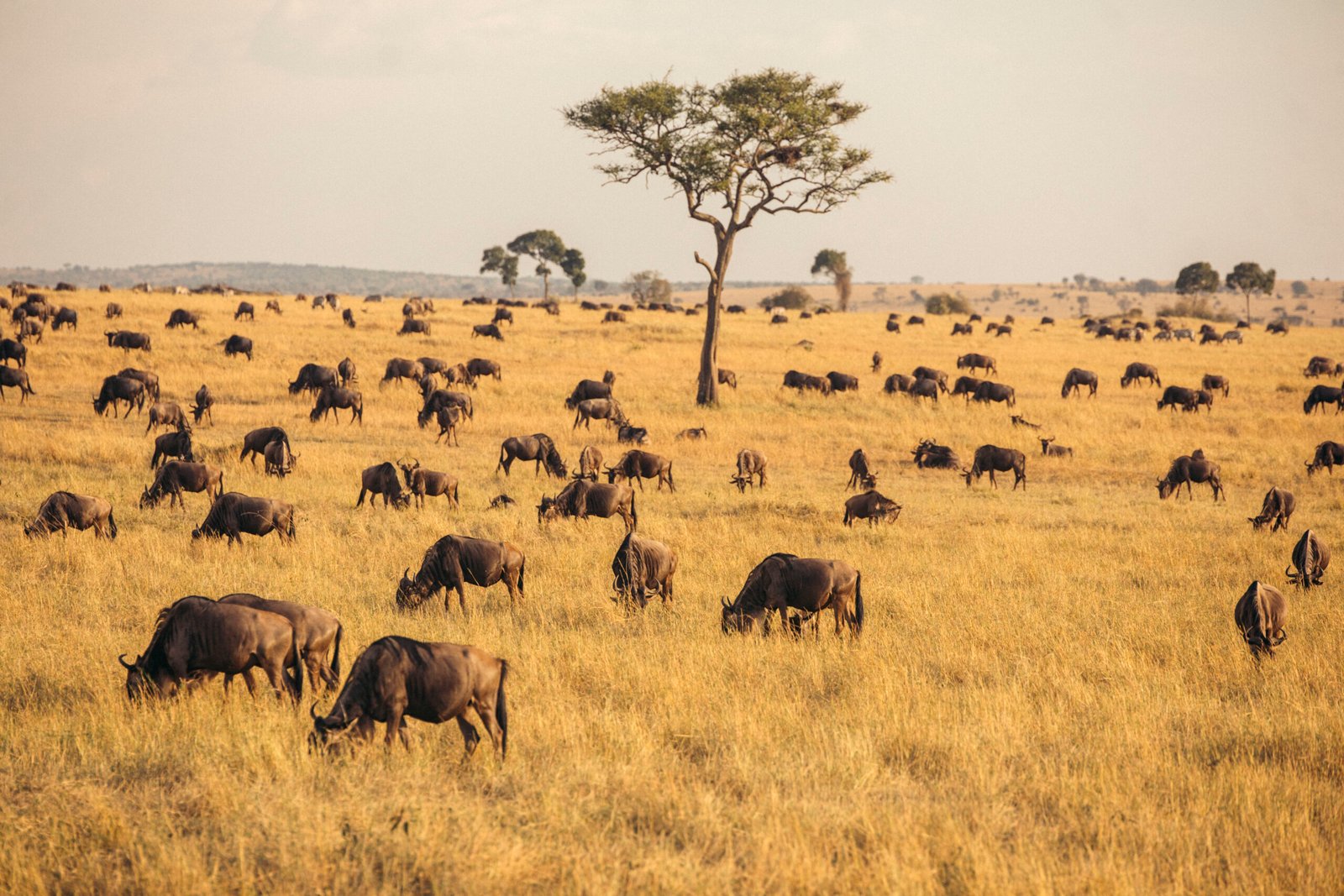
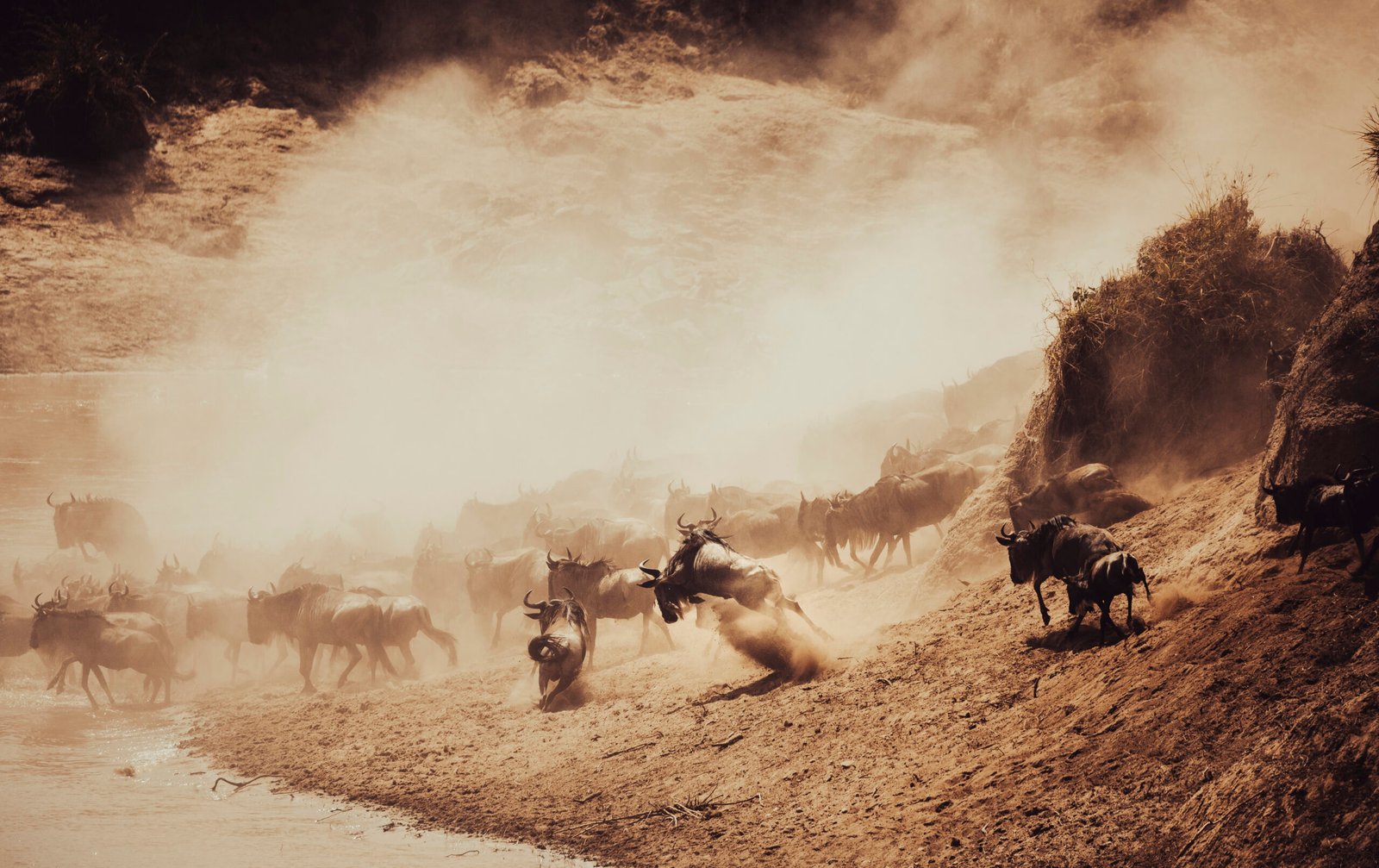
Depending on the season, you may encounter the Great Migration. This is the movement of large herds of wildebeest, zebras and gazelles across the wider Serengeti-Mara ecosystem. The exact location changes according to rainfall and fresh grass. Your guide will use current information to search the areas that offer the best chance during your travel dates, but migration sightings can never be guaranteed.
You will have a picnic breakfast or lunch in the bush, depending on the day’s photography plan. This avoids cutting short a good wildlife moment simply to return to camp.
During the afternoon, continue with the game drive. The late afternoon is useful for backlit images, warm-coloured grass and animal silhouettes against the sky. If wildlife activity is good, your guide will use the available time carefully before returning to camp near sunset.
Dinner and overnight in central Serengeti.
Meals included: Breakfast, lunch and dinner
Overnight: Safari camp or lodge in central Serengeti
Day 4: Serengeti to Ngorongoro Conservation Area – Final Serengeti Light
After breakfast, leave Serengeti National Park and travel towards the Ngorongoro Conservation Area. You will enjoy a morning game drive on the way, giving you one more opportunity for Serengeti photography.
Morning can be an excellent time to photograph cats before the heat of the day. Lions may be active or moving between resting places, leopards may still be visible before taking shelter and cheetahs may be scanning open grassland. Your guide will follow wildlife activity and select the best route available.
As you leave the plains behind, the landscape becomes more elevated and green. You may see animals along the road, and the drive offers a chance to photograph a different side of northern Tanzania.
Arrive at your accommodation in the Karatu or Ngorongoro area in the afternoon. Use the evening to check your images, charge camera batteries, clean lenses and prepare your equipment for the crater game drive the next morning.
Meals included: Breakfast, lunch and dinner
Overnight: Lodge or camp in Karatu / Ngorongoro area
Day 5: Ngorongoro Crater Photography Game Drive and Return to Arusha
Today begins early. After breakfast, drive to the Ngorongoro Crater rim. If weather conditions are clear, the viewpoint offers a chance for wide landscape photographs before you descend.
Ngorongoro Crater is the world’s largest intact volcanic caldera. The floor contains grassland, forest, swamp and lake habitats within a relatively compact area. For photographers, this means a good range of wildlife opportunities in a single morning.
After descending approximately 600 metres, begin your crater game drive. You may see lions in the grasslands, large buffalo herds, zebras, wildebeest, gazelles, hippos and hyenas. The crater is also one of Tanzania’s best places to look for black rhinos. They remain rare and often distant, but your guide will search responsibly using their local knowledge and updates from the field.
Elephants inside the crater are often mature bulls with large tusks. Near Lake Magadi, flamingos may be visible when water conditions are suitable. The hippo pool offers opportunities for water and wildlife scenes, although it can be busy with vehicles at times.
You will stop for a picnic lunch at an official site before continuing your final game drive. In the afternoon, ascend the crater rim and drive back to Arusha.
Your EKO Tanzania Adventures guide will drop you at your hotel, Arusha Airport or Kilimanjaro International Airport according to your onward plans.
Meals included: Breakfast and lunch
Photography Equipment Recommendations
You can enjoy this safari with any camera, including a smartphone. However, guests bringing dedicated camera equipment may find the following useful:
- Camera body with spare battery
- Wide-angle lens for landscapes and vehicle scenes
- Telephoto lens, ideally 100–400mm, 150–600mm or similar, for wildlife
- Memory cards with enough storage space
- Lens cloth and dust blower
- Camera rain cover or waterproof bag
- Binoculars
- Beanbag support for long lenses, which can be arranged on request
- Power bank and universal travel adaptor
Avoid changing lenses in dusty conditions when possible. Keep your camera covered while driving between sightings, and always have your main camera ready—wildlife moments can happen quickly.
Best Time for Wildlife Photography in Tanzania
Tanzania offers excellent photography opportunities throughout the year.
The dry season from June to October is popular because skies are generally clear, wildlife often gathers near water and grass can be shorter. Tarangire is particularly strong for elephants during this time.
The green season from November to May provides rich colours, dramatic skies, newborn animals in some periods and very good bird photography. The migration’s location changes with the rains, so EKO Tanzania Adventures can advise the best route for your dates if the herds are a priority.
Light matters as much as season. Early mornings and late afternoons are usually the most flattering times for photography. Midday is still useful for documentary images, birds, wide views and animals resting in shade.
What Is Included
- Private 4×4 photography safari vehicle with pop-up roof
- Professional English-speaking safari driver-guide
- Flexible wildlife-viewing pace within park regulations
- All national park and conservation fees
- Ngorongoro Crater service fee
- Four nights’ accommodation
- Meals as shown in the itinerary
- Drinking water during game drives
- Government taxes and VAT where applicable
- Pickup and drop-off in Arusha according to the itinerary
What Is Not Included
- International and domestic flights
- Tanzania visa fees
- Travel and medical insurance
- Camera equipment and equipment insurance
- Alcoholic drinks and beverages not included by your lodge
- Tips for safari guide and lodge staff
- Personal expenses, souvenirs and laundry
- Optional activities not listed in the itinerary
Book Your Tanzania Wildlife Photography Safari
EKO Tanzania Adventures can tailor this photography safari around your travel dates, interests, accommodation preference and camera experience. For photographers who want more time in the field, we can extend the safari with extra nights in Serengeti, Northern Serengeti during the migration season, Lake Manyara National Park or a Zanzibar beach stay after your safari.
To receive a personalised quote, send us your preferred dates, number of travellers and accommodation level.
WhatsApp: Chat with EKO Tanzania Adventures
Email: info@ekotanzaniaadventures.com
Alternative email: ekotanzaniaadventure@gmail.com