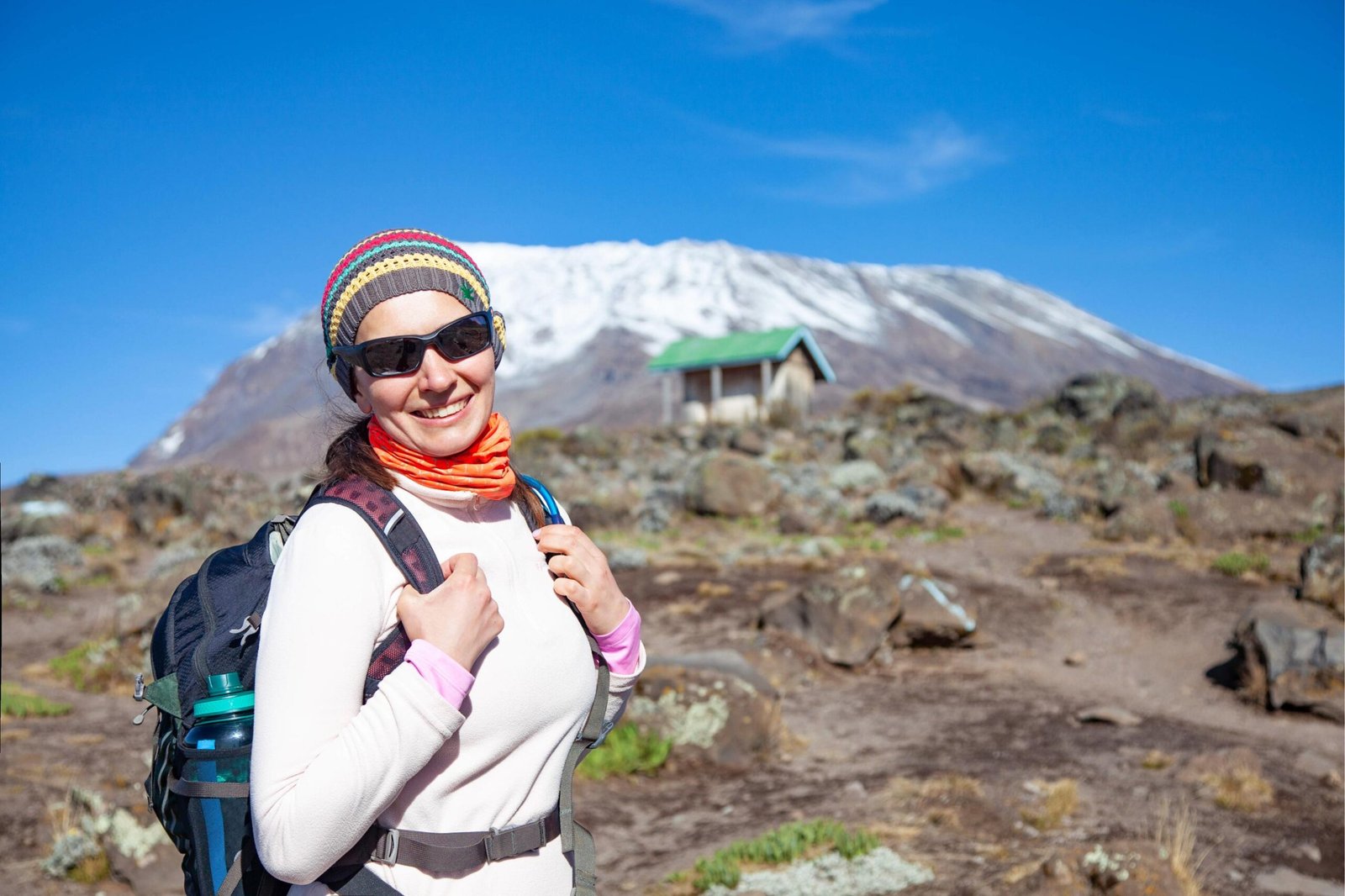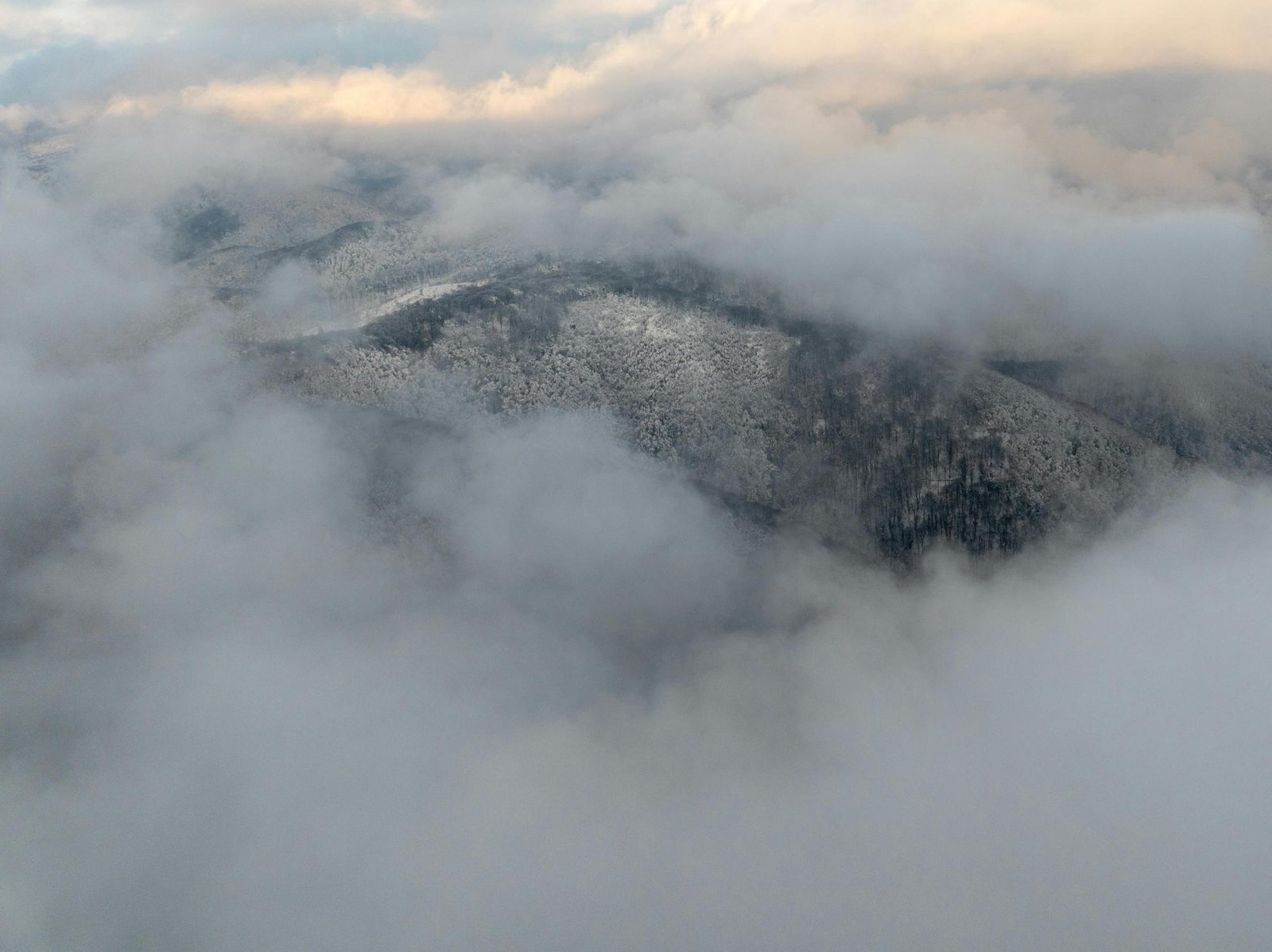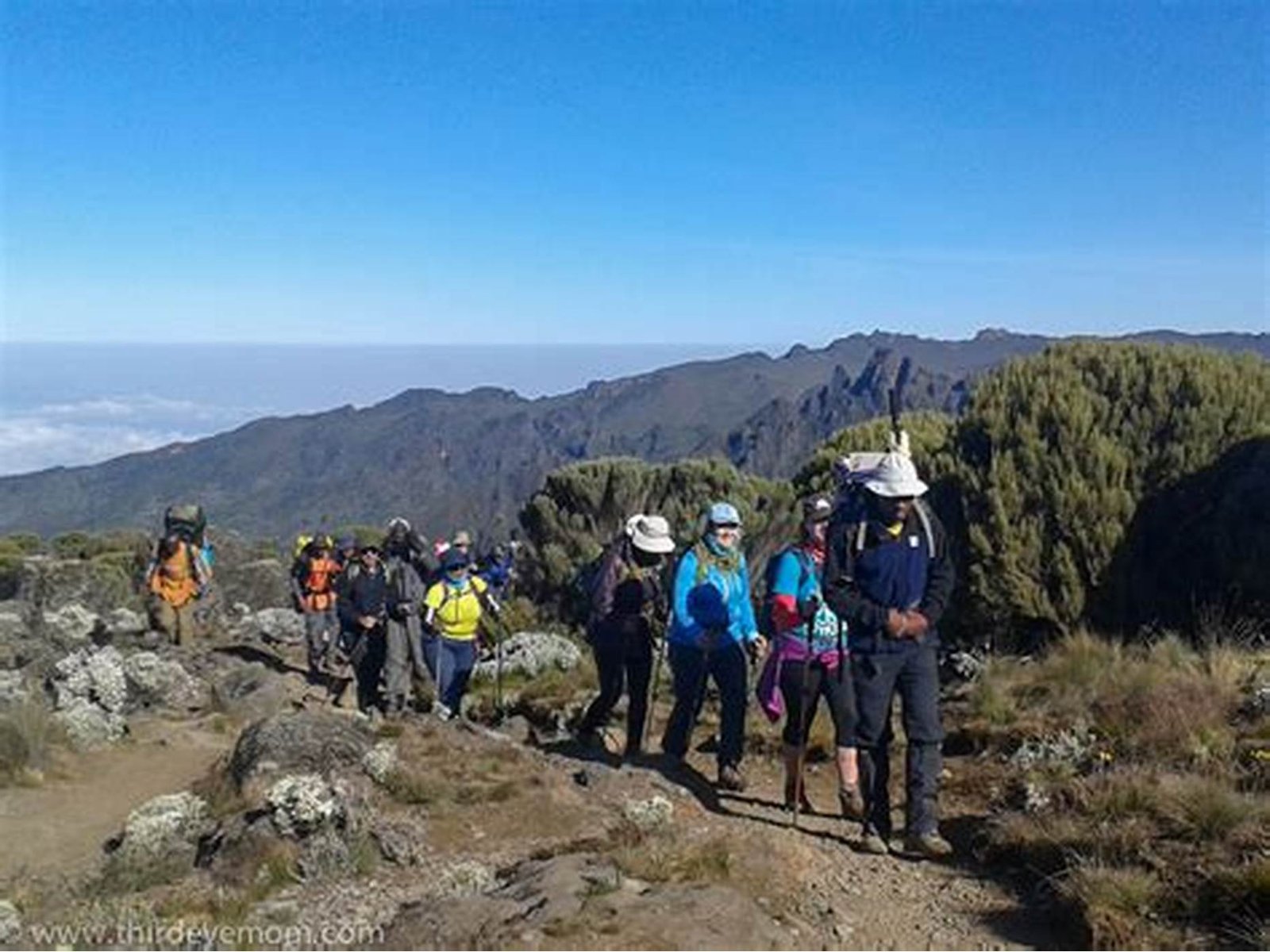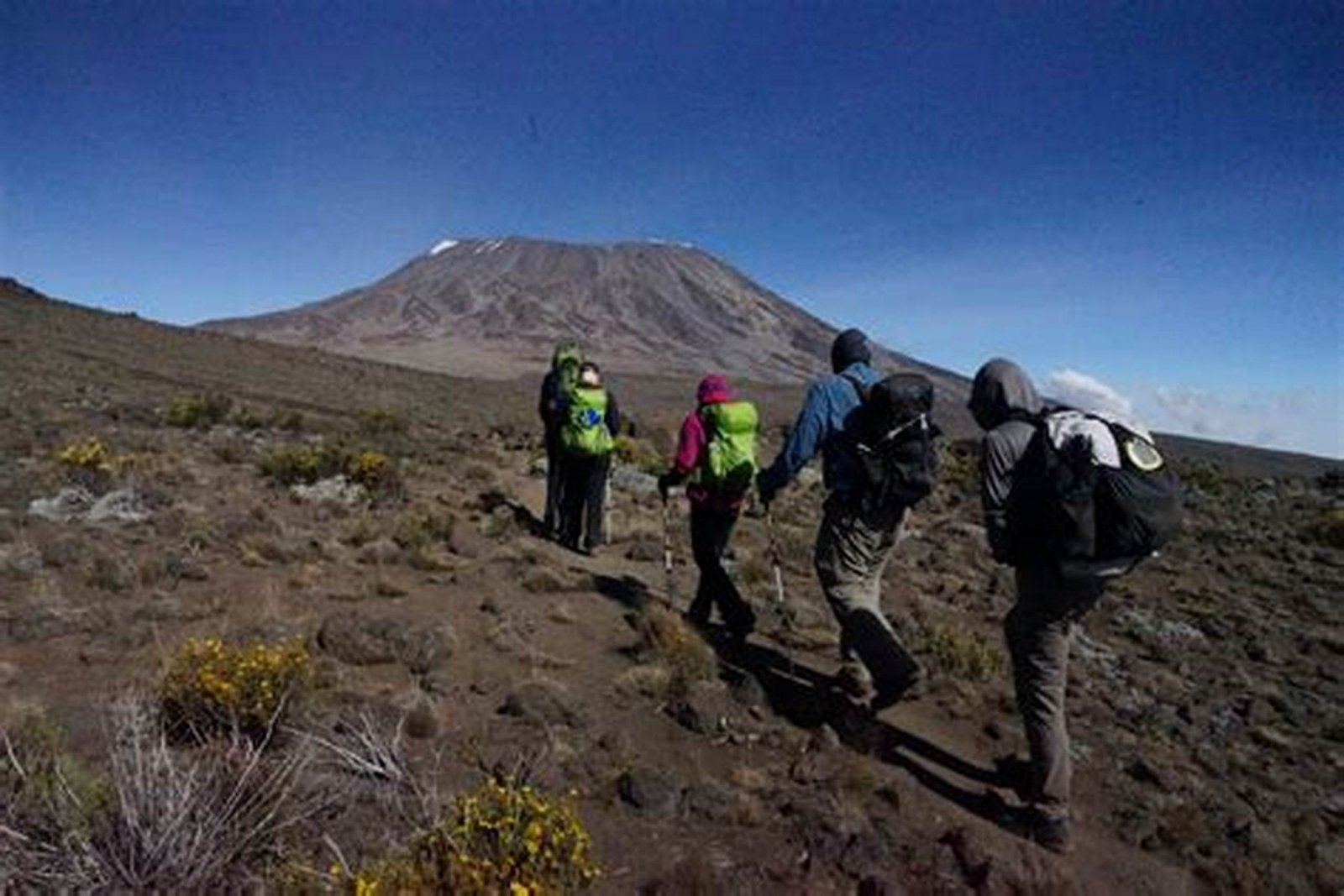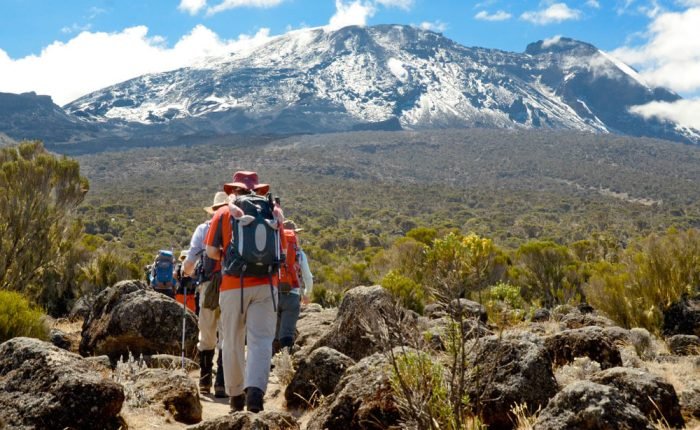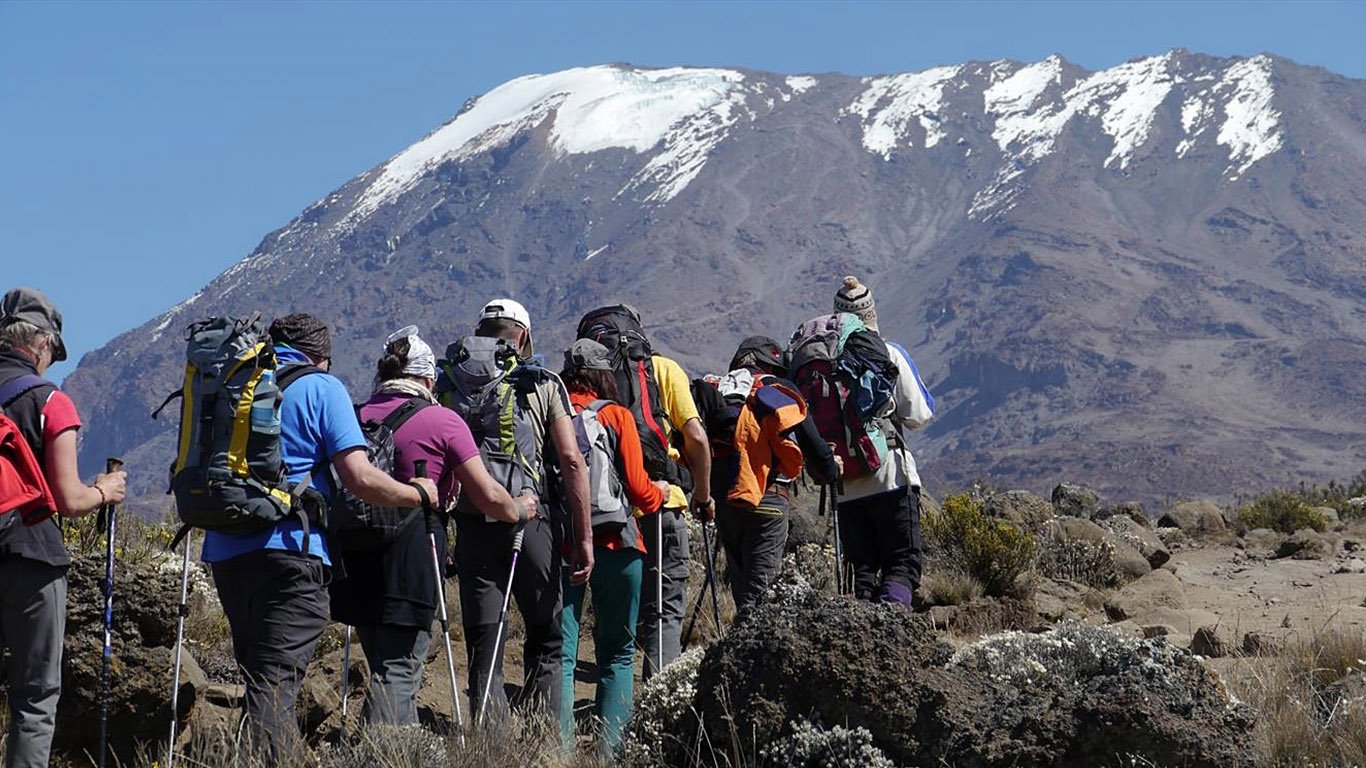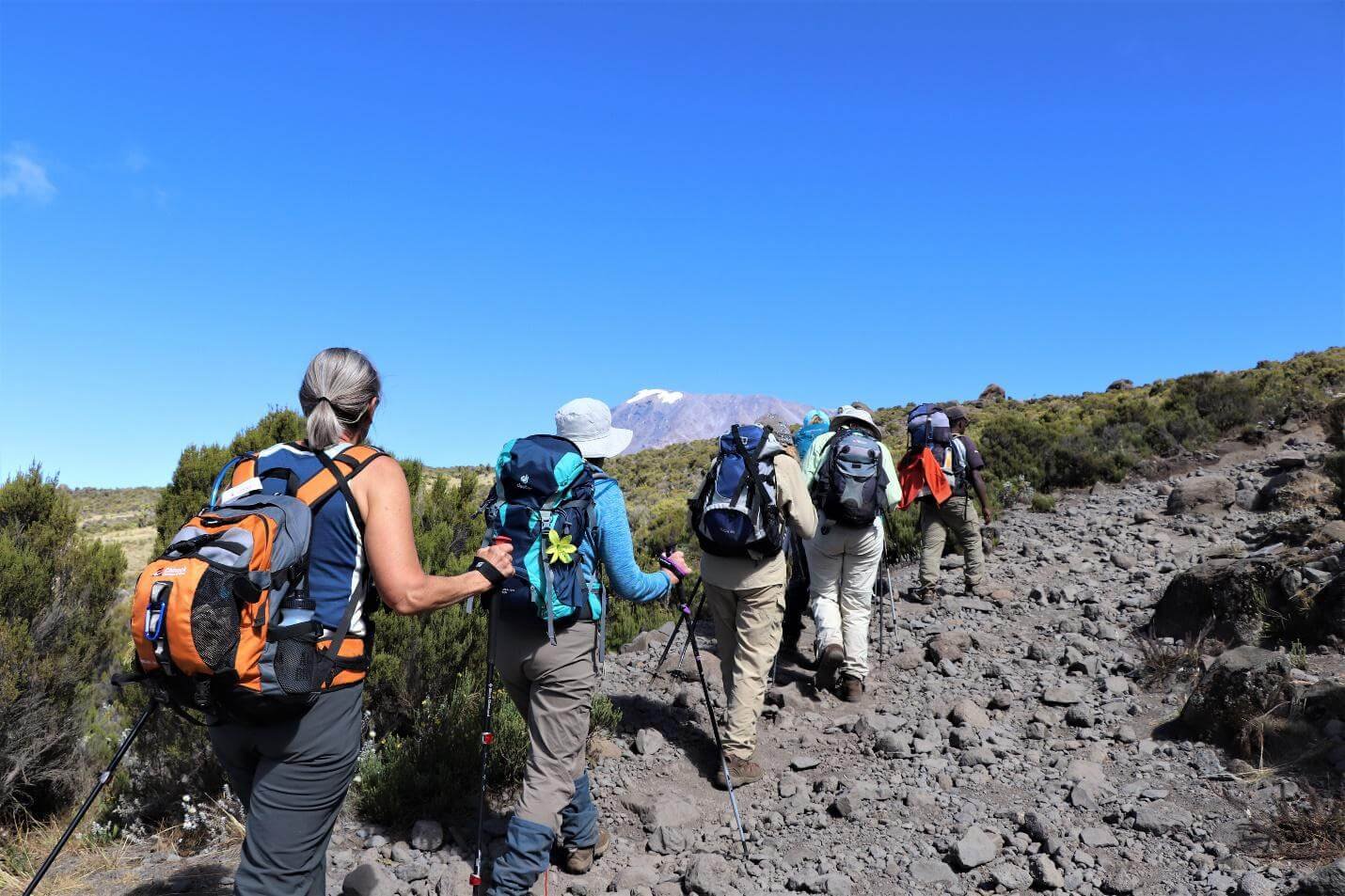
6-Day Kilimanjaro Climb: Quiet Rongai Route is an excellent choice for travelers who prefer a quieter approach to Africa’s highest mountain. Unlike the busier southern routes, Rongai begins on the northern side of Mount Kilimanjaro, close to the Kenyan border. It offers wide views, a drier trekking environment and a less crowded trail during much of the year.
Rongai Route gradually climbs through forest, open moorland and high alpine desert before joining the main summit approach at Kibo Hut. After reaching Uhuru Peak at 5,895 metres, climbers descend by the Marangu Route on Kilimanjaro’s southeastern side. This means you experience two sides of the mountain rather than following exactly the same trail up and down.
The six-day itinerary includes gradual height gain and an overnight stay near Mawenzi Tarn, one of the most scenic high-altitude camps on Kilimanjaro. The route is less steep in its early stages than Machame, but it remains a demanding high-altitude climb. Physical preparation, suitable equipment and a slow pace are essential.
EKO Tanzania Adventures provides trained mountain guides, assistant guides, cooks and porters to support you throughout the climb. We arrange park fees, mountain camping, meals, safety checks and transfers, so your focus can remain on the trek and the summit attempt.
6-Day Kilimanjaro Climb: Quiet Rongai Route Highlights
- Climb Mount Kilimanjaro from the quieter northern side
- Reach Uhuru Peak at 5,895 metres
- Follow a route that is often drier than southern Kilimanjaro routes
- Enjoy views towards Kenya and the Kenyan plains
- Camp near Mawenzi Tarn beneath Kilimanjaro’s rugged Mawenzi Peak
- Trek through rainforest, moorland, alpine desert and summit terrain
- Descend via the Marangu Route for varied scenery
- Climb with experienced guides, porters and mountain crew
- Private climbs available for solo travellers, couples, families and groups
Trek at a Glance
Duration: 6 days / 5 nights on the mountain
Route: Rongai Route
Summit: Uhuru Peak, 5,895 metres
Start: Nale Moru Gate
Finish: Marangu Gate
Accommodation: Mountain tents on the ascent; Horombo Hut on descent
Difficulty: Challenging
Best for: Climbers who prefer a quieter route and a gradual northern approach
About the 6-Day Kilimanjaro Climb: Quiet Rongai Route
Rongai is the only main Kilimanjaro route that approaches the mountain from the north. Because this side of Kilimanjaro receives less rainfall than the southern side, it can be a good option during wetter months, although mountain weather can never be fully predicted.
The first days of the route are generally less crowded and travel through forest and open moorland. As you climb, you will see the dramatic Mawenzi Peak, the second-highest volcanic cone on Kilimanjaro. The route then joins the Kibo summit section, where climbers prepare for the final ascent to Uhuru Peak.
Rongai has a more gradual early profile than some routes, but altitude remains the main difficulty. Your guides will encourage the correct “pole pole” pace—slowly, steadily and consistently. They will also monitor your health every day and make safety decisions when necessary.
Detailed 6-Day Kilimanjaro Climb: Quiet Rongai Route Itinerary
Day 1: Nale Moru Gate to Simba Camp
Your Kilimanjaro climb begins with pickup from your hotel in Moshi or Arusha. You will travel around the mountain to the Rongai Gate area on Kilimanjaro’s northern side. The drive is longer than the transfer to some southern routes, but it gives you a different view of the mountain and surrounding countryside.
At Nale Moru Gate, your guide will help you complete Kilimanjaro National Park registration. Your equipment will be checked, and you will meet the mountain crew supporting your climb.
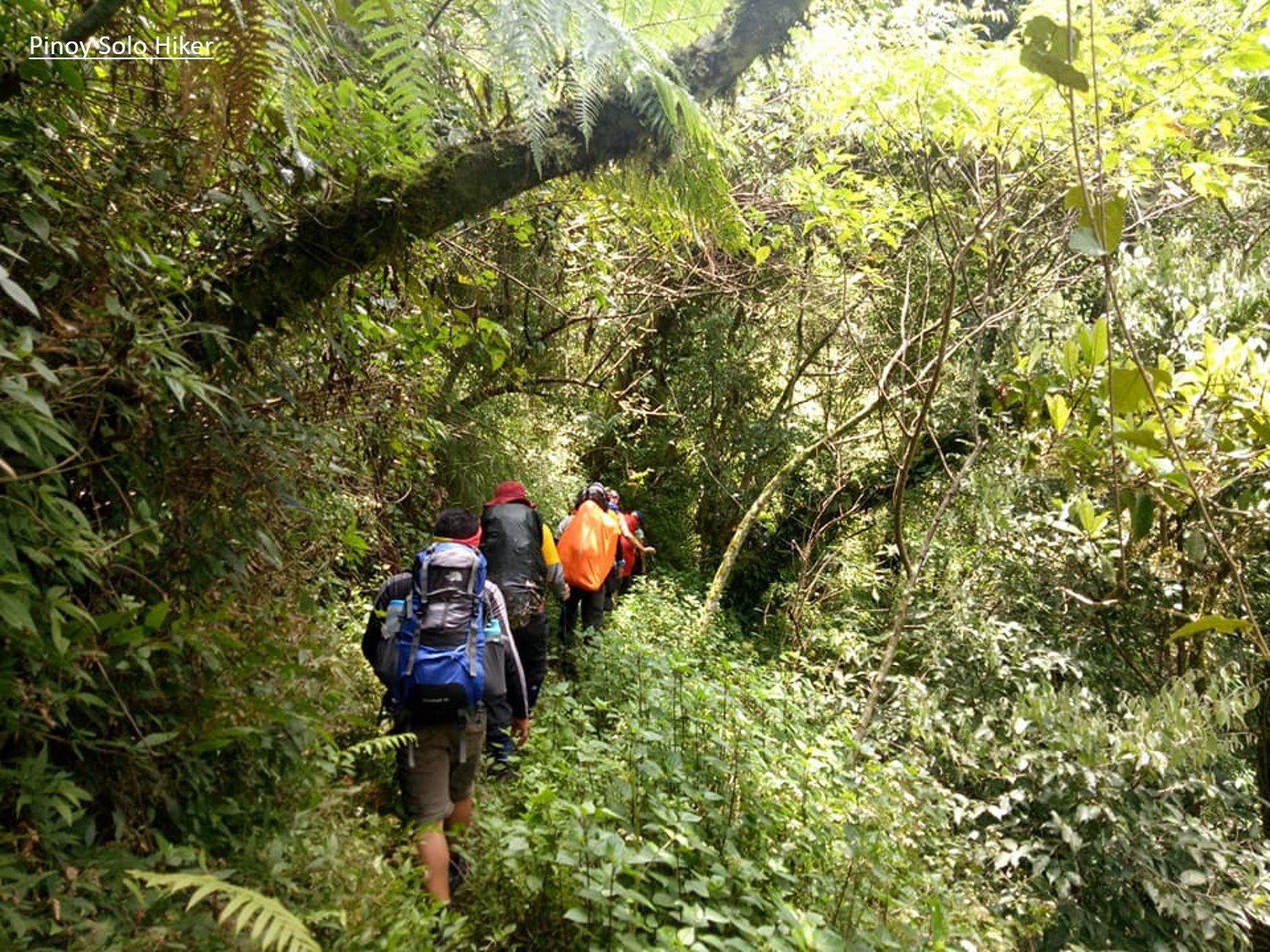
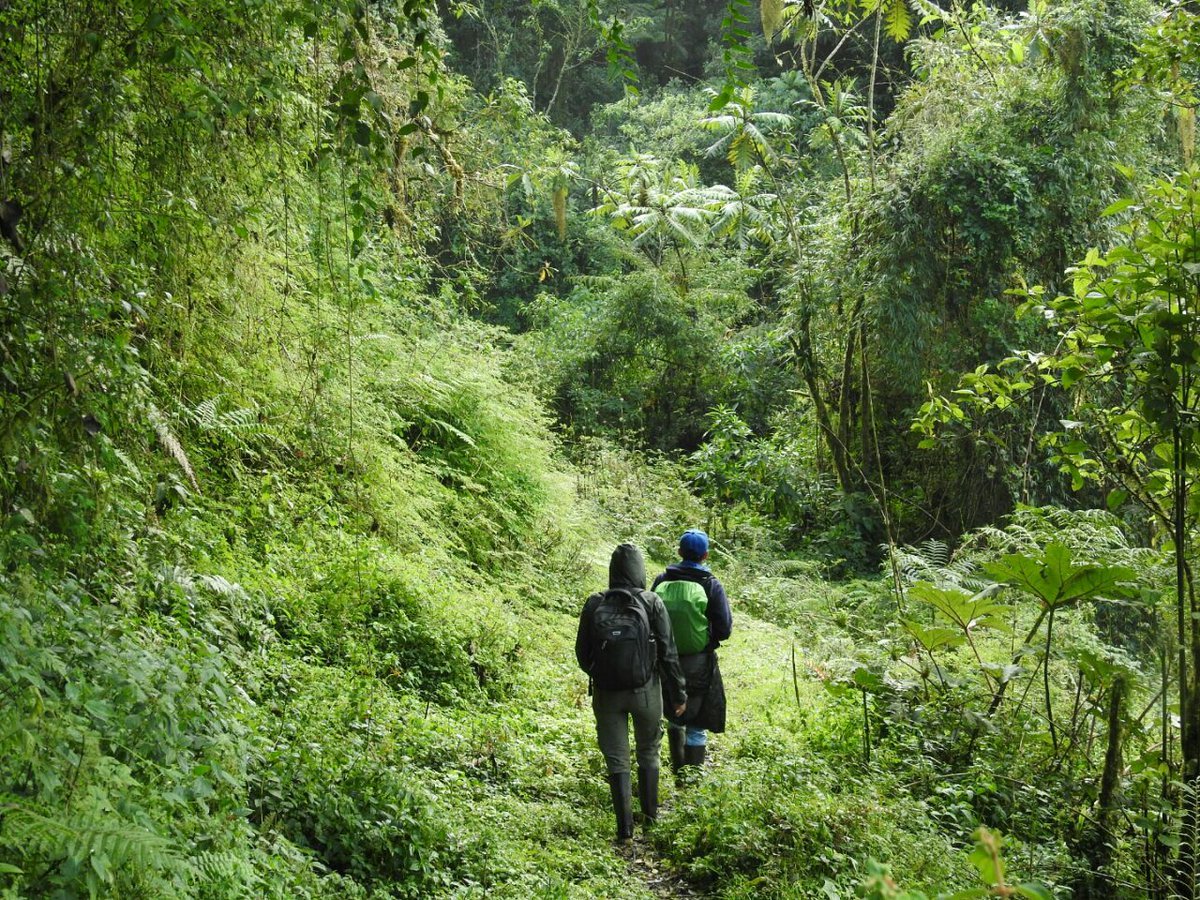
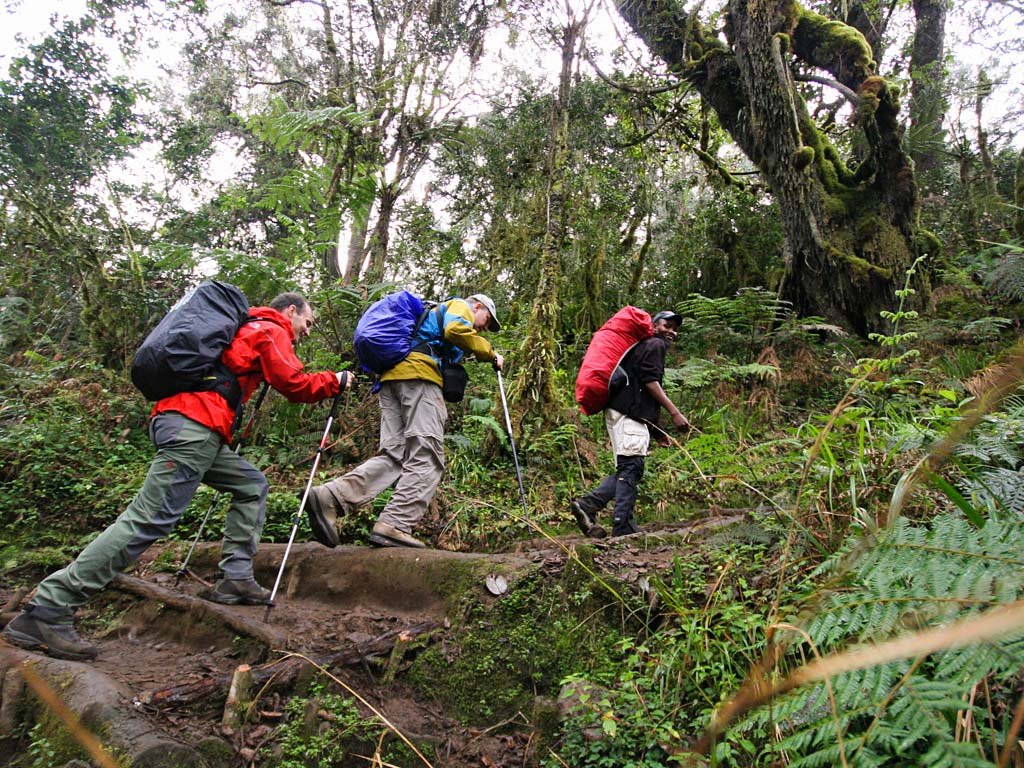
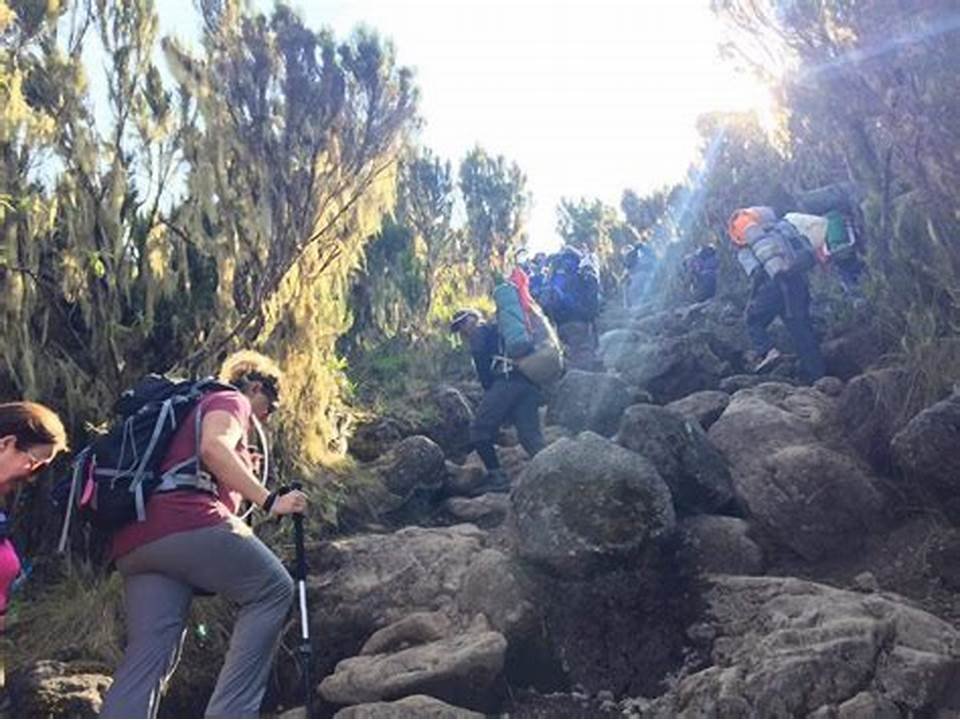
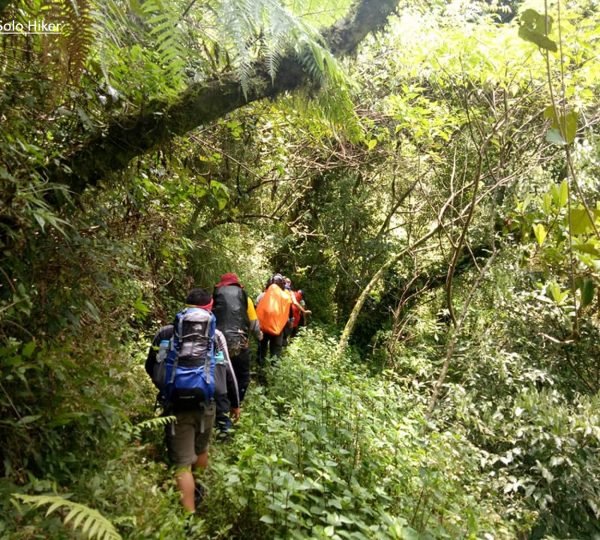
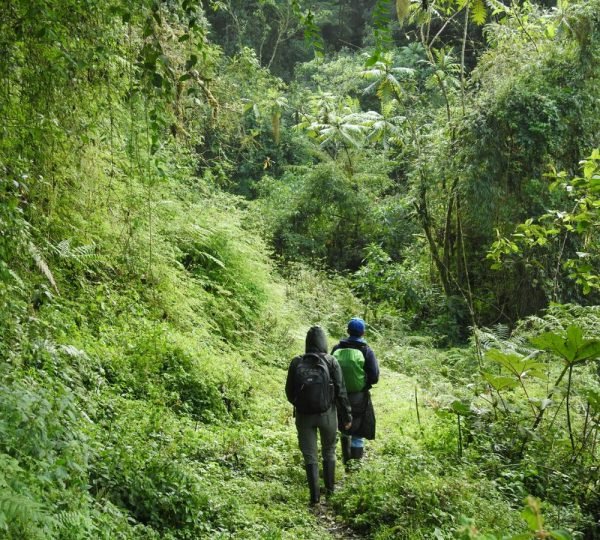
The trek begins on a gentle trail through forest. This section is quieter than many other Kilimanjaro routes, and you may see signs of wildlife or hear birds in the trees. Black-and-white colobus monkeys, blue monkeys and forest birds are sometimes seen, although sightings depend on the day.
As you gain altitude, the forest becomes more open and the trail begins to reveal views over the Kenyan plains. Continue at a comfortable pace to Simba Camp, located at approximately 2,625 metres.
Your tents will be set up before you arrive. Enjoy a hot meal, rest and prepare for the next day’s climb.
Elevation: 1,950m to 2,625m
Distance: Approximately 8 km
Walking time: 3–4 hours
Habitat: Montane forest
Meals included: Lunch and dinner
Overnight: Simba Camp
Day 2: Simba Camp to Kikelewa Camp
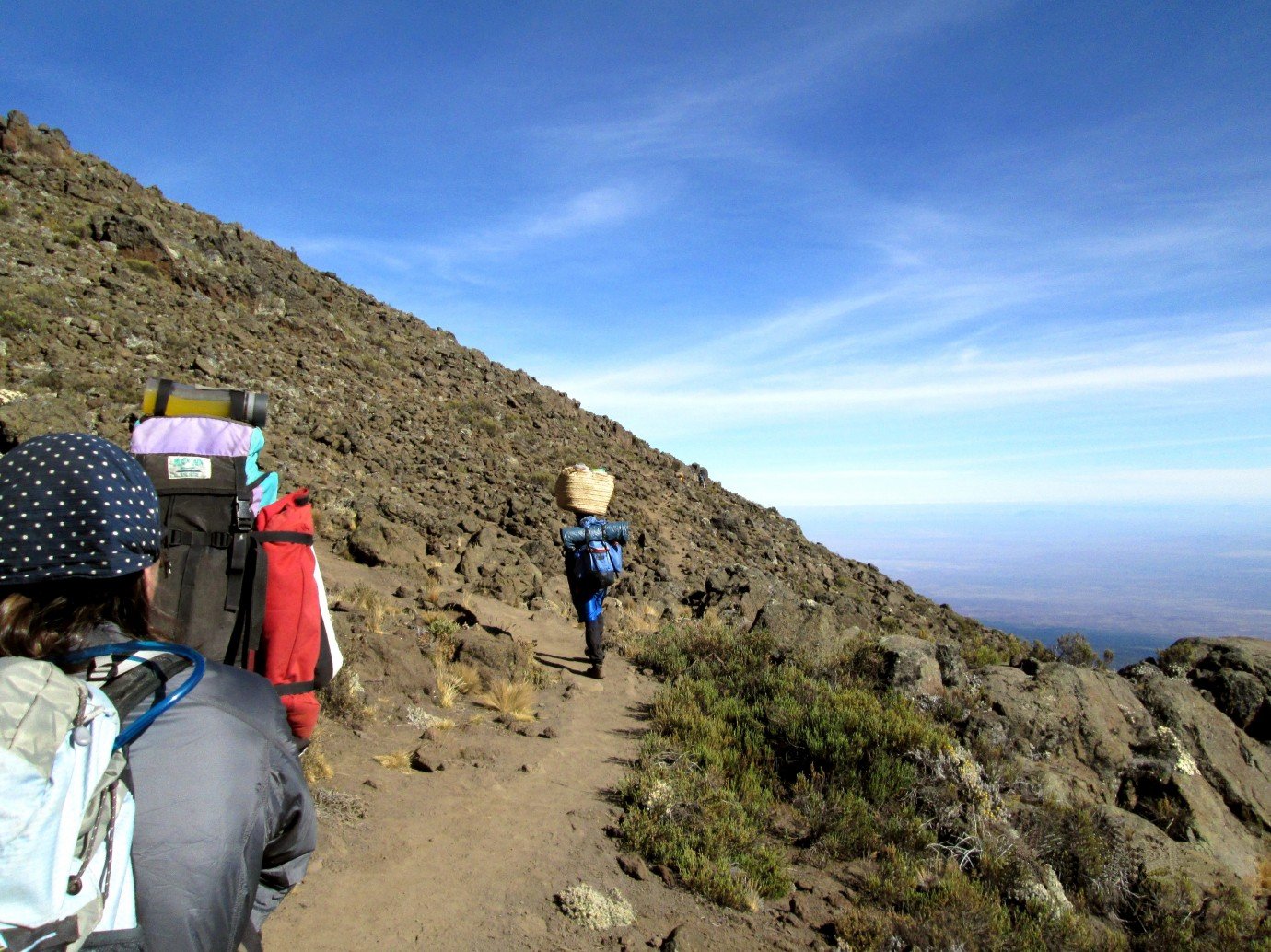
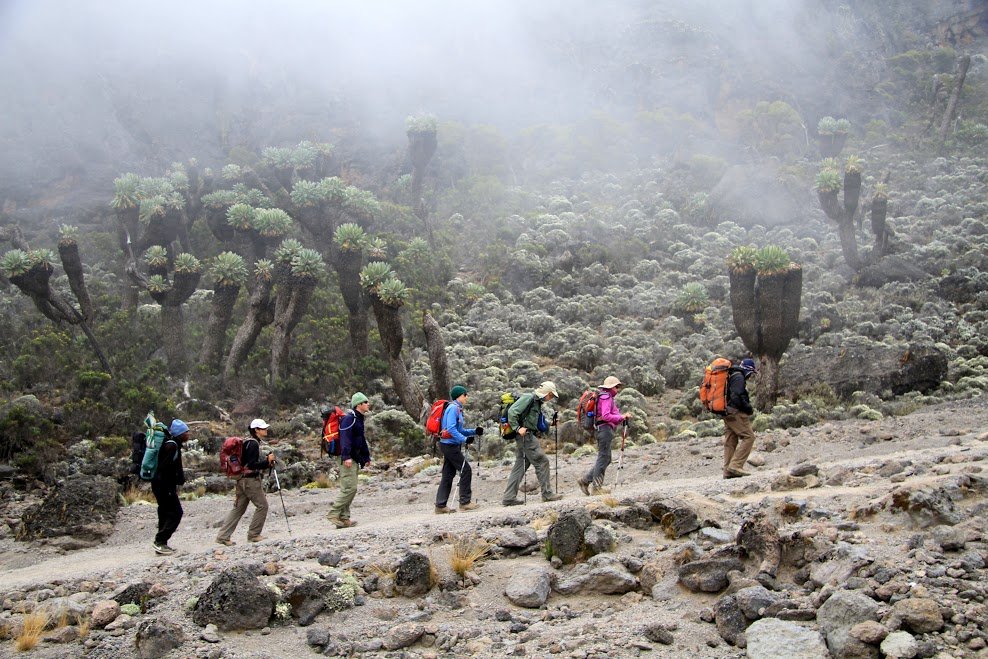
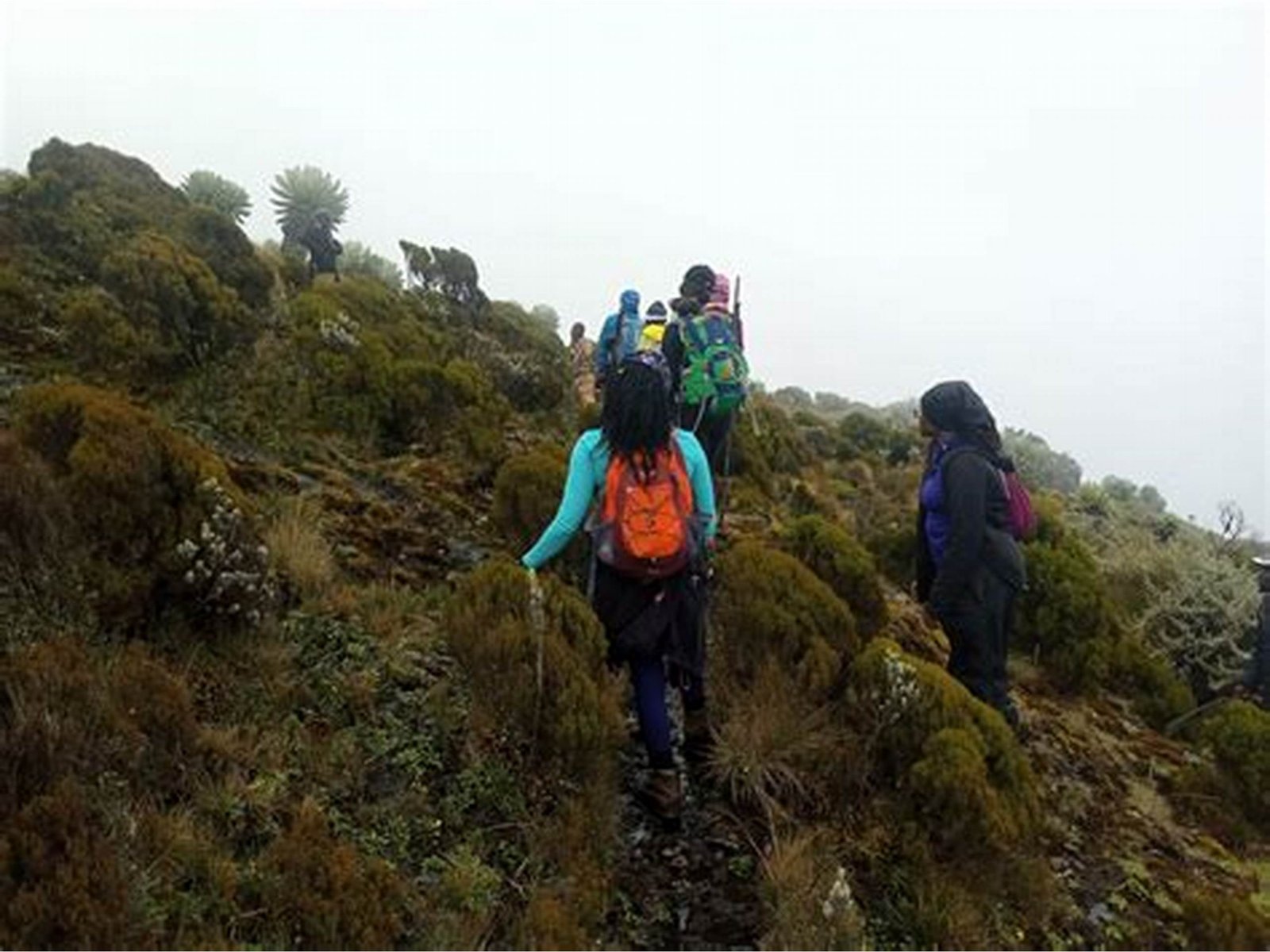
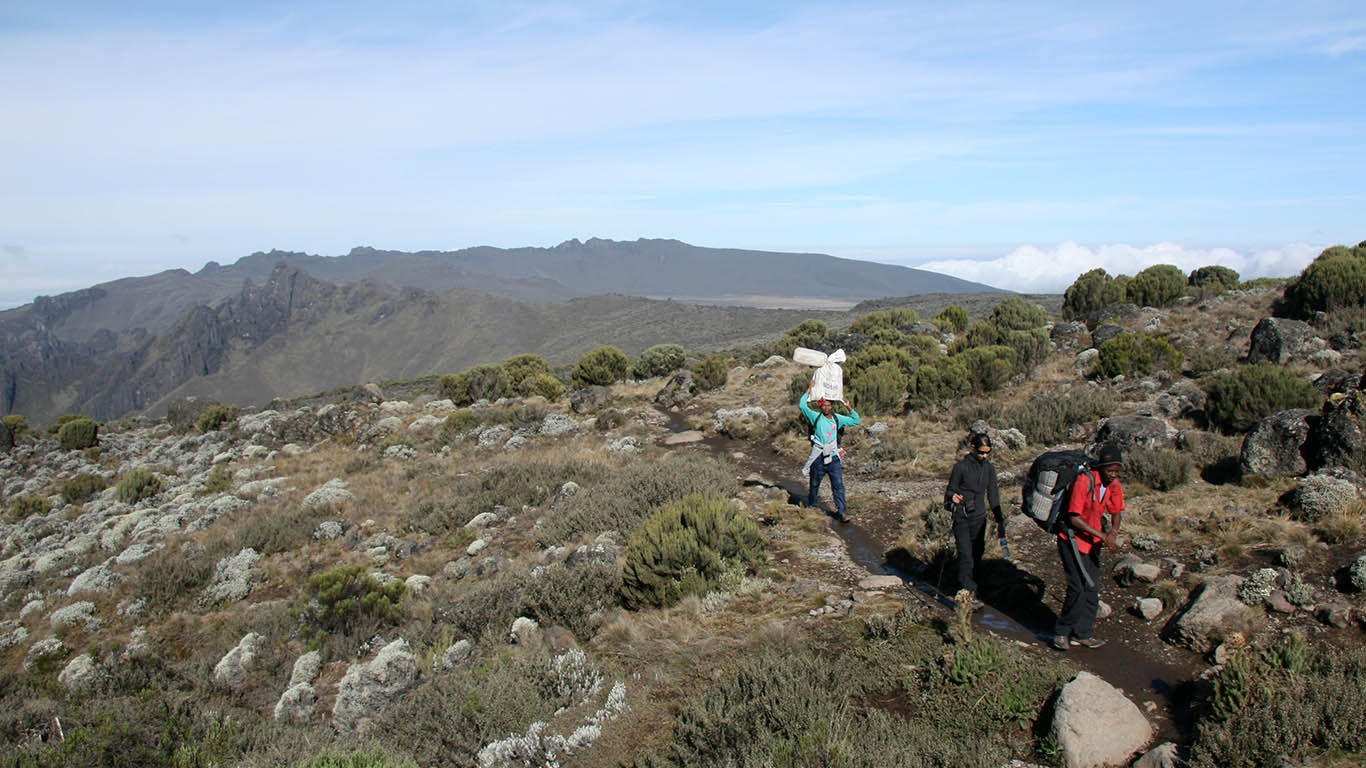
After breakfast, leave Simba Camp and continue through moorland. The landscape opens as you climb higher, with fewer trees and wider views across the northern slopes of Mount Kilimanjaro.
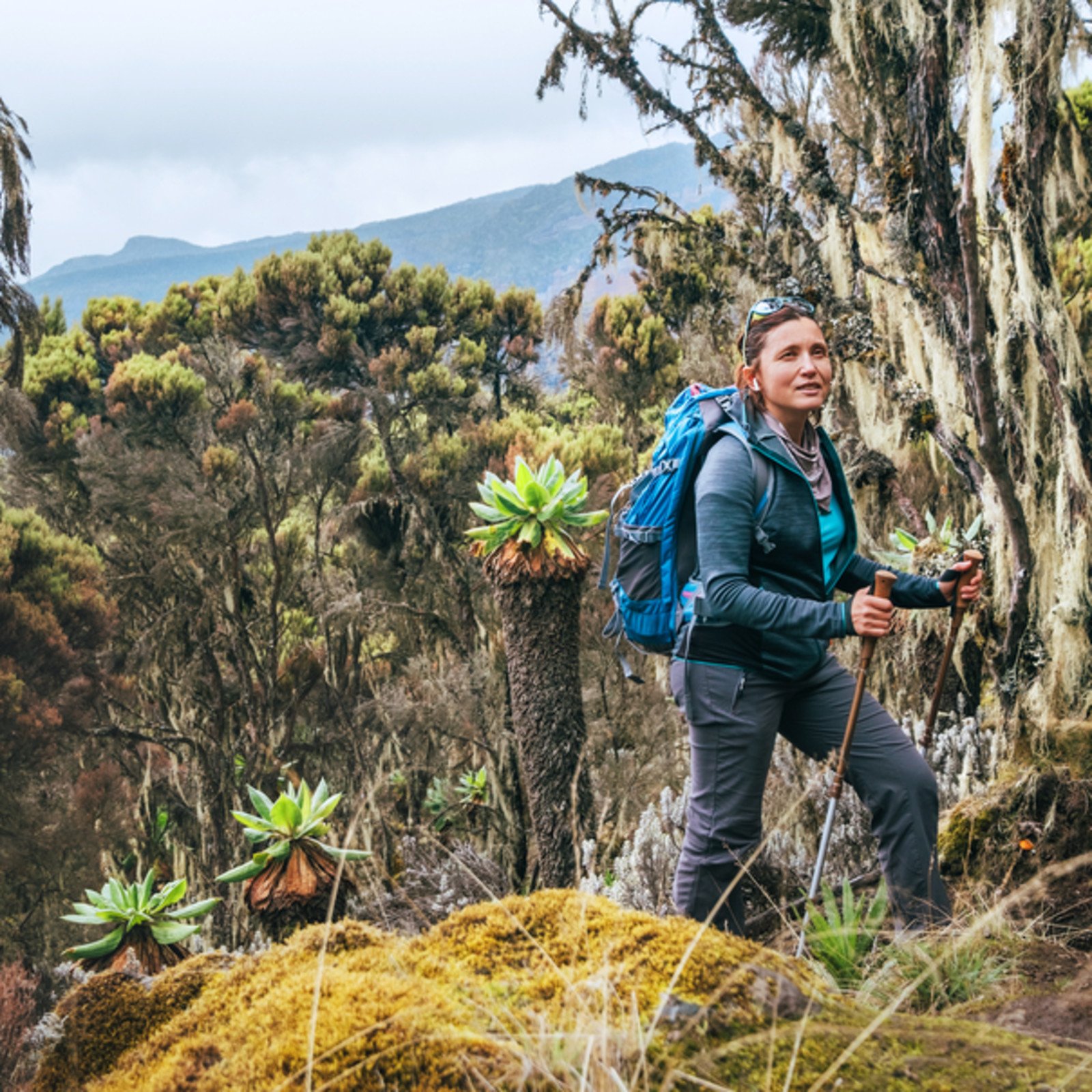
The trail passes through an area known for unique high-altitude plants, including giant groundsels and lobelias. The air becomes cooler, and you will begin to feel more clearly that you are on a high mountain.
This is a gradual trekking day, designed to allow a steady ascent. Your guide will encourage regular water intake and a slow pace. Walking slowly is one of the most important ways to manage energy and allow the body time to adjust.
Arrive at Kikelewa Camp at approximately 3,630 metres. The campsite has open views and a peaceful atmosphere. After lunch, rest and enjoy the surrounding landscape.
Dinner and overnight at Kikelewa Camp.
Elevation: 2,625m to 3,630m
Distance: Approximately 6 km
Walking time: 5–6 hours
Habitat: Moorland
Meals included: Breakfast, lunch and dinner
Overnight: Kikelewa Camp
Day 3: Kikelewa Camp to Mawenzi Tarn Camp
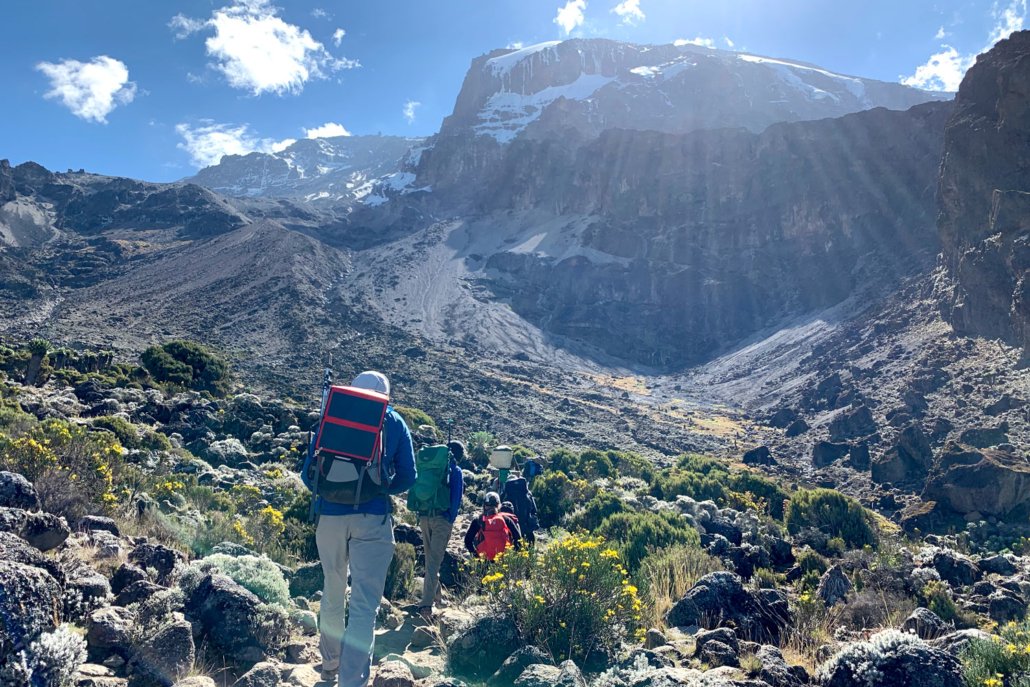
After breakfast, begin a shorter but steeper climb towards Mawenzi Tarn Camp. The path rises through increasingly open ground, with Mawenzi Peak becoming more dramatic as you approach.
Mawenzi Tarn Camp is located at approximately 4,330 metres beneath the striking cliffs and rocky slopes of Mawenzi Peak. It is one of the most visually impressive camps on Kilimanjaro. The small tarn, or mountain lake, gives the camp its name.
Because this is a shorter trekking day, it allows time for acclimatisation. After arriving and having lunch, your guide may lead a short walk higher up the slopes before returning to camp. This helps your body begin adapting to the altitude while allowing you to sleep at a slightly lower level.
The evening can be cold at this height. Eat well, drink plenty of water and rest. Your guides will check how everyone is feeling and discuss the next stage of the route.
Elevation: 3,630m to 4,330m
Distance: Approximately 5 km
Walking time: 3–4 hours
Habitat: High moorland
Meals included: Breakfast, lunch and dinner
Overnight: Mawenzi Tarn Camp
Day 4: Mawenzi Tarn Camp to Kibo Hut
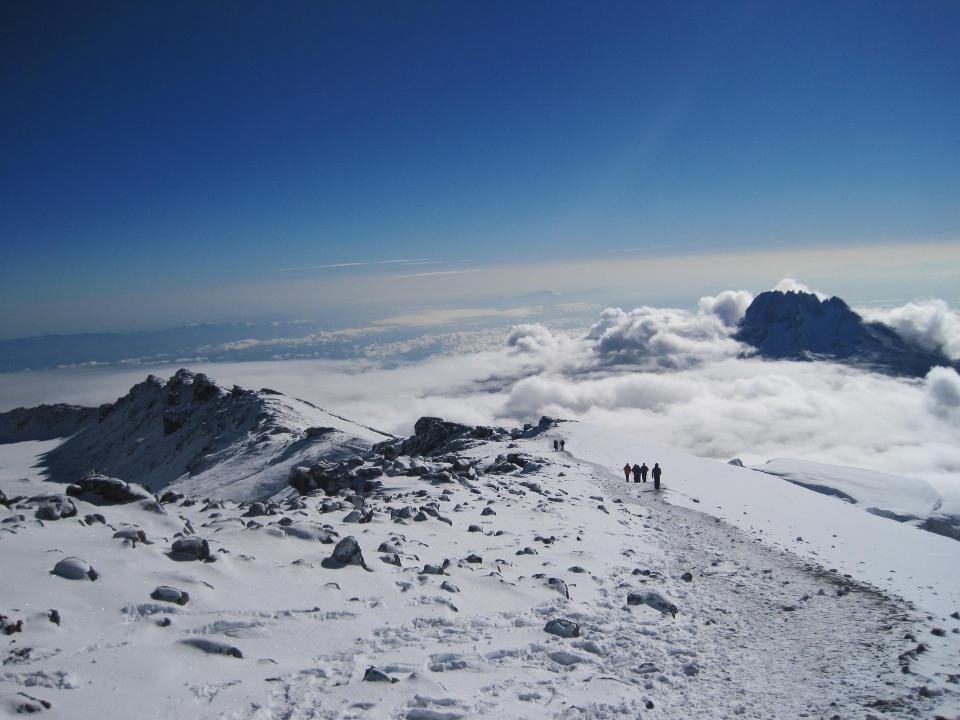
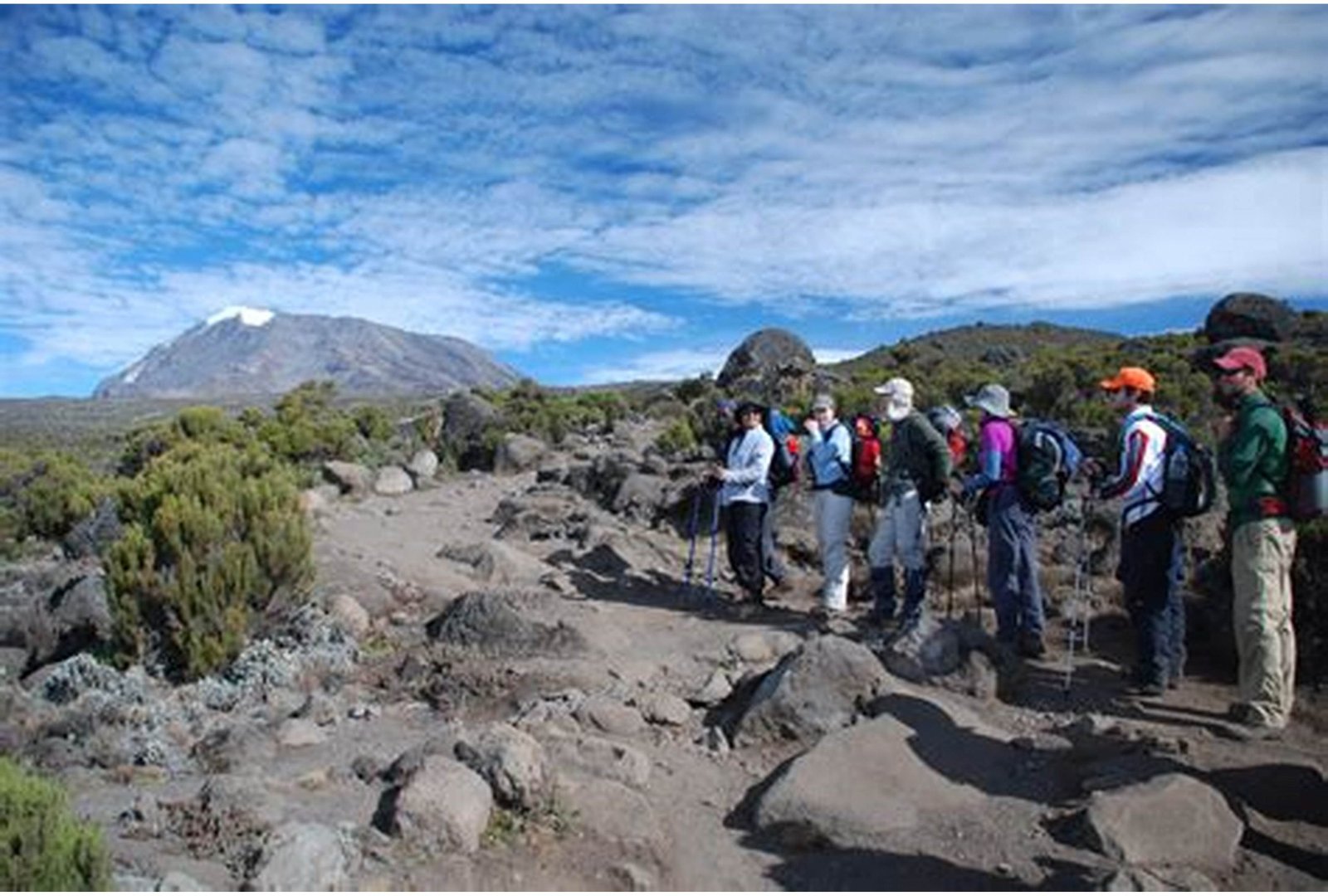
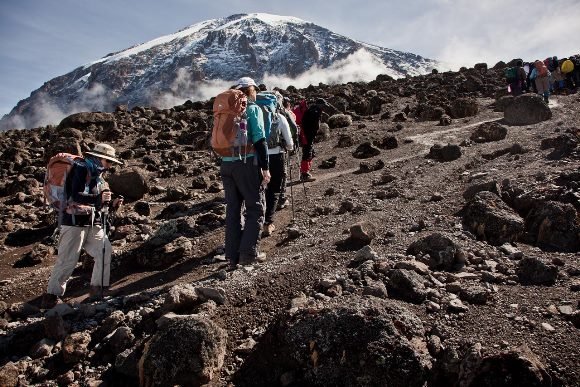
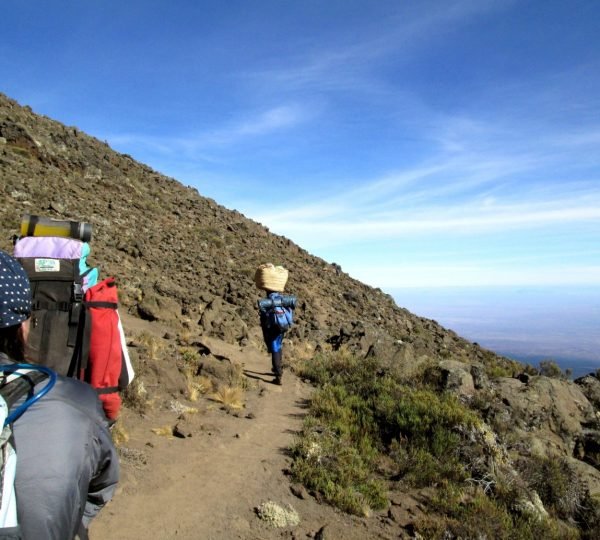
After breakfast, leave Mawenzi Tarn and cross the broad saddle between Mawenzi Peak and Kibo Peak. The landscape becomes increasingly dry, rocky and exposed. This is alpine desert, where vegetation is limited and the mountain environment feels more severe.
The route is not especially steep for much of the day, but the altitude makes every step more demanding. Take your time, eat small snacks and follow your guide’s pace.
Kibo Peak becomes more prominent as you approach Kibo Hut. This is the final camp before the summit attempt. Arrive at Kibo Hut at approximately 4,700 metres in the afternoon.
After lunch, rest and prepare your summit equipment. You will need warm layers, gloves, a headlamp with spare batteries, water, snacks and sunglasses for sunrise. Your guide will give a full briefing about the summit climb.
Dinner is served early because the ascent begins around midnight. Try to sleep, even if only for a few hours.
Elevation: 4,330m to 4,700m
Distance: Approximately 8 km
Walking time: 5–6 hours
Habitat: Alpine desert
Meals included: Breakfast, lunch and dinner
Overnight: Kibo Hut
Day 5: Kibo Hut to Uhuru Peak to Horombo Hut
Summit day is the longest and most demanding day on the Rongai Route.
Around midnight, wake up for a light snack before beginning the slow climb towards the summit. The route rises steeply over volcanic scree. Temperatures are often below freezing, and wind can make the conditions feel colder. You will walk in darkness with your headlamp, following the guide’s slow pace.
The climb requires patience more than speed. The guides use “pole pole,” meaning slowly in Swahili, because a slow pace helps your body manage the altitude and gives you the best chance of continuing safely.
After several hours, reach Gillman’s Point at approximately 5,685 metres on the crater rim. From there, continue around the rim towards Uhuru Peak. This final section is challenging, but you will be rewarded with views of glaciers, volcanic crater landscapes and sunrise over East Africa when conditions are clear.
Uhuru Peak stands at 5,895 metres. Take photographs at the summit sign, celebrate the achievement and begin your descent without staying too long in the extreme cold and altitude.
Return to Kibo Hut for a short rest and lunch. Then continue down to Horombo Hut at approximately 3,720 metres. The descent is long, but lower altitude makes breathing easier and many climbers feel stronger as they reach Horombo.
Dinner and overnight at Horombo Hut.
Elevation: 4,700m to 5,895m to 3,720m
Distance: Approximately 21 km
Walking time: 11–14 hours
Habitat: Arctic summit zone to moorland
Meals included: Breakfast, lunch and dinner
Overnight: Horombo Hut
Day 6: Horombo Hut to Marangu Gate
After breakfast, begin the final descent through the moorland and rainforest zones towards Marangu Gate. The route is clear but can be muddy or slippery in wet weather. Trekking poles are useful for the downhill terrain.
As you descend, the air becomes warmer and thicker. You may notice the return of forest plants, birds and monkeys as you approach the lower slopes.
At Marangu Gate, you will sign out with Kilimanjaro National Park. Climbers who reach Uhuru Peak receive a summit certificate. Meet your driver and transfer back to your hotel in Moshi or Arusha.
Elevation: 3,720m to 1,860m
Distance: Approximately 20 km
Walking time: 5–7 hours
Habitat: Moorland and rainforest
Meals included: Breakfast and lunch
Best Time to Climb the Rongai Route
Rongai Route can be climbed throughout the year. Because the northern side of Kilimanjaro is generally drier than the southern side, it can be a good choice during periods when rain affects other routes.
The most popular climbing periods are:
- January to early March: Often quieter, with cooler higher-altitude conditions
- June to October: Generally dry and clear, but busier across Kilimanjaro
- December to early January: Popular holiday climbing period
The rainy seasons usually fall around April to May and November. Conditions can still be manageable, but waterproof equipment and flexible expectations are important.
What Is Included in 6-Day Kilimanjaro Climb: Quiet Rongai Route
- Kilimanjaro National Park fees
- Professional mountain guides and assistant guides
- Cook and porters
- Quality mountain tents and sleeping mats on the ascent
- Hut accommodation at Horombo Hut on descent
- All meals during the trek
- Drinking water and hot drinks on the mountain
- Safety equipment, first-aid kit and emergency oxygen
- Daily health monitoring
- Transfers from Moshi or Arusha to Rongai Gate and return from Marangu Gate
- Government taxes and VAT where applicable
What Is Not Included in 6-Day Kilimanjaro Climb: Quiet Rongai Route
- International flights
- Tanzania visa
- Travel insurance with high-altitude evacuation cover
- Hotel accommodation before and after the climb
- Personal climbing equipment and sleeping bag
- Tips for guides, porters and cook
- Drinks outside the included trekking meals
- Personal expenses
Preparing for the Rongai Route
Prepare with regular hiking, long walks, stair climbing and cardiovascular exercise. You do not need technical climbing experience, but you should be comfortable walking for several hours over uneven ground.
Bring well-tested hiking boots, waterproof layers, warm thermal clothing, gloves, hat, trekking poles and a strong headlamp. Do not rely on brand-new boots or unfamiliar equipment during the climb.
Altitude can affect any climber, regardless of fitness or experience. Tell your guide immediately if you feel unwell. The guide’s decision is final when safety is concerned.
Book Your 6-Day Rongai Route Kilimanjaro Climb
EKO Tanzania Adventures can arrange your Rongai Route climb for solo travellers, couples, families and groups. We can also organise airport transfers, Moshi or Arusha accommodation, Tanzania safari extensions and Zanzibar beach holidays after your Kilimanjaro climb.
Contact our travel team for availability, a detailed quotation and practical packing advice.
WhatsApp: Chat with EKO Tanzania Adventures
Email: info@ekotanzaniaadventures.com
Alternative email: ekotanzaniaadventure@gmail.com