Overview
The Amazing 7-Day Mount Kilimanjaro Climb via Machame Route 2026–2027;Climbing Mount Kilimanjaro is an extraordinary adventure that challenges your determination while rewarding you with beautiful landscapes, changing mountain environments, and the unforgettable experience of reaching the highest point in Africa. Standing at 5,895 metres above sea level, Mount Kilimanjaro attracts trekkers from around the world who dream of standing on Uhuru Peak and watching the sunrise above the clouds.
The Amazing 7-Day Mount Kilimanjaro Climb via Machame Route 2026–2027 is designed for adventurous travellers who want to experience the mountain through one of its most scenic and popular climbing routes. Often called the Whiskey Route, Machame is known for its beautiful scenery, varied terrain, and opportunities to gain altitude gradually before attempting the summit.
During this seven-day trek, you will walk through lush rainforest, cross open moorland, explore dramatic volcanic landscapes, and approach the high-altitude summit zone. Along the way, you will be supported by an experienced mountain guide, a professional mountain crew, and a carefully organized camping team.
The Machame Route is particularly attractive because its itinerary includes the principle of “climb high, sleep low” on selected days. This approach can help your body adjust to increasing altitude, although acclimatization is individual and altitude sickness can still occur.
Unlike routes that use mountain huts, the standard Machame itinerary is a camping trek. You will sleep in mountain tents, enjoy meals prepared by the mountain cook, and spend each day walking through a different ecological zone. The experience combines physical challenge, natural beauty, teamwork, and personal achievement.
EKO Tanzania Adventures can organize your climb according to your travel dates, group size, fitness level, and preferences. Before departure, your team should explain the itinerary, equipment requirements, safety procedures, and the importance of following the guide’s instructions throughout the trek.
Highlights of the 7-Day Machame Route :The Amazing 7-Day Mount Kilimanjaro Climb via Machame Route 2026–2027
- Climb Mount Kilimanjaro, Africa’s highest mountain at 5,895 metres.
- Follow the scenic Machame Route over seven days.
- Walk through rainforest, moorland, alpine desert, and high-altitude terrain.
- Experience the spectacular views around Shira Plateau and Lava Tower.
- Trek beneath the impressive Barranco Wall.
- Camp at scenic mountain locations.
- Benefit from a gradual ascent with planned acclimatization opportunities.
- Attempt the summit at Uhuru Peak.
- Watch the sunrise from the high slopes of Kilimanjaro, weather permitting.
- Descend through the mountain’s forest zone with your mountain team.
Detailed 7-Day Machame Route Itinerary
Day 1: Machame Gate to Machame Camp
Starting altitude: Approximately 1,800 metres
Machame Camp altitude: Approximately 3,000 metres
Walking time: Approximately 5–7 hours
Habitat: Montane rainforest
Your Kilimanjaro adventure begins after breakfast in Moshi or Arusha, depending on your accommodation arrangements. You will meet your mountain guide for a final briefing and travel to Machame Gate, where the team completes the necessary registration procedures with the park authorities.
The drive takes you through local communities and cultivated countryside before reaching the forested slopes of Mount Kilimanjaro. At the gate, your guide will confirm the arrangements for the climb, while the mountain crew organizes the equipment and supplies required for the journey.
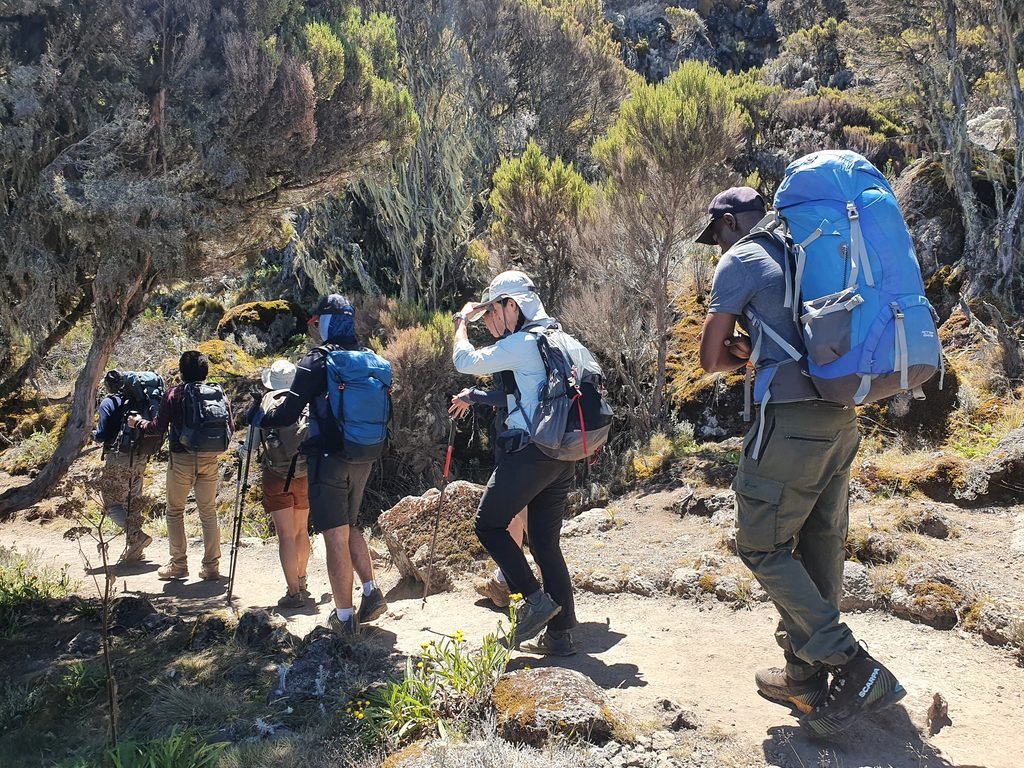
After registration, you will begin walking through the rainforest. The trail winds beneath tall trees, dense vegetation, and hanging mosses. The air is often humid, and the forest provides a striking contrast to the open landscapes you will encounter at higher elevations.
Keep a comfortable pace from the beginning. Your guide will encourage you to walk slowly, conserve energy, drink water regularly, and take breaks when necessary. Starting too quickly can make the later stages of the climb more difficult.
The forest is also home to different bird species and small wildlife, although sightings are not guaranteed. Your guide may explain the local vegetation and how the mountain’s environment changes with altitude.
After several hours of trekking, you will reach Machame Camp, located above the main rainforest zone. The crew will have prepared the campsite, and you can settle into your tent before enjoying a warm meal.
Your guide will check how you are feeling and explain what to expect the following day. It is important to report headaches, nausea, unusual tiredness, dizziness, or other symptoms rather than trying to hide them.
Accommodation: Mountain camping at Machame Camp.
Meals: Breakfast, lunch, and dinner, according to the confirmed package.
Day 2: Machame Camp to Shira Camp
Starting altitude: Approximately 3,000 metres
Shira Camp altitude: Approximately 3,840 metres
Walking time: Approximately 4–6 hours
Habitat: Moorland and heath
After breakfast, you will leave the forest behind and continue climbing toward the Shira Plateau. The trail becomes steeper in places, with rocky sections and open terrain replacing the dense vegetation of the previous day.
As you gain altitude, the landscape changes noticeably. The tall forest gives way to heathland, giant heathers, grasses, and unusual high-altitude plants. On clear days, you may enjoy impressive views of the mountain’s slopes and surrounding countryside.
The slower pace remains essential. Although the distance may not seem particularly long, the increase in altitude places additional demands on your body. Take small steps, breathe steadily, and follow your guide’s recommendations.
As you approach the Shira Plateau, the scenery becomes more expansive. The plateau is one of the mountain’s distinctive features, offering broad views across the surrounding landscape. Depending on weather conditions, you may also see impressive views of Kibo, Kilimanjaro’s highest volcanic cone.
You will reach Shira Camp in the afternoon. After settling into your tent, enjoy a warm meal and take time to rest.
Your guide will assess how you are adapting to the altitude and discuss the following day’s plan. Good hydration, sufficient food, and adequate rest are important throughout the trek.
Accommodation: Mountain camping at Shira Camp.
Meals: Breakfast, lunch, and dinner.

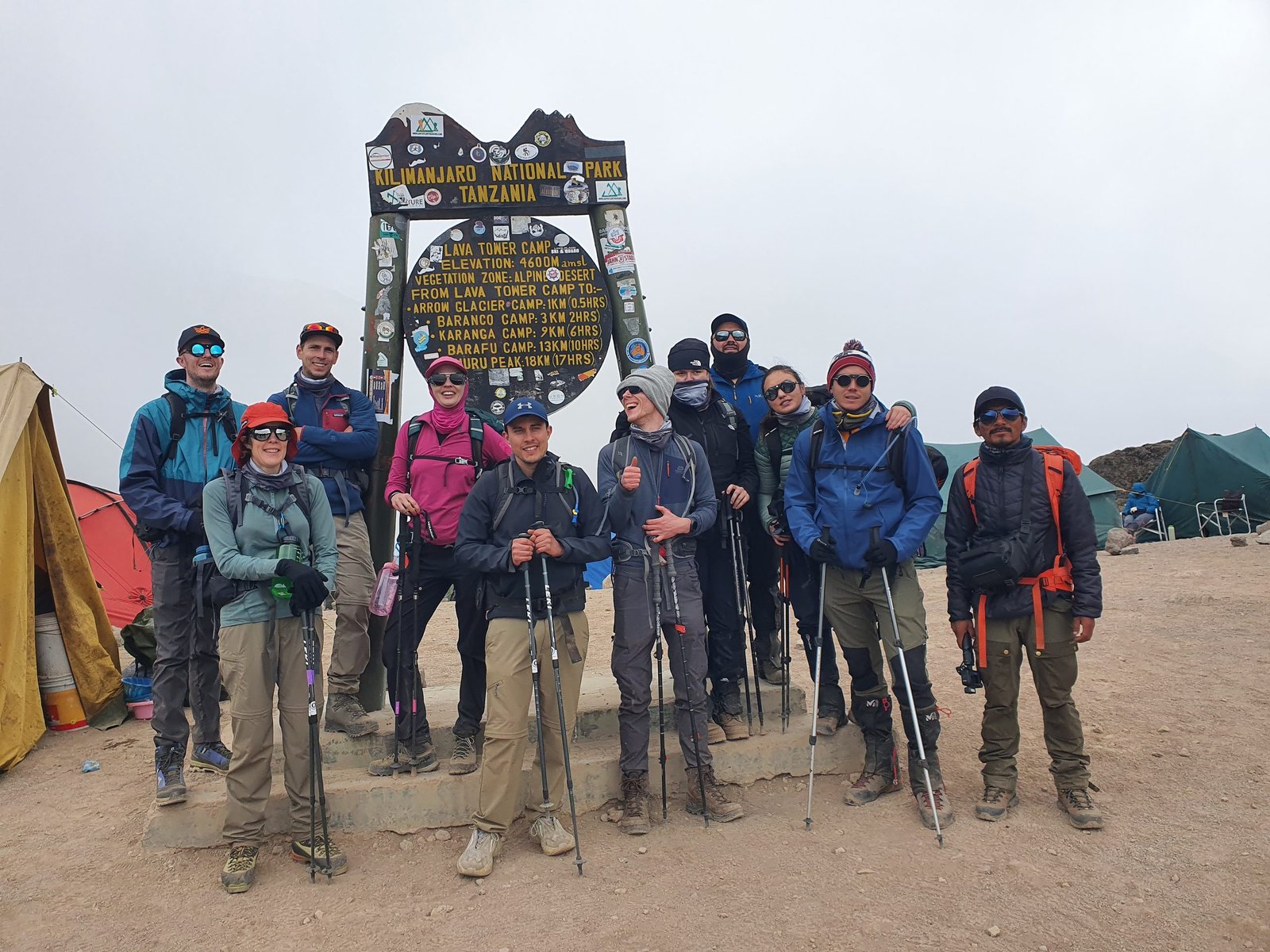
Day 3: Shira Camp to Lava Tower and Barranco Camp
Starting altitude: Approximately 3,840 metres
Lava Tower altitude: Approximately 4,630 metres
Barranco Camp altitude: Approximately 3,960 metres
Walking time: Approximately 6–8 hours
Habitat: Alpine desert
Day three is an important part of the Machame Route because it provides an opportunity to gain altitude during the day before descending to sleep at a lower elevation. This is commonly described as “climb high, sleep low,” an approach that can support acclimatization.
After breakfast, you will leave Shira Camp and trek toward Lava Tower. The trail crosses increasingly dry and rocky terrain, with fewer trees and more exposed volcanic scenery. As you climb, you may notice the air becoming thinner and your walking pace naturally slowing.
Lava Tower is a striking volcanic formation and an important point along the route. Reaching approximately 4,630 metres gives your body exposure to a higher altitude, but it is not a summit attempt. Your guide will monitor the group and may adjust the plan if anyone is struggling.
After a rest and lunch, you will descend toward Barranco Camp. This descent is an important feature of the day’s route, although it does not remove the risk of altitude-related illness.
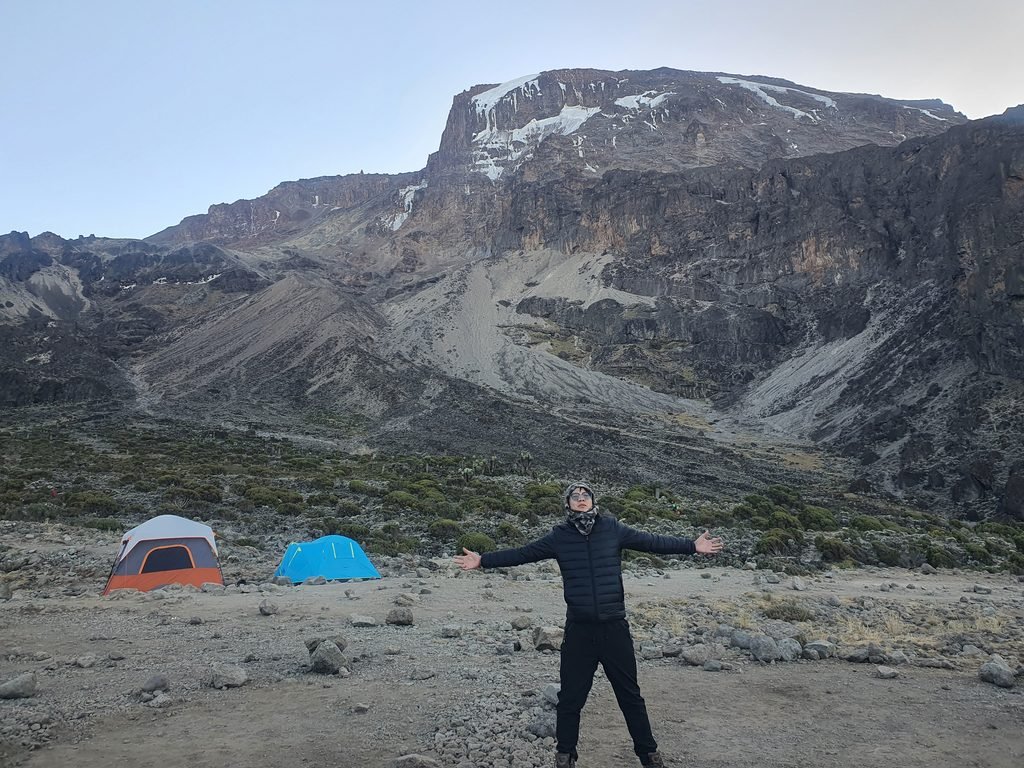
The approach to Barranco Camp is often one of the most scenic sections of the trek. The landscape is dominated by rugged rock formations and unusual high-altitude vegetation, including giant groundsels in suitable areas. The impressive Barranco Wall rises above the campsite and provides a dramatic view of the terrain you will cross the next morning.
Once you arrive, the mountain crew will help prepare the camp. You can enjoy dinner, relax, and listen to your guide’s briefing about the next day’s climb.
Pay close attention to how you feel. Altitude sickness can develop even when you are walking slowly, so report any symptoms promptly.
Accommodation: Mountain camping at Barranco Camp.
Meals: Breakfast, lunch, and dinner.
Day 4: Barranco Camp to Karanga Camp
Starting altitude: Approximately 3,960 metres
Karanga Camp altitude: Approximately 4,035 metres
Walking time: Approximately 4–5 hours
Habitat: Alpine desert
After breakfast, you will begin the day by climbing the Barranco Wall. Although it looks impressive from the campsite, many trekkers negotiate the route successfully with careful foot placement and guidance from their mountain crew.
Some sections require using your hands for balance, but this is generally a trekking route rather than a technical rock-climbing expedition. Your guide will show you where to place your feet and how to move safely through the steeper sections.
Take your time and avoid rushing. The wall can be physically demanding, particularly at altitude, but reaching the top offers a rewarding sense of achievement. Depending on the weather, you may enjoy views across the surrounding valleys and mountain slopes.
After crossing the wall, the trail continues over rocky ridges and undulating terrain. The route involves several ascents and descents, so steady pacing is important even though the total distance is relatively manageable.
You will eventually descend into the Karanga Valley before climbing again toward Karanga Camp. This section helps position you for the following day’s journey to Barafu Camp, the final base camp before the summit attempt.
Upon arrival, enjoy a meal and rest while your guide checks your condition. Your crew will prepare the campsite and organize the equipment needed for the next stage.
The afternoon is an opportunity to hydrate, eat well, and conserve energy. You should avoid unnecessary exertion because the following day includes the journey to high camp and preparation for the summit attempt.
Accommodation: Mountain camping at Karanga Camp.
Meals: Breakfast, lunch, and dinner.

Day 5: Karanga Camp to Barafu Camp
Starting altitude: Approximately 4,035 metres
Barafu Camp altitude: Approximately 4,640 metres
Walking time: Approximately 3–5 hours
Habitat: Alpine desert
After breakfast, you will continue toward Barafu Camp, the final base camp before your summit attempt. The trail crosses dry, rocky terrain, with vegetation becoming increasingly sparse as you approach the high-altitude zone.
The walk is shorter than some of the previous days, but altitude makes every movement more demanding. Your guide will encourage you to maintain a slow, consistent pace and take breaks when needed.
As you approach Barafu Camp, the landscape becomes increasingly stark. The campsite sits on an exposed mountainside, and the temperature can drop significantly, particularly when the sun disappears or the wind increases.
After arriving, you will have lunch and time to rest. Your guide will provide a detailed briefing about the summit attempt, including the expected departure time, clothing, headlamp use, hydration, and the importance of following instructions during the night ascent.
The crew will help organize dinner and prepare the camp for an early rest period. You will usually be asked to sleep for a few hours before waking for the summit attempt, which commonly begins around midnight, although exact timing varies.
Prepare your warm layers, gloves, hat, headlamp, water, and snacks before resting. Keeping essential items accessible will make the night departure easier.
The summit attempt is the most demanding part of the climb. Your guide will explain that reaching the top is never more important than your safety, and anyone showing signs of serious altitude illness may need to descend.
Accommodation: Mountain camping at Barafu Camp.
Meals: Breakfast, lunch, and dinner.

Day 6: Barafu Camp to Uhuru Peak and Descent to Mweka Camp
Barafu Camp altitude: Approximately 4,640 metres
Uhuru Peak altitude: 5,895 metres
Mweka Camp altitude: Approximately 3,080 metres
Walking time: Approximately 10–14 hours in total, depending on conditions and individual pace
Habitat: Arctic summit zone and alpine desert
Summit day begins during the night, when your guide wakes you for a light snack and warm drink before departure. You will put on your warmest layers, check your headlamp, and begin the ascent toward Stella Point and Uhuru Peak.
This is the most physically demanding stage of the trek. The route is steep, and the combination of darkness, cold, and reduced oxygen can make walking challenging. The aim is to move slowly, take regular breaks as directed, and focus on steady progress rather than speed.
Your guide will monitor the group and watch for signs of altitude-related illness. If you experience severe headache, confusion, difficulty walking, breathlessness at rest, repeated vomiting, or other concerning symptoms, tell your guide immediately. A descent may be necessary.
As the night progresses, the eastern sky may gradually brighten. If weather conditions allow, the sunrise can create beautiful colours across the surrounding peaks and glaciers. Reaching Stella Point on the crater rim is a major milestone, but the trek to Uhuru Peak continues along the rim.
From Stella Point, you will continue toward Uhuru Peak, the highest point on Mount Kilimanjaro and the highest point in Africa at 5,895 metres. If conditions and your physical state allow you to reach the summit, you will have an opportunity to celebrate your achievement and take photographs.
Summit success cannot be guaranteed, and reaching the top should never come at the expense of your health. Your guide may turn you around if conditions or symptoms make continuing unsafe.
After spending a short time at the summit, you will begin descending toward Barafu Camp. The descent can be tiring because loose volcanic scree and the accumulated effects of the climb place pressure on your legs. Follow your guide’s instructions and use trekking poles if available.
After resting and taking refreshments at Barafu Camp, you will continue down toward Mweka Camp. The route gradually returns to lower elevations, where the air becomes richer in oxygen and the landscape begins to change.
Upon reaching Mweka Camp, you will have dinner and a well-earned rest. This is often an emotional evening, whether you reached Uhuru Peak or had to turn around earlier for safety reasons.
Accommodation: Mountain camping at Mweka Camp.
Meals: Breakfast, lunch, and dinner, according to the mountain team’s schedule.
Day 7: Mweka Camp to Mweka Gate – Return to Moshi or Arusha
Starting altitude: Approximately 3,080 metres
Mweka Gate altitude: Approximately 1,640 metres
Walking time: Approximately 3–5 hours
Habitat: Montane rainforest
After breakfast, you will begin the final descent through Kilimanjaro’s rainforest. The trail passes through lush vegetation, tall trees, and forested paths, offering a welcome contrast to the exposed alpine terrain of the summit region.
The descent can be slippery, particularly after rain, so walk carefully and follow your guide’s instructions. Trekking poles may help you maintain balance and reduce pressure on your knees.
As you lose altitude, the air becomes warmer and the vegetation grows denser. You may hear birds calling through the forest and notice the return of the humid atmosphere experienced on the first day.
At Mweka Gate, your team will complete the required park procedures. Depending on your itinerary and arrangements, you may receive your summit certificate if you reached the relevant official milestone recognized by the park authorities.
You will then say goodbye to your mountain crew and travel back to Moshi or Arusha. After several days of trekking, a hot shower, comfortable bed, and proper rest will be especially welcome.
Your seven-day Machame Route climb concludes with the satisfaction of having experienced Kilimanjaro’s remarkable landscapes and the personal challenge of high-altitude trekking.
Accommodation: Not included on this day unless arranged separately.
Meals: Breakfast, with additional meals according to the confirmed package.
Estimated Cost of the 7-Day Machame Route Climb 2026–2027
The cost of climbing Mount Kilimanjaro depends on group size, travel dates, park fees, camping equipment, crew wages, meals, transfers, and the services included in your package.
The following figures are illustrative estimates for planning only, not confirmed or live quotations.
| Climb arrangement | Estimated price per person |
|---|---|
| Private climb for 1 person | US$2,500–US$3,500 |
| Private climb for 2 people | US$2,100–US$2,800 |
| Private climb for 3–4 people | US$1,900–US$2,500 |
| Group of 5–6 people | US$1,800–US$2,400 |
Actual prices can vary according to the final itinerary, group arrangements, accommodation before and after the climb, and the services provided. Very low prices should be examined carefully to ensure that park fees, fair crew compensation, appropriate equipment, meals, and safety arrangements are adequately covered.
For a confirmed quotation, share your preferred dates, group size, and accommodation requirements with EKO Tanzania Adventures.
What Is Included in the Kilimanjaro Climb Package?
A typical seven-day Machame package may include:
- Kilimanjaro National Park entry fees.
- Applicable camping fees and other required park charges.
- Professional mountain guide and supporting mountain crew.
- Mountain cook and meals during the climb.
- Porters to carry designated group equipment and supplies.
- Camping tents and sleeping arrangements specified in the package.
- Drinking water treated or provided according to the operator’s arrangements.
- Transfers to and from the Machame and Mweka trail gates.
- Pre-climb briefing and trek coordination.
- Applicable taxes and levies included in the quotation.
Ask for the final inclusions in writing. Personal sleeping bags, trekking poles, summit clothing, airport transfers, hotel nights, and other equipment or services may be included or excluded depending on the package.
What Is Excluded?
Unless stated otherwise, the following are generally excluded:
- International flights.
- Tanzanian visa fees.
- Travel and high-altitude medical evacuation insurance.
- Accommodation before or after the climb.
- Personal trekking equipment and clothing.
- Tips for the mountain crew.
- Personal snacks and drinks beyond the package arrangements.
- Optional activities and personal expenses.
- Any service not specifically listed among the confirmed inclusions.
Insurance is essential. Choose a policy that explicitly covers trekking to 5,895 metres and emergency evacuation. Ordinary travel insurance may not cover high-altitude mountaineering.
How Difficult Is the Machame Route?
The Machame Route is physically demanding because of its duration, steep sections, long trekking days, and the effects of altitude. You do not need to be a technical mountaineer for the standard route, but you should be prepared to walk for several hours each day over uneven ground.
The summit day is particularly challenging. It involves a nighttime ascent from high camp to the summit followed by a long descent. Cold temperatures, fatigue, and reduced oxygen can affect even fit trekkers.
The best preparation includes regular walking, hill training, stair climbing, aerobic exercise, and practice hikes with a loaded daypack. If possible, include longer walks on consecutive days so your body becomes familiar with sustained activity.
The seven-day itinerary provides acclimatization opportunities, including the ascent toward Lava Tower followed by a descent to Barranco Camp. However, no itinerary eliminates altitude risk. Follow your guide’s instructions and report symptoms early.
Best Time to Climb Mount Kilimanjaro in 2026–2027
Kilimanjaro can be climbed throughout the year, but weather conditions influence comfort, visibility, and trail conditions.
January to early March: These months often provide favourable climbing conditions, although weather varies. Temperatures and cloud cover can change quickly with altitude.
June to October: This is another popular climbing period, generally associated with drier conditions. The mountain can be busy, particularly during peak holiday periods.
November and parts of December: Short rains may affect some lower sections of the mountain, although conditions vary from year to year.
April and May: These months are commonly associated with heavier rainfall and can bring wetter, muddier trails. Climbs remain possible, but preparation for wet and cold conditions is especially important.
Regardless of the month, the summit can be extremely cold and windy. Your guide will make decisions based on safety, weather, and the condition of the group.
Essential Packing List for the Machame Route
Proper equipment is important because temperatures can range from warm and humid in the rainforest to below freezing near the summit.
Recommended items include:
- Waterproof hiking boots with good grip.
- Moisture-wicking base layers.
- Warm insulating layers.
- Waterproof jacket and trousers.
- Insulated summit jacket.
- Warm gloves and liner gloves.
- Warm hat and neck covering.
- Hiking trousers and comfortable trekking socks.
- Daypack and rain cover.
- Headlamp with spare batteries.
- Sunglasses and high-factor sunscreen.
- Water bottles or a hydration system suited to freezing conditions.
- Trekking poles.
- Sleeping bag suitable for sub-zero temperatures.
- Personal toiletries and medication.
- Small first-aid supplies recommended by your medical professional.
- Passport, travel documents, and insurance details.
Your operator should provide a detailed equipment list before departure. Ask which items are supplied, available for hire, or need to be brought from home.
Safety and Responsible Mountain Climbing
Safety should always be the highest priority on Mount Kilimanjaro. Altitude-related illness can affect anyone, regardless of fitness, age, or previous hiking experience.
Walk slowly, drink fluids regularly, eat enough food, and follow the guide’s acclimatization plan. Do not conceal symptoms because you are worried about delaying the group or missing the summit.
Your mountain team should explain how it monitors climbers, what emergency procedures are in place, and how descent decisions are made. A responsible climb treats the summit as a goal, not an obligation.
Respecting the mountain also means following park regulations, minimizing waste, and treating porters and crew fairly. Carrying appropriate equipment, respecting the natural environment, and avoiding litter help protect Kilimanjaro for future climbers.
Why Choose EKO Tanzania Adventures?
Planning a Kilimanjaro climb involves more than selecting a route and booking dates. It requires appropriate logistics, experienced mountain staff, suitable equipment, realistic pacing, and clear communication before departure.
EKO Tanzania Adventures can help organize your seven-day Machame Route climb according to your travel dates, group size, fitness level, and preferences. Before confirming, request a written itinerary, a clear list of inclusions and exclusions, information about crew arrangements, and details of the operator’s safety procedures.
If you are travelling from overseas, you can also discuss airport transfers and hotel accommodation before and after the climb. Arriving early enough to rest before trekking can make the start of the journey more comfortable.
Book Your 7-Day Mount Kilimanjaro Climb via Machame Route 2026–2027
The Amazing 7-Day Mount Kilimanjaro Climb via Machame Route is an opportunity to experience changing mountain landscapes, challenge yourself physically, and work toward the remarkable achievement of reaching Uhuru Peak.
From the rainforest trails and open Shira Plateau to the dramatic Barranco Wall and the high-altitude summit zone, the journey offers a diverse and memorable trekking experience. With careful preparation, realistic expectations, and a strong focus on safety, you can give yourself the best possible foundation for your climb.
EKO Tanzania Adventures can tailor your Kilimanjaro experience according to your travel dates, number of climbers, accommodation preferences, fitness level, and budget.
Contact EKO Tanzania Adventures
- Website: ekotanzaniaadventures.com
- WhatsApp/Call: +255 761 353 184
- Email: info@ekotanzaniaadventures.com
- Alternative Email: ekotanzaniaadventure@gmail.com
Contact EKO Tanzania Adventures to request a personalized quotation and begin planning your Mount Kilimanjaro adventure for 2026–2027.