The Ultimate 6-Day Machame Route 2026–2027:Climbing Mount Kilimanjaro is one of those experiences that stays with you long after you return home. It is not only about reaching Uhuru Peak, the highest point in Africa. It is about walking through changing landscapes, challenging yourself physically and mentally, meeting a dedicated mountain crew, and discovering what you can achieve when you keep moving forward one step at a time.
For travelers planning to climb Kilimanjaro in 2026 or 2027, the 6-Day Machame Route is one of the most popular choices. Often called the “Whiskey Route,” Machame is known for its beautiful scenery, challenging trails, and spectacular views of Mount Kilimanjaro.
The route approaches the mountain from the south and takes you through several of Kilimanjaro’s ecological zones. You begin in the lush rainforest and gradually move into moorland, alpine desert, and the high-altitude environment around the summit.
The six-day itinerary is relatively demanding because the climb is completed in a shorter period. It can be suitable for experienced and physically prepared trekkers, but it requires a serious approach to altitude, pacing, rest, and preparation.
Why Choose the 6-Day Machame Route?:The Ultimate 6-Day Machame Route 2026–2027
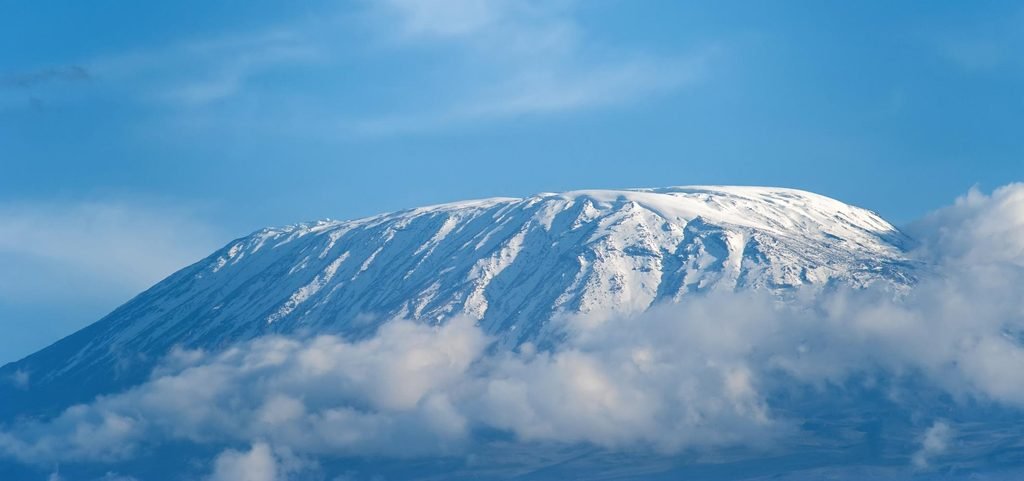
One of the biggest attractions of the Machame Route is the scenery.
Unlike routes where you spend much of the climb following the same type of landscape, Machame constantly changes. One day you may be walking beneath tall forest trees, while a few days later you are surrounded by volcanic rocks and open mountain terrain.
The route also has a memorable hiking rhythm. You climb through valleys, ridges, and mountain passes before approaching the summit from the south.
For adventurous travelers, Machame offers a genuine trekking experience rather than a simple walk to the summit.
The six-day itinerary is also attractive to people who have limited time in Tanzania. However, the shorter schedule means you need to be prepared for longer and more demanding days.
Day 1: Machame Gate to Machame Camp
Your Kilimanjaro adventure begins after traveling to Machame Gate.
After registration and completing the necessary entry procedures, you meet your mountain crew and begin your trek.
The first section takes you through the beautiful rainforest. The trail can be muddy or slippery, particularly after rain, so good hiking boots and careful footing are important.
The forest is one of the most enjoyable parts of the opening day. The atmosphere is cool and green, and you may hear birds and other wildlife as you walk.
Your main objective on this first day is not speed. It is to establish a comfortable rhythm.
After several hours of walking, you arrive at Machame Camp, where you have dinner and spend your first night on the mountain.
Day 2: Machame Camp to Shira Camp:The Ultimate 6-Day Machame Route 2026–2027
After breakfast, you continue climbing and gradually leave the rainforest behind.
The vegetation becomes shorter as you enter the moorland zone. The trail becomes more open, giving you wider views of the surrounding landscape.
You will notice that the mountain is beginning to feel different.
The air becomes cooler, the terrain becomes more rugged, and the altitude starts to play a greater role.
This is a good day to practice the Kilimanjaro principle of “pole pole,” which means “slowly, slowly” in Swahili.
Walking too quickly can leave you exhausted unnecessarily. A slow and steady pace helps you conserve energy for the higher sections of the mountain.
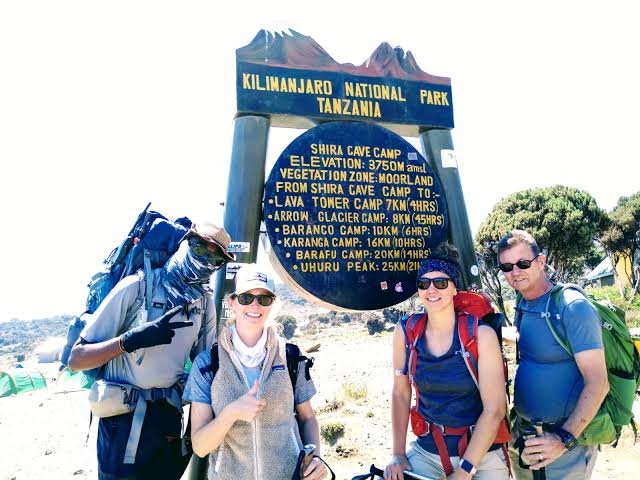
You eventually reach Shira Camp, where you can relax and enjoy the mountain surroundings.
Day 3: Shira Camp to Barranco Camp
Day three is one of the most important days of the trek because you gain significant altitude before descending to a lower sleeping elevation.
You cross the Shira Plateau and continue toward Lava Tower, which is located at a much higher elevation.
The landscape becomes increasingly dramatic as you move through the alpine desert.
After reaching the higher point of the day, you descend toward Barranco Camp.
This type of itinerary helps your body experience higher altitude during the day while allowing you to sleep at a lower elevation.
When you arrive at Barranco Camp, the impressive Barranco Wall rises above you.
It is one of the most recognizable features of the Machame Route and gives you a preview of the exciting hiking ahead.
Day 4: Barranco Camp to Karanga Camp
Your fourth day begins with the famous Barranco Wall.
From below, the wall can look intimidating. Once you start climbing, however, you discover that it is primarily a hiking and scrambling section rather than technical rock climbing.
Your guide will help you maintain a safe pace and choose the best route.
Reaching the top of the wall is a satisfying achievement, especially because you can look back at the camp below and appreciate how far you have climbed.
After the wall, the trail continues through a series of valleys and ridges toward Karanga Camp.
By now, your body has experienced several days of trekking, so fatigue may be noticeable.
Rest, hydration, nutrition, and a slow pace become increasingly important.
Day 5: Karanga Camp to Barafu Camp
Today you move toward Barafu Camp, the final major camp before the summit attempt.
The landscape is now sparse and rocky, with little vegetation.
As you approach Barafu, the atmosphere becomes more serious. You know that the summit attempt is coming.
Once you arrive at camp, your guides will normally explain the plan for the night.
You will have an early dinner and try to rest.
There is no need to spend the afternoon walking around unnecessarily. Your body needs to conserve as much energy as possible for the summit.
Prepare your warm clothing, headlamp, water, snacks, and other summit equipment before resting.
Day 6: Barafu Camp to Uhuru Peak and Descent:The Ultimate 6-Day Machame Route 2026–2027
This is the day everything has been building toward.
The summit attempt normally starts around midnight or during the early morning hours.
You leave Barafu Camp in darkness, wearing your warmest clothing and carrying only the essential items.
The climb toward Stella Point is physically demanding. The cold, darkness, steep terrain, and altitude can make every step feel harder than normal.
This is where mental strength becomes just as important as physical fitness.
Do not think about the entire distance to the summit. Focus on your immediate goal: one step, one breath, one short section at a time.
After reaching Stella Point on the crater rim, you continue toward Uhuru Peak.
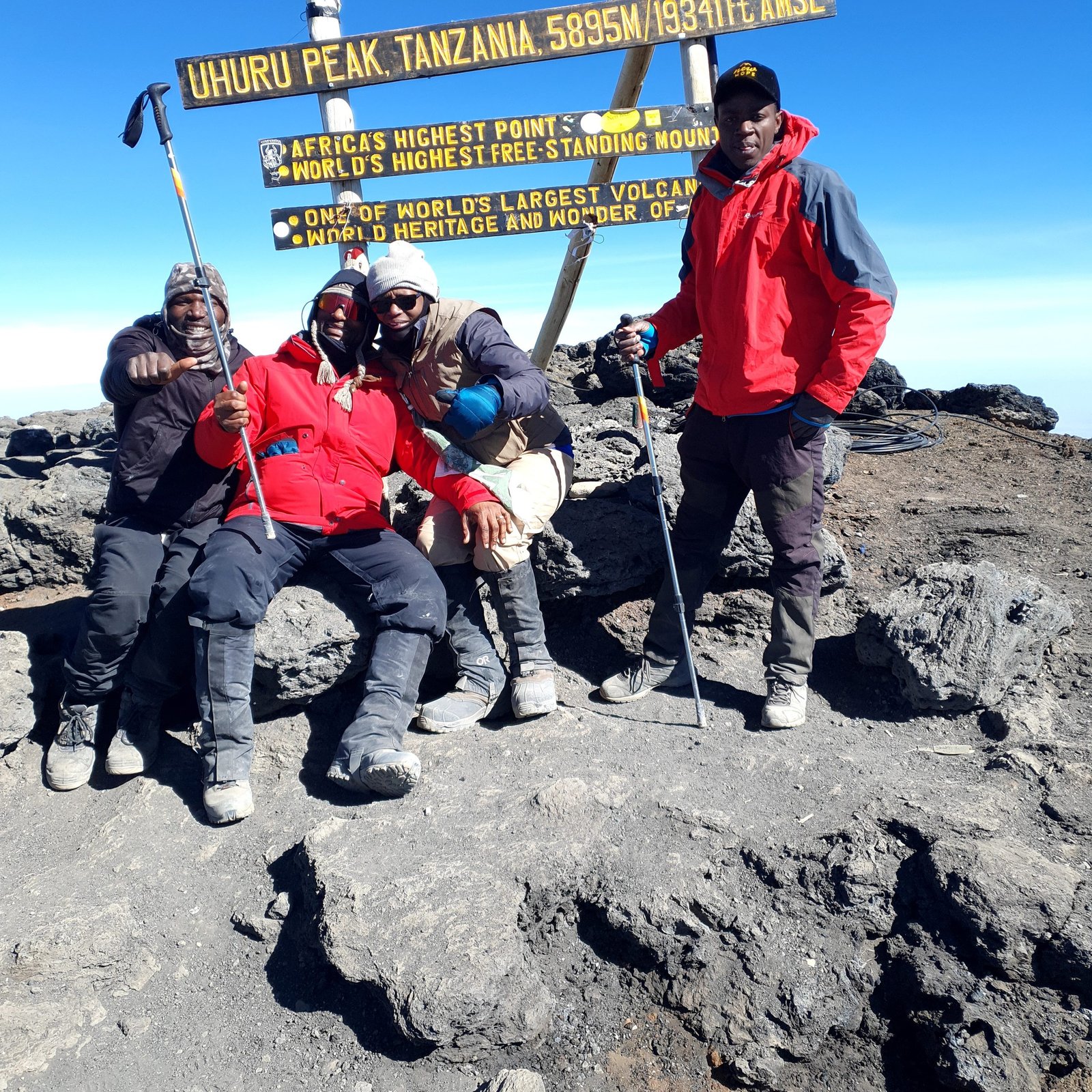
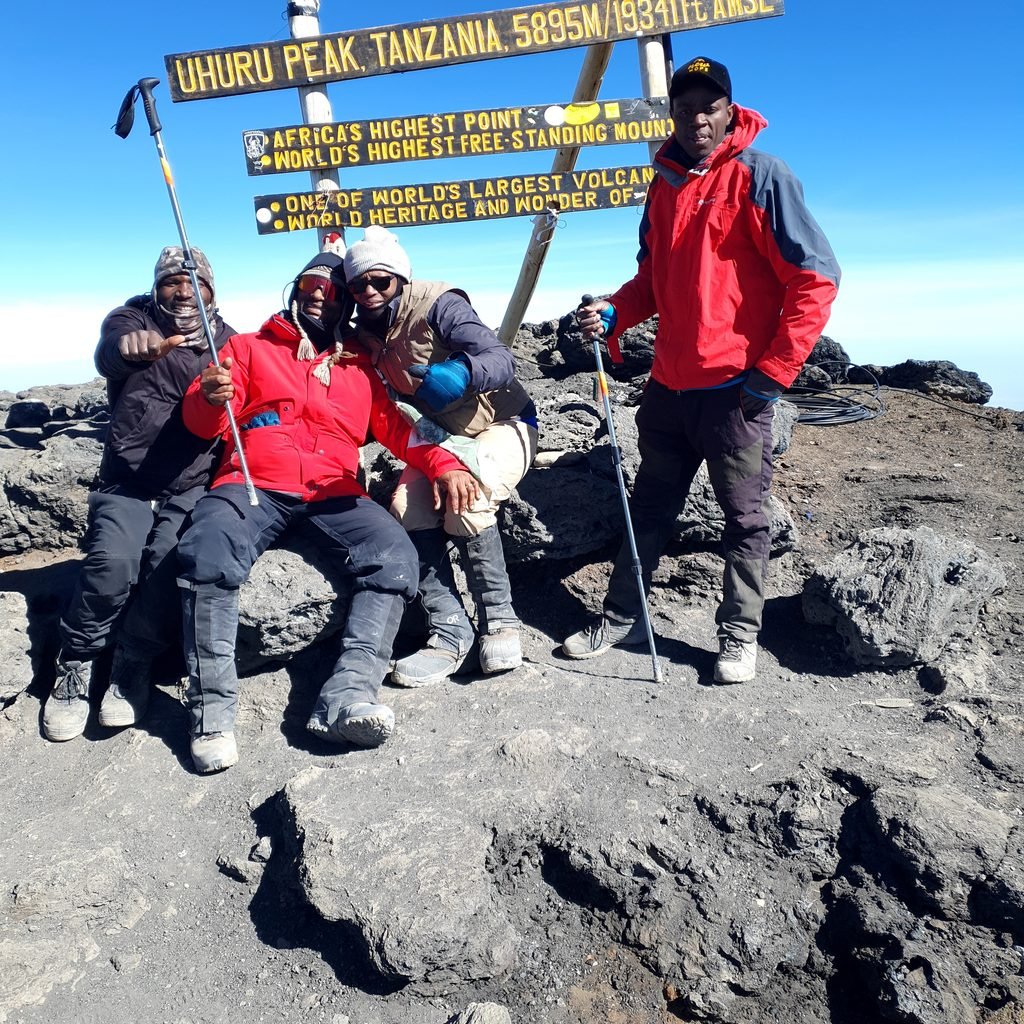
Finally, you arrive at the summit of Mount Kilimanjaro at 5,895 meters above sea level.
Standing at Uhuru Peak can be an emotional experience.
You have spent days walking upward, dealing with fatigue, cold temperatures, changing weather, and the effects of altitude.
Reaching the summit is a reminder that patience and determination can take you much farther than you initially imagined.
After celebrating your achievement, you begin the descent.
The descent is much quicker than the ascent, but it still requires care because your legs may already be tired.
Depending on the itinerary and conditions, you continue down toward a lower camp for rest.
Is the 6-Day Machame Route Difficult?:The Ultimate 6-Day Machame Route 2026–2027
The 6-Day Machame Route is considered a challenging Kilimanjaro itinerary.
The main difficulty is not technical climbing. The standard Machame trail does not require advanced mountaineering skills.
Instead, the challenge comes from the altitude, long trekking days, steep sections, cold conditions, and the demanding summit night.
The six-day itinerary also gives you less time for acclimatization than longer versions of the Machame Route.
That does not mean it is impossible. Many properly prepared trekkers successfully complete the route.
However, preparation should be taken seriously.
Who Is the 6-Day Machame Route Best For?
This route is particularly attractive to travelers who:
Have good physical fitness
Enjoy challenging hiking
Have previous trekking experience
Want dramatic mountain scenery
Have limited time for their Kilimanjaro adventure
Are comfortable with long walking days
Are willing to follow a slow and steady pace
If you are completely new to high-altitude trekking, a longer itinerary may provide a more comfortable acclimatization schedule.
Your decision should be based not only on budget and available time but also on your experience, fitness, and comfort with altitude.
Preparing for Your Kilimanjaro Climb
Good preparation starts well before you arrive in Tanzania.
You do not need to become a professional athlete, but you should develop endurance and strength.
Long walks and hikes are particularly useful because they help your body become comfortable with spending several hours on your feet.
You can also include activities such as:
Walking
Hiking
Jogging
Cycling
Stair climbing
Strength training
Try to gradually increase the duration and difficulty of your training.
It is also important to test your hiking boots and clothing before the climb. The mountain is not the place to discover that your boots cause blisters or that your jacket is not warm enough.
What to Expect From the Weather
Kilimanjaro has several climate zones, so temperatures can change dramatically throughout the climb.
The lower forest may feel relatively warm and humid, while the summit area can be extremely cold.
Rain is possible in the forest, and conditions can change quickly higher on the mountain.
This is why layered clothing is so useful.
You can add or remove layers as temperatures change rather than relying on one very heavy item of clothing.
Food and Hydration on the Mountain
Eating well is an important part of maintaining your energy.
Mountain meals are generally planned to provide sufficient carbohydrates, protein, and calories for long trekking days.
You should also drink water regularly throughout the day.
At altitude, dehydration can make you feel worse and can contribute to fatigue and headaches.
Even if you do not feel very thirsty, continue drinking according to your guide’s advice.
Small snacks can also help during long sections of the trail. Energy bars, nuts, dried fruit, and other lightweight foods are convenient choices.
The Importance of Your Mountain Crew
Your Kilimanjaro crew plays a major role in the success and enjoyment of your climb.
Your guide is responsible for leading you along the route, helping you maintain an appropriate pace, and monitoring your condition.
Porters help carry equipment and supplies, while cooks may prepare meals at camp.
A strong mountain team can make difficult days feel much more manageable.
It is also important to treat every member of the crew with respect and appreciation. They are an essential part of your journey.
Safety and Altitude Awareness
Safety should always be more important than reaching the summit.
Altitude affects people differently. Some climbers may experience headaches, nausea, dizziness, tiredness, or other symptoms.
If you feel unwell, tell your guide immediately.
Do not hide symptoms because you are afraid of turning back.
A successful Kilimanjaro climb is not simply one where you reach Uhuru Peak. It is one where you make responsible decisions throughout the journey.
Your guide should assess your condition and determine the safest course of action.
Best Time to Climb the Machame Route in 2026–2027
The Machame Route can be climbed during different times of the year, but many travelers prefer the drier periods.
January and February are generally popular, as are the months from June through October.
The exact conditions can vary from year to year, and mountain weather can change quickly.
If you are planning your climb for 2026 or 2027, choosing a favorable season can improve your trekking experience, but preparation for rain, cold, and changing conditions remains important.
What Is Usually Included in a 6-Day Machame Package?
A professionally organized Kilimanjaro package commonly includes mountain park and camping fees, professional guides, porters, meals during the climb, tents, and other mountain logistics.
Depending on the package, airport transfers and accommodation before or after the climb may also be included.
Personal flights, visas, travel insurance, personal climbing equipment, tips, and other personal expenses are often separate.
Always ask for a clear list of inclusions and exclusions before booking so you understand exactly what you are paying for.
How to Improve Your Chances of Reaching Uhuru Peak
Nobody can guarantee a successful summit because altitude and weather are unpredictable.
However, you can improve your chances considerably by preparing properly.
Train before your trip.
Sleep well before the climb.
Eat enough food.
Drink water regularly.
Walk slowly.
Listen to your guide.
Avoid unnecessary rushing.
Get adequate rest.
Most importantly, respect the mountain.
Kilimanjaro rewards patience. The climber who tries to move too quickly during the first few days may struggle later, while the person who conserves energy can arrive at the summit attempt in a much stronger position.
The Experience Beyond the Summit
Although Uhuru Peak is the ultimate goal, many climbers later realize that some of their favorite memories came from the journey itself.
It may be the sound of the forest on the first day.
It may be watching the landscape change as you climb higher.
It may be sharing stories with fellow trekkers around camp.
It may be the encouragement you receive from your guide when the trail becomes difficult.
Or it may simply be the quiet feeling of walking through one of Africa’s greatest natural environments.
These moments become part of the story you take home.
Why Machame Is Called the “Whiskey Route”
Machame is sometimes referred to by the nickname “Whiskey Route,” traditionally contrasting it with the Marangu Route’s “Coca-Cola Route.”
The nickname reflects the perception that Machame is a more rugged and challenging trekking experience.
Unlike routes that use permanent huts, Machame generally involves camping, making the experience feel more like a traditional mountain expedition.
For many adventurous travelers, that is exactly what makes it appealing.
Final Thoughts
The Ultimate 6-Day Machame Route 2026–2027; offers an exciting and challenging way to climb Mount Kilimanjaro.
From the lush rainforest to the open Shira landscape, from the dramatic Barranco Wall to the high alpine environment around Barafu, the route constantly changes and keeps the adventure interesting.
The six-day itinerary is demanding, so it should be approached with proper preparation and realistic expectations.
You will experience tiredness. You may face cold weather. The summit night will test your endurance and determination.
But every difficult section has a purpose.
And when you finally reach Uhuru Peak at 5,895 meters, look back at the journey you have completed.
You started at the foot of the mountain with a goal.
Day by day, step by step, you climbed higher.
That is what makes the 6-Day Machame Route more than a holiday. It is a personal achievement, a wilderness adventure, and a memory that can stay with you for a lifetime.