The Best 6-Day Umbwe Route Kilimanjaro Climb 2026–2027;Climbing Mount Kilimanjaro is more than a mountain trek. It is a journey that tests your endurance, builds your confidence, and gives you the opportunity to experience some of Tanzania’s most impressive natural landscapes. Standing at 5,895 metres above sea level, Uhuru Peak is the highest point in Africa and a dream destination for adventurous travellers from around the world. The 6-Day Umbwe Route Kilimanjaro Climb offers an exciting opportunity to explore this remarkable mountain while taking on steep trails, changing landscapes, and the challenge of high-altitude trekking.
The Umbwe Route is one of the steepest and most direct approaches to the upper slopes of Kilimanjaro. It begins on the southern side of the mountain, where the trail passes through thick rainforest before climbing towards rugged ridges and open mountain terrain. As you gain elevation, the scenery changes from green forest to moorland and rocky landscapes, eventually joining the southern circuit near Barranco Camp.
Unlike some of Kilimanjaro’s more gradual routes, Umbwe gains altitude quickly during its early stages. This makes it a demanding choice, particularly for climbers who have limited experience at high elevations. The six-day itinerary provides more time than the five-day version, but it remains a relatively short schedule for a mountain that rises nearly six kilometres above sea level. Travellers who have flexibility may wish to consider a longer itinerary to allow more time for acclimatisation.
Throughout the climb, you will be supported by a mountain crew who help with camp arrangements, meals, and guidance along the trail. Their experience plays an important role in making the journey organised and manageable. With proper preparation, suitable equipment, and a responsible approach to altitude, the Umbwe Route can become an unforgettable part of your Tanzanian adventure.

Why Choose the 6-Day Umbwe Route?:The Best 6-Day Umbwe Route Kilimanjaro Climb 2026–2027
The Umbwe Route is best known for its steep ascent, dramatic scenery, and adventurous character. It is often chosen by experienced trekkers who enjoy challenging trails and are comfortable with sustained uphill walking.
One of the route’s most striking features is the rainforest at the beginning of the climb. Tall trees, thick vegetation, and moss-covered branches create a cool, shaded environment. The trail then rises along narrow ridges and through increasingly open terrain, revealing impressive views of the mountain’s valleys and rocky slopes.
As you approach Barranco Camp, the scenery becomes particularly dramatic. Steep mountain walls rise above the valley, while unusual high-altitude plants add character to the landscape. Higher up, the environment becomes more exposed, with rocky ground and colder temperatures preparing you for the summit attempt.
The six-day schedule also gives you an additional day compared with the five-day Umbwe itinerary. Depending on the confirmed route plan, this extra time may be used to provide a more gradual transition between camps or additional time for rest. However, the exact acclimatisation benefits depend on the elevations and activities included in the itinerary.
Umbwe is not the easiest route to Kilimanjaro, and its short schedule does not suit every climber. Physical fitness alone cannot prevent altitude sickness. Choosing the route should involve an honest assessment of your hiking experience, available time, and willingness to follow safety advice throughout the journey.
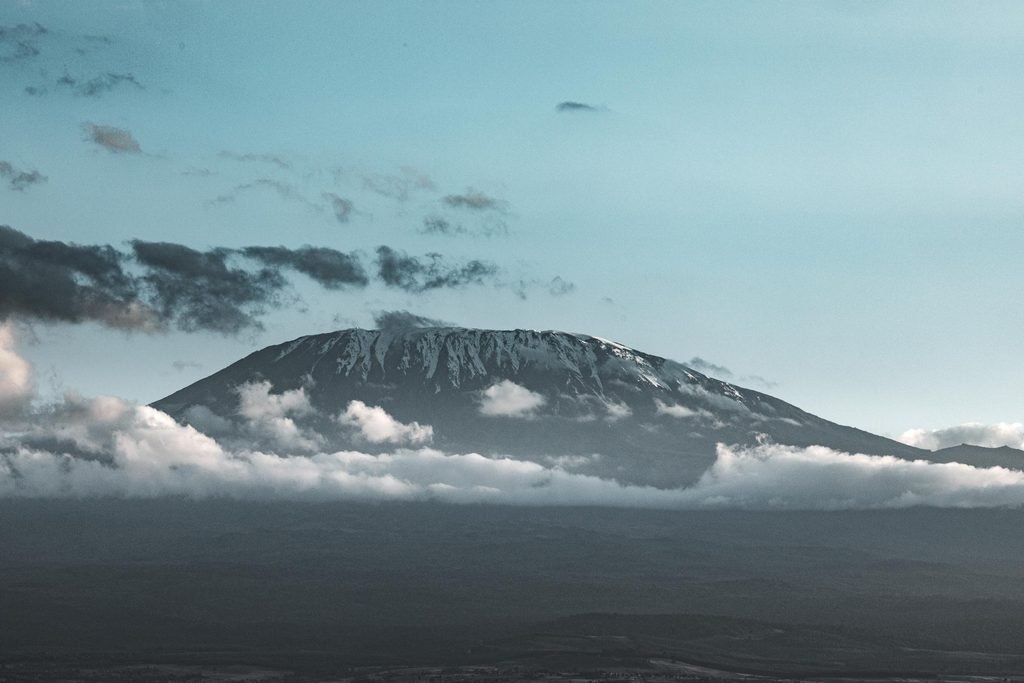
Your Day-by-Day 6-Day Umbwe Route Itinerary Of The Best 6-Day Umbwe Route Kilimanjaro Climb 2026–2027
Day 1: Umbwe Gate to Umbwe Cave Camp
Your adventure begins with a transfer from your hotel in Moshi or Arusha to Umbwe Gate on the southern side of Mount Kilimanjaro. After completing registration and the required park procedures, you meet your mountain guide and begin walking into the rainforest.
The trail enters a dense forest filled with tall trees, tangled roots, and thick vegetation. The atmosphere is often cool and humid, and the path can become slippery after rainfall. Unlike the more gradual approaches found on some other routes, the Umbwe trail gains elevation quickly, so maintaining a slow and comfortable pace from the beginning is important.
As you continue along the ridge, the forest surrounds you on both sides. Occasional openings in the trees reveal glimpses of the mountain’s slopes, while birdsong and the sounds of the forest accompany your walk.
Your guide will help you navigate steep or uneven sections and remind you to take breaks when necessary. Sturdy hiking boots and waterproof clothing are particularly useful in this environment.
After several hours, you reach Umbwe Cave Camp, where your mountain crew prepares the campsite and evening meal. Spend the evening resting, organising your equipment, and preparing for the next stage.
Approximate hiking time: 5–7 hours.
Day 2: Umbwe Cave Camp to Barranco Camp
After breakfast, you leave the forest behind and continue towards the higher slopes of Kilimanjaro. The vegetation gradually becomes less dense, and the trail leads through increasingly open terrain with views across the surrounding valleys.
This stage can be physically demanding because the route gains altitude relatively quickly. You may notice that your breathing becomes heavier as you climb, even when you are moving at a steady pace. Take your time, follow your guide’s instructions, and communicate honestly about how you feel.
As you gain elevation, the landscape changes from thick forest to moorland and rocky ground. The mountain’s dramatic ridges and steep valleys become more visible, creating an impressive setting for the trek.
You eventually reach Barranco Camp, situated at approximately 3,960 metres above sea level. The camp lies beneath the striking Barranco Wall, a steep rock face that forms one of the most recognisable features of the southern routes.
After arriving, you can settle into camp, enjoy a warm meal, and rest. Your guide will explain the next stage and check how you are responding to the altitude.
A persistent headache, nausea, dizziness, unusual weakness, or worsening breathlessness should never be ignored. Tell your guide immediately if you develop symptoms that concern you, as the itinerary may need to change to protect your health.
Approximate hiking time: 4–6 hours.
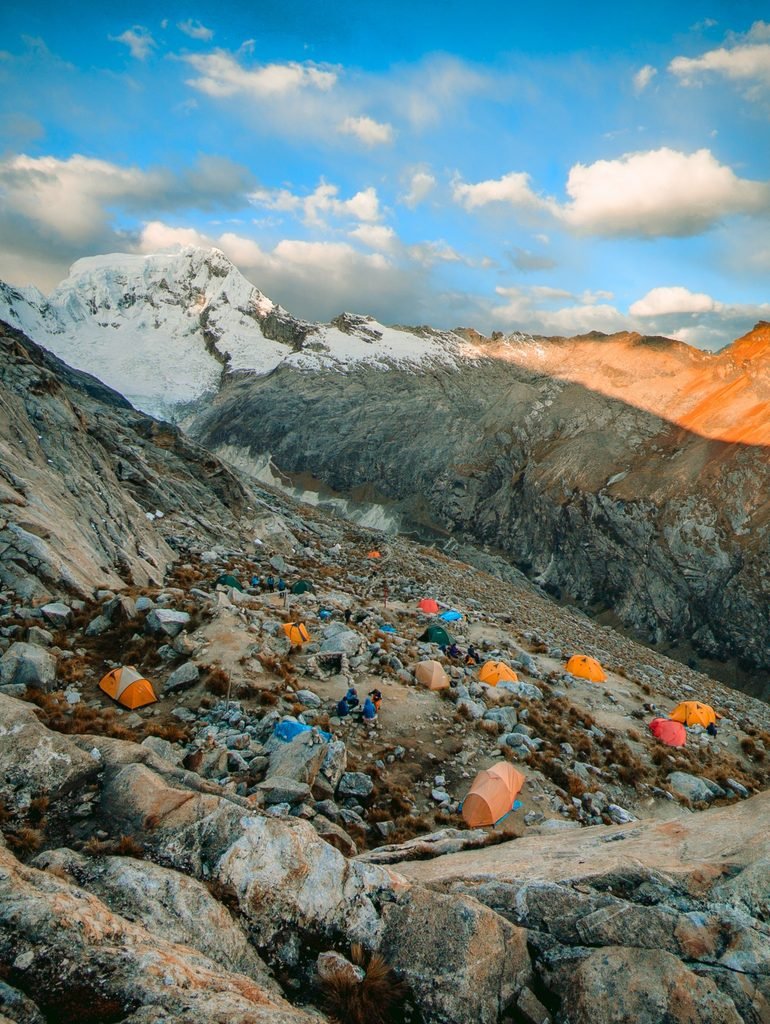
Day 3: Barranco Camp to Karanga Camp
The day begins with the famous Barranco Wall. From camp, the rocky wall rises dramatically above the valley, but the established trail provides a way to climb it with careful movement and guidance from your mountain crew.
Some sections require you to use your hands for balance, so follow your guide’s instructions and avoid rushing. Once you reach the top, you can enjoy rewarding views across the surrounding valleys and the rugged slopes of Kilimanjaro.
The trail then continues over ridges and through rocky valleys towards Karanga Camp. The scenery changes constantly, with steep mountain walls, exposed rock, and unusual high-altitude plants creating a distinctive environment.
Although this stage is shorter than some of the earlier walks, the altitude and uneven terrain can still make it tiring. Take regular breaks, eat as advised, and conserve your energy for the days ahead.
Upon reaching Karanga Camp, you can enjoy your meal, rest, and prepare for the climb towards Barafu Camp. Your guide will discuss the following day’s plans and review the equipment needed for the summit attempt.
Approximate hiking time: 4–5 hours.
Day 4: Karanga Camp to Barafu Camp
After breakfast, you leave Karanga Camp and continue towards Barafu Camp, the high-altitude base for your summit attempt. The trail climbs through an increasingly rocky landscape where vegetation becomes sparse and the surroundings feel more exposed.
At this elevation, even a relatively short walk can require considerable effort. The thin air may affect your breathing and energy levels, so walking slowly and following your guide’s instructions are essential.
As you approach Barafu Camp, the upper slopes of Kilimanjaro become increasingly prominent. The landscape is rugged and stark, with volcanic rock and distant ridges dominating the view.
Barafu Camp lies at approximately 4,600 metres above sea level. After arriving, you will have time to rest, eat an early dinner, and prepare for the summit attempt.
Organise your headlamp, warm clothing, gloves, hat, water, and other essential equipment before settling down. The summit climb usually begins around midnight or shortly afterwards, so try to rest as much as possible.
Your guide will explain the expected conditions and safety procedures for the night. Because the Umbwe Route gains altitude quickly, your condition should be assessed carefully before the summit attempt begins.
Approximate hiking time: 3–5 hours.
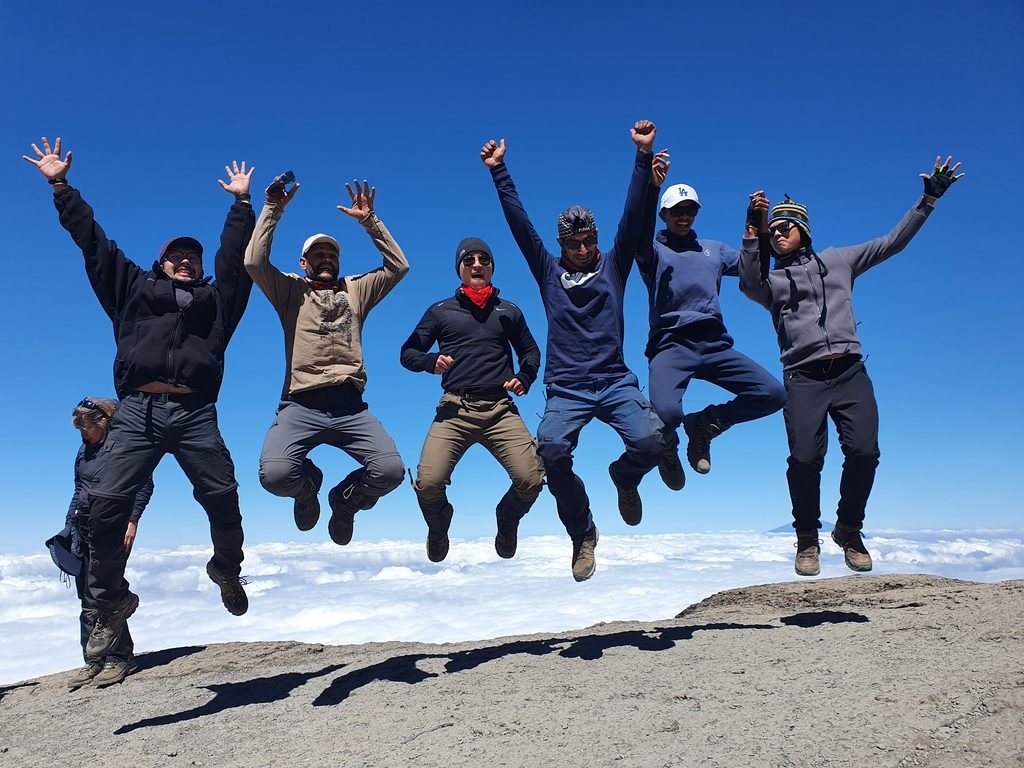
Day 5: Barafu Camp to Uhuru Peak and Descent to Mweka Camp
Summit day is the most demanding stage of the journey. You usually begin walking in darkness, accompanied by your guide, and follow the steep trail towards Stella Point on the crater rim.
The cold, thin air and sustained uphill walking can make progress slow. Your guide will encourage a steady pace and arrange breaks as necessary while monitoring your condition. If altitude symptoms or other safety concerns develop, continuing towards the summit may not be appropriate.
As the night progresses, the sky may begin to brighten, revealing the rugged upper slopes of Kilimanjaro. Reaching Stella Point at approximately 5,756 metres is a major achievement, but the final section towards Uhuru Peak remains.
From there, you continue along the crater rim towards Uhuru Peak, which stands at 5,895 metres above sea level. If conditions are favourable and your guide considers it safe to continue, you will have the opportunity to stand at the highest point in Africa.
The summit offers a remarkable view of glaciers, volcanic formations, and the vast landscape surrounding the mountain. Take photographs, celebrate your progress, and enjoy the moment without spending longer at the summit than conditions safely allow.
After a short stay, you begin the descent towards Barafu Camp before continuing to Mweka Camp. The descent can be particularly tiring after the summit attempt, so careful footing and suitable trekking poles are useful.
At Mweka Camp, your crew will prepare your evening meal and provide time to rest. Reaching Uhuru Peak cannot be guaranteed, and your health must always take priority over completing the climb.
Approximate hiking time: 12–16 hours, depending on conditions and individual pace.
Day 6: Mweka Camp to Mweka Gate
After breakfast, you begin the final descent through the rainforest towards Mweka Gate. The trail passes through green vegetation, with birdsong and warmer air creating a welcome contrast to the cold, exposed landscape near the summit.
Although the hardest climbing is behind you, your legs may still feel tired after several days on the mountain. Take care on muddy or uneven sections and use trekking poles if they help you maintain balance.
As you descend, the forest becomes thicker, and the atmosphere gradually changes from the exposed alpine environment to the warmer lower slopes.
At Mweka Gate, you complete the required park procedures. Climbers who reach the official summit or other recognised milestones may receive certificates according to park procedures.
Your vehicle will then transfer you to your hotel in Moshi or Arusha, depending on your arrangements. You can enjoy a comfortable shower, a proper meal, and time to reflect on the experience.
Your six-day adventure comes to an end with memories of steep trails, dramatic mountain scenery, the support of your mountain crew, and the determination required to take on one of Africa’s most challenging climbing routes.
Approximate hiking time: 3–5 hours.
What Is Included in the 6-Day Umbwe Route Climb?
The exact inclusions depend on the package confirmed with EKO Tanzania Adventures. A typical guided climb may include:
- Kilimanjaro National Park fees and applicable camping fees.
- Professional mountain guides, cooks, and porters.
- Camping equipment, including sleeping tents and dining arrangements.
- Meals during the climb and treated drinking water.
- Transfers to and from the designated trailheads.
- A pre-climb briefing and practical packing guidance.
- Support from the mountain crew throughout the trek.
Always request a written quotation before booking to confirm the services included in your particular package.
What Is Not Included?
Unless stated otherwise in your quotation, the following expenses may be excluded:
- International flights and Tanzanian visa fees.
- Travel insurance covering high-altitude trekking and emergency evacuation.
- Personal hiking equipment, sleeping bags, and clothing.
- Hotel accommodation before or after the climb.
- Tips for guides, cooks, and porters.
- Personal snacks, additional drinks, and individual expenses.
- Optional transfers or services not listed in the confirmed package.
Planning these expenses in advance will help you prepare a realistic budget and avoid unexpected costs during your trip.
How to Prepare for the Umbwe Route
The Umbwe Route requires careful preparation because of its steep trails and relatively rapid gain in elevation. Regular hiking, hill walking, stair climbing, and cardiovascular exercise can help improve your endurance. If possible, practise on uneven ground and gradually increase the length of your training walks.
Previous mountain hiking experience is particularly useful. You should be comfortable walking for several hours on consecutive days and maintaining your balance on steep or rocky terrain.
Your equipment should include broken-in hiking boots, waterproof clothing, thermal layers, warm gloves, a hat, a headlamp, sunglasses, sunscreen, and a comfortable daypack. Temperatures can change dramatically as you climb, so bring adjustable layers suitable for both mild daytime conditions and freezing summit temperatures.
Altitude preparation deserves special attention. The six-day Umbwe itinerary still provides limited time for acclimatisation compared with longer climbs. Being physically fit does not guarantee protection from altitude sickness, and even experienced trekkers can develop serious symptoms.
Walk slowly, eat regularly, drink water according to your guide’s advice, and report persistent headaches, nausea, dizziness, unusual weakness, or worsening breathlessness immediately. Severe or worsening symptoms require prompt assessment and may mean descending to a lower altitude.
If you have flexibility in your travel schedule, discuss a longer itinerary with your tour operator. Additional time on the mountain may provide a better opportunity to acclimatise and prepare for the summit attempt.
The Best Time to Climb Mount Kilimanjaro
Mount Kilimanjaro can be climbed throughout much of the year, but weather conditions influence the overall experience. The periods from January to early March and from June to October are generally popular because conditions are often drier.
January and February can offer relatively clear conditions, while June through October is usually cooler and attracts many climbers. However, weather on the mountain can change quickly, and rain, strong winds, clouds, and freezing temperatures can occur in any season.
When planning your climb for 2026–2027, consider your preferred travel dates, trekking experience, and weather expectations. Booking ahead during popular climbing periods can also make it easier to organise your trip.
Book Your 6-Day Umbwe Route Kilimanjaro Climb with EKO Tanzania Adventures
Are you ready to experience the challenge of Mount Kilimanjaro? EKO Tanzania Adventures can help you plan your six-day Umbwe Route climb, from selecting your travel dates to preparing your equipment and arranging the practical details of your adventure.
Whether you are travelling alone, with friends, or as part of a private group, you can discuss your budget, accommodation preferences, trekking experience, and travel plans with our team. We can explain the route’s demands, help you understand the itinerary, and discuss whether a longer climb would better suit your experience and acclimatisation needs.
Every Kilimanjaro climb deserves careful planning, realistic expectations, and a strong focus on safety. Our aim is to help you understand what lies ahead so that you can prepare appropriately and make informed decisions throughout the journey.
Contact EKO Tanzania Adventures to discuss your plans and request a quotation for the 2026–2027 climbing season.
EKO Tanzania Adventures
Website: https://ekotanzaniaadventures.com
WhatsApp / Call: +255 761 353 184
Email: info@ekotanzaniaadventures.com
Alternative Email: ekotanzaniaadventure@gmail.com
The Umbwe Route is a demanding way to experience Mount Kilimanjaro, but its steep trails and dramatic scenery can make the journey deeply rewarding for appropriately prepared trekkers. Take the climb one stage at a time, listen to your guide, and remember that your safety matters more than reaching the summit. From the rainforest to the high mountain slopes, every part of the journey offers an opportunity to discover the remarkable beauty of Tanzania.