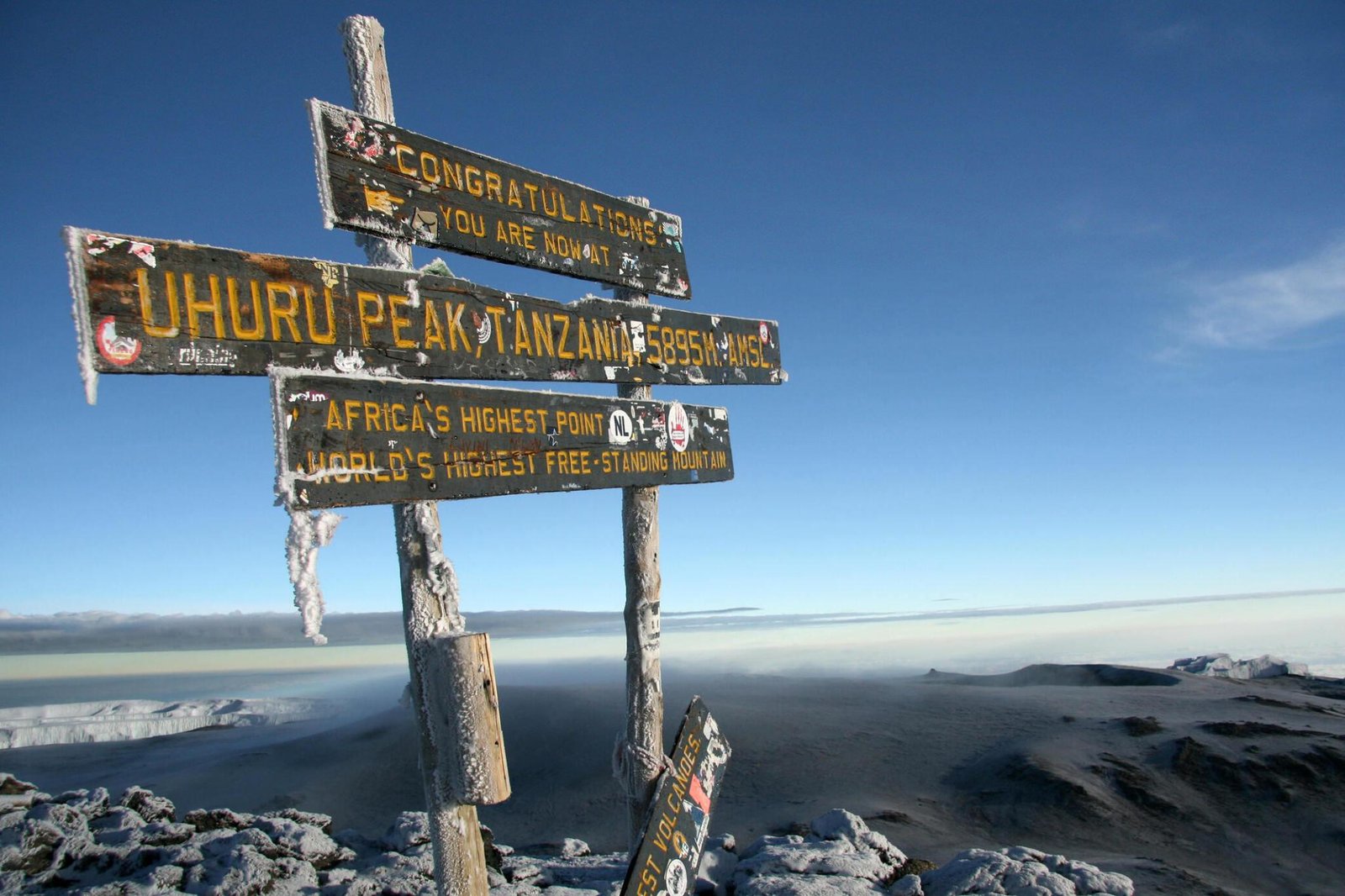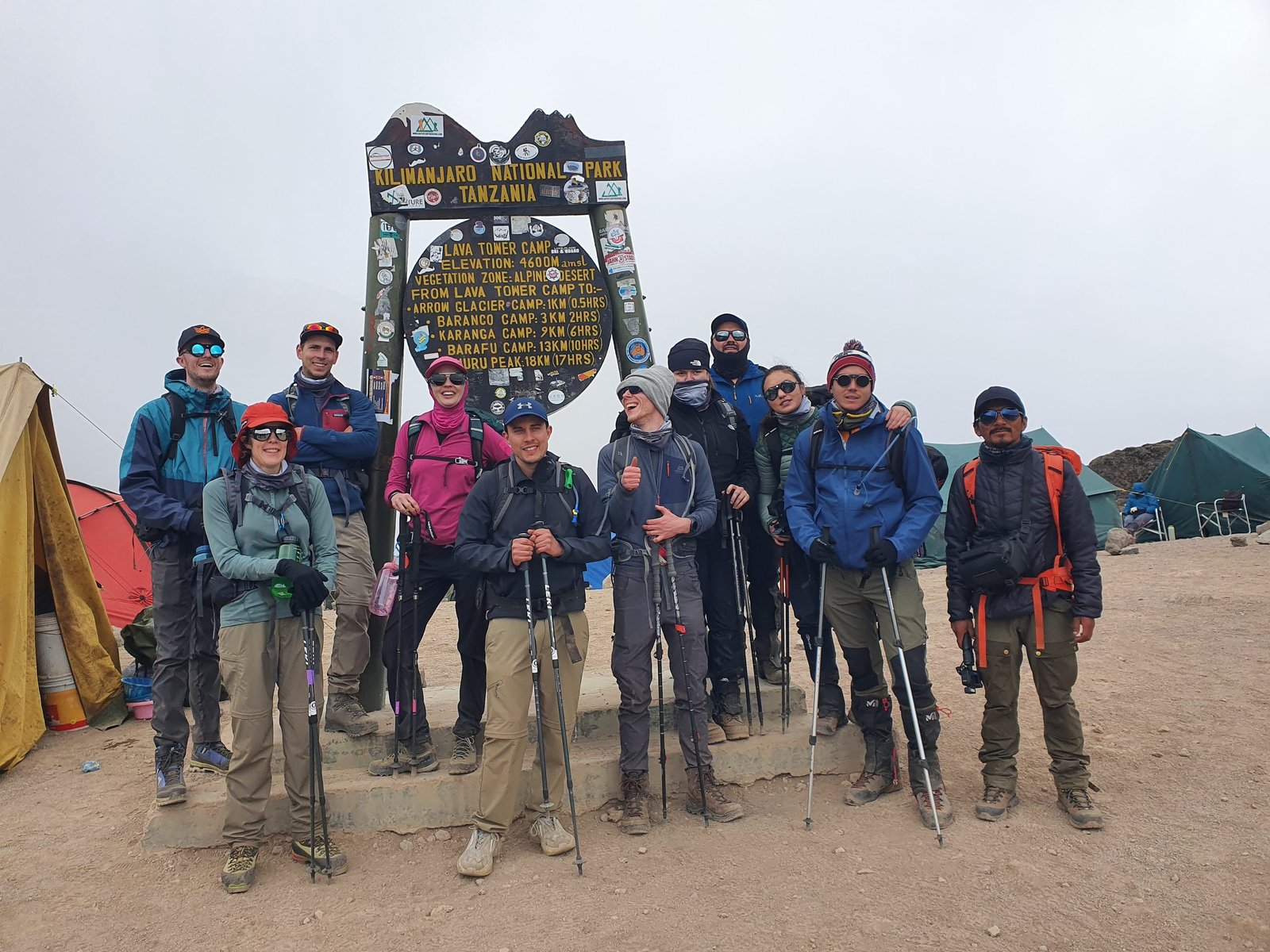
The Incredible 7-Day Mount Kilimanjaro Climb via the Machame Route 2026–2027;Climbing Mount Kilimanjaro is more than an ordinary trekking holiday. It is an opportunity to challenge yourself, discover Tanzania’s extraordinary landscapes, and work towards reaching the highest point in Africa. Rising to 5,895 metres above sea level, Mount Kilimanjaro attracts adventurers from around the world who dream of standing at Uhuru Peak and experiencing the incredible feeling of reaching the summit.
The 7-Day Machame Route is one of the most popular options for climbing Kilimanjaro because of its spectacular scenery and varied landscapes. Often known as the “Whiskey Route,” it approaches the mountain from the south and takes climbers through tropical rainforest, open moorland, rocky ridges, alpine desert, and the cold upper slopes near the summit.
For the 2026–2027 climbing seasons, this seven-day adventure offers a rewarding way to experience the mountain with an itinerary that includes opportunities for gradual acclimatization. The journey is physically demanding, but you do not need to be a professional mountaineer. With suitable preparation, reasonable fitness, the right equipment, and guidance from an experienced mountain crew, many first-time high-altitude trekkers can attempt this route.
EKO Tanzania Adventures can help you plan your climb according to your preferred dates, group size, accommodation requirements, and budget. From the first briefing to the final descent, careful planning and responsible guiding help make the experience more comfortable and organized.
Reaching Uhuru Peak is never guaranteed, because altitude sickness, weather, and individual health can affect a climber’s progress. Nevertheless, every stage of the journey offers something memorable, whether you are walking beneath rainforest trees, crossing the Shira Plateau, climbing the Barranco Wall, or watching the sun rise over the African landscape.
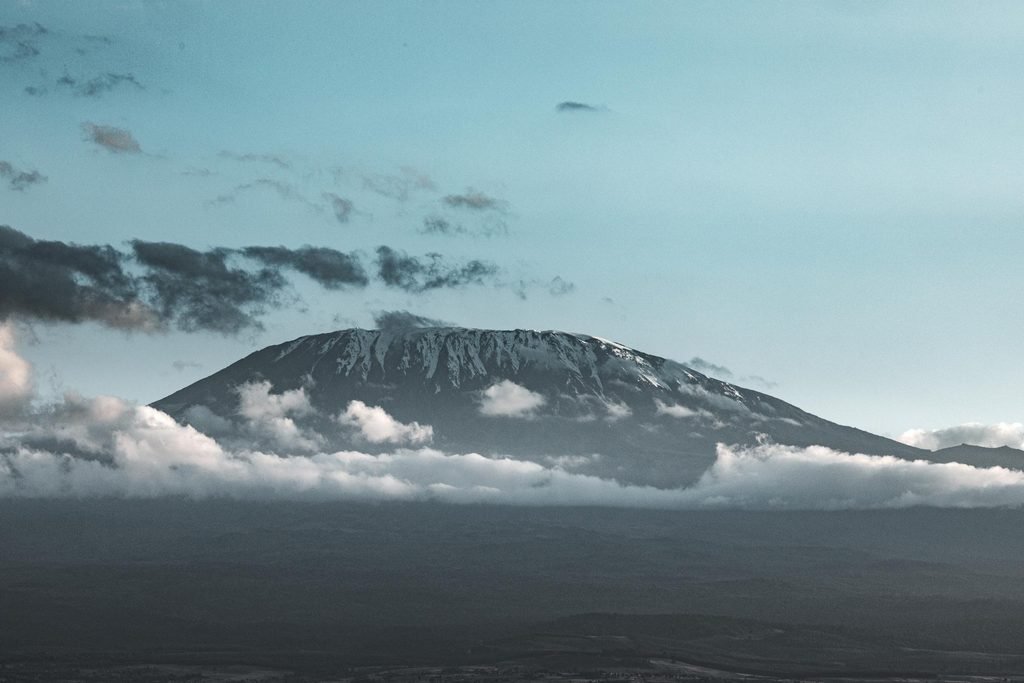
Why Choose the 7-Day Machame Route?:The Incredible 7-Day Mount Kilimanjaro Climb via the Machame Route 2026–2027
The Machame Route is especially attractive to travellers who want a scenic trekking experience and a structured approach to gaining altitude. The seven-day version provides more time on the mountain than a shorter six-day itinerary, although no schedule can eliminate altitude-related risks.
Key highlights include:
- Beautiful natural landscapes: Experience rainforest, heathland, moorland, alpine desert, and dramatic volcanic scenery.
- The Shira Plateau: Walk across an impressive high-altitude landscape with views of Kilimanjaro’s volcanic terrain.
- The famous Barranco Wall: Tackle a memorable steep trekking section with guidance from your mountain crew.
- Lava Tower acclimatization: Climb to approximately 4,630 metres before descending to Barranco Camp, following the principle of climbing high and sleeping lower.
- Uhuru Peak: Work towards the summit of Mount Kilimanjaro at 5,895 metres.
- Professional mountain support: Travel with guides, porters, and a cook under an organized climbing arrangement.
- A rewarding camping experience: Spend nights at designated mountain camps surrounded by remarkable scenery.
Complete 7-Day Machame Route Itinerary

Day 1: Machame Gate to Machame Camp
Your adventure begins with a transfer to Machame Gate, where your guide completes the necessary registration and the team prepares for the trek. After a briefing and equipment check, you begin walking through the lush rainforest on the lower slopes of Kilimanjaro.
The forest is filled with tall trees, thick vegetation, and moss-covered branches. The trail can be muddy and slippery, particularly during rainy weather, so comfortable hiking boots and careful footing are important.
Your guide will encourage you to walk slowly and conserve your energy. After several hours of trekking, you reach Machame Camp, where the crew prepares your campsite and dinner.
Overnight: Machame Camp.
Day 2: Machame Camp to Shira Camp
After breakfast, you leave much of the dense rainforest behind and climb through heathland and moorland. The vegetation becomes shorter, and the landscape opens up to reveal broader mountain views.
The trail includes steeper sections and uneven ground, so maintain a comfortable pace and take breaks when necessary. As you approach the Shira Plateau, you may enjoy views of Kibo, one of Kilimanjaro’s main volcanic cones.
When you arrive at Shira Camp, take time to rest, eat, and drink fluids. Your guide will check how you are responding to the increasing altitude and explain what to expect the following day.
Overnight: Shira Camp.

Day 3: Shira Camp to Lava Tower and Barranco Camp
This is an important day for acclimatization. You climb gradually from the Shira Plateau towards Lava Tower, at approximately 4,630 metres, before descending to Barranco Camp at around 3,960 metres.
Although the ascent can be tiring, the day follows the useful principle of gaining elevation during the day and sleeping at a lower altitude. Your guide will set a manageable pace and monitor the group’s condition.
After the Lava Tower section, the trail descends through dramatic high-altitude scenery, including distinctive giant groundsels and rocky slopes. Arriving at Barranco Camp provides time to rest and prepare for the famous Barranco Wall.
Report headaches, nausea, dizziness, or unusual fatigue to your guide. Serious or worsening symptoms require prompt assessment and may mean you must descend.
Overnight: Barranco Camp.
Day 4: Barranco Camp to Karanga Camp
The morning begins with the Barranco Wall, one of the most memorable sections of the Machame Route. From camp, the wall looks imposing, but the standard trail follows a well-used trekking path. Some sections require careful hand and foot placement, so follow your guide’s instructions and avoid rushing.
After reaching the upper section, you continue across ridges and valleys, enjoying views of the surrounding mountain landscape. The trail eventually descends into the Karanga Valley before climbing again towards Karanga Camp.
This shorter trekking day gives you time to rest, eat, check your equipment, and prepare for the higher camps. Make sure your boots, socks, gloves, and warm clothing are comfortable before the summit attempt.
Overnight: Karanga Camp.
Day 5: Karanga Camp to Barafu Camp
After breakfast, you continue towards Barafu Camp, the high camp used for the summit attempt. The terrain becomes increasingly rocky and exposed, with limited natural shelter from wind and cold.
Although this day’s walking distance is relatively short, the altitude can make it physically demanding. Move slowly, drink fluids regularly, and conserve your energy.
At Barafu Camp, your crew helps you settle in and prepares your meal. Your guide will explain the summit schedule, clothing layers, headlamp use, weather considerations, and safety procedures.
The summit attempt normally begins around midnight. Organize your summit clothing, gloves, headlamp, water, and snacks before resting. Even if altitude makes sleep difficult, try to rest quietly and avoid unnecessary activity.
Overnight: Barafu Camp before the summit attempt.
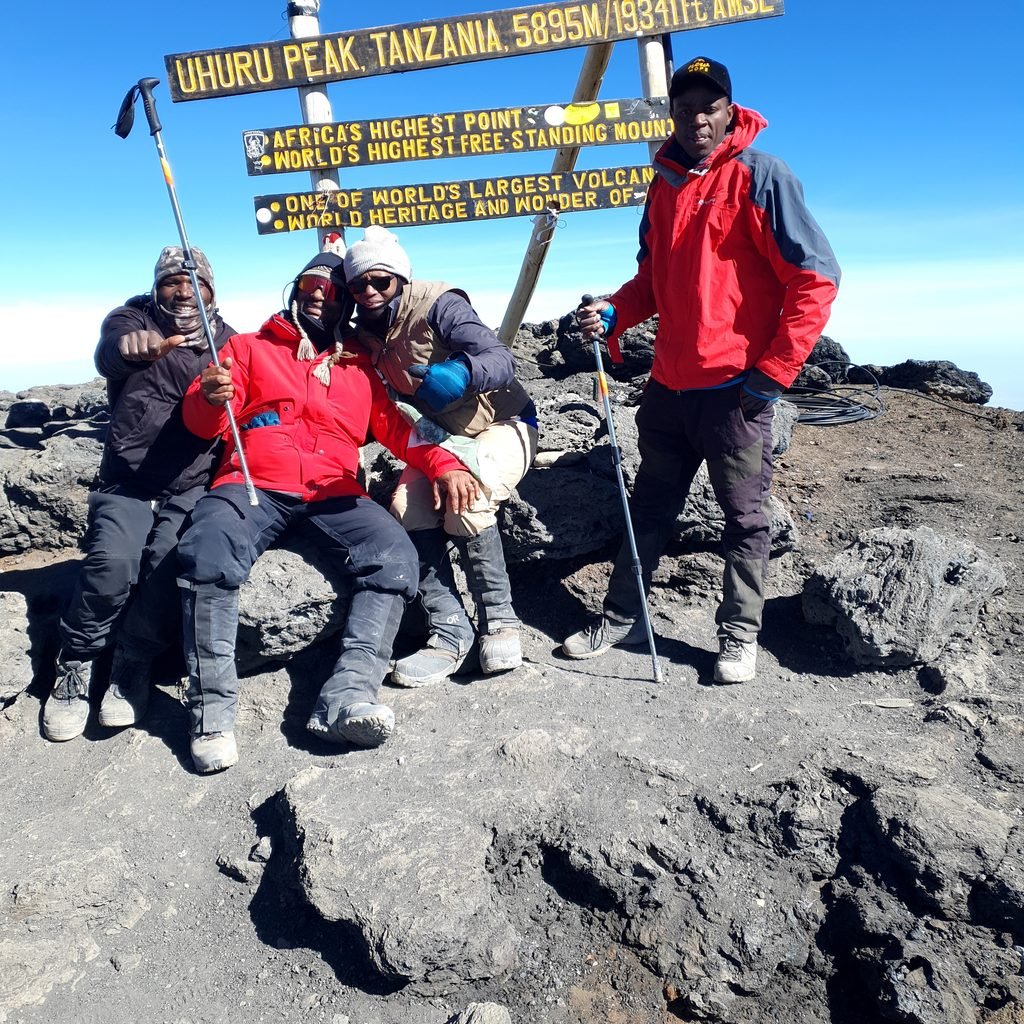
Day 6: Barafu Camp to Uhuru Peak and Mweka Camp:The Amazing 7-Day Mount Kilimanjaro Climb via the Machame Route 2026–2027
Summit day is usually the most physically and mentally demanding part of the climb. You begin walking in darkness, following your guide along a steep trail towards Stella Point at approximately 5,756 metres.
The cold, loose volcanic ground, and reduced oxygen make every step challenging. A slow, steady pace is essential. As dawn approaches, the sky may brighten above the surrounding clouds, creating a memorable view of the mountain.
From Stella Point, you continue along the crater rim towards Uhuru Peak at 5,895 metres. If your health and conditions allow, you will reach the summit and have time to appreciate the achievement and take photographs.
Summit success cannot be guaranteed. If you develop serious altitude symptoms or your guide determines that continuing is unsafe, descending is the right decision.
After the summit attempt, you descend to Barafu Camp for a short rest and refreshments before continuing to Mweka Camp. The long descent can be tiring, especially for your knees and legs, so trekking poles and appropriate footwear are helpful.
Overnight: Mweka Camp.
Day 7: Mweka Camp to Mweka Gate and Return to Moshi or Arusha
After breakfast, you begin your final descent through the rainforest towards Mweka Gate. The air becomes warmer and more humid as you lose altitude, and the vegetation grows thicker.
Take care on muddy or slippery sections, particularly after rain. At the gate, your team completes the departure procedures. Climbers who reach the required summit points may receive certificates according to the applicable park arrangements.
After thanking your guides, porters, and cook, you meet your driver for the arranged transfer to Moshi or Arusha. A hot shower, a comfortable bed, and a satisfying meal will be welcome after your mountain adventure.
Overnight: In Moshi or Arusha if included in your package; otherwise, your climb ends after the agreed transfer.
Estimated Cost for 2026–2027
The price of a seven-day Machame climb depends on group size, park fees, crew wages, camping equipment, meals, transfers, and accommodation arrangements. The following figures are illustrative planning estimates, not confirmed quotations.
| Climbing arrangement | Estimated cost per person |
|---|---|
| Group joining climb | $1,800–$2,400 |
| Private climb for 4–6 climbers | $1,900–$2,500 |
| Private climb for 2 climbers | $2,100–$2,800 |
| Private climb for 1 climber | $2,500–$3,500+ |
The final price may vary with season, group arrangements, accommodation choices, and the services included. Request a written quotation from EKO Tanzania Adventures before booking.
Typical Inclusions
Depending on your confirmed package, inclusions may cover:
- Kilimanjaro National Park and applicable camping fees.
- Professional mountain guides and supporting crew.
- Mountain camping accommodation and tents.
- Meals during the climb.
- Drinking water under the operator’s stated arrangements.
- Transfers to and from the designated climbing gates.
- Pre-climb briefing and equipment checks.
- Applicable taxes and levies, as itemized in the quotation.
Typical Exclusions
Unless specifically included, budget separately for:
- International flights and applicable visa fees.
- Travel insurance covering trekking to 5,895 metres and emergency evacuation.
- Personal hiking clothing and equipment.
- Tips for guides, porters, and the cook.
- Hotel accommodation before or after the climb.
- Personal snacks, drinks, and expenses.
- Equipment rental and optional upgrades.
- Additional nights or transfers not specified in the package.
Always confirm inclusions and exclusions in writing so you can compare packages accurately.
Preparation and Training Tips
Good preparation helps you manage long trekking days and enjoy the experience more comfortably. If possible, begin training eight to twelve weeks before departure.
Build your endurance. Practise regular walks and gradually increase their duration. Include hills or uneven trails when available so your body becomes familiar with varied terrain.
Strengthen your legs. Step-ups, squats, lunges, and controlled step-downs can help prepare your legs for climbing and descending. Increase your training gradually and allow time for recovery.
Break in your hiking boots. Wear your boots during training and check for rubbing or pressure points. Comfortable footwear can help prevent blisters during consecutive days of trekking.
Practise with your daypack. Carry the pack you expect to use on Kilimanjaro and adjust the straps until the weight feels balanced.
Prepare for cold weather. Use a layering system with moisture-managing base layers, insulating clothing, and waterproof outer layers. Warm gloves, a suitable hat, and an insulated jacket are essential for summit night.
Essential Packing List
Pack according to your operator’s equipment list, confirming what will be provided and what you must bring yourself.
Clothing: Moisture-wicking base layers, hiking trousers, fleece layers, waterproof jacket and trousers, an insulated summit jacket, warm hat, sun hat, gloves, thermal clothing, hiking socks, and broken-in hiking boots.
Equipment: Daypack, suitable sleeping bag, trekking poles, headlamp with spare batteries, reusable water bottles or a suitable hydration system, sunglasses, sunscreen, and a duffel bag that meets the operator’s luggage requirements.
Personal essentials: Toiletries, quick-drying towel, personal medication, blister-care supplies, hand sanitiser, tissues, energy snacks, travel documents, and insurance details.
The mountain can be cold even when the weather in Moshi or Arusha is warm. Prepare for rain, wind, freezing temperatures, and changing conditions.
Safety and Altitude Awareness
Mount Kilimanjaro’s altitude makes this climb more than a simple hiking holiday. Even physically fit travellers can develop altitude illness, and acclimatization does not eliminate the risk.
Walk slowly, eat regularly, drink fluids according to your needs, and tell your guide immediately if you feel unwell. Severe headache, confusion, loss of coordination, difficulty walking straight, or breathlessness at rest can signal a medical emergency requiring urgent descent and medical assessment.
Do not continue ascending when you have symptoms suggestive of altitude illness until you have been assessed. Follow your guide’s decisions about turning back, and make sure your insurance covers high-altitude trekking and emergency evacuation.
Best Time to Climb Kilimanjaro
January to March and June to October are commonly considered favourable periods for climbing, although conditions vary from year to year. April and May are generally wetter, while November and December can bring short rains.
The best dates depend on your schedule, tolerance for changing weather, and availability. Book early for popular periods and ask your operator for current advice before confirming your travel dates.
Book Your Machame Route Climb with EKO Tanzania Adventures
Your Kilimanjaro experience begins with thoughtful planning. EKO Tanzania Adventures can help you discuss travel dates, group size, accommodation preferences, equipment requirements, and budget for your 2026–2027 climb.
Before confirming, request a detailed itinerary and written quotation covering park fees, camping arrangements, meals, transfers, crew arrangements, safety procedures, and any additional charges.
Contact EKO Tanzania Adventures:
- Website: ekotanzaniaadventures.com
- WhatsApp/Call: +255 761 353 184
- Email: info@ekotanzaniaadventures.com
- Alternative email: ekotanzaniaadventure@gmail.com
Share your preferred dates and number of climbers so your trip can be planned around your needs.
The 7-Day Machame Route offers a remarkable journey through Kilimanjaro’s changing landscapes, from rainforest trails to the high-altitude world near Uhuru Peak. With realistic expectations, careful preparation, appropriate equipment, and responsible mountain support, you can approach this challenge with confidence and appreciate every stage of the adventure. Reaching the summit is not guaranteed, but prioritising your health and safety makes the experience more responsible and rewarding.