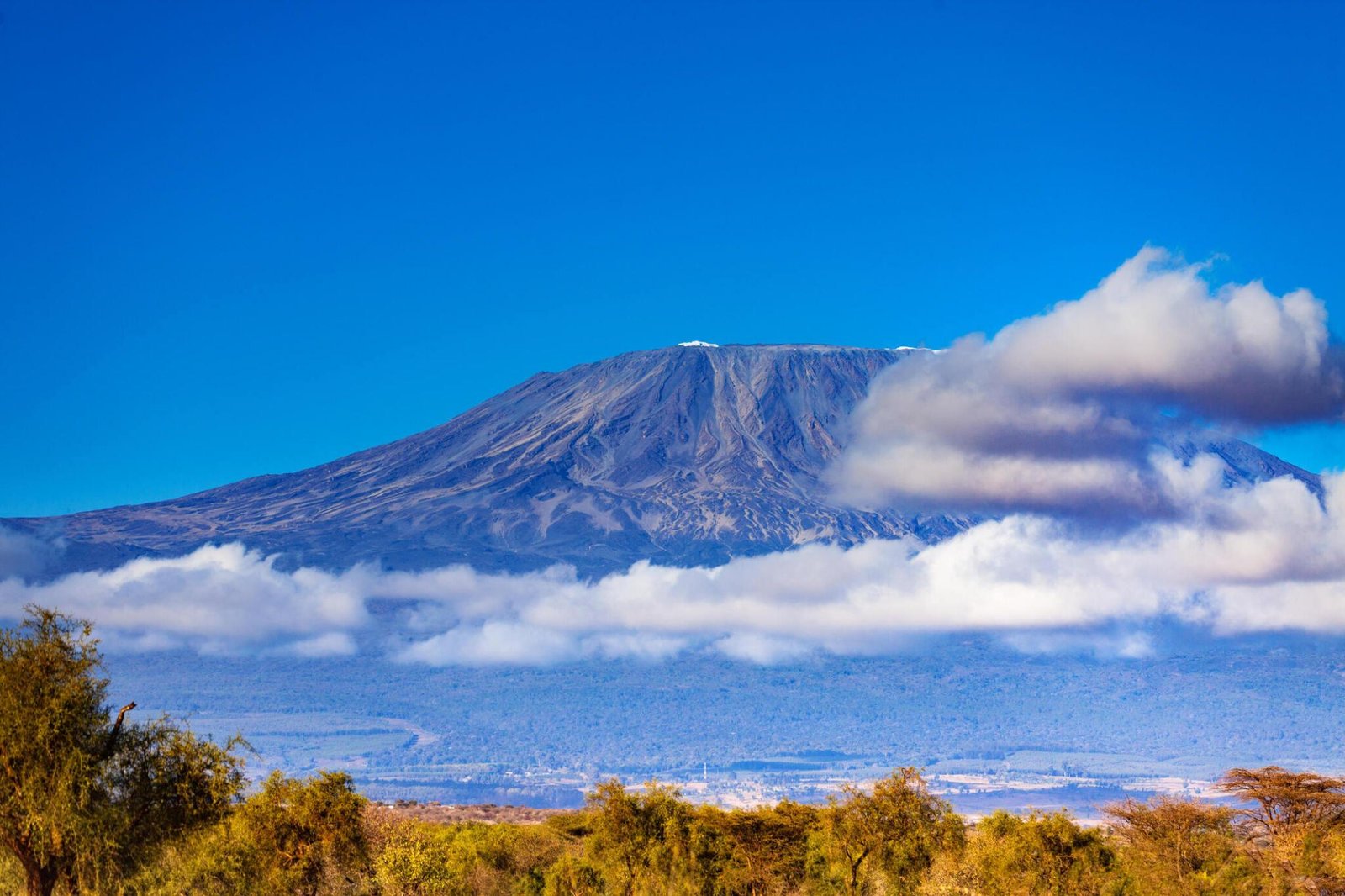
How Much Does It Cost to Climb Mount Kilimanjaro?;Climbing Mount Kilimanjaro is a dream for many adventure travellers, but before planning the journey, one important question comes up: how much does it actually cost to reach the highest point in Africa? The answer depends on several factors, including the route you choose, the number of days you spend on the mountain, the level of service you prefer, and what is included in your climbing package.
Mount Kilimanjaro stands at 5,895 metres above sea level in northern Tanzania. Unlike many high mountains, its standard trekking routes do not normally require technical climbing skills. However, reaching Uhuru Peak requires careful preparation, experienced mountain guides, suitable equipment, park fees, meals, camping arrangements, and enough time to acclimatise safely.
The total cost can vary considerably between a budget group climb and a private expedition with premium services. A lower advertised price may cover only some of the essential expenses, while a more comprehensive package may include transport, accommodation before and after the climb, equipment, and additional support. Understanding these differences helps you compare options fairly and plan your budget without unexpected costs.
This guide explains typical Kilimanjaro climbing prices for 2026–2027, the main factors that affect the cost, what climbing packages usually include, and how to choose an option that fits your budget without compromising safety.
1. How Much Does It Cost to Climb Mount Kilimanjaro?
As a general planning estimate, a properly organised Kilimanjaro climb may cost approximately US$2,000–US$4,500 or more per person for the guided mountain expedition, depending on the route, duration, group size, and standard of service. Budget group trips may fall towards the lower end, while private climbs and premium services can cost considerably more.
These figures are indicative estimates rather than confirmed quotations for a specific departure. Actual prices depend on the operator, current park charges, the itinerary, and the services included. Before booking for 2026 or 2027, request a written quotation that clearly lists the inclusions and exclusions.
Estimated Kilimanjaro climbing budget
Indicative price ranges per person in US dollars
Budget group climb
Shared departure, standard camping services
$2,000–$2,700
Mid-range climb
More flexible arrangements and additional comfort
$2,500–$3,500
Private or premium climb
Private guiding or enhanced services
$3,500–$5,500+
Planning estimates only. Package definitions differ between operators, and international flights, insurance, tips, and personal equipment may be additional.
When comparing prices, look beyond the headline figure. Two operators may advertise different prices for the same route because one includes hotel nights, airport transfers, equipment rental, or other services that the other charges separately.
A useful quotation should state the route, number of days on the mountain, group size, accommodation arrangements, park fees, meals, guide and crew support, transfers, and any additional costs.
2. What Makes Kilimanjaro Climbing Expensive?
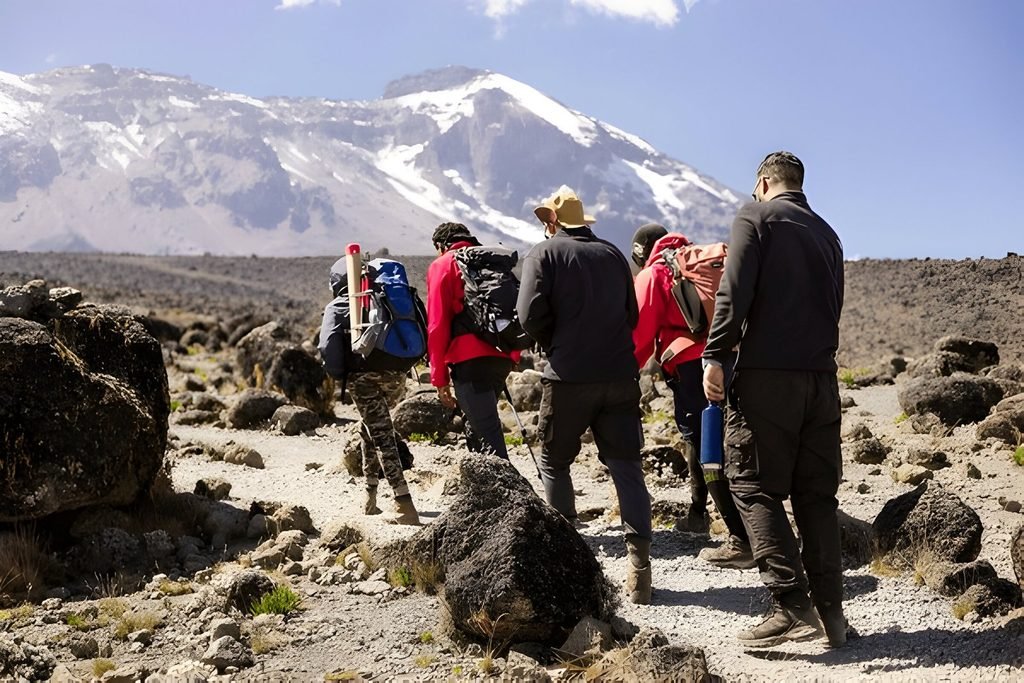
Many travellers are surprised by the cost of climbing Kilimanjaro because the standard routes do not usually involve technical mountaineering. However, the price reflects the logistics of operating a multi-day expedition in a protected national park at high altitude.
National Park and Conservation Fees
Park fees are one of the largest expenses. Climbers must pay the applicable charges for entering and staying in Kilimanjaro National Park, as well as other relevant fees associated with their route and expedition. These charges are set by the relevant authorities, rather than individually by each tour operator. TANAPA publishes official visitor tariffs and payment information on its
For a multi-day climb, park-related charges can amount to a substantial part of the package price. The exact total depends on the itinerary, accommodation type, applicable tariff, and other charges. Ask your operator to confirm that all mandatory fees are included in your quotation.
Mountain Guides, Porters, and Cooks
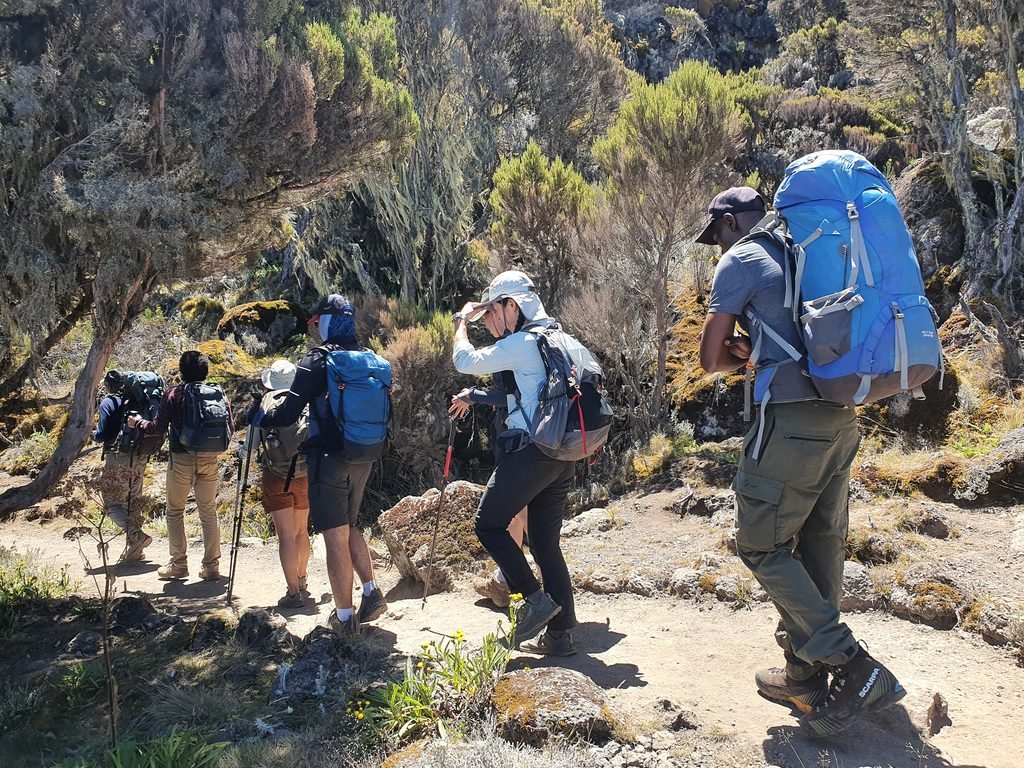
A Kilimanjaro expedition depends on a team of trained people who help make the journey possible. Guides lead the climb, monitor conditions, and support decisions about safety. Porters transport equipment and supplies, while cooks prepare meals at camp.
The size of the team depends on the group, route, and services provided. Fair wages, appropriate equipment, food for the crew, and safe working conditions are important parts of responsible mountain operations. A price that looks unusually cheap may not provide the same level of support or may leave important costs unclear.
Food and Drinking Water
Climbers need regular meals throughout the expedition to maintain energy during long walking days. Packages commonly include breakfast, lunch, and dinner on the mountain, although the exact arrangements vary.
The crew also needs to organise drinking water according to the operator’s procedures and the conditions on the route. Ask how water is collected, treated, and supplied, and whether any special drinks or personal snacks cost extra.
Camping Equipment and Mountain Logistics
Most Machame, Lemosho, Rongai, and Northern Circuit climbs use tents at designated campsites. The operator must arrange suitable camping equipment and transport it to the mountain, along with food, cooking equipment, and other supplies.
The Marangu Route is different because climbers generally sleep in mountain huts rather than tents. However, hut accommodation does not mean that the route is automatically cheaper; the overall price still depends on park fees, itinerary length, crew arrangements, and other services.
Safety and Emergency Arrangements
A responsible operator should have clear procedures for monitoring climbers and responding to altitude-related illness or other emergencies. Ask what first-aid equipment is carried, how guides assess symptoms, and how emergency evacuation is organised if necessary.
Safety support is not an optional luxury. When comparing quotations, consider the quality of the operation rather than choosing solely on the lowest advertised price.
3. Kilimanjaro Climbing Cost by Route
The route you choose has a direct effect on the cost of your expedition. Longer itineraries usually require more days of park access, meals, crew support, and accommodation, so they often cost more than shorter climbs.
The following figures are indicative planning estimates per person for a guided climb, not confirmed prices from EKO Tanzania Adventures. Actual quotations depend on the group size, season, route duration, and package inclusions. Published 2026 cost guides show similar differences between shorter climbs, seven-day Machame trips, longer Lemosho itineraries, and the Northern Circuit
| Kilimanjaro route | Typical duration | Estimated package cost per person |
|---|---|---|
| Marangu Route | 5–6 days | $1,600–$2,500 |
| Machame Route | 6–7 days | $2,000–$3,000 |
| Rongai Route | 6–7 days | $2,000–$3,100 |
| Lemosho Route | 7–8 days | $2,500–$3,600 |
| Northern Circuit Route | 9–10 days | $3,000–$4,500+ |
| Private or premium expedition | Depends on route | $3,500–$6,000+ |
These ranges may overlap because operators package services differently. A private seven-day climb, for example, may cost more than a group departure on the same route. A longer itinerary can also cost more simply because it involves additional days on the mountain.
Machame Route Cost
The Machame Route is a popular choice for travellers who want varied scenery and a camping experience. A seven-day itinerary generally costs more than a shorter six-day version because it requires an additional day of mountain services and may provide more time for acclimatisation.
When comparing Machame packages, check the number of days on the mountain, whether park fees and transfers are included, and how the operator handles meals, camping equipment, and emergency procedures.
Lemosho Route Cost
The Lemosho Route approaches Kilimanjaro from the west and is known for its scenic landscapes. It is often climbed over seven or eight days, with some itineraries taking longer. The additional days, route logistics, and associated fees can make it more expensive than shorter options.
For travellers who have enough time and budget, a longer Lemosho itinerary may be worth considering because it allows more time for acclimatisation. However, no itinerary can guarantee that you will reach Uhuru Peak.
Marangu Route Cost
The Marangu Route is known for its mountain huts, which offer a different accommodation experience from the tented camps used on many other routes. Some travellers prefer sleeping in huts rather than camping.
The five-day option may appear attractive because it is shorter, but a lower price should not be the only consideration. A longer itinerary may provide more opportunity for acclimatisation, so compare the full schedule before making a decision.
Northern Circuit Cost
The Northern Circuit is one of the longer routes on Kilimanjaro. It takes climbers around a larger section of the mountain and is commonly completed over nine or ten days.
Because the climb lasts longer, the package generally costs more. For travellers who can afford the extra time, it offers an opportunity to experience more of Kilimanjaro’s landscapes and follow a more gradual climbing schedule.
4. What Is Usually Included in a Kilimanjaro Climbing Package?
Before booking, make sure you understand exactly what you are paying for. Two packages may have similar prices but include different services.
A guided Kilimanjaro package commonly includes the following, although you should always confirm each item in writing.
- National park fees: Applicable park entry, camping or hut fees, and other mandatory charges specified in the quotation.
- Professional mountain guides: Guides who lead the trek and monitor the group’s progress and condition.
- Supporting mountain crew: Porters and cooks, according to the expedition arrangements.
- Meals on the mountain: Usually breakfast, lunch, and dinner during the trekking days.
- Drinking-water arrangements: As specified by the operator, including the treatment and provision of water.
- Accommodation on the mountain: Tents on camping routes or hut accommodation on the Marangu Route.
- Camping equipment: Tents and communal equipment, depending on the package.
- Transfers: Transport between designated locations and the mountain gates, if included.
- Safety arrangements: The stated first-aid provisions and emergency procedures.
- Summit certificate: Subject to the applicable park requirements and successful completion of the relevant section of the climb.
Do not assume that every operator includes airport transfers, hotel accommodation, sleeping bags, or equipment rental. These services should be clearly listed in the quotation.
5. What Is Not Usually Included in the Price?
The advertised climbing price is not necessarily the total amount you will spend on the trip. Some expenses are usually paid separately, so it is important to include them in your budget.
International Flights
Your flights to Tanzania may be one of your largest additional expenses. Prices depend on your departure country, airline, travel dates, luggage allowance, and how early you book.
Kilimanjaro International Airport is a convenient arrival point for many climbers, while some travellers arrive through other airports and arrange onward transport. Check your transfer arrangements before purchasing flights.
Tanzania Visa
Depending on your nationality and travel circumstances, you may need to pay for a Tanzanian visa. Requirements and fees vary, so check the official immigration information applicable to your passport before travelling.
Travel Insurance
Choose insurance that explicitly covers trekking at Kilimanjaro’s elevation and emergency evacuation, subject to the policy terms. Standard travel insurance may exclude high-altitude activities or impose altitude limits that do not cover the summit.
Tips for Guides, Porters, and Cooks
Tipping is customary on many Kilimanjaro expeditions. The amount depends on the length of the climb, group size, crew arrangements, and your experience. Ask your operator for current guidance and plan for tips separately rather than leaving them until the end of the trip.
Personal Climbing Equipment
You may already own some essential equipment, but items such as a suitable sleeping bag, insulated jacket, gloves, trekking poles, and waterproof clothing can add to your expenses. If you rent equipment locally, confirm the quality, condition, and cost before departure.
Accommodation Before and After the Climb
Many climbers stay in a hotel in Moshi or Arusha before the expedition and after returning from the mountain. Some packages include these nights, while others charge separately.
Other Personal Expenses
Allow for snacks, personal toiletries, laundry, medication, additional transport, and meals outside the package. If you plan to add a Tanzania safari or Zanzibar holiday after your climb, include those costs in a separate part of your budget.
6. What Is the Total Budget for Climbing Kilimanjaro?
To understand the real cost, separate the climbing package from the other expenses you will pay before, during, and after the expedition.
For many international travellers, a sensible initial planning budget is around $3,500–$5,500 per person before international flights, depending on the climbing package, tips, equipment, insurance, and other arrangements. Your final total may be lower or higher depending on your departure country and travel style. Recent cost guides place the overall budget in a similar range for many standard guided climbs
Here is an example of how you could organise your budget.
| Expense | Example planning allowance |
|---|---|
| Guided climbing package | $2,500 |
| Crew tips | $300 |
| Travel insurance | $100 |
| Visa, if required | $50–$100 |
| Personal equipment or rentals | $200 |
| Hotel accommodation before and after the climb | $150 |
| Meals and personal expenses | $100 |
| Estimated total before international flights | $3,400–$3,450 |
This is an illustrative budget, not a fixed quotation. It assumes a climbing package that includes the applicable mountain fees and the services specified by the operator. Check whether your package includes transfers and hotel nights to avoid counting the same expenses twice.
International flights are additional in this example. If you are travelling from abroad, add your airfare and any connecting transport that is not included. Travellers who already own suitable equipment or have accommodation included in their package may spend less on additional items.
7. Why Are Some Kilimanjaro Packages So Cheap?
You may find advertisements offering Kilimanjaro climbs at prices far below those of other operators. A lower price is not automatically a sign of poor service, but it deserves careful investigation.
Park fees account for a substantial portion of a climbing package. The operator must also pay for guides, porters, cooks, meals, equipment, transport, and the practical arrangements needed to support a multi-day expedition. Published cost breakdowns highlight why the difference between a low advertised price and a well-supported climb can be significant.
Before accepting an unusually low quotation, ask these questions:
- Are all mandatory park fees included?
- How many days will you spend on the mountain?
- Are meals, camping equipment, and drinking-water arrangements included?
- Are qualified guides and adequate supporting crew provided?
- What first-aid and emergency arrangements are available?
- Are transfers and hotel accommodation included or charged separately?
- What is the policy if weather or health problems affect the itinerary?
- Are crew wages and working conditions handled responsibly?
A transparent operator should be willing to explain the price and provide a clear list of services. If important details are missing, request clarification before paying a deposit.
The goal is not simply to find the cheapest climb. It is to find a well-organised expedition that offers appropriate support, clear pricing, and a responsible approach to safety and crew welfare.
8. How Can You Save Money Without Compromising Safety?
Climbing Kilimanjaro is a significant investment, but there are practical ways to manage the cost without choosing an unsuitable itinerary or sacrificing essential services.
Join a group climb. Shared departures can cost less per person than private expeditions because certain operating expenses are spread across the group. If you are comfortable trekking with other travellers, ask about scheduled group departures.
Choose your route carefully. A route should match your fitness, available time, and acclimatisation needs. Although shorter itineraries may have a lower price, the cheapest option is not always the best value. Consider the overall itinerary rather than the daily price alone.
Book flights early when possible. Airfares can vary considerably. Comparing travel dates and booking ahead may help reduce the cost of reaching Tanzania.
Rent selected equipment. If you do not expect to use specialist mountain equipment regularly, renting suitable items may be more economical than buying everything. Confirm the quality and condition of rented equipment before the climb.
Compare written quotations. Ask more than one operator to provide a breakdown of the same route and number of days. Compare park fees, crew arrangements, meals, equipment, transfers, and accommodation rather than looking only at the final figure.
Check what your hotel package includes. If accommodation before and after the climb is already included, you may not need to pay for it separately. Confirm the dates and room arrangements before booking.
Plan your additional holiday separately. If you intend to combine Kilimanjaro with a wildlife safari or Zanzibar beach holiday, ask for a clear breakdown of the climbing costs and the extension. This makes it easier to understand how much each part of the trip contributes to your overall budget.
One important rule remains: do not save money by removing essential safety arrangements or choosing an itinerary that does not allow adequate time for acclimatisation.
9. Is Climbing Kilimanjaro Worth the Cost?
For many people, climbing Kilimanjaro is worth the investment because it offers an experience that goes far beyond an ordinary holiday. You travel through several ecological zones, spend days in a remarkable mountain environment, and face a physical challenge that requires patience and determination.
The experience begins in the rainforest and continues through open moorland, rocky valleys, and the high-altitude landscape near the summit. Each stage brings different scenery and challenges, and the journey often becomes just as meaningful as the final ascent.
However, it is important to have realistic expectations. Reaching Uhuru Peak is not guaranteed, even with careful preparation. Altitude sickness, weather, and individual health can affect the outcome, and a responsible guide may recommend stopping or descending when necessary.
The best value comes from choosing an itinerary that suits you, understanding what your package includes, and preparing properly before travelling. A well-planned expedition gives you the opportunity to enjoy the mountain while making safety a priority.
10. Frequently Asked Questions About Kilimanjaro Climbing Costs
How much does a seven-day Kilimanjaro climb cost?
As a broad planning estimate, a seven-day guided climb may cost approximately $2,000–$3,000 per person for a standard package, depending on the route, group size, and services included. Private or premium arrangements may cost more. International flights, tips, insurance, and personal equipment may be additional.
What is the cheapest way to climb Mount Kilimanjaro?
Joining a scheduled group climb and renting selected equipment can help reduce expenses. However, make sure the itinerary provides appropriate acclimatisation time and the package includes mandatory fees, experienced guides, meals, and essential safety arrangements.
Are park fees included in the climbing price?
They are included in many guided climbing packages, but you should never assume this without checking. Ask for written confirmation that all applicable park fees and other mandatory charges are covered.
Is the Machame Route more expensive than the Marangu Route?
It depends on the number of days and the services included. Machame generally uses camping accommodation, while Marangu uses mountain huts. Comparing itineraries of similar duration and service level will give you a clearer picture of the actual difference.
How much should I budget for tips?
Tipping depends on the duration of the climb, group size, and crew arrangements. As an initial planning allowance, some cost guides suggest approximately $250–$350 per climber for a standard expedition, but you should ask your operator for current guidance.
Can I climb Kilimanjaro without a guide?
Kilimanjaro climbs must follow the national park’s rules and applicable guiding requirements. Arrange your expedition through a properly licensed operator and confirm the current regulations before travelling.
Is a longer climb more expensive?
Usually, yes. Additional days can mean more park charges, meals, crew support, and accommodation. However, a longer itinerary may provide more time for acclimatisation, which is an important consideration when comparing the overall value of a climb.
When should I book my Kilimanjaro climb?
Booking several months in advance is a sensible approach, particularly if you have fixed dates, want a specific route, or plan to travel during a busy season. Early planning also gives you more time to train, organise equipment, and arrange insurance.
Book Your Mount Kilimanjaro Climb with EKO Tanzania Adventures
Planning your Kilimanjaro climb starts with choosing the right route, understanding the total cost, and finding a package that matches your travel plans. EKO Tanzania Adventures can help you explore climbing options and discuss an itinerary based on your preferred dates, group size, accommodation arrangements, and budget.
Whether you are considering the Machame, Lemosho, Marangu, Rongai, or Northern Circuit Route, ask for a detailed quotation that explains the number of days on the mountain, package inclusions and exclusions, equipment arrangements, transfers, and safety procedures.
Before confirming your booking, make sure you understand the payment schedule, cancellation conditions, and any additional expenses you may need to cover. Clear information helps you prepare a realistic budget and enjoy greater confidence as your departure approaches.
Contact EKO Tanzania Adventures
- Website: https://ekotanzaniaadventures.com
- WhatsApp / Call: +255 761 353 184
- Email: info@ekotanzaniaadventures.com
- Alternative Email: ekotanzaniaadventure@gmail.com
Climbing Mount Kilimanjaro is an investment in a remarkable adventure, but the best experience is not necessarily the most expensive one. Choose a suitable itinerary, compare packages carefully, prepare for the mountain’s conditions, and make safety a priority. With thoughtful planning and the right support, you can approach your Kilimanjaro journey ready to experience one of Tanzania’s most extraordinary destinations.