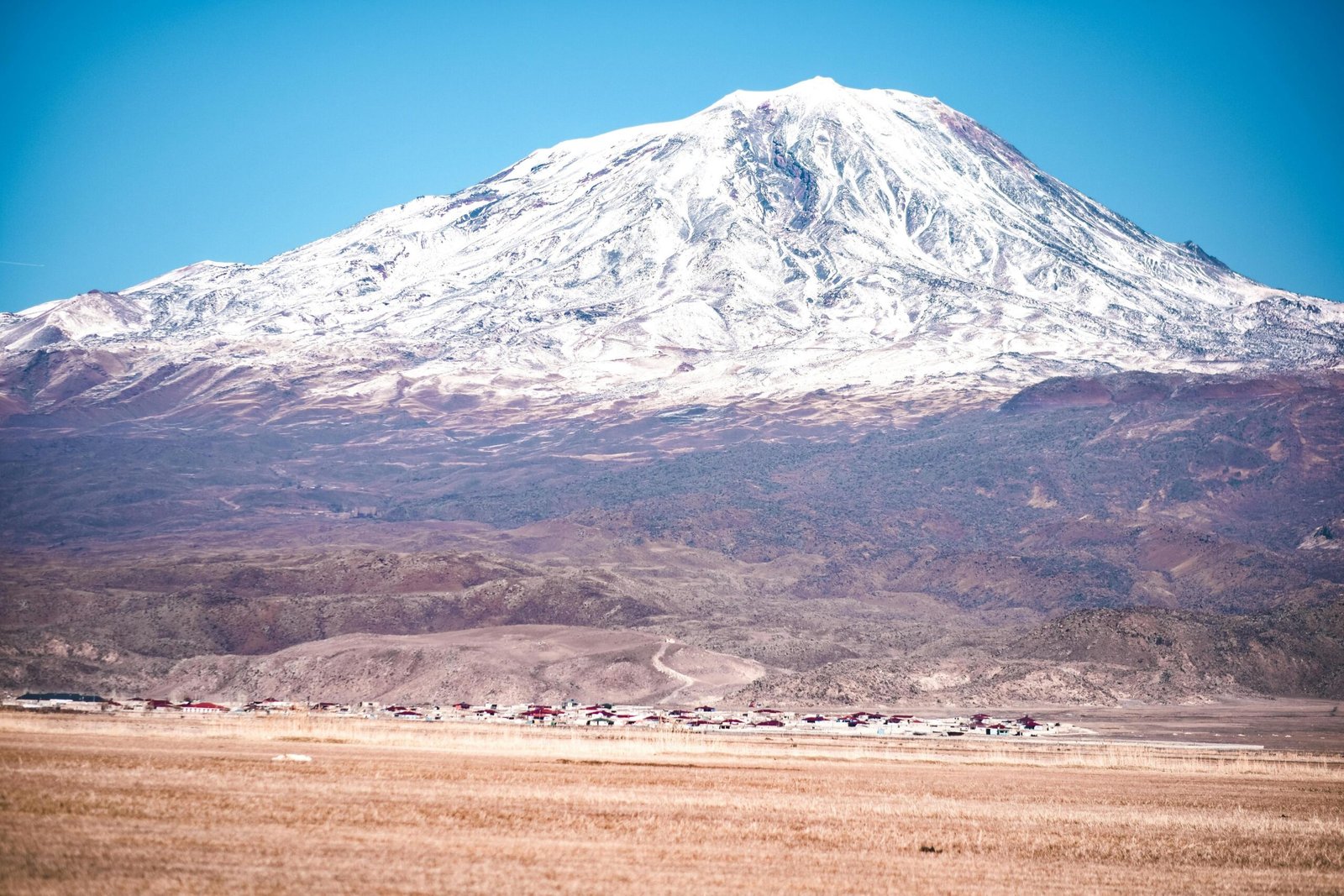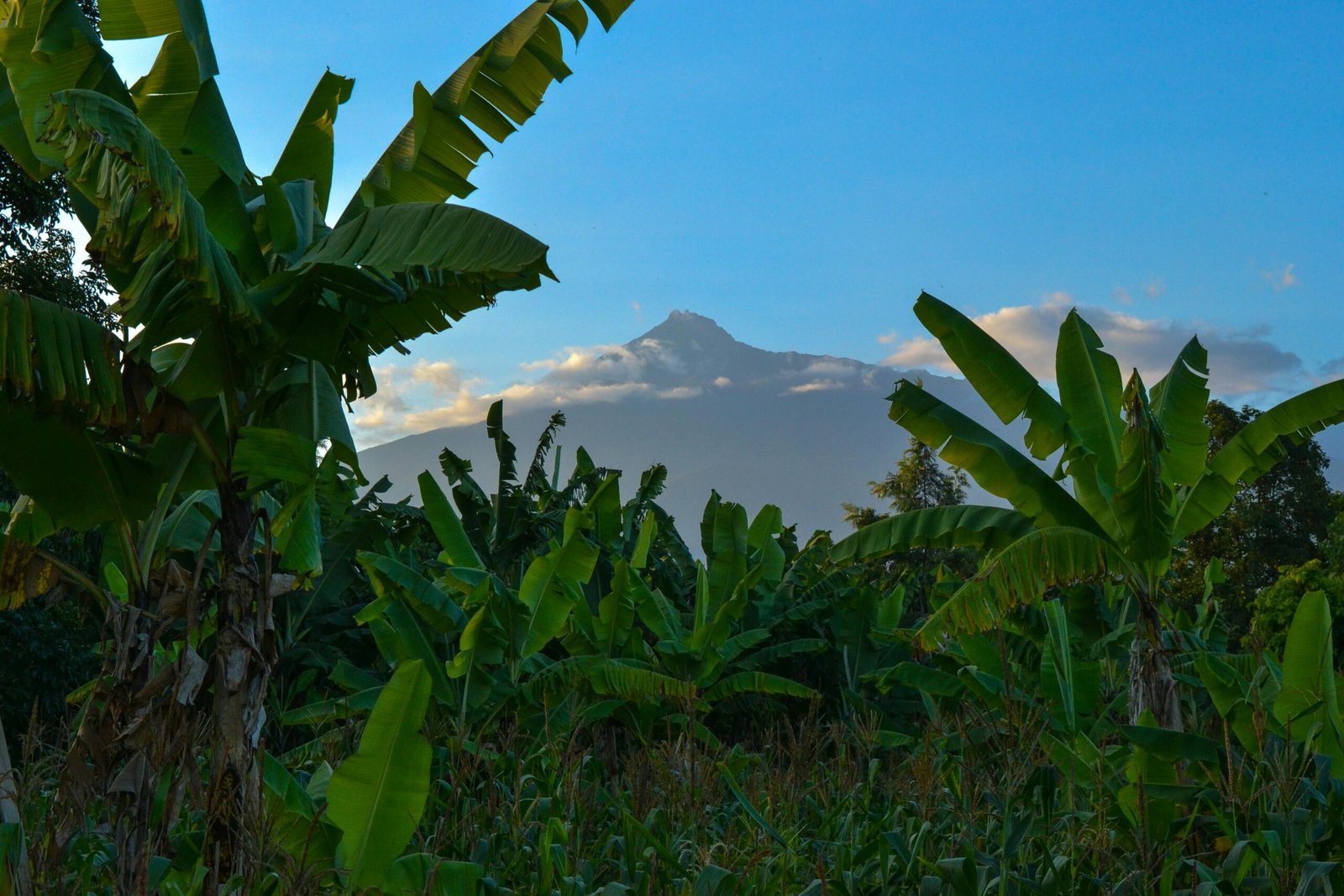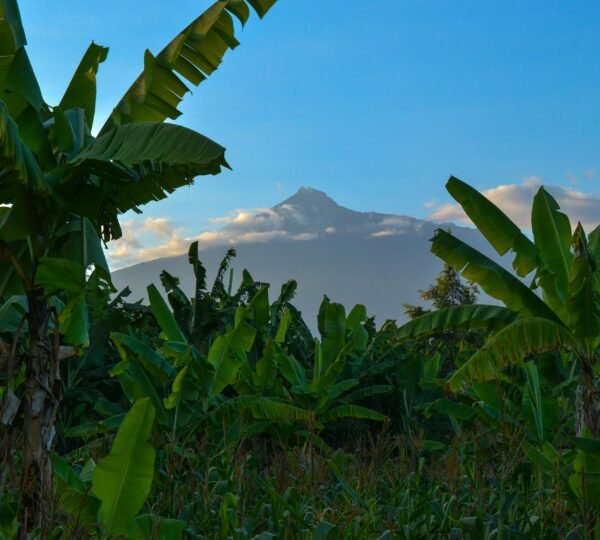
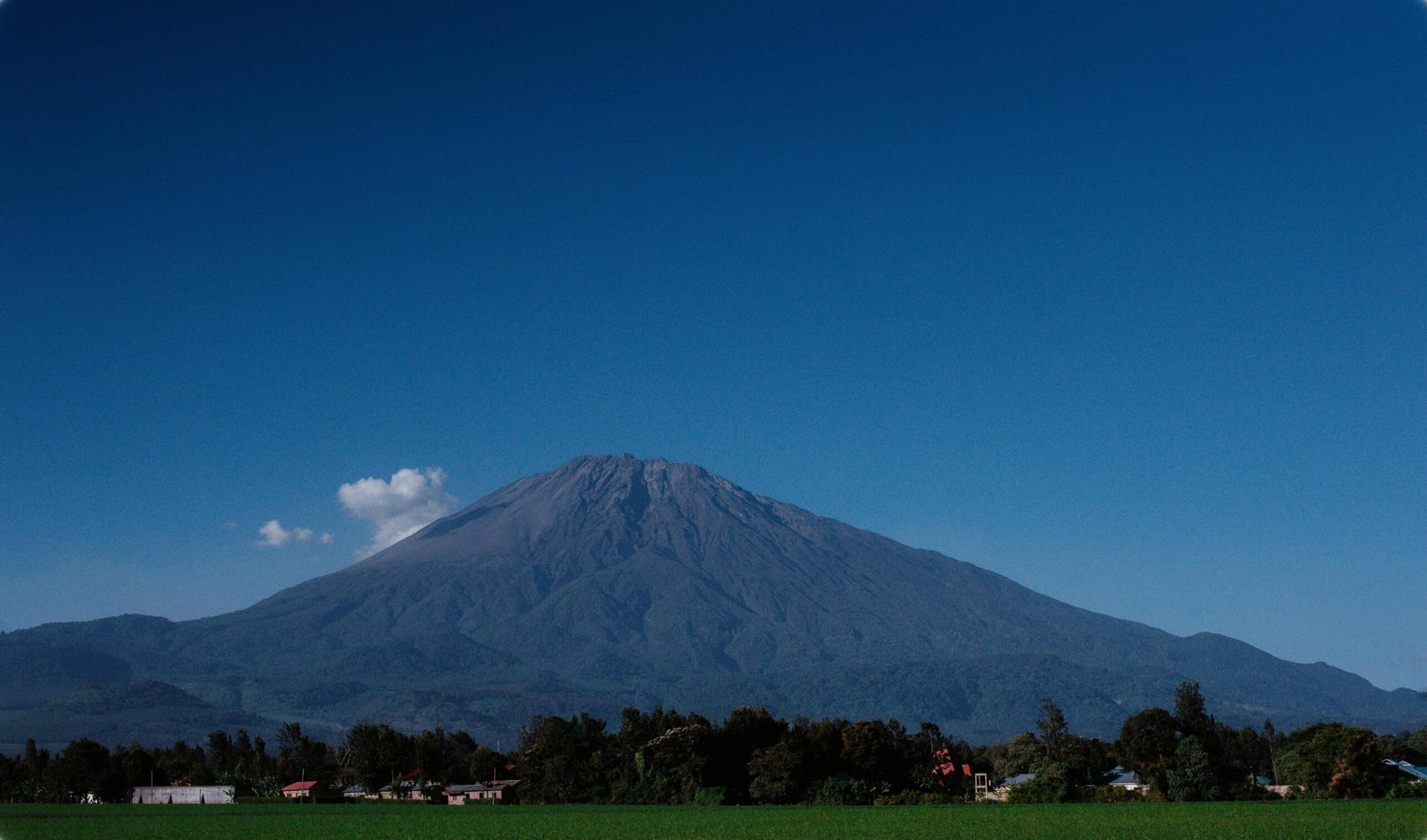
3-Day Mount Meru Climb : Take on Tanzania’s second-highest mountain with this rewarding 3-Day Mount Meru Climb by EKO Tanzania Adventures. Rising to 4,566 metres above sea level, Mount Meru stands inside Arusha National Park, close to the city of Arusha and within view of Mount Kilimanjaro on clear days.
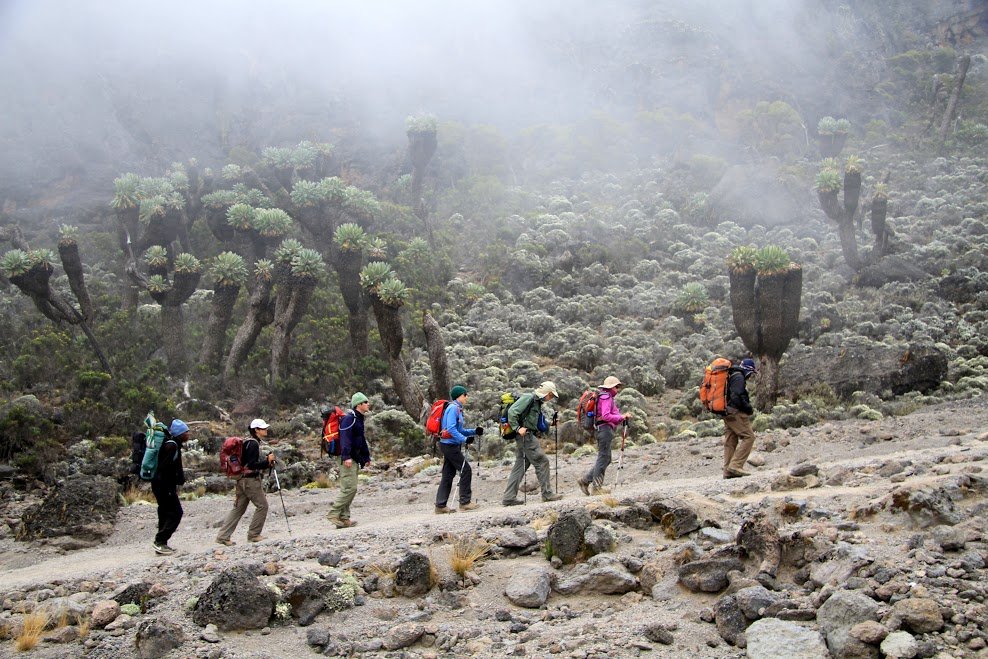
Mount Meru is often described as a warm-up climb for Kilimanjaro, but it should not be underestimated. It is a serious high-altitude trek with a demanding summit night, steep ridgelines, and changing weather conditions. At the same time, it is one of East Africa’s most beautiful mountain hikes. The route passes through forest, open moorland, volcanic landscapes, and a dramatic crater rim, with opportunities to see wildlife along the lower slopes.
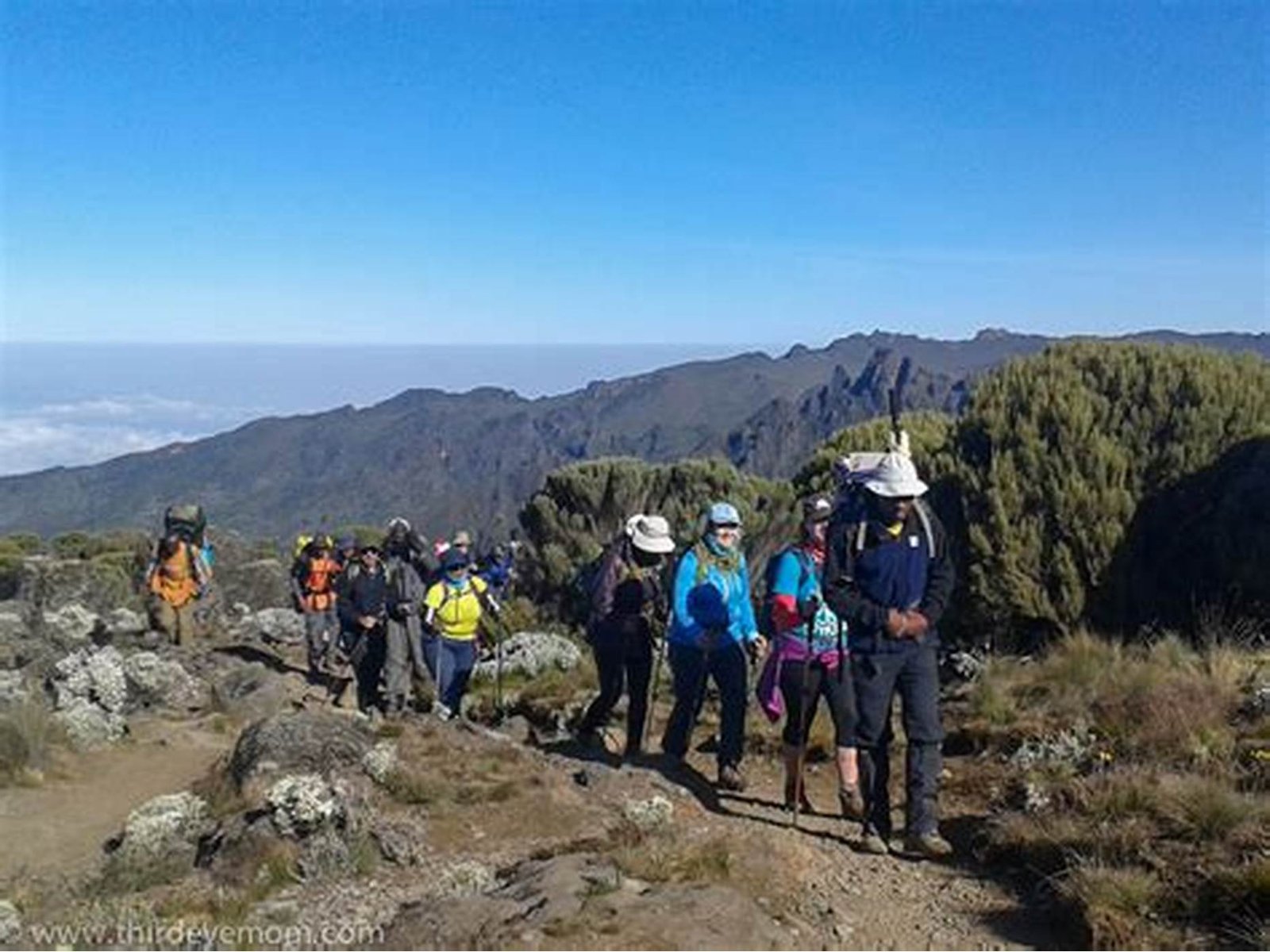
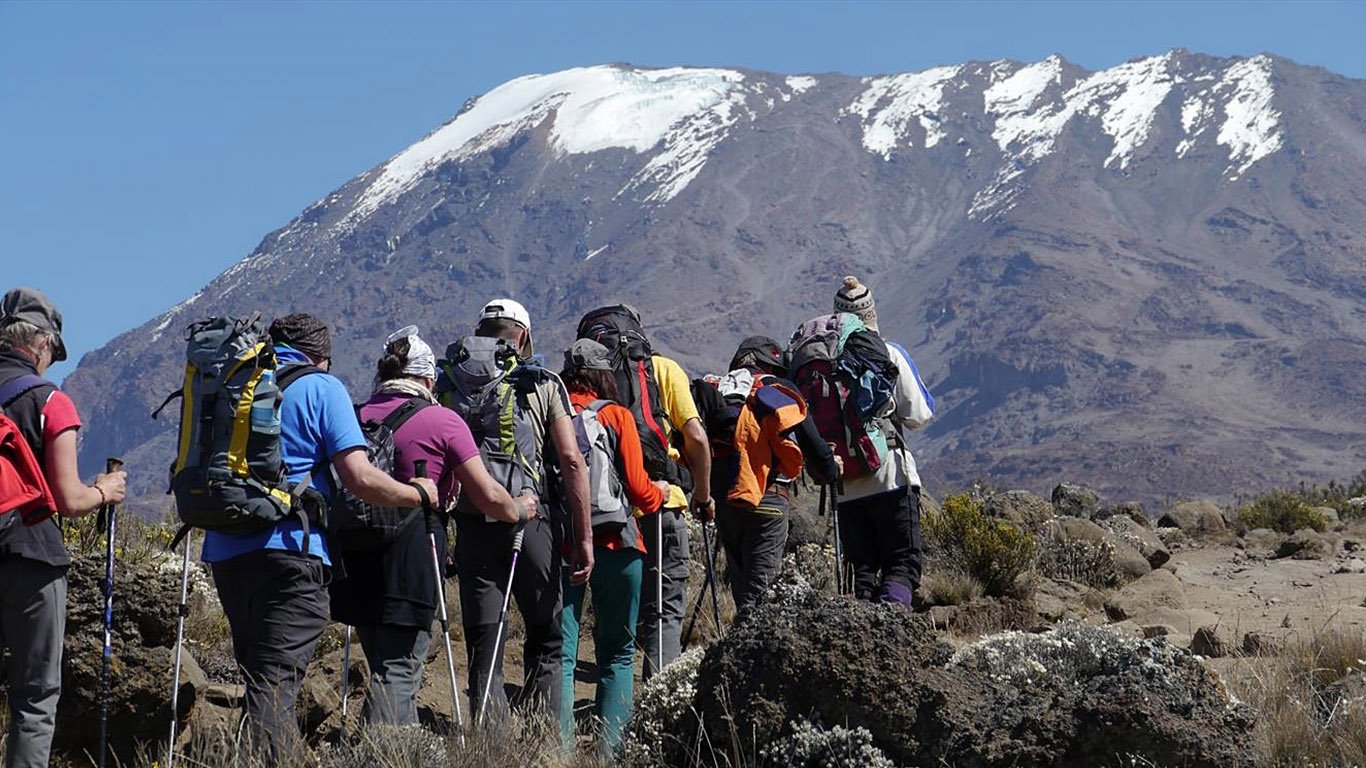
This three-day itinerary is ideal for fit travellers with limited time, climbers preparing for Kilimanjaro, and hikers who want a real mountain challenge without the longer duration of a Kilimanjaro climb. You will hike with an experienced mountain guide, armed park ranger, porters, and a cook, while sleeping in mountain huts along the route.
3-Day Mount Meru Climb : highlights
- Climb Tanzania’s second-highest mountain at 4,566 metres
- Trek through Arusha National Park with an armed ranger
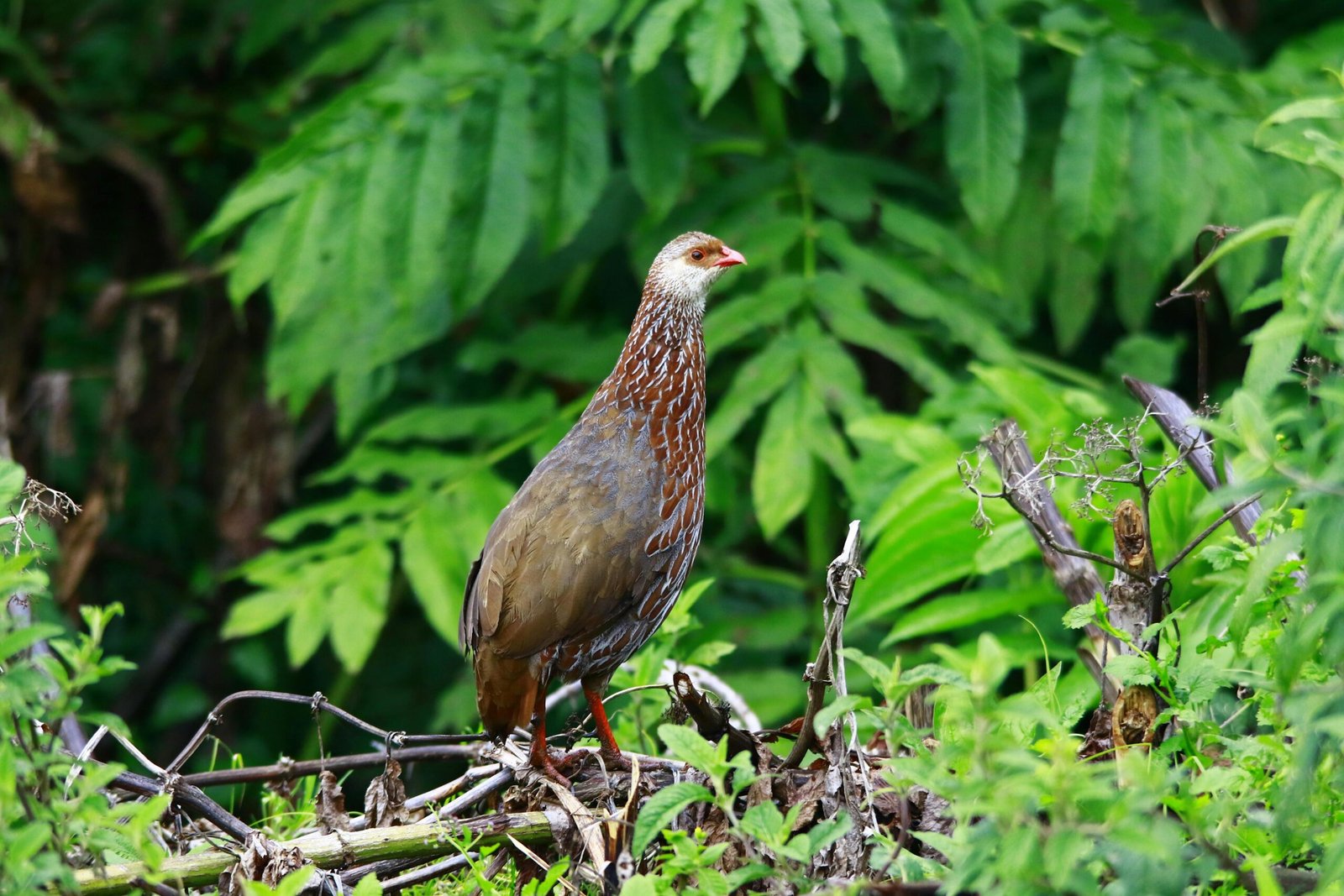
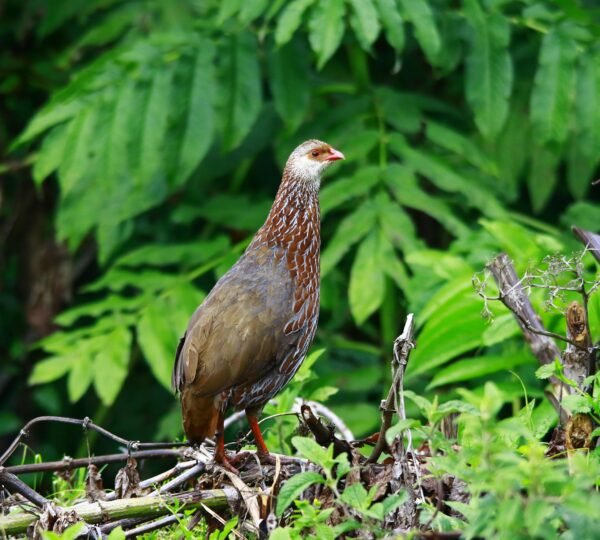
- Possible sightings of giraffes, buffaloes, colobus monkeys, bushbucks, and birds
- Stay in Miriakamba Hut and Saddle Hut
- See dramatic volcanic landscapes and the Mount Meru crater
- Watch sunrise from the summit ridge
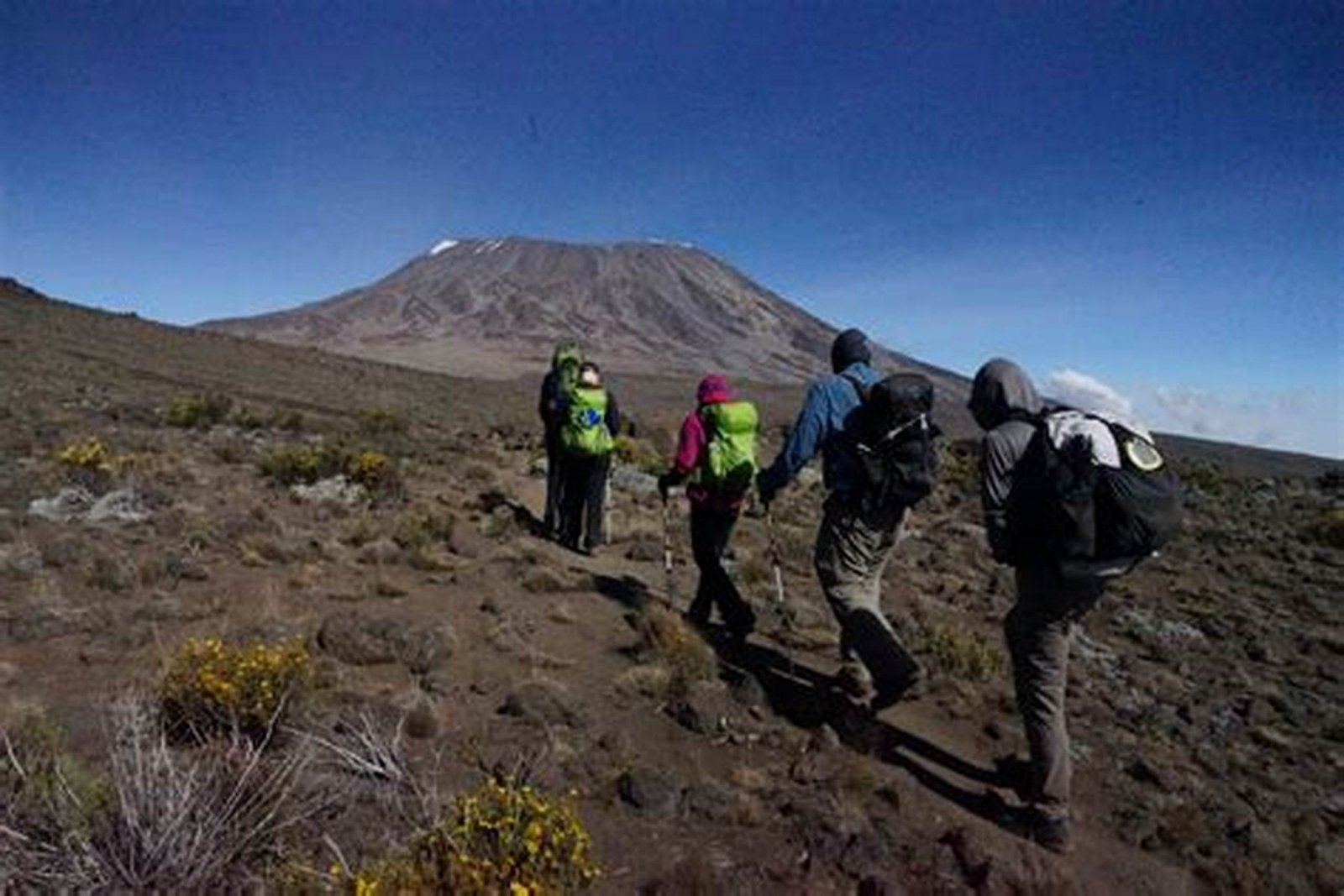
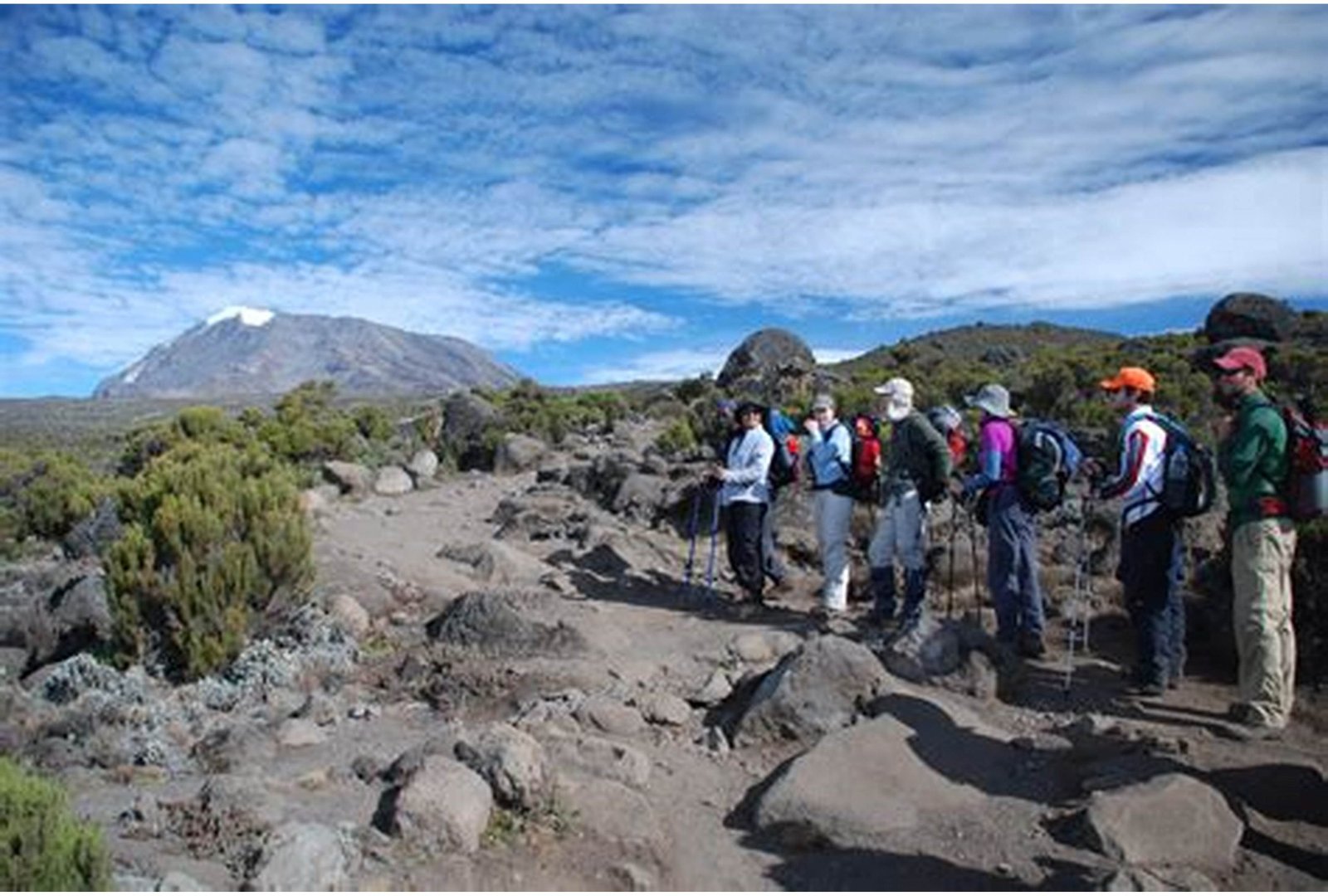
- Enjoy clear-day views towards Mount Kilimanjaro
- Experience a challenging three-day trek close to Arusha
Why climb 3-Day Mount Meru Climb ?
Mount Meru is a strong choice for travellers who want a mountain adventure that includes more than hiking. Because the trail begins in Arusha National Park, the lower sections are shared with wildlife. It is not unusual to see giraffes moving through open grassland, buffalo in the forest edge, monkeys in the trees, or birds calling from the slopes.
The mountain itself is a dormant volcano. Its profile is striking, with a large crater, steep ridges, and the ash cone rising from inside the caldera. The summit route follows a narrow volcanic ridge before reaching Socialist Peak, the highest point on Mount Meru.
For people planning to climb Kilimanjaro later, Mount Meru can be useful as a preparation trek. It gives your body some experience at altitude, allows you to test your boots and clothing, and helps you understand how your body responds to sustained uphill walking. However, Mount Meru is also a complete destination in its own right. Many hikers climb it simply because they want a challenging, less crowded mountain route with exceptional views.
Day 1 of 3-Day Mount Meru Climb : Momella Gate to Miriakamba Hut
Your Mount Meru adventure begins after breakfast in Arusha. EKO Tanzania Adventures will collect you from your hotel and drive you to Momella Gate in Arusha National Park. The drive takes approximately 45 minutes to one hour, depending on your accommodation location and park entry procedures.
At the gate, you will register with the park authorities, meet your mountain crew, and complete final checks before the trek begins. Your team normally includes a professional mountain guide, an armed park ranger, porters, and a cook. The ranger is compulsory because the lower slopes of Mount Meru are part of a wildlife area.
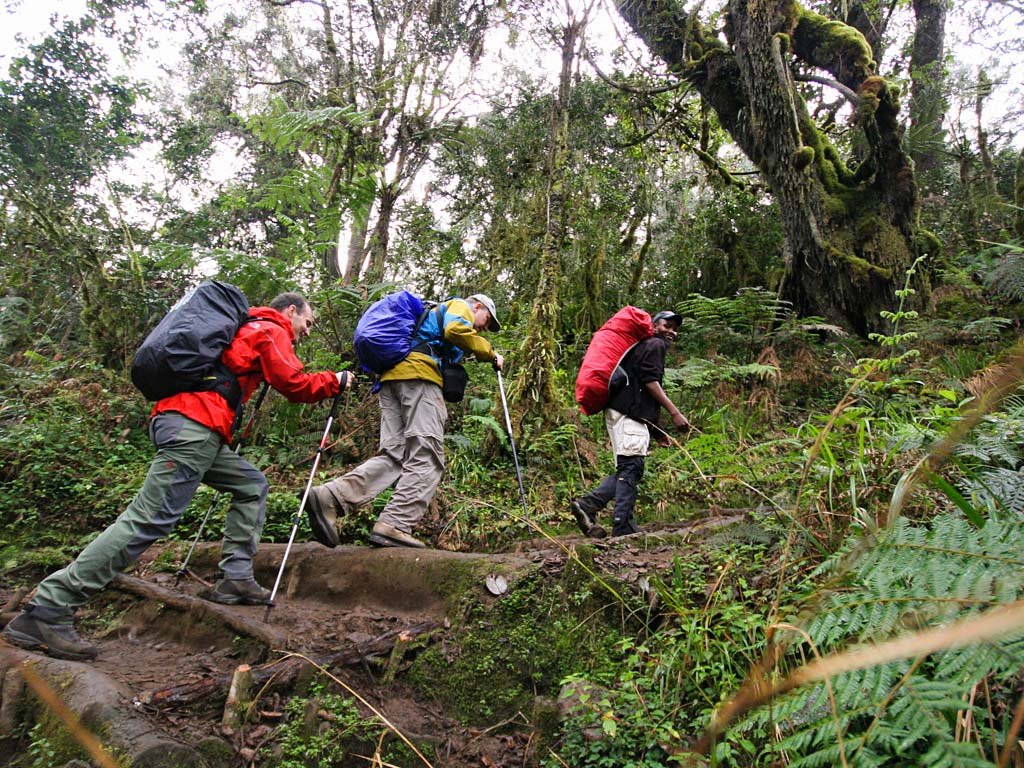
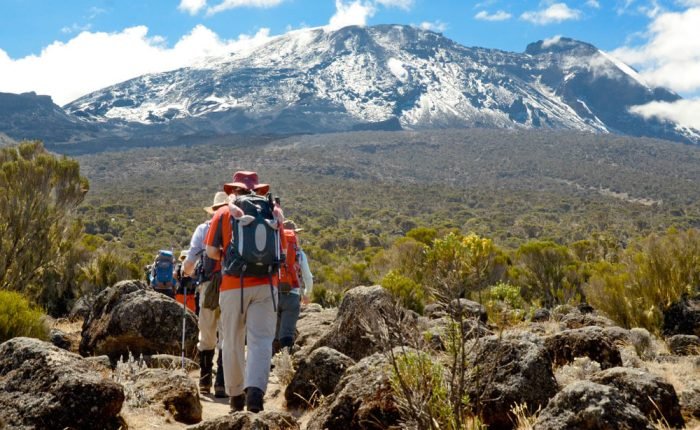
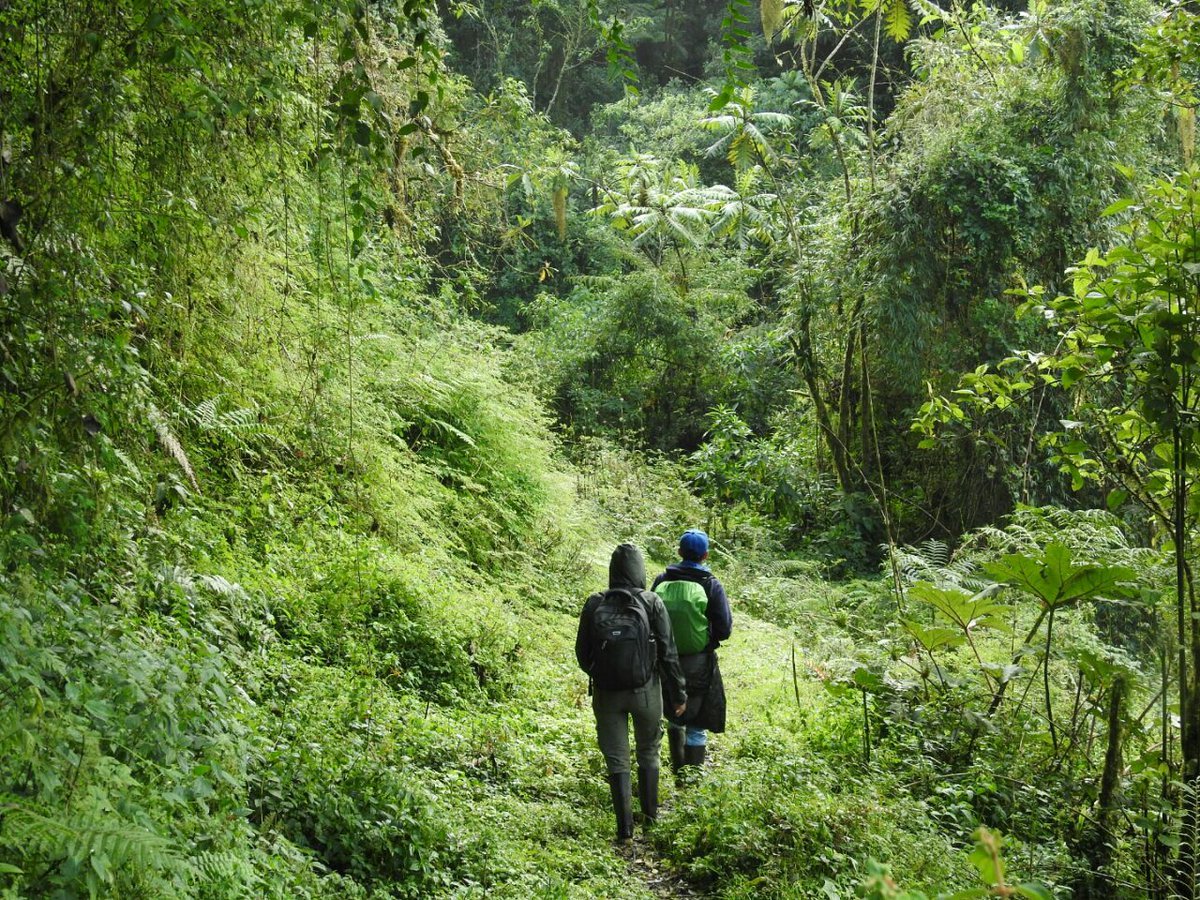
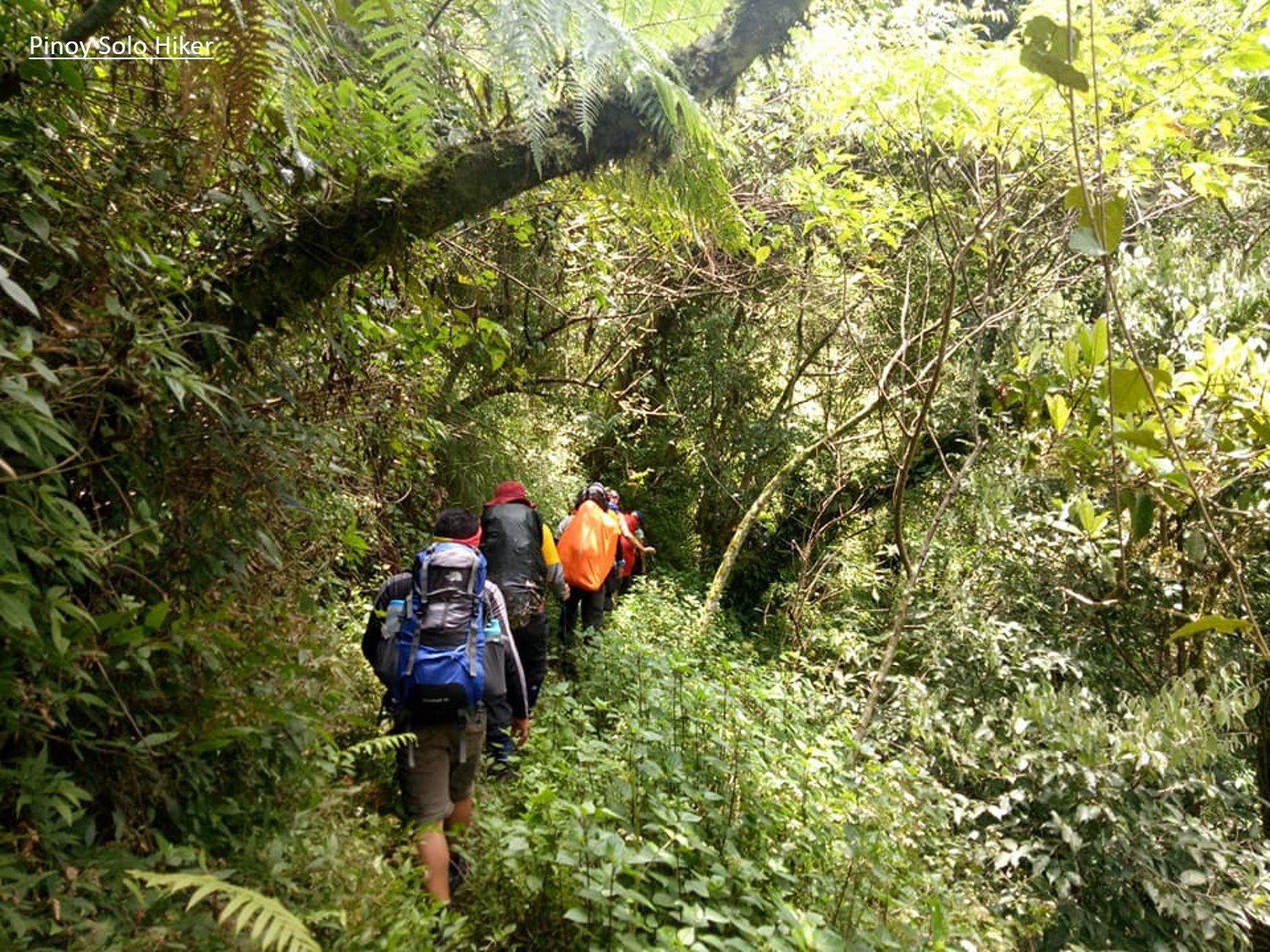
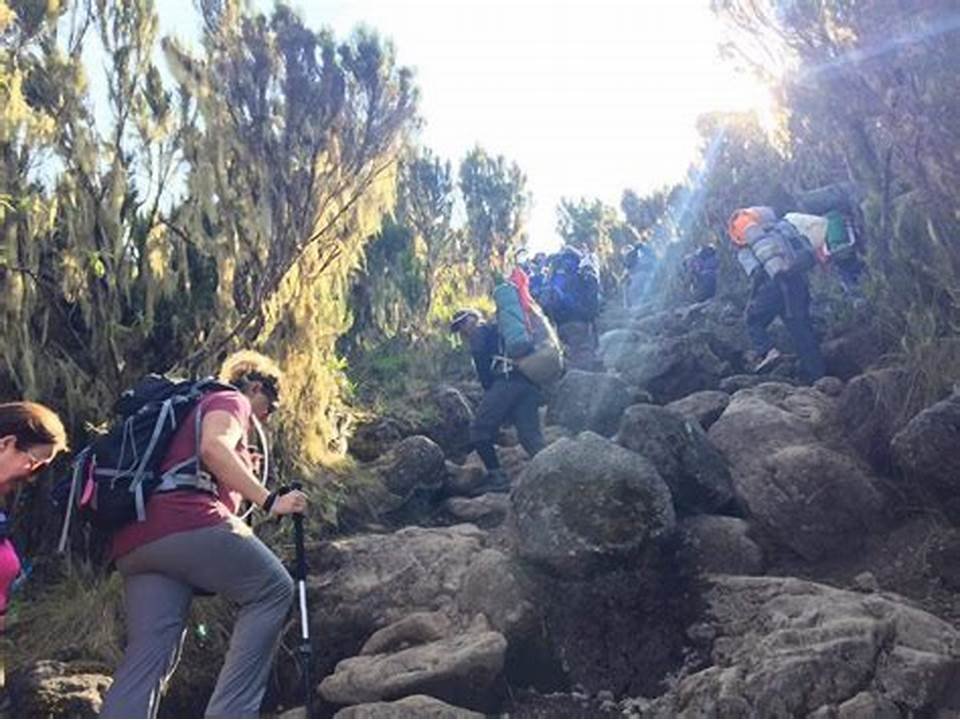
The first day begins at approximately 1,500 metres above sea level and follows a gradual trail through grassland, woodland, and forest. This section is a gentle introduction compared with the steeper upper mountain, but it is still important to walk slowly, drink enough water, and allow your body to settle into the trek.
As you walk, keep your eyes open. Arusha National Park is home to giraffes, buffaloes, warthogs, bushbucks, monkeys, and many bird species. Wildlife sightings are never guaranteed, but the possibility of animals beside a mountain trail makes Mount Meru quite different from many other trekking routes.
The route passes places such as Fig Tree Arch, a large tree formation that makes a good photo stop. The forest becomes thicker as you gain altitude, and the sounds of the park slowly replace the noise of the town.
Lunch is normally enjoyed along the trail or at a suitable rest point. Your guide will set a steady pace, allowing time for short breaks and photographs. The goal on the first day is not speed. It is to arrive at the hut comfortable, well hydrated, and ready for the following day.
By late afternoon, reach Miriakamba Hut at approximately 2,500 metres. This is your first overnight stop on the mountain. The hut is located in a forested setting and provides simple shared mountain accommodation. Your porters will arrive with your main luggage and sleeping arrangements, while the cook prepares a hot meal.
After dinner, your guide will brief you on the next day’s trek. The evening can become cool, so warm layers are important. Get a good night’s rest because Day 2 involves more altitude gain and a steeper climb.
Trekking time: Approximately 4–6 hours
Distance: Approximately 10 kilometres
Overnight: Miriakamba Hut
Day 2 of 3-Day Mount Meru Climb : Miriakamba Hut to Saddle Hut
After an early breakfast, begin the second day of your Mount Meru climb. Today’s route takes you from forest into more open mountain terrain, with wider views and a noticeable increase in altitude.
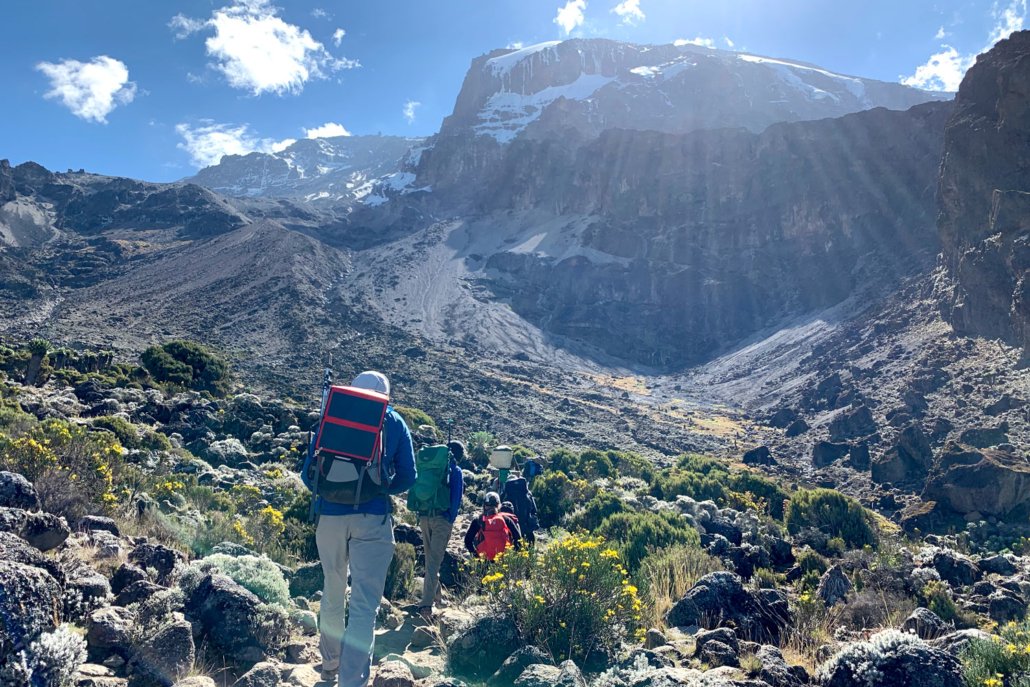
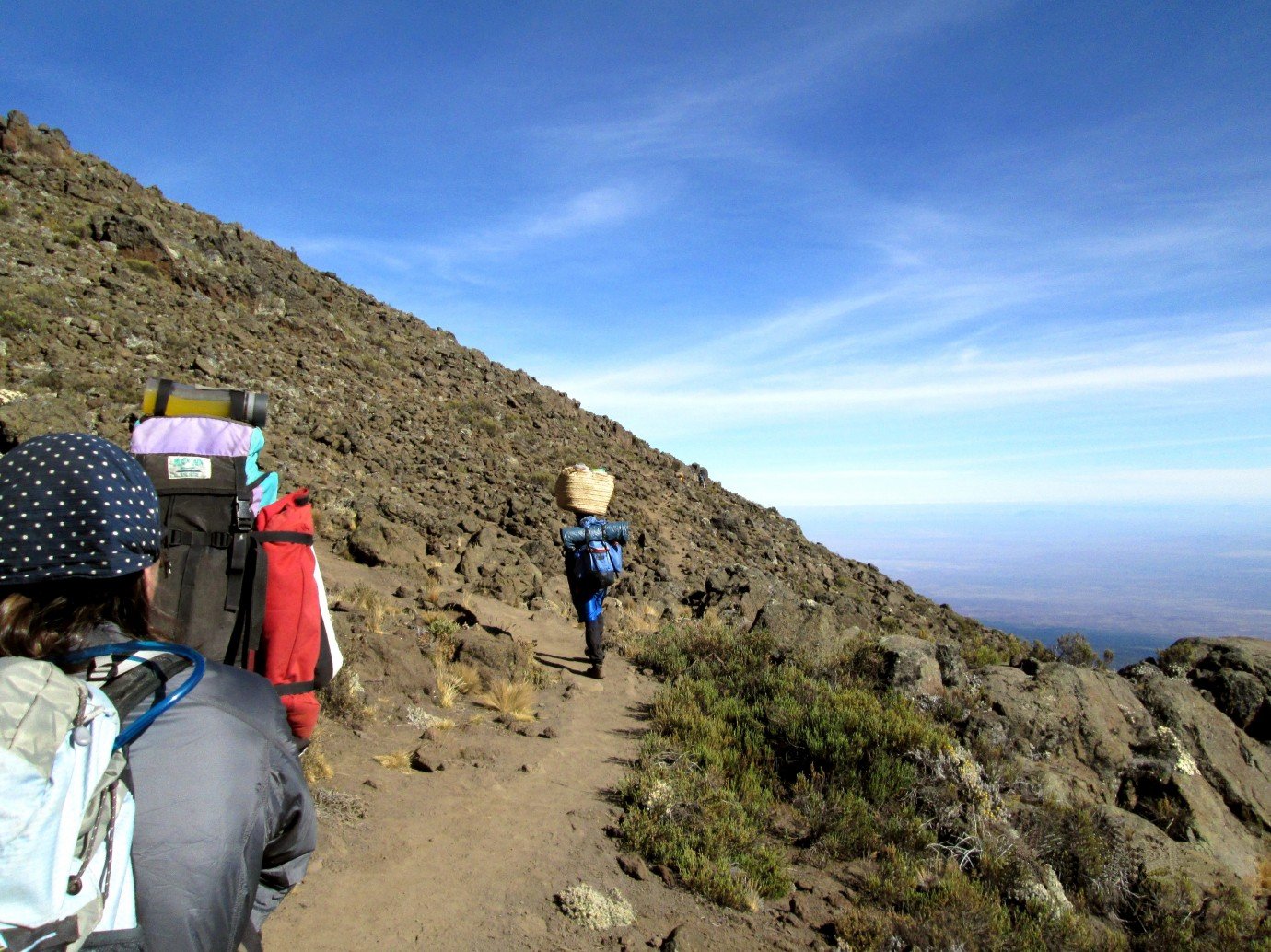
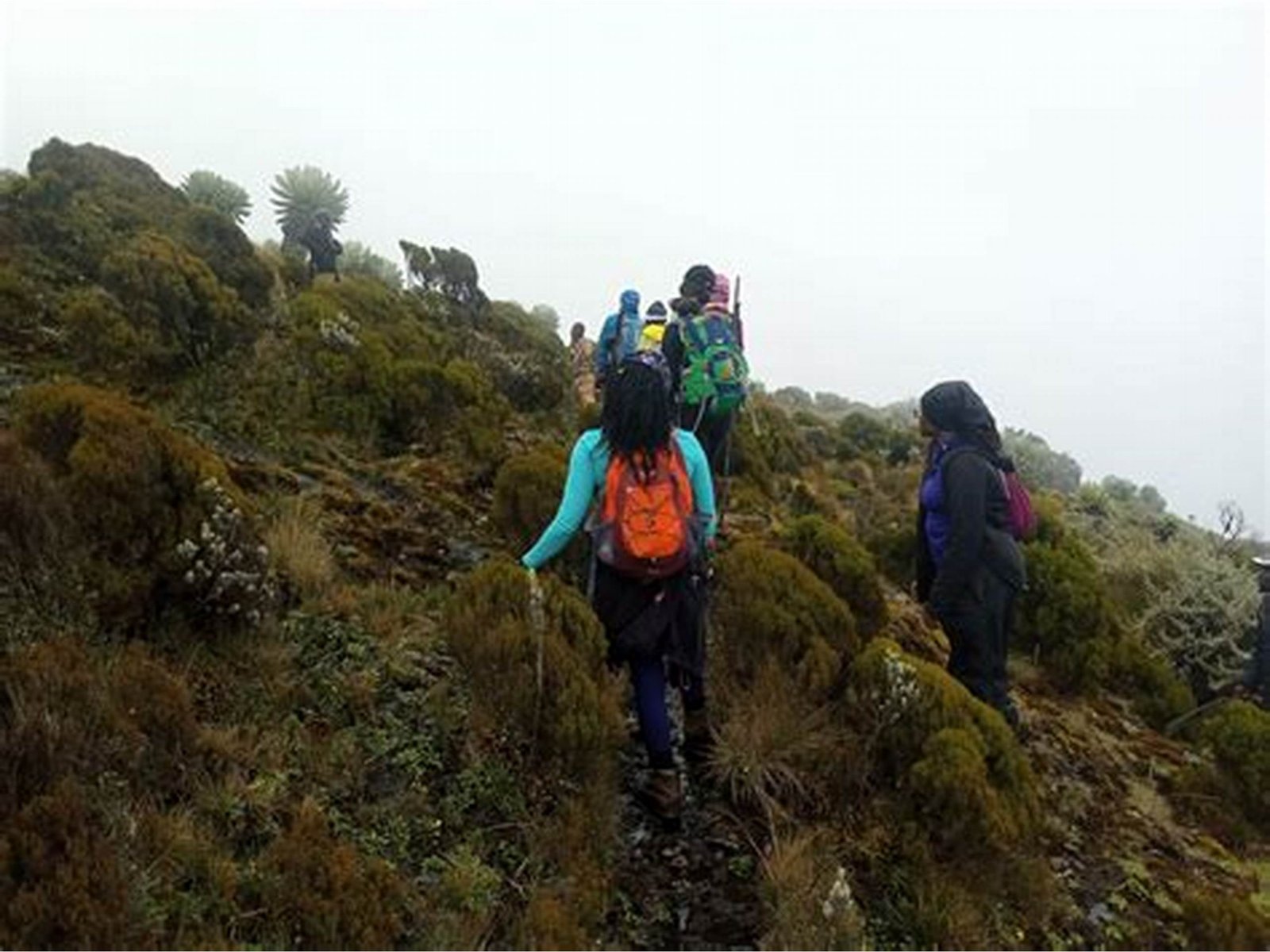
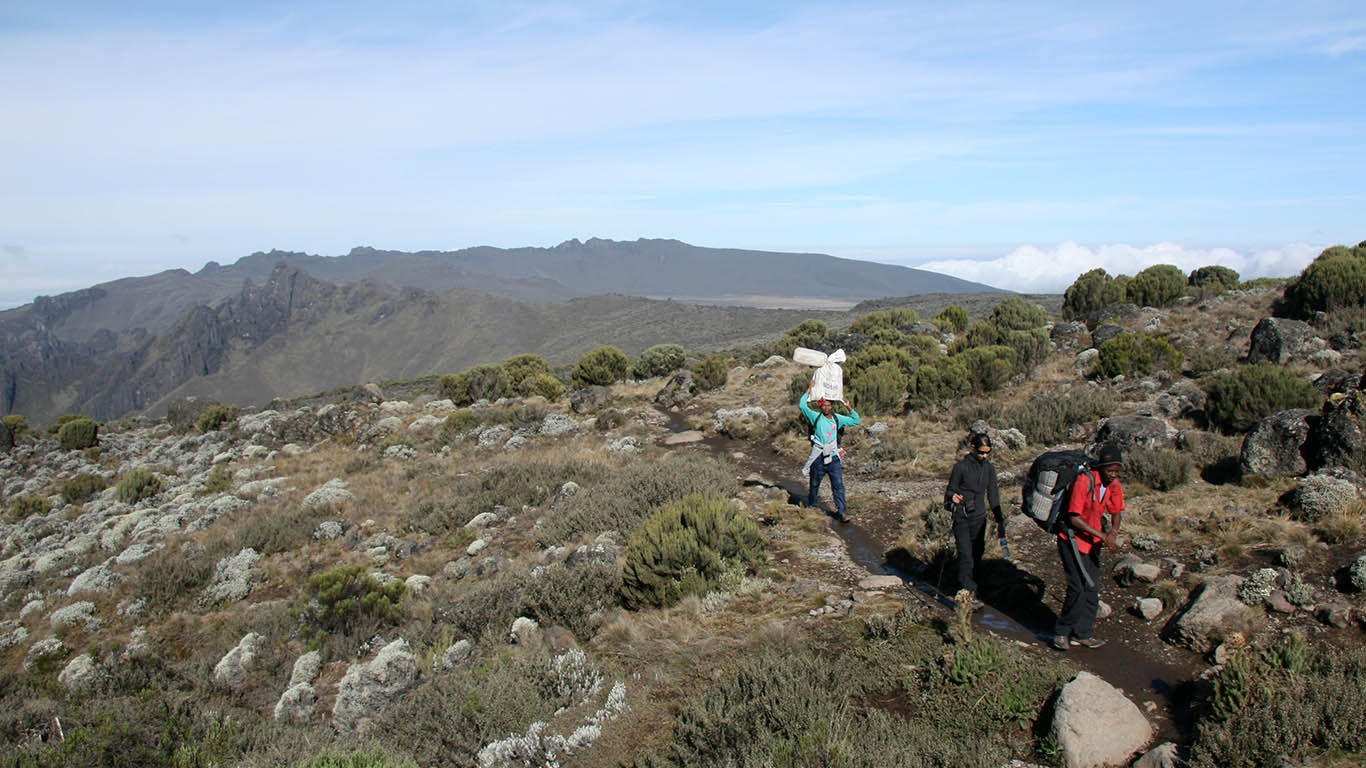
The trail climbs steadily through montane forest before reaching moorland and volcanic landscape. As vegetation changes, the mountain begins to feel more exposed and dramatic. On clear days, there are excellent views across Arusha National Park, the Momella Lakes, and the surrounding plains.
You will pass several viewpoints and may stop at Elephant Ridge, a scenic area where the landscape opens up. The views from this part of the mountain are one of the reasons Mount Meru is so highly regarded. You can look back over the lower slopes and see how far you have already climbed.
The final section to Saddle Hut is steeper and requires patience. Take small steps, breathe steadily, and let your guide set the pace. At this altitude, it is normal to feel the effort more strongly. The important thing is to avoid rushing.
Arrive at Saddle Hut, located at approximately 3,550 metres between the main Mount Meru summit and the volcanic ash cone. The setting is dramatic, with the landscape becoming more open, rocky, and alpine.
After lunch and a rest, there is often an optional acclimatisation walk towards Little Meru, which stands at around 3,820 metres. This short hike is strongly recommended if you feel well. It helps your body adjust to the higher altitude and gives you a beautiful view of the surrounding terrain.
Return to Saddle Hut for dinner and an early night. Summit day begins shortly after midnight, so you need to prepare your warm clothing, headlamp, gloves, water, snacks, and personal items before sleeping. Temperatures can drop sharply during the night, especially near the summit.
Your guide will explain the summit plan carefully. The climb is challenging, but the team will support you with encouragement, pacing advice, and regular checks.
Trekking time: Approximately 3–5 hours to Saddle Hut, plus optional Little Meru hike
Distance: Approximately 8 kilometres
Overnight: Saddle Hut
Day 3 of 3-Day Mount Meru Climb : Saddle Hut to Socialist Peak, then descend to Momella Gate
Summit day begins in the early hours of the morning, usually between midnight and 2:00 a.m. After a light meal and final preparation, start the ascent in darkness with headlamps.
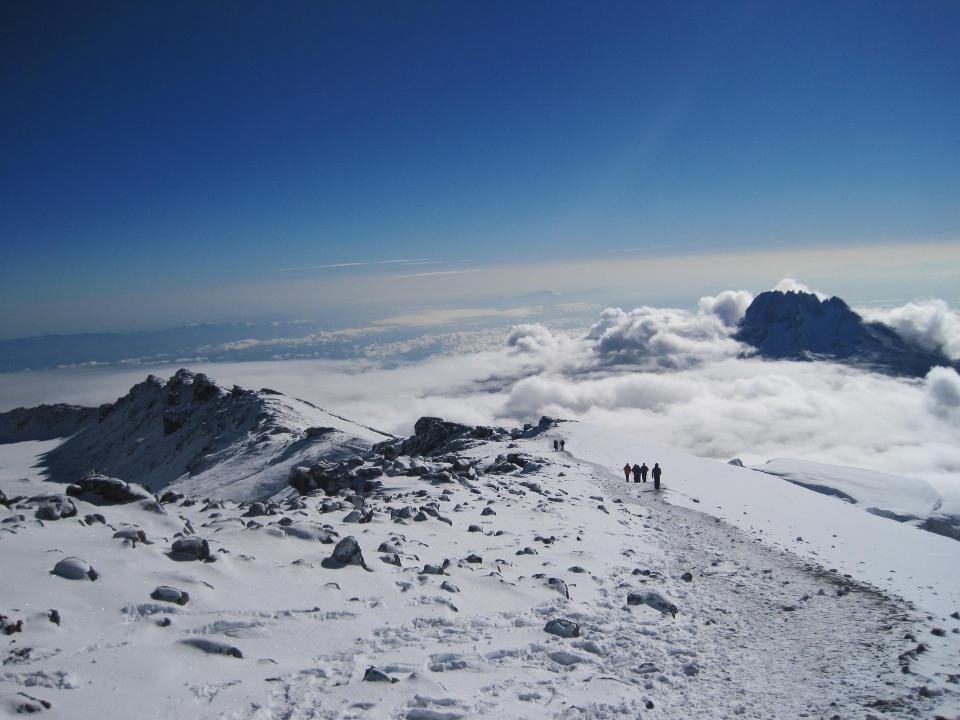
This is the most demanding part of the Mount Meru climb. The trail climbs steeply from Saddle Hut towards Rhino Point, then follows an exposed ridge with deep views into the Mount Meru crater below. The route requires concentration, determination, and a careful pace.
The summit path can feel long because of the altitude and the steep terrain. Your guide will encourage you to move slowly and consistently. Do not worry about speed. Reaching the summit safely is more important than arriving quickly.
As dawn approaches, the sky begins to brighten over northern Tanzania. Sunrise on Mount Meru is one of the great rewards of the climb. On a clear morning, Mount Kilimanjaro may appear in the distance, rising above the horizon. Seeing Africa’s highest mountain from the slopes of Mount Meru is a special moment and one many hikers remember long after the trek is over.
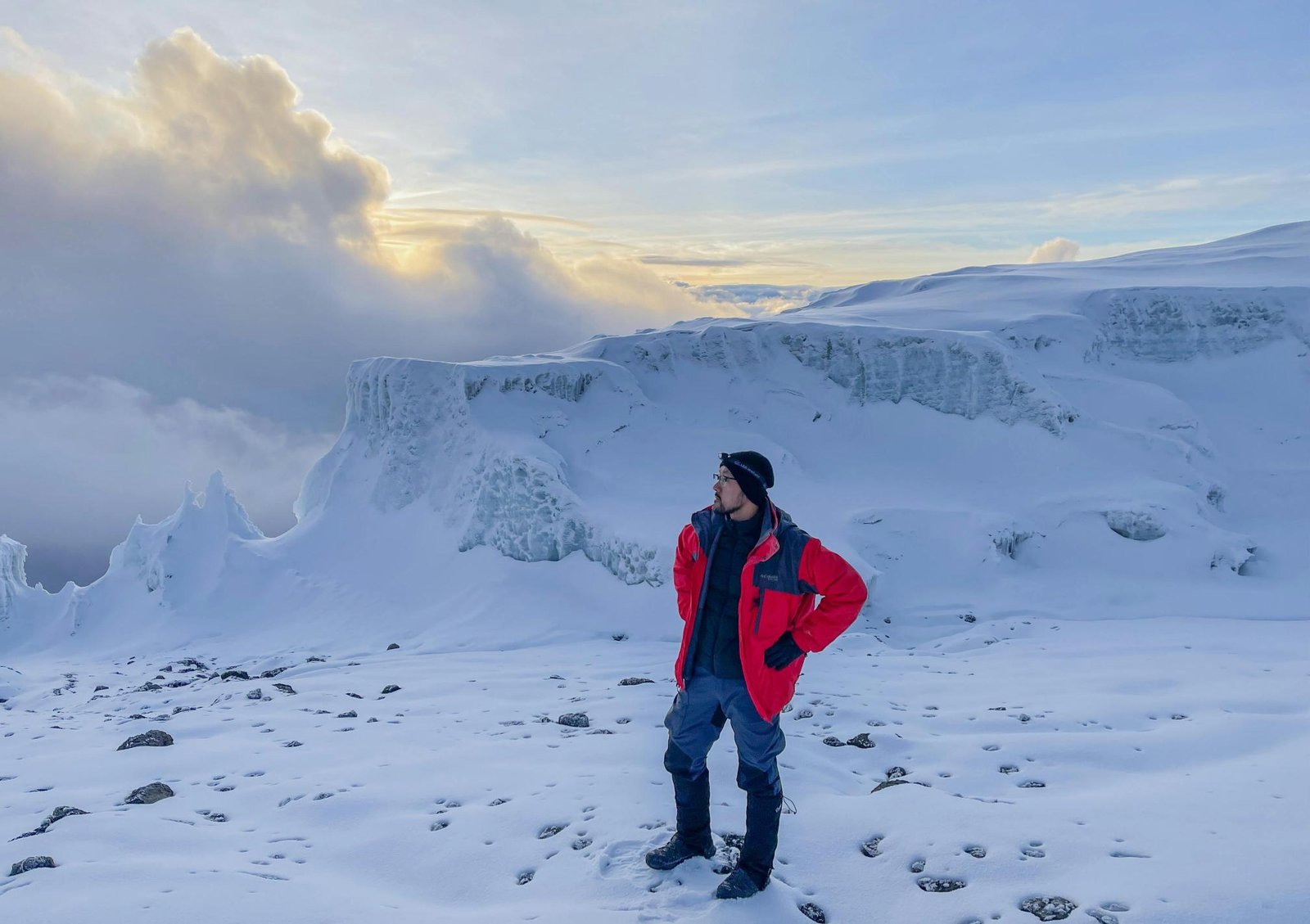
Continue to Socialist Peak, the summit of Mount Meru at 4,566 metres. Take photographs, celebrate with your team, and enjoy the achievement. Weather conditions can be cold and windy at the summit, so you will not stay for too long.
After the summit, begin your descent back to Saddle Hut for a hot meal and short rest. From there, continue descending through the changing vegetation zones towards Miriakamba Hut and onward to Momella Gate.
The descent is long, so trekking poles are useful. Your knees may feel the downhill effort, especially after the summit climb. Take your time, stay focused, and keep drinking water.
At Momella Gate, you will sign out of the park and say goodbye to your mountain crew. Your driver will transfer you back to Arusha, where you can enjoy a hot shower, a proper meal, and a well-earned rest.
Summit trekking time: Approximately 10–14 hours total
Summit altitude: 4,566 metres
End point: Momella Gate, Arusha National Park
Mount Meru climbing difficulty
The three-day Mount Meru route is considered challenging. It requires good fitness, mental determination, and the ability to walk uphill for several hours each day. Summit night is particularly demanding due to the altitude, cold temperatures, darkness, and long descent afterward.
You do not need technical climbing skills or ropes, but you should be comfortable hiking on uneven trails and exposed ridge sections. The summit path is narrower in places and may not suit travellers with a strong fear of heights.
A regular walking, hiking, running, cycling, or gym routine before the trip will make the climb more enjoyable. If you are preparing specifically for Mount Meru, focus on endurance, uphill walking, leg strength, and time on your feet.
Altitude and safety on Mount Meru
Altitude is one of the main challenges of Mount Meru. The summit stands above 4,500 metres, and the three-day itinerary gains height quickly. Even very fit travellers can feel the effects of altitude.
Your guide will monitor how you are feeling throughout the climb. Common mild symptoms can include headache, tiredness, reduced appetite, or difficulty sleeping. It is important to tell your guide honestly if you feel unwell. The best response to altitude problems is early communication and sensible decision-making.
To support acclimatisation:
- Walk slowly and avoid racing ahead
- Drink plenty of water throughout the day
- Eat regular meals, even if your appetite is lower
- Avoid alcohol before and during the climb
- Wear enough warm clothing at night and on summit day
- Listen carefully to your guide’s advice
- Report headaches, nausea, dizziness, or breathing difficulties immediately
Your safety is always more important than reaching the summit.
Accommodation and meals on the route
Accommodation on Mount Meru is in basic mountain huts rather than tents or luxury lodges. Miriakamba Hut and Saddle Hut provide simple shared sleeping facilities. The huts are practical and are part of the true mountain experience.
Your EKO Tanzania Adventures mountain crew will provide meals during the trek. Food is prepared to give you energy for hiking and may include soups, rice, pasta, potatoes, vegetables, chicken, fruit, tea, coffee, and snacks. Please let us know before departure if you are vegetarian, vegan, gluten-free, allergic to specific foods, or have another dietary requirement.
The crew also carries most of the equipment and your main bag. You will carry a small daypack with your water, rain gear, warm jacket, snacks, camera, and personal essentials.
What to pack for a Mount Meru climb
Good preparation makes a major difference on the mountain. Essential items include:
- Comfortable, waterproof hiking boots
- Warm jacket or down jacket
- Waterproof rain jacket and rain trousers
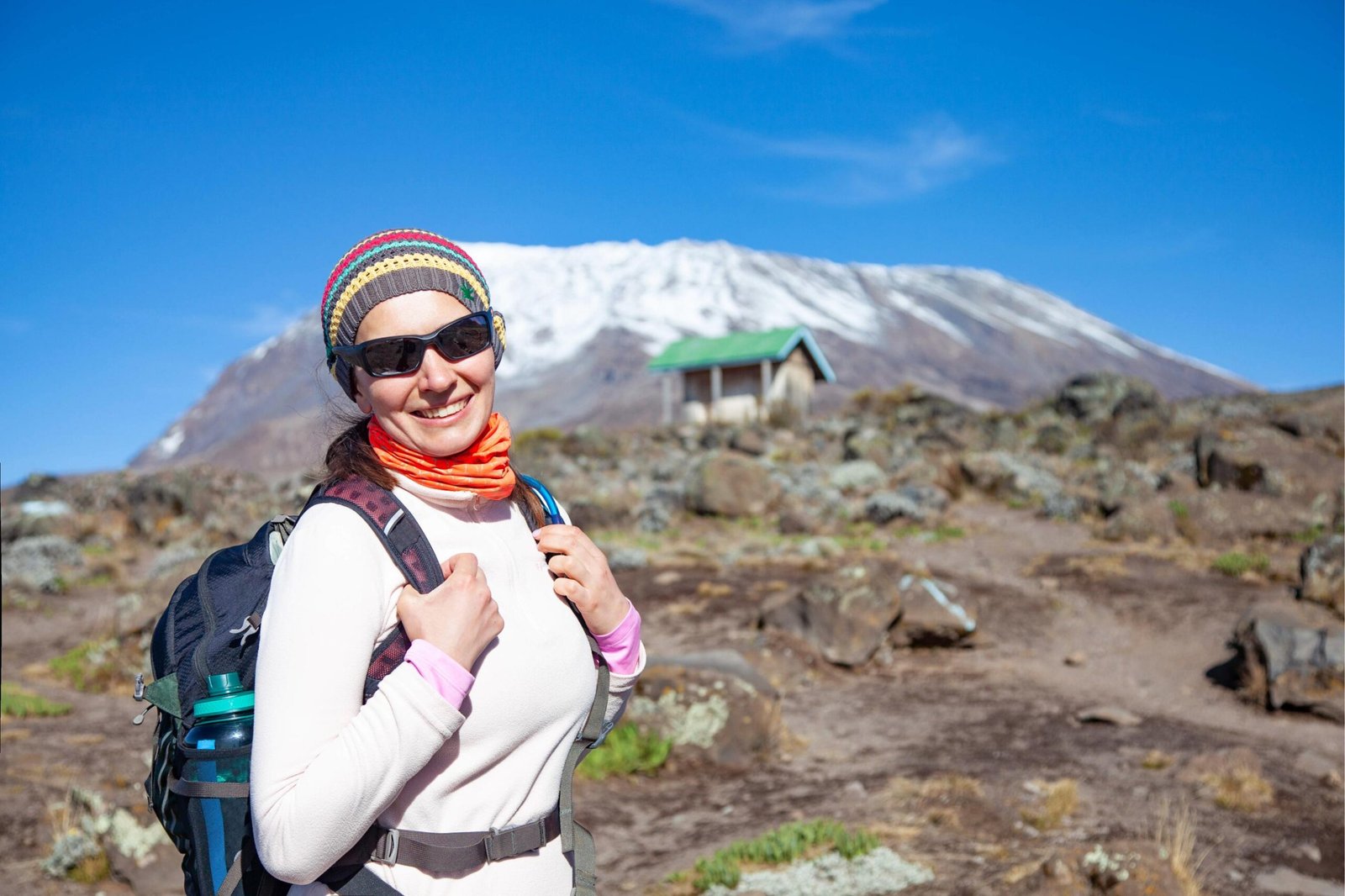
- Warm hat, gloves, and neck warmer
- Thermal base layers for summit night
- Hiking trousers and quick-dry shirts
- Headlamp with spare batteries
- Daypack
- Refillable water bottles or hydration pack
- Sunglasses and sunscreen
- Trekking poles
- Personal medication and toiletries
- Camera or phone with power bank
- Sleeping bag suitable for cold mountain conditions
If you do not have all the required equipment, ask EKO Tanzania Adventures about rental options in Arusha before your climb.
What is included in 3-Day Mount Meru Climb
- Transfers from Arusha to Momella Gate and back
- Arusha National Park entry fees
- Mount Meru climbing permits and rescue fees
- Professional mountain guide
- Armed park ranger
- Cook and porters
- Mountain hut fees
- Meals during the mountain trek
- Drinking water during the climb
- Government taxes and stated fees
What is not included in 3-Day Mount Meru Climb
- International and domestic flights
- Accommodation and meals in Arusha before or after the climb
- Travel insurance, including high-altitude evacuation cover
- Visa fees
- Personal trekking equipment
- Tips for guides, porters, cook, and ranger
- Drinks not stated in the itinerary
- Personal expenses and items not listed as included
Best time to climb Mount Meru
Mount Meru can be climbed throughout much of the year, but the drier months are generally more comfortable for trekking. January to early March and June to October are often preferred because trails are usually less muddy and there is a better chance of clear views.
The rainy seasons can still be possible, but the route may be wetter, cloudier, and more slippery. Weather on a mountain can change quickly in any season, so proper rain gear and warm layers are necessary all year.
Book your 3-Day Mount Meru Climb
This three-day trek is short in duration but big in character. From wildlife-filled forest to the summit ridge above the crater, Mount Meru gives you a proper Tanzania mountain experience in just three days.
EKO Tanzania Adventures can arrange your Mount Meru climb as a standalone trip or combine it with a Tanzania safari, Kilimanjaro climb, or Zanzibar beach holiday.
Contact us on WhatsApp: Chat with EKO Tanzania Adventures
Email: info@ekotanzaniaadventures.com
Alternative email: ekotanzaniaadventure@gmail.com
Climb Mount Meru with a professional local team and take on one of Tanzania’s most striking mountain routes.